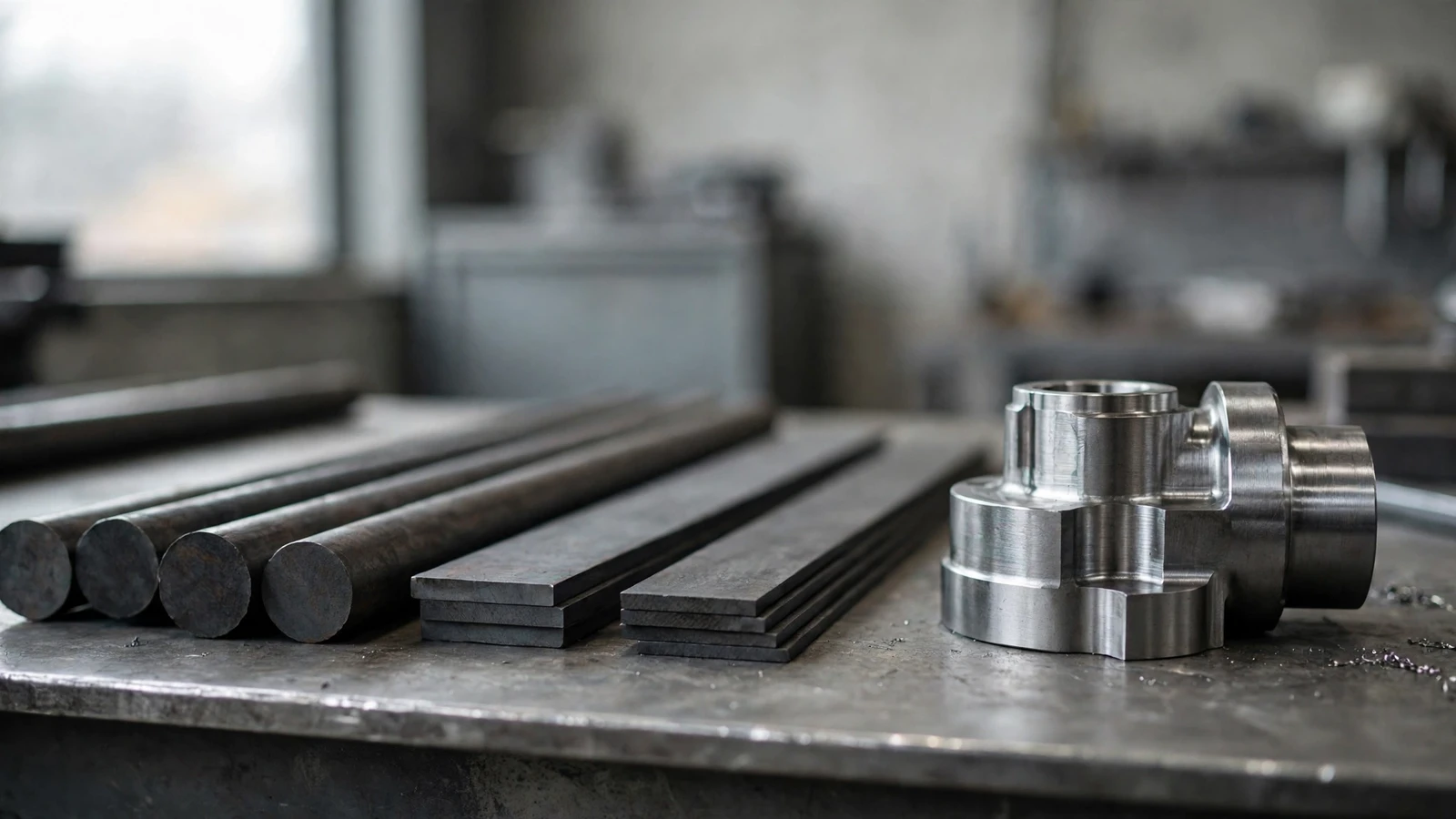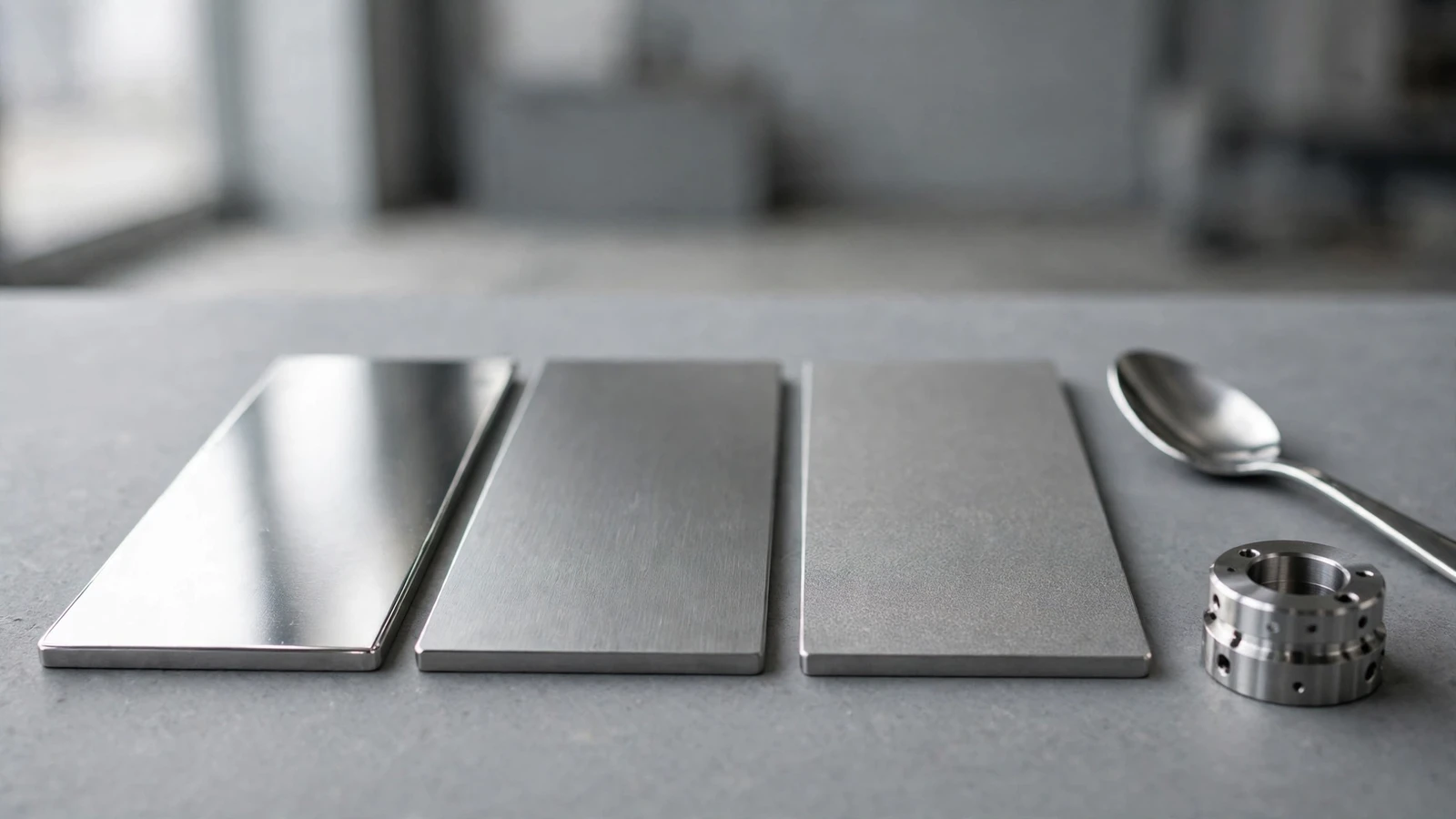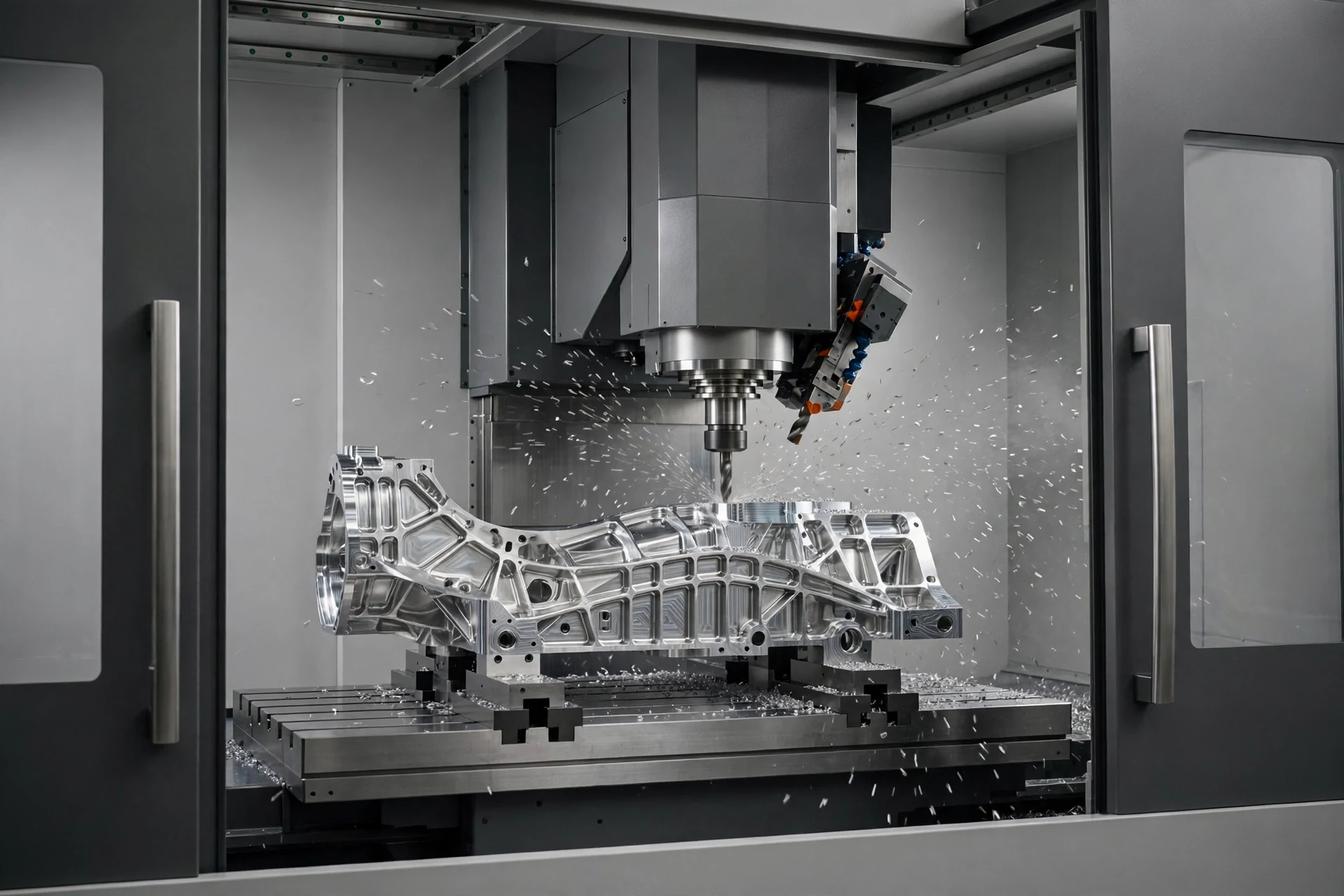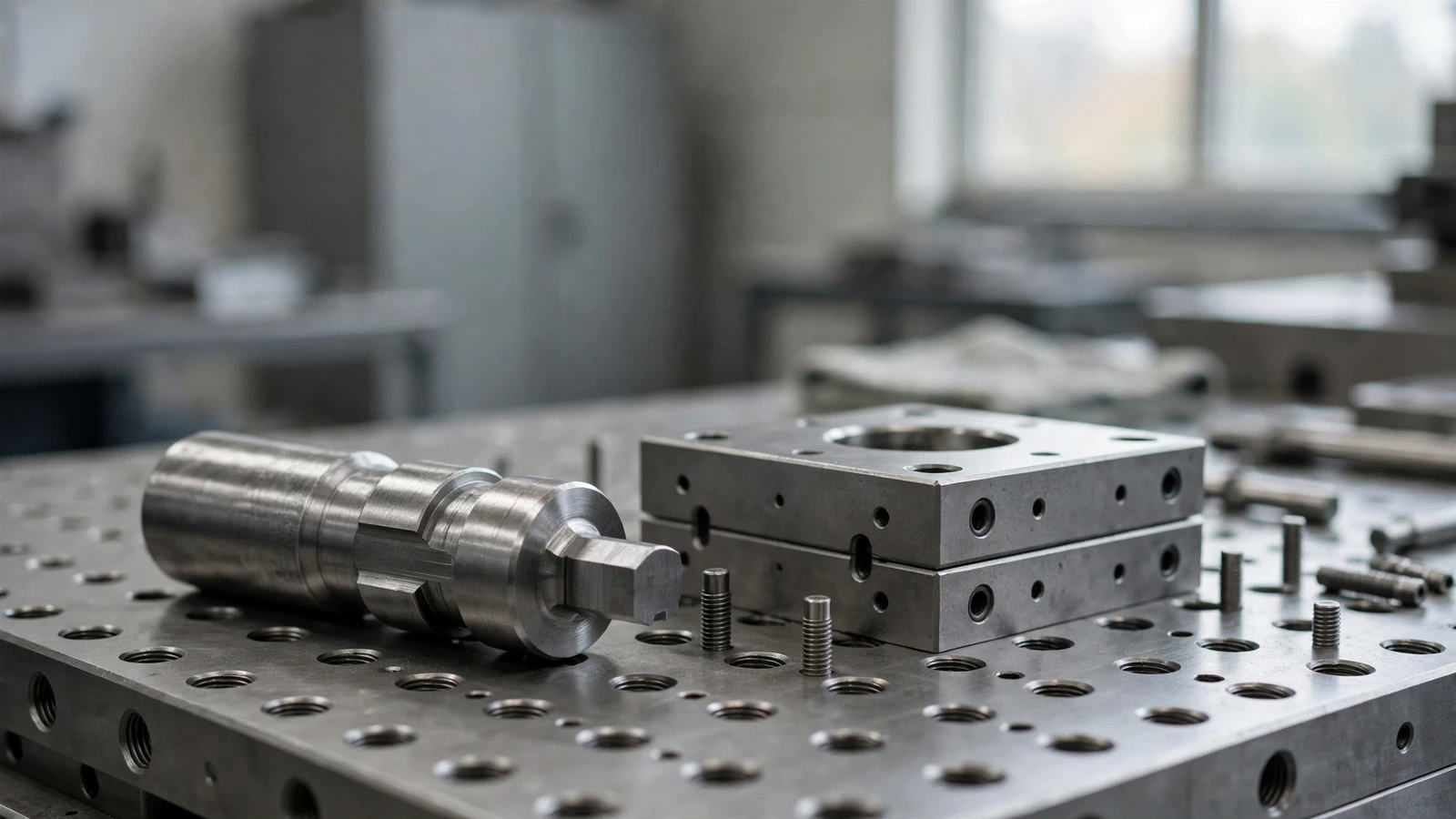
D2 steel is a high-carbon, high-chromium cold-work tool steel with about 1.5% carbon and 12% chromium. It hardens in air to roughly 58–62 HRC and is chosen for its outstanding wear resistance. That makes it a standard material for stamping dies, punches, shear blades and long-wearing knives.
Quick answer: D2 is an air-hardening tool steel known for extreme wear resistance and good dimensional stability during heat treatment. It holds an edge far longer than most stainless knife steels but is less tough, harder to sharpen and only semi-stainless. For dies and wear parts it is one of the most cost-effective choices available.
Most top-ranking articles on this alloy are written for knife buyers. This guide covers that question too, but it is written mainly for engineers and buyers who need parts in D2 material machined, heat treated and delivered to drawing.
AISI D2 belongs to the “D” group of cold-work tool steels, where D stands for high-carbon, high-chromium grades. The “2” identifies it within that group. Its large volume of hard chromium carbides is what gives this high chromium tool steel its wear resistance, and its air-hardening response keeps distortion low compared with water- or oil-hardening grades. The steel was developed for cold work tooling that must resist wear and abrasion over long production runs.
The same alloy is sold under several names around the world, which matters when you source material or read a mill certificate from another country.
| System | Designation |
|---|---|
| AISI / SAE (USA) | D2 |
| UNS | T30402 |
| ASTM | A681, grade D2 |
| DIN / EN (Germany, Europe) | 1.2379, X153CrMoV12 |
| JIS (Japan) | SKD11 (close equivalent) |
| GB (China) | Cr12Mo1V1 (close equivalent; Cr12MoV is similar but not identical) |
“Close equivalent” is doing real work in that table. SKD11 and Cr12Mo1V1 overlap D2’s chemistry but are not always identical, so specify the standard you need on the drawing.
The chemical composition is built around a high carbon content, typically about 1.55% (often rounded to 1.5%), and a high chromium content near 12%. The d2 steel composition below shows typical limits under ASTM A681. Individual mills often work to tighter ranges.
| Element | Typical range (wt %) | What it does |
|---|---|---|
| Carbon (C) | 1.40–1.60 | Forms hard carbides; enables high hardness |
| Chromium (Cr) | 11.00–13.00 | Carbide former; adds wear and some corrosion resistance |
| Molybdenum (Mo) | 0.70–1.20 | Deepens hardening; improves temper resistance |
| Vanadium (V) | 1.10 max (often about 0.9) | Forms very hard vanadium carbides; refines grain |
| Manganese (Mn) | 0.60 max | Hardenability; kept low to limit distortion |
| Silicon (Si) | 0.60 max | Deoxidizer |
| Iron (Fe) | Balance | Base metal |
Twelve percent chromium sounds close to stainless, but much of that chromium is tied up in carbides rather than dissolved in the steel. In the hardened microstructure, that carbide structure appears as large chromium carbides in a tempered martensite matrix, and it controls both wear and toughness. That is why this tool steel stains and rusts more readily than a true stainless grade with similar chromium.
D2 steel hardness depends entirely on condition, so always state it with the D2 grade on the drawing. Buyers sometimes quote a single number, but the material behaves like three different metals in its annealed, hardened and tempered states.
| Property | Typical value | Notes |
|---|---|---|
| Hardness, annealed | About 217–255 HB | Machinable condition, as supplied |
| Hardness, hardened and tempered | 58–62 HRC typical | Depends on tempering temperature |
| Density | About 7.7 g/cm³ | Slightly lighter than plain carbon steel |
| Wear resistance | Very high | Main reason to choose D2 |
| Toughness | Low to moderate | Lower than A2, S7 or H13 |
| Dimensional stability in hardening | Very good | Air hardening keeps distortion low |
| Machinability (annealed) | Fair | Roughly half that of a 1% carbon tool steel |
| Corrosion resistance | Fair, semi-stainless | Better than carbon tool steel, below 440C |
The hardness on your drawing should always name the scale and range, for example “58–60 HRC,” not just “hardened D2.” A range of two to three points is normal and lets the heat treater hit it reliably.
Hardness is measured on the Rockwell C scale at room temperature. Depending on tempering, the grade can land anywhere from about 55-62 HRC, and a few knife makers push blades to 62-63 HRC at the cost of chipping.
The balance between hardness and toughness is the central trade-off: compared to other steels in its class, D2 offers high wear resistance with low toughness, which is still adequate toughness for dies and blades that are not hammered. Because it is fully heat treatable, the same bar can be tuned toward wear resistance and toughness in different ratios.
Heat treatment is where parts in the D2 grade succeed or fail, and it is the topic most competing guides skip. The outline below is a typical sequence; the exact temperatures come from the steel supplier’s data sheet and the heat treater’s procedure.
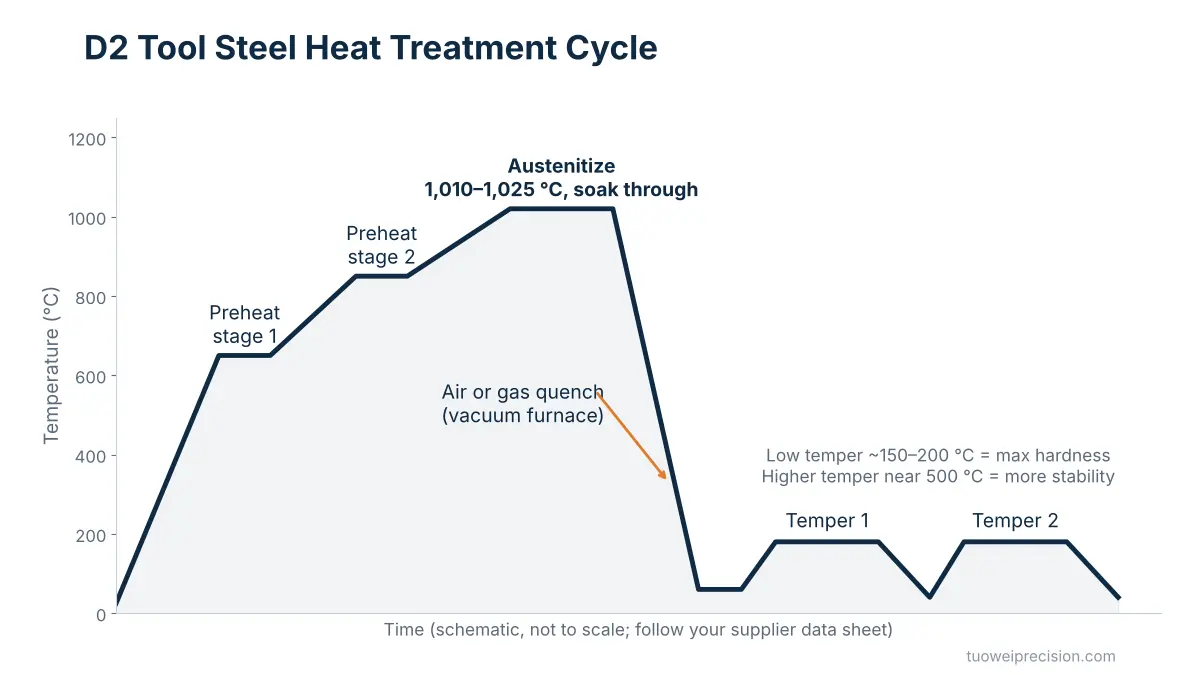
Vacuum hardening is our usual recommendation for precision D2 material because it avoids surface decarburization and scale. It costs more than open-furnace treatment, but it usually removes a grinding operation, so the total cost is often similar.
Forging is rarely worth it with this grade. The high wear material has a narrow hot-working range and cracks easily if forged too cold, so most parts are machined from annealed bar instead.
AISI D2 is machinable in the annealed condition, but it is not forgiving. These are the points our machinists watch on every job in D2 material.
Machine soft, finish hard. Do the heavy material removal in the annealed state, then finish critical features by grinding or hard milling after heat treatment. Trying to hold tight tolerances before hardening ignores the size change that comes with it.
Expect abrasive tool wear. The chromium carbides are harder than many cutting tool materials. Coated carbide works for annealed stock; CBN or ceramic tools and carefully controlled parameters are needed for hard milling and turning.
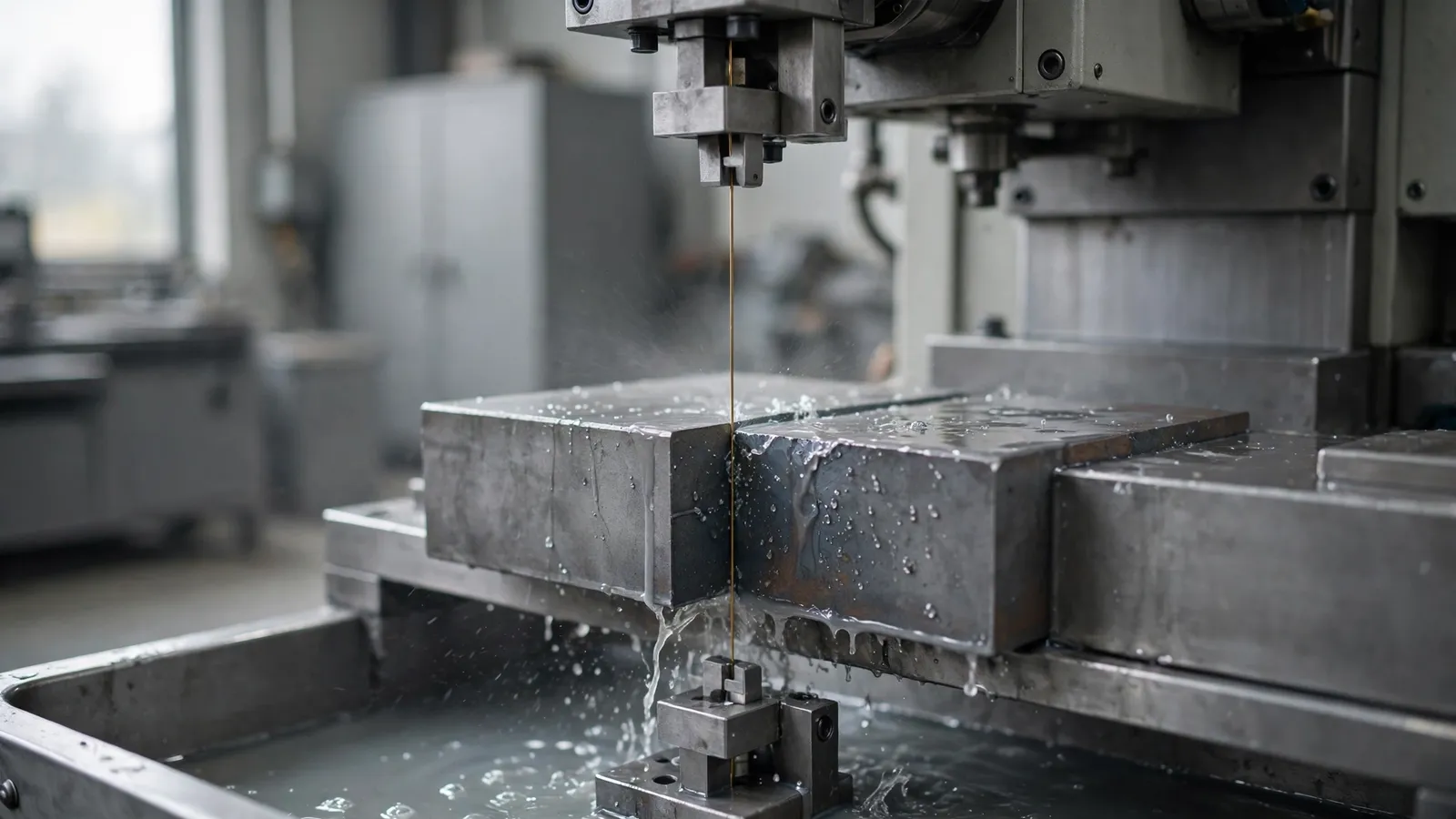
Use wire EDM with care. Wire EDM cuts hardened D2 accurately, but it leaves a thin recast layer and can release residual stress, cracking thick sections. Several skim passes and a temper after EDM reduce the risk.
Watch for grinding burn. Aggressive grinding overheats the surface and can drop local hardness or cause cracks. Soft-grade wheels, plenty of coolant and light passes prevent it.
Design for heat treatment. Sharp internal corners, abrupt thickness changes and holes close to edges all concentrate stress during quenching. A generous radius at corners is one of the cheapest ways to avoid cracked dies.
The most common mistake we see on drawings is a tight tolerance specified without saying whether it applies before or after hardening. That single ambiguity can turn a finished part into scrap.
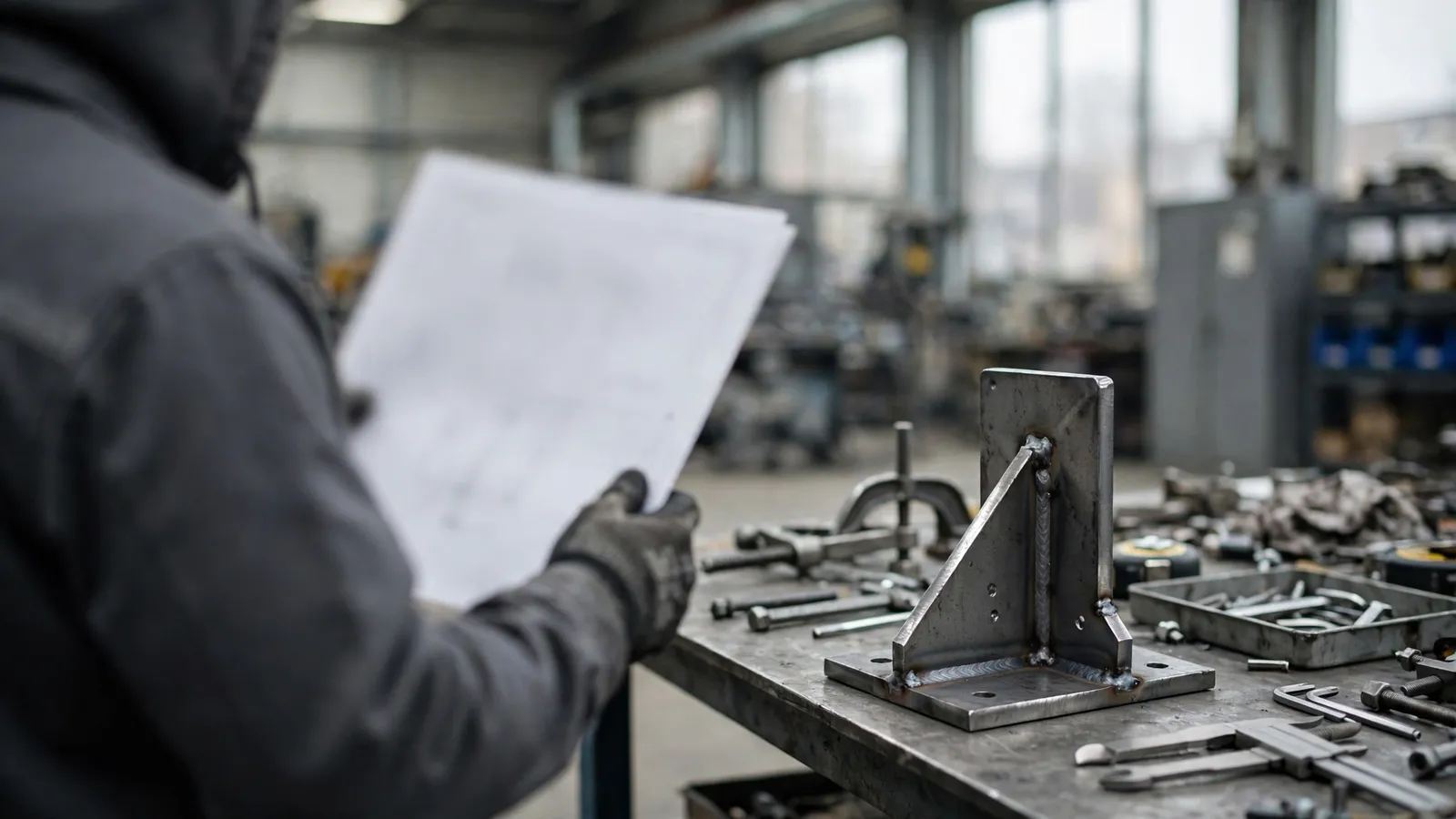
A clear specification saves a round of questions and protects you if parts arrive out of tolerance. These are the lines we recommend adding to any drawing for AISI D2 parts:
If any line is missing, a supplier has to guess. Most will choose the cheapest valid interpretation, which may not be the one you intended.
CPM D2 is a powder-metallurgy version of the same chemistry. Its carbides are much finer and more evenly spread, which improves toughness and makes grinding easier, at a higher material price. DC53 is a modified D2-type steel developed in Japan with higher toughness and better wire EDM behavior. Both are worth considering when dies in the standard D2 grade chip early, but check availability and lead time before redesigning around them.
Engineers usually shortlist the D2 grade against a few familiar grades. This comparison table summarizes how they trade off.
| Grade | Type | Typical hardness | Wear resistance | Toughness | Corrosion resistance | Best for |
|---|---|---|---|---|---|---|
| D2 | Cold-work, air hardening | 58–62 HRC | Very high | Low–moderate | Fair | Dies, punches, slitters, wear plates |
| A2 | Cold-work, air hardening | 57–62 HRC | Moderate–high | Higher than D2 | Low | Tooling that sees impact, forming dies |
| D3 | Cold-work, oil hardening | 58–64 HRC | Very high | Lower than D2 | Fair | Simple, high-wear shapes |
| 440C | Martensitic stainless | 56–60 HRC | High | Moderate | Good | Bearings, valve parts, stainless knives |
| 4140 | Low-alloy steel | About 28–32 HRC prehardened | Low–moderate | High | Low | Shafts, holders, structural machine parts |
A2 vs D2: A2 contains about 5% chromium and fewer carbides, so it is tougher but wears faster. Choose A2 when chipping is the failure mode; choose the D2 grade when wear is.
D3 vs D2: D3 has more carbon and no significant molybdenum or vanadium, and it is usually oil hardened. It can wear slightly better in simple shapes, but D2’s air hardening makes it more stable and more widely stocked.
4140 vs D2: These are not competitors so much as partners. 4140 is a tough, inexpensive alloy steel for holders, shafts and fixtures; D2 goes where surfaces must resist wear. Many die sets combine both.
D2 is sometimes mistaken for a high speed steel such as M2, but it is not. High speed steel keeps its hardness at cutting temperatures, while D2 starts to soften once tempering temperatures pass roughly 500 °C.
Yes, if you value edge retention over ease of sharpening. That is why “is d2 steel good for knives” is one of the most searched questions about this alloy. At 59–61 HRC it holds an edge noticeably longer than common stainless knife steels, and it costs less than modern powder-metallurgy grades.
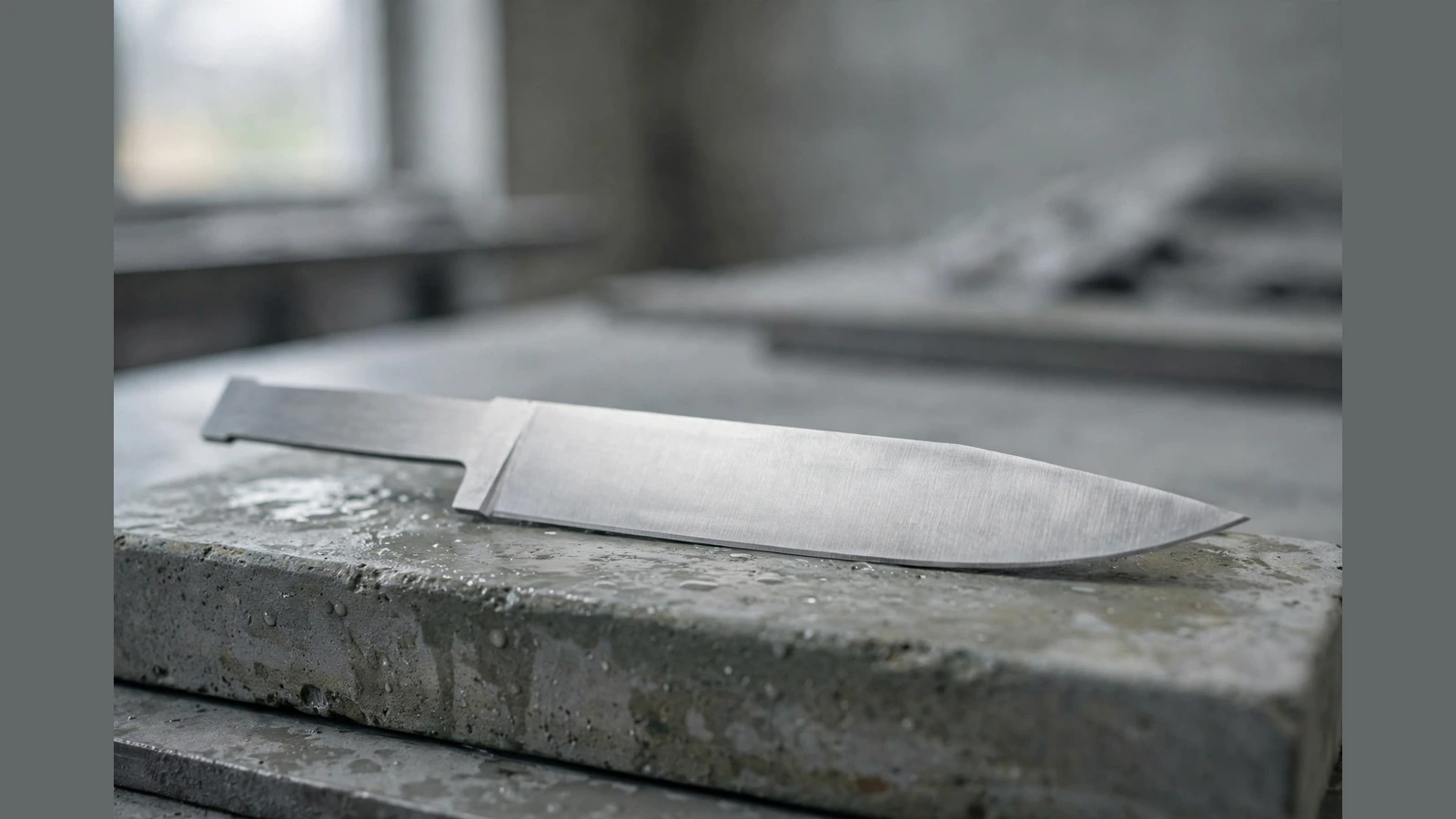
D2 knives became popular because the grade is inexpensive, widely stocked by steel suppliers, and responds consistently to heat treatment. In published edge retention testing, Larrin Thomas of Knife Steel Nerds reports that D2 performs well for its price in CATRA testing but trails high-vanadium powder steels such as S30V. Those CATRA edge retention results explain why the grade is so often used in knives at budget and mid-range prices.
The trade-offs are real, though:
Against 440C, D2 usually wins on edge holding while 440C wins on rust resistance and ease of sharpening. Neither is wrong; it depends on whether the knife lives in a dry pocket or a wet kitchen. The corrosion resistance of D2 sits between carbon steel and stainless, and 440C gives better corrosion resistance wherever moisture is constant.
No. D2 tool steel is often called semi-stainless because its 12% chromium gives better rust resistance than plain carbon tool steels, but not enough free chromium remains to make it a stainless steel. Expect surface rust in humid storage, on parts handled with bare hands, and in coolant that has gone stale.
For tooling, a light oil film, rust-preventive coating, or a PVD or nitride surface treatment solves most problems. For food or medical parts that must stay clean, choose a stainless grade such as 440C or a powder-metallurgy stainless instead.
| Application | Why D2 fits |
|---|---|
| Blanking and stamping dies | Keeps a sharp edge through long production runs |
| Punches and die buttons | High hardness and wear resistance |
| Shear and slitter blades | Edge retention on sheet and coil |
| Thread rolling dies | Resists abrasive wear and rolling pressure |
| Forming and trimming tools | Stable through heat treatment |
| Gauges and wear plates | Dimensional stability and surface hardness |
| Industrial and pocket knives | Long edge life at moderate cost |
Where impact dominates, such as heavy punching of thick plate with D2 material, a tougher grade like A2 or S7 often lasts longer even though it wears faster.
Yes, for applications where wear resistance matters most. D2 is one of the most widely used cold-work tool steels because it combines high hardness, very good wear resistance and stable heat treatment at a moderate price. Its weaknesses are limited toughness, difficult sharpening and only fair corrosion resistance, so match it to the job.
For most parts, D2. It is air hardening, so it distorts less during heat treatment, and it is easier to buy in a wide range of sizes. D3 contains more carbon and can wear slightly better in simple shapes, but it is usually oil hardened and less stable. D3 is the narrower, more specialized choice.
Yes, compared with most stainless knife steels. Its large chromium carbides resist ordinary abrasives, so sharpening takes longer on conventional stones. Diamond or ceramic sharpeners work much better. The upside of that difficulty is edge retention: once sharpened, a properly heat-treated D2 edge lasts noticeably longer in cutting tests.
It depends on the priority. D2 usually holds an edge and resists wear better, while 440C resists rust better and is easier to sharpen. For dies and industrial wear parts, D2 material is generally preferred. For knives or components exposed to moisture, food or cleaning chemicals, 440C or another stainless grade is the safer choice.
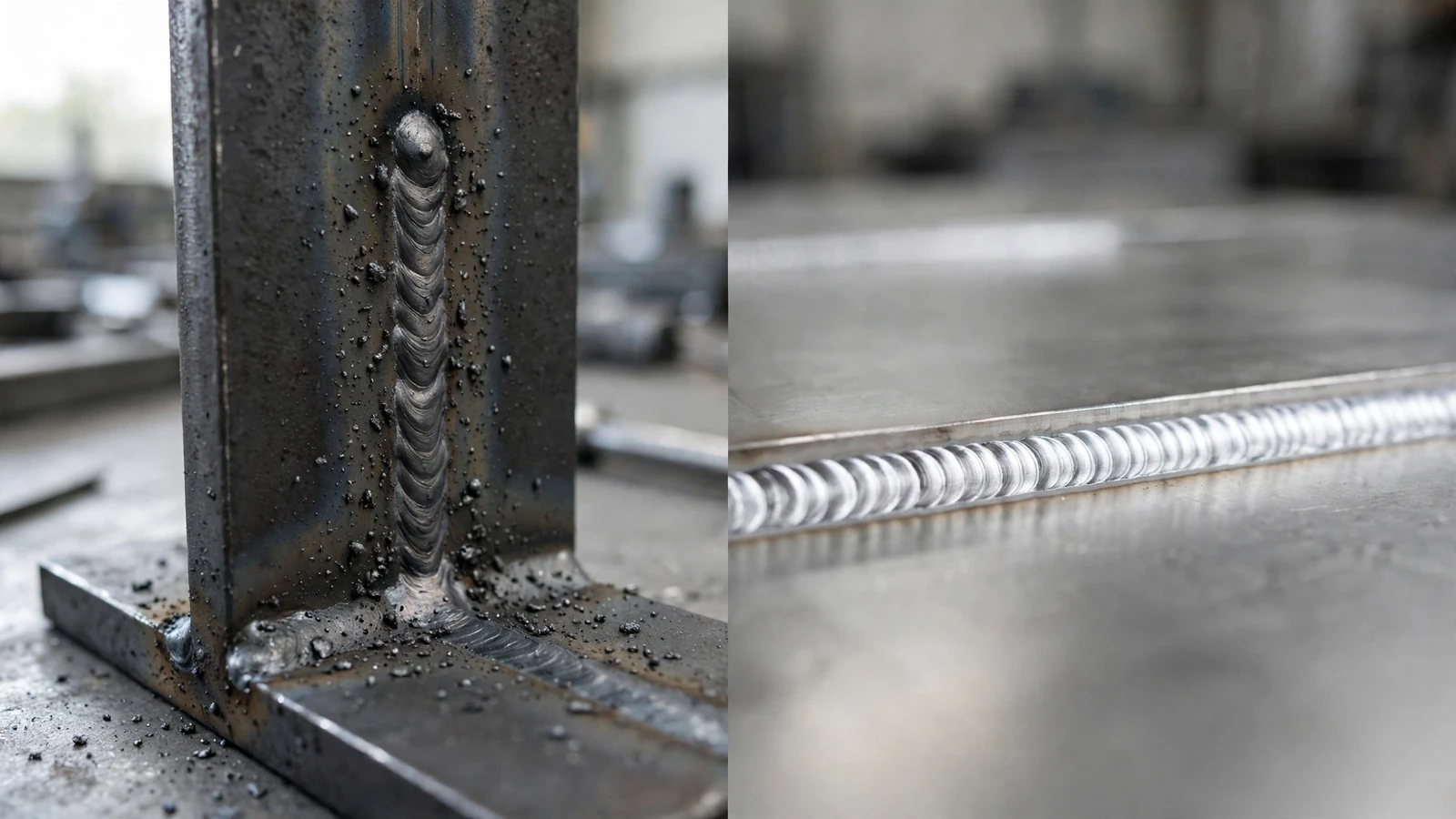
It can, but it is difficult and needs a qualified procedure. The high carbon and chromium make it prone to cracking, so welding requires preheating, matching filler metal, slow cooling and tempering afterward. Repair welding of D2 dies is common in toolrooms, but it is a specialist job rather than routine fabrication.
D2 tool steel rewards careful planning. Name the condition and hardness on the drawing, allow grinding stock where tolerances are tight, add radii where the design permits, and decide early whether vacuum hardening is needed. Those four decisions control cost and scrap more than the machining itself.
We machine D2 steel in the annealed and hardened condition, finish hardened features by grinding and EDM, and coordinate heat treatment so the final part meets drawing. See our steel CNC machining service, wire EDM capabilities and precision machining services. For background, read how wire EDM works and our explainer on tensile strength vs yield strength.
To price a part in D2 material, upload your drawing for a quote or visit Tuowei Precision to see our full manufacturing range.
Sources and further reading
Composition, hardness and heat-treatment values are typical figures for reference. Always follow the steel supplier’s data sheet and your heat treater’s qualified procedure.