Home » Aluminum Extrusion

Aluminum Extrusion

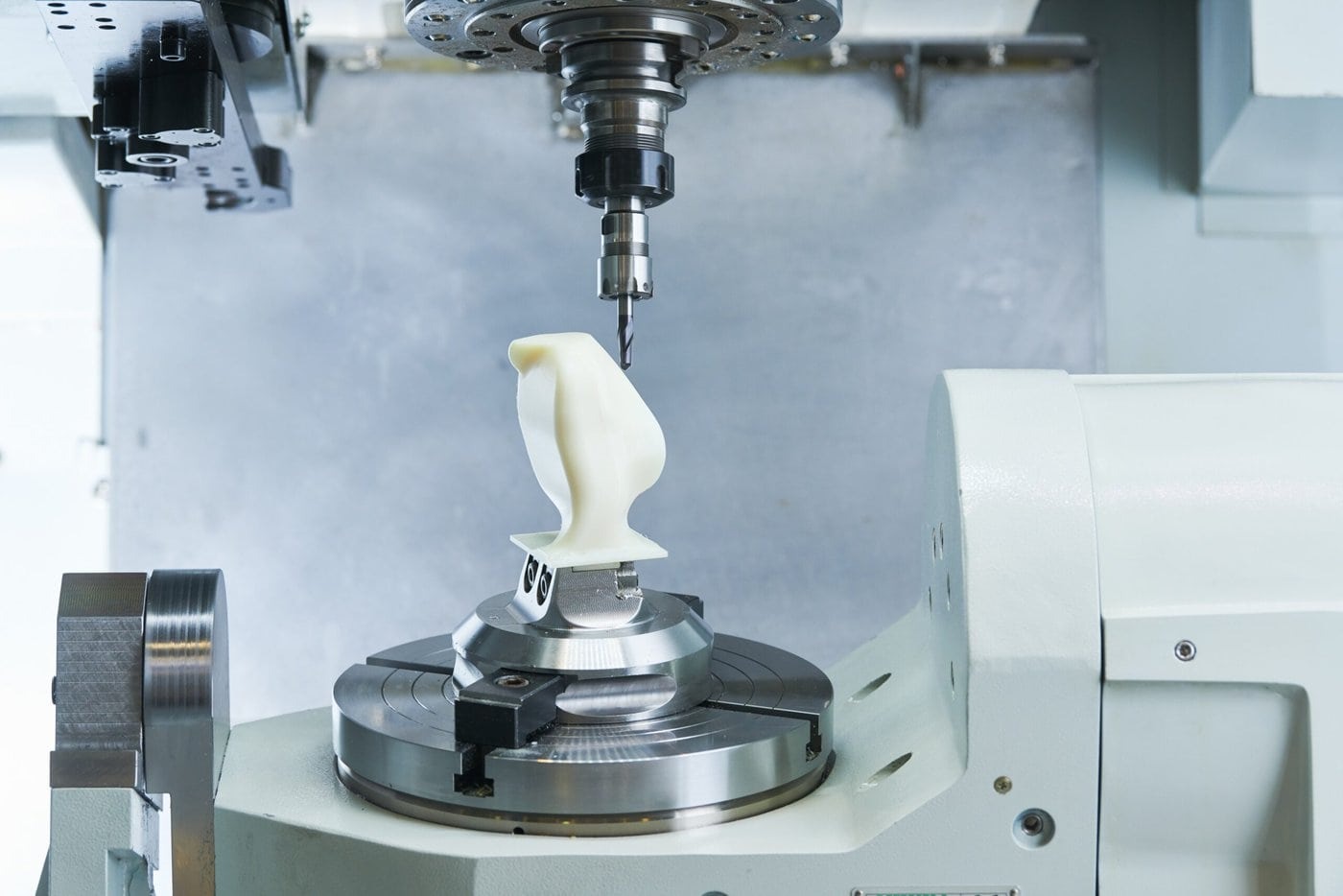
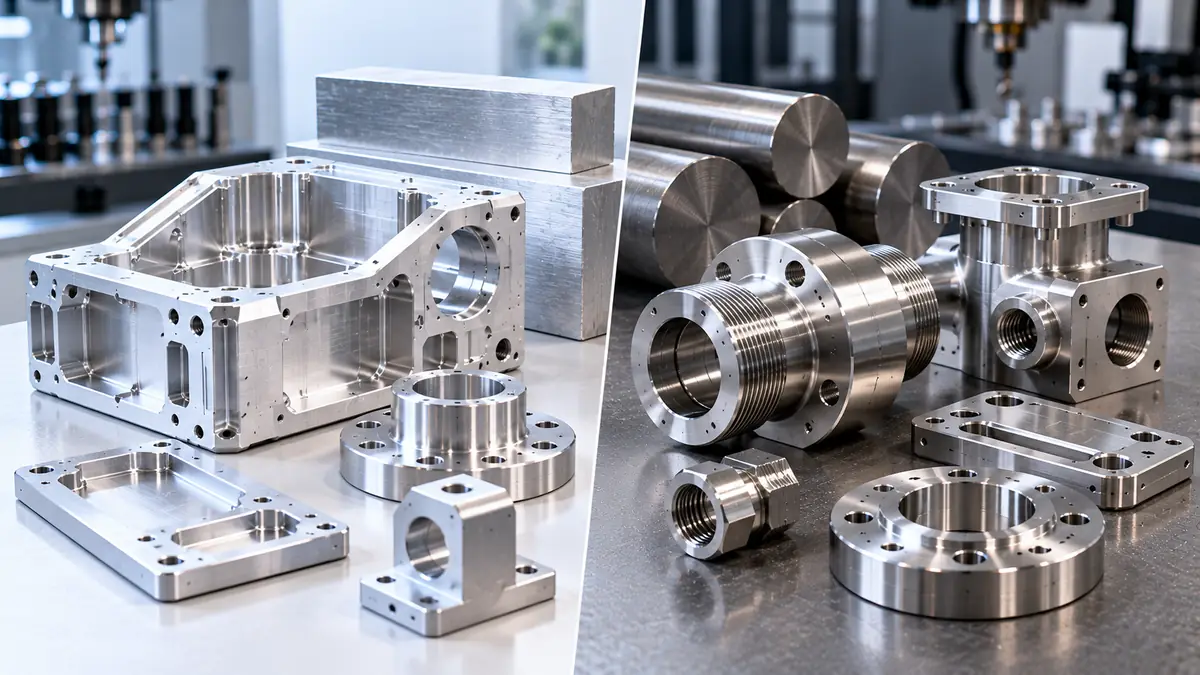
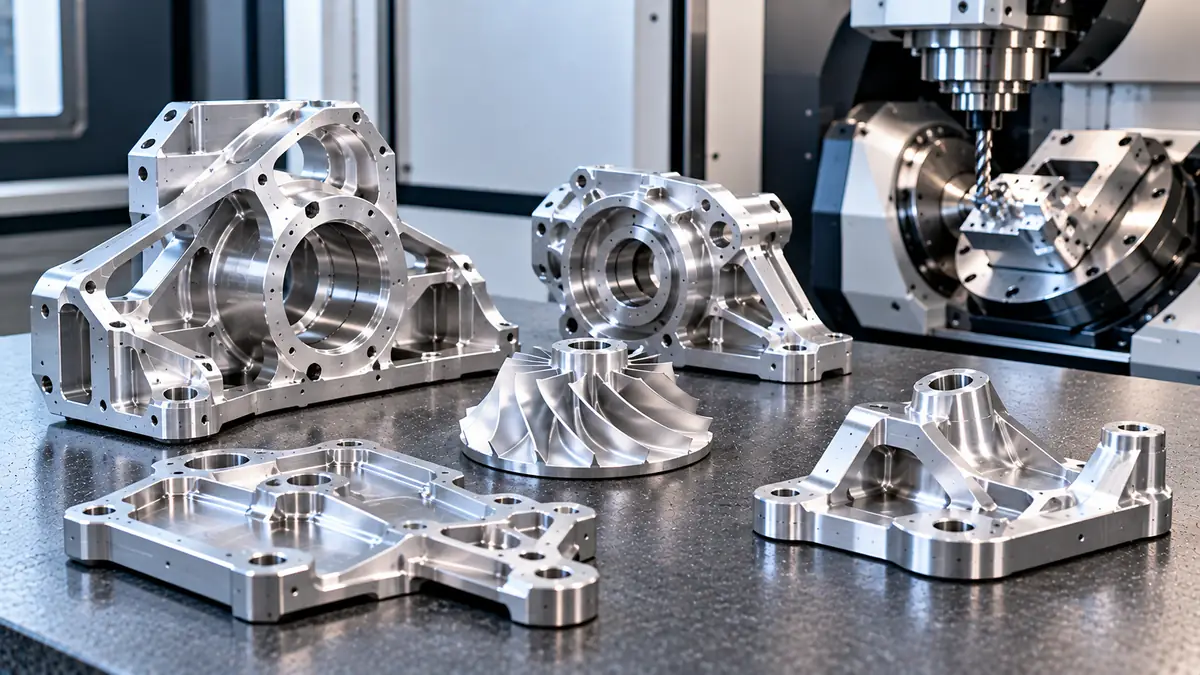
Tuowei Precision offers custom aluminum extrusion for high-performance solutions in precision profiles and components.

Aluminum
Hf20ff03840d44333b8b0b3fb96aeb623Q

TUOWEI Precision Aluminum Extrusion Services

At TUOWEI Precision, we provide custom aluminum extrusion services designed for prototypes, low-volume production, and specialized industrial needs. Our team can extrude a wide range of aluminum profiles with complex cross-sections, ensuring each part is tailored to meet unique shapes, designations, and application requirements.

Our advanced manufacturing facilities are equipped with 70 extrusion press lines ranging from 600 tons to 3800 tons, giving us the capacity to handle projects of varying sizes and complexity with accuracy and efficiency. All of our factories are ISO 9001:2015 certified, guaranteeing consistent quality and strict compliance with international manufacturing standards.

Hf20ff03840d44333b8b0b3fb96aeb623Q

What Is the Aluminum Extrusion Process?

At TUOWEI Precision, the aluminum extrusion process begins by heating an aluminum billet and pushing it through a custom-designed die to create profiles with a defined cross-sectional shape. Our process follows a strict and proven production workflow to ensure accuracy, consistency, and performance in every extrusion.

The process starts with die machining, whether solid, hollow, or semi-hollow—followed by billet preheating, typically between 400–500°C. Depending on the alloy and intended application, aluminum can be extruded using direct or indirect methods, in either hot or cold conditions. Once extruded, the profile undergoes controlled cooling, stretching to remove internal stresses, and precise cutting to the required size.

To enhance strength, hardness, and appearance, we also perform aging treatments, advanced surface finishes, and assembly operations when needed. Every extrusion is subject to strict inspection and quality control measures before being securely packaged and delivered

TUOWEI Aluminum Extrusion Tolerances

TUOWEI maintains strict extrusion tolerances to ensure precision, consistency, and reliable performance across every custom aluminum profile.

Feature Tolerances
Profile Dimensions ±0.10 mm – ±0.50 mm
Wall Thickness ±0.10 mm (≤3 mm walls) / ±0.30 mm (thicker walls)
Straightness 1.0 mm per 1000 mm length
Twist 1.0 mm per 300 mm length
Flatness ±0.15 mm per 25 mm width
Cut Length ±0.50 mm – ±1.0 mm
Angular Tolerance ±0.5°

Surface Finishes for Aluminum Extrusion

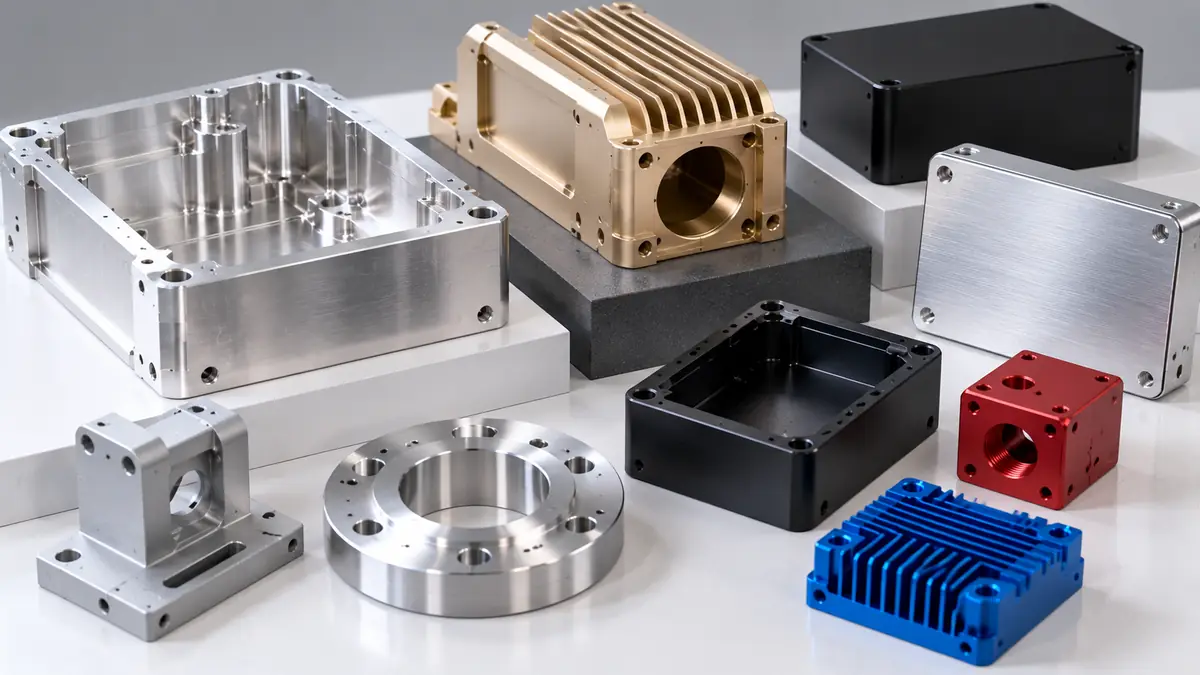
Surface finishes for aluminum extrusion enhance durability, corrosion resistance, and appearance while supporting both functional and decorative requirements.

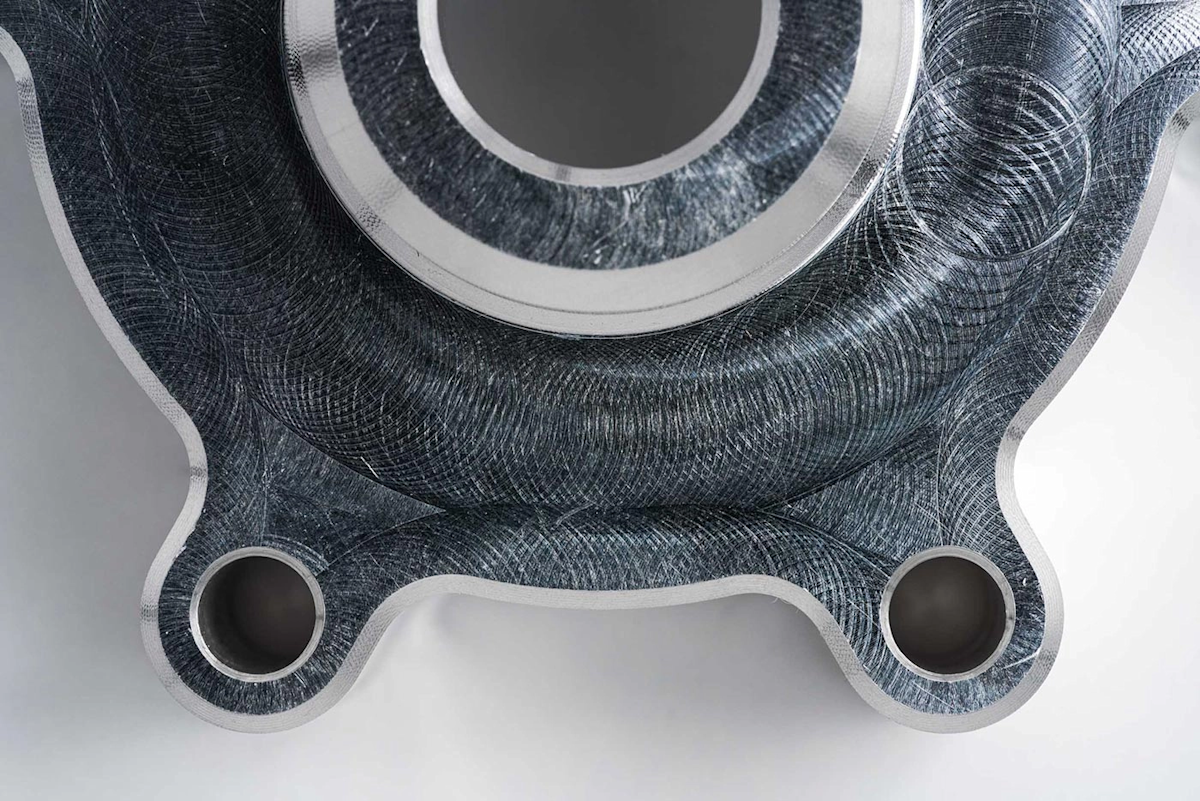
As-Milled
01 as machined cnc
A standard finish with visible tool marks; surface roughness ~125 µin Ra, ideal for functional applications where a smooth finish is not critical.
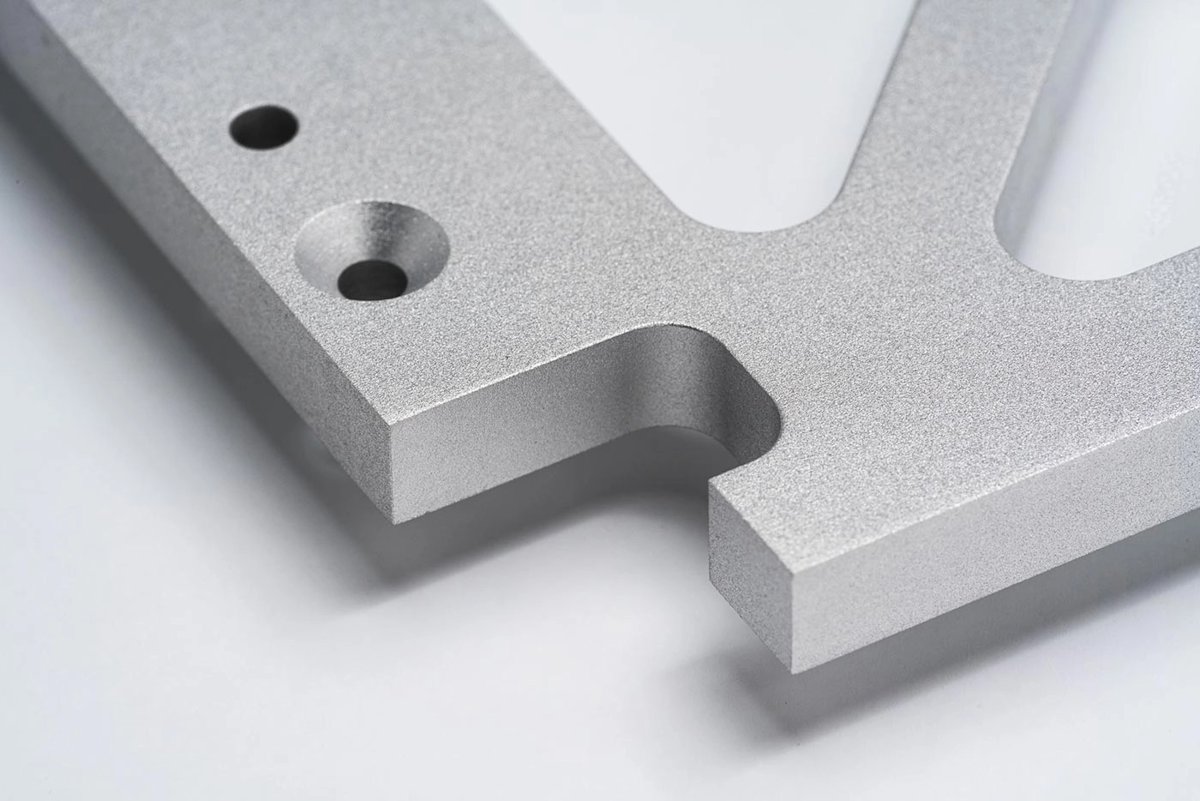
Bead Blasting
06 bead blasted cnc
A process that creates a smooth, matte finish by propelling media (like glass beads) at the surface, improving texture and providing an aesthetically pleasing, uniform surface.
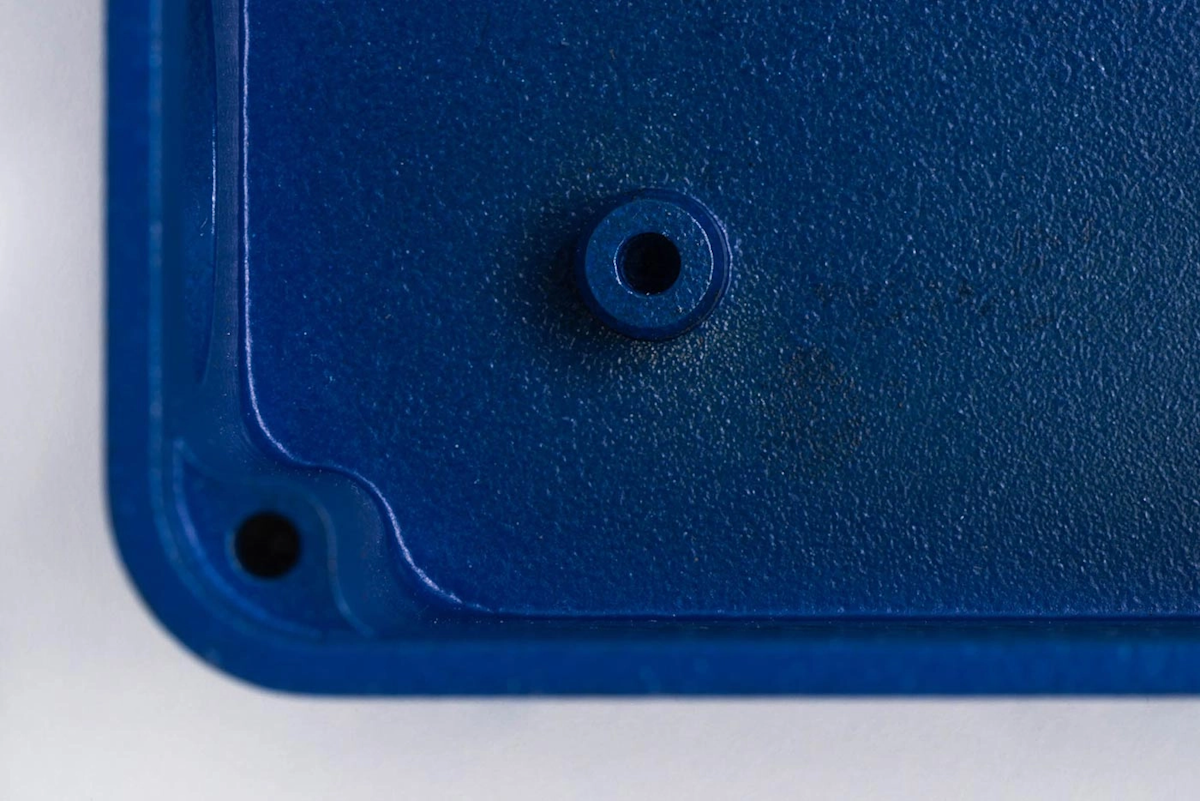
Powder Coating
07 powder coated cnc
This durable finish offers excellent resistance to wear, corrosion, and UV exposure.
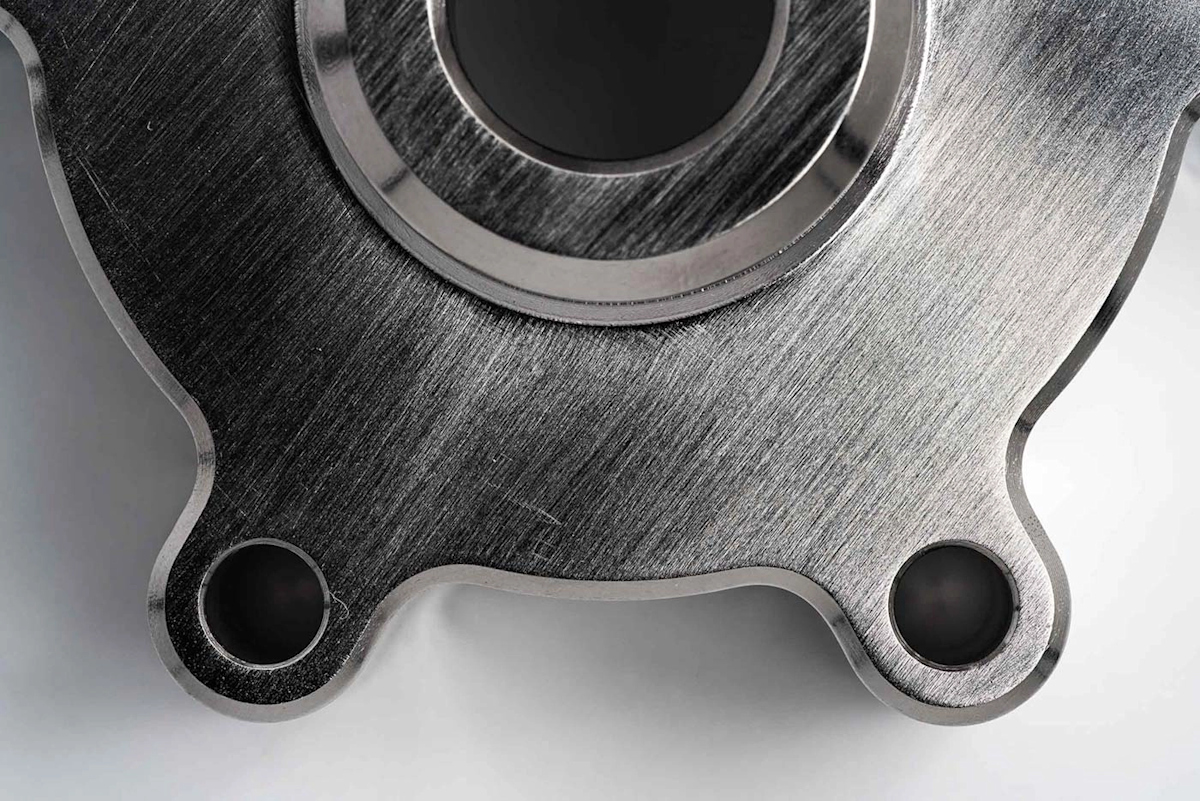
Brushing
05 brushed cnc
A linear, uniform grain texture is applied to parts, creating a satin-like finish.
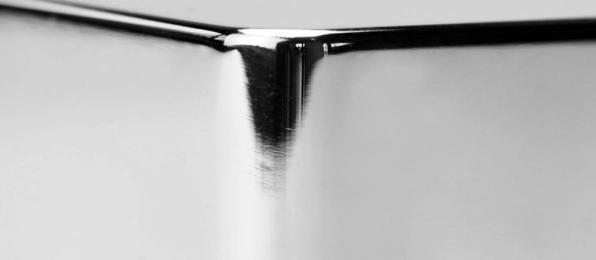
Polishing
polishing
Achieves a high-gloss, mirror-like surface that enhances the visual quality of the part.
Black Oxide
08 black oxide cnc 1
Ideal for steel components, this dark, matte finish provides mild corrosion resistance while maintaining a high-quality appearance.

Advantages

Advantages of Aluminum Extrusion

Aluminum extrusion offers a unique combination of strength, versatility, and cost efficiency, making it an ideal choice for industries that demand lightweight yet durable solutions.

Applications

Applications of Aluminum Extrusion

Aluminum extrusions are essential across industries due to their exceptional strength-to-weight ratio, versatility, and ability to be tailored for a wide range of structural and functional applications.

Frequently Asked Questions

Aluminium Extrusion

  • What are standard sizes for T-slot framing?

    Common T-slot aluminum extrusion sizes include 10×10 mm, 20×20 mm, 30×30 mm, 40×40 mm, 45×45 mm, 50×50 mm, 60×60 mm, 80×80 mm, 100×100 mm, and 160×160 mm. These profiles are widely used for framing and assembly applications in industries such as windows, doors, and structural construction, though specific sizes may vary depending on the application.
     

  • What kinds of extrusion dies are used for custom aluminum profiles?

    There are three main types of dies. Solid dies are used for simple, solid profiles without internal cavities and are the most cost-effective. Hollow dies create enclosed sections or tubes, requiring mandrels and more complex manufacturing. Semi-hollow dies produce partially enclosed sections, like C-channels or angled slots, and have intermediate complexity and cost. Each die type is selected based on the profile design and production requirements. 

  • Is it possible to recycle aluminum extrusions?

    Yes, aluminum extrusions are 100% recyclable without any loss of strength or quality. Recycling reduces manufacturing costs and the environmental impact compared to producing new aluminum, while maintaining the same performance for multiple uses. This makes aluminum extrusions a sustainable option for a variety of projects. 

  • Any tips for keeping extrusion production cost-effective?

    To minimize costs, it’s best to design parts with uniform wall thickness and simple, symmetrical profiles. Avoid deep, narrow channels and excessive slots, as they complicate tooling. Using standard alloys like 6061 or 6063 and ordering larger quantities can spread tooling costs across more parts. Sticking to standard tolerances unless tighter specifications are necessary also reduces expenses. Careful design planning and early collaboration with your extrusion supplier help identify potential cost issues before tooling is finalized. 

  • What’s the typical cost for custom aluminum extrusion services?

    The cost depends on several factors. Material type affects price, as standard alloys like 6061 and 6063 are more affordable than specialty metals. Part size is also important because larger profiles use more material and may require larger presses. Design complexity influences cost; simple profiles are cheaper to produce, while complex cross-sections require more expensive tooling and longer setup times. Tight tolerances add additional labor and inspection costs. Other factors include order quantity, surface finish requirements, and whether new dies are needed.  

  • Do you support prototyping for aluminum extrusion projects?

    Yes, Tuowei provides prototyping and small-batch services for aluminum extrusions. Prototypes allow you to test fit and function before committing to full production, verify that dimensions and tolerances meet specifications, evaluate surface finishes and material properties, and make design adjustments early in the development process to reduce costly changes later. 

  • What wall thickness is generally recommended for custom aluminum extrusions?

    Typically, recommended wall thickness ranges from 1.0 mm to 2.5 mm. Structural or load-bearing parts usually require thicker walls of 2.0 mm or more to provide strength and rigidity, while lightweight or decorative components may be sufficiently strong with around 1.0 mm thickness. The final choice depends on the alloy, profile complexity, press capacity, and the intended application of the part, ensuring a balance between mechanical performance, weight, and cost.
     

  • What factors determine wall thickness for custom aluminum extrusions?

    The wall thickness of an aluminum extrusion is influenced by several practical considerations. The type of aluminum alloy plays a role, as softer alloys may need thicker walls for strength while stronger alloys can support thinner sections. Profile design also matters; shapes with deep channels, curves, or unsupported spans often require more thickness for stability. Press capability is another factor, as the size and tonnage of the press determine the thinnest or thickest sections that can be reliably formed. Surface finishing methods like anodizing or coating can affect minimum thickness to avoid distortion, and tighter dimensional tolerances may necessitate thicker walls to ensure consistent output. Overall, wall thickness is determined during the design stage to balance strength, weight, and cost. 

  • Are there non-welding frame or gantry options besides aluminum extrusions?

    Yes, steel tubing with mechanical connections can be assembled without welding using corner braces, screws, or mechanical clamps. Alternative methods such as mechanical fasteners or adhesives are also viable. While steel profiles offer higher strength than aluminum, they often require more complex assembly processes. For CNC gantries, steel tubing with brackets can be used, though aluminum extrusions remain easier and faster to assemble. 

  • What’s the typical tolerance range for custom aluminum extrusions?

    Tighter tolerances generally increase manufacturing costs because they require precision tooling and extra inspection steps. It’s important to choose tolerances that match your project needs. Standard tolerances work for most applications and help keep costs down. At Tuowei, we follow ISO 9001-C standards, maintaining critical dimensions within ±0.1 mm and other dimensions within ±0.15 mm. Our team helps you select the appropriate tolerance without paying for unnecessary precision. 

Let’s Build What’s Next Together

Partner with TUOWEI to Shape Your Vision

Since the era of rapid prototyping through scalable production, Tuowei Precision helps with your project because of its reliable CNC machining and manufacturing services. Our team collaborates with you to make sure that there is accuracy, consistency, and a smooth execution at all levels.

Begin your project now and start with the first step towards efficient and high quality manufacturing with Tuowei.

Get In Touch With Us!
Prompt response guaranteed within 12 hours
🔐 All uploads are secure and confidential

Tuowei Proto's Solutions

Whether you’re creating a small batch of custom parts or scaling up for high-volume production, Tuowei Proto services offer the flexibility you need.

i
Rapid Prototyping

CNC rapid prototype machining is perfect for creating engineering or production prototypes that closely resemble the final product in both appearance and functionality. At Tuowei, we offer instant quotes and fast delivery, providing you with precise, high-quality CNC machined prototypes for your needs.

AdobeStock 297130151 scaled
Low Volume Manufacturing

Low volume CNC machining often acts as a bridge between prototyping and mass production for new and emerging production. With Tuowei, this process becomes easier, more efficient, and cost-effective, allowing you to scale production quickly while maintaining high-quality standards.

CNC milling 1
End-use Production

CNC production machining is the best solution for producing a thousand parts or more efficiently. Leveraging a diverse selection of materials and automation and multi-axis capabilities, Tuowei delivers high-volume production with tight tolerances, superior dimensional accuracy, high reliability and fast turnaround times.

Explore Insights & Innovation

Keep updated on the real CNC machining, industry trends, and production insights in Tuowei Precision, but is installed to enable you to make better production decisions.