
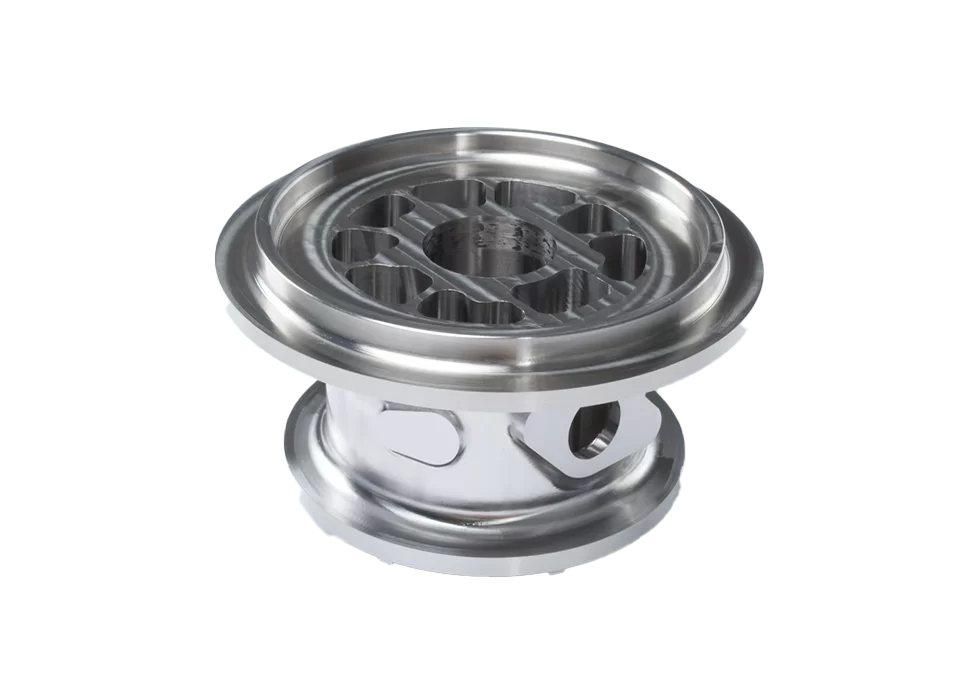
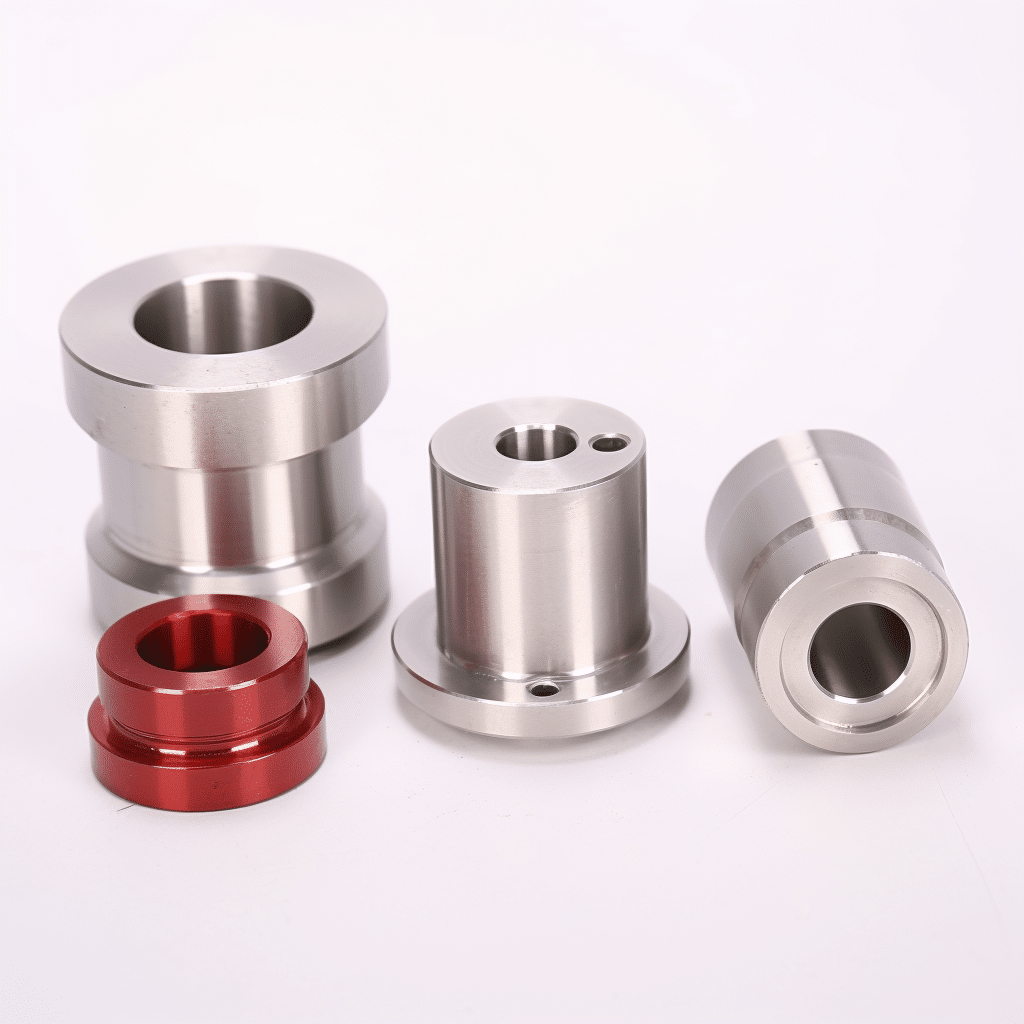
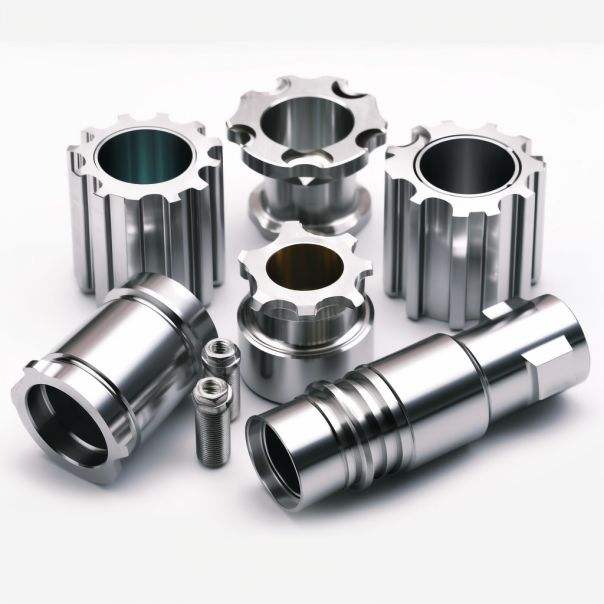
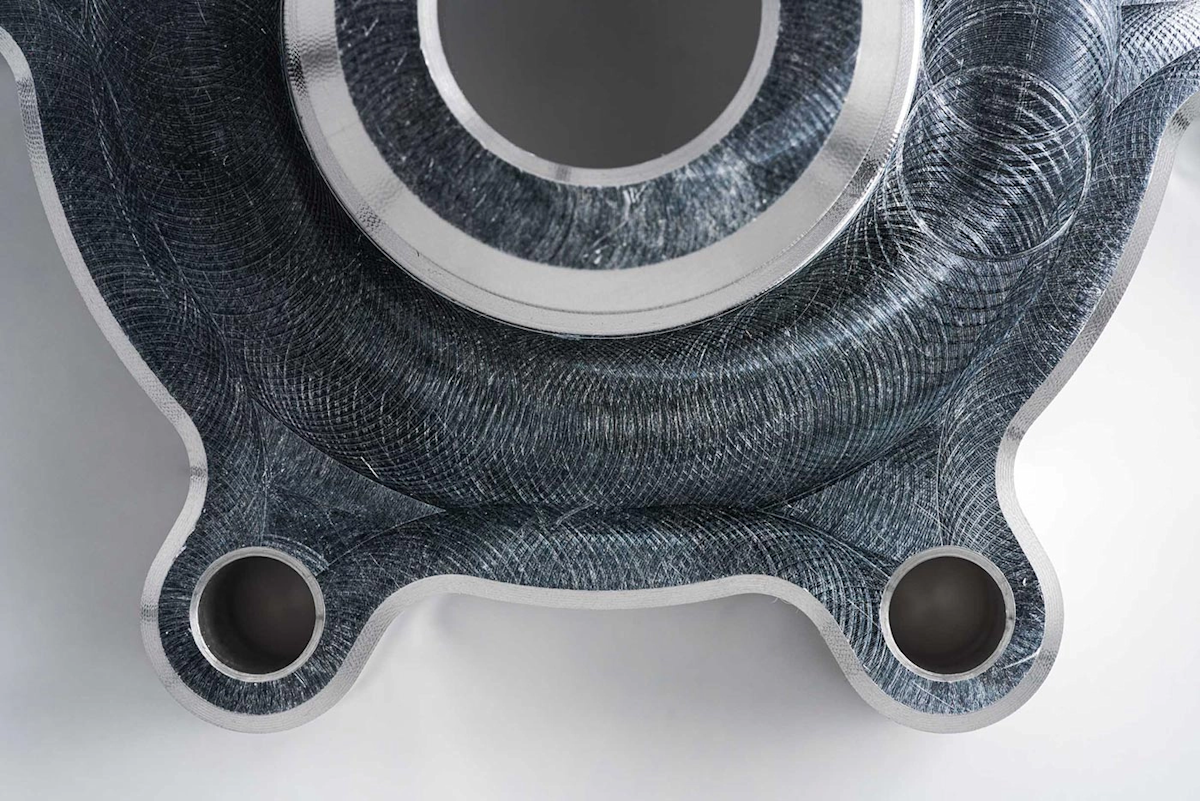
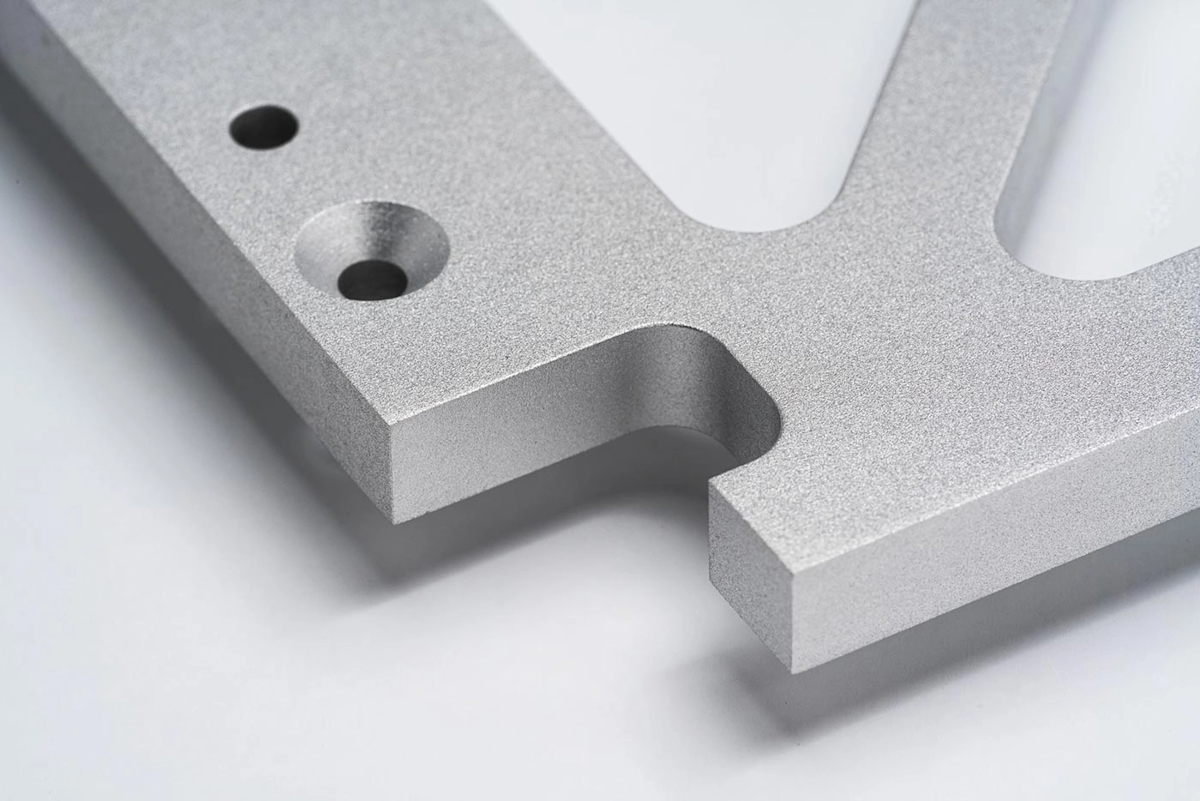
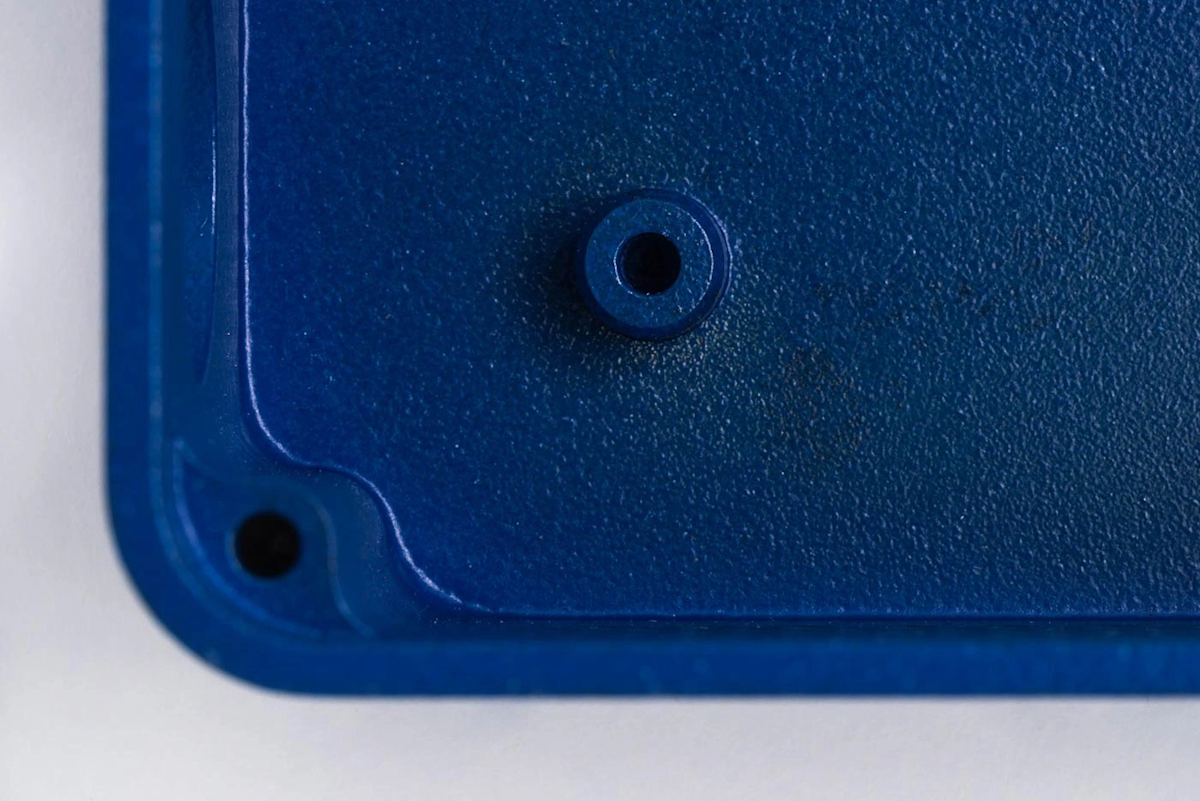
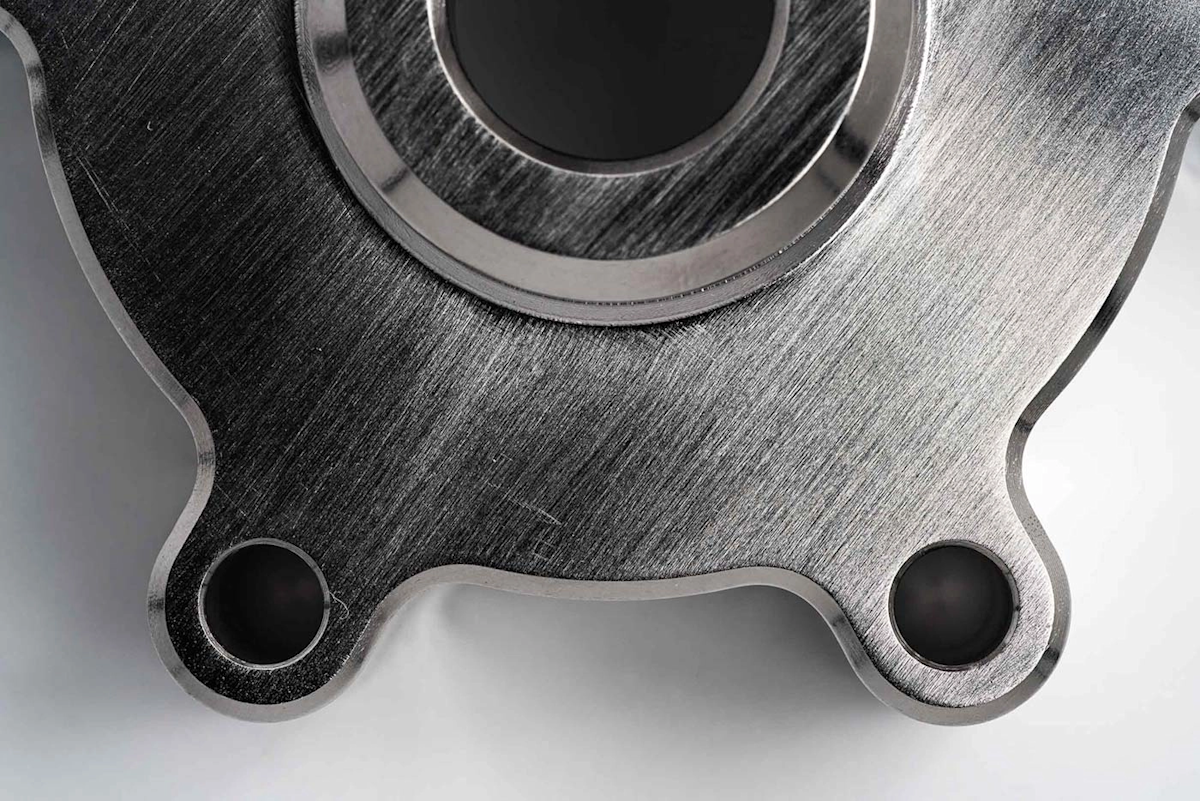

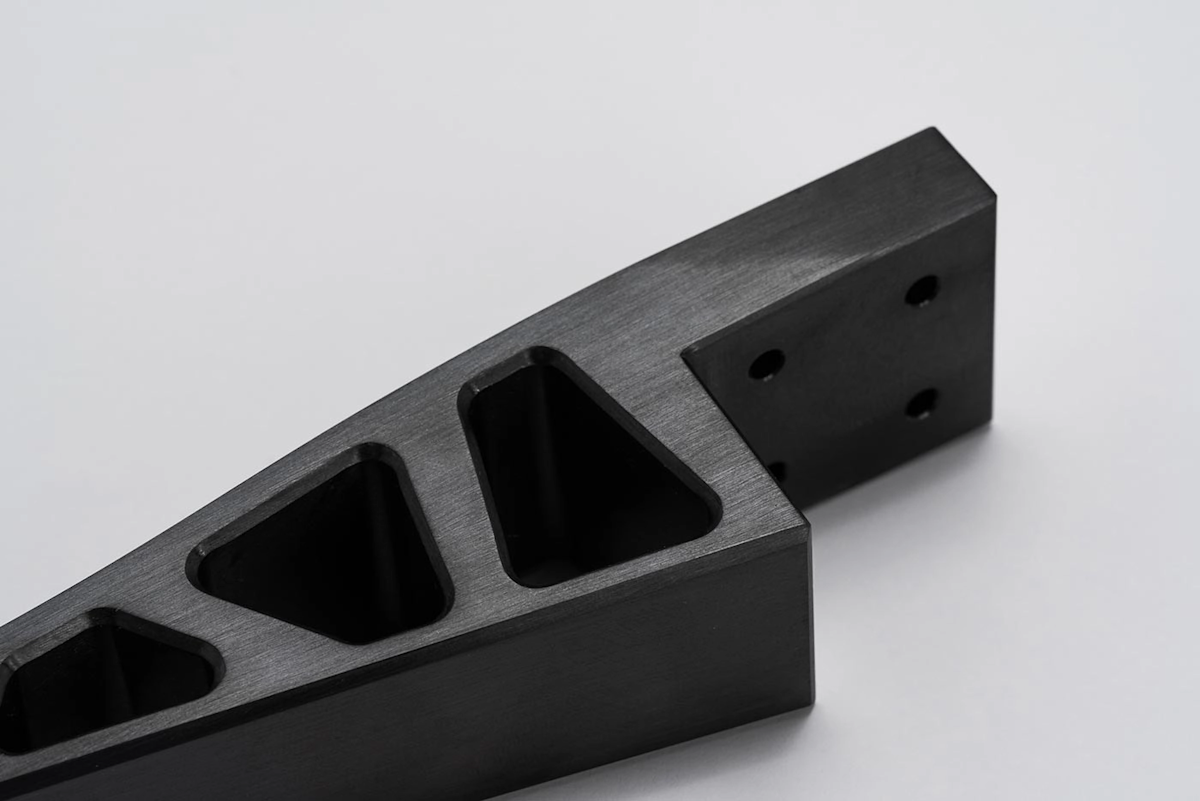





Both CNC milling and turning are subtractive manufacturing methods, but their approach differs.
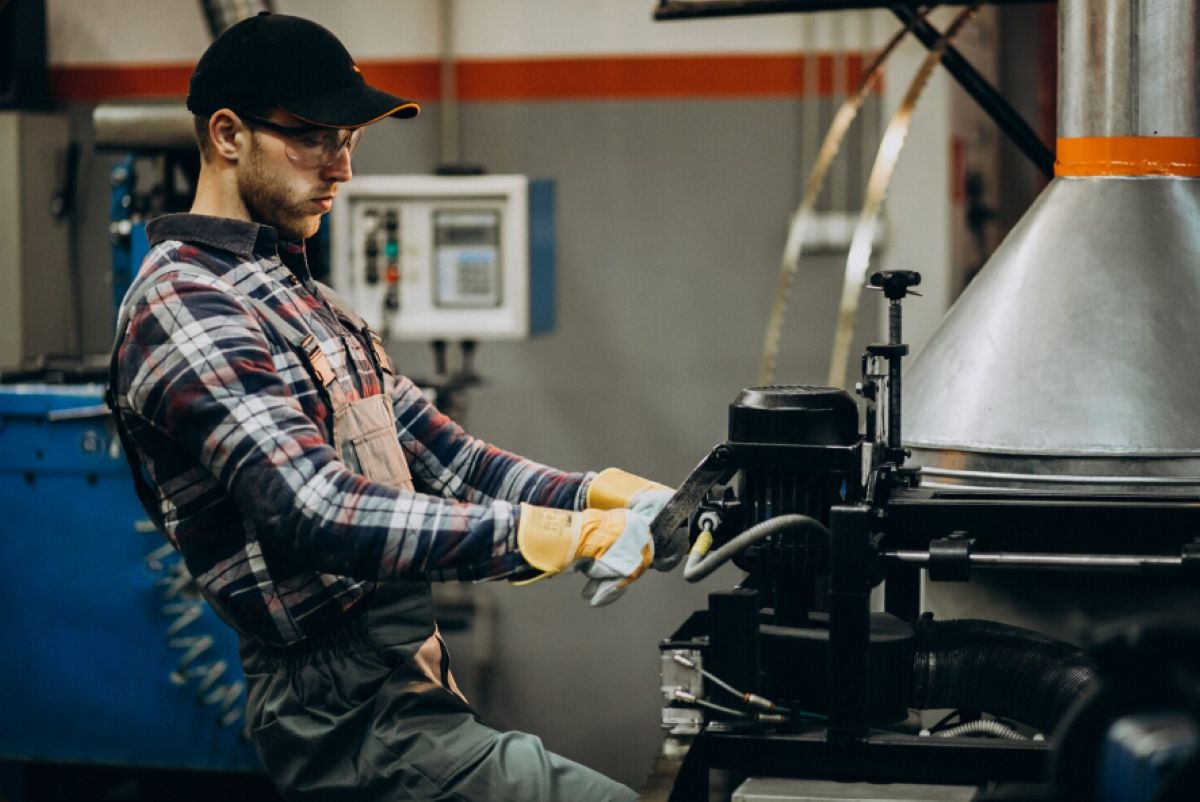
In CNC milling, the workpiece remains fixed while the cutting tool moves across multiple axes to create intricate features such as holes, slots, and pockets, ideal for complex, non-cylindrical parts.
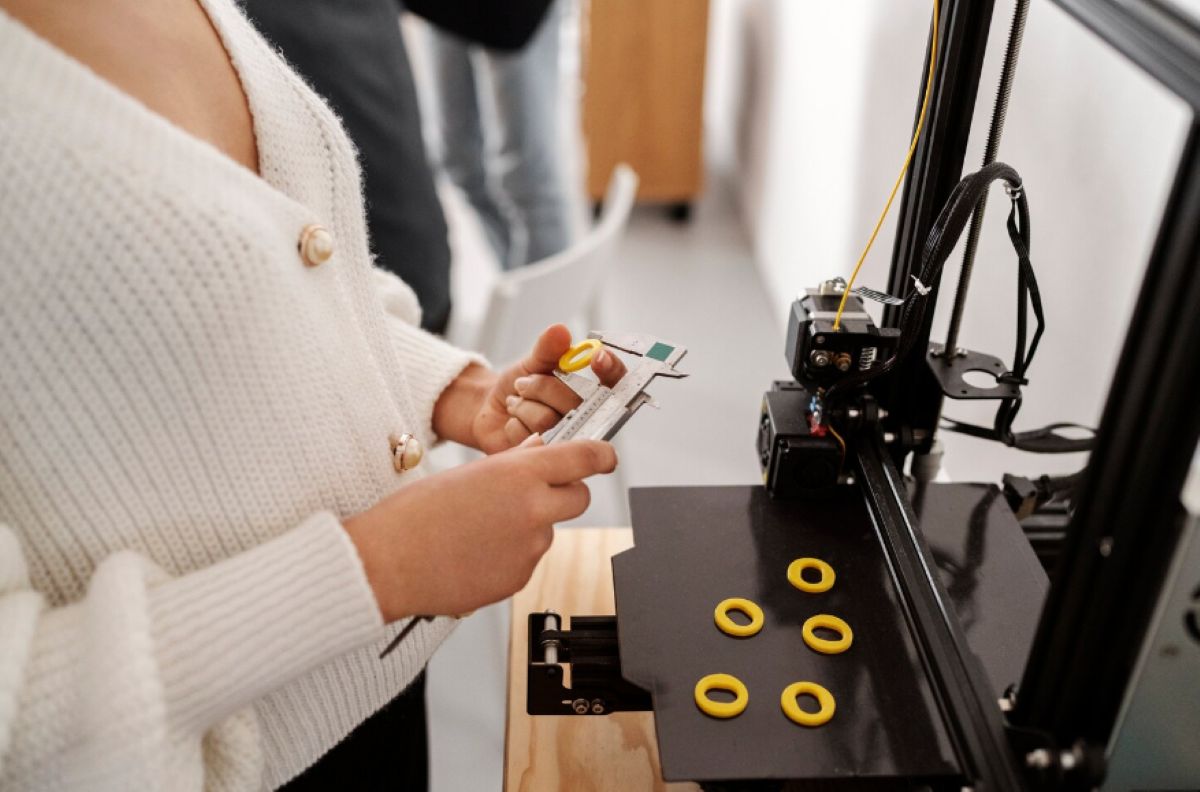
In CNC turning, the workpiece rotates while a stationary cutting tool shapes it, making it the most efficient method for producing cylindrical parts like bolts, rings, and rods.
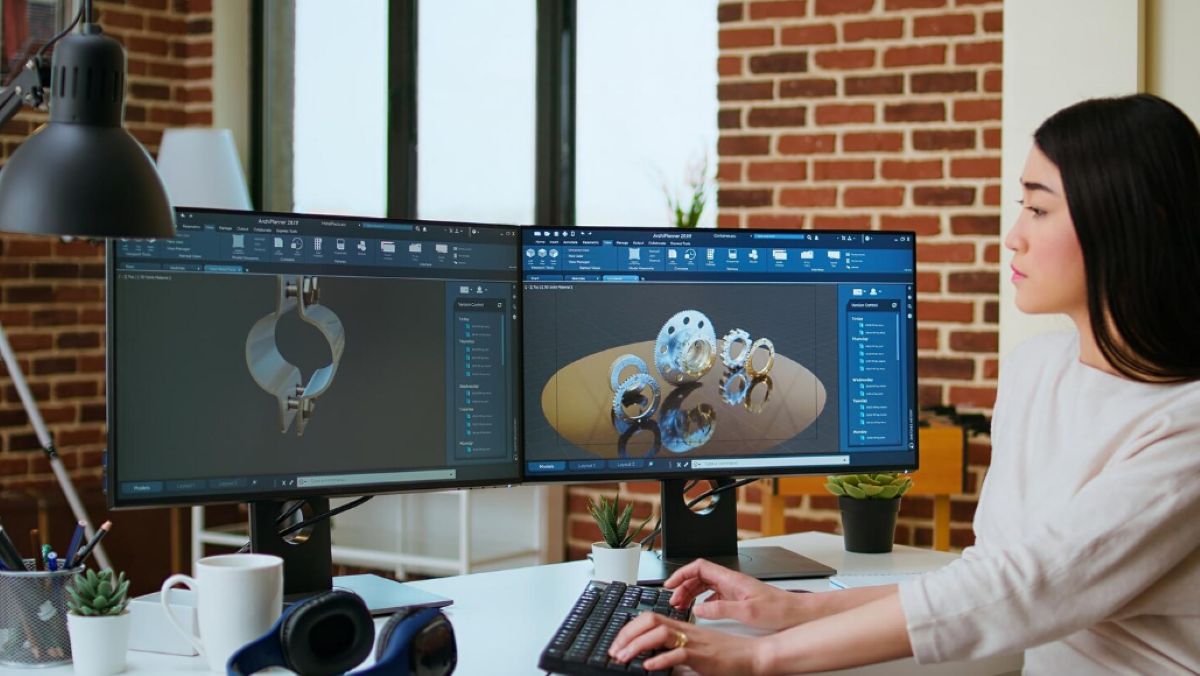
At TUOWEI, we combine both processes when required, delivering cost-efficient, high-quality parts tailored to your design needs.