Home » Metal Bending

Metal Bending Services

Expert sheet metal bending solutions for high-quality prototypes and production components. From simple bends to complex formed parts, Tuowei delivers precise metal bending services with rapid DFM review and exceptional turnaround times.

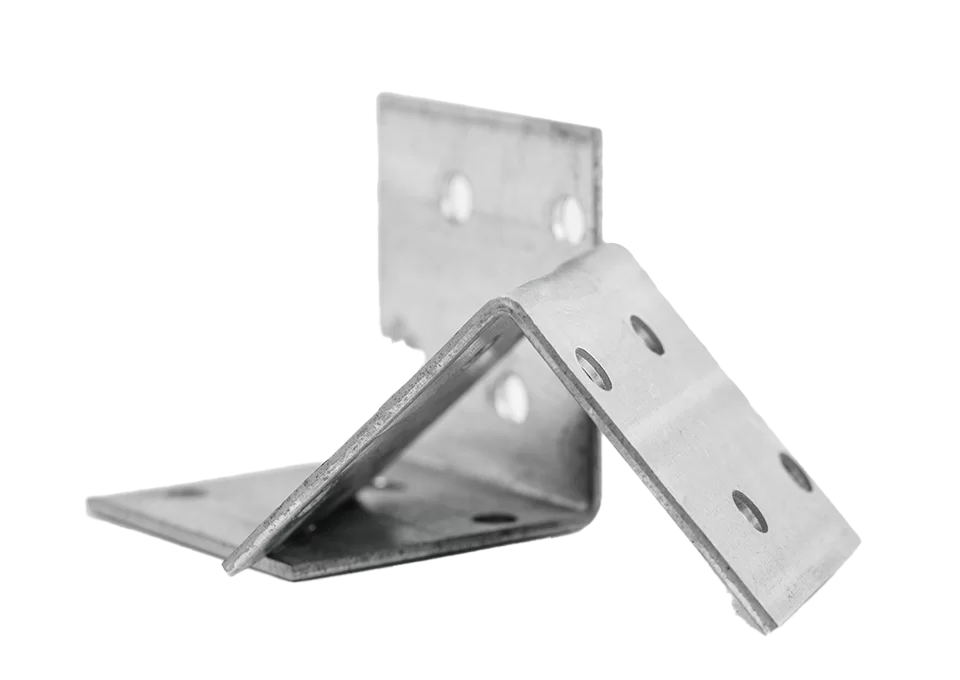
Two bent sheet metal angle brackets with drilled mounting holes, galvanized steel finish
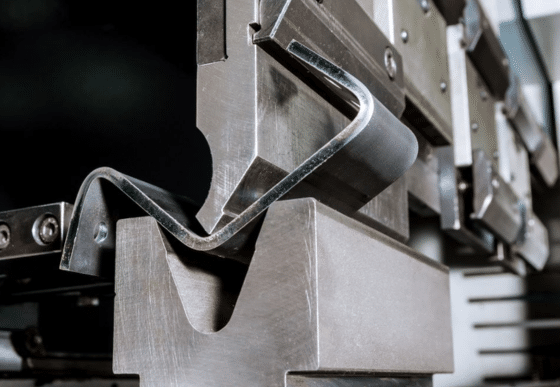
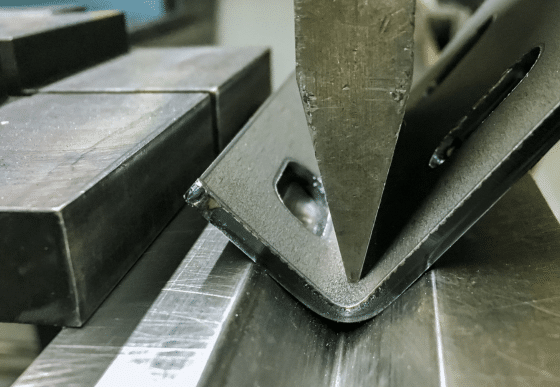
Sheet metal strip bent into a wavy profile between a press brake punch and V-die blocks

What is Metal Bending?

Metal bending is a core metal fabrication process that reshapes flat sheet metal into precise angles and curves by applying mechanical force, without cutting material away or changing its thickness. It is the forming step that turns a flat, laser cut blank into a functional three-dimensional part. At Tuowei Precision, our metal bending service covers everything from simple 90-degree flanges to complex multi-bend components, using advanced electric and hydraulic press brakes that deliver superior accuracy and consistent results, even on parts with tight tolerances. We bend metal in aluminum, stainless steel, carbon steel, copper, and galvanized steel, and every project includes comprehensive post-processing, so your bent parts arrive formed, finished, and ready for immediate use. Bending is one stage of our complete sheet metal fabrication service — most parts start as blanks from our laser cutting services (or plasma cutting for very thick plate) before they reach the press brake.

Close-up of a press brake punch pressing a metal sheet into a V-die to form a bend

How Does Metal Bending Work?

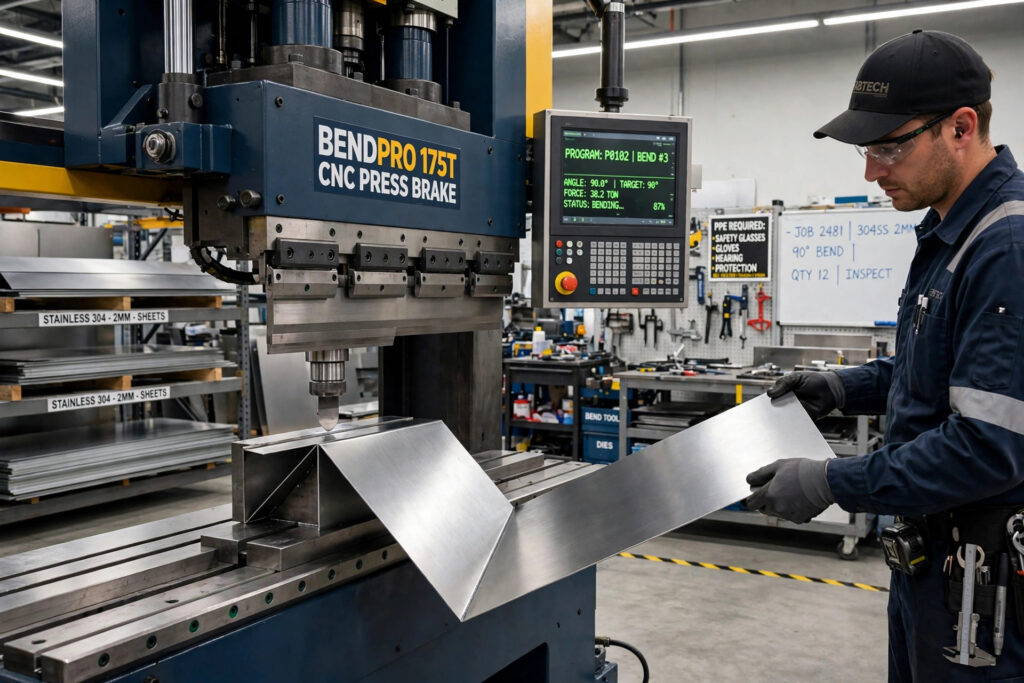
A press brake machine forms sheet metal between a punch and a die. The flat sheet is positioned against a CNC (computer numerical control) backgauge, the punch descends, and the metal is pressed into the die opening until it takes the target bend angle. Because the deformation is controlled and repeatable, a CNC press brake holds the same angle across a single prototype or a full production run. Tuowei’s press brakes are hydraulic press and electric models, programmed directly from your CAD (computer-aided design) file for fast setup and minimal variation.

Bending Methods We Use

  • Air bending: The punch presses the sheet into a V-die without bottoming out, so one tool set produces many bend angles. It is the most flexible and common method in modern sheet metal bending.
  • Bottoming: The sheet is pressed firmly into the die to set a precise angle with less springback — ideal when a specification calls for exact, repeatable angles.
  • Coining: High tonnage stamps the bend radius into the material, virtually eliminating springback for the tightest angle control.
  • Roll bending and plate rolling: Curved metal profiles, cylinders, and cone shapes are formed progressively between rollers rather than on the press brake.

Unlike tube bending, which forms hollow sections around a mandrel, or pipe bending for fluid lines, sheet metal bending folds flat parts — but the engineering principles are shared. Three factors decide whether a bent part meets its specification: the bend radius (typically at least equal to the material thickness to avoid cracking), the bend allowance and K-factor (which calculate the flat pattern length so the finished component lands on dimension), and springback (the metal’s tendency to relax after forming, which our operators compensate for by overbending slightly). Controlling these factors is how we prevent distortion and deformation, and how flat parts become accurate finished components. The best metal bending results start with a correct flat pattern: send us your CAD file or DXF and our engineers will check every bend before production.

Operator bending a stainless steel sheet on a CNC press brake

Metal Bending Capabilities

Tuowei provides precision bending capabilities that combine advanced machinery, strict quality standards, and final inspection to handle a wide range of metal types, part sizes, and production volumes — for quality metal bending results from prototypes to large-scale production runs.

Features Description
Maximum Part Size 1.5 m × 1.5 m
Metal Bending Forces Up to 1000 tons
Bending Line Length Up to 7200 mm
Bending Thickness Up to 60 mm
General Tolerances Based on ISO 2768. Bend to edge/hole, single surface: ±0.254 mm (±0.010 in.)
Bend Radius Equal to material thickness
Bend Angle ±1°
Bend Cutting Area Up to 4000 mm
Lead Time 5 days or more

Working outside this specification range? Talk to our team. As a full-service fabricator, our metal fabrication services cover the processes around bending too, and parts that need machined features move straight into our 5-axis CNC machining shop — we will tell you honestly if a part is better made another way.

Surface Finishes for Metal Bending

Surface finishes for bent metal parts enhance strength, durability, and appearance, making them suitable for both functional and aesthetic applications. Finishing is usually applied after forming, so the coating stays intact through the bend. Popular options from our surface finishing services include:

As-Formed (Standard)
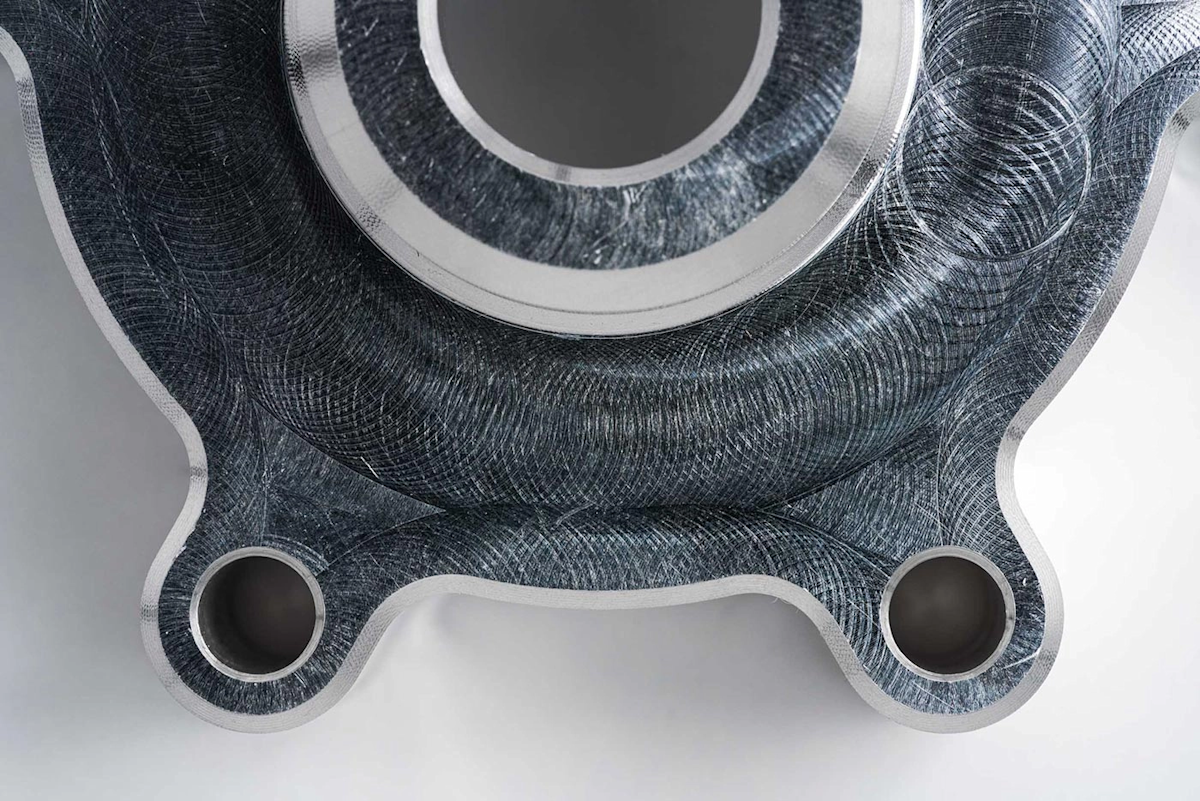
Metal bearing housing with a central bore, covered in visible circular tool marks in its as-machined finish

The natural finish straight off the press brake, ideal for functional applications where a decorative finish is not critical.

Bead Blasting
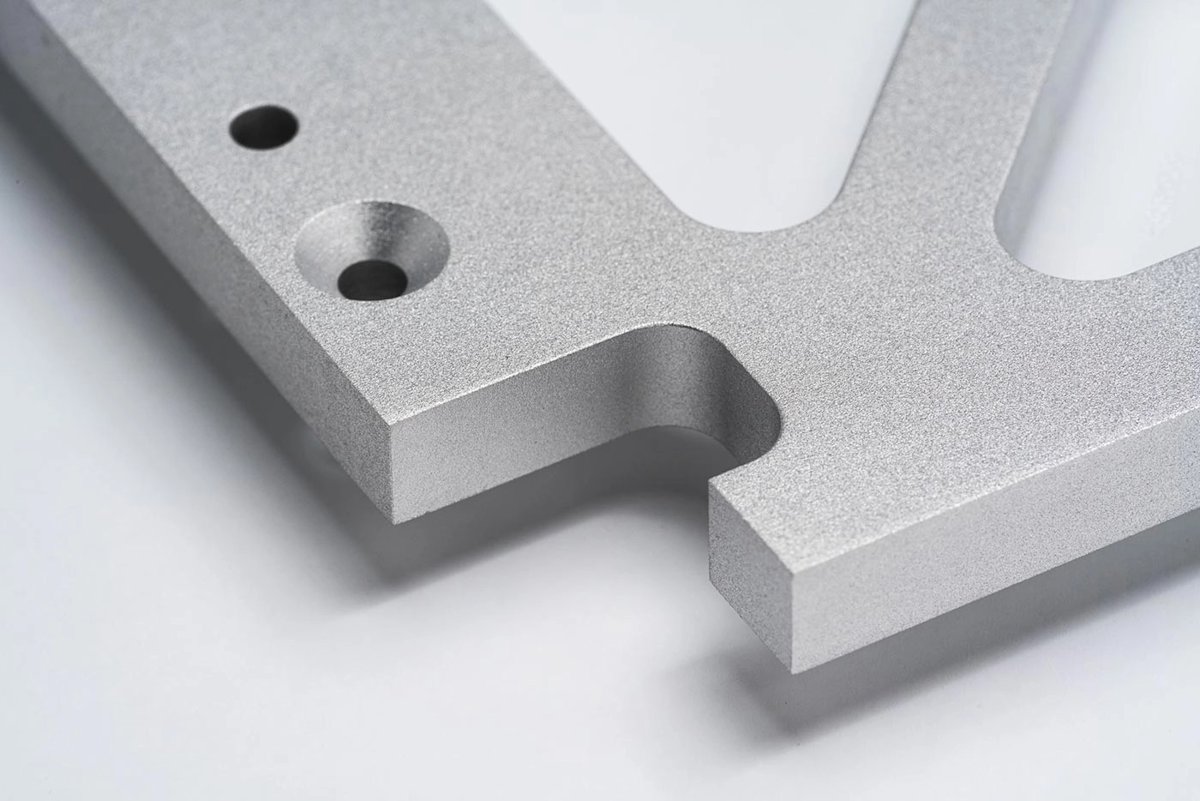
Machined metal plate with a uniform matte bead-blasted finish, showing countersunk holes and a forked cutout

Propels media such as glass beads at the surface to create a smooth, uniform matte finish.

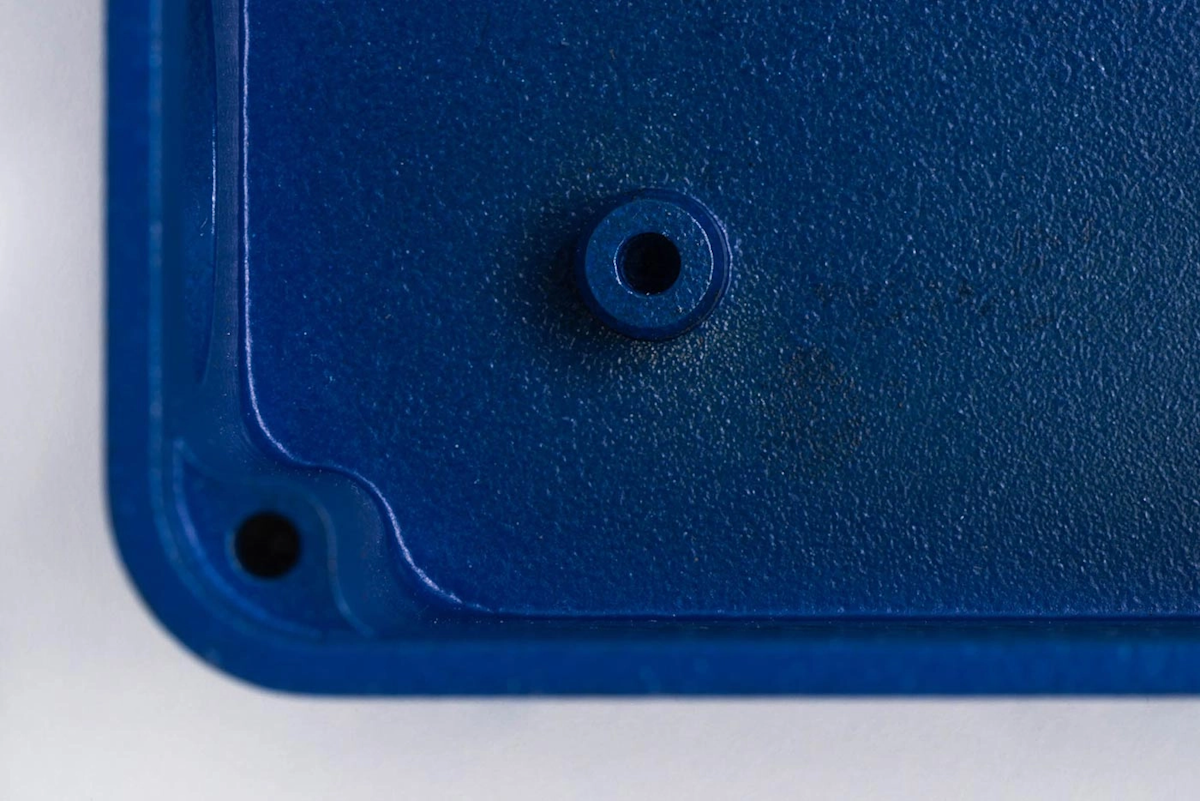
Powder Coating
Close-up of a metal part with a textured deep blue powder-coated finish and a raised circular boss with a hole

A durable coating offering excellent resistance to wear, corrosion, and UV exposure, available in a wide range of colors.

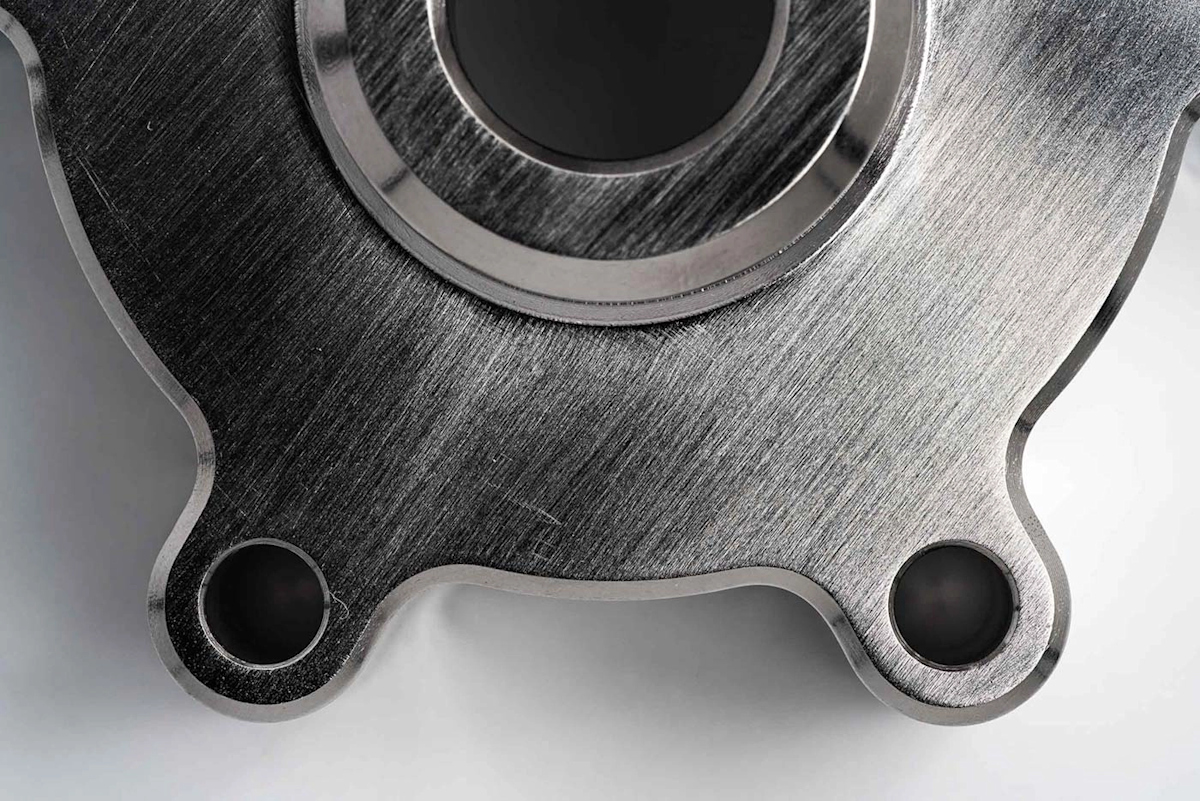
Brushing
Close-up of a metal bearing housing flange with fine directional brush lines, showing a brushed finish

Applies a linear, uniform grain texture, creating a satin-like finish.

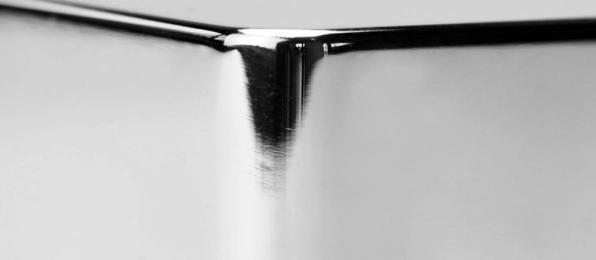
Polishing
Macro close-up of a mirror-polished metal corner with a smooth reflective polished finish

Achieves a high-gloss, mirror-like surface that enhances the visual quality of the part.

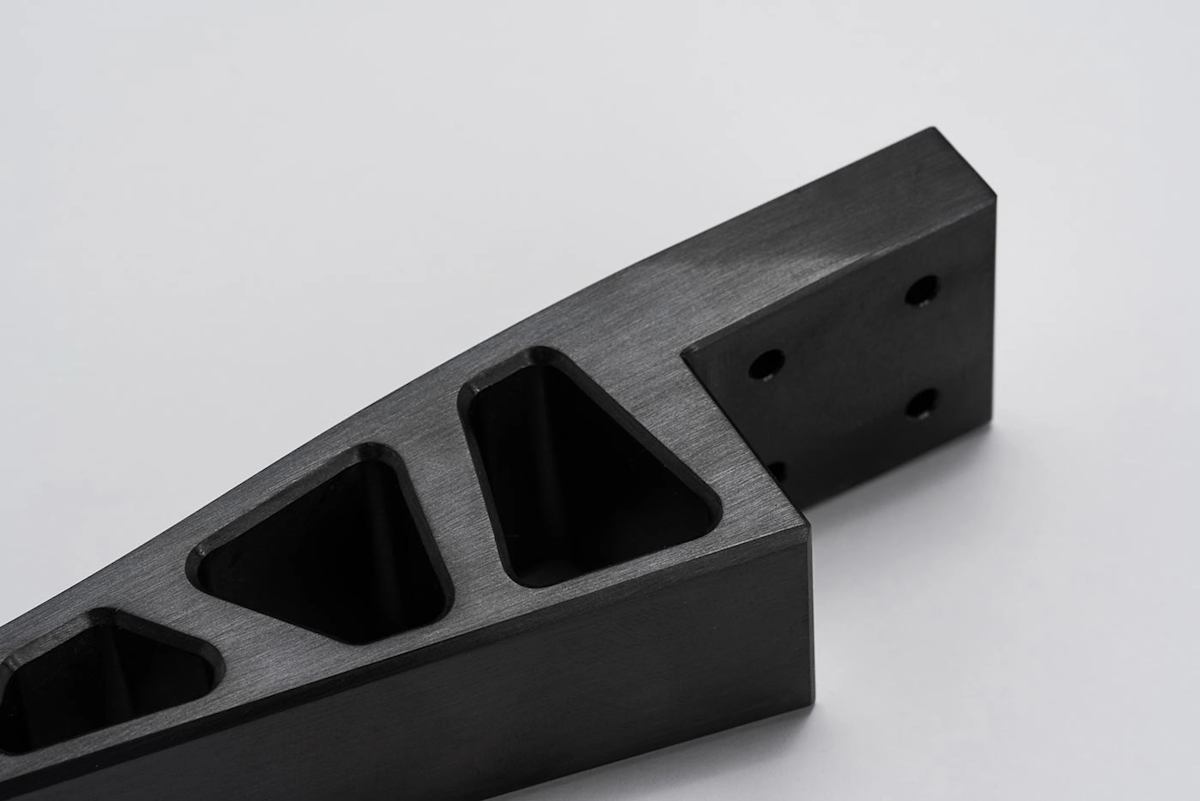
Black Oxide
Black CNC-machined metal bracket with triangular pockets and drilled holes, showing a matte black oxide finish

Ideal for steel components, this dark, matte finish provides mild corrosion resistance while maintaining a quality appearance.

Advantages

Advantages of Bending Manufacturing

Metal bending offers significant benefits, making it a critical metal forming process across many industries:

Applications

Applications of Bent Metal Parts

Bent metal components are versatile, transforming flat metal sheets into functional, durable parts for a wide range of uses:

Frequently Asked Questions

Metal Bending FAQ

Frequently Asked Questions

Metal Bending FAQ

  • How much does a metal bending service cost?

    Cost depends on material and thickness, bend count and complexity, tolerances, finishing, and quantity.

    Bending needs no dedicated tooling beyond standard punch and die sets, making it highly economical.

    Per-part cost falls quickly with volume, and a free quote with DFM review arrives within 1 day.

  • What tolerances can sheet metal bending hold?

    Standard bending tolerances follow ISO 2768, with bend angles holding ±1 degree.

    Bend-to-edge or bend-to-hole dimensions hold ±0.254 mm (±0.010 in.) on a single surface.

    Tighter tolerances are available on many geometries and are confirmed before production.

  • What types of metal can be bent?

    We bend aluminum, stainless steel, carbon steel, copper, and galvanized steel sheet and plate.

    Material hardness and ductility decide the minimum bend radius for each metal.

    Capabilities cover thicknesses up to 60 mm and bending forces up to 1,000 tons.

  • What design files do you need for a bending quote?

    Send a 3D CAD file (STEP is preferred) or a DXF flat pattern with bend lines, material, thickness, and finish.

    If your design lacks bend allowance and K-factor, our engineers develop the flat pattern during free DFM review.

    Complete files produce faster, more accurate bending quotes.

  • How fast can bent parts be delivered?

    Standard lead times for bent parts start at 5 days, and many prototypes ship in 3–5 days.

    Timeline depends on complexity and finishing requirements.

    In-house cutting, bending, and finishing avoids delays from moving between separate suppliers.

Let’s Build What’s Next Together

Partner with TUOWEI to Shape Your Vision

Since the era of rapid prototyping through scalable production, Tuowei Precision helps with your project because of its reliable CNC machining and manufacturing services. Our team collaborates with you to make sure that there is accuracy, consistency, and a smooth execution at all levels.

Begin your project now and start with the first step towards efficient and high quality manufacturing with Tuowei.

Get In Touch With Us!
Prompt response guaranteed within 12 hours
🔐 All uploads are secure and confidential

Tuowei Proto's Solutions

Whether you’re creating a small batch of custom parts or scaling up for high-volume production, Tuowei Proto services offer the flexibility you need.

CNC machining spindle with a ball nose end mill finishing a contoured wave-profiled metal part
Rapid Prototyping

CNC rapid prototype machining is perfect for creating engineering or production prototypes that closely resemble the final product in both appearance and functionality. At Tuowei, we offer instant quotes and fast delivery, providing you with precise, high-quality CNC machined prototypes for your needs.

CNC milling spindle machining a wave-profiled metal workpiece in a fixture, coolant line alongside and chips on the table
Low Volume Manufacturing

Low volume CNC machining often acts as a bridge between prototyping and mass production for new and emerging production. With Tuowei, this process becomes easier, more efficient, and cost-effective, allowing you to scale production quickly while maintaining high-quality standards.

CNC milling spindle machining an aluminum housing on the machine table
End-use Production

CNC production machining is the best solution for producing a thousand parts or more efficiently. Leveraging a diverse selection of materials and automation and multi-axis capabilities, Tuowei delivers high-volume production with tight tolerances, superior dimensional accuracy, high reliability and fast turnaround times.

Explore Insights & Innovation

Keep updated on the real CNC machining, industry trends, and production insights in Tuowei Precision, but is installed to enable you to make better production decisions.