Tuowei Precision supports medical device manufacturing with CNC machined, injection molded and fabricated components for surgical, orthopedic, dental, diagnostic and monitoring devices. As a manufacturing partner for medtech companies in the U.S. and worldwide, we back every medical order with records and material certificates, from the first prototype to full production.
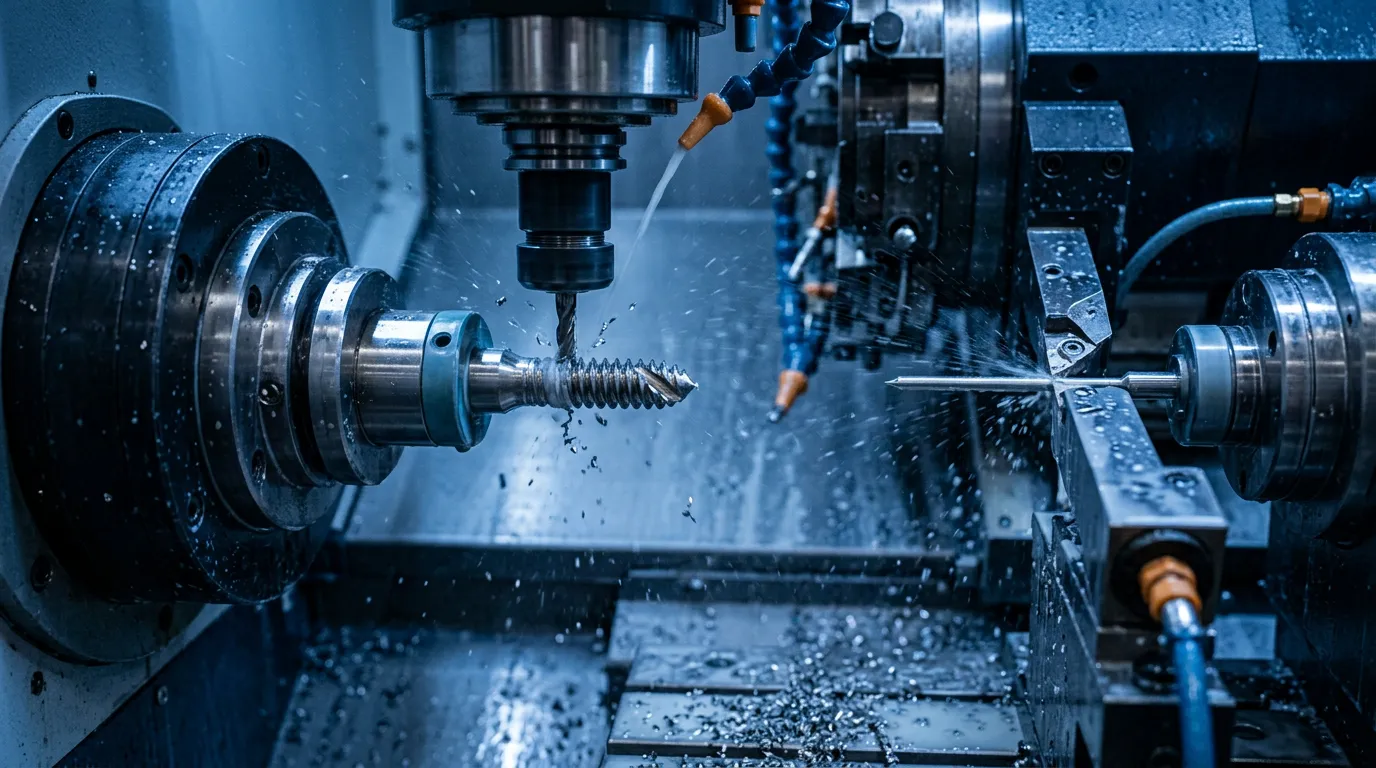
Medical components work inside or against the human body, so a small error is never just a cosmetic problem. A burr on a surgical instrument can tear tissue; a thread that is slightly off can stop a bone screw from seating. Safety and effectiveness start with the parts. That is why CNC machining in medical device manufacturing is the default process for metal implants, instruments and precision housings.
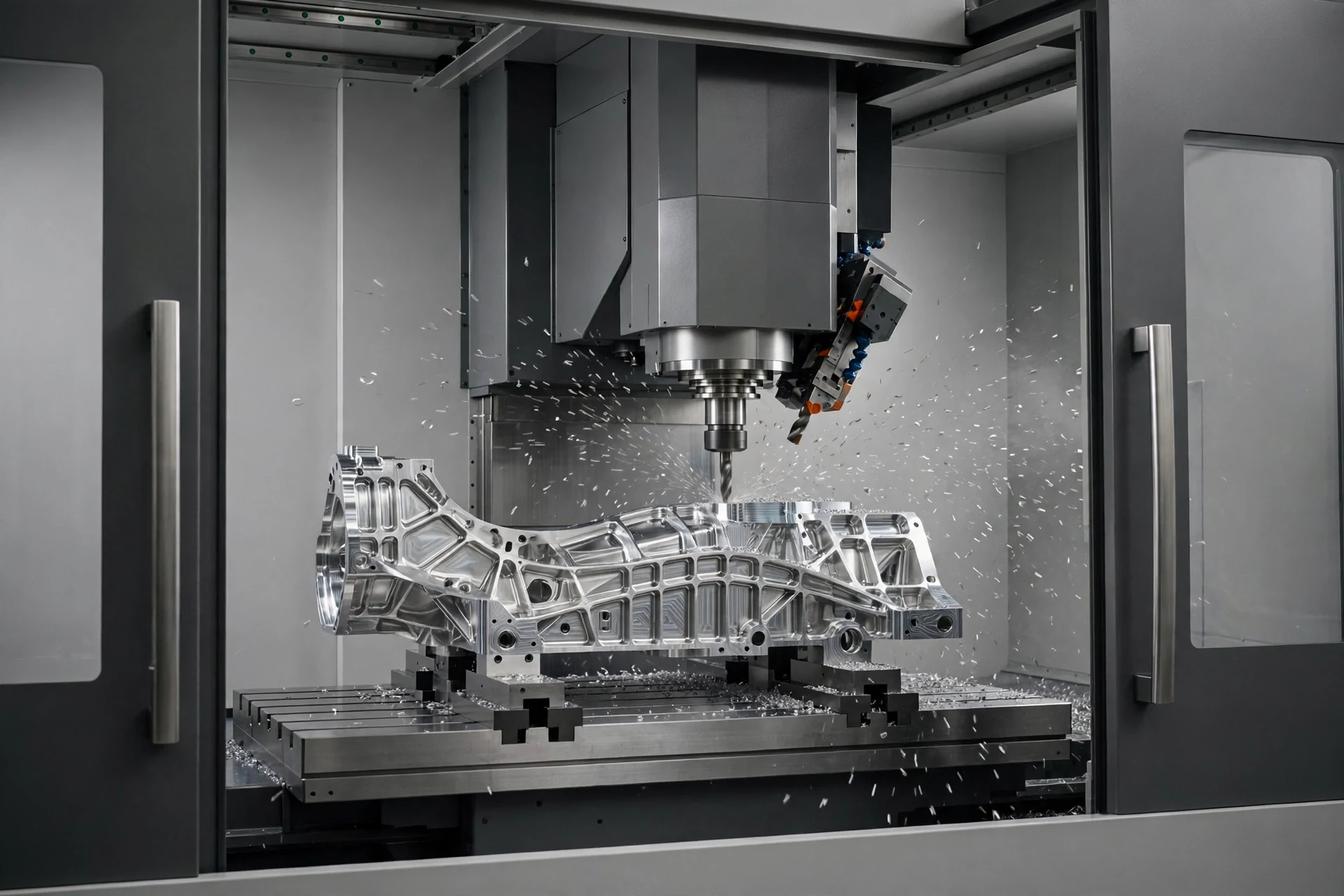
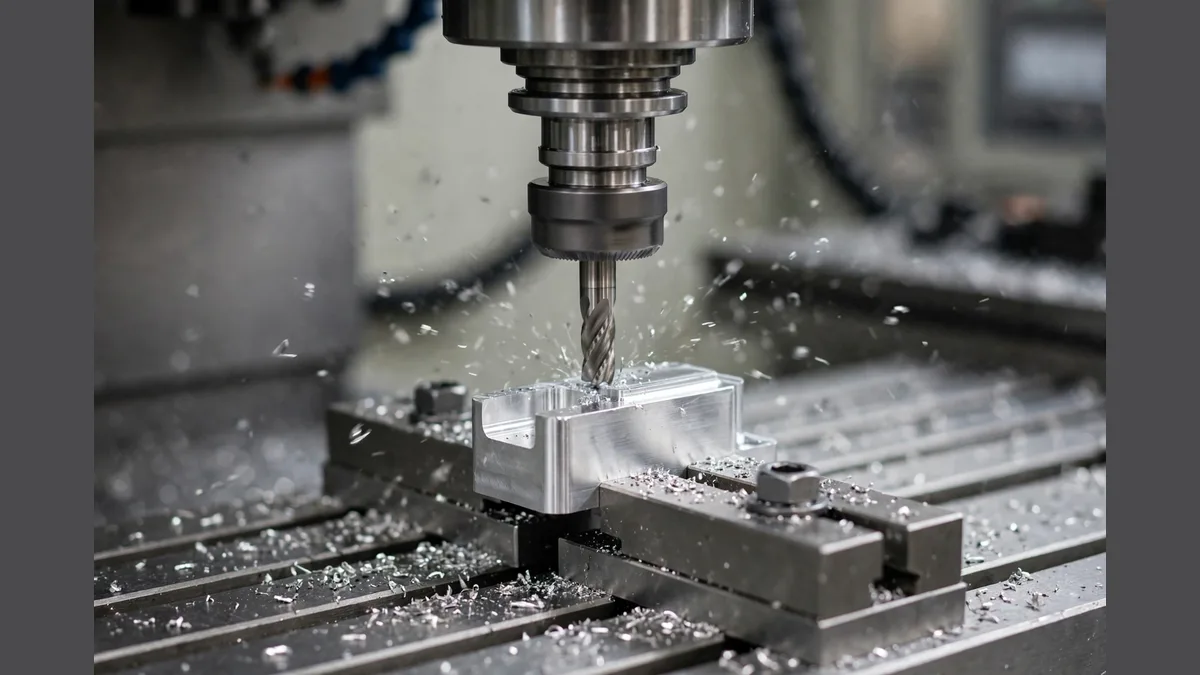
CNC machining produces complex, biocompatible parts directly from your CAD model, with tolerances down to ±0.005 mm on critical features. It needs no tooling, so the same process serves a ten-piece prototype run and a validated production batch, and every part follows the same programme.
For machining capabilities, finishes and tolerances in detail, see our medical precision machining page.
Our parts go into Class I, II and III devices across the healthcare industry. We make components; our customers, the medical device companies, own the device design, the regulatory submission and the final release, from diagnostics to therapeutics.
Handles, jaws, shafts and hinge parts for forceps, clamps, retractors and bone drills, machined from 17-4PH and 316L stainless steel or titanium and finished to survive repeated autoclave cycles.
Bone screws, plates, spinal implant parts and trial components in Ti-6Al-4V (Grade 5), titanium Grade 2 and PEEK. Implant machining needs clean, burr-free threads and full material traceability.
Implant abutments, surgical guides, orthodontic components and handpiece parts, where micron-level fit decides patient comfort.
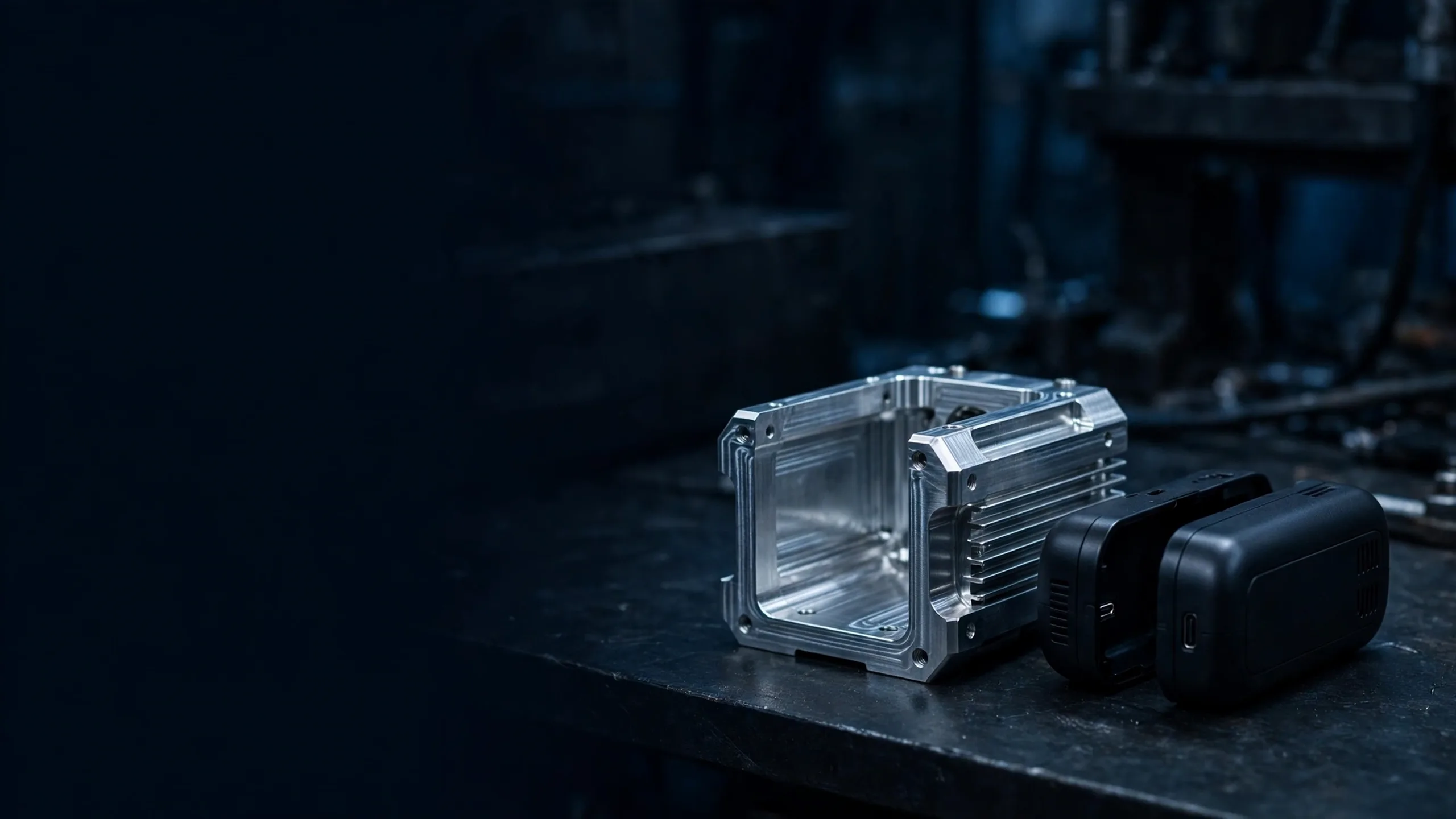
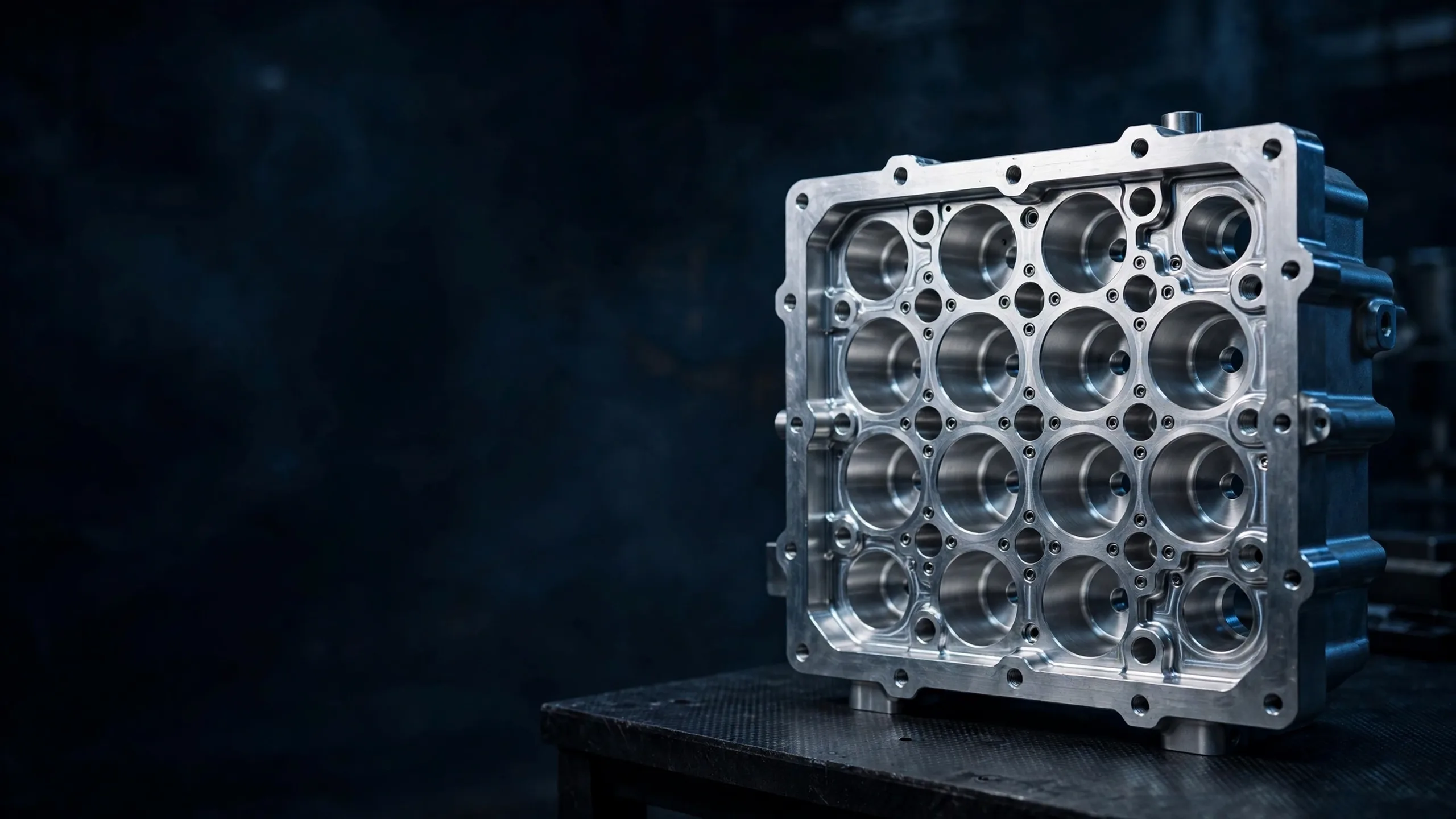
Housings, brackets and mechanisms for ultrasound, imaging, lab analyzers and patient monitors. These are often aluminum or plastic parts produced by machining, molding or sheet metal fabrication.
Catheter connectors, endoscope components, valves and fluid fittings. Very small turned parts are made by Swiss-type turning, and plastic connectors by injection molding.
Lightweight frames, joints and adapters in aluminum and titanium for prosthetic limbs, exoskeletons and mobility aids.
The medical device manufacturing process is longer than in other industries because each stage has to be documented. A typical path for a machined or molded component looks like this:
Our medical device prototyping page covers the early stages in more detail.
Medical device manufacturing is a highly regulated process. In the U.S., the Food and Drug Administration (FDA) regulates devices under the Federal Food, Drug, and Cosmetic Act and classifies them by risk. Class I devices such as tongue depressors carry the lowest risk; Class II devices such as infusion pumps usually need 510(k) premarket notification; Class III devices such as implants and life-supporting equipment need premarket approval. Since February 2026 the FDA's Quality Management System Regulation (QMSR) aligns 21 CFR Part 820 with ISO 13485:2016, so suppliers working to this International Organization for Standardization benchmark speak the same quality language as their customers and the regulator.
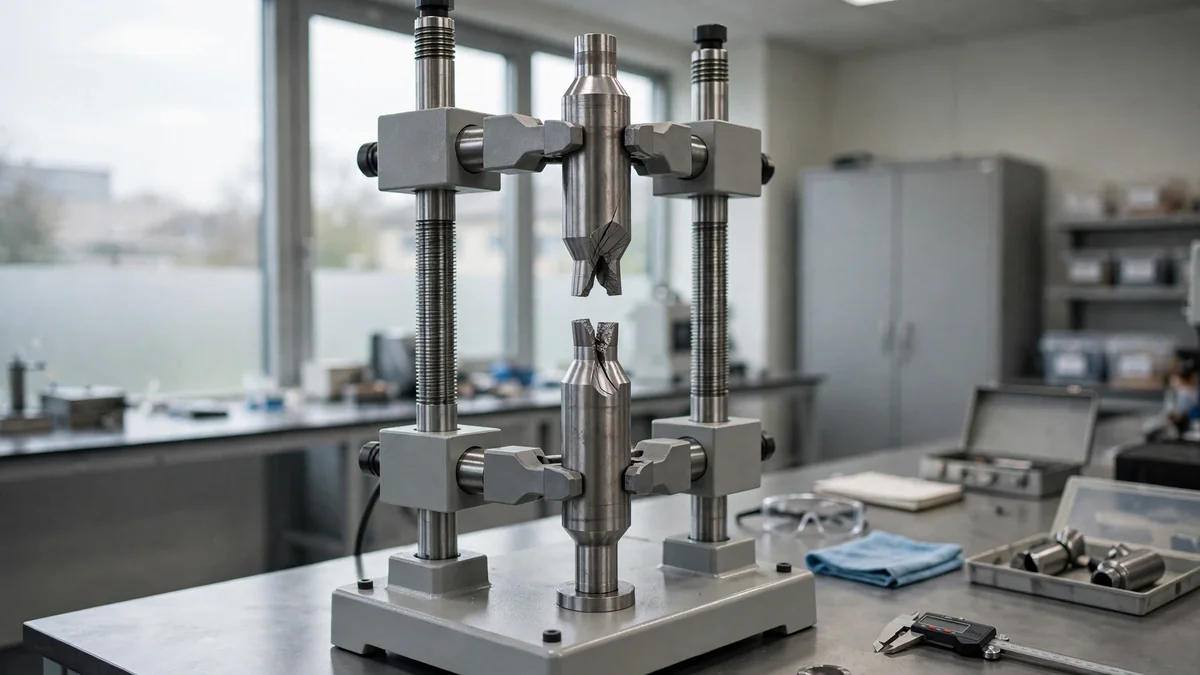
Tuowei's quality system is certified to ISO 13485 and ISO 9001:2015, and it is ready for customer audit. For medical orders this means drawing and contract review, controlled processes, calibrated measuring equipment, material certificates that trace every part to its raw material, and records such as first article inspection (FAI) and CMM reports. RoHS compliance reports are available on request. See our quality assurance page.
One honest point: as a component supplier we are not the legal manufacturer of your device. Regulatory submissions, sterilization and final device release stay with you. Our job is to give you parts and records that make those steps easier.
One in-house partner for machining, molding and fabrication reduces hand-offs in your supply chain, keeps quality records in one place and helps accelerate commercialization.
For OEMs that want to outsource component production, our medical device contract manufacturing service combines machining, molding, finishing, light assembly and packaging under one quality system.
3-, 4- and 5-axis milling and Swiss-type turning for implants, instruments and housings.
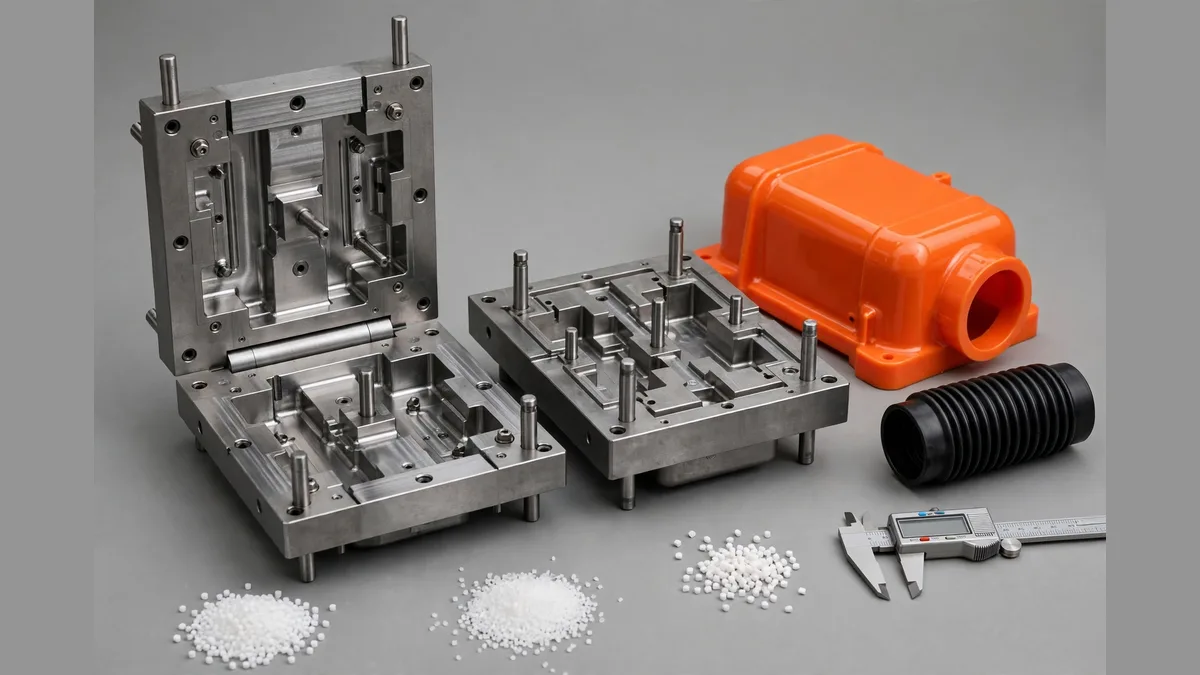
Our medical device injection molding service covers thermoplastic molding, overmolding, liquid silicone rubber (LSR) and micro molding for connectors, housings and disposable parts.
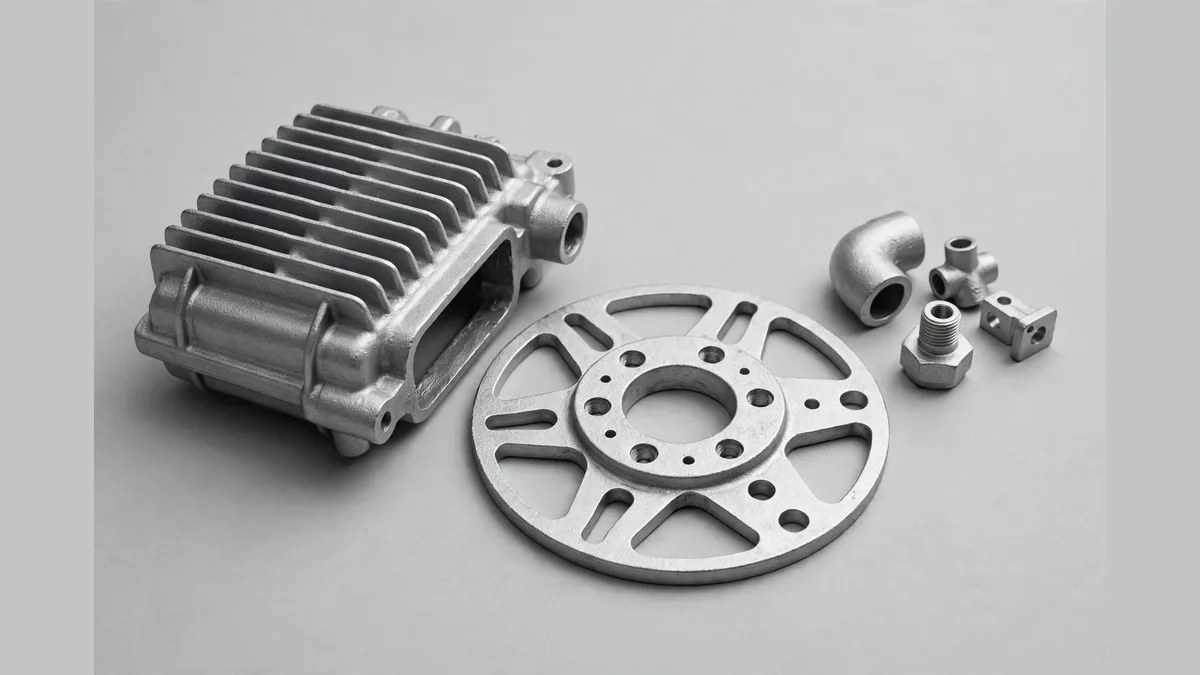
Laser cut and formed stainless steel and aluminum for cart frames, equipment panels and enclosures, plus small-batch implant and instrument parts machined from certified titanium bar.

Since 2002 we have built precision parts in Shenzhen. Our operation has more than 10,000 m² of manufacturing space, over 130 three-, four- and five-axis CNC machines and a 230-person technical team.
Our facilities bring machining, molding, fabrication, finishing and inspection under one roof, so medical prototypes and production parts follow the same controlled process.
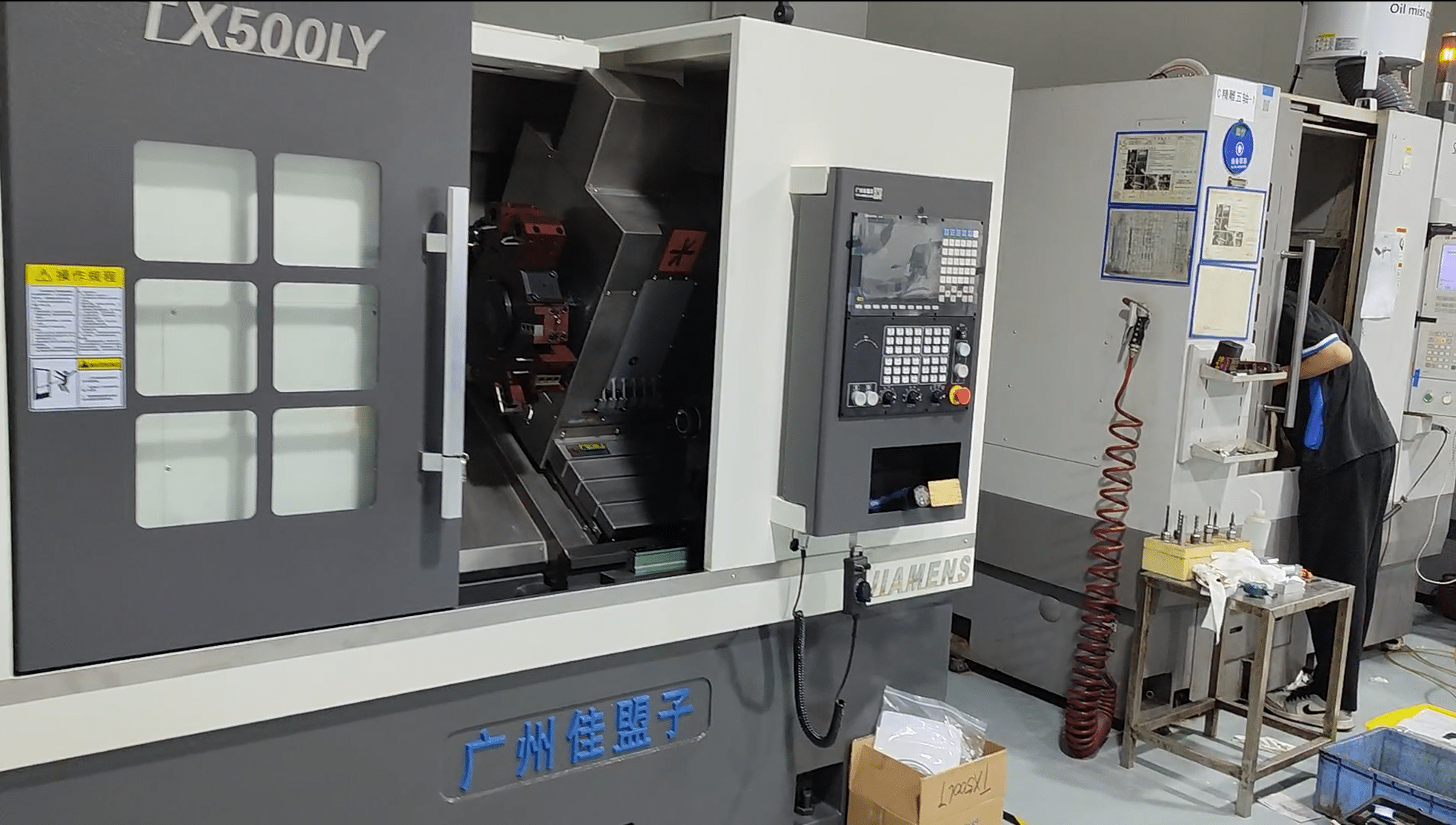
High-tech facility for exacting CNC manufacturing with utmost accuracy and efficiency.

Dedicated space for streamlined production using cutting-edge CNC technology.
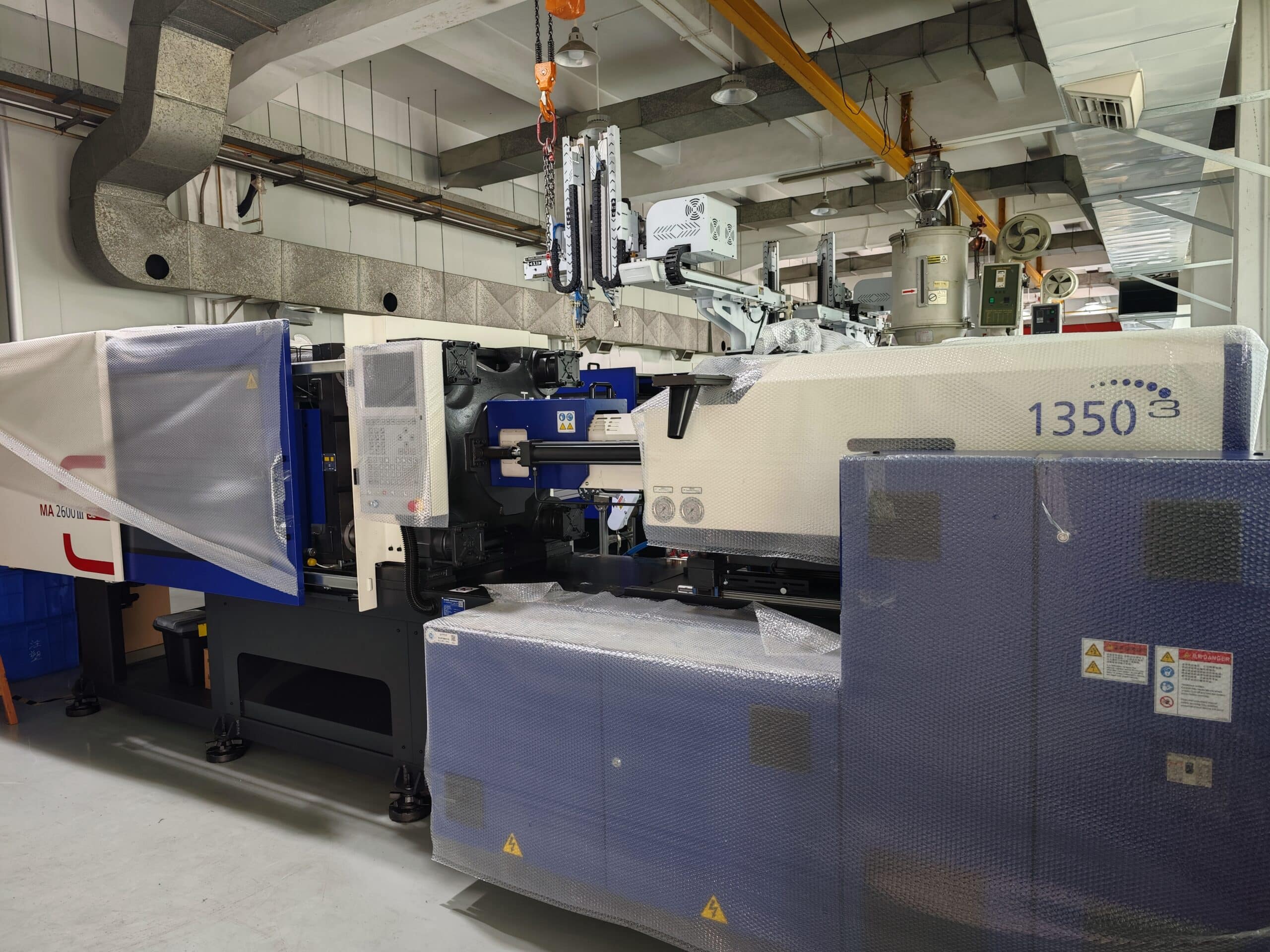
Centralized facility equipped for intricate CNC component fabrication and assembly.

Fully automated workshop for precise, rapid CNC machining operations.

Dynamic space optimized for delivering top-tier CNC machining performance.
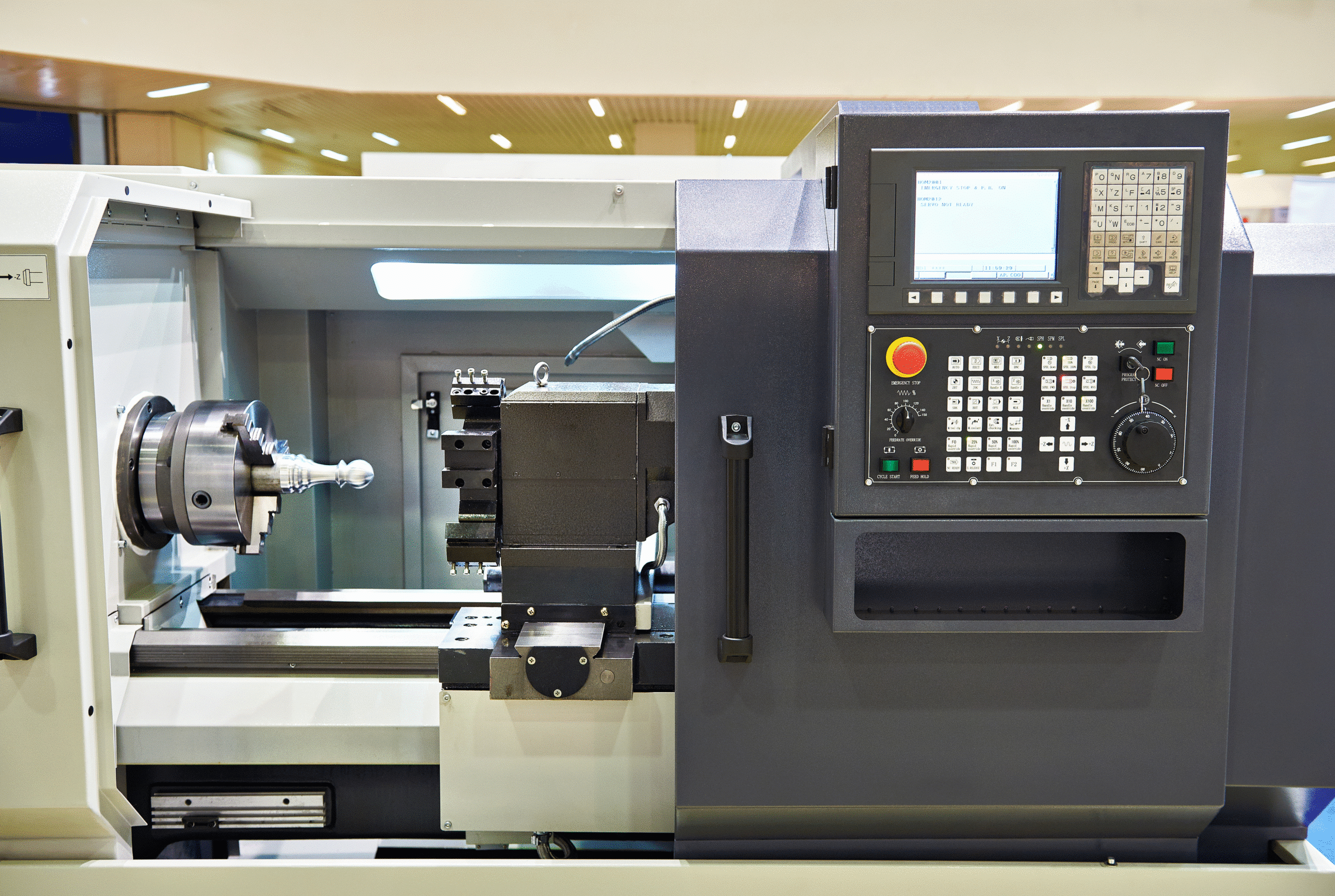
Comprehensive facility integrating CNC processes for seamless manufacturing workflow.
Take a closer look at our facilities.
Accurate medical prototypes in production-grade materials during the early design phase, so you can evaluate fit, function and ergonomics with confidence.
Functional prototypes tested against performance requirements, so design flaws show up before tooling and validation.
Parts with final finishes for usability, cleaning and sterilization trials, with feedback on manufacturability and cost.
Pilot lots on production fixtures with first article checks, so the process is proven before volume orders.
Scale to full production with consistent, compliant components and lot traceability.
We supply precision-engineered components for medical and healthcare applications, including:
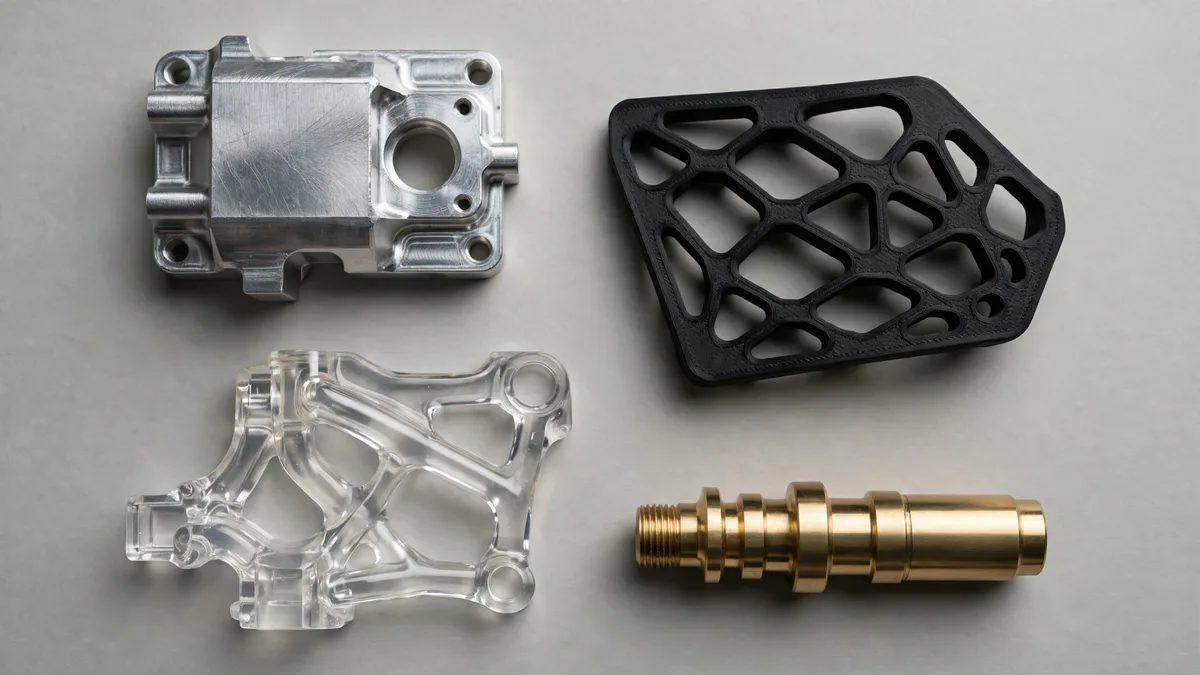
Material choice in a medical device depends on biocompatibility, strength, weight, cleaning method and imaging needs. Titanium and PEEK are common for implants; 316L and 17-4PH stainless steel for instruments; aluminum and engineering plastics for housings and equipment.
All of these finishes are compatible with standard sterilization methods such as autoclaving; your protocol decides the final choice. See our surface finishes page.