
Insert Molding
Expert insert molding solutions for high-quality prototypes and on-demand production parts. From metal inserts to complex multi-material components, TOUWEI delivers precise insert molding services with competitive pricing and rapid turnaround times.
- Rapid tooling production as fast as 2 weeks
- Custom insert molding for prototypes and production parts
- Short lead times for quick delivery
- High-quality multi-material component expertise
- All uploads are secure and confidential
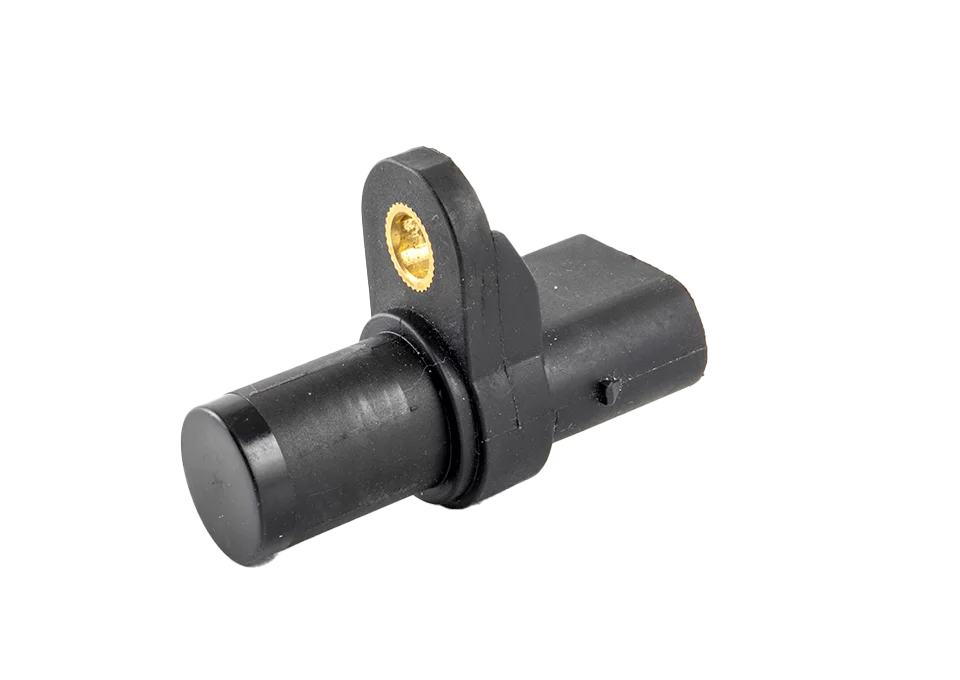
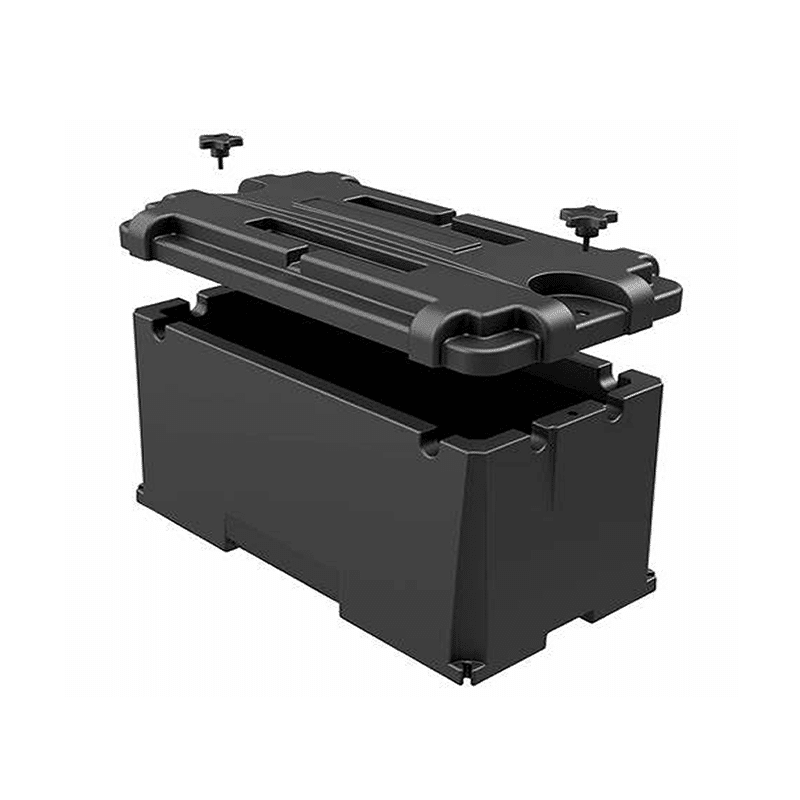
Custom Insert Molding at TUOWEI
TUOWEI Precision specializes in precision insert molding solutions tailored to your project needs. Our insert molding eliminates the need for additional assembly by producing components in a single process, saving both time and reducing overall complexity. It also offers cost efficiency, as the removal of post-assembly steps lowers total production expenses. Parts manufactured through this method are lighter yet stronger than all-metal alternatives, delivering the ideal balance of weight reduction and durability. By integrating inserts directly, the process ensures reliable performance with improved strength, wear resistance, and long-lasting functionality throughout the product’s life.
Whether you need prototypes or high-volume production, TUOWEI delivers consistent quality with fast lead times. Upload your CAD files today for a free design review and custom quote.
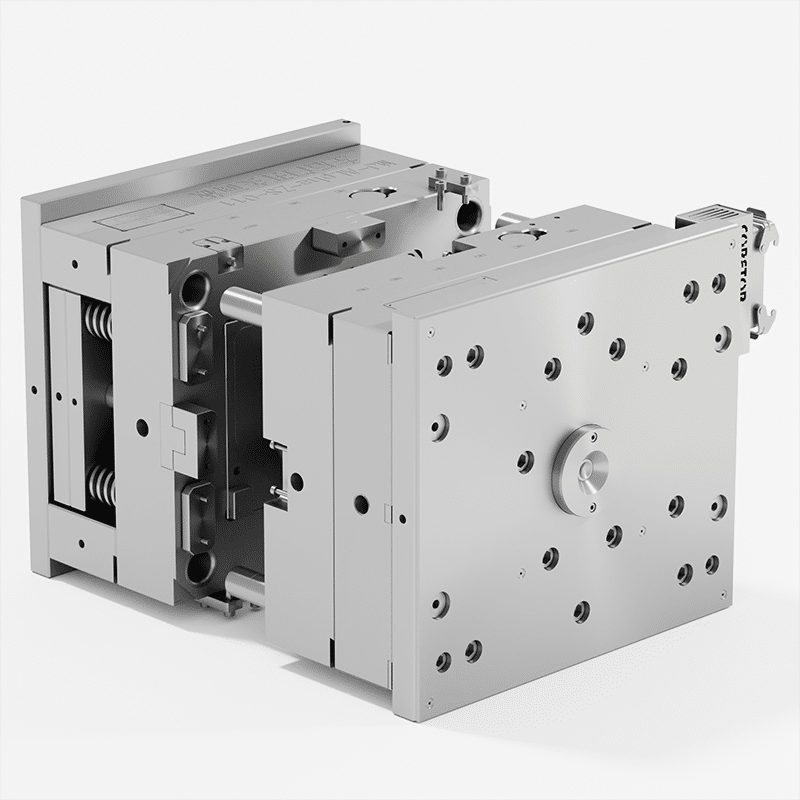
What is Insert Molding?
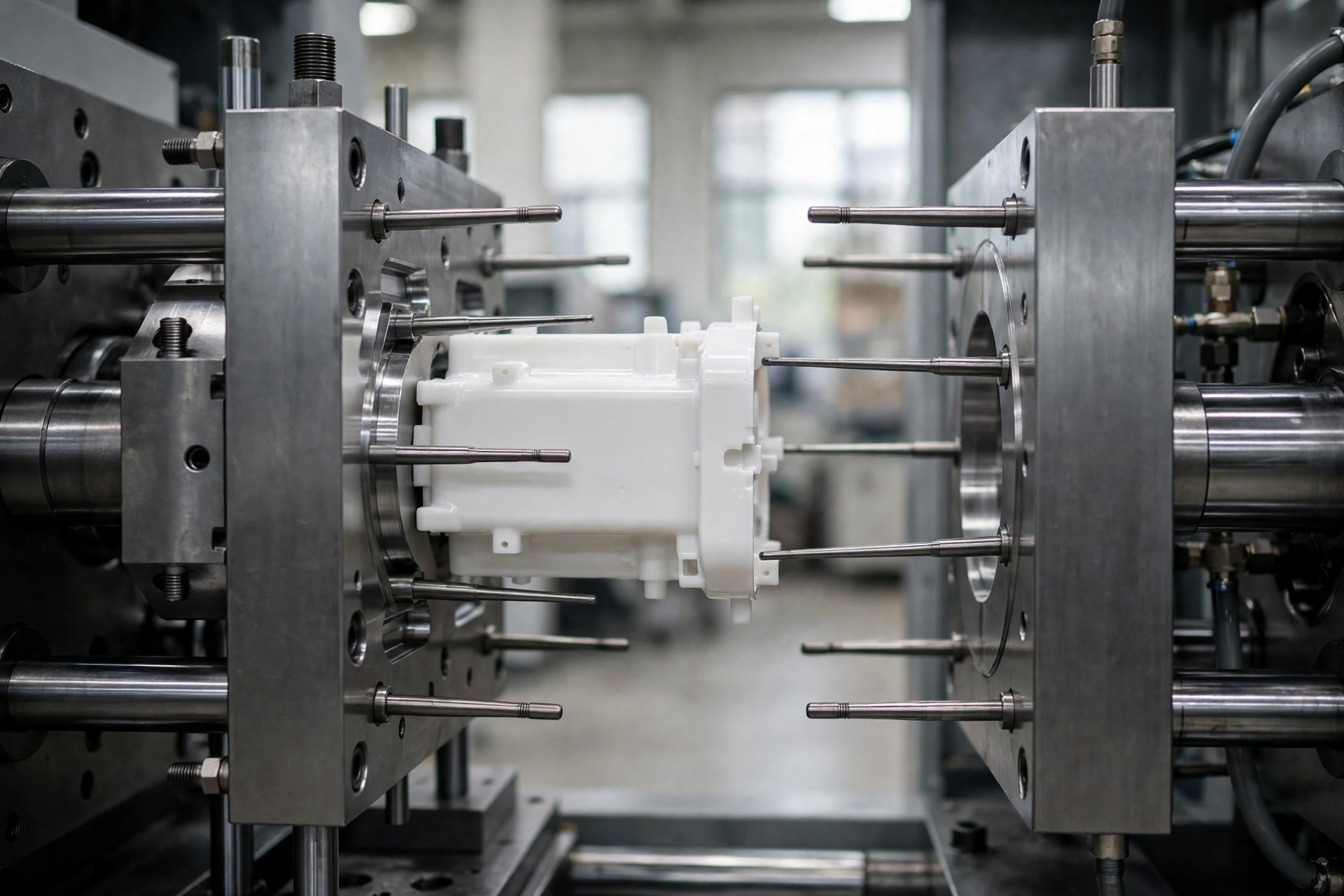
Insert molding is an advanced injection molding process where plastic is molded directly around a pre-placed insert, such as metal, plastic, or even ceramic. These inserts—like threaded fasteners, pins, or electrical components—are positioned inside the mold cavity before molten plastic is injected. Once cooled, the result is a single, durable part with enhanced mechanical strength and functionality. For example, stainless steel or aluminum inserts improve tensile strength, conductivity, and wear resistance, making insert molding ideal for demanding applications in automotive, electronics, and medical industries.
Insert Molding Tooling Solutions
Rapid Tooling
We deliver rapid prototype tooling with fast turnaround to help validate designs, perform functional testing, and assess market potential. Using cost-effective aluminum tooling, TUOWEI produces small batches of plastic molded parts within days, reducing financial risks before scaling into full production.
Production Tooling
For high-volume requirements, TUOWEI creates durable production molds built from premium tool steel capable of producing hundreds of thousands of consistent, high-quality parts. Each mold is tailored to your project specifications, ensuring strength, repeatability, and long-term reliability in demanding applications.
Insert Molding Capabilities
TUOWEI’s insert molding services are designed to produce parts that meet both functional and aesthetic requirements. By following standard design considerations, we guarantee superior results that enhance part performance and appearance.
| Insert Molding Service | Tolerance |
|---|---|
| Standard Insert Molding | ±0.005" (±0.127 mm) |
| High-Precision Insert Molding | ±0.002" (±0.051 mm) |
| Insert Molding with Metal Inserts | ±0.003" (±0.076 mm) |
| Mass Production Insert Molding | ±0.005" (±0.127 mm) |
Insert Molding Surface Finishes
For Insert Molding, these are the common surface finishing techniques used to enhance the quality and function of insert-molded components:
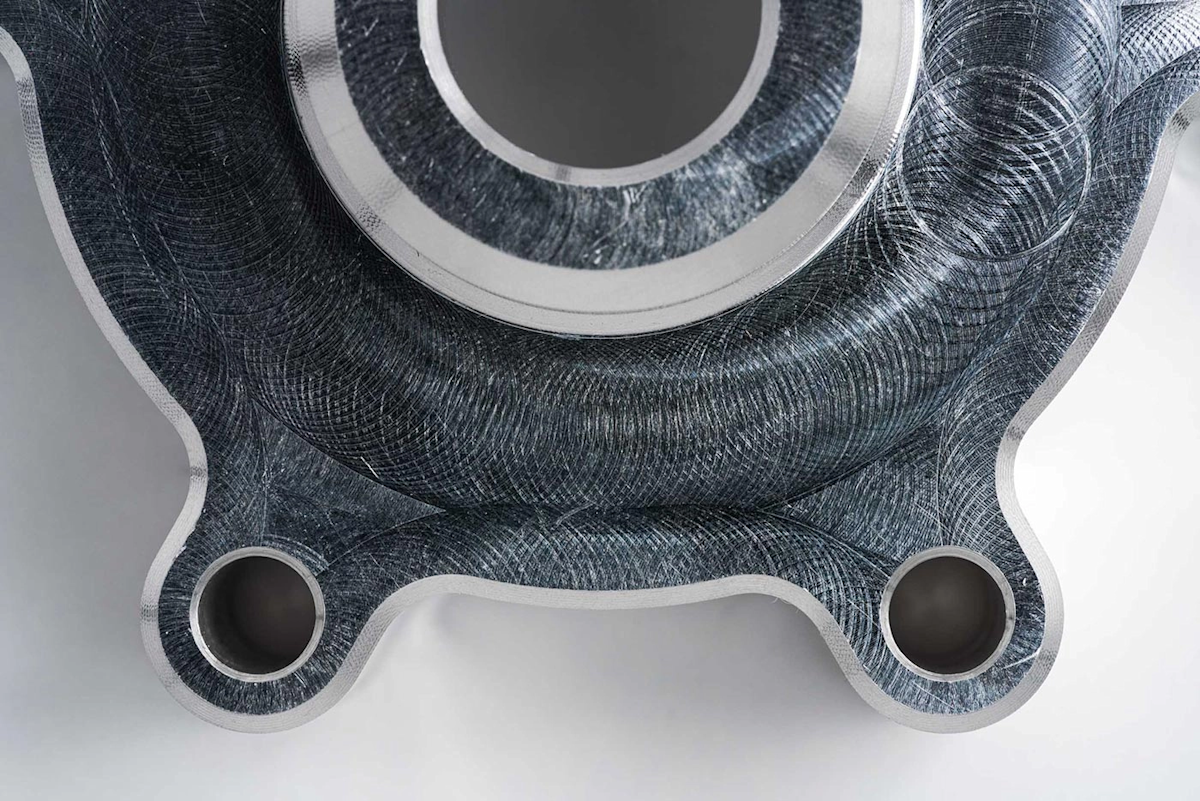
Polishing removes imperfections and burrs from the surface, providing a smooth, glossy finish on the molded parts.
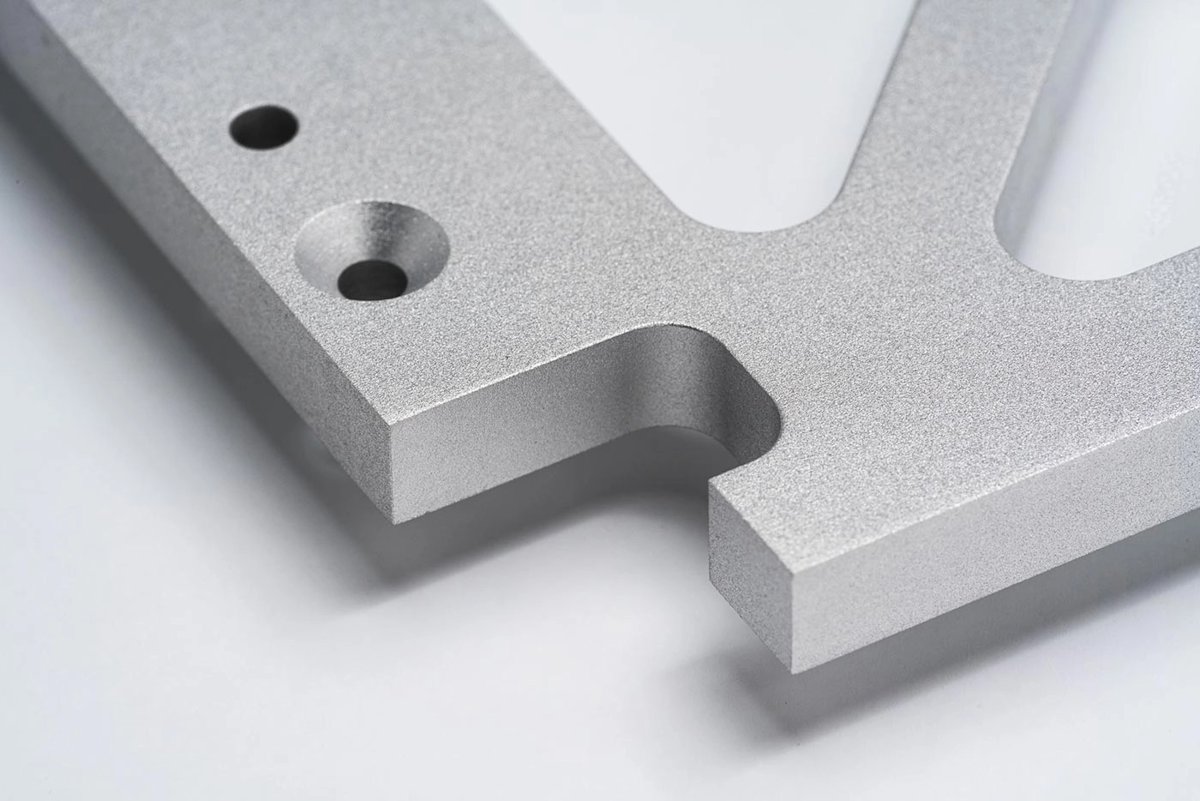
Bead blasting creates a consistent matte surface finish that helps mask any mold lines or imperfections on quick-turn parts.
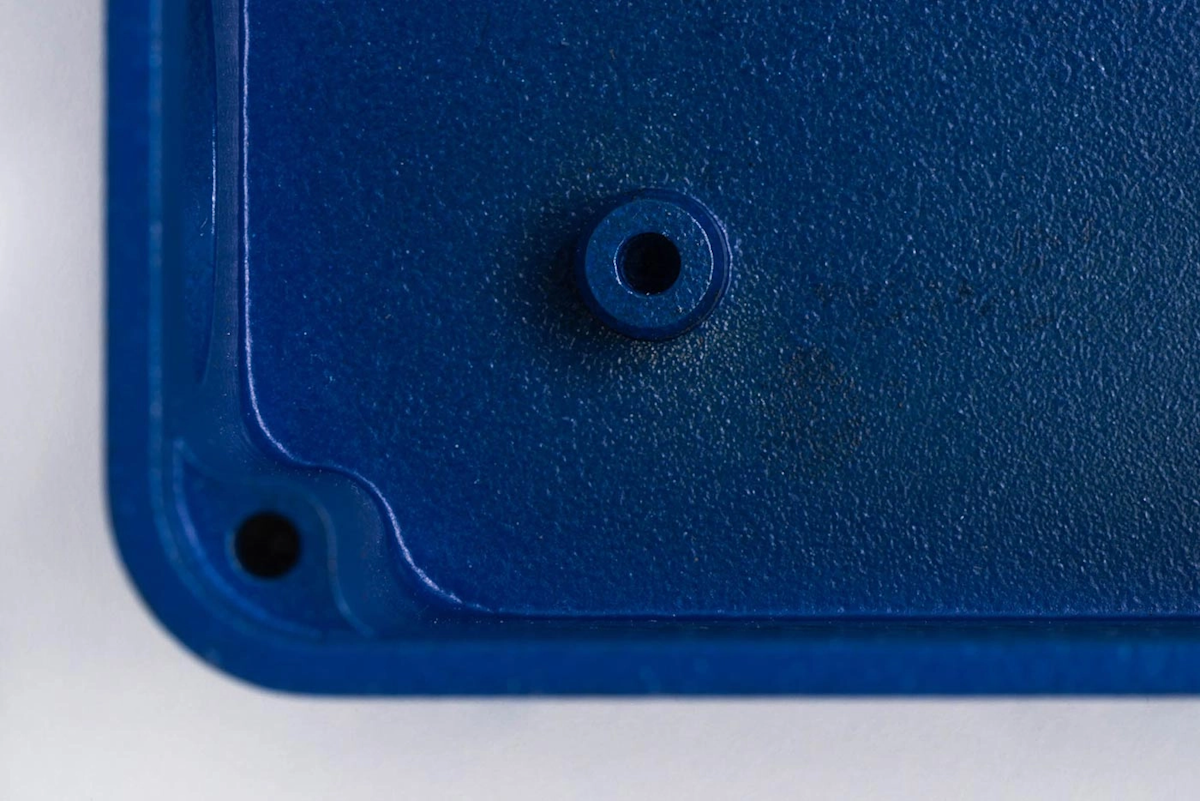
Texturing adds visual appeal and grip to the surface of the part, commonly used for quick-turn consumer goods with tactile requirements.
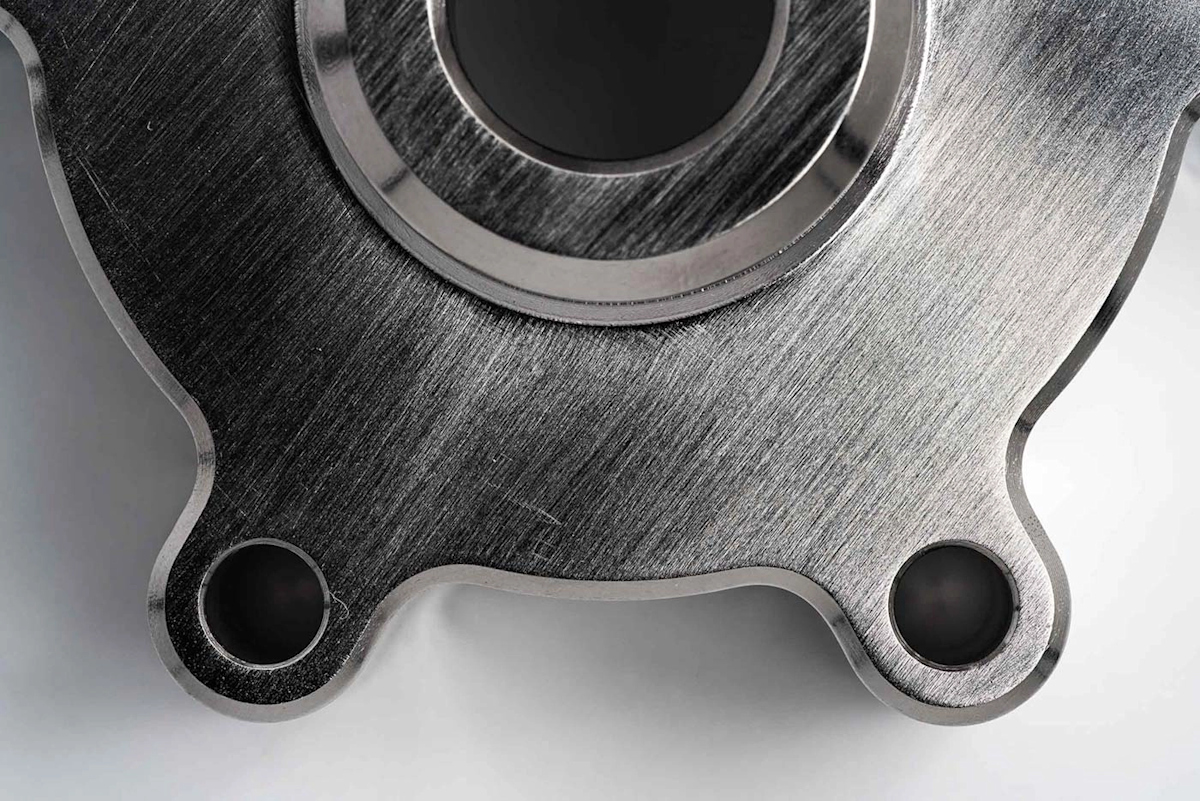
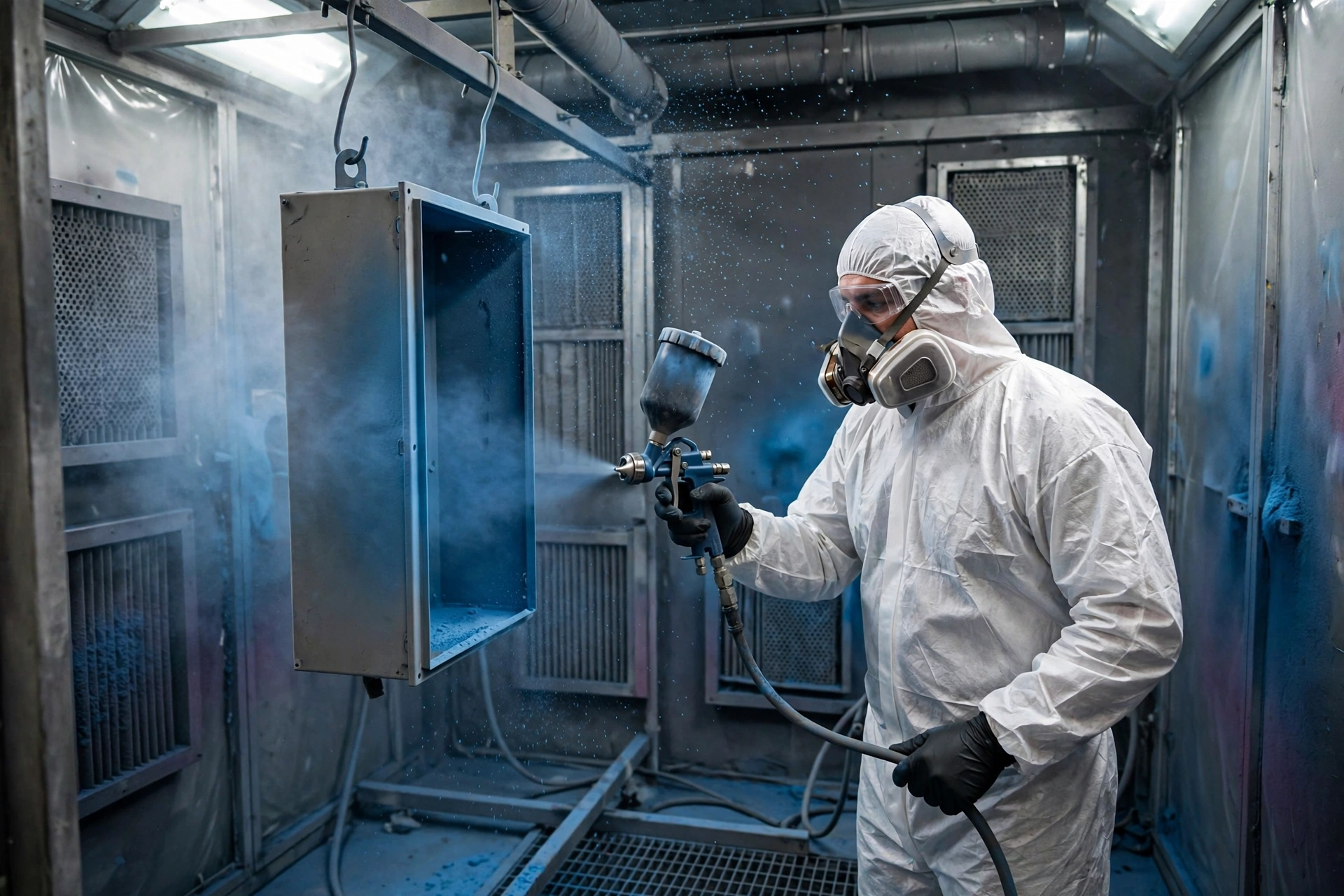
Spray coating applies a protective finish, ensuring the insert-molded part has enhanced durability and resistance to environmental factors.
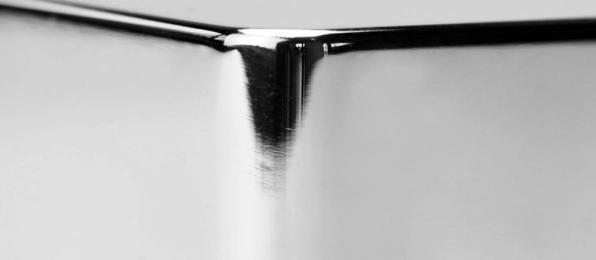
Vibratory finishing is used to smooth rough edges and surfaces, ensuring quick-turn molded parts meet both aesthetic and functional standards.
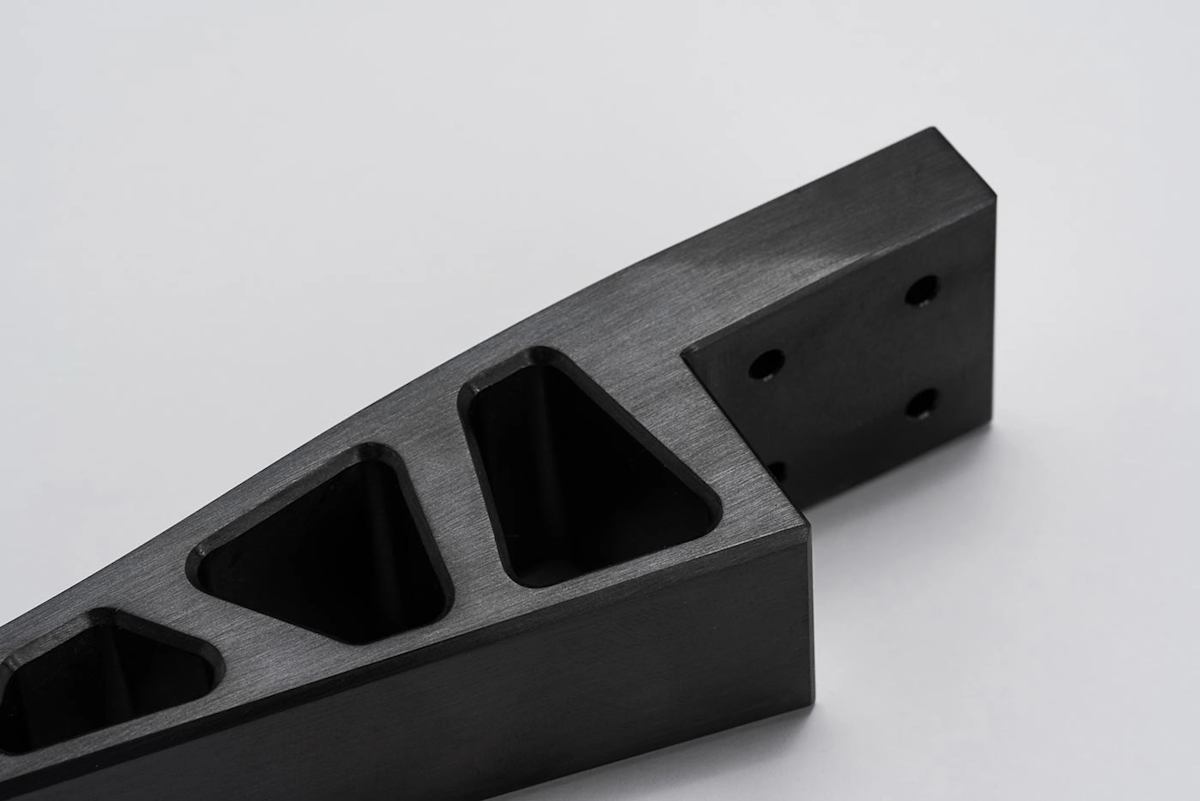
Electroplating applies a thin metal coating, enhancing the part’s appearance, wear resistance, and corrosion protection.
Materials for Insert Molding
Engineers and leading manufacturers trust TUOWEI for fast iterations and durable, high-performance parts. Whether for prototyping or full-scale production, our extensive material selection ensures precision, strength, and reliability for any CNC machining project.
Thermoplastics
ABS
Polycarbonate
Nylon, Acrylic, PVC
Polypropylene
PETG
POM (Acetal)
Polyamide (Nylon)
TPE
Rubbers
Silicone
EPDM
Buna-N
Neoprene
TPE
Thermosets
Urethane
Epoxy
Phenolic
Polyester Resin
Vinyl Ester
Metals
Aluminum
Steel
Stainless Steel
Zinc
Brass
Composites
Carbon Fiber
Glass Fiber Reinforced
SMC (Sheet Molding Compound)
BMC (Bulk Molding Compound)
Elastomers
Polyurethane
TPE (Thermoplastic Elastomer)
EPDM
Nitrile
Insert Molding vs Overmolding
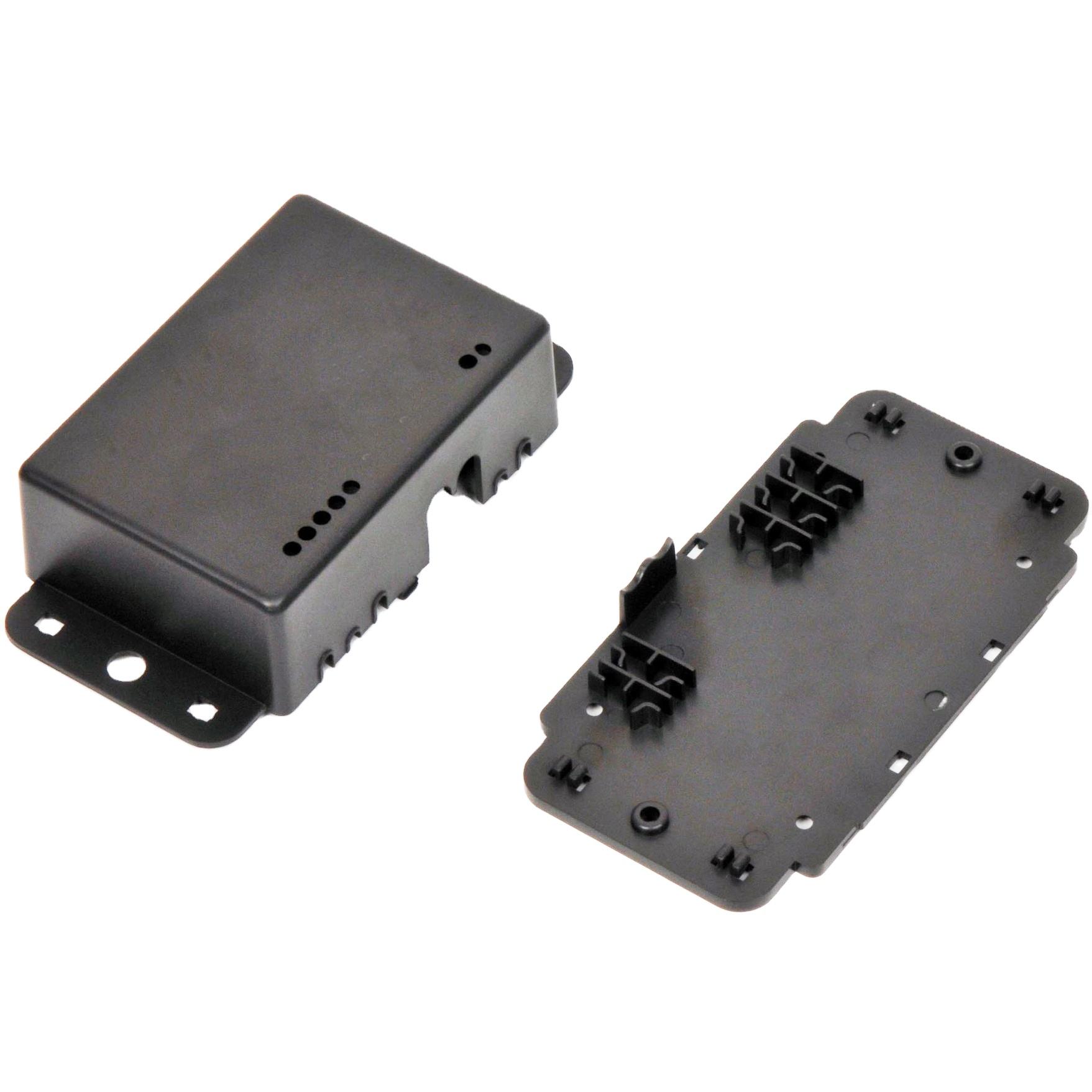
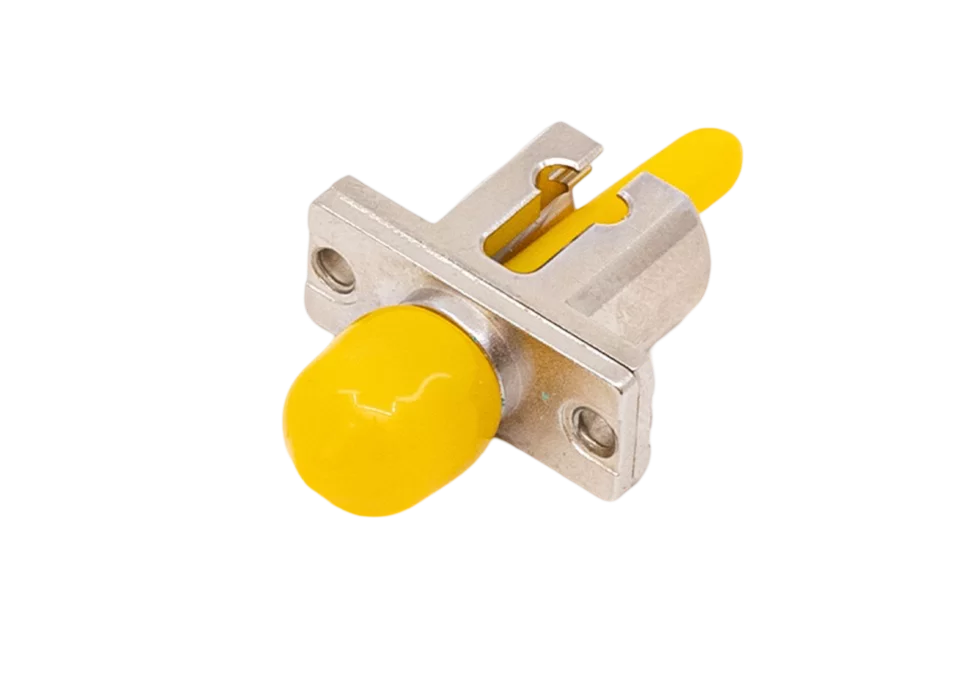
Insert molding is a single-step process that integrates pre-formed inserts, often metal, into a plastic part, resulting in enhanced strength, durability, and reduced assembly requirements. Overmolding, on the other hand, is a two-step process where one material, commonly a thermoplastic elastomer (TPE)—is molded over a rigid substrate to create improved grip, comfort, and multi-texture functionality. While insert molding is best for structural integrity and cost efficiency, overmolding is ideal for improving aesthetics, usability, and product performance.
Advantages
Advantages of Insert Molding
Insert molding minimizes assembly steps, lowers production costs, improves structural strength, and supports complex multi-material integration.
- Eliminates assembly: Since components are molded in one process, no secondary assembly is required.
- Cost savings: Removing post-assembly steps makes insert molding more cost-effective than standard injection molding.
- Lightweight performance: Plastic parts with integrated metal inserts are lighter yet stronger than all-metal alternatives.
- Enhanced durability: Secure bonding of inserts improves wear resistance, reliability, and overall product longevity.
Applications
Applications of Insert Molding
Insert molding is widely used for prototypes and production parts across multiple industries, offering both functional and aesthetic benefits.
- Consumer goods: Ideal for producing durable, lightweight, and visually appealing everyday products.
- Medical devices:Suitable for biocompatible components such as implants, housings, and surgical tools.
- Aerospace and automotive: Used for manufacturing precision parts like knobs, dials, and handheld tools.
- Communication devices: Ensures strong, reliable components that withstand wear and long-term us
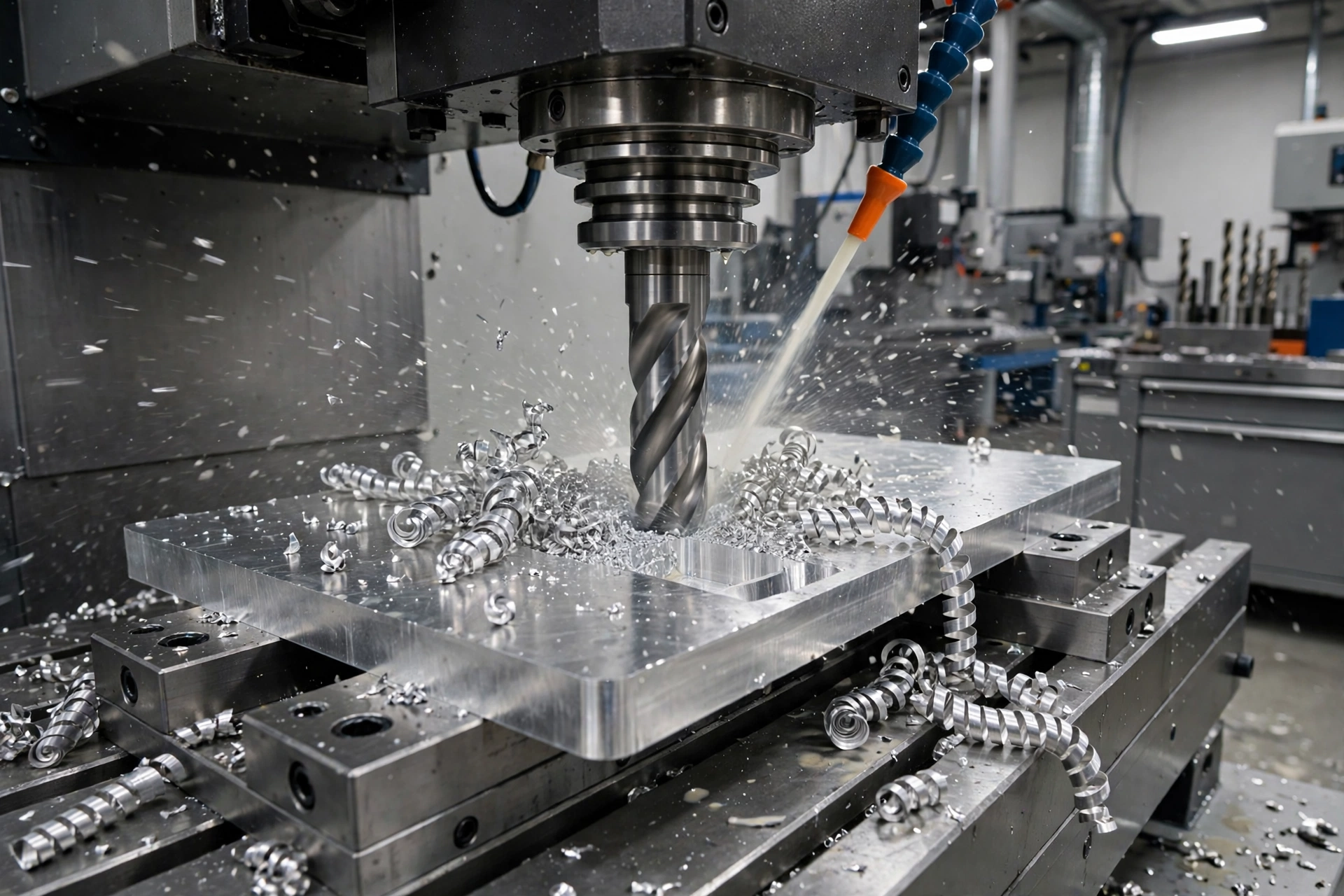
With Tuowei Precision’s CNC milling service, you’re not just investing in advanced machinery. You’re gaining the assurance of flawless precision, commitment to strict timelines, and the expertise of skilled professionals dedicated to meeting your needs.
Why Choose Us?
High Quality Parts
Tuowei Precision’s ISO-certified CNC machining guarantees exceptional accuracy and quality. Every part is crafted for perfect fit and flawless performance, with rigorous quality control at each stage.
Stay on schedule with Tuowei Precision. Our state-of-the-art equipment and local workshops deliver rapid production to meet your tight deadlines.
Rely on our team for comprehensive CNC machining support. Our experts are available to optimize design efficiency and ensure top-quality results at every step.
Partner with TUOWEI to Shape Your Vision
Since the era of rapid prototyping through scalable production, Tuowei Precision helps with your project because of its reliable CNC machining and manufacturing services. Our team collaborates with you to make sure that there is accuracy, consistency, and a smooth execution at all levels.
Begin your project now and start with the first step towards efficient and high quality manufacturing with Tuowei.
- Established engineering skills.
- Global project support
- Advanced CNC solutions
- Co-creation of products.
- Expandable capacity of production.
- All uploads are secure and confidential
How Does the Insert Molding Process Work?
Insert molding joins pre-made inserts with plastic in a mold, forming one strong part in a single, efficient process.
Insert Preparation
The inserts, often made of brass, stainless steel, or aluminum, are thoroughly cleaned to remove oils, dirt, or oxidation that could weaken the bond. Some may be knurled, threaded, or coated to improve adhesion with the plastic.
Mold Setup and Alignment
The mold is designed with precise seating features to hold inserts securely. Accurate positioning often within ±0.05 mm is essential to ensure uniform plastic flow and avoid misalignment defects.
Injection Molding Process
Molten thermoplastic is injected at high temperature and pressure, flowing around the insert to form a single part. Careful control of injection speed and temperature ensures complete filling without voids.
Cooling and Ejection
The mold’s cooling channels quickly bring the part to a stable temperature, preventing warping. Once solid, the part is carefully ejected to avoid stressing or dislodging the insert.
Quality Inspection
Each molded part is inspected for correct insert placement, strong bonding, and dimensional accuracy. In critical industries, pull-out strength tests or X-ray inspections confirm internal quality.
Why Choose Insert Molding Over Traditional Assembly Methods?
Traditional assembly involves producing separate parts and then joining them with screws, adhesives, or soldering. While effective, these methods can increase labor time, add to material costs, and create potential weak points in the final product. Insert molding addresses these issues by integrating inserts directly into the plastic during the molding process, creating a seamless, single-component part.
Here’re some key reasons why insert molding is a smart choice for manufacturing high-quality, durable components:
Reduced Assembly Time and Labor Costs
By combining molding and assembly into one process, insert molding can cut production steps by up to 30%, reducing the need for manual labor and lowering manufacturing overhead.
Enhanced Structural Integrity
Since the insert is embedded during molding, the bond between plastic and insert is mechanically stronger than post-assembly connections. Manufacturers report up to a 40% improvement in part durability compared to glued or screwed assemblies.
Fewer Parts and Inventory Complexity
Insert molding consolidates multiple components into one part, which means fewer SKUs to manage and reduced supply chain complexity.
Improved Product Reliability
Inserts are precisely positioned in the mold and fully encapsulated in plastic, there is less risk of loosening, corrosion at connection points, or misalignment over time.
Cost Efficiency at Scale
As tooling costs may be higher upfront, high-volume production runs can lower the per-unit cost significantly sometimes by 20–25% compared to traditional assembly.
Design Freedom
Insert molding supports complex part geometries that would be challenging or impossible to achieve with separate assemblies, giving engineers more flexibility in designing compact and high-performance components.
Tuowei Proto's Solutions
Whether you’re creating a small batch of custom parts or scaling up for high-volume production, Tuowei Proto services offer the flexibility you need.

CNC rapid prototype machining is perfect for creating engineering or production prototypes that closely resemble the final product in both appearance and functionality. At Tuowei, we offer instant quotes and fast delivery, providing you with precise, high-quality CNC machined prototypes for your needs.
- Lead Time: 1-5 business days
- Capability: 1-100 pcs
- Get 20% off the price

Low volume CNC machining often acts as a bridge between prototyping and mass production for new and emerging production. With Tuowei, this process becomes easier, more efficient, and cost-effective, allowing you to scale production quickly while maintaining high-quality standards.
- Lead Time: 5-15 business days
- Capability: 101-10,000 pcs
- Meet tight specifications

CNC production machining is the best solution for producing a thousand parts or more efficiently. Leveraging a diverse selection of materials and automation and multi-axis capabilities, Tuowei delivers high-volume production with tight tolerances, superior dimensional accuracy, high reliability and fast turnaround times.
- Lead Time: 2-4 weeks
- Capability: Above 10,001 pcs
- Consistent Quality
Explore Insights & Innovation
Keep updated on the real CNC machining, industry trends, and production insights in Tuowei Precision, but is installed to enable you to make better production decisions.
Frequently Asked Questions
Insert Molding
How does insert molding improve part durability?
Insert molding bonds metal or other inserts directly into the plastic, creating a stronger, more reliable structure.
This reduces loosening or failure during use and resists wear, stress, and impacts.
One unified part replaces assemblies that would otherwise need fasteners.
What design considerations are important for insert molding?
Proper insert placement, wall thickness, and material compatibility are critical for insert molding success.
Molds must hold inserts securely while cooling systems are optimized against defects or shrinkage.
These considerations together ensure high precision and consistent results.
Can insert molding be used for both prototypes and mass production?
Yes, insert molding suits both prototypes and large-scale production runs.
The same process tests designs and then manufactures high-volume parts.
Versatility here shortens the path from validation to production.
What industries use insert molding most often?
Insert molding is widely used in automotive, medical devices, aerospace, consumer electronics, and household goods.
Its strength, precision, and design flexibility drive adoption across these sectors.
If your product combines metal strength with plastic housings, insert molding fits.
What is insert molding?
Insert molding places a metal insert into the mold before plastic is injected around it.
The result is a single molded part combining metal strength with plastic shape.
It suits threaded bushings, connectors, and structural plastic parts.
What is the difference between insert molding and injection molding?
Standard injection molding forms a part entirely from plastic in one process.
Insert molding adds a pre-placed metal insert that plastic is molded around.
Choose insert molding when a part needs metal threads, strength, or conductivity inside plastic.