
Tuowei Precision is a precision injection molding partner for cabin trim, electrical housings, connector bodies, clips and UAV parts. We design and build each injection mold in-house, run it on machines from 90 to 830 tons, and inspect every lot, so your custom plastic components repeat from the first shot to the last.
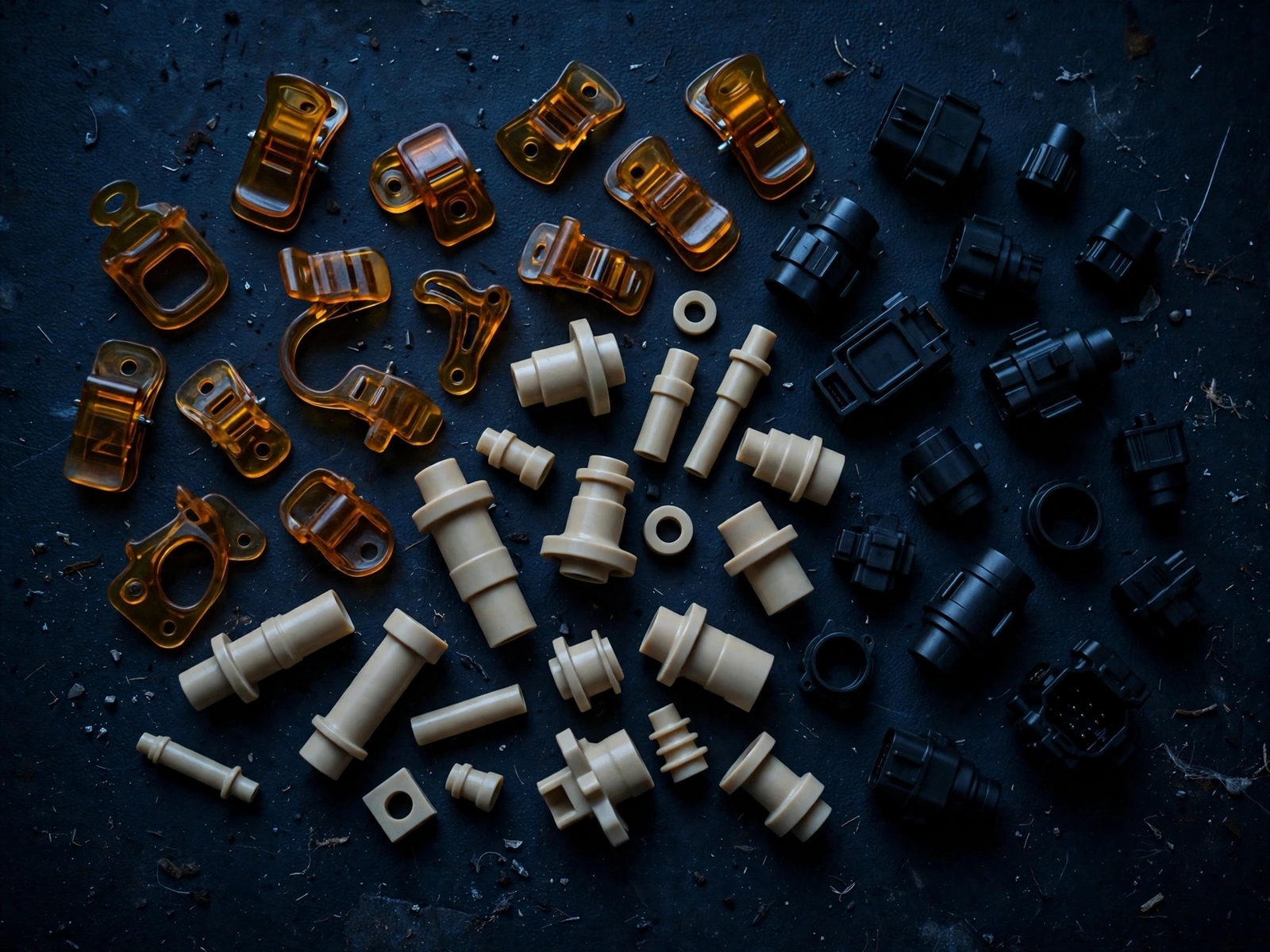
Every gram matters on an aircraft, and replacing machined metal brackets, clips and housings with molded thermoplastic or composite-filled parts is one of the simplest ways to save weight and improve fuel efficiency. Once the tool is built, injection molding produces complex plastic components with ribs, snaps and bosses at low cost per part, which also cuts assembly time.
The catch is that the injection mold is a fixed investment. For fewer than a few hundred parts, 3D printing or vacuum casting is usually cheaper, and design changes after the tool is cut cost time and money. That is why we run a full manufacturability and mold flow review before any steel is machined, while design flexibility is still cheap.
Aerospace materials must meet performance requirements for heat, aviation fluids and mechanical strength, and inside the cabin they must pass flame, smoke and toxicity rules such as FAR 25.853 for performance and safety. These are the resins aerospace manufacturers ask about most:
| Material | Why it is used | Typical parts |
|---|---|---|
| PEEK | Strength at high temperature, chemical resistance | Brackets, clips, bushings, metal replacements |
| PEI (Ultem) | Inherent flame resistance, stiffness | Cabin parts, electrical housings, ducts |
| PC and PC/ABS | Toughness and impact strength | Covers, bezels, panels |
| Nylon (PA66, glass-filled) | Strength, wear resistance | Clips, cable ties, gears |
| LSR silicone | Flexible, heat stable | Seals and gaskets |
Not every grade carries the flammability rating your program needs. Send the material specification with your drawings and we will confirm the grade, supplier certificate and moldability before quoting.
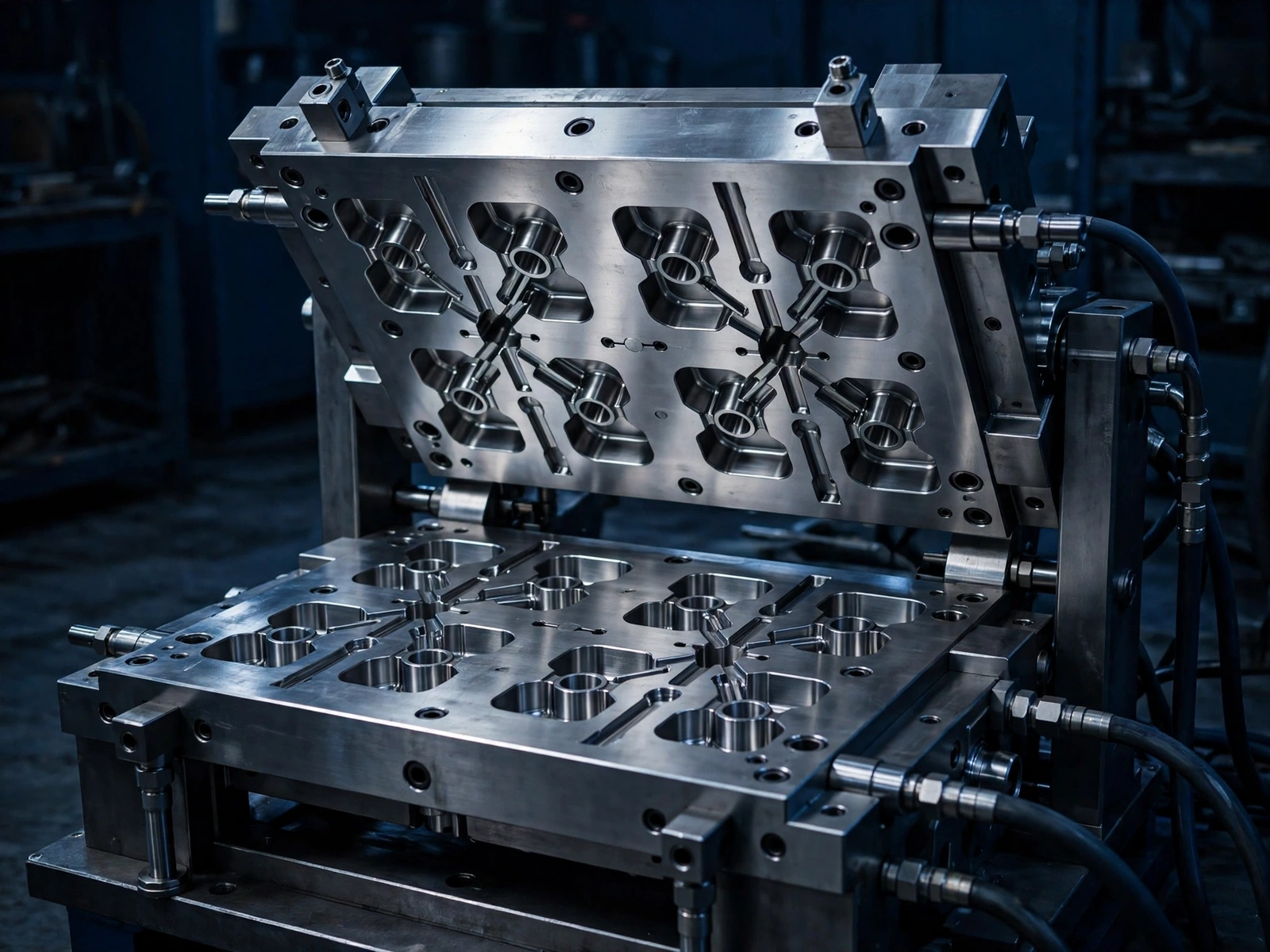
Mold design comes first, because the injection mold decides part accuracy, surface finish and how long production can run. Our engineers review gating, venting, cooling and ejection, and run a free mold flow analysis to predict shrinkage, sink and warpage before tooling starts.
Learn more about our injection mold tooling process.
Insert molding encapsulates threaded inserts, pins or contacts in one shot, which removes secondary assembly. Overmolding adds a soft-touch or sealing layer over a rigid substrate.
Gas-assist molding hollows out thick sections to prevent sink and warpage and to reduce weight.
Micro injection molding produces small connector and sensor parts with fine features and tight tolerances.
LSR molding makes seals, gaskets and grommets that stay flexible across a wide temperature range.
These custom aerospace plastic parts are cost-effective components for aerospace manufacturing, where safety and performance both count.
Our quality management system is AS9100D and ISO 9001 certified, and every machine runs to documented settings. For aerospace and defense work we lock process settings after first article approval, record them for every lot, and supply material certificates, dimensional reports and lot traceability on request. Changes to resin, mold or process are only made with your approval.
Most programs start with printed or vacuum cast parts, move to an aluminum bridge tool for qualification parts, then switch to a steel production mold. Moving in that order keeps tooling spend low until the design is frozen, and our injection molding solutions cover each step.