Tuowei Precision is a precision CNC machining partner for OEMs, Tier 1 and Tier 2 suppliers and EV startups. Our IATF 16949-certified team machines housings, brackets, shafts and powertrain parts in aluminum, steel and engineering plastics, from a single test part to repeat production runs.
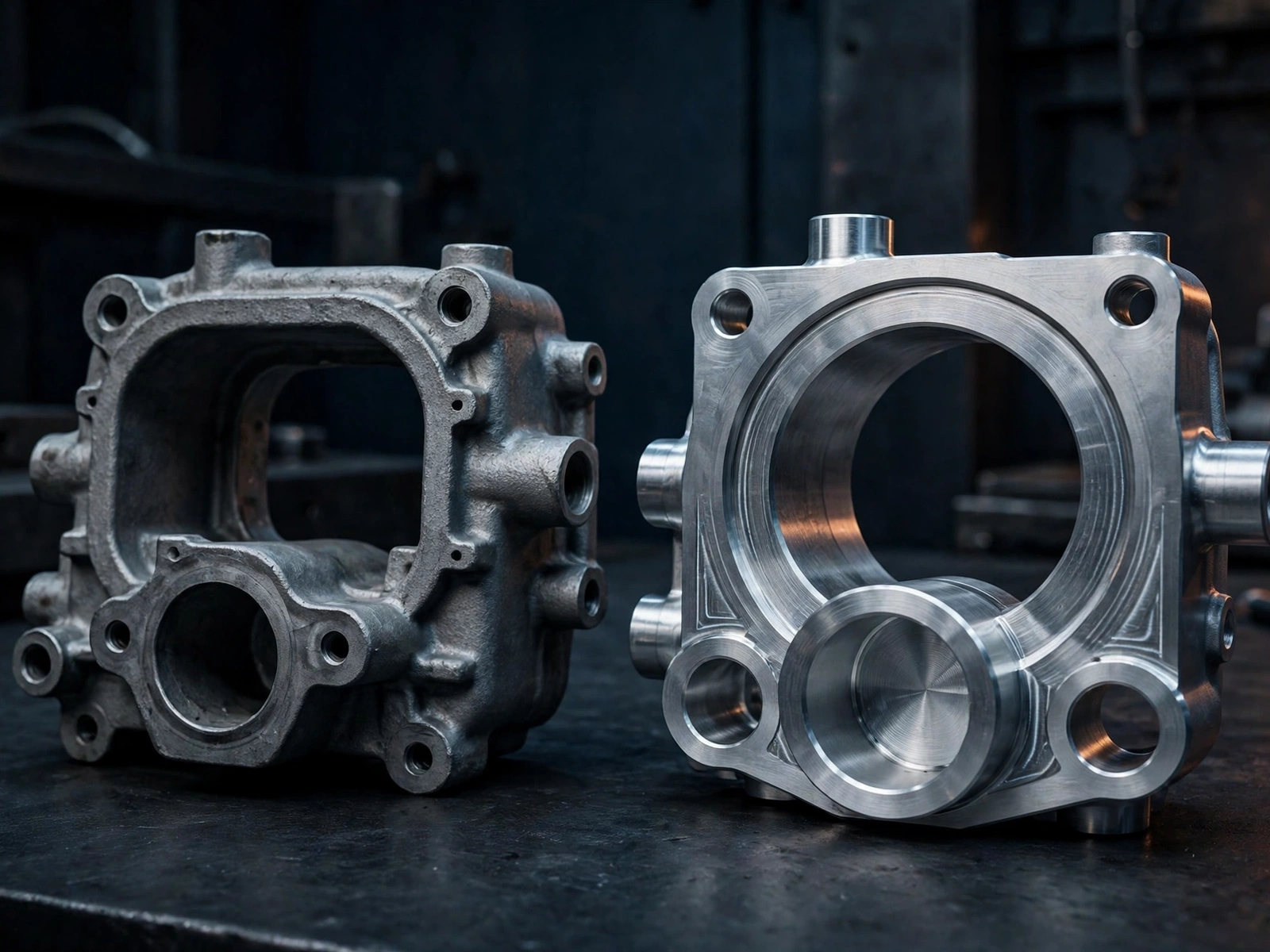
Car programs move fast, and the parts supplier has to keep up. Tuowei Precision works as a precision machining company for the automotive industry, giving engineering teams one source for CNC machining, injection molding, sheet metal, die casting and 3D printing. That matters when a bracket changes on Monday and the test vehicle needs it by Friday, and it keeps your automotive projects with one partner instead of five.
We work with automotive manufacturers, Tier 1 suppliers, EV and autonomous driving startups, and makers of motorcycles, specialty vehicles and custom builds. Every order gets a free DFM review, so problems such as thin walls, deep pockets or tolerances that are tighter than the function needs are flagged before a quote is final.
Our Shenzhen plant keeps milling and turning machining centers, finishing and inspection under one roof, so parts move from raw bar to packed shipment without leaving our control. Each machine runs to a documented setup sheet, every tool is measured before use, and critical features are checked on a CMM, which keeps lot ten consistent with the approved first article. Advanced equipment only helps when the process around it is just as disciplined.
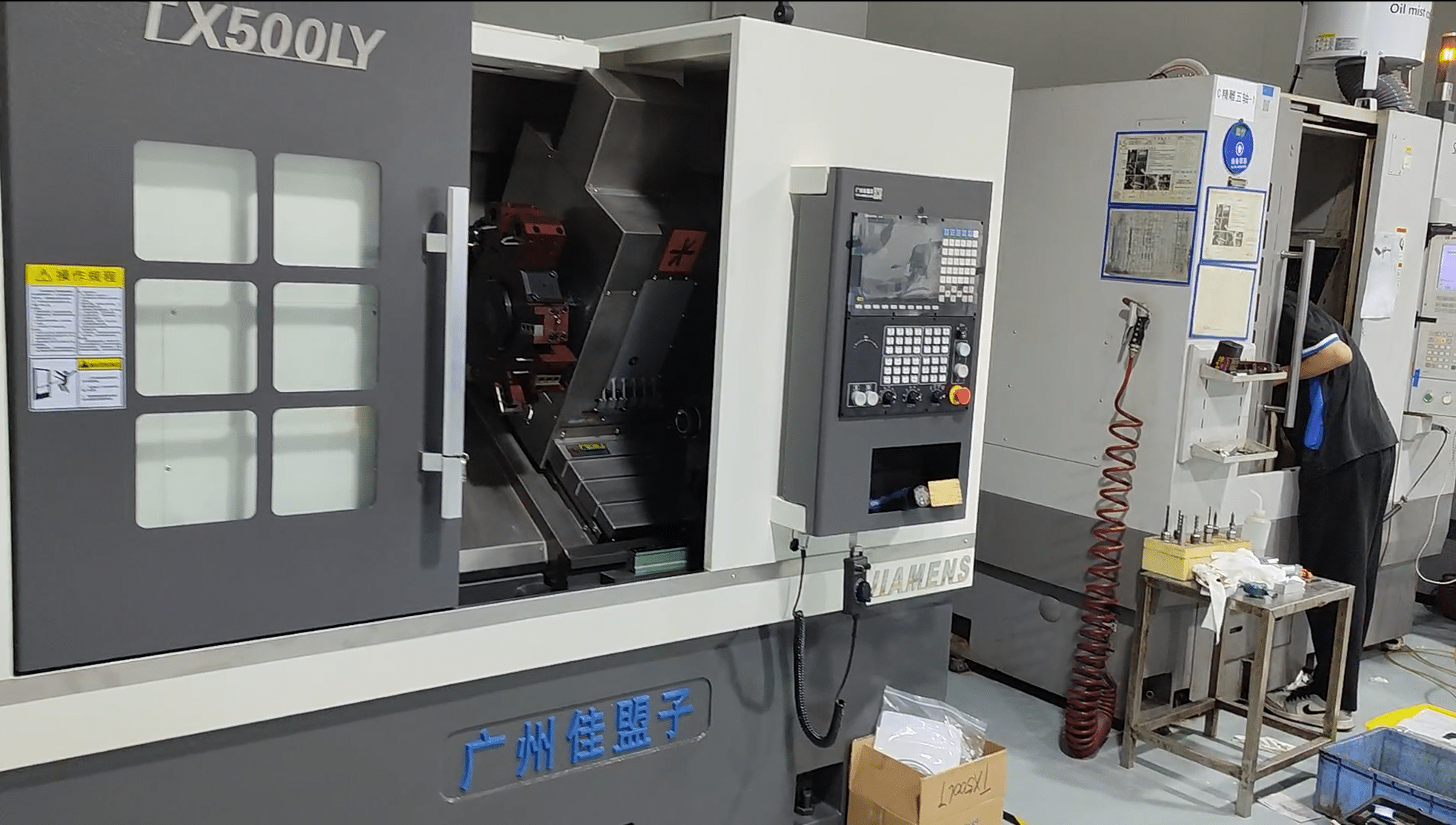
High-tech facility for exacting CNC manufacturing with utmost accuracy and efficiency.

Dedicated space for streamlined production using cutting-edge CNC technology.
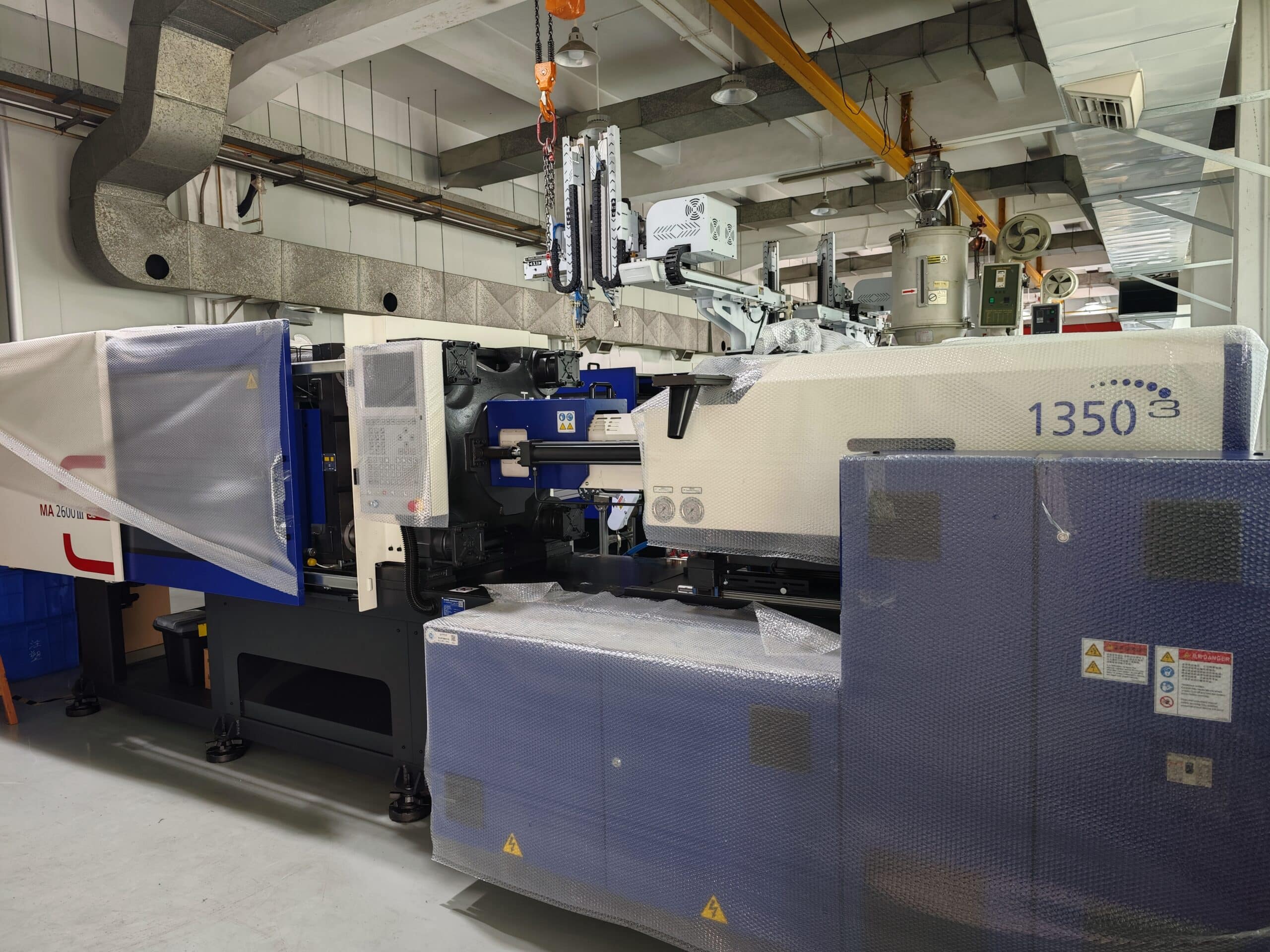
Centralized facility equipped for intricate CNC component fabrication and assembly.

Fully automated workshop for precise, rapid CNC machining operations.

Dynamic space optimized for delivering top-tier CNC machining performance.
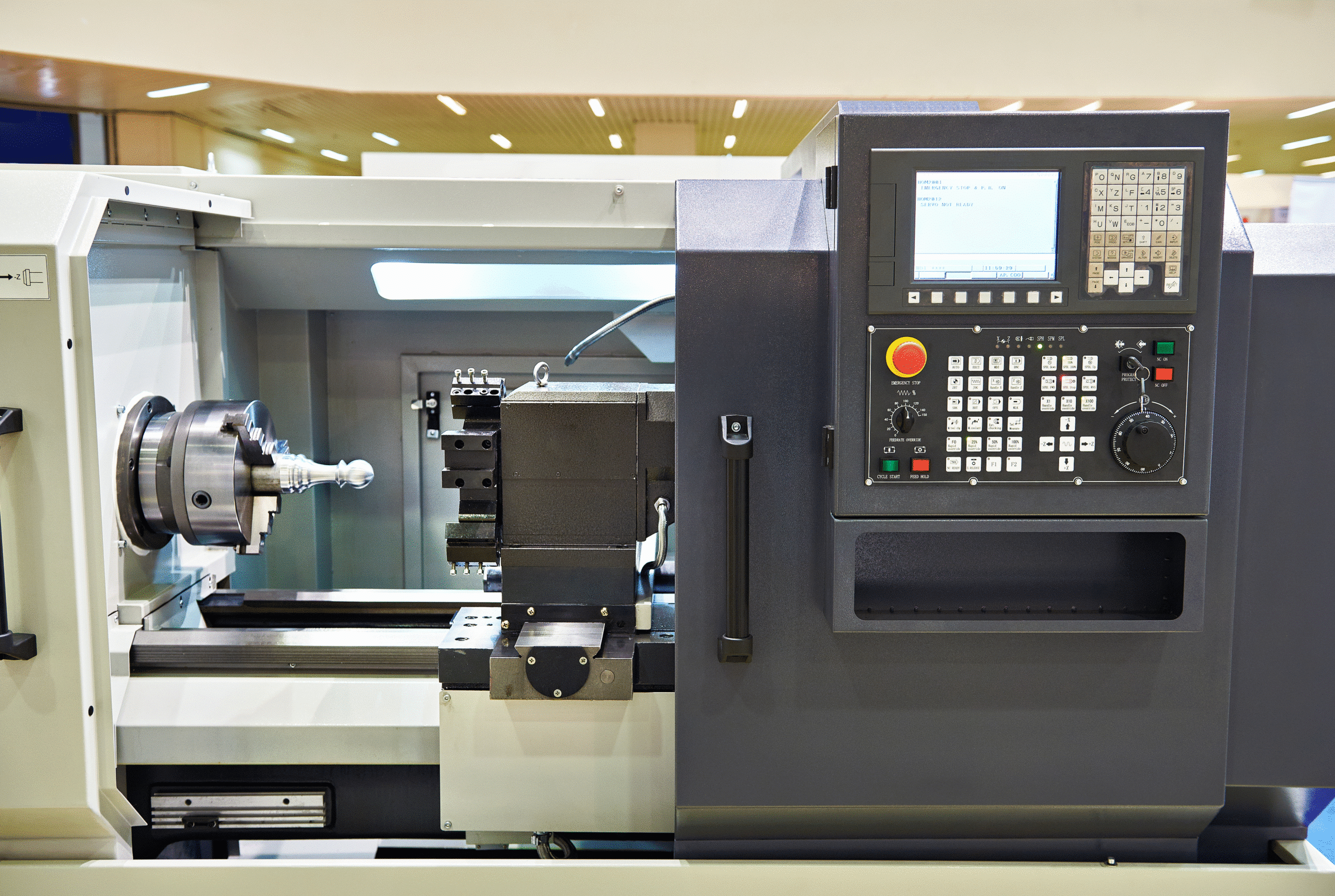
Comprehensive facility integrating CNC processes for seamless manufacturing workflow.
Take a closer look at our facilities.
The most common CNC applications in a car are the parts that carry load, seal fluid or locate other parts. Among the applications of CNC machining we handle, we make CNC auto parts for powertrain, chassis, brake system and EV applications. Each automotive part below is machined to your 2D drawing and 3D model, with exact specifications agreed before cutting, so we produce parts that fit the first time. Typical work includes:
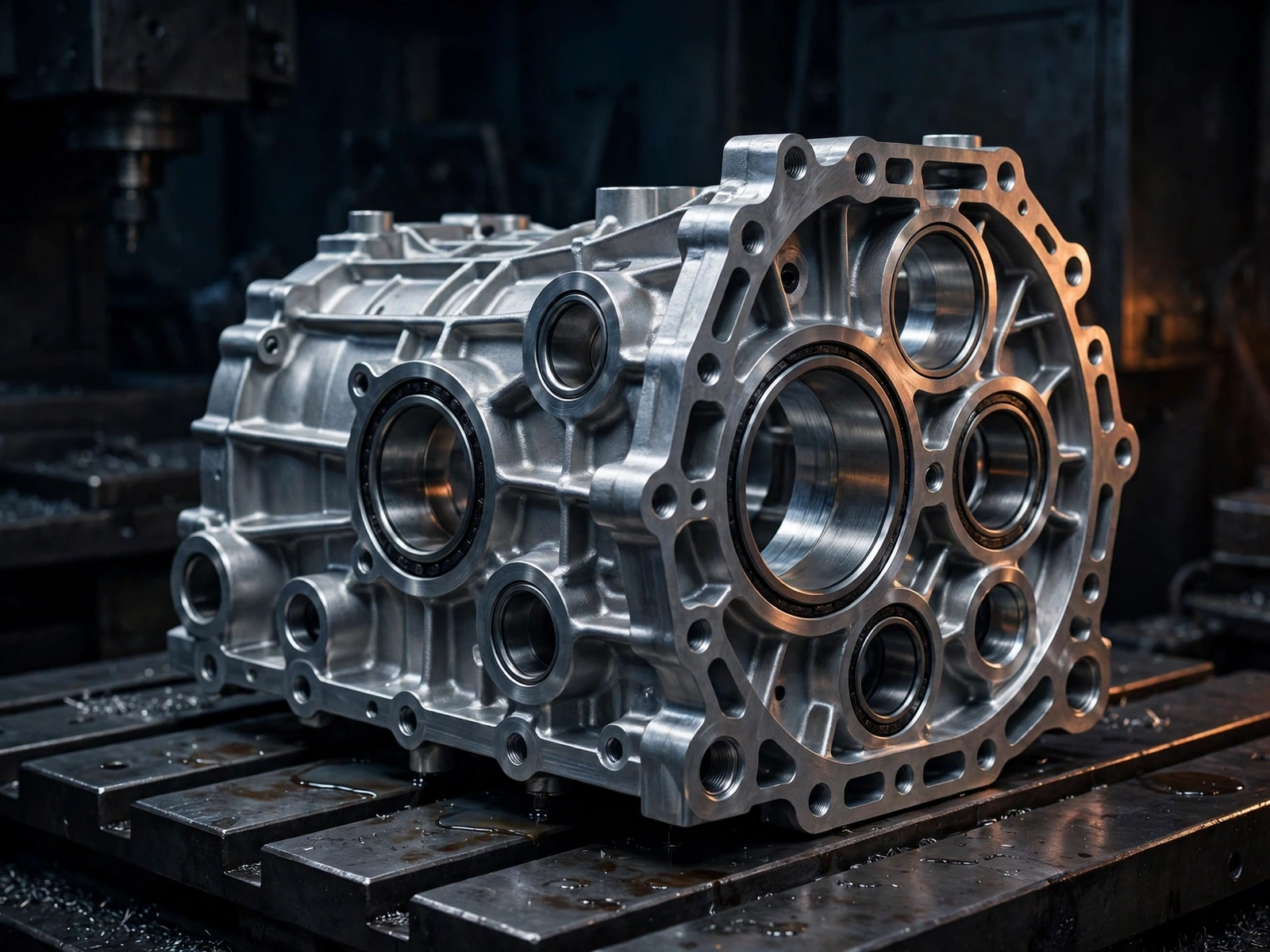
Engine parts such as cylinder heads, intake manifolds and engine blocks need flat sealing faces and accurate bore positions. Transmission housings and gearbox parts depend on bearing bores that line up across the part, so we machine them in as few setups as possible on 4-axis and five-axis equipment, which keeps bore positions on target.
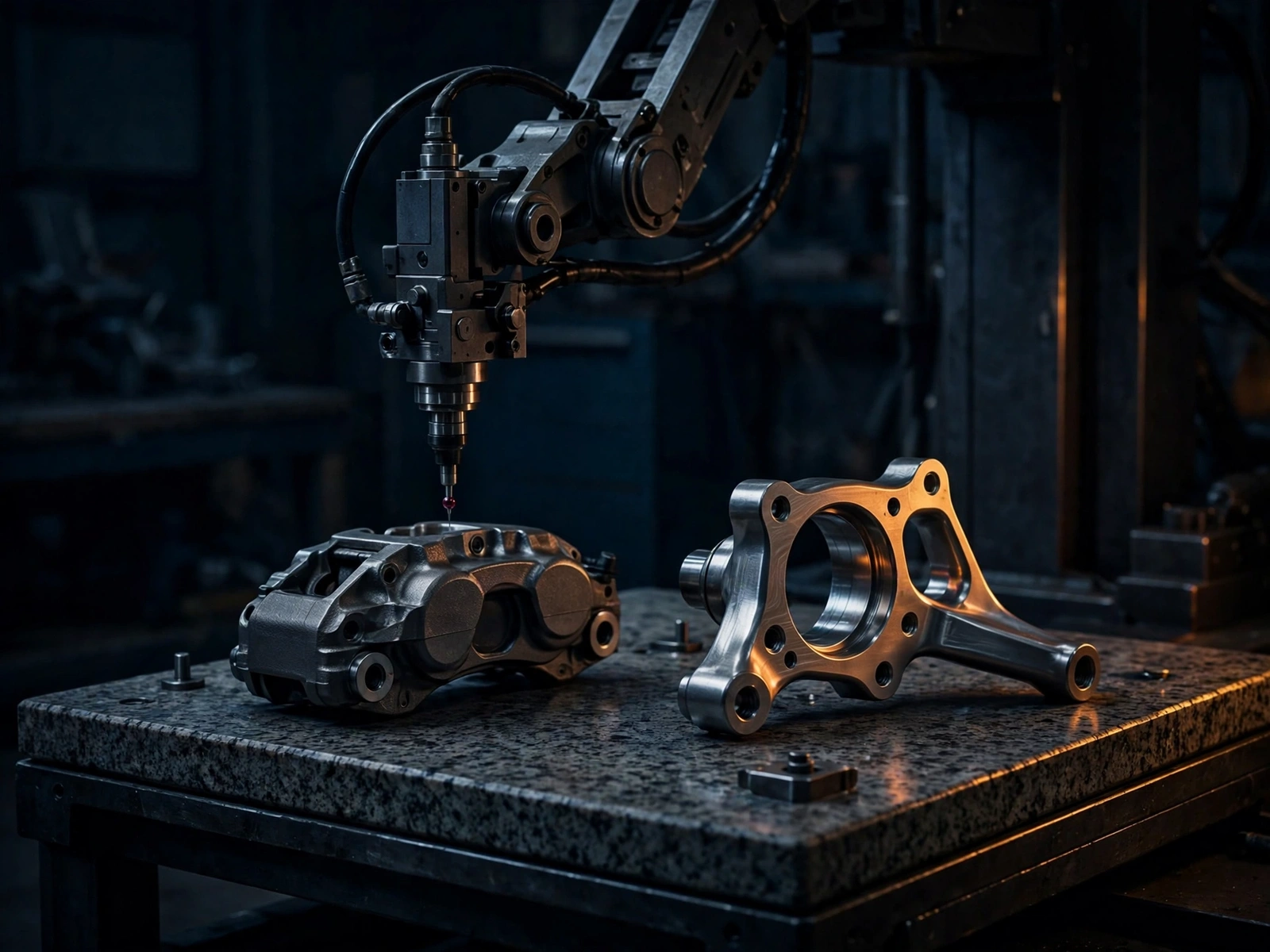
Brake calipers, steering knuckles and control arm parts are safety-critical. They are components with tight tolerances on mounting points, and they need material certificates and documented inspection. Each of these CNC machined auto parts is measured on a CMM against your drawing before shipping.
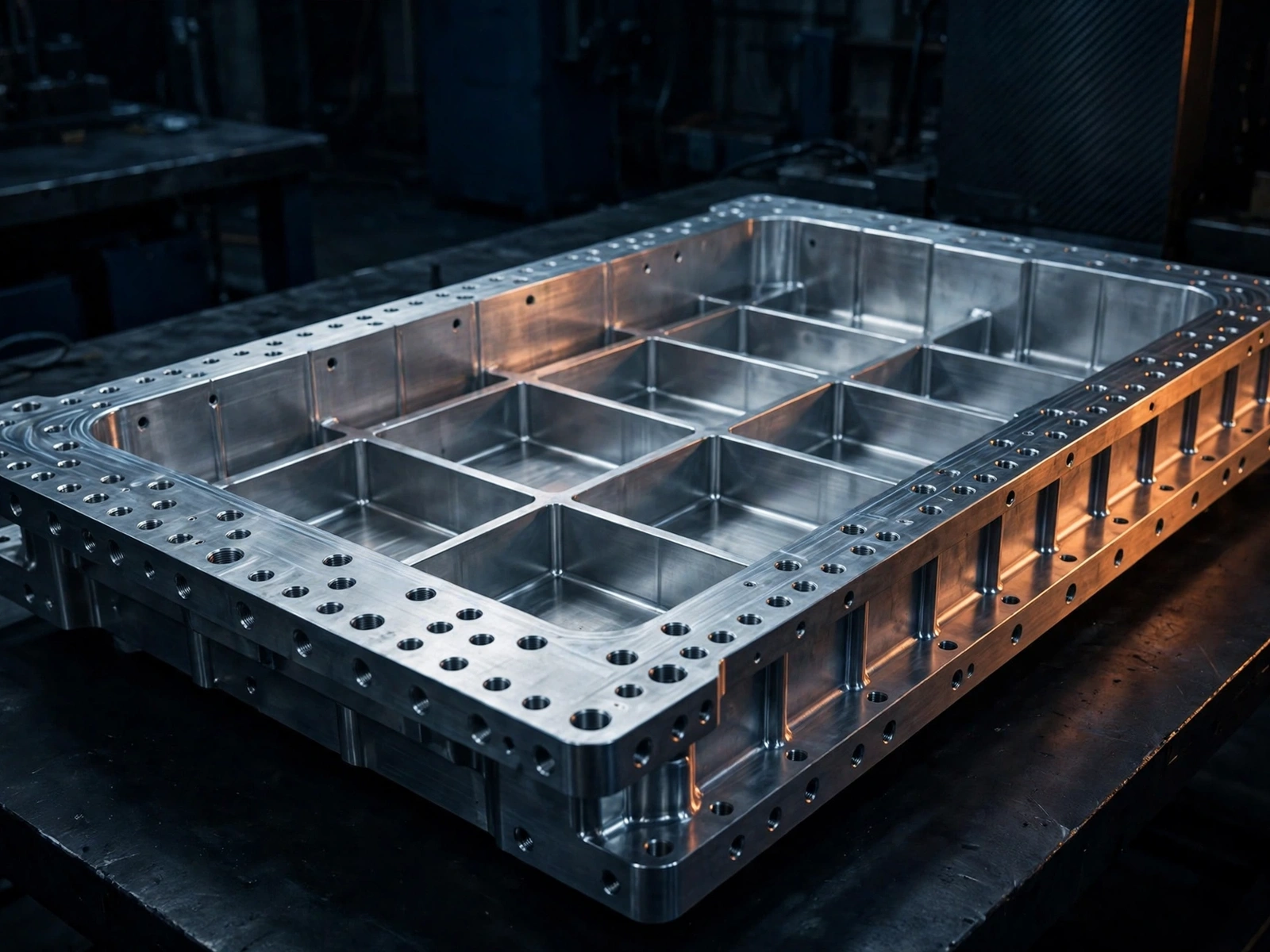
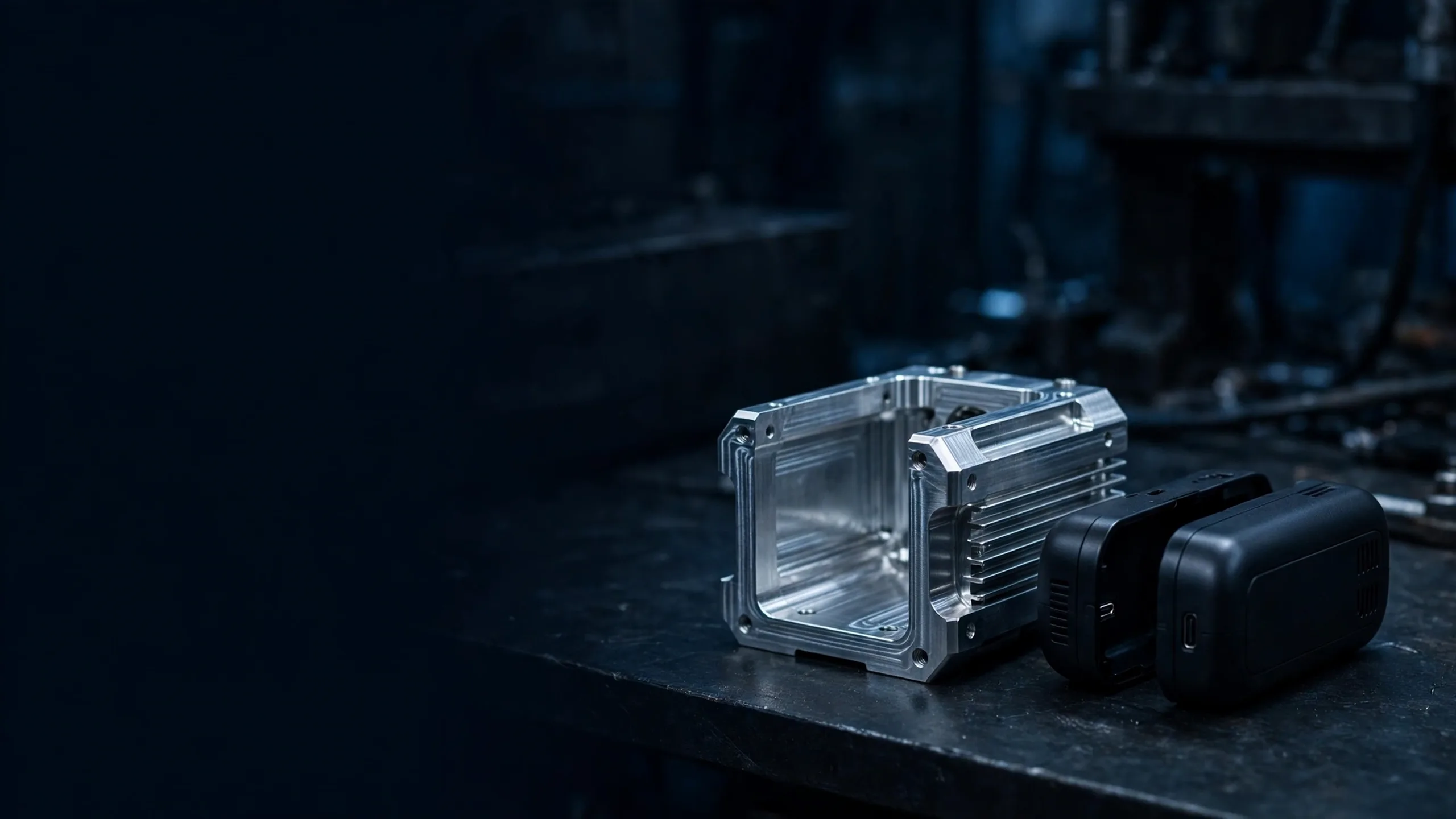
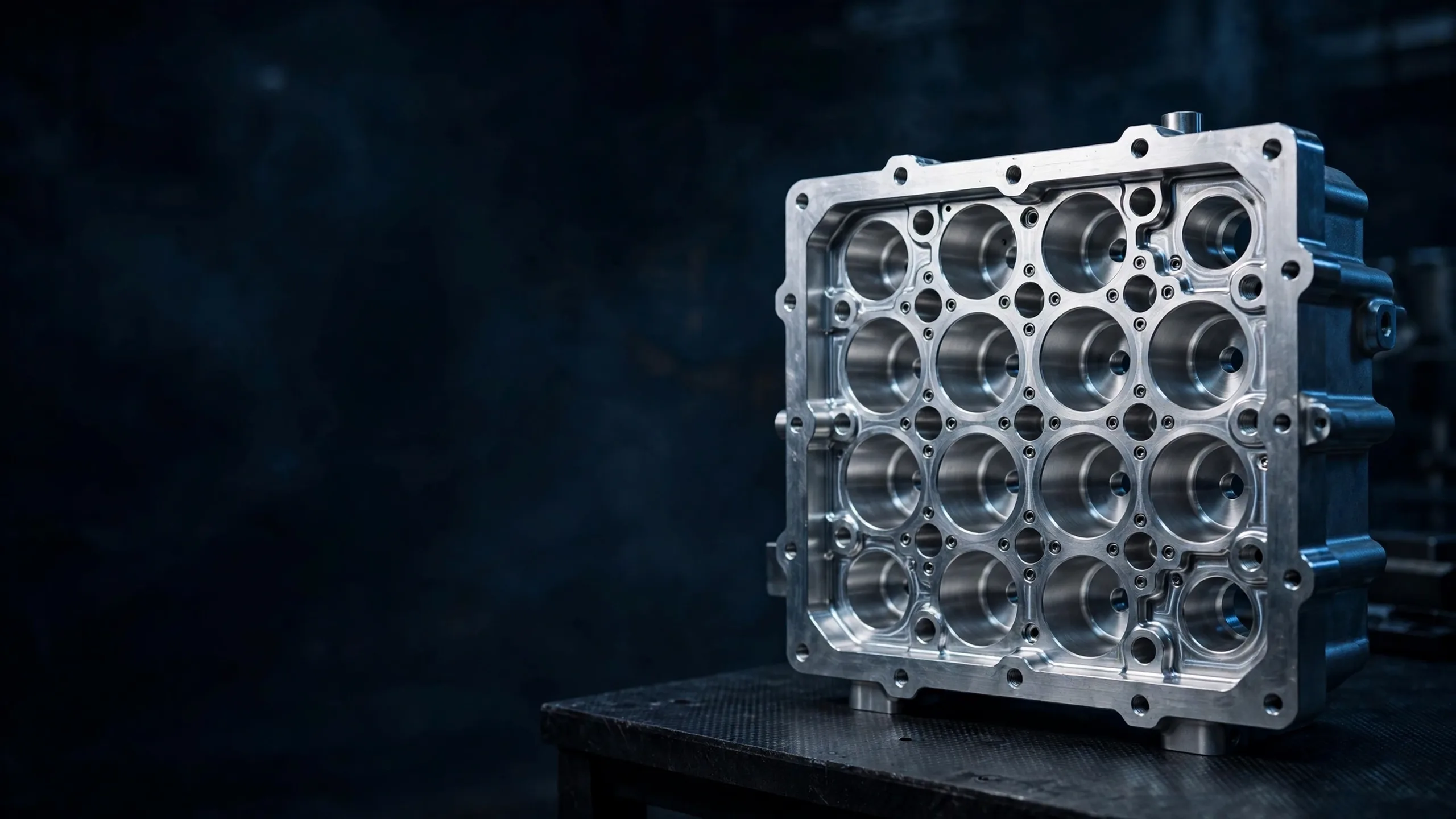
EV battery housing and motor housing parts are often large aluminum parts with long, flat sealing faces and many tapped holes. We plan roughing, stress relief and finishing to hold flatness, then add sensor mounts, connector housings and ADAS brackets machined to the same standard.
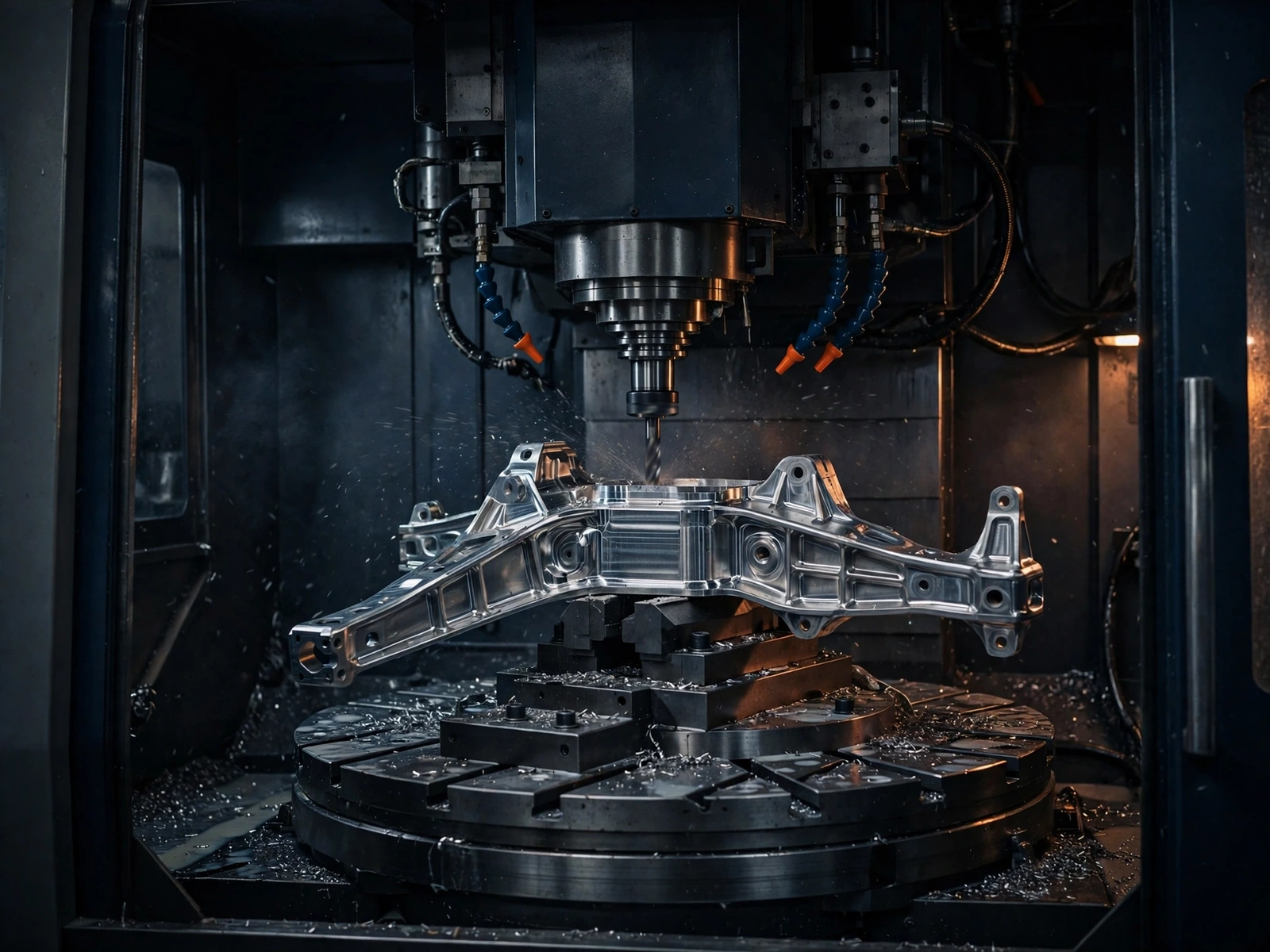
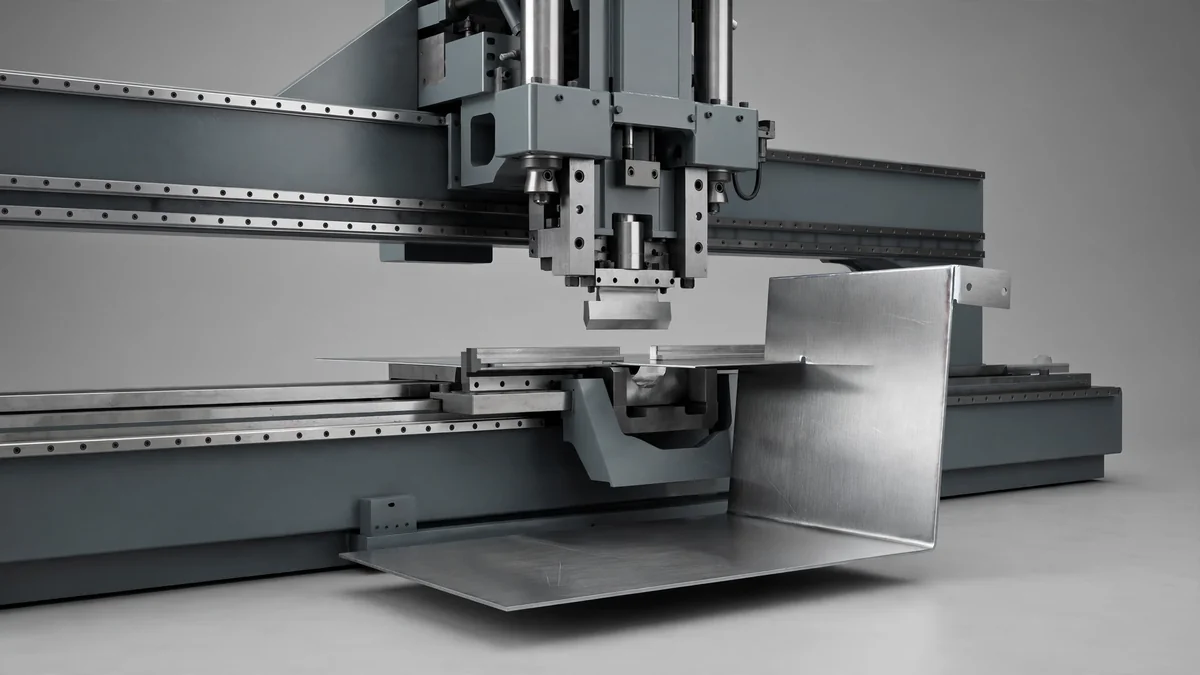
Automotive brackets, spacers and adapter plates are the most common jobs we quote. Simple parts run on a 3-axis mill, which keeps the machine time and the price cost-effective, while brackets with compound angles move to five-axis work. These custom CNC parts often ship within days.
Most automotive parts need more than one of our machining processes. These are the services we combine on a single order:
Our turning is done on CNC turning centers rather than Swiss-type or screw machining equipment. For very high volumes of small turned parts, we will tell you at the quote stage whether a Swiss or multi-spindle shop is the better choice.
Machined test parts are made from production-grade alloys, so fit and load tests reflect the real part. Because there is no hard tooling, a design change means a new CAM program rather than a new die. Lead times for these test parts typically range from 5 to 12 business days, with expedited service for urgent builds. See our rapid prototyping page for options.
Once a design is frozen, volume decides the process. CNC machining suits test builds and small to medium batches. For hundreds of thousands of identical parts, die casting or injection molding usually costs less per part, and we machine only the critical features. We will tell you where that crossover sits for your part.
From lightweight alloys to heat-resistant steels, we stock and machine the materials automotive engineers specify most. Finishing improves wear resistance, corrosion protection and appearance. See our full materials and surface finishes pages.
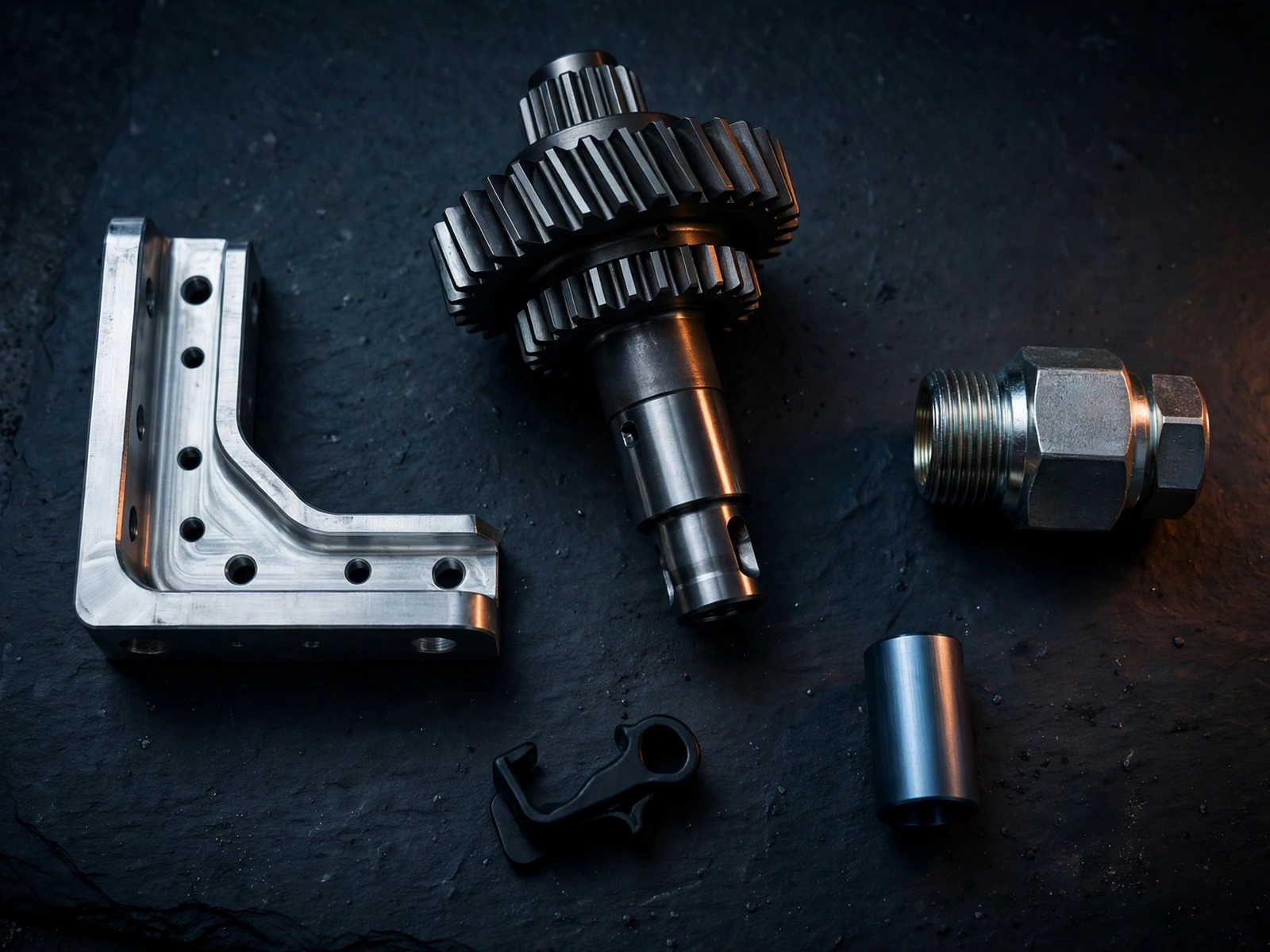
From rapid prototypes to scalable production, Tuowei Precision delivers precision and consistency at every step, with the highest-quality CNC machined parts we can produce. Send your drawings and our team will reply within 24 hours.
Discover why businesses trust TUOWEI. Our clients value our precision, efficiency, and reliability, delivering seamless manufacturing solutions that consistently exceed expectations. Explore their experiences and success stories with our services.
Tuowei Precision delivers top-tier CNC machining with unmatched precision, speed, and outstanding customer service.
Tuowei Precision delivers efficient, responsive service paired with high-quality machining and fast, reliable delivery.
Tuowei Precision delivers precision, reliability, and exceptional machining quality consistently exceeding expectations through expert engineering solutions.
With millions of precision components produced, Tuowei Precision serves a wide range of industries. The same tolerance and documentation discipline behind our automotive work also supports aerospace machining, robotics and medical device programs.
Automotive precision technology has changed how car parts are designed and made. Four technologies do most of the work behind innovative CNC machining today.
Modern CNC machines with 3, 4 or 5 axes cut a workpiece from several directions in a single setup. Complex parts such as cylinder heads, transmission housings and steering knuckles need this, because every extra setup adds a chance for position error.
Computer-aided design defines the part design, and computer-aided manufacturing (CAM) turns that model into toolpaths for the computer numerical control (CNC) machine. A simple example of computer-aided manufacturing: an engineer moves a mounting hole in the model, and the CAM software updates the toolpath and simulates it before any metal is cut. That is why design changes cost hours, not weeks.
Lightweighting drives material choice. Aluminum dominates EV battery housings and motor housings, steels such as 4140 handle gears and shafts, and engineering plastics replace metal in clips and covers. Each material needs its own cutting tool, speed and coolant, and our machining operations are set up per alloy to form parts without burrs or heat damage.
Robotic loading, pallet systems and in-process probing let a machine run unattended for long shifts, and the machine reports tool wear before it affects the part. Fully automated cells suit repeat orders, while first articles still benefit from an engineer at the machine.
Regulations, cost pressure and electrification all land on the parts industry supplier. These are the challenges we see most often, and how we handle them.
Electric and hybrid vehicles must be light to extend range, but weight cannot come out at the cost of strength. We help by machining pockets and ribs into each aluminum automotive part and by suggesting where a casting or extrusion can replace a solid billet.
A small deviation on a brake caliper or steering part can cause a recall. We verify critical dimensions on a CMM, keep inspection records for every lot and follow industry standards for documentation.
Electric, autonomous and connected vehicle programs change designs often. A CNC machine needs no hard tooling, so a revised part can usually be programmed and cut within days on the same machine.
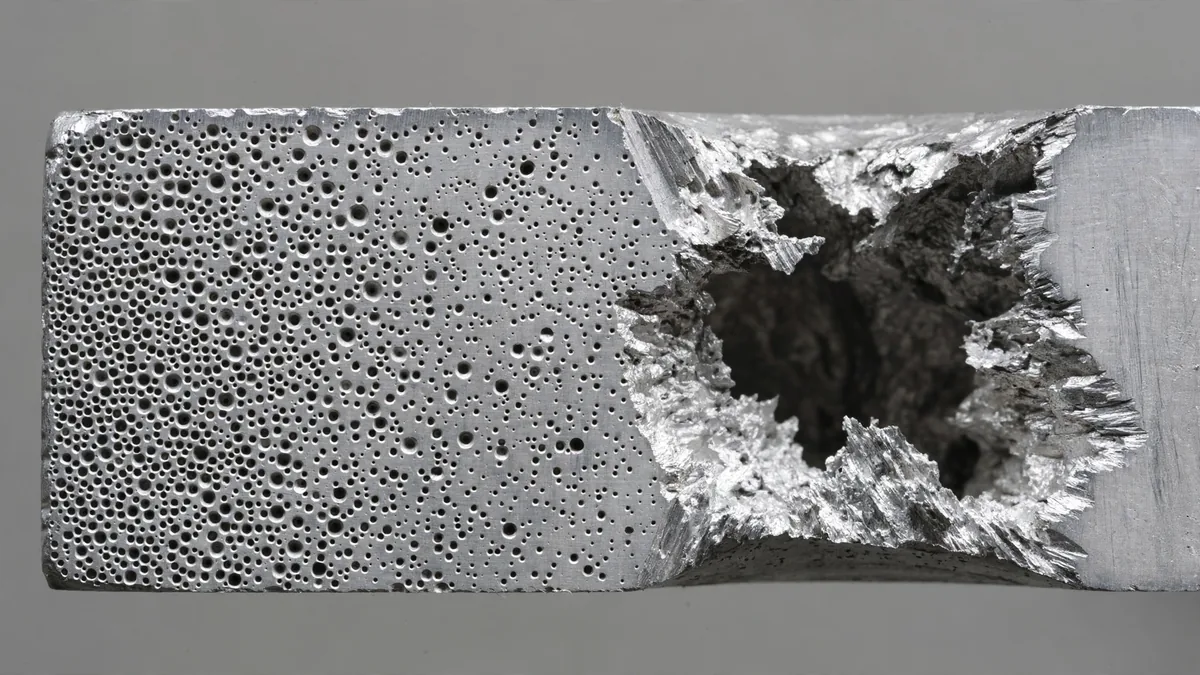
CNC machining is not always the cheapest route. Deep internal channels, undercuts and very high volumes can favor casting, molding or printing, and machining from solid creates scrap. Our engineers point this out during DFM review instead of quoting a part that should be made another way.
We machine early versions of engine components, brackets and EV battery cases within days, so teams can test fit and performance before committing to production tooling.
Repeat orders run on the same programs, fixtures and inspection plans as the approved first article. That keeps part-to-part variation low across thousands of parts for braking systems and steering mechanisms.
Our experience covers hard steels for transmission gears, aluminum for engine and EV components, and plastics for interior and electrical parts, with heat treatment and finishing arranged in the same order.
Our quality system is certified to IATF 16949, and we meet the specific requirements of each customer for material certificates, first article inspection, CMM reports and PPAP documentation. See our quality assurance page for inspection details.
Read our latest guides on CNC machining, materials, finishing and industry trends to make better production decisions.
We work with OEMs, Tier 1 and Tier 2 suppliers, automotive R&D teams and EV startups. Services cover rapid prototyping, automotive machining and small to medium batch production of parts for the automotive industry. Every automotive program gets the same DFM support and CMM inspection, whatever the order size.
Yes. We machine aluminum, steel, stainless steel and titanium on CNC equipment, and produce plastic parts by CNC machining or injection molding. For metal parts in high volume, we also offer die casting and extrusion with machining of critical features.
Machined test parts typically take 5 to 12 business days, depending on complexity, material and finish. Expedited service is available for urgent programs. We confirm the timeline after reviewing your drawing, so you get a firm date rather than a vague estimate.
Yes. Our quality system is certified to IATF 16949 and to ISO 9001:2015. We provide material certificates, first article inspection, dimensional reports and PPAP documentation when your customer requires it. Tell us the required documents with your quote request.
Our high precision work holds ±0.005 mm on critical features, with general tolerances of ±0.025 mm and turned diameters held to ±0.01 mm. Final tolerances depend on material, size and geometry. Our engineers will also flag tolerances that can be relaxed to lower cost without affecting function.
Yes. Our engineers review every part for machinability, including milling and turning routes, before quoting and suggest changes to wall thickness, radii, tolerances or process that reduce cost without losing function. You get DFM feedback before committing to an order.