Metal Bending Services
Expert sheet metal bending solutions for high-quality prototypes and production components. From simple bends to complex formed parts, Tuowei delivers precise metal bending services with rapid DFM review and exceptional turnaround times.
- Free sheet metal quote with DFM review within 1 day
- Lead time as fast as 3–5 days
- Custom metal bending for prototypes and production
- ISO 9001:2015, ISO 13485 certified
- All uploads are secure and confidential
What is Metal Bending?
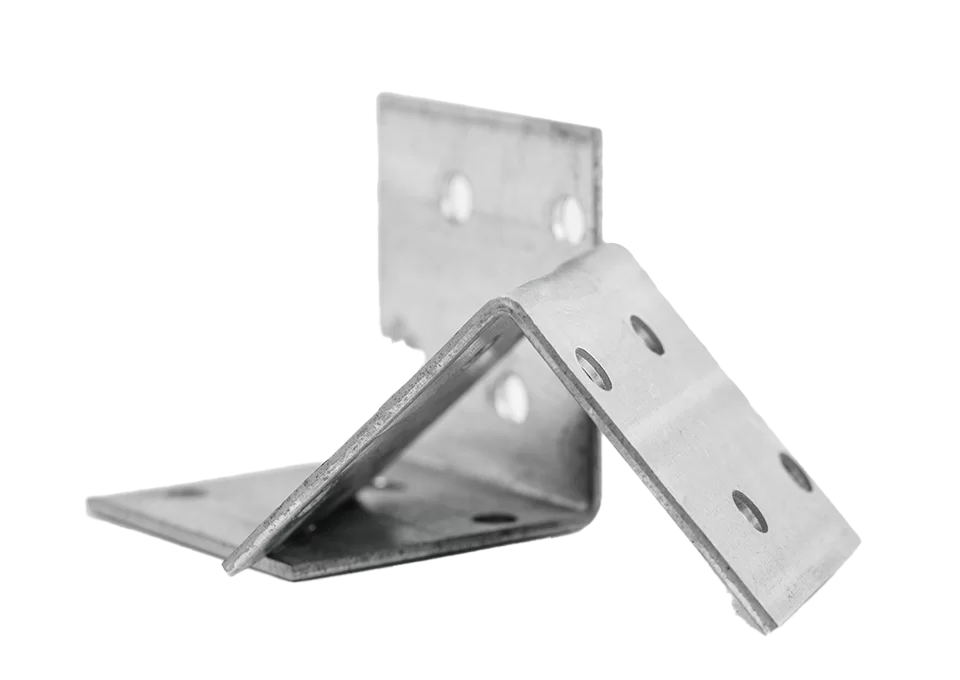
Metal bending is a core metal fabrication process that reshapes flat sheet metal into precise angles and curves by applying mechanical force, without cutting material away or changing its thickness. It is the forming step that turns a flat, laser cut blank into a functional three-dimensional part. At Tuowei Precision, our metal bending service covers everything from simple 90-degree flanges to complex multi-bend components, using advanced electric and hydraulic press brakes that deliver superior accuracy and consistent results, even on parts with tight tolerances. We bend metal in aluminum, stainless steel, carbon steel, copper, and galvanized steel, and every project includes comprehensive post-processing, so your bent parts arrive formed, finished, and ready for immediate use. Bending is one stage of our complete sheet metal fabrication service — most parts start as blanks from our laser cutting services (or plasma cutting for very thick plate) before they reach the press brake.
Need parts before committing to production? Our sheet metal prototyping service turns CAD files into prototype sheet metal parts for fit and function testing. Once parts are cut and formed, our sheet metal assembly service handles welding, hardware insertion and final assembly in one place.
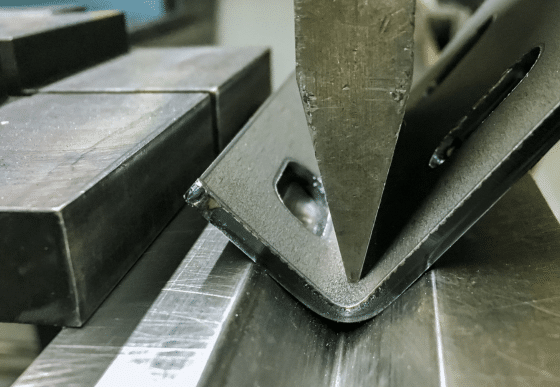
How Does Metal Bending Work?
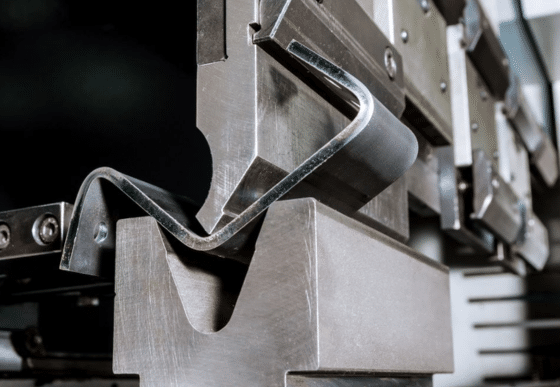
A press brake machine forms sheet metal between a punch and a die. The flat sheet is positioned against a CNC (computer numerical control) backgauge, the punch descends, and the metal is pressed into the die opening until it takes the target bend angle. Because the deformation is controlled and repeatable, a CNC press brake holds the same angle across a single prototype or a full production run. Tuowei’s press brakes are hydraulic press and electric models, programmed directly from your CAD (computer-aided design) file for fast setup and minimal variation.
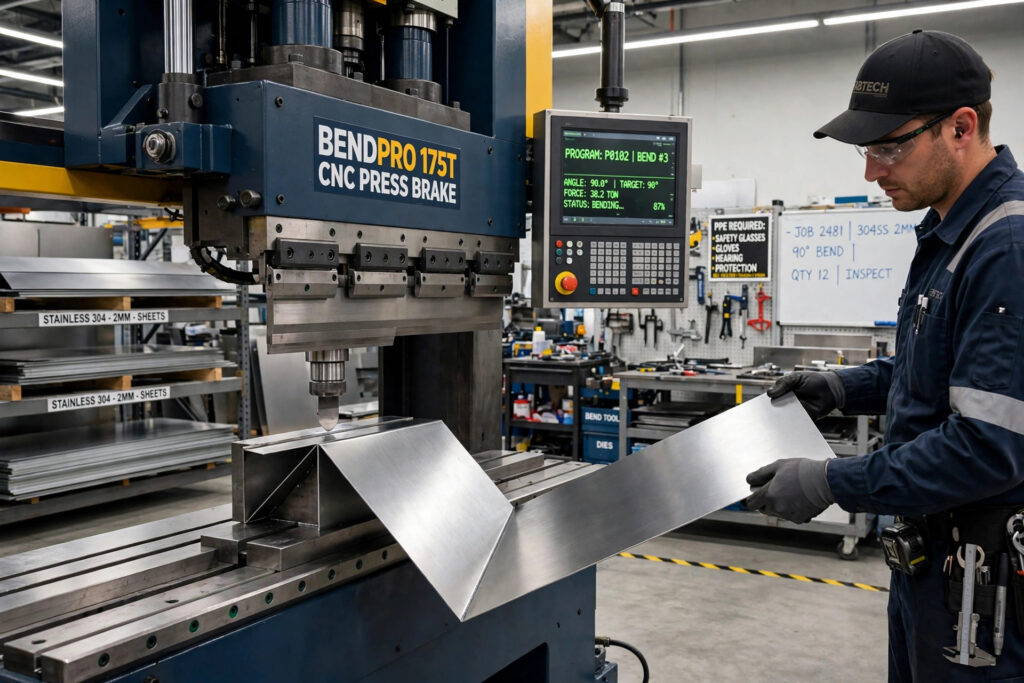
Bending Methods We Use
- Air bending: The punch presses the sheet into a V-die without bottoming out, so one tool set produces many bend angles. It is the most flexible and common method in modern sheet metal bending.
- Bottoming: The sheet is pressed firmly into the die to set a precise angle with less springback — ideal when a specification calls for exact, repeatable angles.
- Coining: High tonnage stamps the bend radius into the material, virtually eliminating springback for the tightest angle control.
- Roll bending and plate rolling: Curved metal profiles, cylinders, and cone shapes are formed progressively between rollers rather than on the press brake.
Engineering Principles & Quality Control
Unlike tube bending, which forms hollow sections around a mandrel, or pipe bending for fluid lines, sheet metal bending folds flat parts — but the engineering principles are shared. Three factors decide whether a bent part meets its specification: the bend radius (typically at least equal to the material thickness to avoid cracking), the bend allowance and K-factor (which calculate the flat pattern length so the finished component lands on dimension), and springback (the metal’s tendency to relax after forming, which our operators compensate for by overbending slightly).
Metal Bending Capabilities
Tuowei provides precision bending capabilities that combine advanced machinery, strict quality standards, and final inspection to handle a wide range of metal types, part sizes, and production volumes — for quality metal bending results from prototypes to large-scale production runs.
| Features | Description |
|---|---|
| Maximum Part Size | 1.5 m × 1.5 m |
| Metal Bending Forces | Up to 1000 tons |
| Bending Line Length | Up to 7200 mm |
| Bending Thickness | Up to 60 mm |
| General Tolerances | Based on ISO 2768. Bend to edge/hole, single surface: ±0.254 mm (±0.010 in.) |
| Bend Radius | Equal to material thickness |
| Bend Angle | ±1° |
| Bend Cutting Area | Up to 4000 mm |
| Lead Time | 5 days or more |
Working outside this specification range? Talk to our team. As a full-service fabricator, our metal fabrication services cover the processes around bending too, and parts that need machined features move straight into our 5-axis CNC machining shop — we will tell you honestly if a part is better made another way.
Surface Finishes for Metal Bending
Surface finishes for bent metal parts enhance strength, durability, and appearance, making them suitable for both functional and aesthetic applications. Finishing is usually applied after forming, so the coating stays intact through the bend. Popular options from our surface finishing services include:
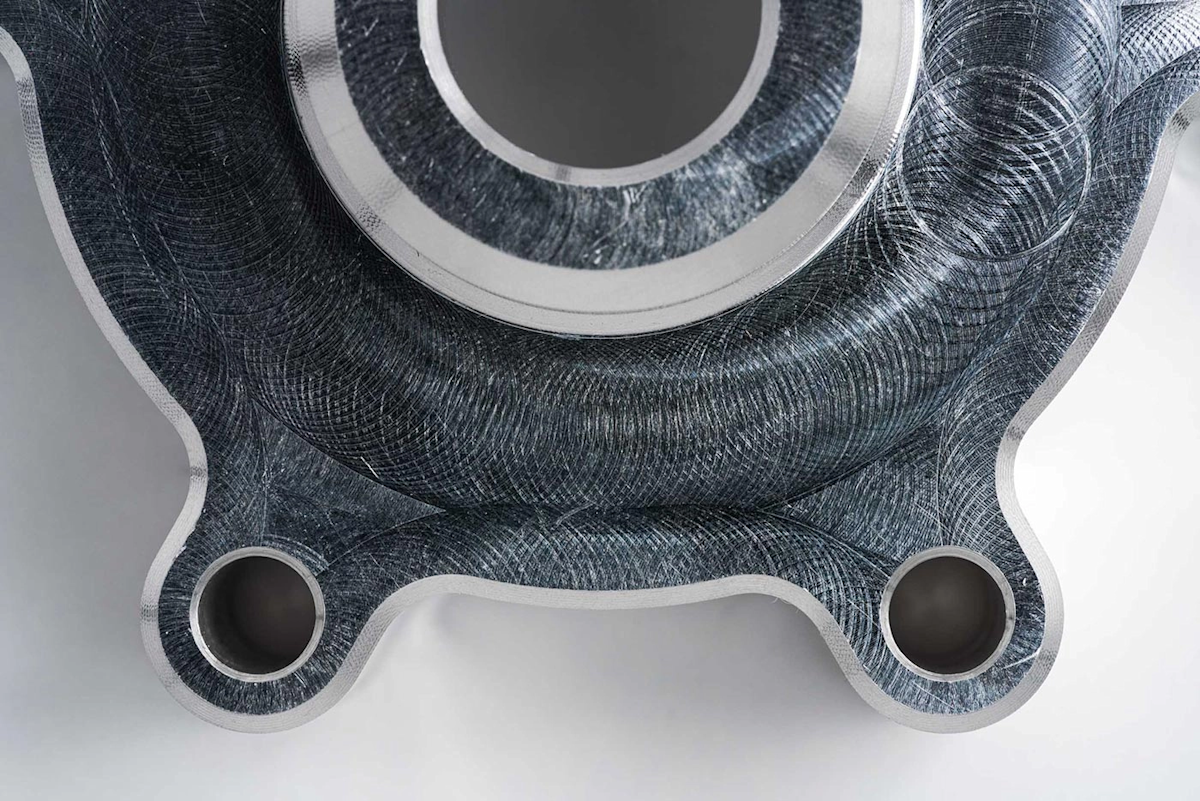
The natural finish straight off the press brake, ideal for functional applications where a decorative finish is not critical.
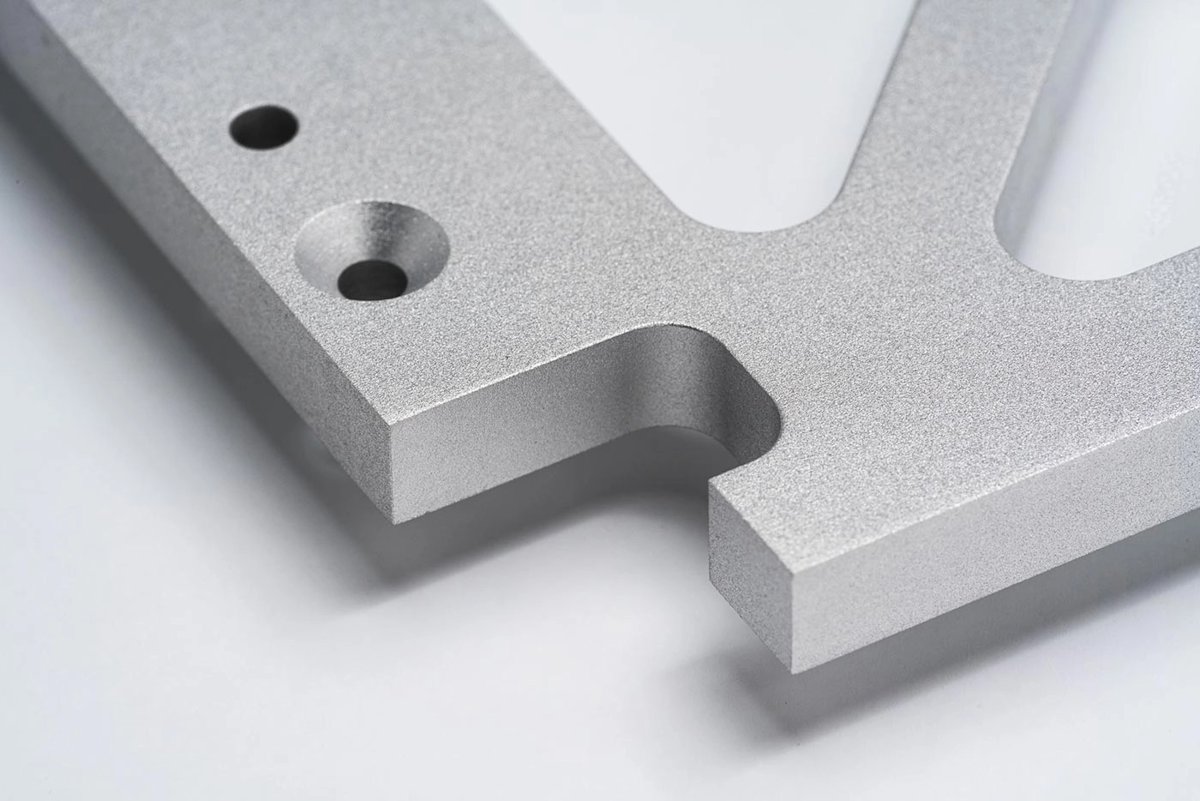
Propels media such as glass beads at the surface to create a smooth, uniform matte finish.
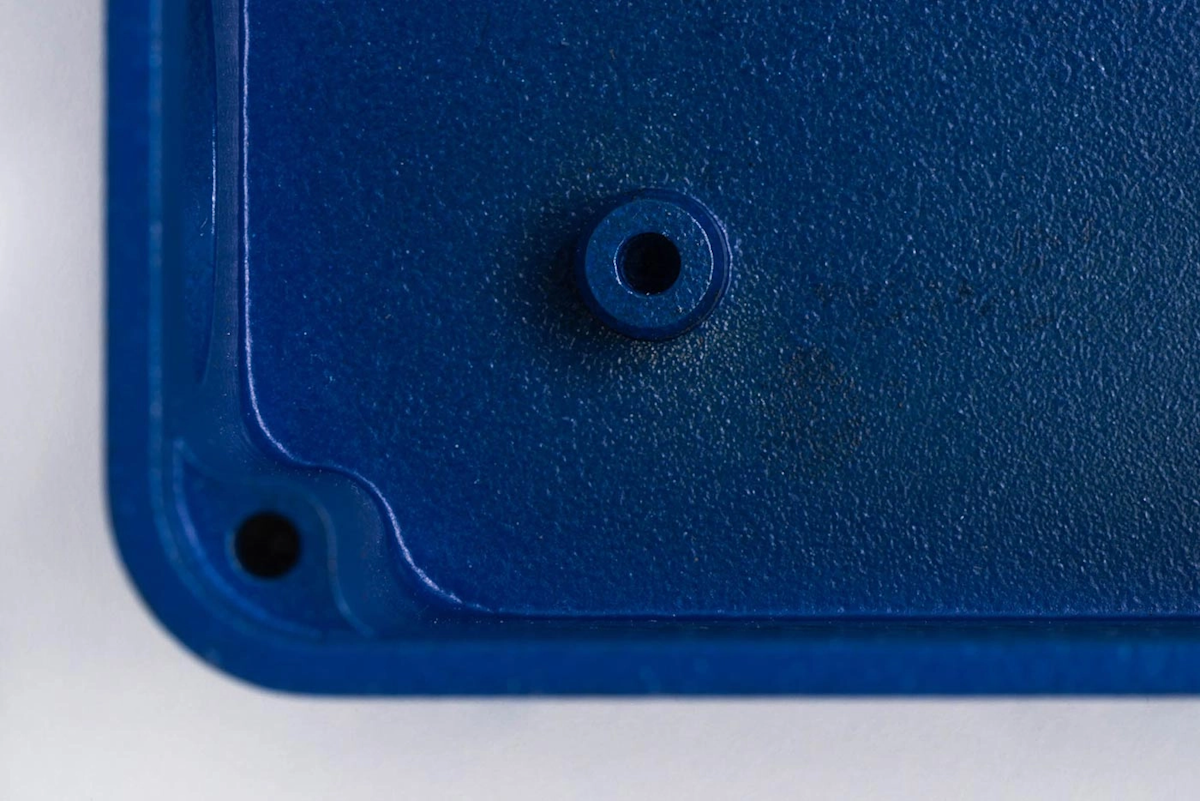
A durable coating offering excellent resistance to wear, corrosion, and UV exposure, available in a wide range of colors.
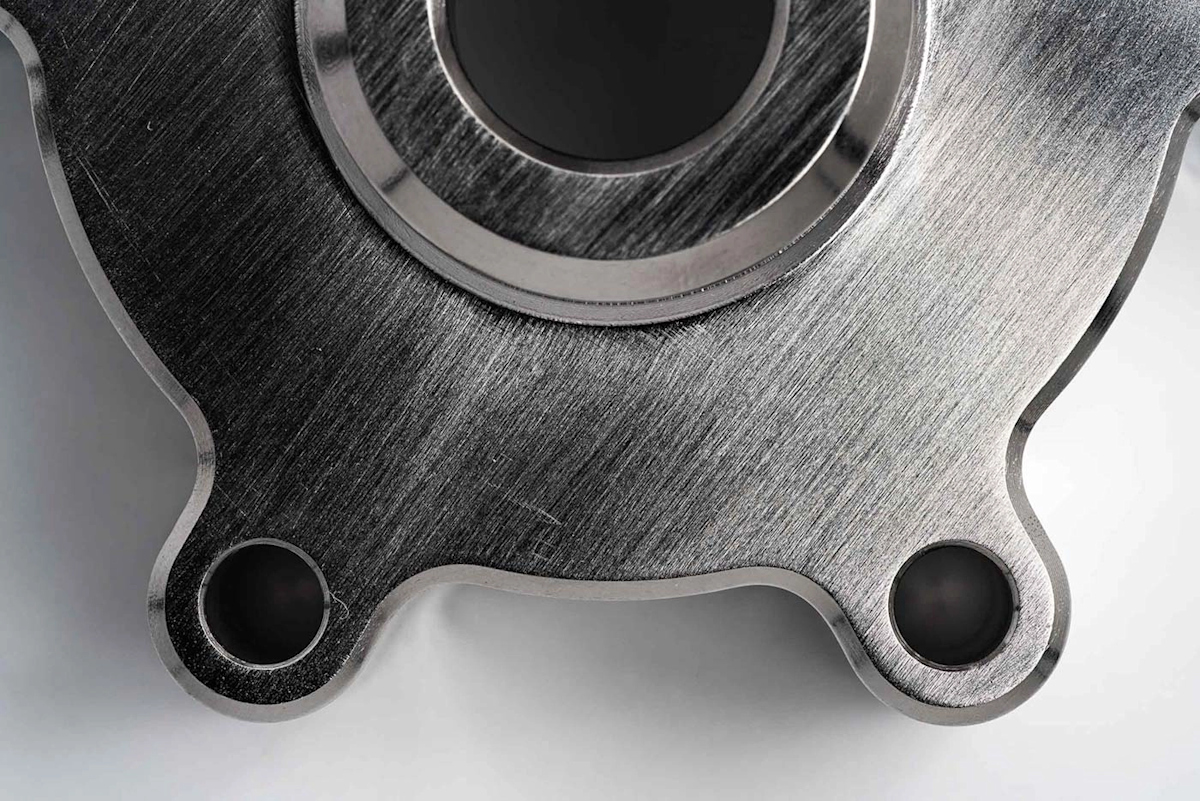
Applies a linear, uniform grain texture, creating a satin-like finish.
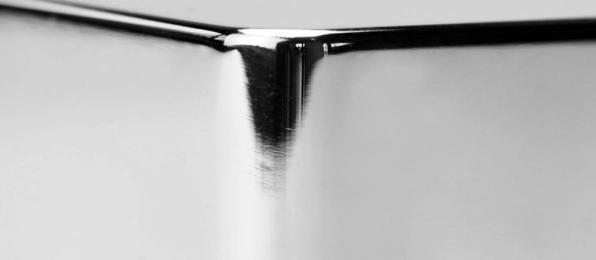
Achieves a high-gloss, mirror-like surface that enhances the visual quality of the part.
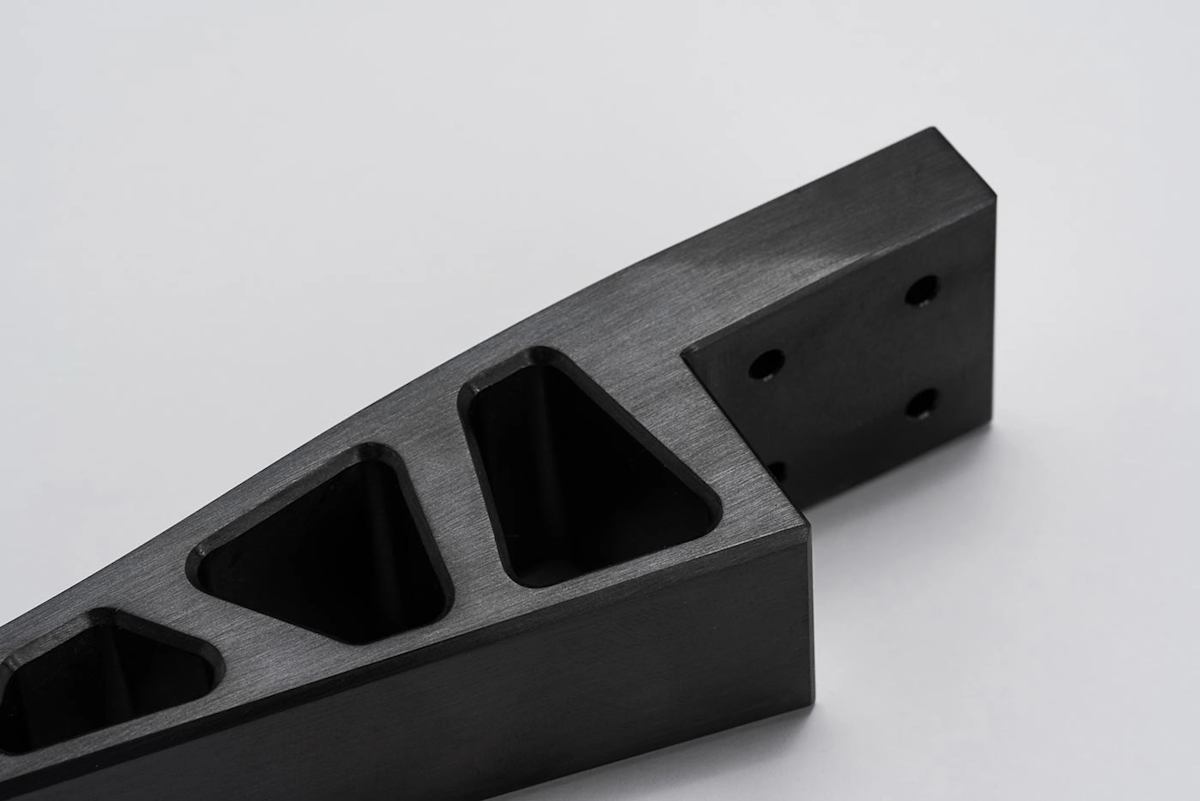
Ideal for steel components, this dark, matte finish provides mild corrosion resistance while maintaining a quality appearance.
Advantages
Advantages of Bending Manufacturing
Metal bending offers significant benefits, making it a critical metal forming process across many industries:
- Cost Efficiency: Bending forms a complete part from a single sheet, reducing the need for multiple components and welding operations. Fewer parts means less labor, less material, and simpler assembly, lowering overall project expenses.
- Enhanced Strength: A bend increases the rigidity of sheet metal along the bend line, producing durable parts that handle greater loads. This reinforcement allows lighter, thinner designs without sacrificing structural integrity.
- Precision and Flexibility: Advanced CNC bending holds bend angles to ±1 degree with excellent repeatability, across aluminum, stainless steel, carbon steel, and copper — from a single prototype to production volumes.
- Aesthetic Improvement: Bending produces clean lines and smooth curves that enhance the visual appeal of finished parts, especially visible components like enclosures, fixtures, furniture, and architectural elements.
- Rapid Production: CNC press brakes set up quickly from your CAD file and cycle fast, shortening lead times from design to finished part — ideal for industries that need quick responses to market demands.
Applications
Applications of Bent Metal Parts
Bent metal components are versatile, transforming flat metal sheets into functional, durable parts for a wide range of uses:
- Enclosures and Casings: Custom bent enclosures and housings protect electronics and industrial machinery while maintaining accessibility and aesthetic appeal.
- Brackets and Mounts: Precision bending creates sturdy brackets, angles, and mounts for commercial and residential applications, ensuring secure support.
- Panels and Doors: From decorative architectural panels to functional doors and barriers, bent metal allows exact customization to any design requirement.
- Frames and Beams: Structural frames, channels, and beam sections gain rigidity and strength through bending, supporting construction projects, automotive frameworks, and structural steel assemblies.
- Complex Geometries: Multi-bend parts with compound angles and curved profiles support modern designs that demand high precision and unique forms, in almost any configuration.
Frequently Asked Questions
Metal Bending FAQ
How much does a metal bending service cost?
Cost depends on material and thickness, bend count and complexity, tolerances, finishing, and quantity.
Bending needs no dedicated tooling beyond standard punch and die sets, making it highly economical.
Per-part cost falls quickly with volume, and a free quote with DFM review arrives within 1 day.
What tolerances can sheet metal bending hold?
Standard bending tolerances follow ISO 2768, with bend angles holding ±1 degree.
Bend-to-edge or bend-to-hole dimensions hold ±0.254 mm (±0.010 in.) on a single surface.
Tighter tolerances are available on many geometries and are confirmed before production.
What types of metal can be bent?
We bend aluminum, stainless steel, carbon steel, copper, and galvanized steel sheet and plate.
Material hardness and ductility decide the minimum bend radius for each metal.
Capabilities cover thicknesses up to 60 mm and bending forces up to 1,000 tons.
What design files do you need for a bending quote?
Send a 3D CAD file (STEP is preferred) or a DXF flat pattern with bend lines, material, thickness, and finish.
If your design lacks bend allowance and K-factor, our engineers develop the flat pattern during free DFM review.
Complete files produce faster, more accurate bending quotes.
How fast can bent parts be delivered?
Standard lead times for bent parts start at 5 days, and many prototypes ship in 3–5 days.
Timeline depends on complexity and finishing requirements.
In-house cutting, bending, and finishing avoids delays from moving between separate suppliers.
Partner with TUOWEI to Shape Your Vision
Since the era of rapid prototyping through scalable production, Tuowei Precision helps with your project because of its reliable CNC machining and manufacturing services. Our team collaborates with you to make sure that there is accuracy, consistency, and a smooth execution at all levels.
Begin your project now and start with the first step towards efficient and high quality manufacturing with Tuowei.
- Established engineering skills.
- Global project support
- Advanced CNC solutions
- Co-creation of products.
- Expandable capacity of production.
- All uploads are secure and confidential
Tuowei Precision's Solutions
Whether you’re creating a small batch of custom parts or scaling up for high-volume production, Tuowei Precision services offer the flexibility you need.

CNC rapid prototype machining is perfect for creating engineering or production prototypes that closely resemble the final product in both appearance and functionality. At Tuowei, we offer instant quotes and fast delivery, providing you with precise, high-quality CNC machined prototypes for your needs.
- Lead Time: 1-5 business days
- Capability: 1-100 pcs
- Get 20% off the price

Low volume CNC machining often acts as a bridge between prototyping and mass production for new and emerging production. With Tuowei, this process becomes easier, more efficient, and cost-effective, allowing you to scale production quickly while maintaining high-quality standards.
- Lead Time: 5-15 business days
- Capability: 101-10,000 pcs
- Meet tight specifications

CNC production machining is the best solution for producing a thousand parts or more efficiently. Leveraging a diverse selection of materials and automation and multi-axis capabilities, Tuowei delivers high-volume production with tight tolerances, superior dimensional accuracy, high reliability and fast turnaround times.
- Lead Time: 2-4 weeks
- Capability: Above 10,001 pcs
- Consistent Quality
Explore Insights & Innovation
Read our latest guides on CNC machining, materials, finishing and industry trends to make better production decisions.