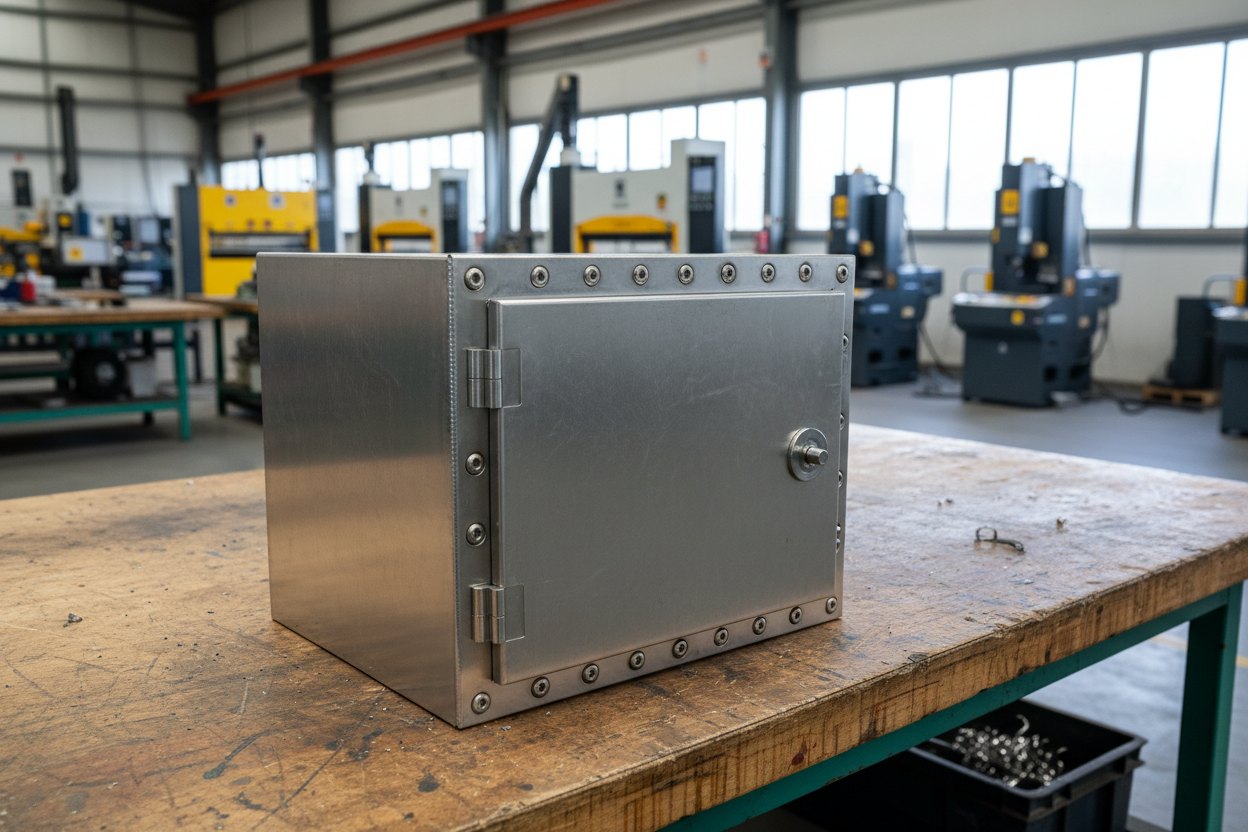
Tuowei Precision delivers finished sheet metal assemblies, not just loose fabricated parts. We cut, bend, weld, finish and assemble sheet metal components in one Shenzhen facility, then test and pack the finished product. One supplier owns the whole job, so parts fit when they reach your line.
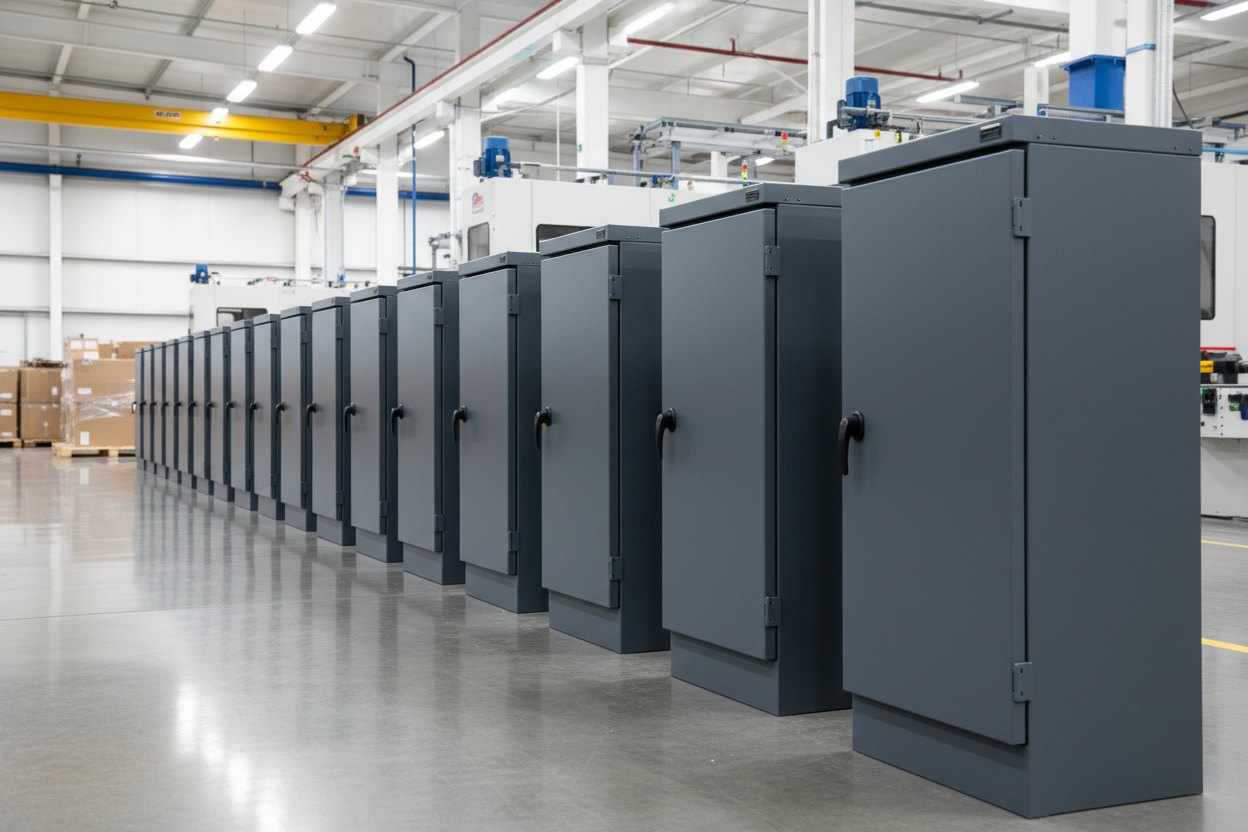
Sheet metal assembly is the process of joining individual sheet metal parts, and often purchased hardware, into a finished unit such as an enclosure, chassis, frame or cabinet. It follows fabrication. Fabrication makes the parts by cutting and bending. Assembly joins them with welds, fasteners, adhesives or formed features, and adds finishing and final checks.
Ordering both from one supplier removes the handoff between them. The people who weld the frame are the people who bent the parts, so fit problems are caught and fixed at the source.
Sheet Metal Assembly Methods Compared
There are several joining methods, and the right one depends on strength, appearance, serviceability and cost. Tell us the joining method on your drawing, or describe how the assembly is used, and we will confirm the method and any hardware with the quote.
Joining Method
Permanent?
Best For
Watch Out For
MIG / TIG welding
Yes
Structural frames, sealed enclosures
Heat distortion, weld finishing on cosmetic faces
Spot welding
Yes
Overlapping thin sheet, high volumes
Needs access to both sides
Rivets
Yes
Dissimilar metals, heat-sensitive parts
Visible heads; plan hole alignment
Screws and bolts
No
Panels and covers that must be removed
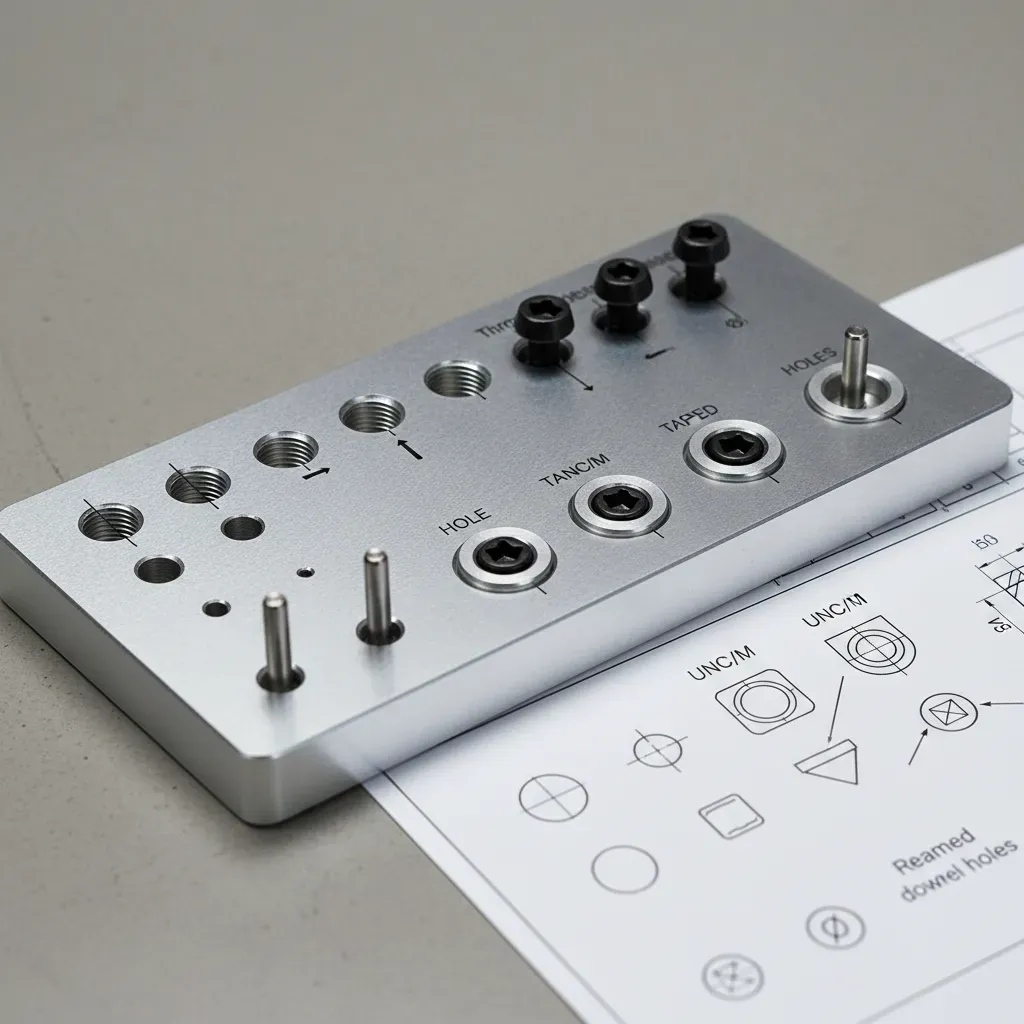
Needs threads, nuts or inserts
Self-clinching (PEM) fasteners
Hardware is permanent
Strong threads in thin sheet
Minimum sheet thickness and edge distance
Adhesive bonding
Yes
Thin sheet, dissimilar materials, sealing
Surface preparation and cure time
Tab and slot
Assists other methods
Self-fixturing welded assemblies
Needs accurate cutting
Sheet Metal Fabrication and Assembly Services
Every step from flat sheet to finished assembly happens in-house. Send 3D models and drawings of the assembly, and we check part fit, joining method, tolerances and tool access before fabrication starts.
Laser Cutting
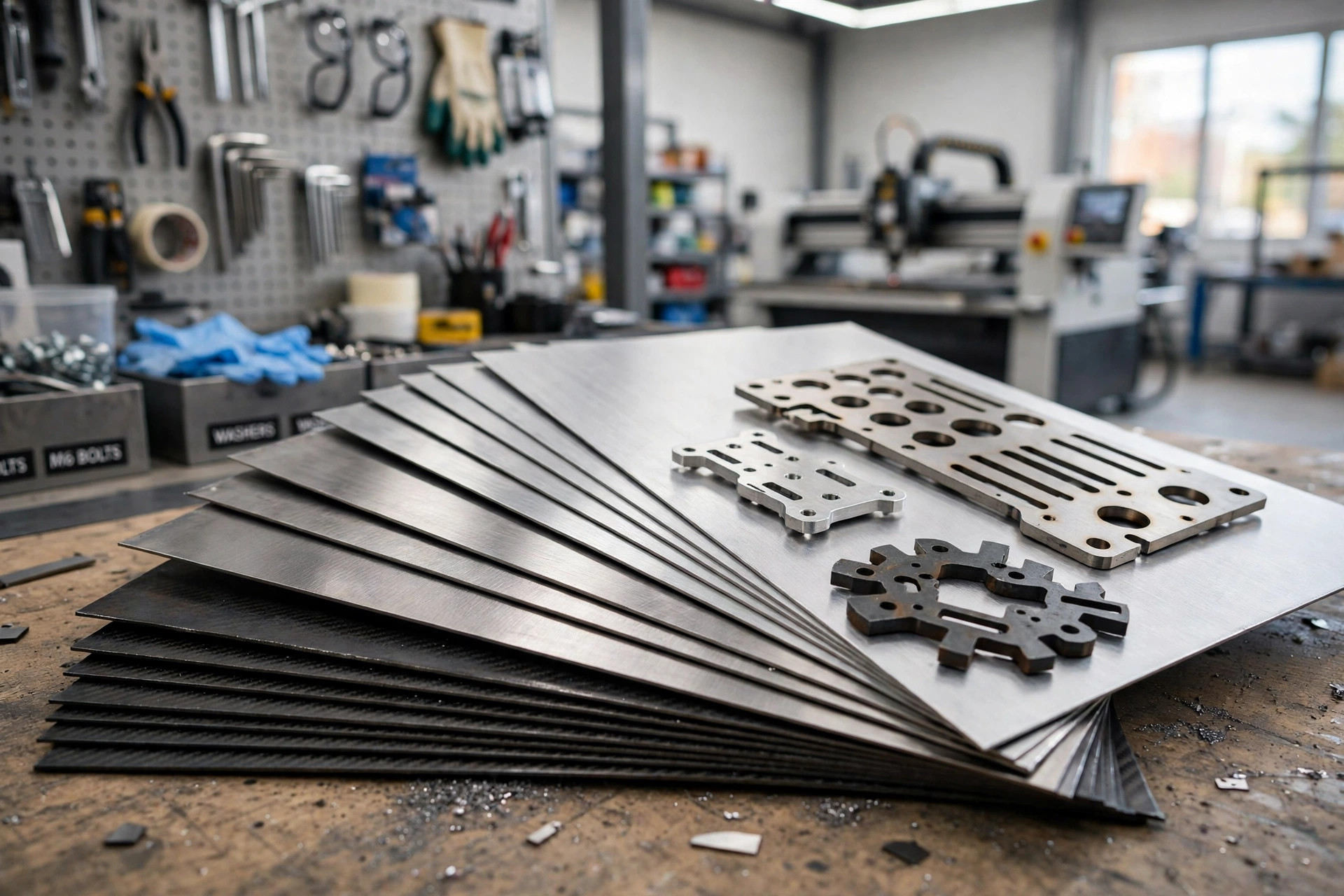
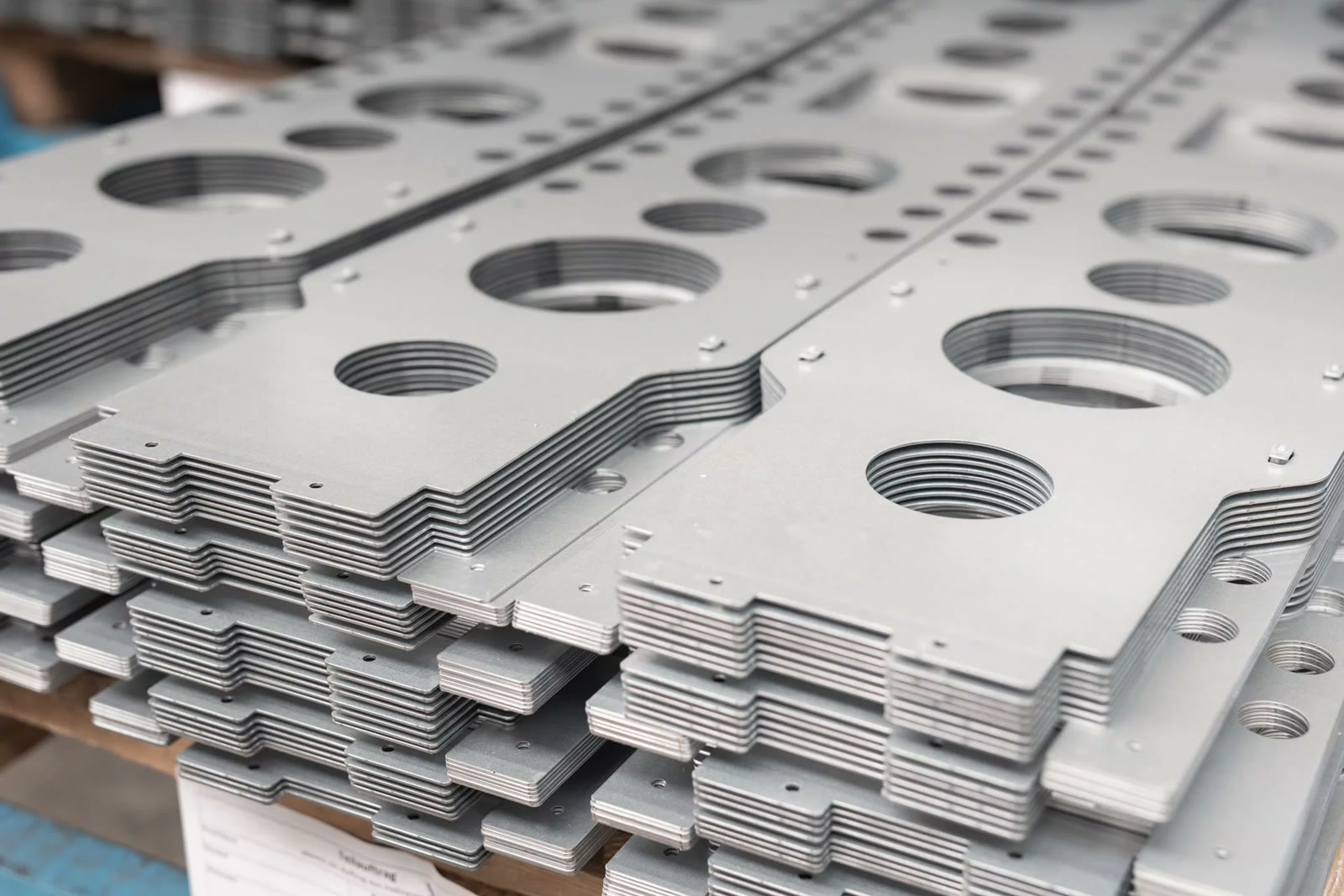
Parts are laser cut from sheet with clean edges and accurate hole positions. Tabs and slots are cut in at this stage so the assembly locates itself.
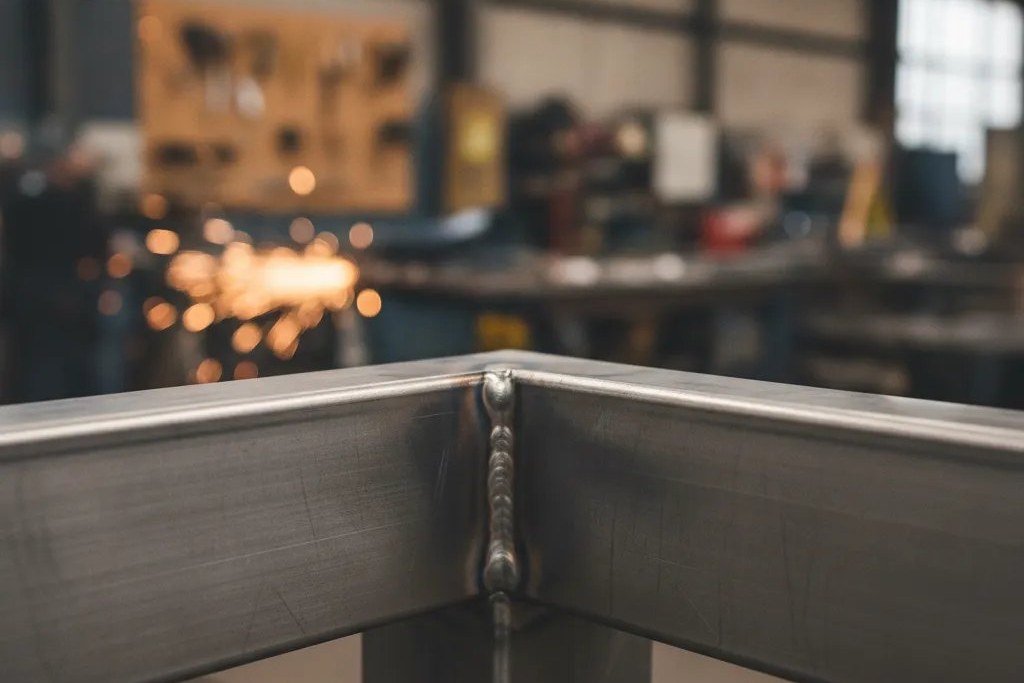
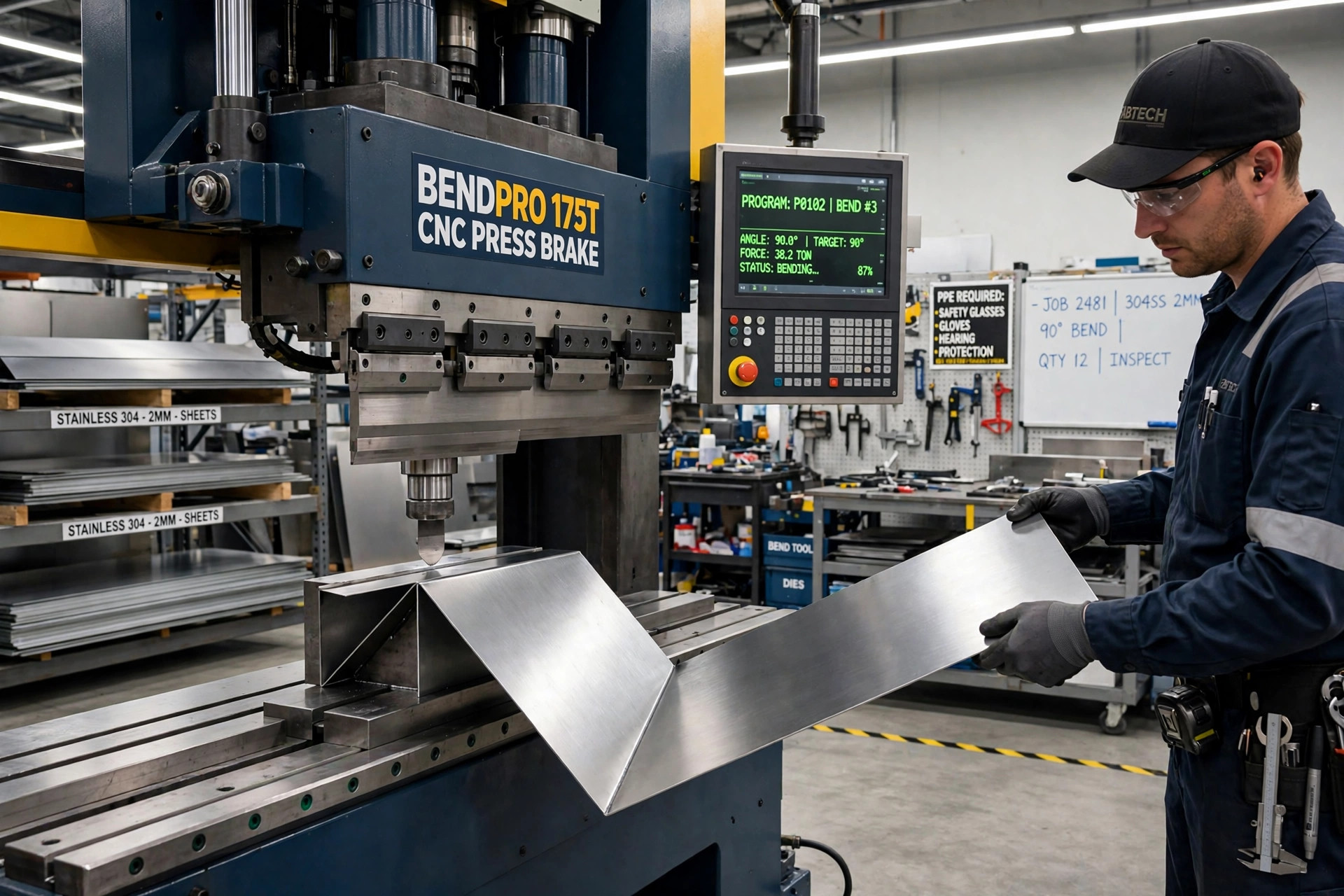
Parts are fixtured and joined. Welding gives the highest structural integrity for frames and sealed enclosures, and hardware is installed for panels that must come apart.
Welds are dressed and the assembly is finished. Remaining components are fitted, and the assembly is checked against the drawing before packing. Assembly and testing are done in-house.
Carbon steel welds easily and suits frames, cabinets and machine guards, but needs a coating. Stainless steel 304 and 316 weld well and resist corrosion for food, medical and outdoor enclosures. Aluminum welds with the right process and keeps enclosures, chassis and panels light. Copper and brass are used in electrical assemblies and bus bars. Material thickness sets bend radius, the hardware that can be installed and how much heat a weld puts into the part.
How to Choose the Right Joining Method
Start with whether the joint must come apart: use mechanical fastening for service panels and covers, and welding or rivets for permanent joints. For load-bearing frames, welding is usually the first choice. On cosmetic faces, fasteners or bonding avoid weld finishing. Dissimilar metals are safer with rivets, fasteners or adhesives. Thin sheet distorts under weld heat, so spot welds, rivets or self-clinching hardware keep it flat.
Lead Times and Quantities
Welded and coated assemblies sit at the longer end of each range. The quote gives the lead time for your assembly.
Stage
Quantity
Lead Time
Prototypes
1–100 pcs
1–5 business days
Low-volume manufacturing
101–10,000 pcs
5–15 business days
End-use production
Above 10,000 pcs
2–4 weeks
Design for Assembly Guidelines
These guidelines prevent the fit problems that appear when sheet metal parts are joined.
Feature
Specification / Guideline
Tolerance stack-up
Dimension critical features from one datum and loosen the rest.
Part count
One bent part often replaces two welded ones.
Tabs and slots
Self-locating parts speed up welding and improve repeatability.
Tool access
A weld torch, rivet gun or screwdriver has to reach the joint.
Hardware placement
Keep hardware away from bends and edges.
Finishing order
Decide whether parts are coated before or after assembly; mask threads and grounding points.
Distortion
Use stitch welds instead of continuous welds where sealing is not needed.
Hardware
Use standard fasteners to keep cost and lead time down.
Finishing for Sheet Metal Assemblies
Finishing is done in-house after welding and before final assembly. State on the drawing whether parts are coated before or after they are joined.
As Fabricated
Parts are deburred and welds are dressed with no added finish. It suits internal structures and fit checks.
Bead Blasting
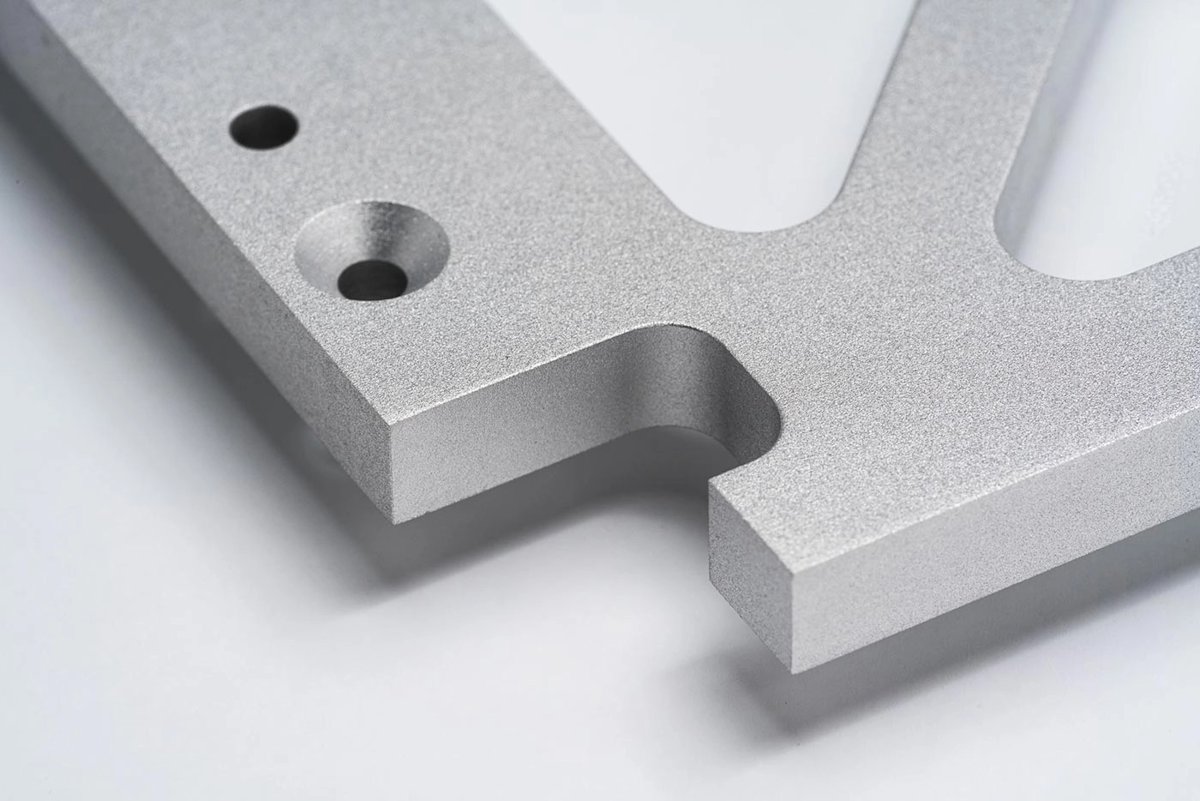
Bead blasting gives assemblies a uniform matte surface and blends weld areas with the surrounding metal.
Powder Coating
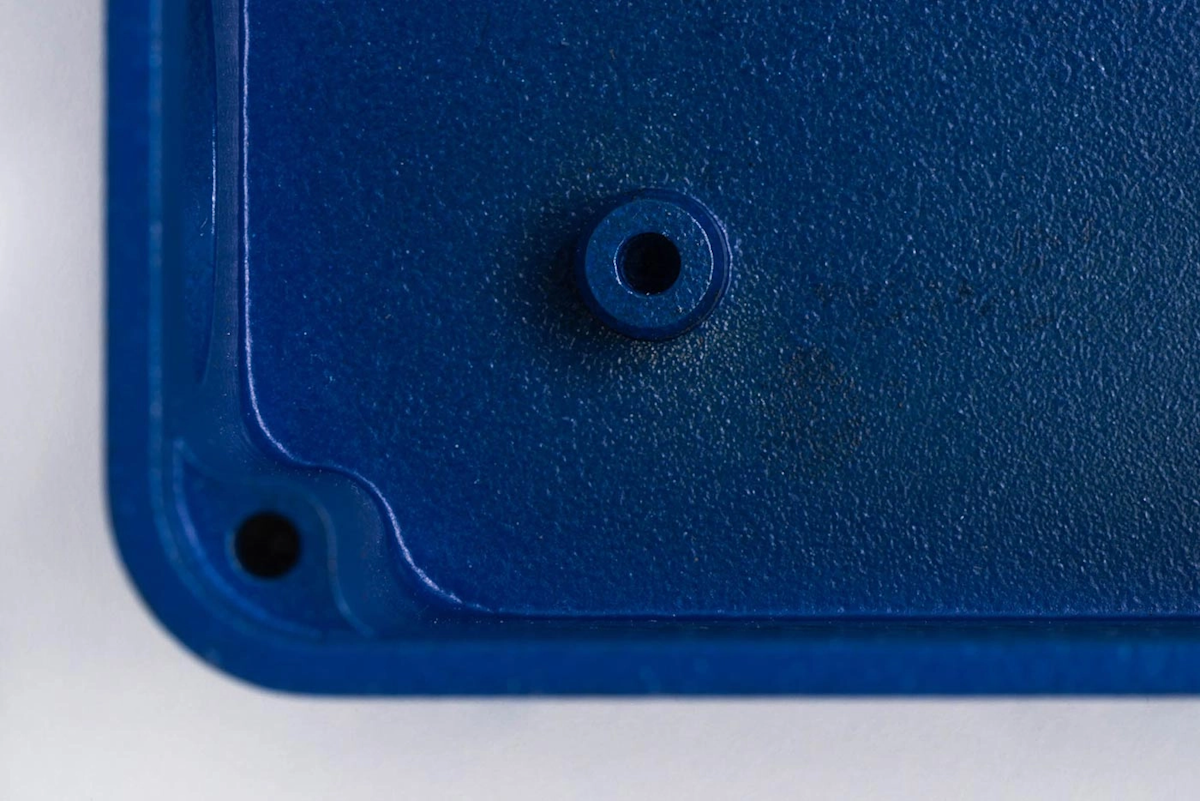
Powder coating adds a durable colored layer to steel and aluminum assemblies and protects against corrosion and wear.
Brushing
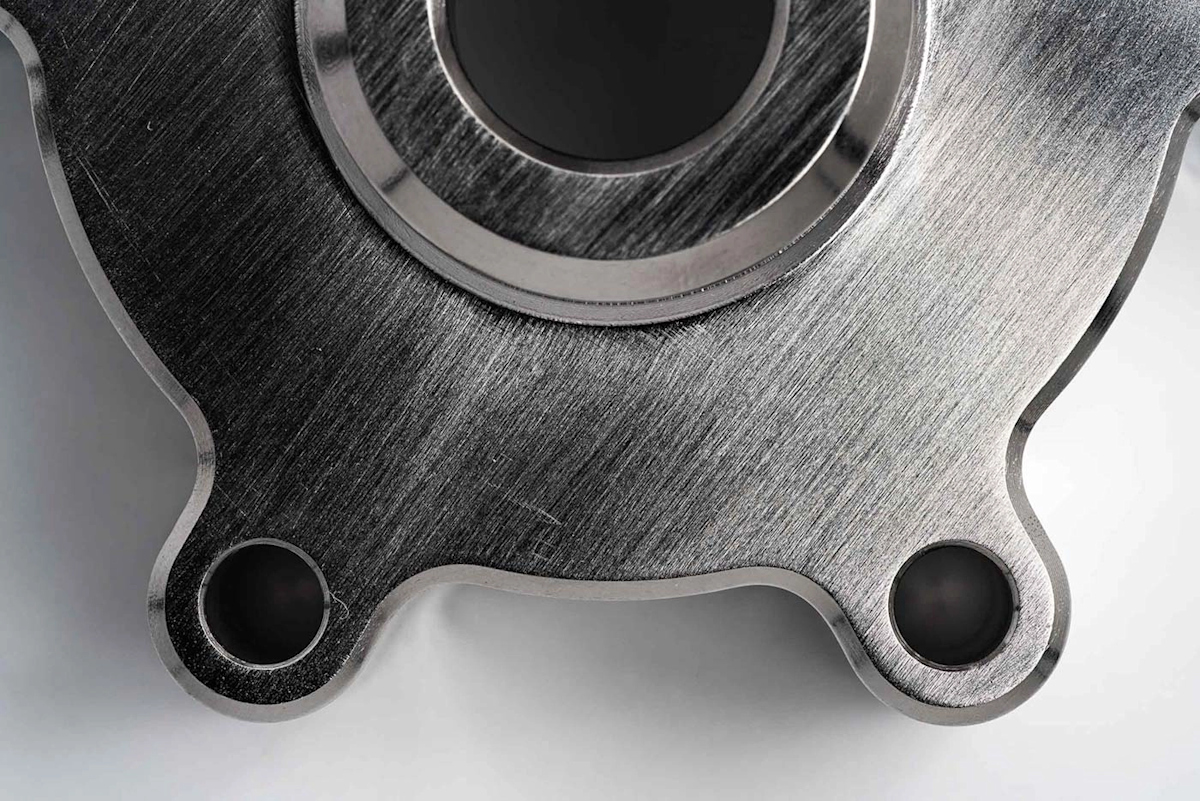
Brushing leaves a directional satin grain on stainless steel and aluminum panels and covers.
Polishing
Polishing produces a smooth or mirror surface on stainless steel assemblies that must look clean or be easy to wash down.
Black Oxide
Black oxide gives steel parts and hardware a dark, low-glare finish with mild corrosion resistance.
What Drives Sheet Metal Assembly Cost?
Sheet metal assembly cost depends on part count, joining method, welding and finishing time, hardware and quantity. Reducing part count, using tabs and slots and choosing standard hardware lower cost most. Precision assemblies with tight requirements start with a first article that is measured and adjusted before the production run. Send your files for an exact quote within 24 hours.
How to Order a Sheet Metal Assembly
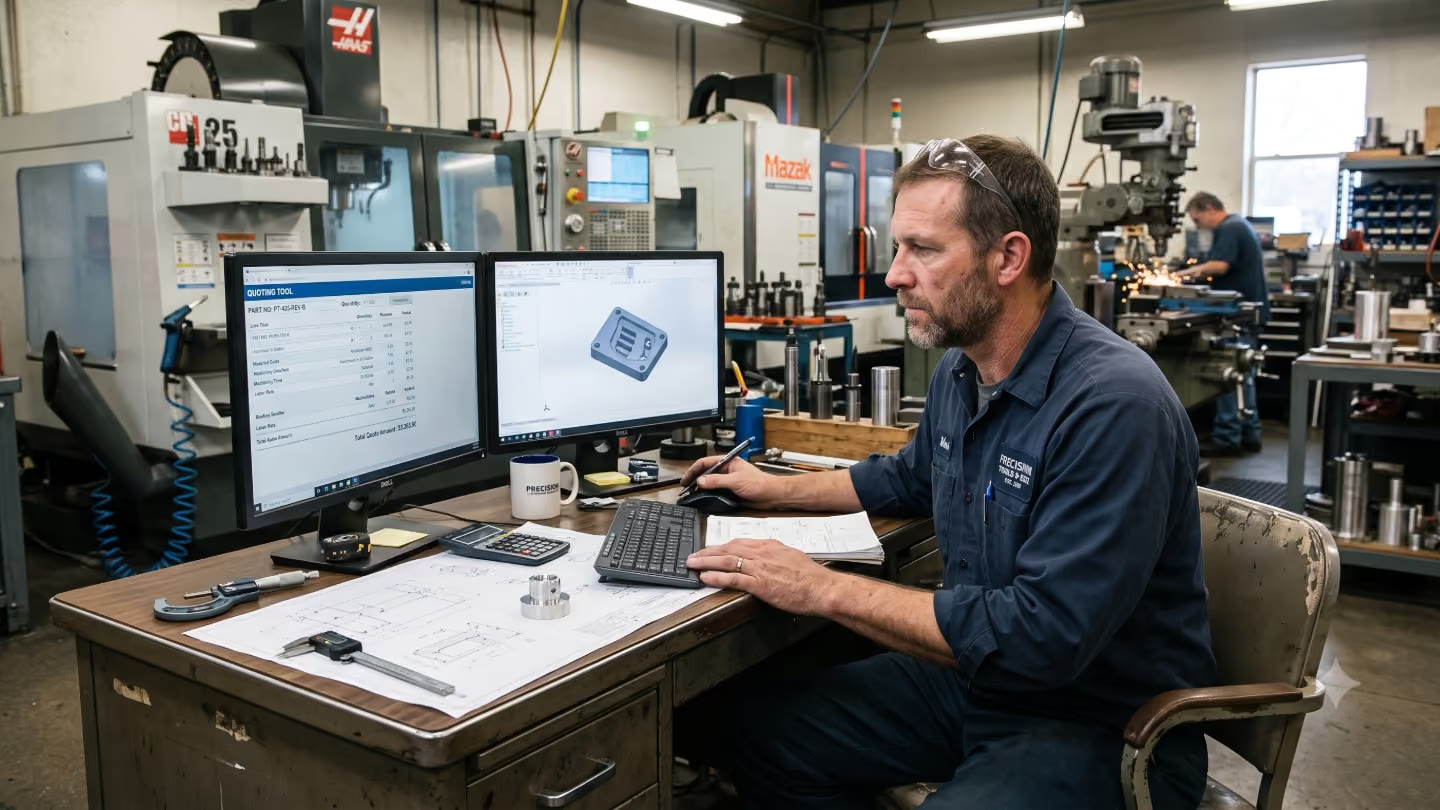
Ordering takes five steps. First, upload a 3D model of the assembly in STEP or IGES, 2D drawings in PDF or DWG, and a bill of materials listing hardware and finishes. Second, receive a quote with a design review within 24 hours. Third, approve the quote. Fourth, parts are fabricated, joined, finished and assembled. Fifth, the assembly is checked, packed to arrive undamaged and shipped.
Our products are of superior quality and we offer precision-engineered components in a cutting-edge CNC machine and a skilled workforce. We trust in transforming your ideas into dependable and high performance parts every time.
Why Choose Tuowei?
Why
/01
High Quality Parts
We ensure that at Tuowei, our quality parts are of high quality because of the close inspection and the most recent CNC machining, whereby each part will be of your specifications with excellent consistency and finish.
/02
Fast Turnaround
We have a lean process and the latest CNC equipment that enables us to produce personalized parts with faster speeds without affecting their quality and thus your project will be on time and your deadlines will never be missed.
/03
Expert Engineering Support
Take advantage of our skilled engineering staff to design to production with the best CNC machining plans, manufacturability, low costs, and performance of any project.
Let’s Build What’s Next Together
Partner with Tuowei Precision to Shape Your Vision
From rapid prototypes to scalable production, Tuowei Precision delivers reliable CNC machining with accuracy and consistency at every step. Start your project today.
By welding, spot welding, riveting, screws and bolts, self-clinching fasteners, clinching, adhesive bonding or folded seams. The choice depends on strength, appearance and whether the joint must come apart.
What is the difference between fabrication and assembly?
Fabrication makes individual parts by cutting and bending sheet metal. Assembly joins those parts and hardware into a finished unit.
What are the different types of sheet metal joints?
Butt, lap, corner, tee and edge joints for welding, plus hemmed and folded seams, riveted lap joints and fastened joints.
What is the strongest way to permanently join two pieces of metal?
A properly made weld. It fuses the parts into one piece and gives the highest structural strength.
How can you join sheet metal without welding?
With rivets, screws and bolts, self-clinching fasteners, clinching, structural adhesives or folded seams.
Can you supply and install hardware?
Yes. List the hardware on the drawing or bill of materials, and it is quoted with the assembly.
Do you do final assembly and testing?
Yes. Assembly and testing are done in-house before packing.
What files do you need for an assembly quote?
A 3D model of the assembly in STEP or IGES, 2D drawings in PDF or DWG, and a bill of materials listing hardware and finishes.