Tuowei Precision builds prototype sheet metal parts from your CAD files, from a single bracket to a welded enclosure. Laser cutting, bending, welding, assembly and finishing all happen in our Shenzhen facility, so a sheet metal prototype moves from file to finished part without changing suppliers. Every quote comes back within 24 hours with design for manufacturability feedback.
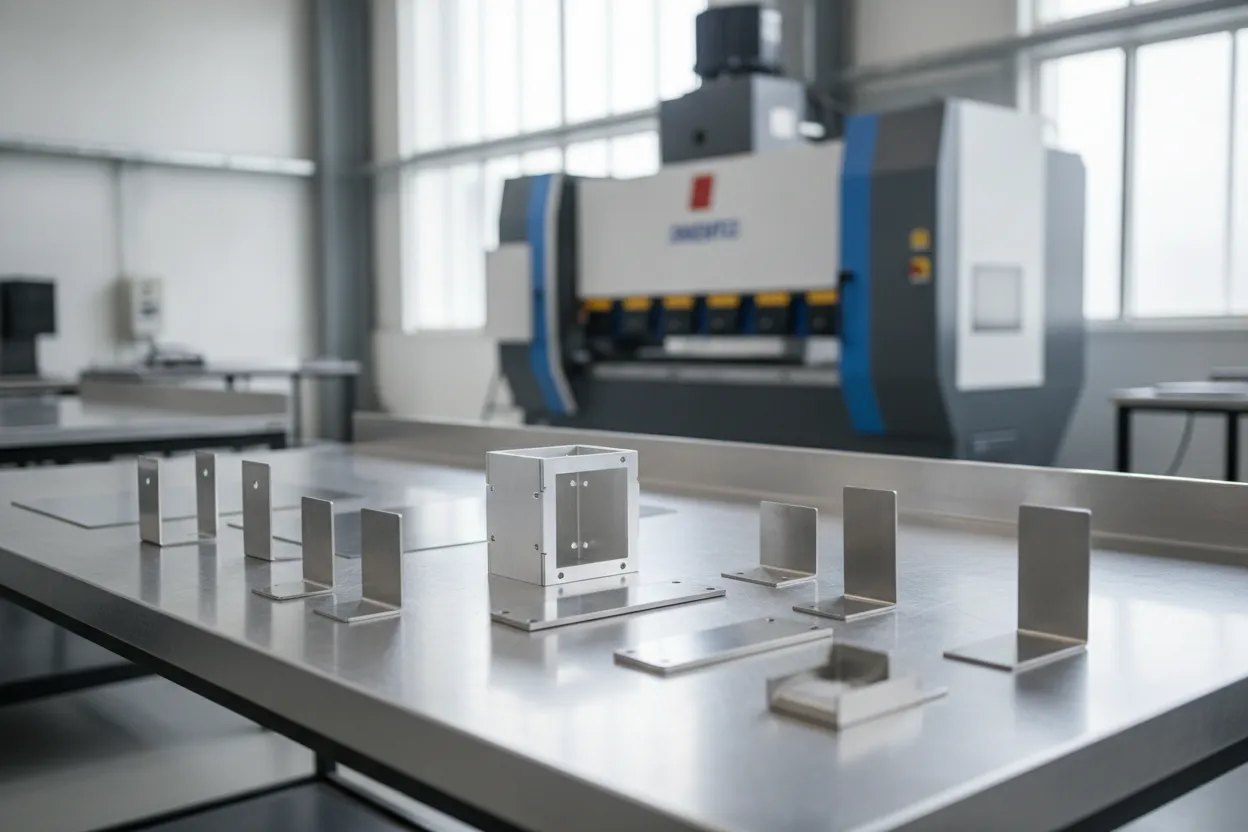
Sheet metal prototyping is the fabrication of a small number of sheet metal parts to test a design before committing to production. The prototype is cut, formed and joined with the same manufacturing process that will make the final product, usually in the planned production material.
That is the main difference from 3D printing or a machined mock-up. A sheet metal prototype shows how the real part bends, how tabs and holes line up after forming, and how the assembly goes together. It exposes design flaws while they are still cheap to fix.
Why Prototype in Sheet Metal Before Production?
Prototyping in sheet metal gives you design validation with real parts instead of a CAD model. Stiffness, weight, grounding and heat behavior match the final product because the prototype is made in the production material. Laser cutting and press brake forming need no hard tooling, so lead times are short, changes cost little and the same fabrication methods carry over to low-volume production.
If your part is…
Consider
A thin-walled enclosure, bracket, panel or chassis
Sheet metal prototyping
A solid block with pockets and 3D surfaces
CNC machining
A plastic housing planned for volume production
3D printing first, then injection molding
A complex internal shape that cannot be cut or bent
3D printing
Sheet Metal Prototyping Services for Custom Parts
Metal prototype fabrication relies on a small set of flexible processes. None of them needs dedicated tooling, which is what makes rapid prototyping in sheet metal practical. A prototype can include cut, formed and welded features in one build, and the same process scales from 1 to 100 pieces and on to production runs.
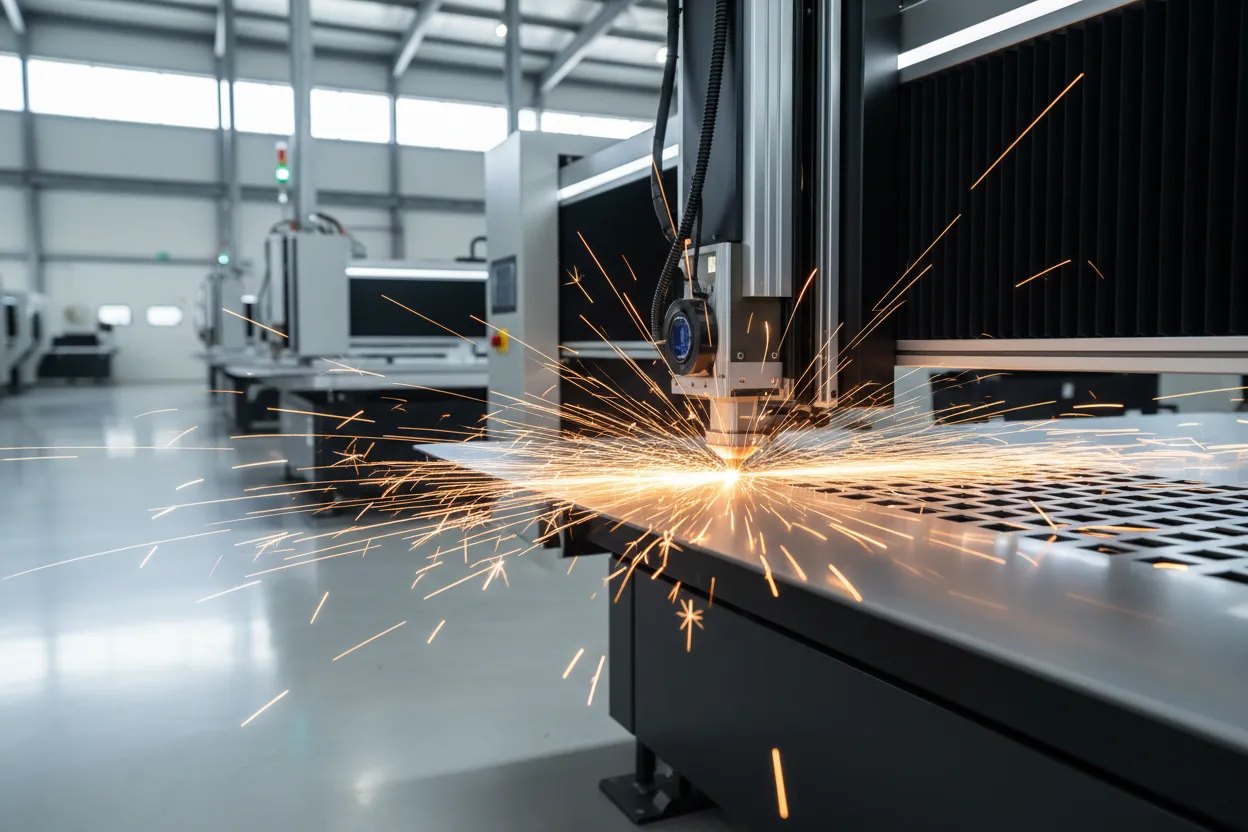
Laser Cutting
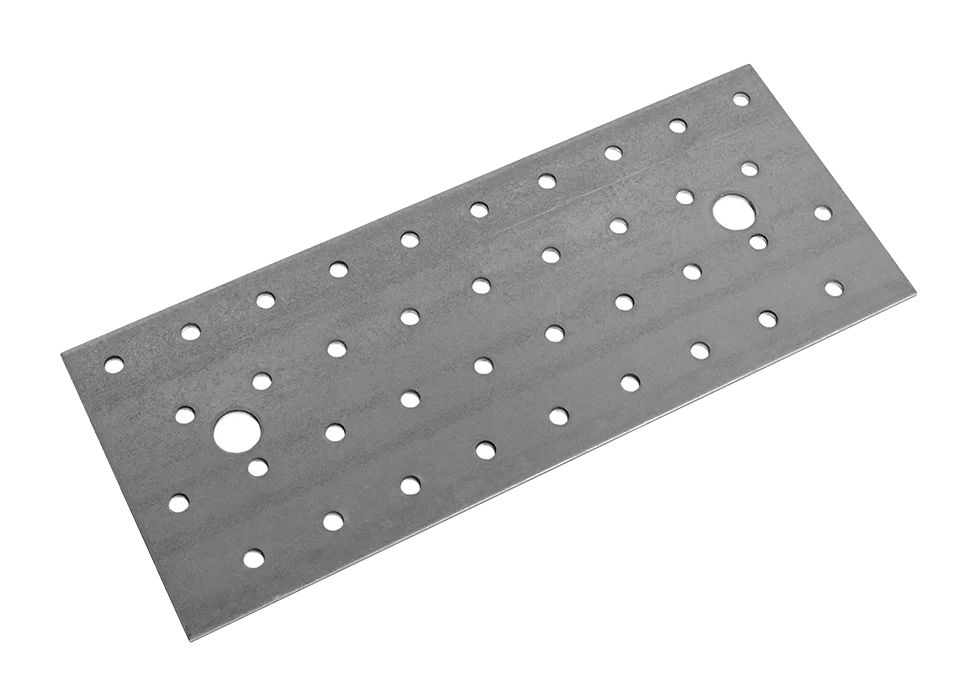
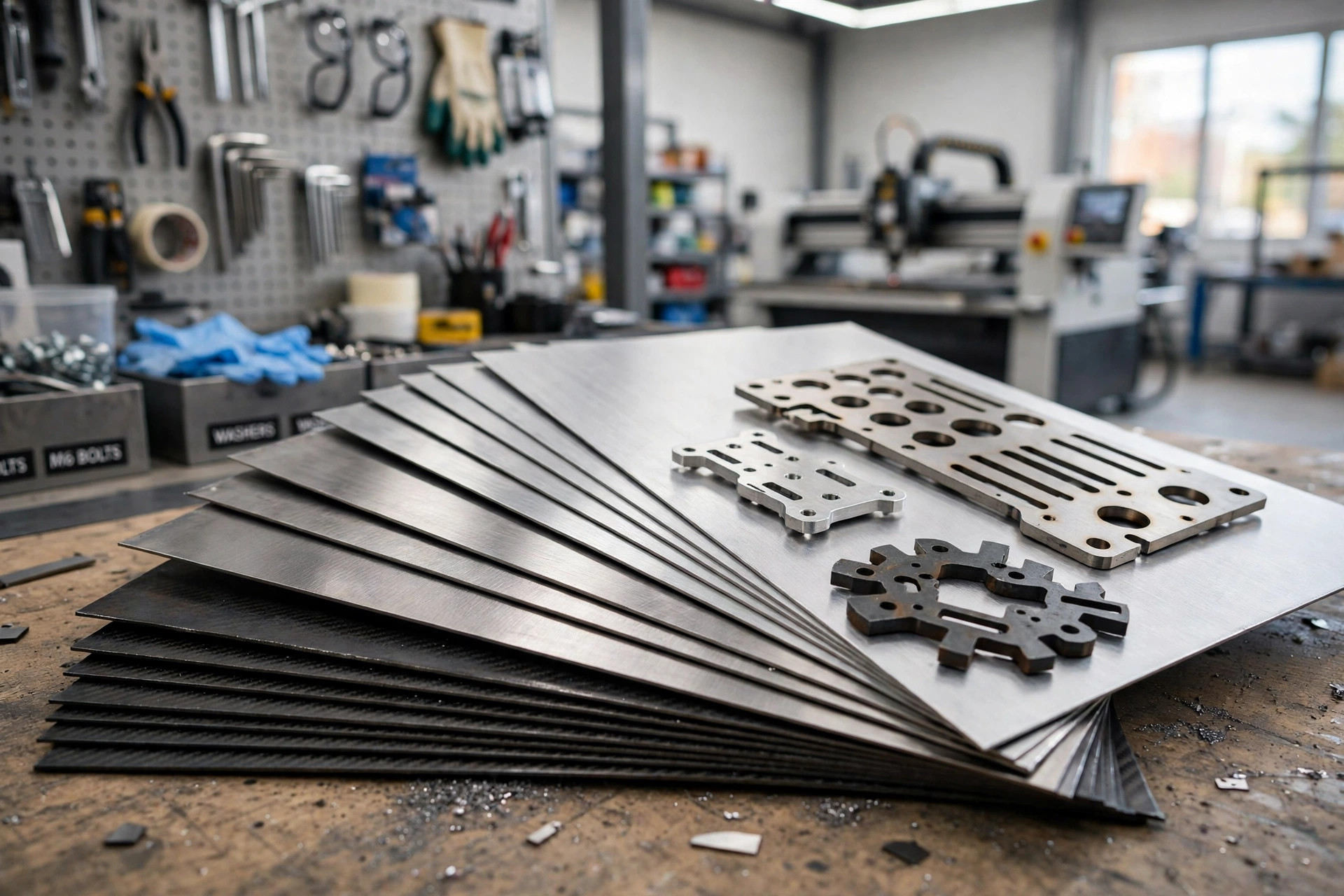
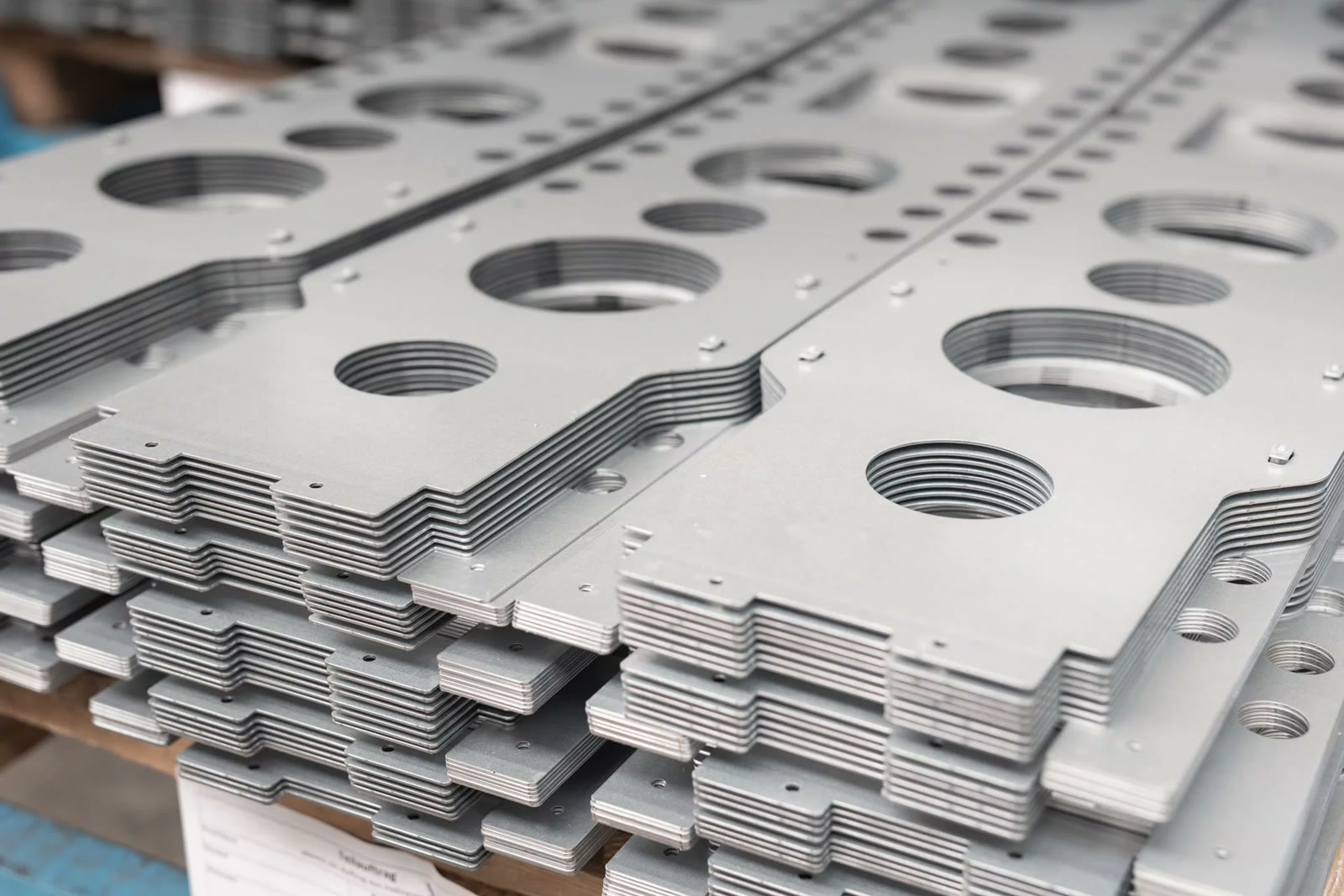
The flat pattern is laser cut from sheet with a narrow kerf and clean edges. Laser cutting handles complex geometries and fine features without tooling, so it is the standard first step for prototype sheet metal parts.
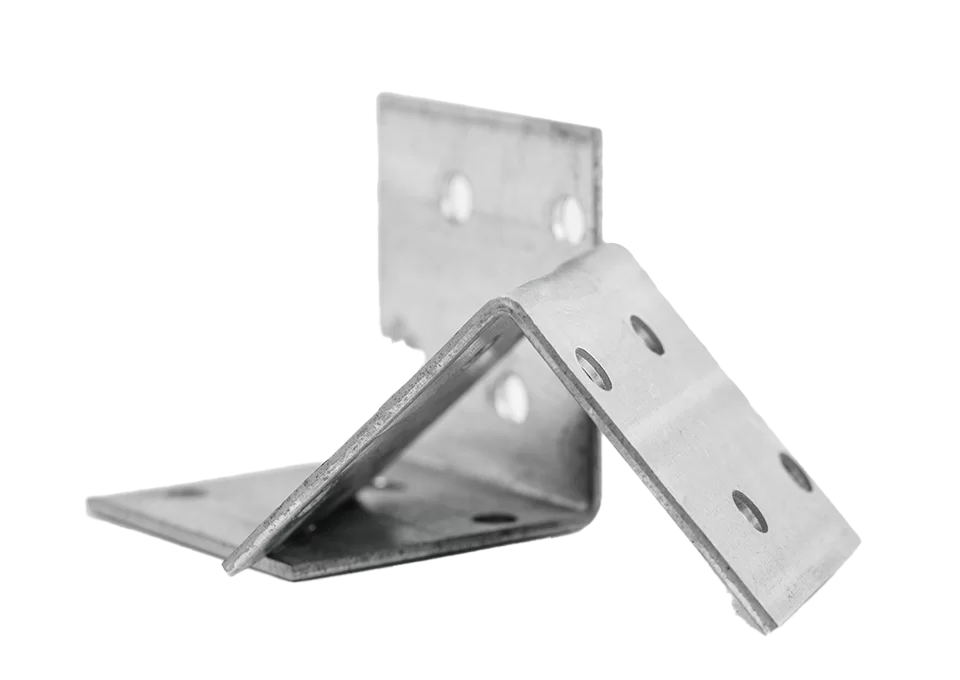
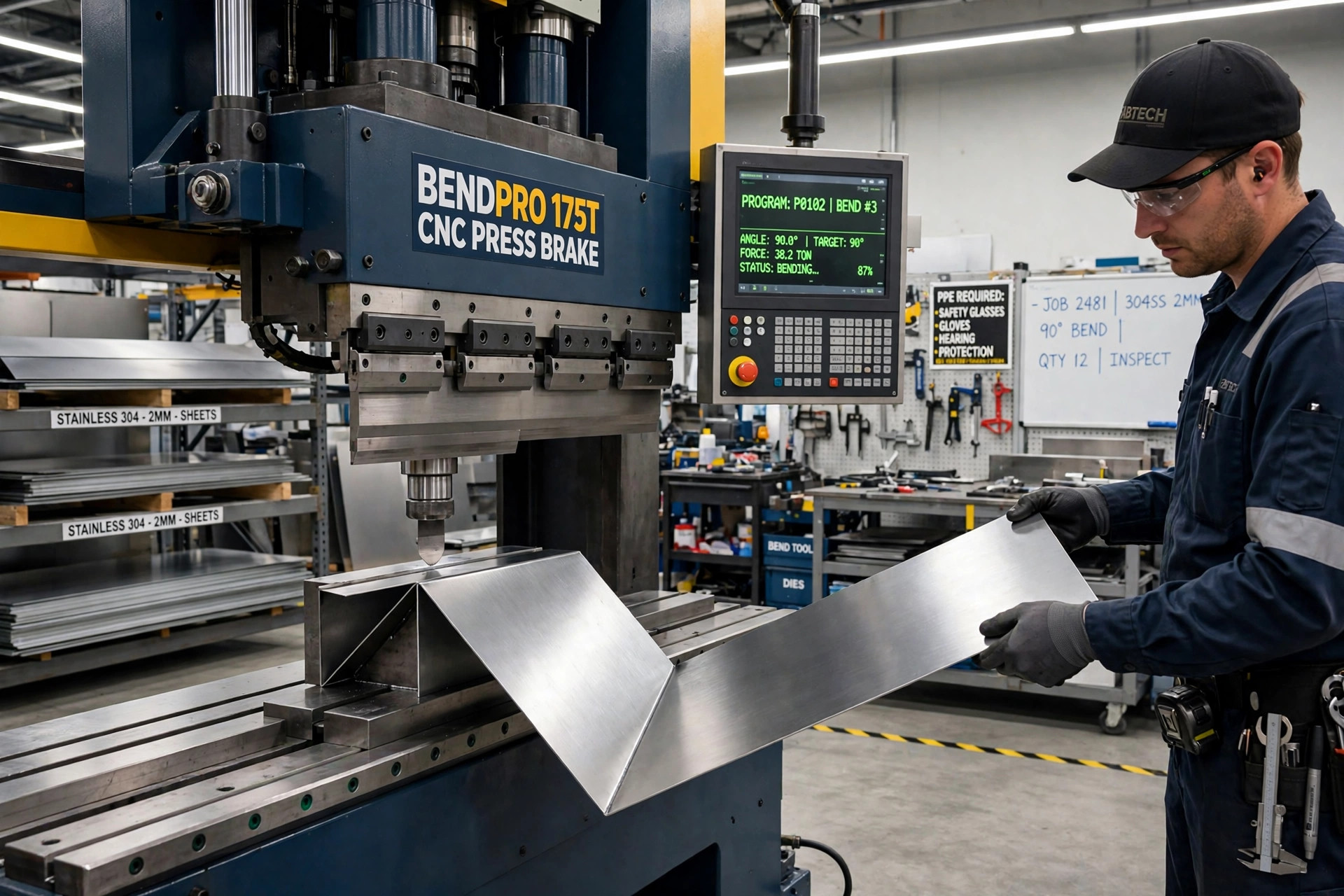
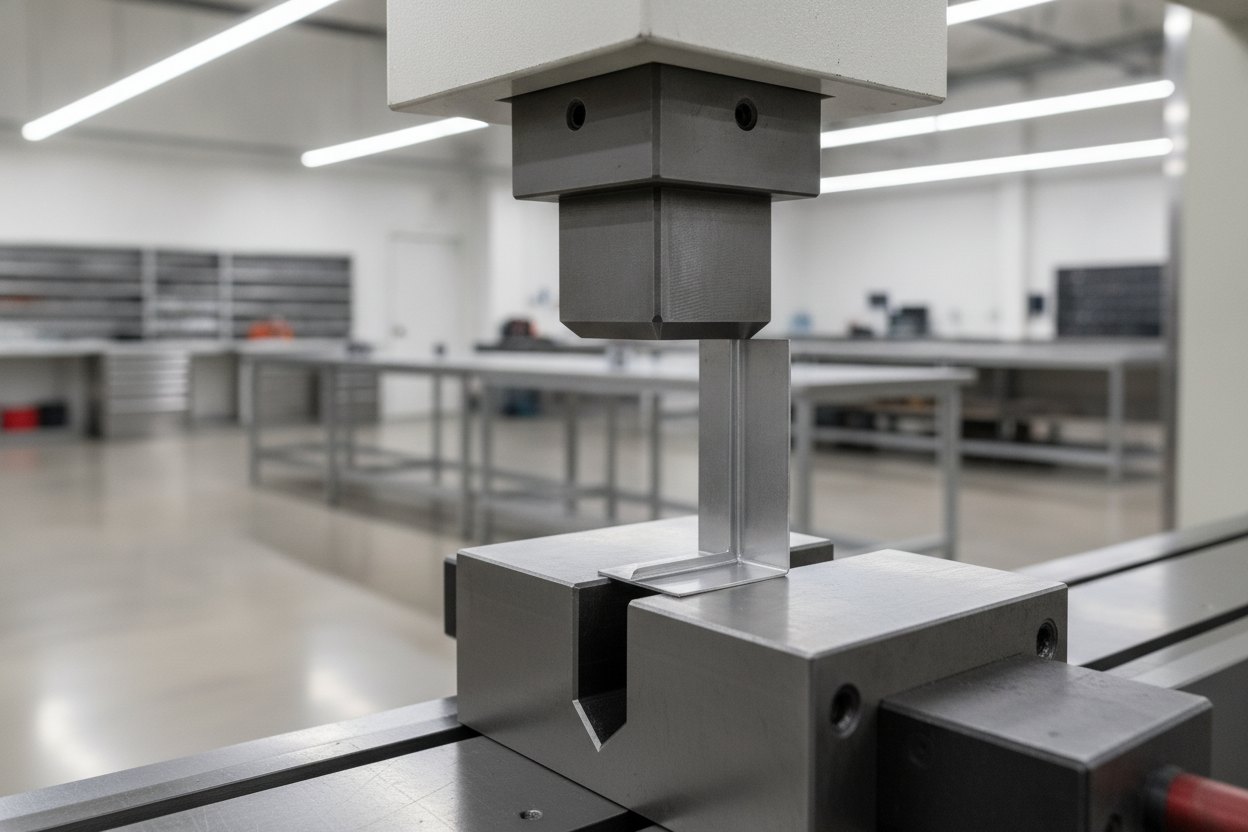
Flanges, channels and boxes are formed on the press brake with standard punches and dies. Bend radii, flange lengths and hole positions are proven on the prototype before any volume order.
Formed parts are welded or assembled into brackets, frames and enclosures. Tabs and slots make assemblies self-locating, which speeds up welding and improves repeatability from the first prototype.
Parts are deburred and finished as specified, then checked against the drawing and packed carefully for shipment. Polishing, spray painting, screen printing and laser engraving are done in-house.
Prototype in the material and thickness you plan to use in production, or the test results will not carry over. Aluminum is light, corrosion resistant and easy to form, and suits enclosures, panels and brackets. Stainless steel 304 and 316 are strong and corrosion resistant for medical, food and outdoor housings. Steel is low cost and easy to weld for chassis and frames. Copper and brass are used where electrical conductivity or appearance matters. Material thickness affects bend radius, minimum flange length and cost.
Sheet Metal vs CNC Machining vs 3D Printing
Sheet metal fabrication is the lowest-cost route for thin-walled parts such as enclosures, brackets and panels, because little material is wasted. CNC machining suits solid, thick or complex 3D parts. 3D printing suits early concept models and complex internal shapes. Many products combine methods, and we offer all three, so one supplier can build the whole prototype. When the prototype is made with production methods, moving to low-volume production is a matter of quantity, not redesign.
Lead Times and Quantities
Welded assemblies and coated parts take longer than flat or simply bent parts. The quote states the lead time for your design. Expedited service is available for urgent projects, subject to feasibility.
Stage
Quantity
Lead Time
Prototypes
1–100 pcs
1–5 business days
Low-volume manufacturing
101–10,000 pcs
5–15 business days
End-use production
Above 10,000 pcs
2–4 weeks
Sheet Metal Prototype Design Guidelines
These design for manufacturability guidelines prevent the most common problems in sheet metal prototypes. Each one is checked in our DFM review before any metal is cut.
Feature
Specification / Guideline
Material thickness
Keep one thickness per part. A sheet metal part is formed from a single sheet.
Bend radius
Use an inside radius at least equal to the material thickness. Tighter bends can crack.
Holes near bends
Keep holes at least 2–3× the material thickness away from a bend line.
Bend relief
Add small relief cuts where a bend meets an edge to prevent tearing.
Flange length
Respect the minimum flange length so the press brake tooling can hold the part.
Bend consistency
Use one bend radius across the part to avoid tool changes.
Tabs and slots
Design self-locating features to speed up welding and improve repeatability.
Tolerances
Tolerance only functional features. Formed features vary more than machined ones.
Finishing Options for Sheet Metal Prototypes
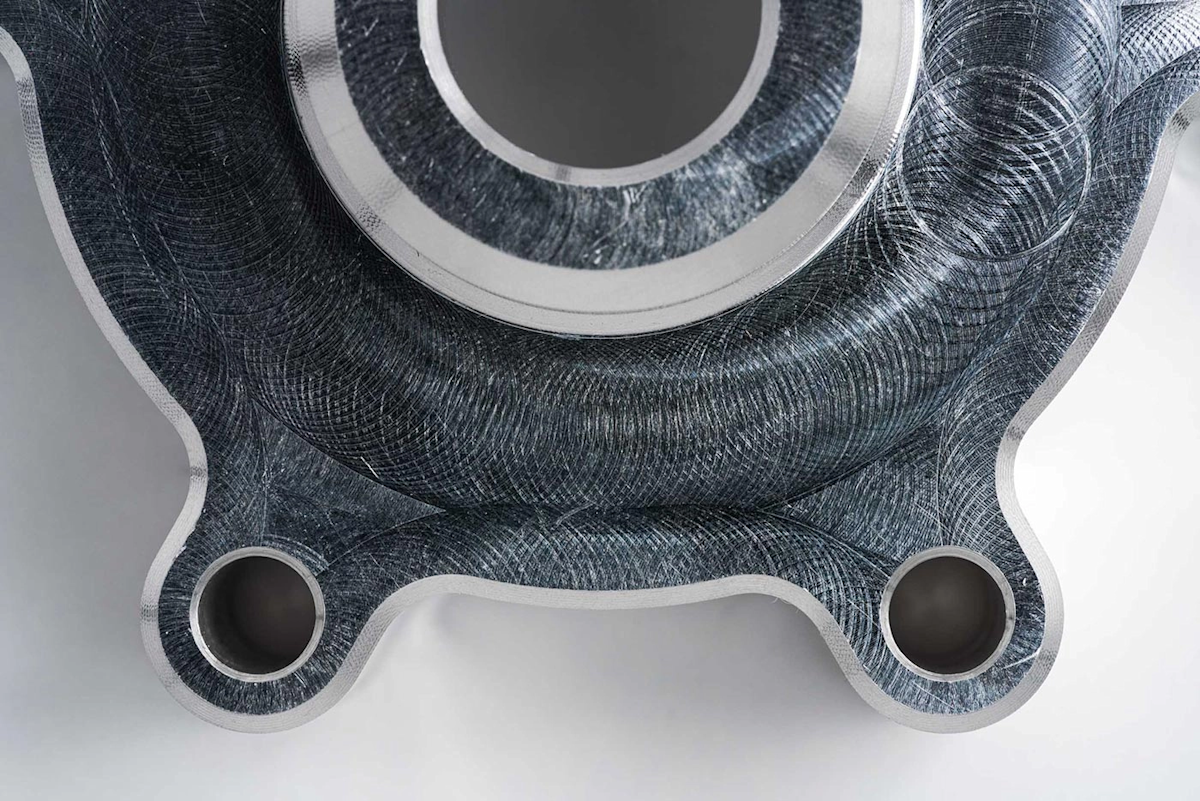
Choose a finish by what the prototype has to prove. A fit check needs no finish at all, while a customer sample should look like the production part. Finishing is done in-house, so finished prototypes ship from one place.
As Fabricated
Parts are deburred with no added finish. It is the fastest and most economical option, and it is enough for fit and function checks.
Bead Blasting
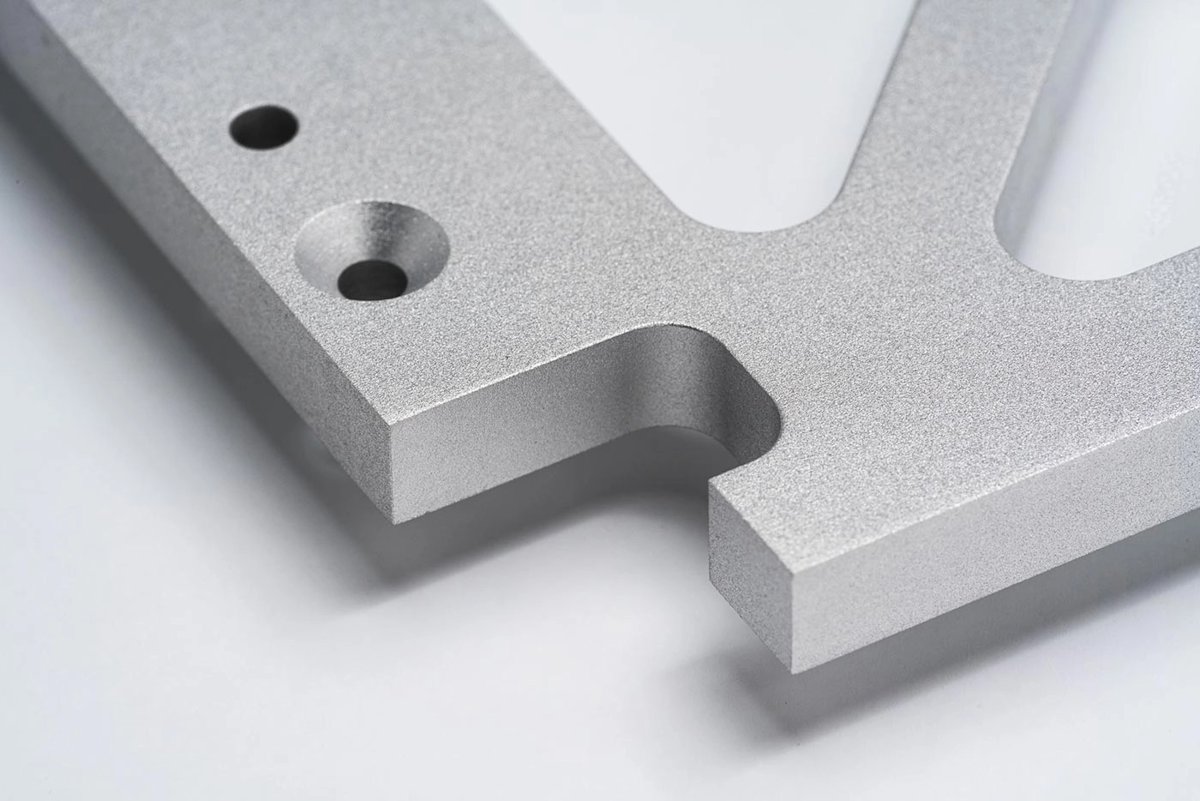
Bead blasting gives sheet metal parts a uniform matte surface and hides light marks from cutting and forming. It is often used before anodizing.
Powder Coating
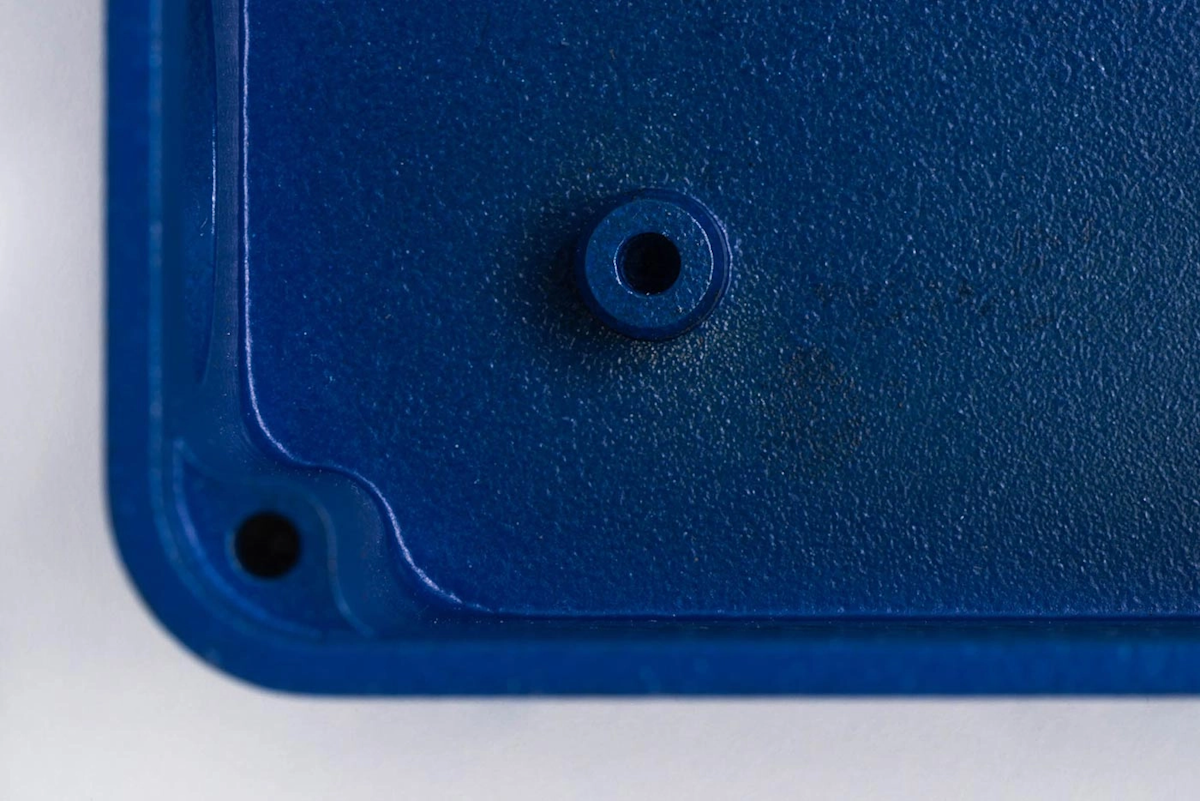
Powder coating adds a durable colored layer to steel and aluminum sheet metal parts. It protects against corrosion and wear and comes in a wide range of colors.
Brushing
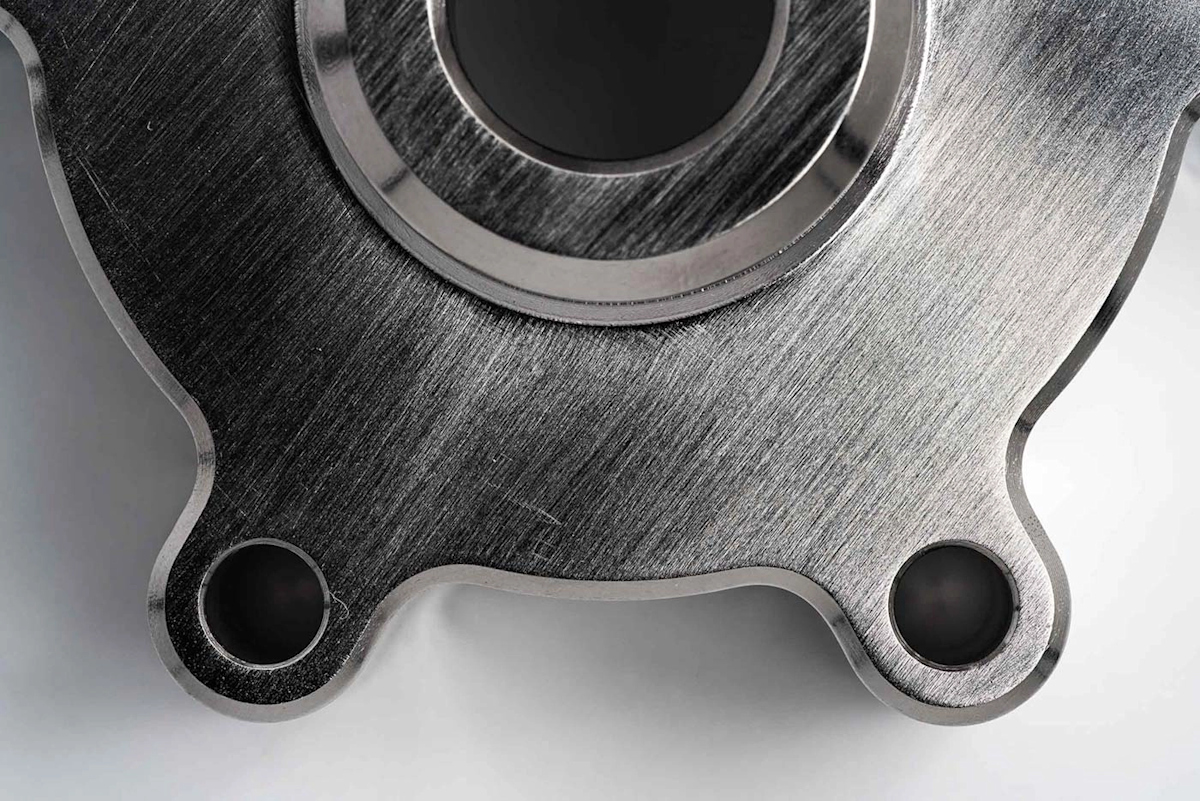
Brushing leaves a directional satin grain on stainless steel and aluminum. It suits visible panels and covers that need a clean, consistent look.
Polishing
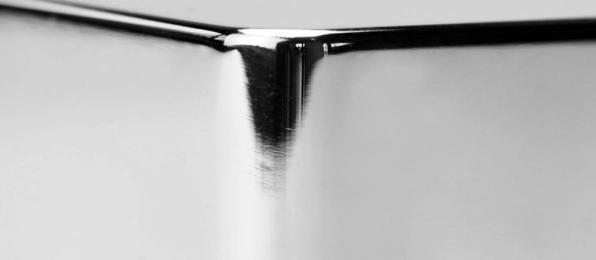
Polishing produces a smooth or mirror surface on stainless steel and other metals. It is chosen for cosmetic parts and surfaces that must be easy to clean.
Black Oxide
Black oxide gives steel parts a dark, low-glare finish with mild corrosion resistance and almost no change in dimensions.
What Drives Sheet Metal Prototype Cost?
Sheet metal prototype cost depends on material and thickness, the number of bends, welding and assembly time, finish and quantity. Flat or simply bent parts cost least. Welded, coated assemblies cost more. For thin-walled parts, sheet metal prototyping is usually cheaper than CNC machining because little material is cut away. Avoid the common cost drivers: non-standard thickness, holes too close to bends, sharp inside bends and machining-level tolerances on formed features. Send your files for an exact quote within 24 hours.
How to Order Sheet Metal Prototypes
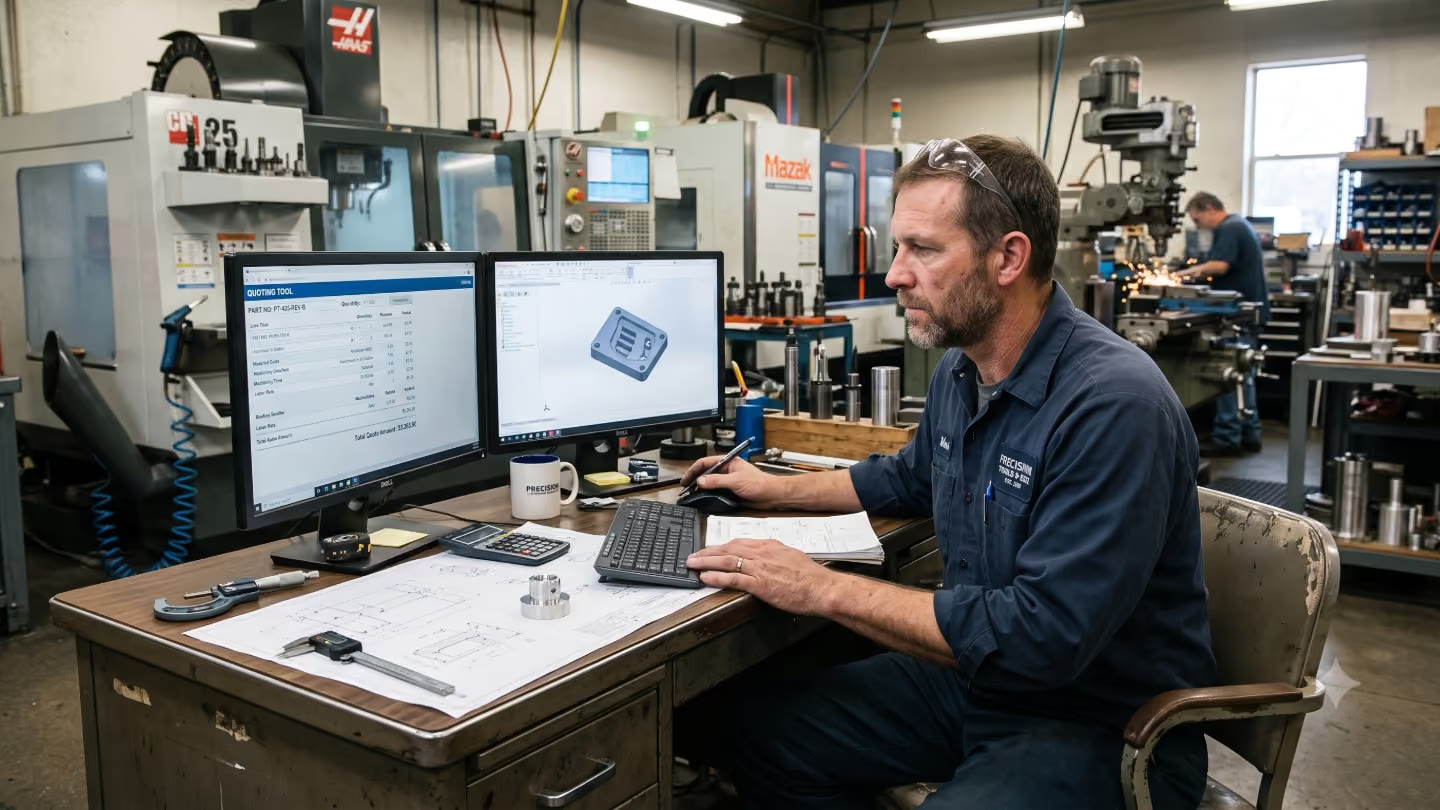
Ordering takes five steps. First, upload a 3D model in STEP, IGES or STL format and a 2D drawing in PDF or DWG showing material, thickness, tolerances and finish. Second, receive a quote with DFM feedback within 24 hours. Third, approve the quote. Fourth, your parts are laser cut, formed, joined and finished. Fifth, parts are inspected against the drawing, packed carefully and shipped.
Our products are of superior quality and we offer precision-engineered components in a cutting-edge CNC machine and a skilled workforce. We trust in transforming your ideas into dependable and high performance parts every time.
Why Choose Tuowei?
Why
/01
High Quality Parts
We ensure that at Tuowei, our quality parts are of high quality because of the close inspection and the most recent CNC machining, whereby each part will be of your specifications with excellent consistency and finish.
/02
Fast Turnaround
We have a lean process and the latest CNC equipment that enables us to produce personalized parts with faster speeds without affecting their quality and thus your project will be on time and your deadlines will never be missed.
/03
Expert Engineering Support
Take advantage of our skilled engineering staff to design to production with the best CNC machining plans, manufacturability, low costs, and performance of any project.
Let’s Build What’s Next Together
Partner with Tuowei Precision to Shape Your Vision
From rapid prototypes to scalable production, Tuowei Precision delivers reliable CNC machining with accuracy and consistency at every step. Start your project today.
Whether you need one sheet metal prototype or a production run, the same cutting and forming process covers every stage.
Rapid Prototyping
Prototype sheet metal fabrication proves fit, function and assembly before you commit to production. Laser cutting and bending need no tooling, so design changes are quick and inexpensive.
Lead Time: 1-5 business days
Capability: 1-100 pcs
Get 20% off the price
Low Volume Manufacturing
Low-volume sheet metal fabrication bridges the gap between prototype and production. The flat patterns, bend sequences and weld fixtures proven on the prototype are reused.
Lead Time: 5-15 business days
Capability: 101-10,000 pcs
Meet tight specifications
End-use Production
For end-use production, the same sheet metal process runs at volume with documented inspection, so the parts you tested are the parts you ship.
Lead Time: 2-4 weeks
Capability: Above 10,001 pcs
Consistent Quality
Explore Insights & Innovation
Read our latest guides on sheet metal fabrication, materials and design.
It is making a small quantity of sheet metal parts, usually 1 to 100, to test a design before production. The parts are cut, bent and joined with production methods.
How do I manufacture a sheet metal prototype?
Send a 3D model and a drawing, confirm material and thickness, review the DFM feedback and approve the quote. The parts are then laser cut, formed, joined, finished and inspected.
What is the process of sheet metal fabrication?
Cutting the flat pattern, forming or bending it into shape, joining parts by welding or fasteners, and finishing the surface.
How long does a sheet metal prototype take?
Prototype orders of 1 to 100 pieces typically take 1 to 5 business days, depending on welding and finishing.
Which material is best for a sheet metal prototype?
The one planned for production. Aluminum is common for light enclosures, stainless steel for corrosion resistance and steel for low-cost structural parts.
Is sheet metal prototyping cheaper than CNC machining?
For thin-walled parts such as enclosures and brackets, yes, because little material is wasted. For thick or solid parts, CNC machining is the better fit.
Can you take a sheet metal prototype into production?
Yes. The same cutting and forming process covers low-volume manufacturing of 101 to 10,000 pieces and larger production runs.
What files do you need for a quote?
A 3D model in STEP, IGES or STL format and a 2D drawing in PDF or DWG showing material, thickness, tolerances and finish.