
Tuowei Precision manufactures custom RF shielding enclosures for electronics, telecom modules, test fixtures and vehicle systems. We machine, die cast and fabricate RF shielded boxes and covers with continuous seams, accurate gasket grooves and conductive finishes, so the enclosure you design keeps interference out and emissions in.
An RF shielded enclosure works like a Faraday cage. A continuous metal barrier around sensitive equipment reflects and absorbs electromagnetic interference (EMI), so external interference cannot reach the circuit and radio frequency signals from inside cannot leak out. This electromagnetic shielding is what gives RF isolation. Shielding effectiveness is measured in dB: every 20 dB of attenuation cuts the field strength by a factor of ten.
In practice, the metal walls are rarely the weak point. Leakage comes from seams, lid joints, cable entries, ventilation openings and fasteners spaced too far apart. An aperture only a fraction of the wavelength long can act as an antenna at several GHz. Good enclosure design is mostly about controlling these apertures.
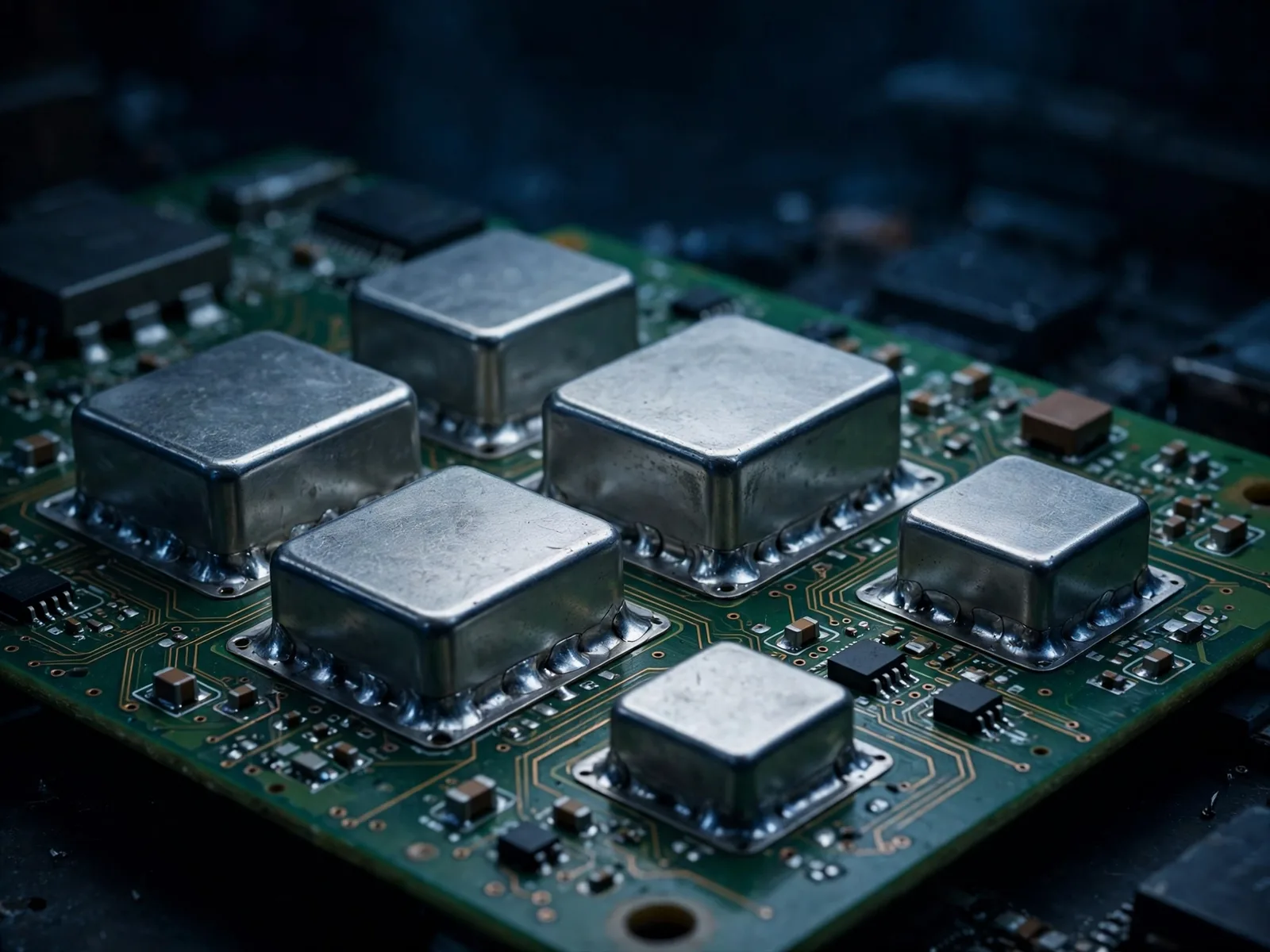
Milled from solid aluminum, these enclosures give the tightest seams and can include internal walls that isolate circuits from each other, a common need in RF modules and filters. Machining suits prototypes and small to medium volumes.
Bent and welded or riveted sheet metal enclosures, shielding cans and covers are cost-effective for larger boxes and higher volumes. Our sheet metal fabrication covers laser cutting, bending, welding and PEM hardware.
For thousands of identical housings, die cast aluminum enclosures cut cost per part. We then machine the lid faces and gasket grooves so they seal evenly.
Test labs and production lines use benchtop RF test boxes to create a controlled environment around a device under test. We manufacture the enclosure body, doors and panels to your design; the filtered connectors, absorbers and test interfaces are specified by your team.
Walk-in shielded rooms and magnetic resonance imaging (MRI) shielding are built from modular panel systems by specialist installers, and we do not supply them. Our focus is the enclosures and boxes that sit around electronics.
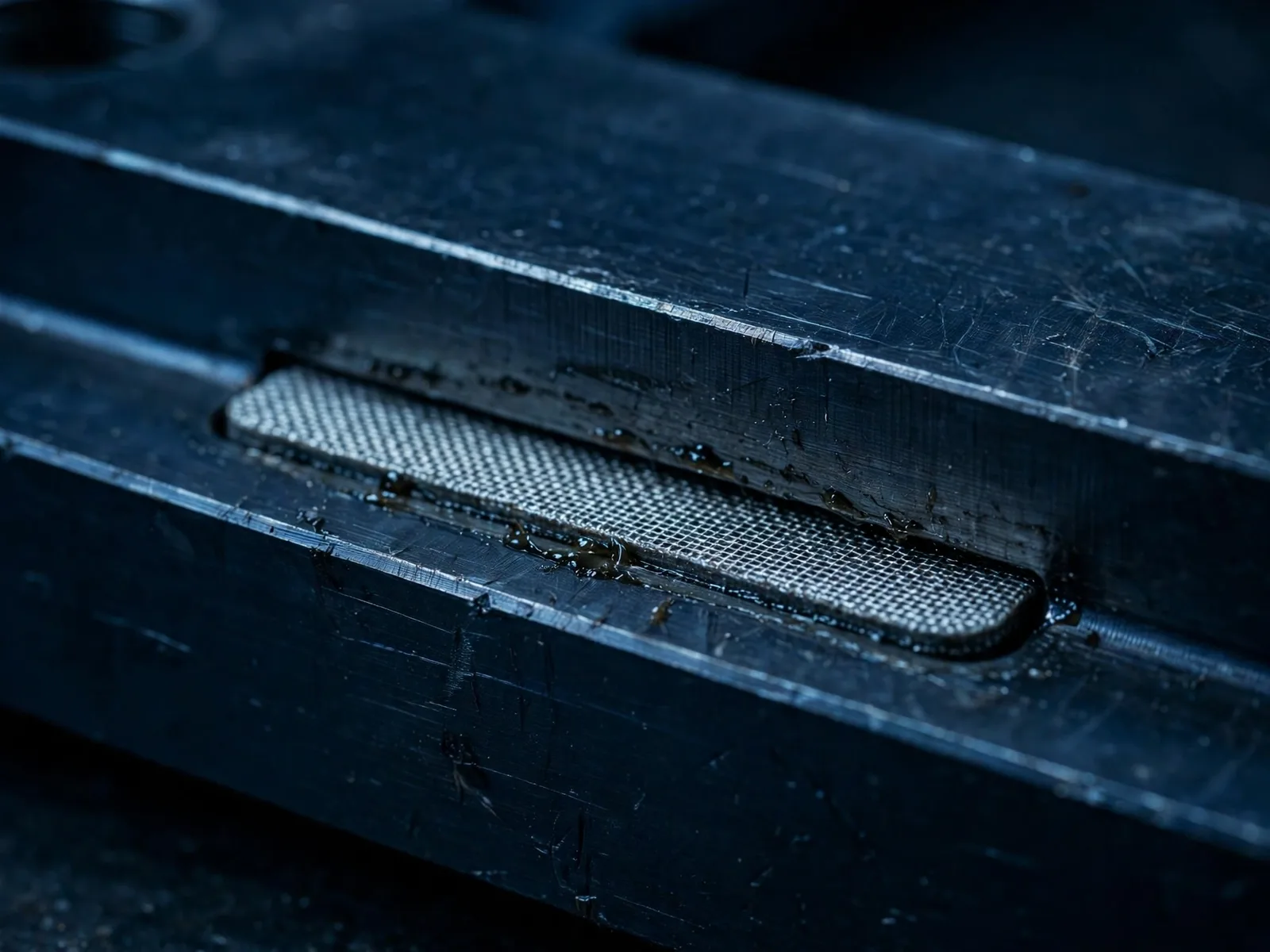
Most shielding problems are designed in, not machined in. These are the points we check on every drawing:
Connectors that pass through the wall should be bulkhead types with a seal. Our guide to RF connector types explains which interfaces suit panel mounting.
| Material | Strengths | Notes |
|---|---|---|
| Aluminum 6061 / 5052 | Light, good electrical conductivity, easy to machine | Needs a finish such as chromate conversion coating |
| Copper | Excellent conductivity, strong high-frequency shielding | Heavier and costlier; tarnishes without plating |
| Steel and stainless steel | Better magnetic shielding at low frequency | Heavier; zinc plating protects carbon steel |
| Tin-plated steel | Solderable shielding cans | Common for board-level shields |
Aluminum is the usual choice for RF and microwave enclosures because it is light. Magnetic fields at 14 kHz and similar low frequencies need steel or high-permeability alloys, because magnetic permeability matters more than conductivity there. Watch for galvanic corrosion where dissimilar metals and seals meet, especially outdoors. See our surface finishes for chromate conversion coating, electroless nickel and plating options.
For telecom housings and outdoor enclosures, see our telecom equipment manufacturing page. For bulkhead connector parts, see our custom RF connector manufacturing service.
Our quality system is certified to ISO 9001:2015, AS9100D and ISO 13485. We inspect lid flatness, groove dimensions and hole positions on a CMM, and check finish coverage on contact areas. Electromagnetic compatibility (EMC) testing is done by your team or an accredited lab against your testing requirements; we supply dimensional reports so results trace back to the parts.