
- Home
- »
- CNC Machining Services
- »
- Titanium CNC Machining Service
Titanium CNC Machining Service
Choose Tuowei Precision for titanium CNC machining backed by experienced engineering support. From rapid prototypes to production parts, we deliver custom components with consistent accuracy, quality finishes, and efficient turnaround times.
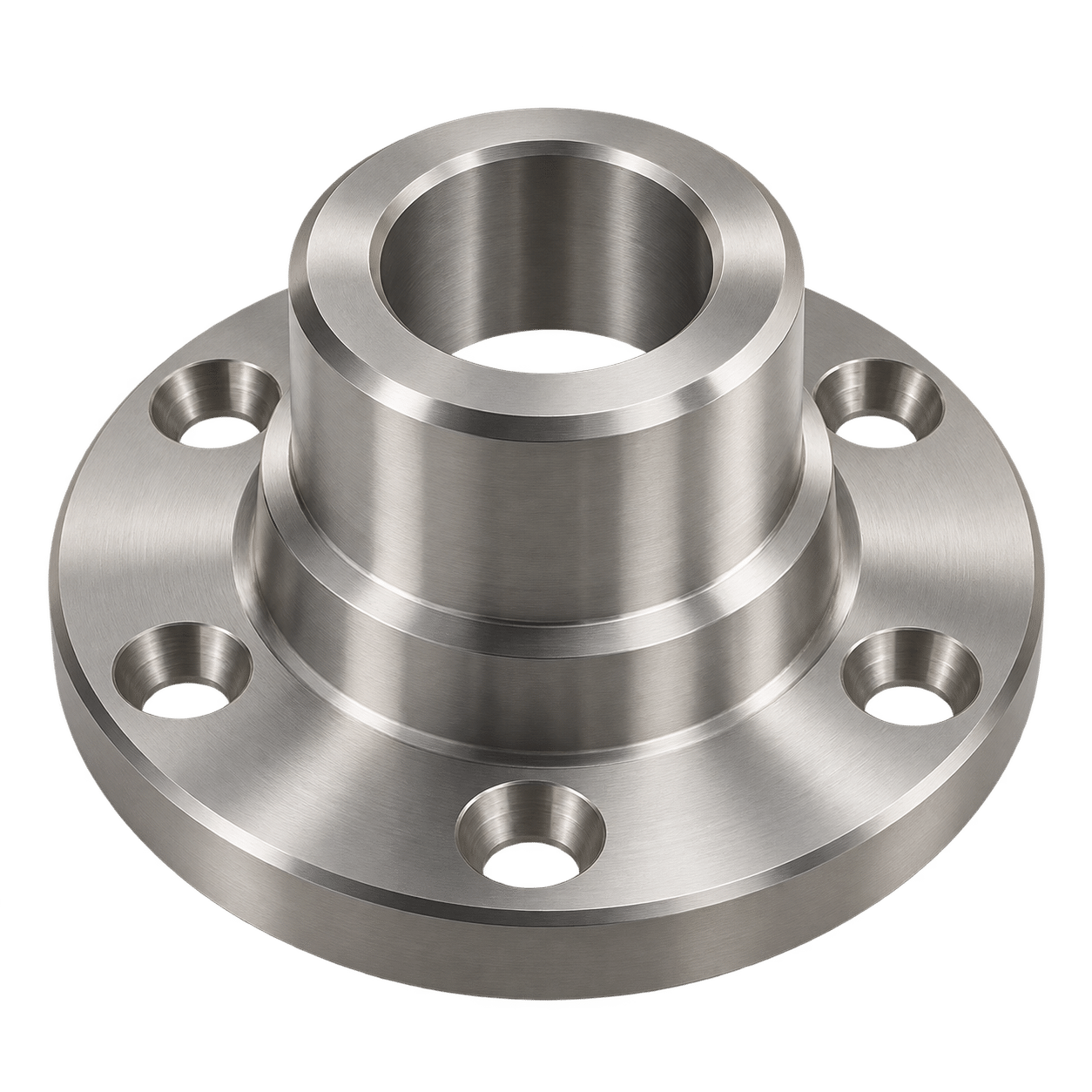
Titanium in CNC Machining
Titanium is a valuable material for CNC machined components that require high strength, low weight, and excellent corrosion resistance. Approximately 40% lighter than steel, it offers an impressive strength-to-weight ratio for demanding engineering applications. Titanium is available in commercially pure grades, containing small amounts of elements such as oxygen and iron, as well as alloyed grades developed for increased strength. Its combination of mechanical performance, corrosion resistance, and the biocompatibility of suitable grades makes it a popular choice for precision parts in aerospace, automotive, medical technology, energy, and chemical processing industries.
| Available Titanium | Titanium Alloy TA1, Alloy TA2, Alloy TC4/Ti-6Al 4V |
| Price | $ |
| Lead time | Under 10 days |
| Wall thickness | 0.75 mm |
| Tolerances | ±0.125 mm (±0.005 in) |
| Max part size | 200 x 80 x 100 cm |
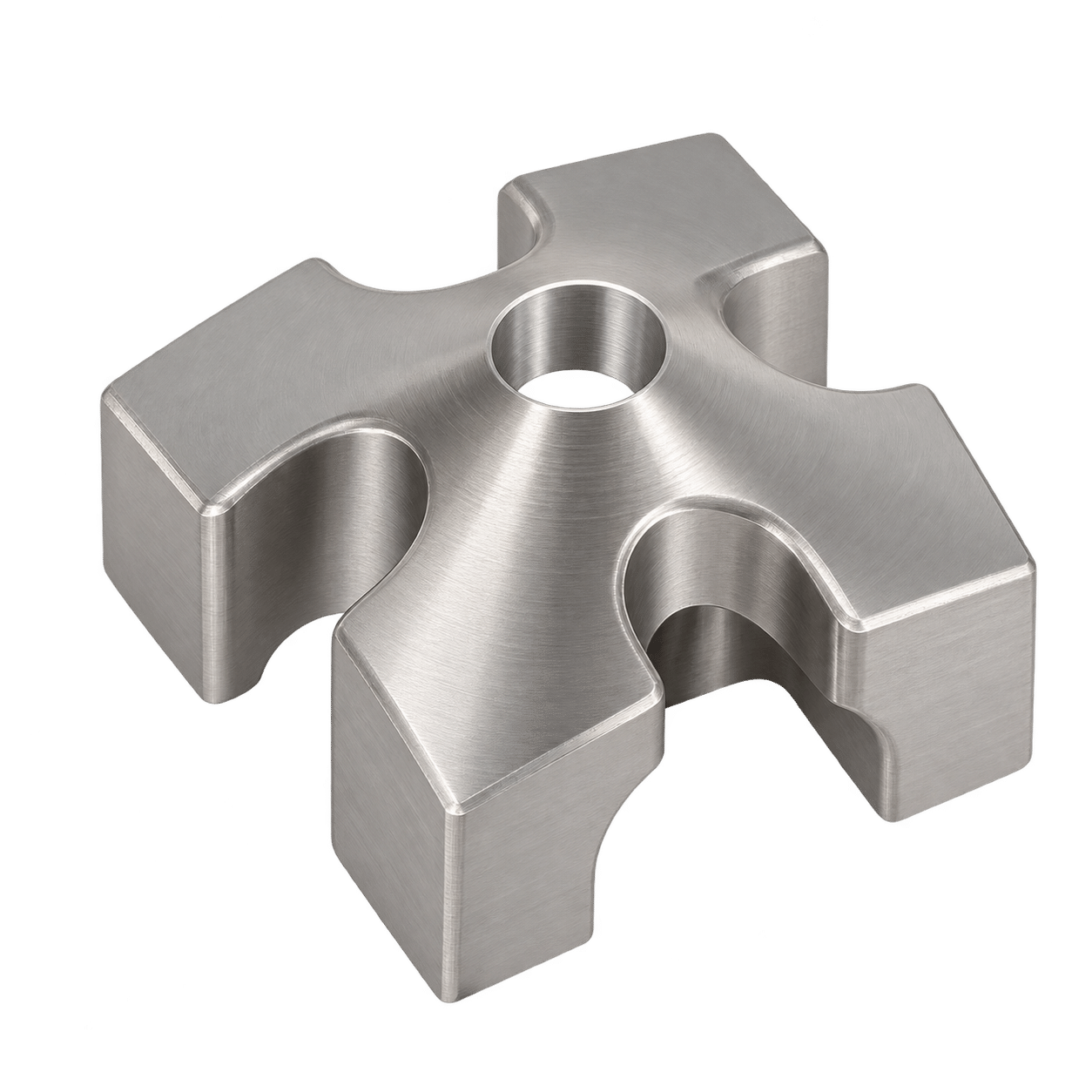
Titanium CNC Machining Materials
Titanium TA1
Titanium TA1 is a commercially pure grade known for its excellent corrosion resistance, high ductility, and good weldability. Its relatively low strength and excellent formability make it suitable for components requiring complex shaping. It is used in chemical processing equipment and selected medical and dental applications where the material specification meets the application requirements.
Titanium TA2
Titanium TA2 offers a balance of moderate strength, good ductility, and excellent corrosion resistance. Stronger than TA1, this commercially pure titanium grade also provides good weldability. Common applications include heat exchangers, chemical processing equipment, pressure vessels, and marine components that require reliable performance in corrosive environments.
Titanium Alloy TC4 / Ti-6Al-4V
Titanium TC4, commonly known as Ti-6Al-4V, contains approximately 6% aluminum and 4% vanadium, with titanium as the main constituent. It combines high strength, low weight, and good fatigue resistance, making it a popular choice for demanding CNC machined parts. Typical applications include aerospace structures, engine components, fasteners, and other precision engineering components.

Advantages and Limitations of Titanium CNC Machining
Outstanding Strength-to-Weight Ratio: Delivers structural strength comparable to high-strength steels at roughly half the weight, making it an essential metal for weight-sensitive aerospace and defense parts.
Superior Corrosion & Chemical Resistance: Naturally forms a protective passive oxide layer that resists saltwater, chlorides, harsh chemicals, and aggressive industrial environments.
Certified Biocompatibility: Non-toxic, non-allergenic, and naturally compatible with human bone and tissue, making it the industry standard for orthopedic implants, prosthetics, and surgical devices.
Extreme Mechanical Durability: Resists structural fatigue, cracking, and high-load mechanical wear under severe dynamic stress and operational cycles.
Low Coefficient of Thermal Expansion (CTE): Retains structural rigidity and dimensional accuracy across wide temperature fluctuations without warping or distorting.
Non-Magnetic & EMI Neutral: Completely non-magnetic, making it suitable for diagnostic medical equipment (such as MRI components), sensitive sensors, and electronic housings.
oor Thermal Conductivity (Heat Buildup): Low thermal dissipation concentrates extreme heat at the cutting edge, accelerating tool degradation; Tuowei resolves this with high-pressure, through-spindle cooling and optimized feed rates to safely flush heat away.
Work Hardening & High Cutting Forces: Titanium rapidly work-hardens during cutting to cause chatter and vibration, which Tuowei prevents using high-rigidity workholding and multi-axis CNC setups to maintain constant chip load.
High Chemical Reactivity: High temperatures cause titanium to react with atmospheric gases and form brittle surfaces; Tuowei prevents this using specialized PVD-coated carbide tooling with strictly controlled cutting speeds.
Higher Raw Material & Tooling Costs: Raw stock and specialized cutting tools involve higher investments, which Tuowei counters via design-for-manufacturability (DFM) reviews and automated toolpaths that minimize waste and shorten cycle times.
CNC Machining Tolerances
Our CNC machines operate with precision tolerances that meet industry standards, ensuring that every part is consistently accurate and fits perfectly with other components.
| Feature Type | Typical Tolerance |
|---|---|
| General Dimensional Tolerance | ±0.025 mm (±0.001″) |
| High Precision Tolerance | ±0.005 mm (±0.0002″) |
| Hole Diameter (Drilled) | ±0.05 mm (±0.002″) |
| Hole Diameter (Reamed/Bored) | ±0.01 mm (±0.0004″) |
| Shaft Diameter (Turned) | ±0.01 mm (±0.0004″) |
| Flatness | 0.02 mm per 100 mm |
| Parallelism | ±0.02 mm |
| Perpendicularity | ±0.02 mm |
| Surface Roughness (Ra) | 1.6–3.2 μm (63–125 μin) |
| Positional Tolerance | ±0.01 mm to ±0.02 mm |
| Thread Tolerance (Cut) | 6H / 6g (ISO) or Class 2A/2B (ANSI) |
| Minimum Feature Size | 0.5 mm (0.020″) |
| Repeatability | ±0.005 mm (±0.0002″) |
Titanium CNC Machining FAQs
What is the recommended cutting speed for titanium?
The optimal surface cutting speed for titanium typically ranges between 35 and 65 meters per minute (115 to 215 surface feet per minute). Exact parameters depend on the alloy grade and cutter geometry. Tuowei maintains controlled, lower surface speeds paired with higher feed rates to prevent thermal concentration, curb tool degradation, and safeguard dimensional tolerances.
Can titanium be CNC machined?
Yes, titanium is fully machinable with CNC equipment when configured with rigid setups and specialized parameters. Machining titanium requires ultra-sharp micro-grain carbide tooling, aggressive high-pressure coolant delivery, and vibration-dampened fixturing to overcome its low thermal conductivity and avoid surface work hardening.
What RPM is needed for titanium machining?
Operating spindle speeds for titanium generally fall within 1,200 to 2,800 RPM, depending primarily on the tool diameter, alloy hardness, and operation type (milling vs. turning). Lower spindle RPMs combined with consistent chip loads are essential to reduce friction-induced heat, eliminate tool rubbing, and extend cutting tool longevity.