
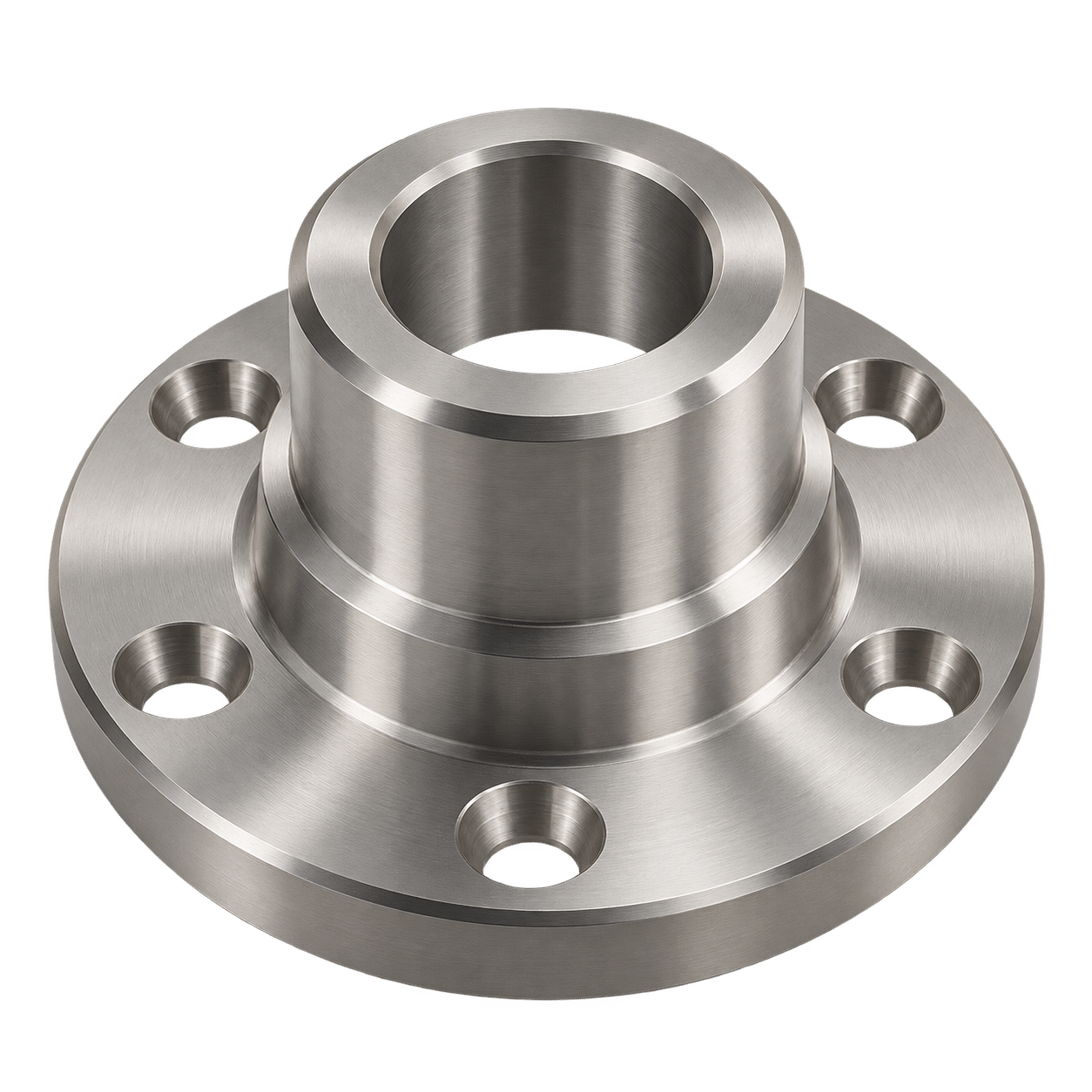
数控加工中的钛
这是一种坚固的金属,在重量仅为40%左右的情况下,能提供钢级强度,且无需涂层即可耐受海水、氯化物和大多数工业化学品。钛的这些特性,尤其是其比强度,解释了为何它在 航空航天支架, 医疗器械部件, ,船舶配件和化工设备。其代价是可加工性。钛材料导热性差,切削刃处易积热,若刀具发生摩擦还会产生加工硬化,且每公斤的价格高于铝或不锈钢。 成功的加工需要严格的工艺控制。经过多年钛材加工经验的积累,我们机加工车间的技师们通过刚性夹具、合适的刀具以及高压切削液来控制这些因素,从而确保从首件到批量生产的最后一件,定制钛材加工的质量始终可控。 我们的加工能力涵盖单件原型和批量生产。由于钛在切削过程中存在独特的技术难题,我们每项精密钛加工服务都从制定书面工艺计划开始,并可根据要求随成品钛加工件提供检验数据。.
| 可选年级 | TA1(1级)、TA2(2级)、TC4 / Ti-6Al-4V(5级) |
| 价格 | $ |
| 准备时间 | 10天以内 |
| 壁厚 | 0.75 毫米 |
| 公差 | ±0.125 毫米(±0.005 英寸) |
| 最大部件尺寸 | 200 x 80 x 100 厘米 |
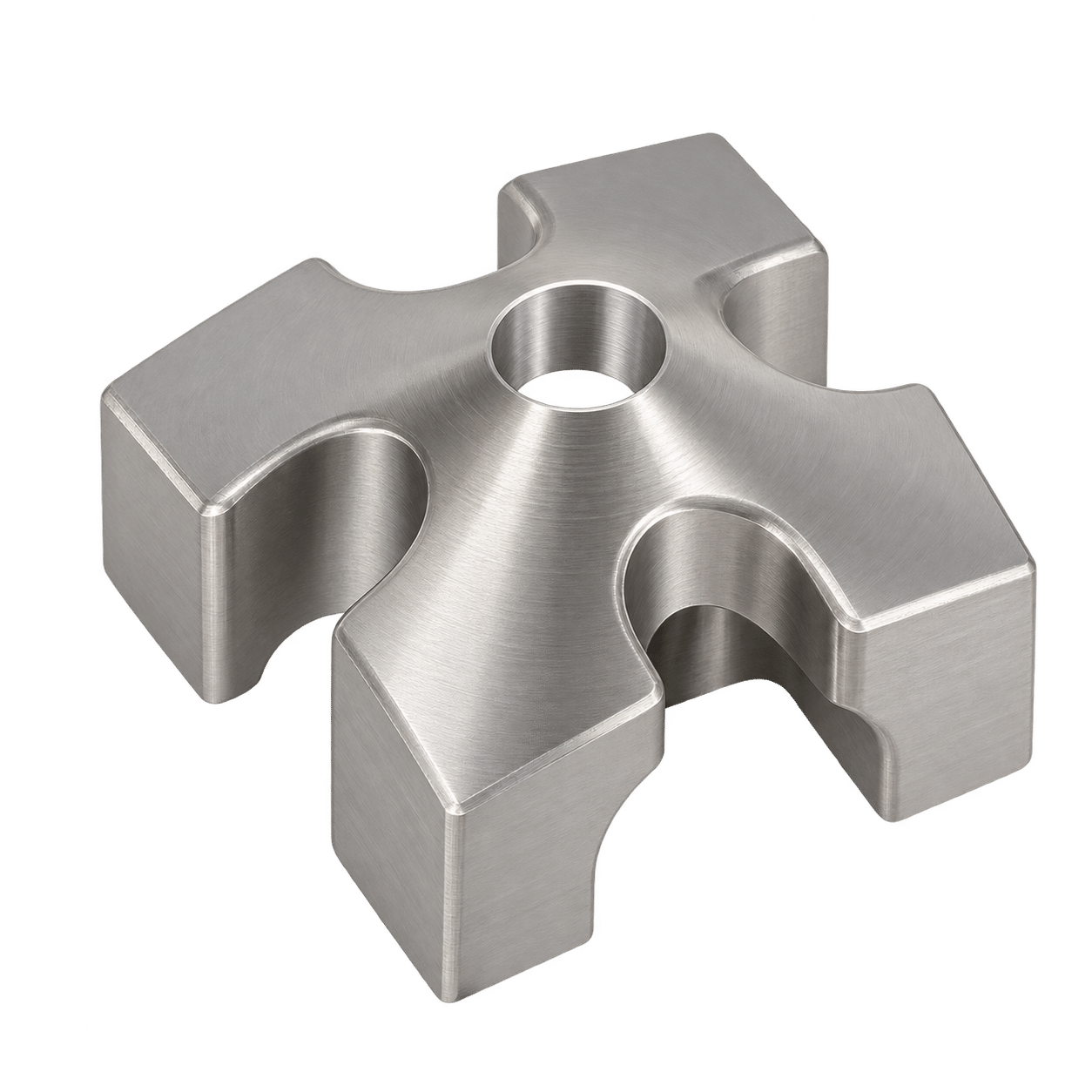
我们加工的钛合金牌号
钛及其合金分为多种不同的钛材等级,但大多数机加工零件所用的都是我们库存中适用于数控铣床和车床加工的三种高品质钛材等级之一。选择时应根据零件所承受的载荷及其工作环境来决定,而不能仅凭强度来决定。如需查看两种最常见钛材等级的并列对比,请参阅 2级钛与5级钛.
钛 TA1(1级)
TA1是商用纯钛中硬度最低的牌号。在上述三种牌号中,其硬度最低、延展性最高、成形性最佳,且具有优异的耐腐蚀性,适用于化工设备、热交换器部件以及加工后需要轻度成形的薄壁件。 在三种钛材中,它的切削加工最为容易,但由于强度较低,因此不适用于承受结构载荷。.
钛合金 TA2(2 级)
TA2 是商用纯度级中应用最广泛的主力材料。其强度高于 TA1,且焊接性能良好,耐腐蚀性与 TA1 相当,因此通常被用于压力容器、船用管件、阀体和化工厂设备。如果某部件对耐腐蚀性的要求高于强度要求,建议优先选用 TA2,而非花费更多成本选用 Ti-6Al-4V。.
钛 TC4 / Ti-6Al-4V(5级)
TC4(国际上称为Ti-6Al-4V)含有约6%的铝和4%的钒,是机械加工中应用最广泛的钛合金。 其强度约为TA2的三倍,并在高温下仍能保持良好的抗疲劳性能,因此被指定用于航空航天结构件、发动机部件、高负荷紧固件以及医疗用钛制器械。此外,在三种钛合金中,该合金的加工难度最大,因此加工周期较长,单件成本也较高。.
钛材加工的优势与局限性
它能解决铝和钢无法解决的问题,但同时也伴随着自身的代价。在决定采用该设计之前,请权衡两方面的利弊,并阅读 为什么钛难以加工 如果您的工件壁薄或有深腔,其中包含了钛材加工的实用技巧。.
- 高强度重量比: Ti-6Al-4V 的强度可与许多合金钢媲美,但重量却减轻了约 40%,这一点对于任何会飞、会动或需要被搬运的物品都至关重要。.
- 耐腐蚀性: 一层稳定的氧化膜能在海水、氯化物和多种酸性环境中保护表面,因此零件通常无需电镀或涂漆。.
- 生物相容性: 只要材料证书符合您应用所需的规格要求,这些适用的等级在医疗器械部件和植入物中很常见。.
- 抗疲劳性: Ti-6Al-4V 在反复载荷循环下表现良好,因此适用于支架、紧固件和旋转钛部件。.
- 低热膨胀率: 其热膨胀系数小于铝或不锈钢,有助于组件在温度波动时保持配合精度。.
- 非磁性: 该金属不具磁性,因此适用于传感器外壳和某些诊断设备部件。.
- 导热系数低: 切削过程中产生的热量会滞留在切削区,而非随切屑排出,这会导致切削刀具和立铣刀迅速磨损。我们通过可控切削来应对这一问题:采用主轴内冷却,并降低切削速度,同时加大进给量。.
- 加工硬化与颤振: If the tool rubs instead of cutting, the surface hardens and the next pass suffers. Rigid fixturing, climb milling and a constant chip load, often with 5-axis milling on 5轴加工 setups that reach several faces in one clamping, plus plunge milling for deep pockets, keep cutting forces steady.
- Chemical reactivity: Overheated chips can react with tool material and form a brittle surface layer. Proper cutting conditions, sharp cutting edges and TiAlN (titanium aluminum nitride) coated carbide and conservative cutting parameters prevent it.
- Higher material and tooling cost: Stock and tooling cost more than aluminum or steel, and every machining operation runs slower. Compared with traditional machining materials, titanium requires more planning, and a design for manufacturability (DFM) review before quoting often removes features that add machine time without adding function.
与图威精密携手,共同实现您的愿景
从快速原型制作到可扩展的生产,Tuowei Precision 提供可靠的数控加工服务,在每个环节都确保精度与一致性。立即启动您的项目。.
- 成熟的工程技能。.
- 全球项目支持
- 先进的数控解决方案
- 共同创造产品。.
- 可扩展的生产能力。.
- 所有上传内容均安全保密
Tolerances for Precision Machining
| 功能类型 | 典型公差 |
|---|---|
| 一般尺寸公差 | ±0.025 毫米(±0.001 英寸) |
| 高精度公差 | ±0.005 毫米(±0.0002 英寸) |
| 孔直径(钻孔) | ±0.05 毫米(±0.002 英寸) |
| 孔直径(扩孔/钻孔) | ±0.01 毫米(±0.0004 英寸) |
| 轴径(车削) | ±0.01 毫米(±0.0004 英寸) |
| 平整度 | 每 100 毫米 0.02 毫米 |
| 并行性 | ±0.02毫米 |
| 垂直度 | ±0.02毫米 |
| 表面粗糙度 (Ra) | 1.6–3.2 μm(63–125 μin) |
| 位置公差 | ±0.01毫米至±0.02毫米 |
| 螺纹公差(切削) | 6H / 6g(ISO)或 2A/2B(ANSI)级 |
| 最小特征尺寸 | 0.5 毫米(0.020 英寸) |
| 重复性 | ±0.005 毫米(±0.0002 英寸) |
审校:徐磊,图威精密工程师。最后更新时间:2026年10月。.
Titanium Machining FAQs
Can titanium be CNC machined?
Yes. Any rigid CNC machine can cut it, and a well-set CNC machine tool handles even Ti-6Al-4V. The machining process needs sharp carbide tools, stable setups and steady cooling because the metal holds heat at the tool tip. With those controls, CNC titanium work reaches tight tolerances and clean surface finishes on every grade.
Which titanium grade should I choose for my part?
Choose TA2 when corrosion resistance matters more than strength, such as marine fittings or chemical equipment. Choose TC4 (Ti-6Al-4V) when the part carries real load, such as aerospace brackets or fasteners. TA1 suits thin parts that need forming. Our engineers match your drawing to the various grades of titanium we stock and the machining methods each needs.
What are the main machining challenges with titanium?
It conducts heat poorly, so heat builds up at the tool tip instead of leaving with the chip. It also work-hardens if the tool rubs. Correct speeds and feeds, a modest depth of cut and a constant chip load are the machining strategies that solve most problems, along with advanced machining techniques such as trochoidal toolpaths.
How much does it cost to machine titanium?
The cost depends on grade, part size, geometry, tolerances, quantity and finish. Expect a higher price than aluminum because the stock costs more and cycle times run longer. Upload your CAD file for an itemized quote on your machined parts, and our DFM review will point out features that drive cost.
What cutting speed and RPM do you use for Ti alloys?
We typically run it between 35 and 65 m/min surface speed (115 to 215 SFM), with spindle speeds around 1,200 to 2,800 revolutions per minute (RPM) depending on tool diameter, grade and machining operations. Lower speed with higher feed keeps heat down, protects the tool and holds accuracy on precision components.
What are your typical titanium applications?
Our machined titanium parts serve aerospace, medical devices, the automotive industry, robotics, energy and chemical processing. Typical CNC parts include brackets, housings, fittings, fasteners and manifolds. As one of the titanium machining companies offering computer numerical control machining and precision manufacturing in-house, we supply 检查报告 and material certifications on request.