
Prototype Injection Molding Service
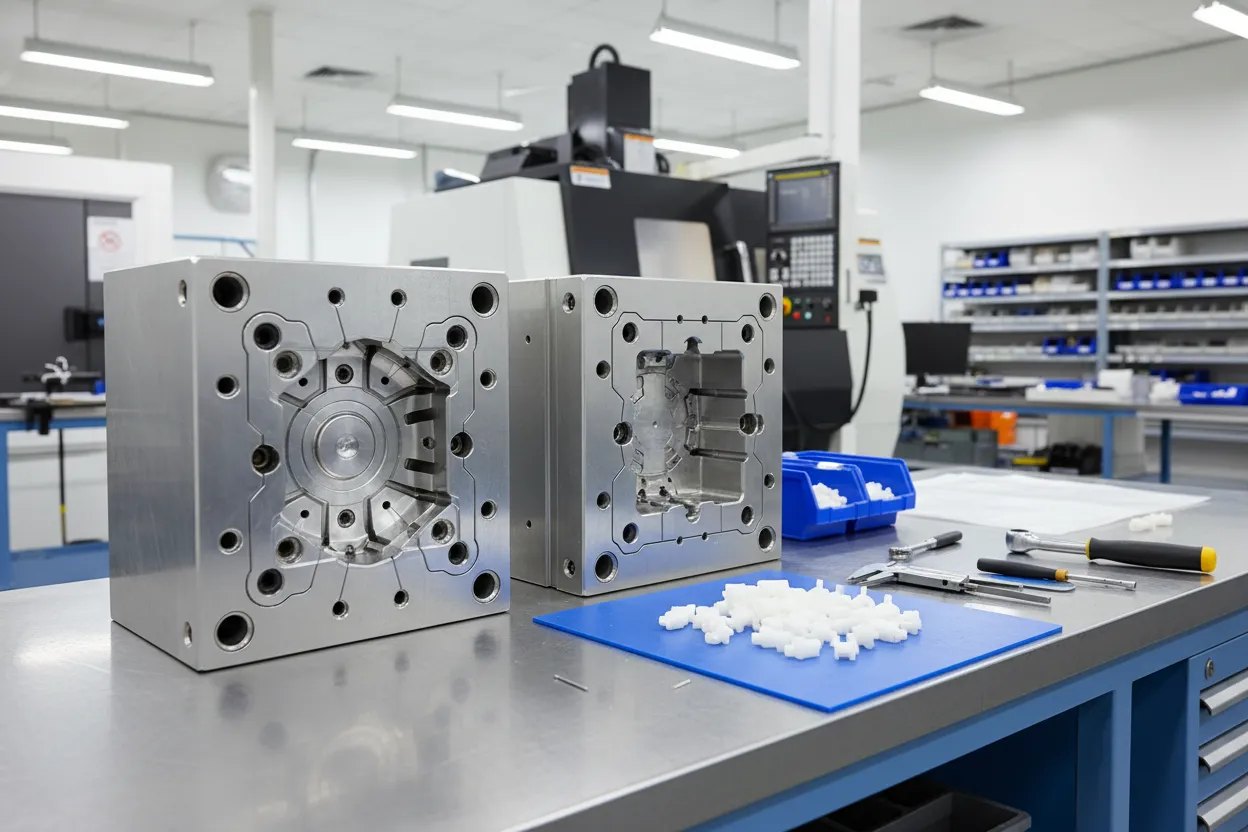
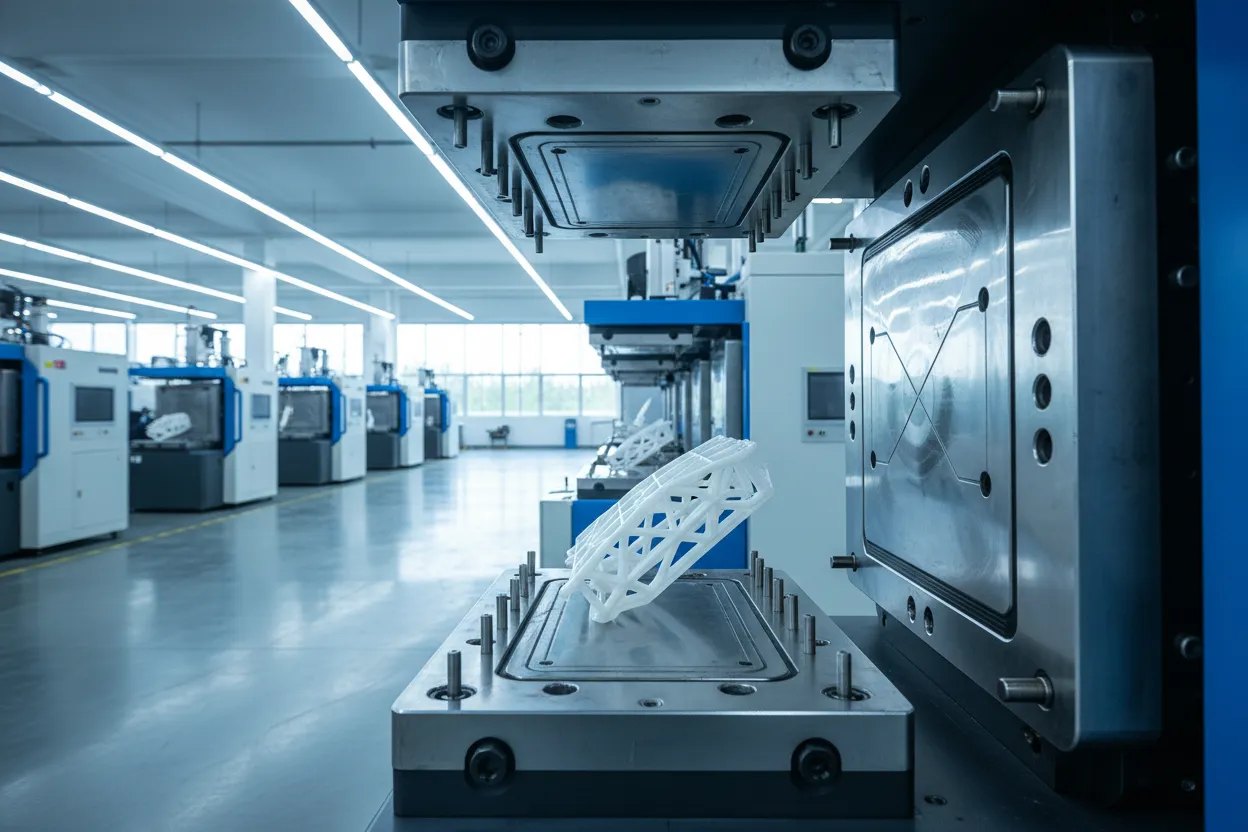
Tuowei Precision makes injection molded prototypes in production plastics, so you can test real molded parts before investing in production tooling. We build the prototype injection mold, mold the parts and give design feedback, all in one facility in Shenzhen. Quotes are returned within 24 hours with DFM feedback on your part design.
- Express service available
- ISO 9001:2015, AS9100D, ISO 13485
- Tolerances down to ±0.005 mm
- 80+ engineering-grade metals and plastics
- All uploads are secure and confidential
What Is Prototype Injection Molding?
Prototype injection molding is the production of a limited number of molded parts from a simplified, lower-cost mold. The parts are made by the real injection molding process, in the real material, so they behave like production parts. The prototype mold is built faster and more simply than a production injection mold, and it is designed for hundreds or thousands of shots, not hundreds of thousands.
It is sometimes called rapid prototype injection molding, prototype tooling, bridge tooling or rapid tooling. All describe the same idea: get molded prototypes quickly, learn from them, and then commit to production tooling with confidence.
Why Prototype With Injection Molding Instead of 3D Printing?
3D printing is excellent for early shape checks. It cannot tell you how a molded plastic part will really perform. A common sequence is 3D printing for the first concept, vacuum casting or CNC machining for a handful of functional samples, then prototype injection molding once the design is nearly final.
| Injection Molded Prototypes | 3D Printed Prototypes | |
|---|---|---|
| Material | The production resin | A printable substitute |
| Strength and stiffness | Same as production parts | Different, often directional |
| Surface finish | Molded finish, textures possible | Layer lines, needs post-processing |
| Reveals molding issues | Yes: sink, warp, weld lines, gate marks | No |
| Cost for 1–10 parts | Higher, a mold is needed | Lowest |
| Cost for 100–1,000+ parts | Lower per part | High per part |
Prototype Injection Molding Services for Custom Parts
Injection mold tooling and plastic injection molding are both in-house, so one supplier takes your design from prototype tooling to production runs. Overmolding and insert molding can be prototyped the same way.
The prototype injection mold is designed and machined on our CNC and EDM equipment. Simplified construction keeps cost and build time down for limited runs and design validation.
Sample parts are molded and measured against the drawing, dimensions and appearance are tuned, and the agreed quantity is molded, inspected and packed.
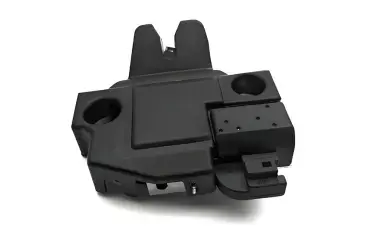
A second material is molded over a first. Prototyping it confirms bonding and feel before production tooling is built.
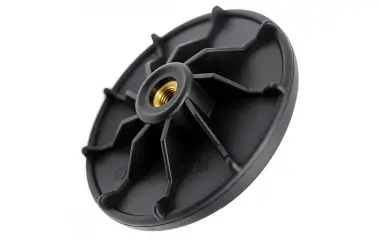
Metal inserts such as threaded bushings are molded into the plastic part. A prototype run confirms insert retention and position.
Materials for Injection Molded Prototypes
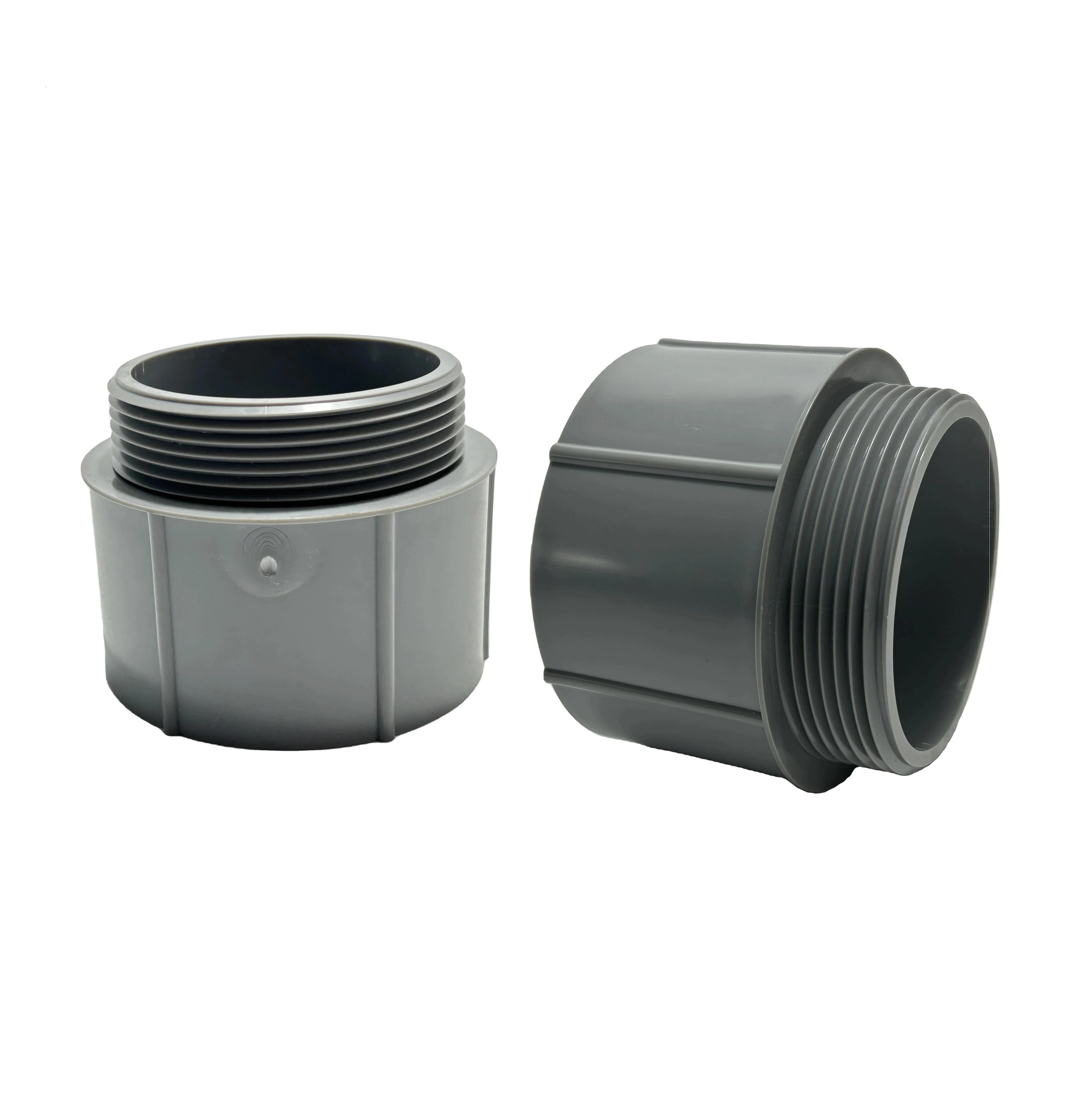
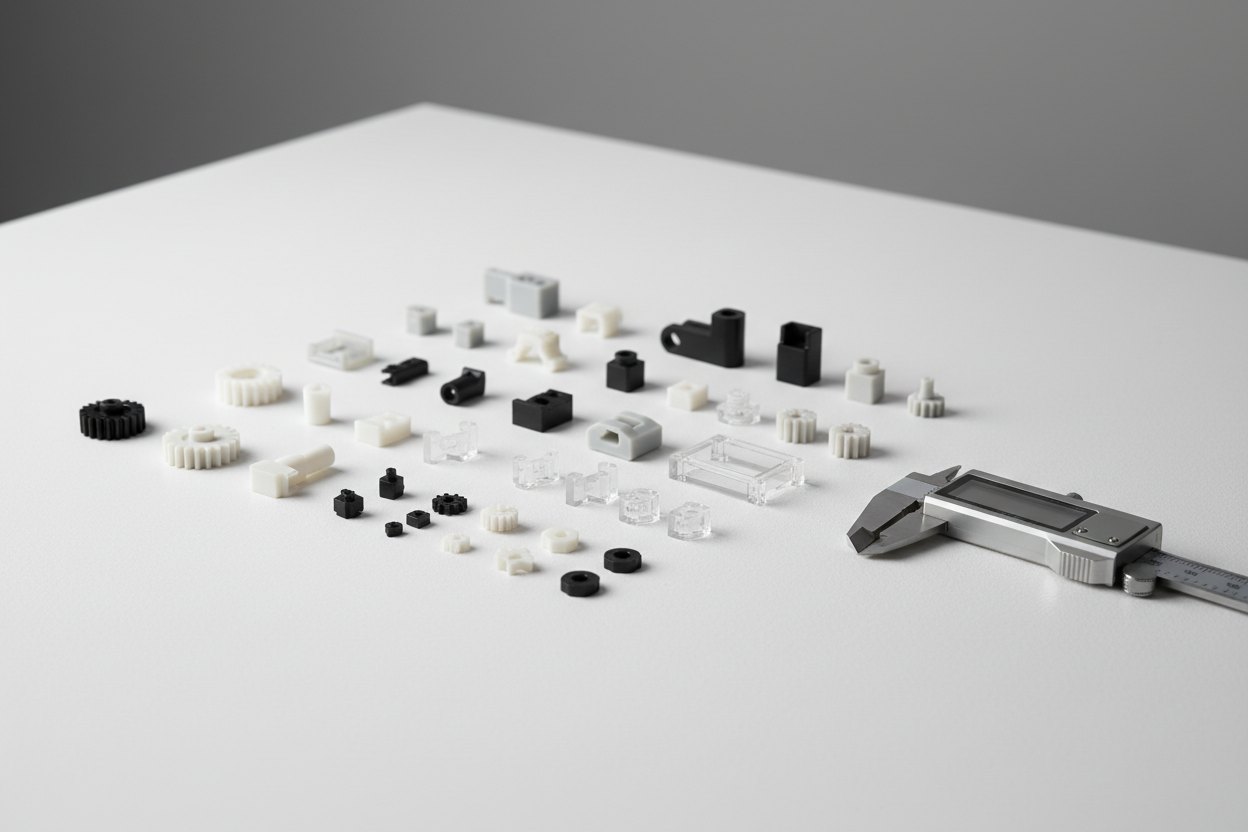
Prototype in the resin you plan to use in production. Changing material later changes shrinkage, and with it your dimensions. ABS is tough with a good surface for housings and consumer products. Polycarbonate is impact resistant with transparent grades for covers and lenses. PMMA is clear and scratch resistant for light guides and windows. Nylon PA6 and PA66 are strong and wear resistant for gears and clips. POM is stable with low friction for moving parts. PEEK handles high temperature and chemicals for demanding engineering parts.
Prototype Molds vs Production Molds
A prototype mold is built to learn, validate and bridge. It usually has one cavity, a simplified design with hand-loaded inserts instead of automatic slides where possible, and a life of hundreds to thousands of shots. A production mold is built for the lowest cost per part at volume, with hardened tool steel, full automation and a life of hundreds of thousands of shots or more. Tell us the quantity you need now and the volume you expect later, and we will recommend the tool type that fits.
Is Prototype Injection Molding Right for Your Project?
It is the right choice when product design is nearly final and you need production quality plastic parts, not just shapes. If the design is still changing weekly, 3D printing or CNC machining is the low cost option until the geometry settles.
| Your Situation | Best First Step |
|---|---|
| 1 to 10 parts, design still changing | 3D printing or CNC machining |
| 10 to 50 parts in a production-like material | Vacuum casting |
| 50 to several thousand parts in the production resin | Prototype injection molding |
| Tens of thousands of parts and up | Production injection molding |
Design Tips for Prototype Molded Parts
These guidelines keep prototype molds simple and parts free of common molding defects. Each one is checked in our DFM review.
| Feature | Specification / Guideline |
|---|---|
| Wall thickness | Keep it uniform. It is the most effective way to avoid sink and warp. |
| Draft | Add one to two degrees per side so parts release cleanly. |
| Undercuts | Avoid unnecessary undercuts. Each one adds a slide or a hand-loaded insert. |
| Ribs | Use ribs instead of thick sections for stiffness. |
| Corners | Round internal corners to reduce stress and improve flow. |
| Critical dimensions | Mark them and tolerance only the features that control fit. |
| Surface finish | Decide early. Polished and textured surfaces affect draft and tooling. |
What Affects Injection Molding Prototype Cost?
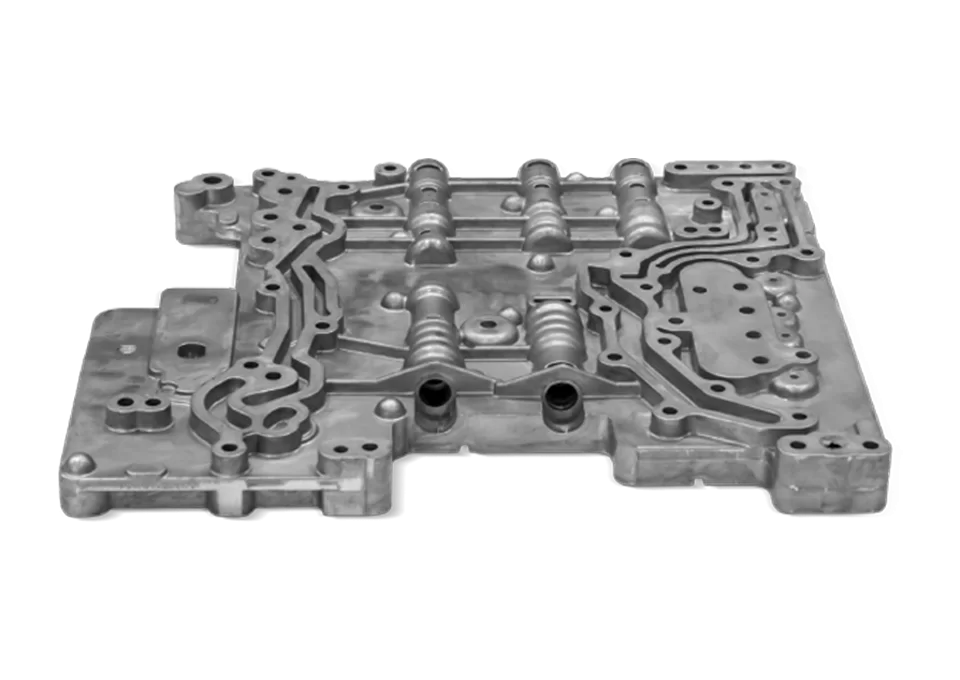
The mold is the main cost of a prototype injection molding project. It depends on part size and complexity, tool material and expected mold life, number of cavities and surface finish. Engineering resins cost more than commodity plastics. Per-part cost falls quickly as quantity rises, which is why molding becomes cheaper than 3D printing somewhere in the low hundreds of parts for many designs. Lead time depends mainly on tooling, and the quote states tooling time and molding time separately.
How to Order Injection Molded Prototypes
Ordering takes five steps. First, upload a 3D model in STEP or IGES format and a 2D drawing with material and critical dimensions. Second, receive a quote with a DFM review of draft, wall thickness, undercuts and gate location within 24 hours. Third, approve the quote and the prototype mold is built. Fourth, first shots are molded, measured and adjusted. Fifth, your parts are molded, inspected, packed and shipped.
Our products are of superior quality and we offer precision-engineered components in a cutting-edge CNC machine and a skilled workforce. We trust in transforming your ideas into dependable and high performance parts every time.
Why Choose Tuowei?
We ensure that at Tuowei, our quality parts are of high quality because of the close inspection and the most recent CNC machining, whereby each part will be of your specifications with excellent consistency and finish.
We have a lean process and the latest CNC equipment that enables us to produce personalized parts with faster speeds without affecting their quality and thus your project will be on time and your deadlines will never be missed.
Take advantage of our skilled engineering staff to design to production with the best CNC machining plans, manufacturability, low costs, and performance of any project.
Partner with Tuowei Precision to Shape Your Vision
From rapid prototypes to scalable production, Tuowei Precision delivers reliable CNC machining with accuracy and consistency at every step. Start your project today.
- Established engineering skills.
- Global project support
- Advanced CNC solutions
- Co-creation of products.
- Expandable capacity of production.
- All uploads are secure and confidential
Explore Insights & Innovation
Read our latest guides on injection molding, tooling and design.
Frequently Asked Questions
Prototype Injection Molding
What is prototype injection molding?
It is molding a limited number of parts from a simplified mold to test a design in the production material before building production tooling.
How much does a prototype injection mold cost?
It depends on part size, complexity, tool material and expected mold life. Send your 3D file for an exact quote within 24 hours.
How long does prototype injection molding take?
Lead time depends mainly on tooling. The quote states the tooling time and the molding time for your part.
How many parts can a prototype mold make?
Typically from hundreds to several thousand, depending on the tool material and the resin.
Is prototype injection molding better than 3D printing?
For testing real material behavior, moldability and appearance, yes. For one or two early concept models, 3D printing is faster and cheaper.
Can the prototype mold be used for production?
It can supply bridge production in low volumes. For high volumes, a hardened production mold is more economical per part.
What are the main types of injection molding?
Standard plastic injection molding, overmolding, insert molding and liquid silicone rubber molding are the most common.
What materials can you mold?
ABS, PC, PMMA, nylon PA6 and PA66, POM and PEEK, among others. Tell us the grade on your drawing.