On-demand manufacturing means parts are made only when an order arrives, in the quantity that order needs, instead of being built in large batches and held in a warehouse. A buyer uploads a CAD file, gets a quote, approves it, and the parts are produced and shipped. There is no minimum run and no stock sitting on a shelf.
That model only works because the steps around production have become digital: quoting, design review, scheduling and quality records. This guide explains how the process runs, where it beats traditional sourcing, where it does not, and what to check before you place an order. If you already know what you need, our on-demand production service page covers how ordering works with us.
The simplest definition: production is triggered by demand, not by a forecast. Traditional manufacturing usually runs the other way. A company predicts how many parts it will sell, orders a large batch to bring the unit price down, and stores whatever it cannot use yet.
Manufacturing on demand flips that. Each order is quoted and produced on its own, often within days for machined or printed parts. The buyer pays a higher price per piece than a 50,000-unit run would cost, but avoids tooling commitments, storage, and the risk of being left with parts nobody needs after a design change.
You will see other names for the same idea: on-demand production, digital manufacturing, and manufacturing as a service. They overlap. The common thread is that the buyer’s design file, not a production schedule, starts the work.
Most orders follow the same five stages.
Step 2 is where most delays come from. A missing drawing, an unclear thread callout, or a tolerance nobody can hold sends the job back for questions. Sending a complete drawing with the first upload usually saves more time than any rush fee.
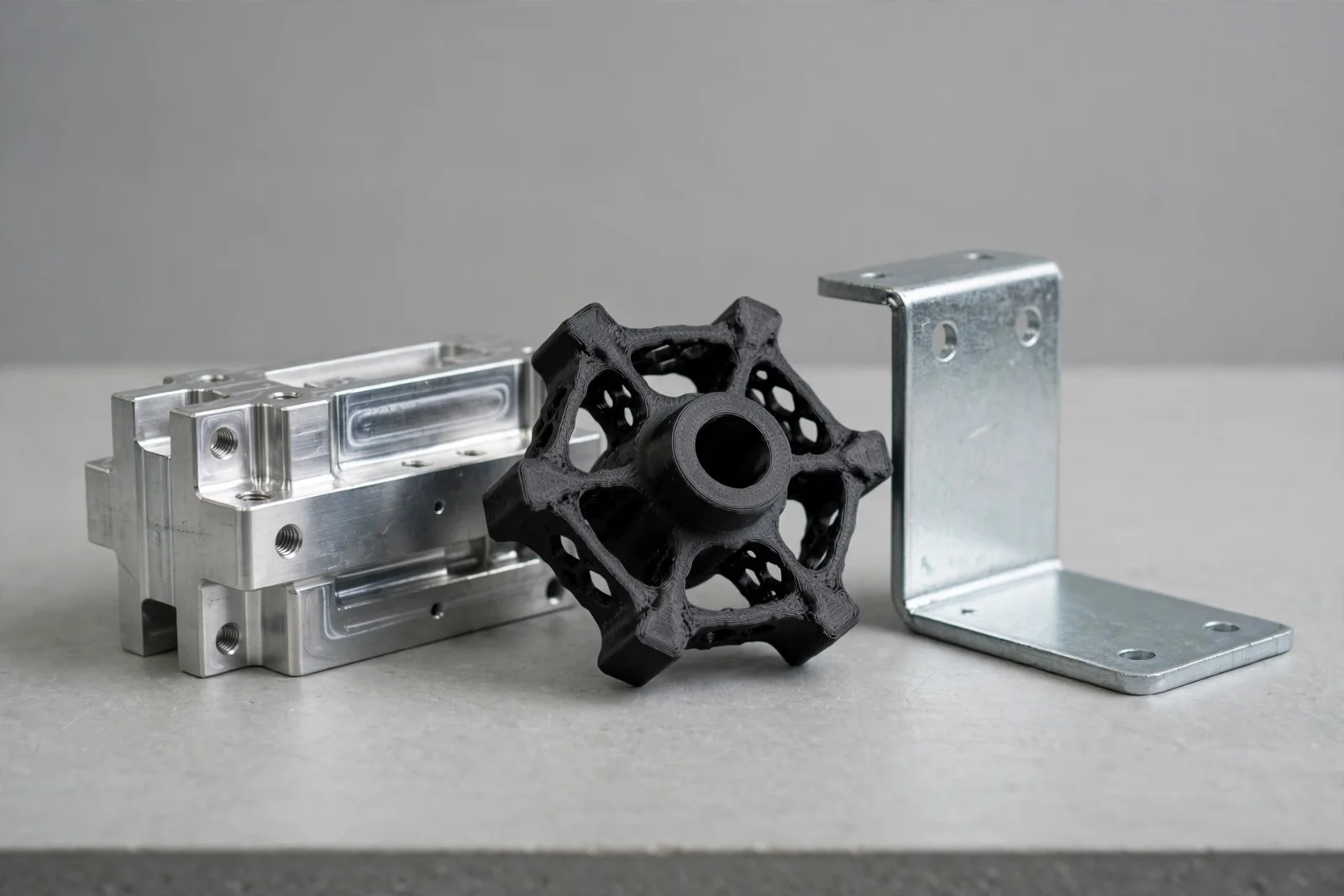
Almost any process that does not need a long-life production mold is a good fit. The table below shows how the common ones compare for this kind of ordering.
| Process | Tooling needed | Typical fit for on-demand orders |
|---|---|---|
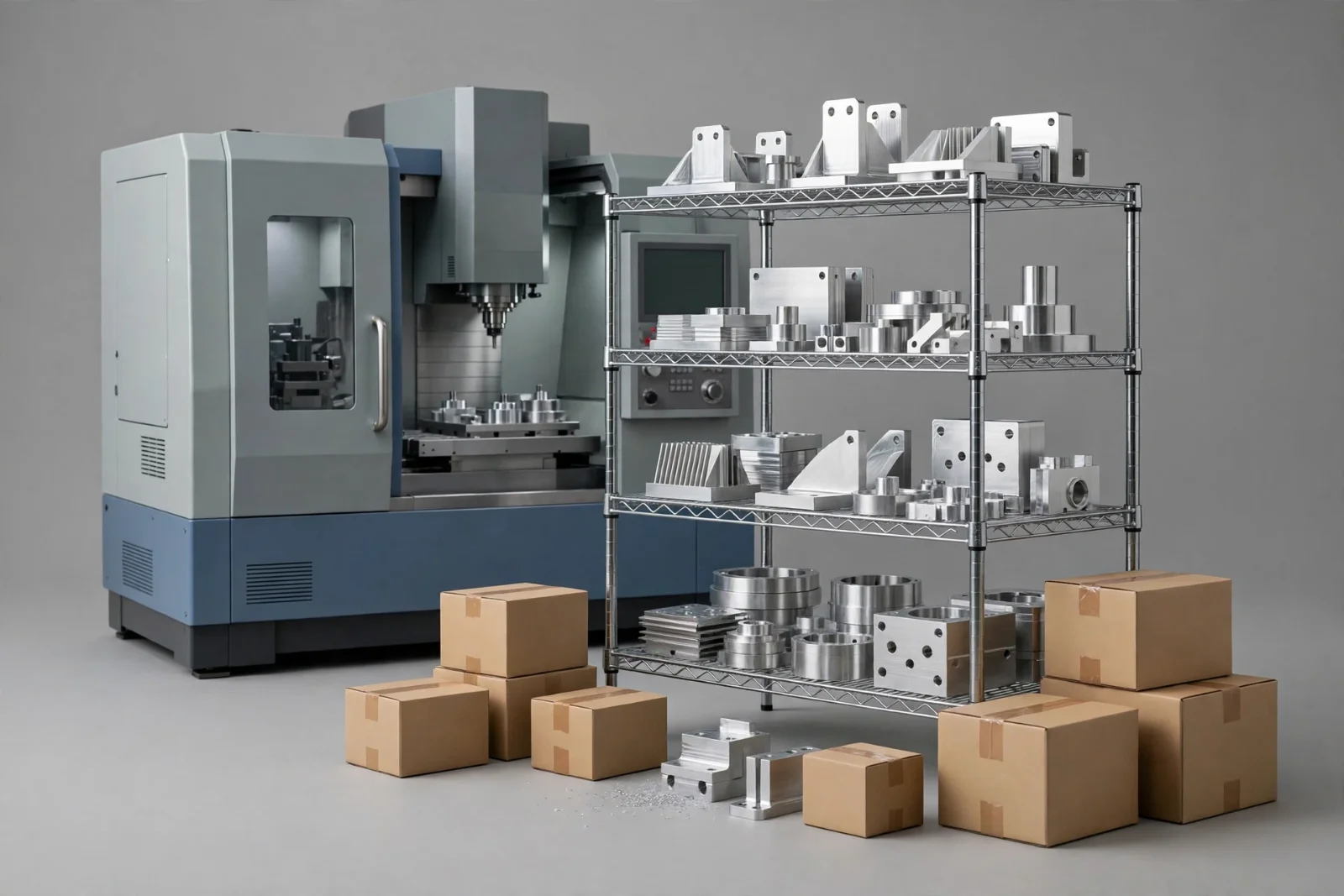
| CNC machining | None, only fixtures | One-off parts to a few thousand, metals and plastics |
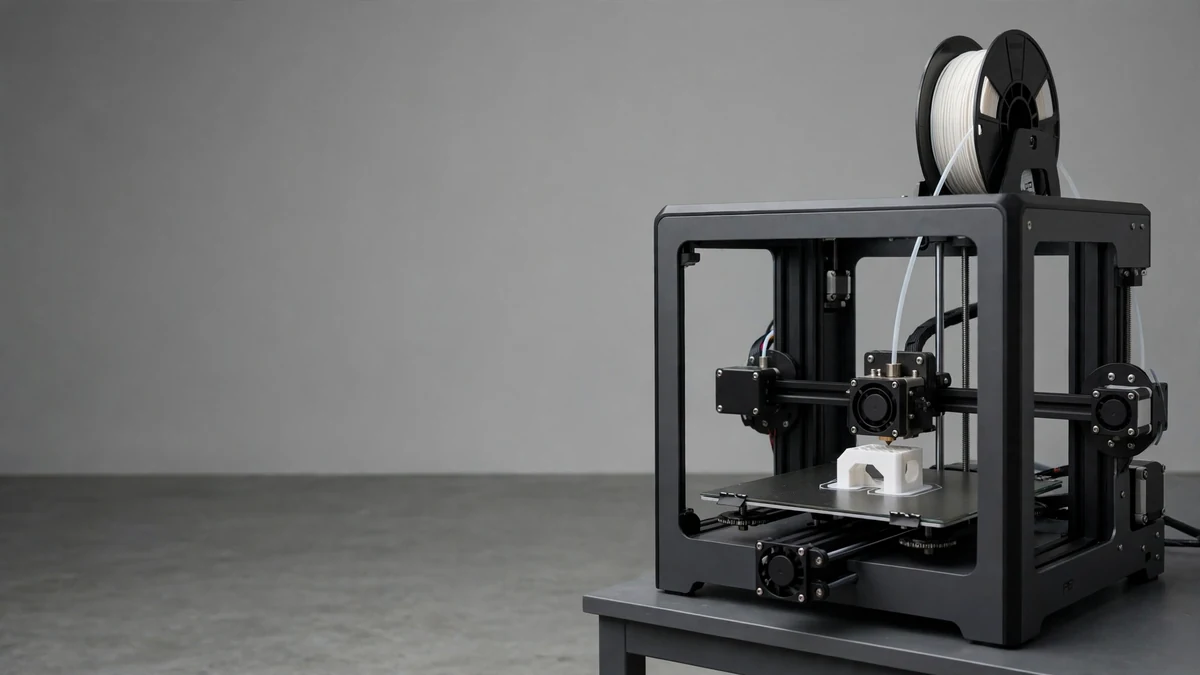
| 3D printing | None | Prototypes, complex shapes, very small batches |
| Sheet metal fabrication | Standard punches and brakes | Brackets, enclosures, panels |
| Injection molding | A mold, often aluminum for short runs | Higher quantities once the design is stable |
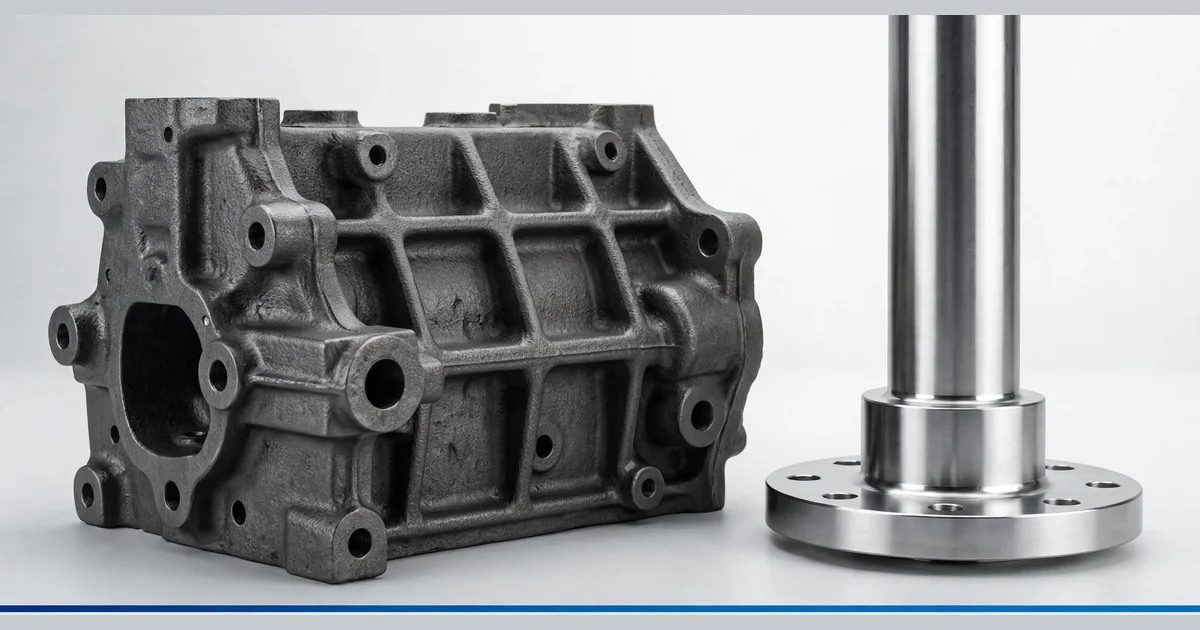
| Die casting | A steel die | Larger metal volumes; least suited to one-off orders |
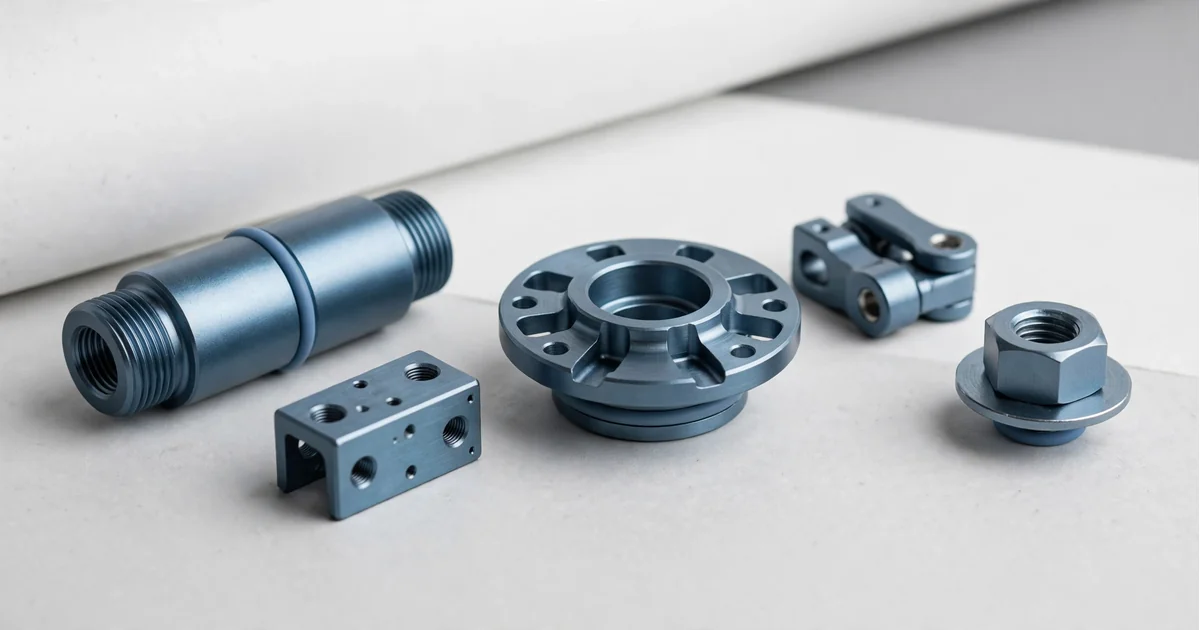
CNC machining services and 3D printing services carry most on-demand work because they need no part-specific tooling. Injection molding can still be bought on demand, but the mold is a real cost, so it makes sense once the design is frozen and the quantity justifies it. Comparing the two for your part is worth doing before any mold is ordered, because the crossover point moves with part size and material.
| Factor | On-demand | Traditional batch production |
|---|---|---|
| Minimum order | None or very low | Often high, to spread setup cost |
| Unit price | Higher | Lower at volume |
| Inventory | Little or none | Finished-goods stock to store and insure |
| Design changes | Easy; the next order uses the new file | Costly; old stock may be scrapped |
| Lead time | Short for machining and printing | Longer, especially when tooling is involved |
| Best for | Prototypes, spares, low-volume production | Stable, high-volume products |
Neither model wins everywhere. For a product selling hundreds of thousands of units a year with a stable design, batch production is still cheaper. For prototypes, spare parts, and low-volume products, ordering on demand often costs less once storage and obsolete stock are counted. Where the break-even sits depends on the part, so compare full costs for your own volumes.
That last point matters more than it looks. Each extra supplier adds quotes, purchase orders, and shipping legs. Keeping related parts with one supplier removes a surprising amount of admin.
Higher unit cost is the obvious one. A part that costs a few dollars at 10,000 units can cost many times that as a single piece, because setup, programming, and inspection are spread over fewer parts.
Consistency is the second. If every order goes to a different shop, small differences in machines, finishing, and inspection show up between batches. For parts that must match across years, keep the same supplier, lock the drawing revision, and ask for the same finish callout every time.
Third, not every design suits it. Parts that only make sense with a hardened production mold, or that need a special material bought in bulk, are better planned as a production program.
The same mistakes come up again and again in quoting:
Fixing these before upload is the cheapest speed-up available.
On-demand ordering also changes how risk is spread. When parts can be made from a file at short notice, a company is less exposed to one long, fragile supply route. That idea sits behind our guide to building an elastic supply chain for custom manufacturing.
Public programs point the same way. The U.S. NIST Manufacturing Extension Partnership works with small and medium manufacturers through centers across the U.S. and Puerto Rico, and its Supply Chain Optimization and Intelligence Network was set up in 2023 with $20 million in CHIPS and Science Act funding to help companies find domestic suppliers. Flexible, file-based ordering is one practical way buyers act on that kind of advice.
It is usually the better choice when one or more of these is true:
Plan batch production instead when the design is frozen, volume is high and steady, and unit price matters more than flexibility. Many products move from one to the other: machined or printed parts during development, then molded parts once demand is proven. Starting on demand keeps that move open without locking in tooling too early.
It is a production model where parts are made only when an order is placed, in the quantity that order needs. The buyer uploads a CAD file, receives a quote, and the supplier produces and ships the parts. It avoids minimum runs, warehouse stock, and the cost of scrapping parts after a design change.
Mass production builds large batches ahead of demand to lower unit cost, then stores the stock. On-demand production makes each order separately, so unit cost is higher but there is no inventory or long tooling commitment. Mass production suits stable, high-volume products; on-demand suits prototypes, spares, and low volumes.
CNC machining and 3D printing work best, because they need no part-specific tooling and can start from a CAD file. Sheet metal fabrication also fits well. Injection molding and die casting can be ordered on demand, but the mold or die adds cost, so they suit higher quantities once the design is stable.
Per part, usually yes, because setup and programming are spread over fewer pieces. In total cost it is often cheaper for low volumes, since you avoid storage, minimum orders, and scrapped stock after design changes. Compare the full cost, including inventory and obsolescence, rather than the unit price alone.
Send a 3D CAD file, ideally STEP or the native format, and a 2D drawing whenever tolerances, threads, or finishes matter. Name the exact material grade, finish, and quantity. A complete package lets the supplier quote accurately and avoids delays from back-and-forth questions during design review.
On-demand manufacturing works best when the order arrives complete: a clean CAD file, a drawing that marks the critical features, the exact material, and a realistic quantity. Get those right and you keep the main advantages, which are no inventory, fast revisions, and one supplier for several processes. Send your files for an instant quote, or start from the Tuowei Precision home page to see every process we offer.
Reviewed by Leon Xu, Engineer, Tuowei Precision. Last updated: November 2026. This guide describes general industry practice for on-demand manufacturing. It does not state Tuowei prices or lead times; your quote gives those for your specific part.