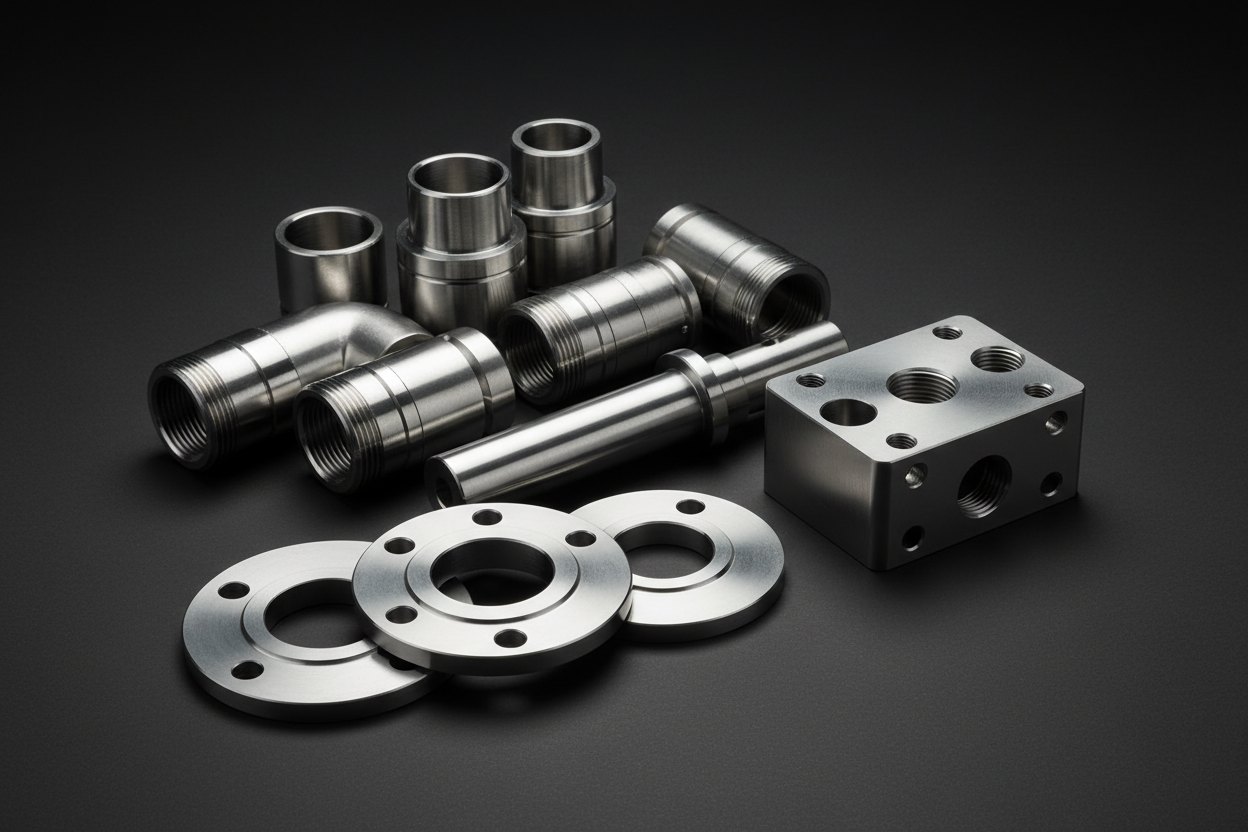
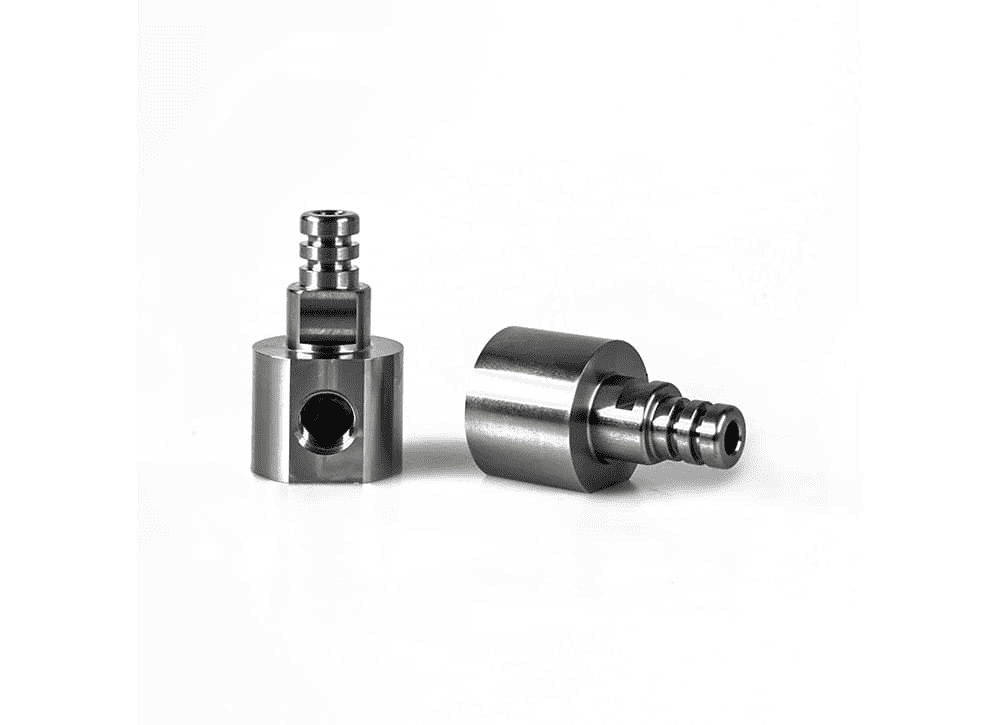
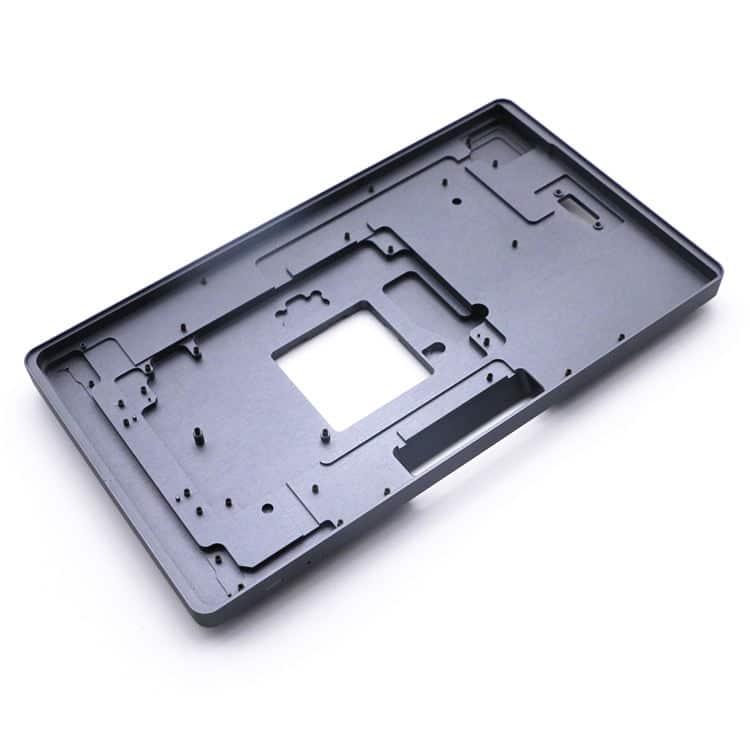
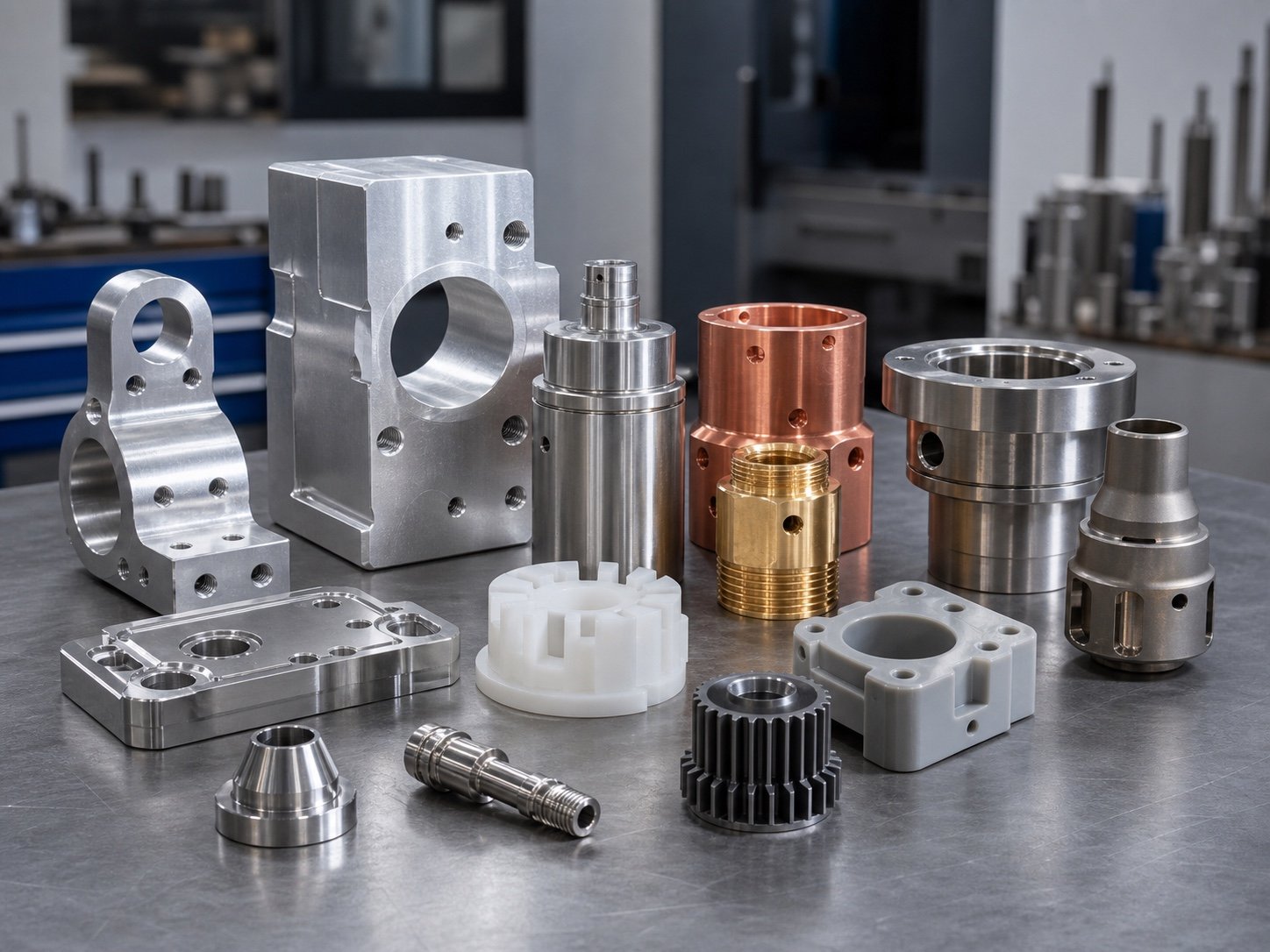
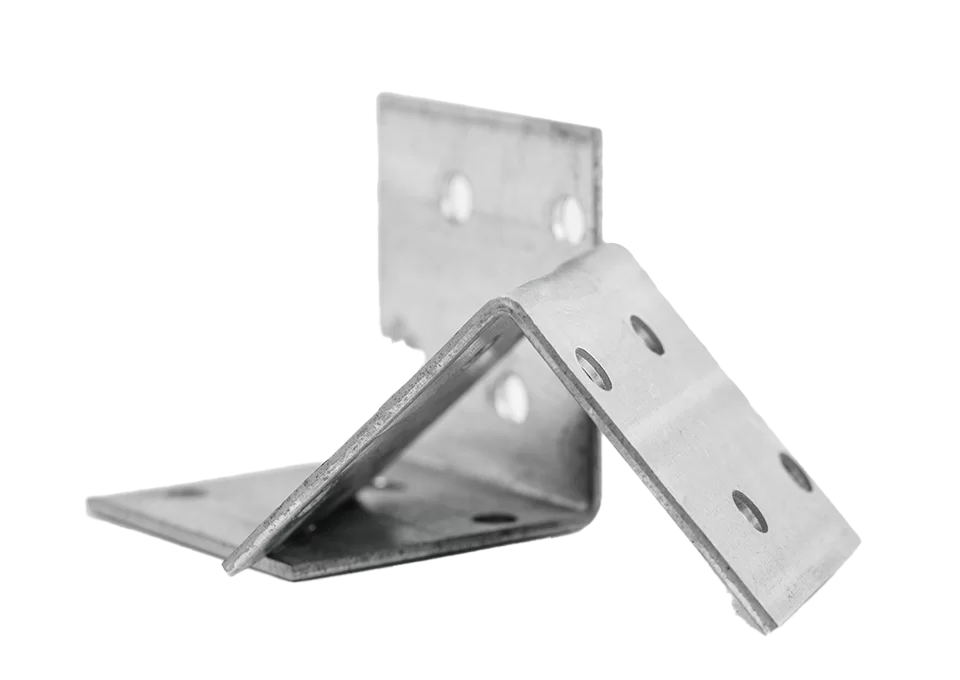
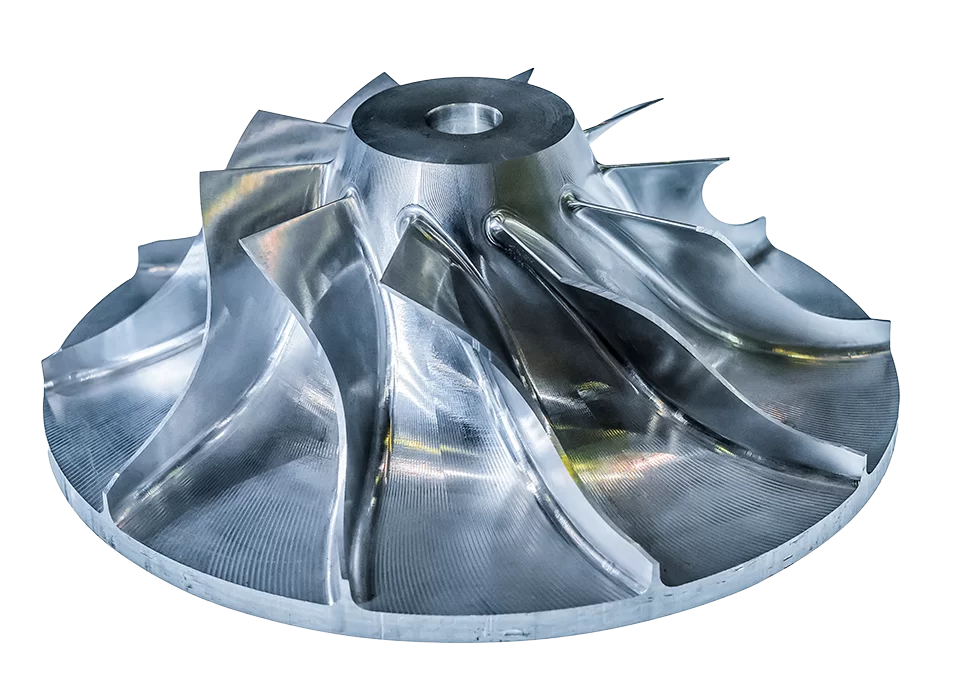
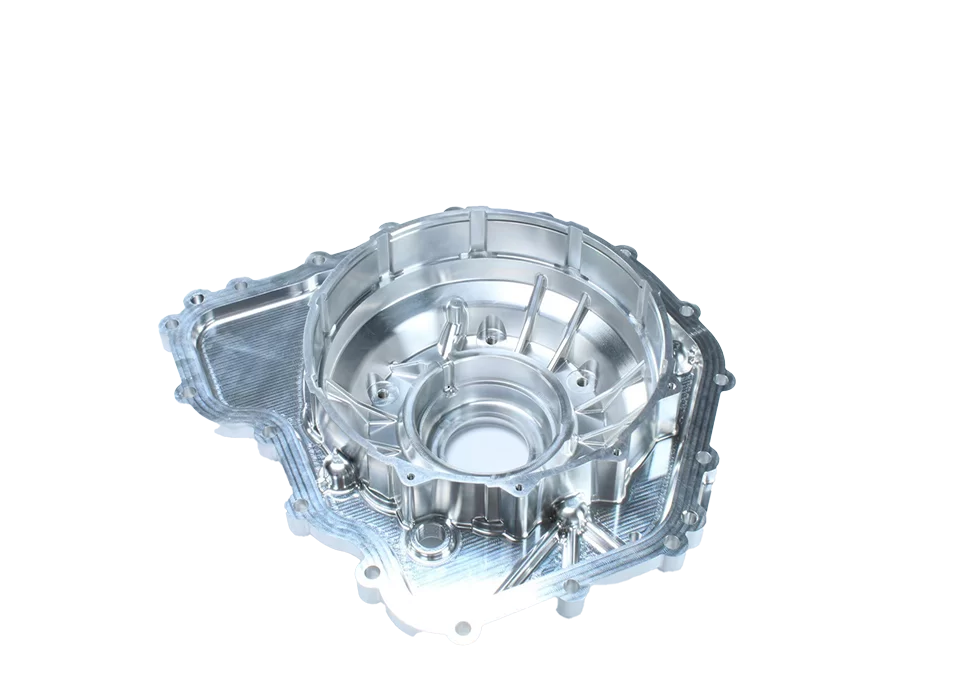
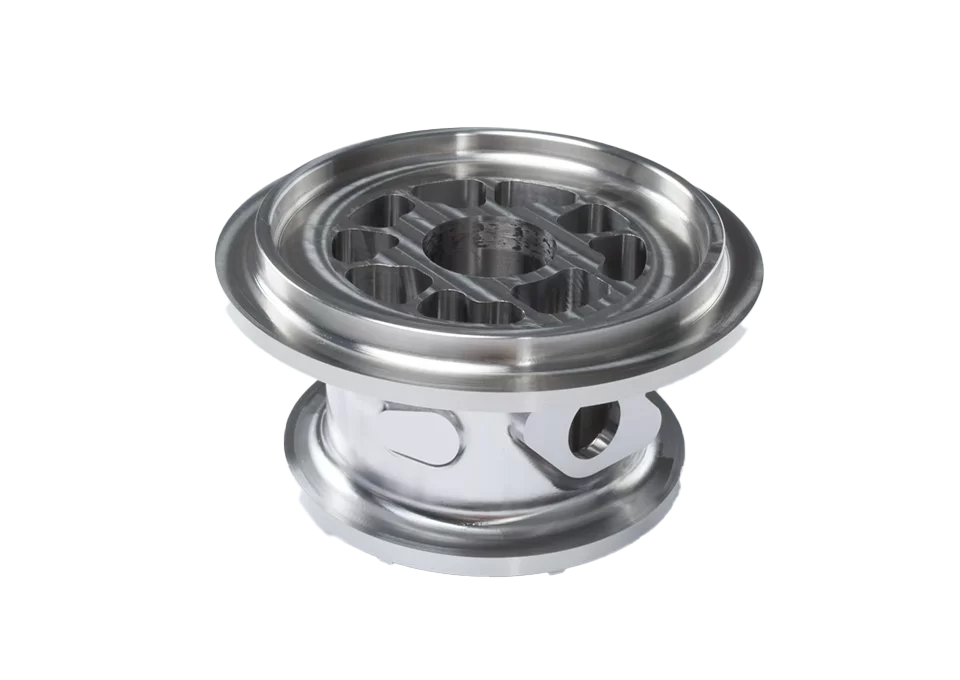
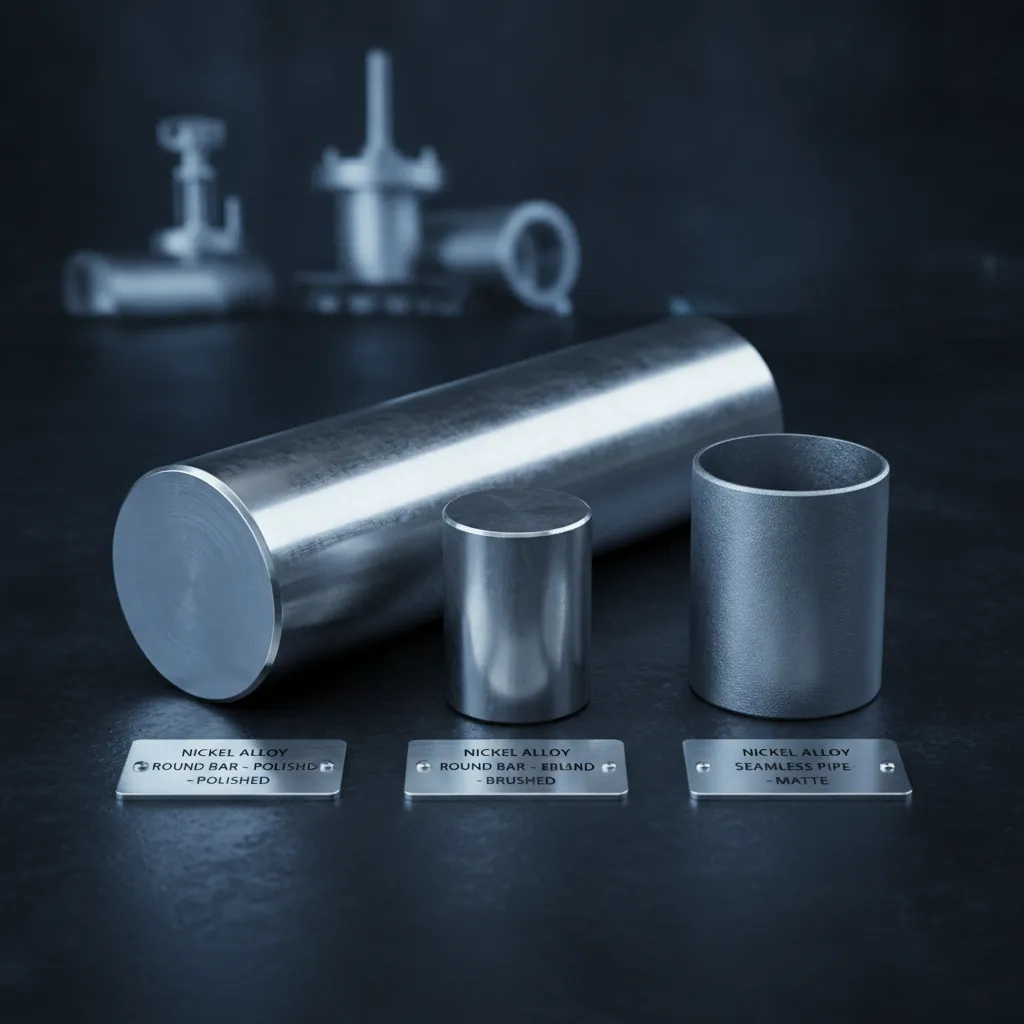
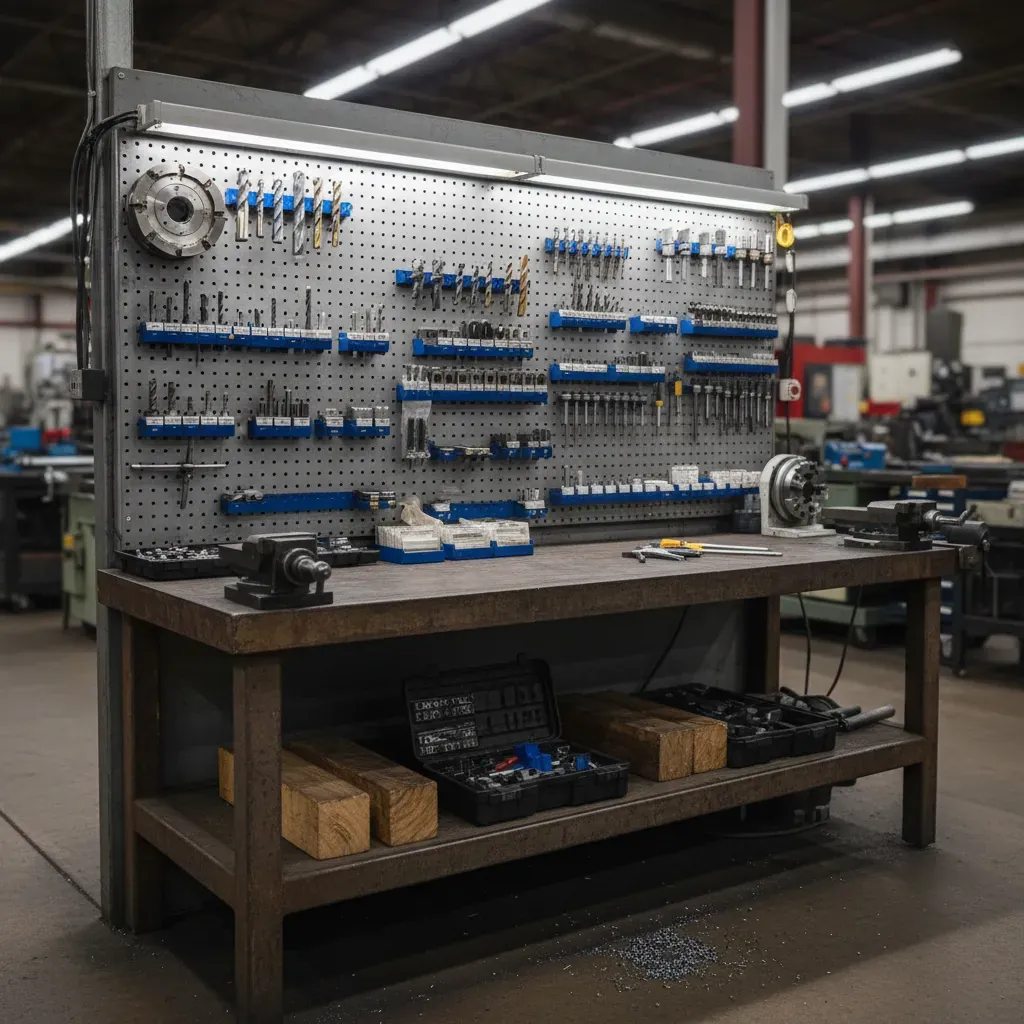
Tuowei Precision machines custom stainless steel parts from your CAD files, from one prototype to production runs. We have machined stainless steel in Shenzhen since 2002, with 130+ three-, four- and five-axis CNC machines and a 230-person technical team. Stainless steel 304 and 316 are machined as standard, and every quote comes back within 24 hours with DFM feedback.
Why Choose Stainless Steel for CNC Machined Parts?
Stainless steel is an iron alloy with at least 10.5% chromium. The chromium forms a thin oxide layer that protects the metal from corrosion and oxidation, and reforms if the surface is scratched. Stainless steel parts combine corrosion resistance, high strength, a clean hygienic surface, wear and heat resistance, and an attractive finish that needs no coating.
The trade-off is machining effort. Stainless steel is harder on tools than aluminum or brass, so cycle times are longer and cost per part is higher. Choose it when the application needs its durability.
Stainless Steel Grades for CNC Machining
We machine 304 and 316 as standard. The other grades below are commonly specified stainless steel alloys; state the grade on your drawing and we will confirm availability with the quote. 304 and 316 machine similarly, with 304 slightly easier. Choose 316 when the part meets salt water, chlorides or aggressive chemicals.
Grade
Type
Machinability
Typical Uses
303
Austenitic, free-machining
Best of the 300 series
Fittings, shafts, fasteners, turned parts
304
Austenitic
Fair
General-purpose parts, food equipment, enclosures
316 / 316L
Austenitic with molybdenum
Fair
Marine, medical and chemical equipment
17-4 PH
Precipitation hardening
Fair
High-strength aerospace and tooling parts
416
Martensitic, free-machining
Very good
Shafts, valve parts, gears
420 / 440C
Martensitic, hardenable
Fair to difficult
Blades, bearings, wear parts
Stainless Steel CNC Machining Services for Custom Parts
Our precision CNC machining services cover the full route for stainless steel CNC parts, from prismatic milled components to turned shafts and fittings. The challenges of stainless steel, mainly work hardening and heat, are managed with the right cutting tools and stable setups.
Stainless Steel CNC Milling
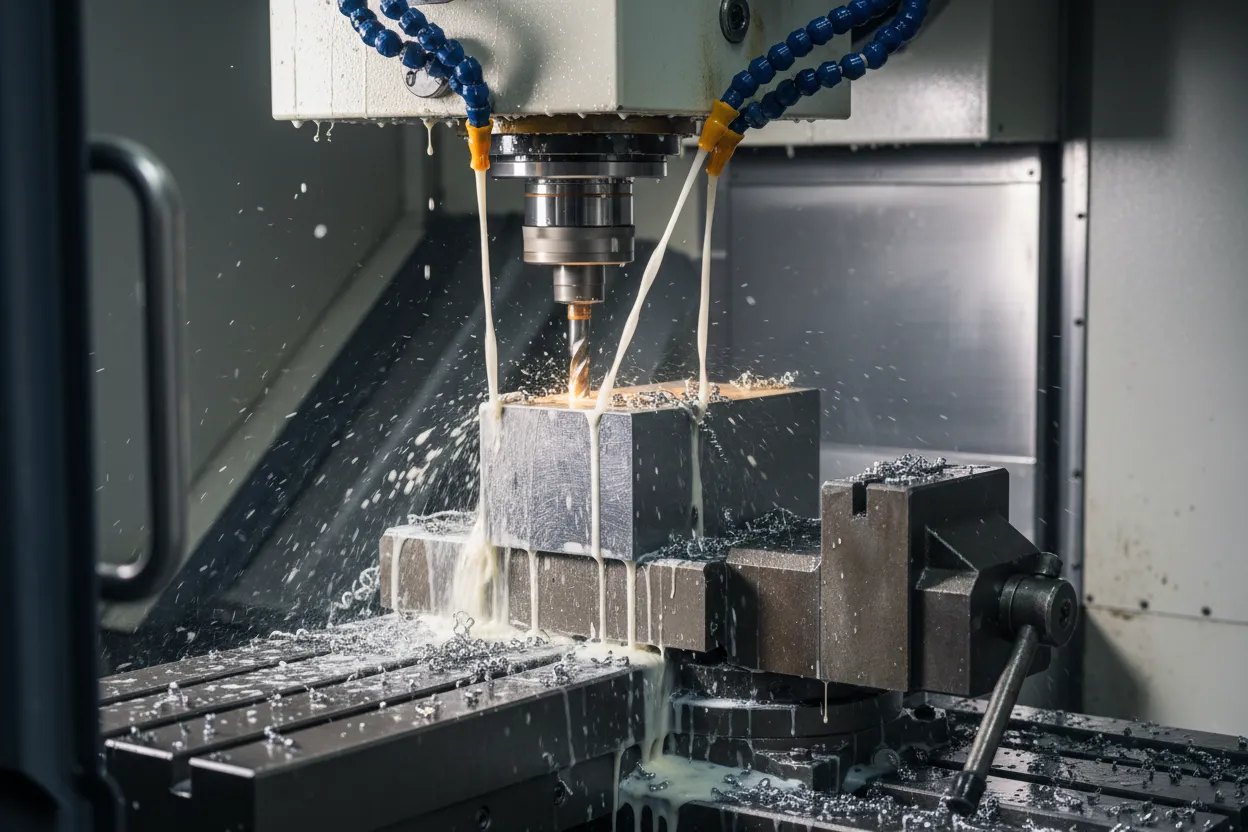
Stainless steel milling produces housings, manifolds, brackets and complex contoured parts. Carbide end mills, climb milling and a constant chip load prevent rubbing and work hardening.
There are different types of stainless steel, grouped by crystal structure. Austenitic stainless steel (303, 304, 316) is non-magnetic with excellent corrosion resistance, and it work-hardens during cutting. Ferritic stainless steel (430) is magnetic and lower cost. Martensitic stainless steel (410, 416, 420, 440C) is hardenable, and 416 is the easiest stainless steel to machine. Duplex stainless steel (2205) offers high strength and resists stress corrosion cracking. PH stainless steels such as 17-4 PH reach very high strength after aging.
How We Machine Stainless Steel
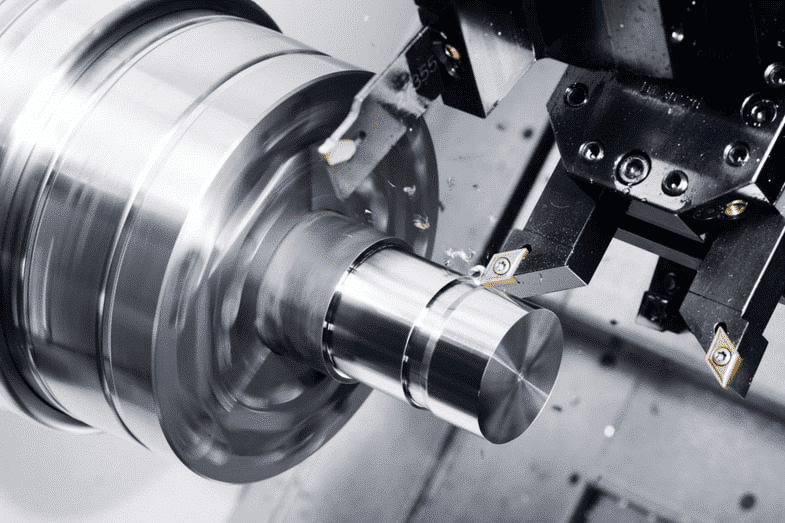
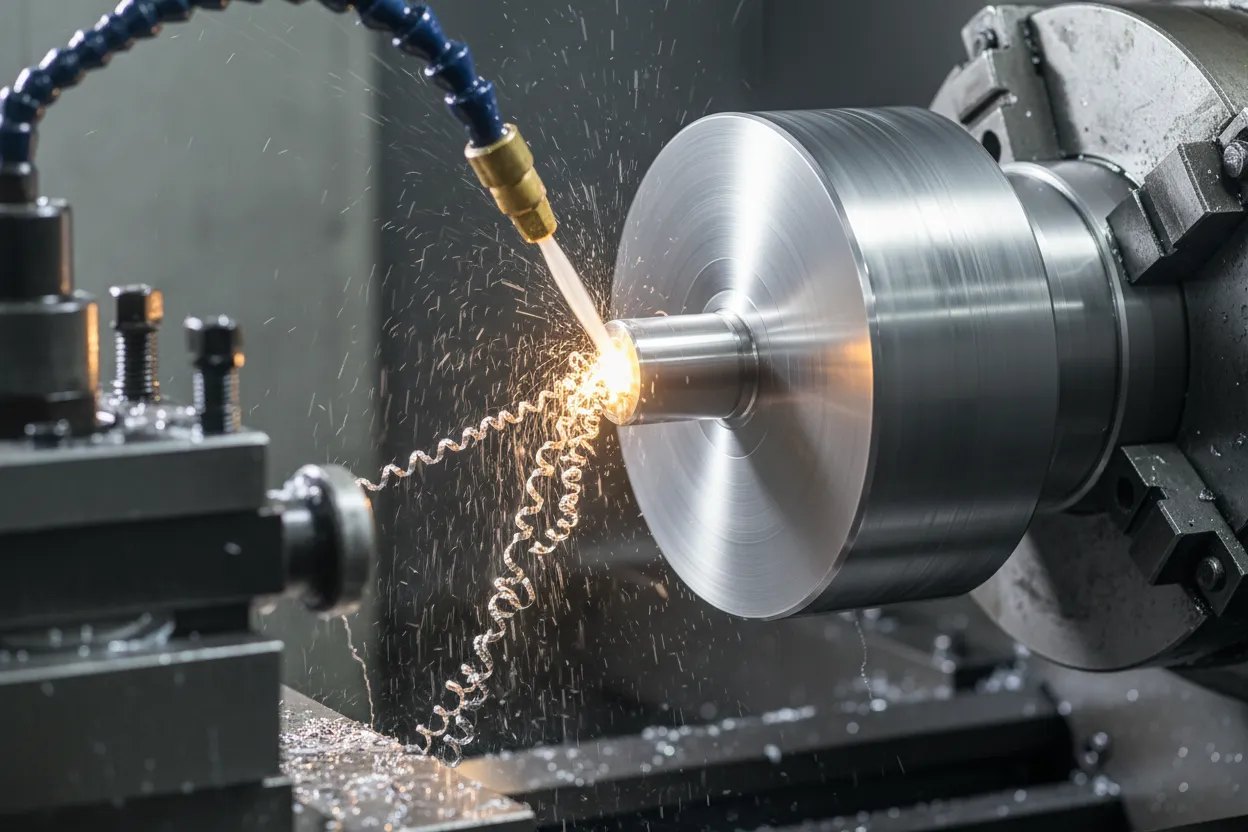
Machining stainless steel is harder than machining mild steel or aluminum. Austenitic grades work-harden where the tool rubs, so we use constant feeds and sharp coated carbide tools. Stainless conducts heat poorly, so flood coolant and moderate cutting speeds control temperature. Chip-breaking geometry handles long, stringy chips, and balanced roughing with light finishing passes prevents distortion in thin parts.
Stainless Steel Machining Tolerances and Capabilities
Tight tolerances on a tough material multiply machining and inspection time, so apply them only to functional features.
Item
Capability
Standard tolerance
±0.05 mm or better, depending on geometry and material
High-precision tolerance
Down to ±0.005 mm
Machines
130+ three-, four- and five-axis CNC machines
3D files
STEP, IGES, STL
2D drawings
PDF, DWG
Inspection
Full report for every validated dimension
Prototype lead time
1–5 business days for 1–100 pcs
Design Tips That Lower Stainless Steel Machining Cost
Small design choices have a large effect on cost in stainless steel, because the material cuts slowly and wears tools.
Feature
Specification / Guideline
Grade
Choose the most machinable grade that meets the requirement.
Keep walls thicker than about 0.8 mm to prevent deflection.
Threads
Limit thread depth to about 1.5 to 2 times the diameter.
Tolerances
Tolerance only functional features.
Finish
Specify finish by function, not on every face.
Surface Finishes for Stainless Steel Parts
Stainless steel needs no coating for corrosion protection, so finishing is about appearance and cleanability. Electropolishing and passivation are also common for stainless steel; ask for them on the drawing if your application requires it.
As-Milled
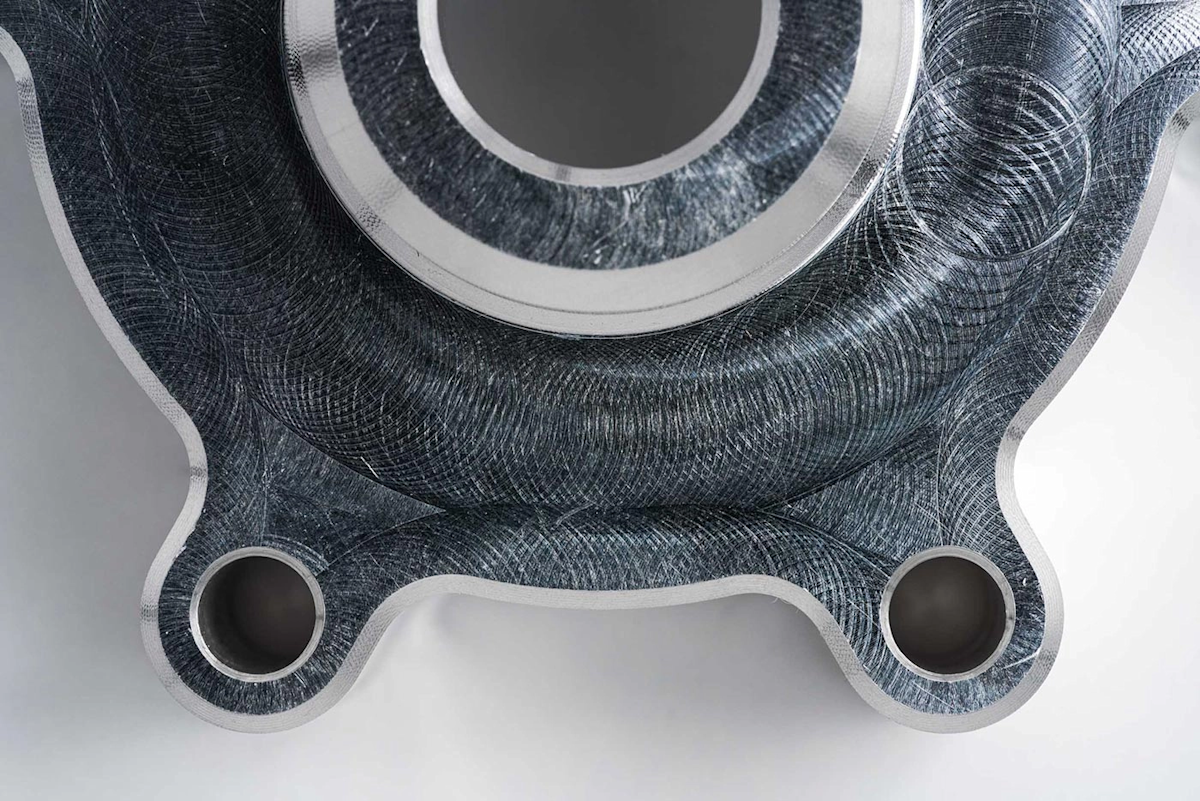
As-milled finish has the natural texture of CNC machining, and is good where the look is not as important as the use, giving an economical answer with basic surface quality.
Bead Blasting
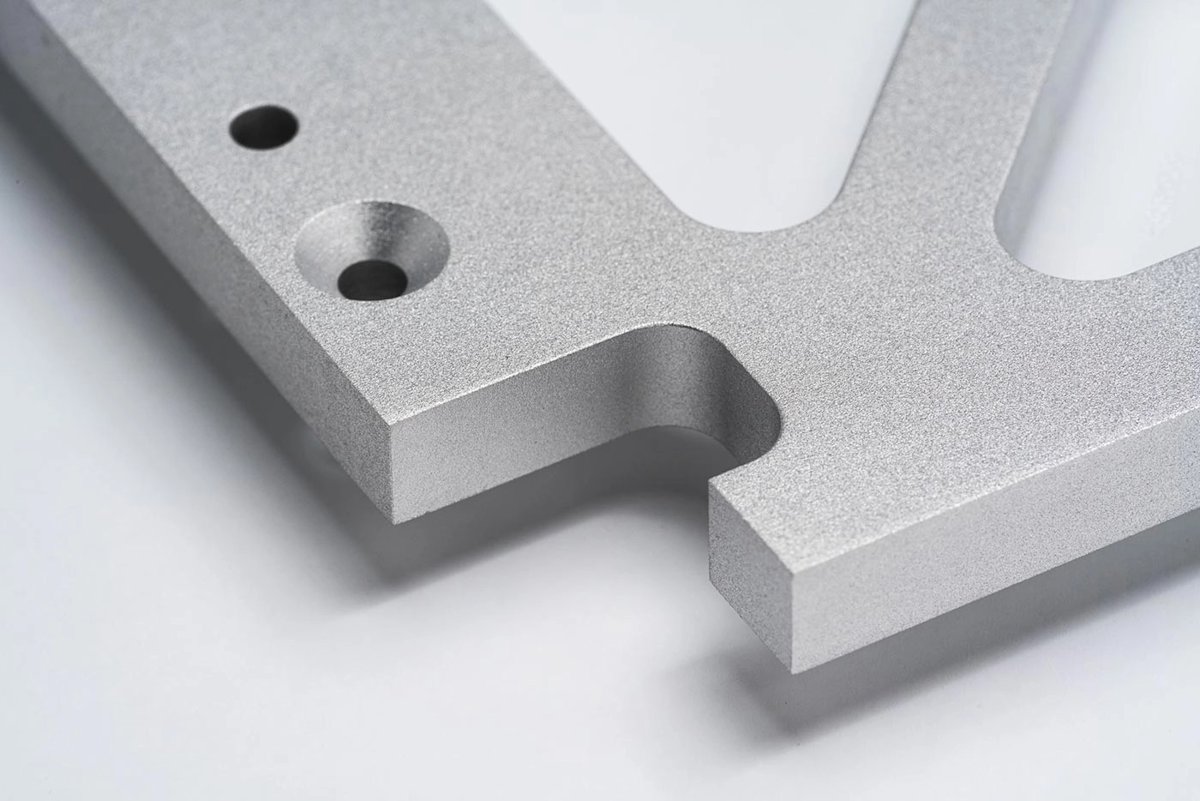
Bead blasting provides a non-polished, rough surface to components produced using CNC machines, which works well to enhance surface texture, more grip and eliminate surface flaws and a uniform and professional appearance.
Powder Coating
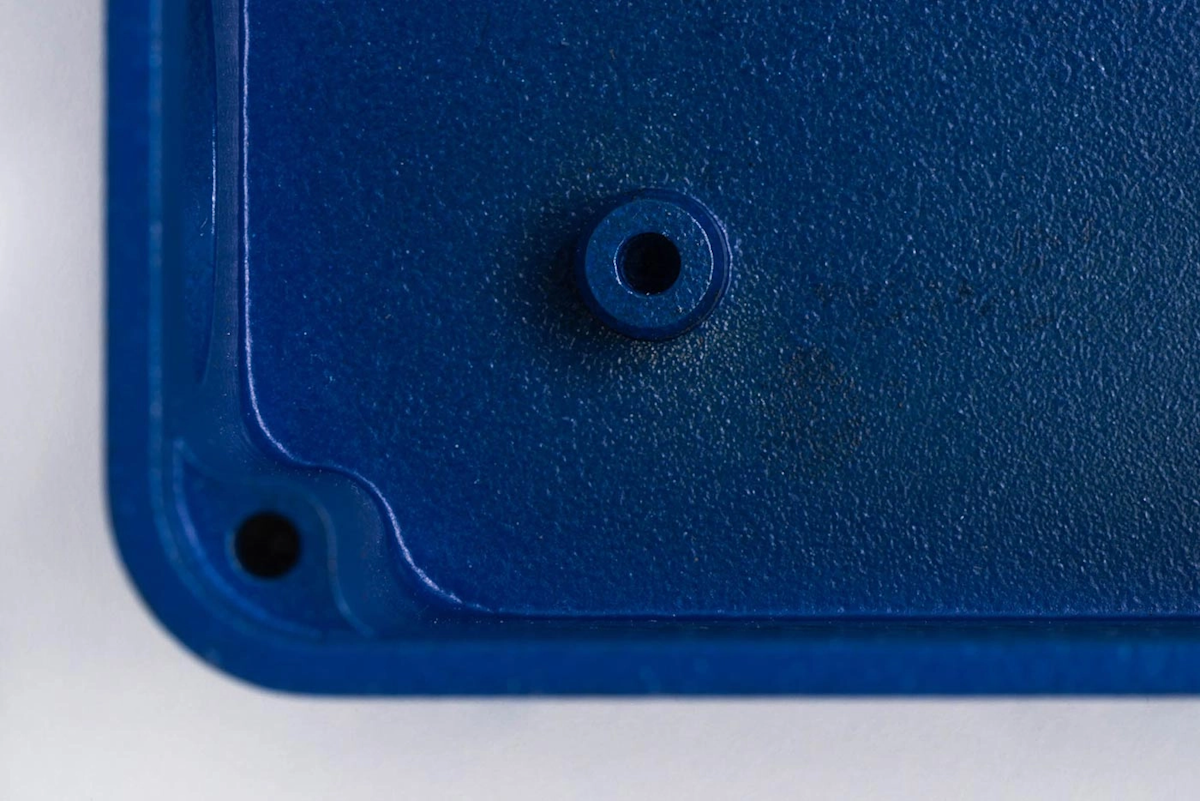
Powder coating provides high-quality, long-lasting finish to parts, attractive and providing greater protection to parts presented through CNC machines, and this quality makes them resistant to weather, chemicals, and abrasions.
Brushing
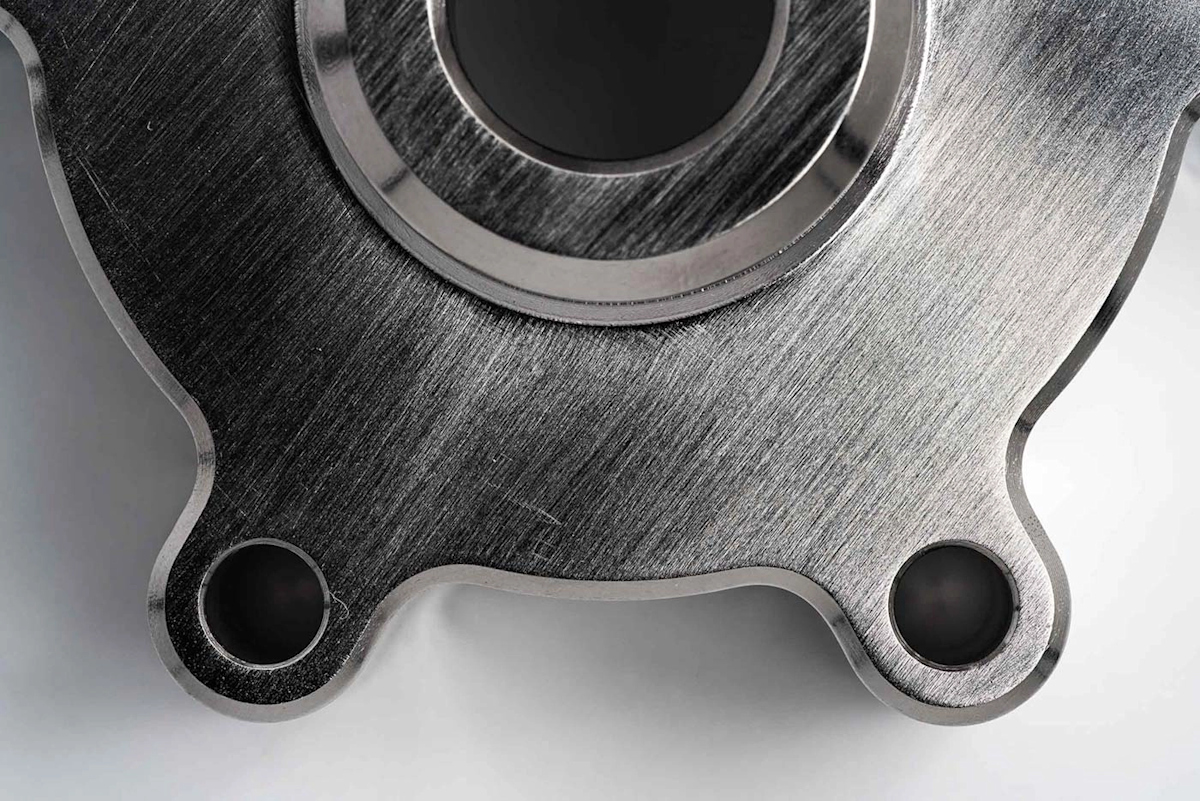
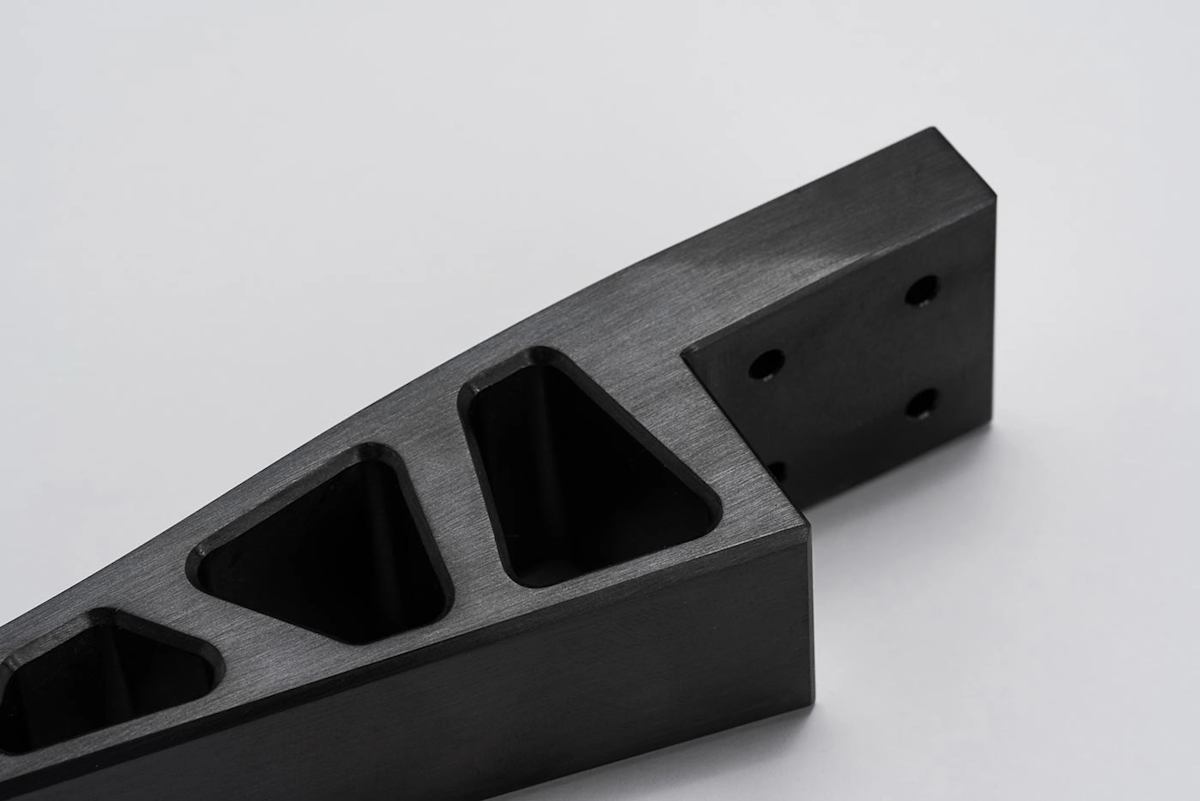
Most CNC machining projects use brushing to create a smooth, refined finish to the surface, giving them a modern, polished appearance with increased texture as well as extended durability, a common practice on decorative or functional surfaces.
Polishing
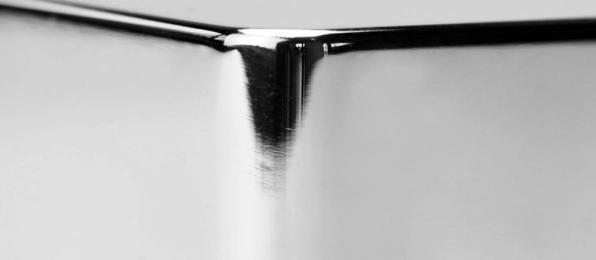
Parts produced using CNC machines undergo polishing to provide a smooth and shiny surface, which improves the overall appearance, minimizes friction and increases the wear and corrosion resistance of the part.
Black Oxide
Black oxide is a finishing that offers corrosion resistance and a dark and smooth surface, which is ideal in the case of parts produced via CNC machining requiring extra durability and a clean and attractive, consistent coating.
What Drives Stainless Steel CNC Machining Cost?
Stainless steel CNC machining cost depends on grade, material removal, complexity, tolerances, finish and quantity. Free-machining grades cut faster and hardened grades cut slower. Stainless is priced by weight and slow to cut, so stock size matters twice. Stainless parts cost more than aluminum parts of the same design. Send your files for an exact quote within 24 hours.
How to Order Custom Stainless Steel Parts
Ordering takes five steps. First, upload a 3D model in STEP, IGES or STL format and a 2D drawing in PDF or DWG with the stainless steel grade, tolerances and finish. Second, receive a quote with DFM feedback within 24 hours. Third, approve the quote. Fourth, your parts are machined. Fifth, parts are inspected, packed carefully and shipped.
Gallery of Excellence
Explore the superior design and excellence of components made in Tuowei by the state of the art CNC machines.
Our products are of superior quality and we offer precision-engineered components in a cutting-edge CNC machine and a skilled workforce. We trust in transforming your ideas into dependable and high performance parts every time.
Why Choose Tuowei?
Why
/01
High Quality Parts
We ensure that at Tuowei, our quality parts are of high quality because of the close inspection and the most recent CNC machining, whereby each part will be of your specifications with excellent consistency and finish.
/02
Fast Turnaround
We have a lean process and the latest CNC equipment that enables us to produce personalized parts with faster speeds without affecting their quality and thus your project will be on time and your deadlines will never be missed.
/03
Expert Engineering Support
Take advantage of our skilled engineering staff to design to production with the best CNC machining plans, manufacturability, low costs, and performance of any project.
Let’s Build What’s Next Together
Partner with Tuowei Precision to Shape Your Vision
From rapid prototypes to scalable production, Tuowei Precision delivers reliable CNC machining with accuracy and consistency at every step. Start your project today.
Whether you’re creating a small batch of custom parts or scaling up for high-volume production, Tuowei Precision services offer the flexibility you need.
Rapid Prototyping
CNC rapid prototype machining is perfect for creating engineering or production prototypes that closely resemble the final product in both appearance and functionality. At Tuowei, we offer instant quotes and fast delivery, providing you with precise, high-quality CNC machined prototypes for your needs.
Lead Time: 1-5 business days
Capability: 1-100 pcs
Get 20% off the price
Low Volume Manufacturing
Low volume CNC machining often acts as a bridge between prototyping and mass production for new and emerging production. With Tuowei, this process becomes easier, more efficient, and cost-effective, allowing you to scale production quickly while maintaining high-quality standards.
Lead Time: 5-15 business days
Capability: 101-10,000 pcs
Meet tight specifications
End-use Production
CNC production machining is the best solution for producing a thousand parts or more efficiently. Leveraging a diverse selection of materials and automation and multi-axis capabilities, Tuowei delivers high-volume production with tight tolerances, superior dimensional accuracy, high reliability and fast turnaround times.
Lead Time: 2-4 weeks
Capability: Above 10,001 pcs
Consistent Quality
Explore Insights & Innovation
Read our latest guides on stainless steel, CNC machining and materials.
Yes. Stainless steel is milled, turned, drilled and threaded on CNC machines. It needs rigid setups, sharp coated tools and coolant.
Is 304 or 316 more machinable?
They are close, and 304 is slightly easier. 316 contains molybdenum, which improves corrosion resistance and makes it a little tougher to cut.
Can 304 stainless steel be machined?
Yes. 304 is one of the most commonly machined stainless grades. It work-hardens, so it needs steady feeds and sharp tooling.
Which stainless steel is easiest to machine?
The free-machining grades 303 and 416. Their added sulfur breaks chips and reduces tool wear.
How much does stainless steel CNC machining cost?
It depends on grade, part size, complexity, tolerances, finish and quantity. Stainless parts cost more than aluminum parts of the same design because the material cuts more slowly. Send your files for an exact quote.
What tolerances can you hold on stainless steel parts?
Standard work is ±0.05 mm or better. High-precision parts reach down to ±0.005 mm, depending on geometry.
Do you offer 17-4 PH or other grades?
We machine 304 and 316 as standard. For 17-4 PH, 303, 416 or others, state the grade and we will confirm with the quote.