Automotive Die Casting for Lightweight Housings, Brackets and EV Parts
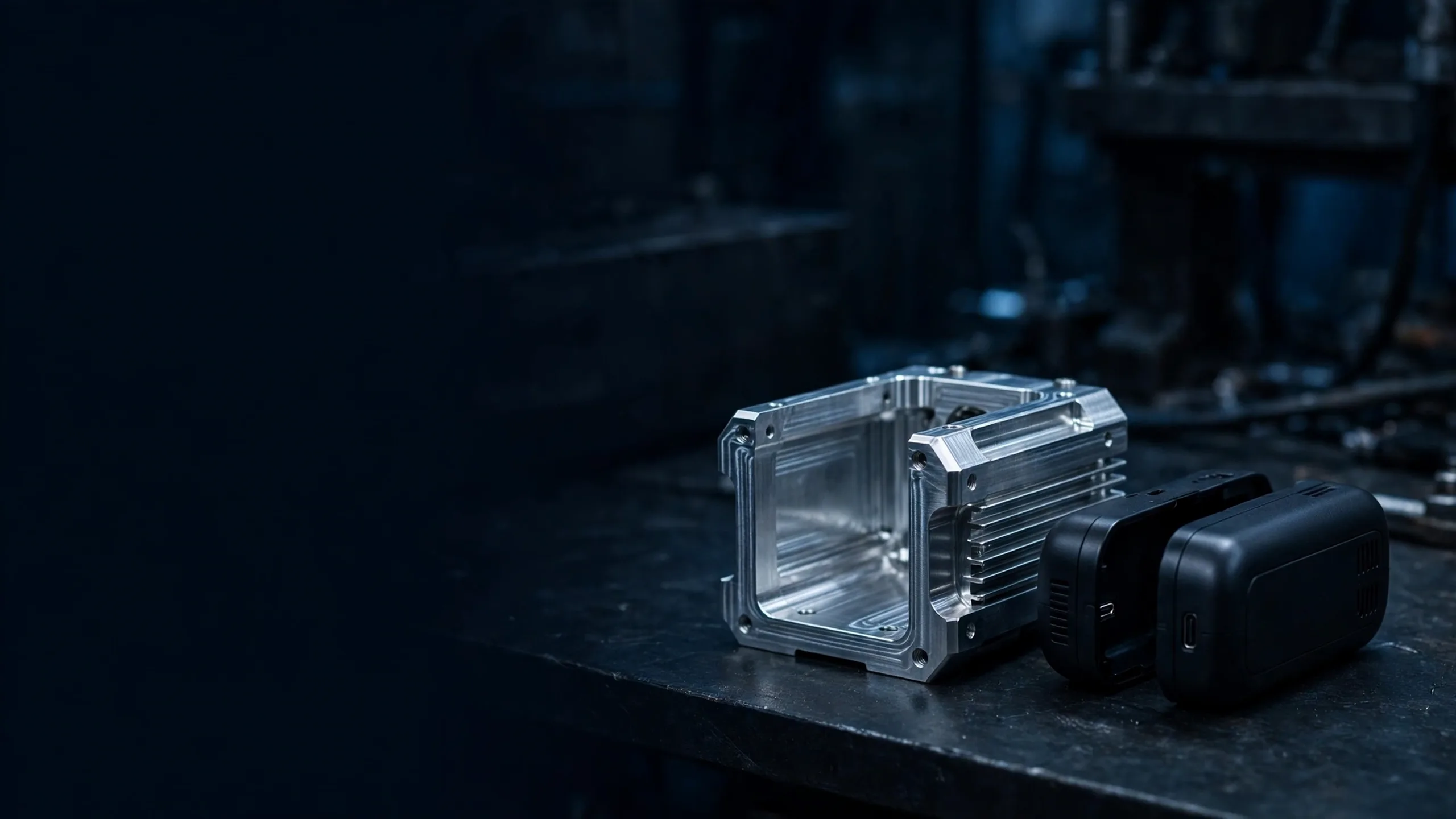
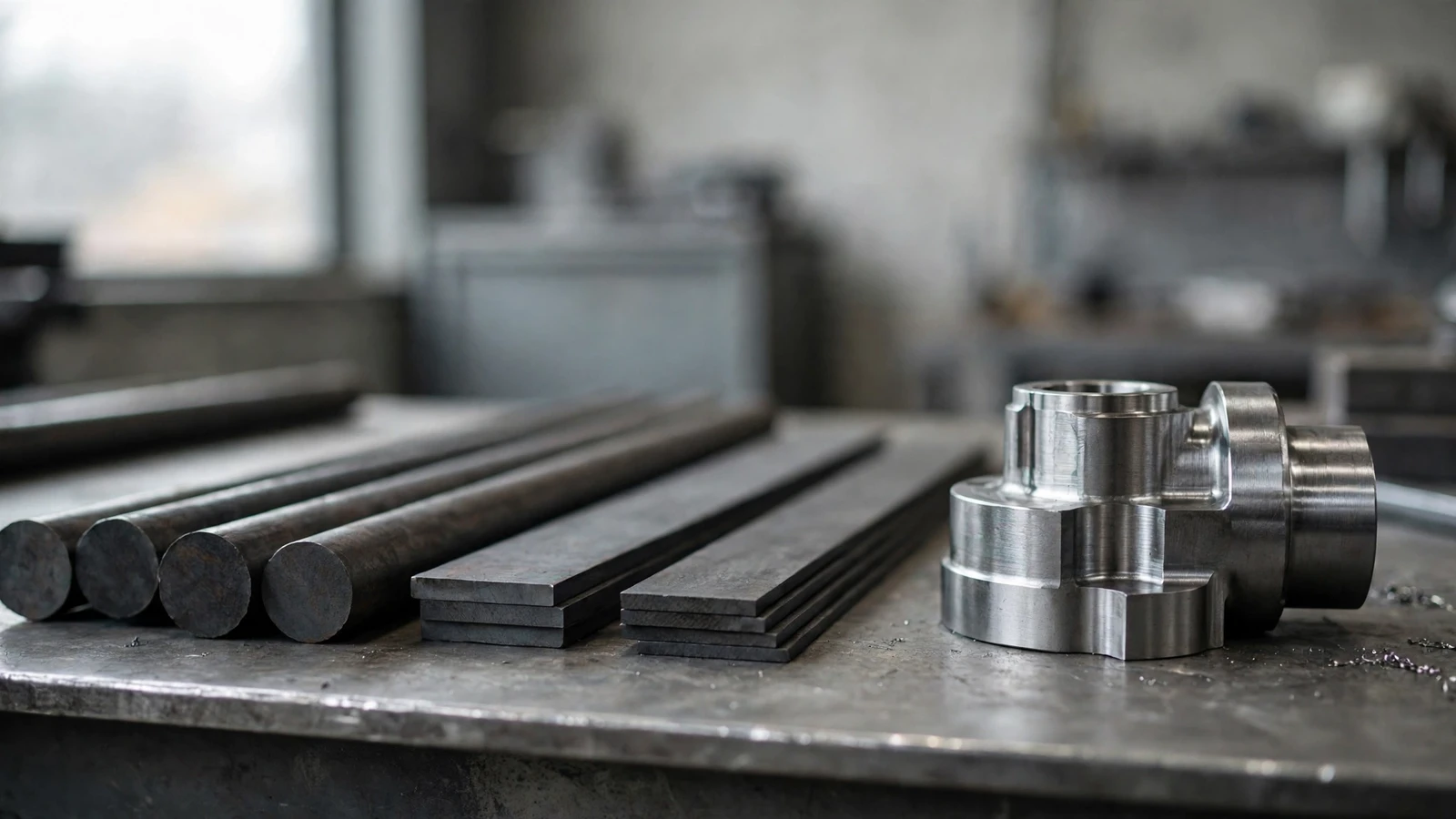
Tuowei Precision casts housings, covers, brackets and electronics enclosures for carmakers and suppliers who need them in repeat volumes. We build the die, cast each part in aluminum, zinc or magnesium alloys, then machine critical bores and faces, so each die cast part arrives ready for assembly with casting and machining handled by one team.
Why Die Casting in the Automotive Industry Keeps Growing
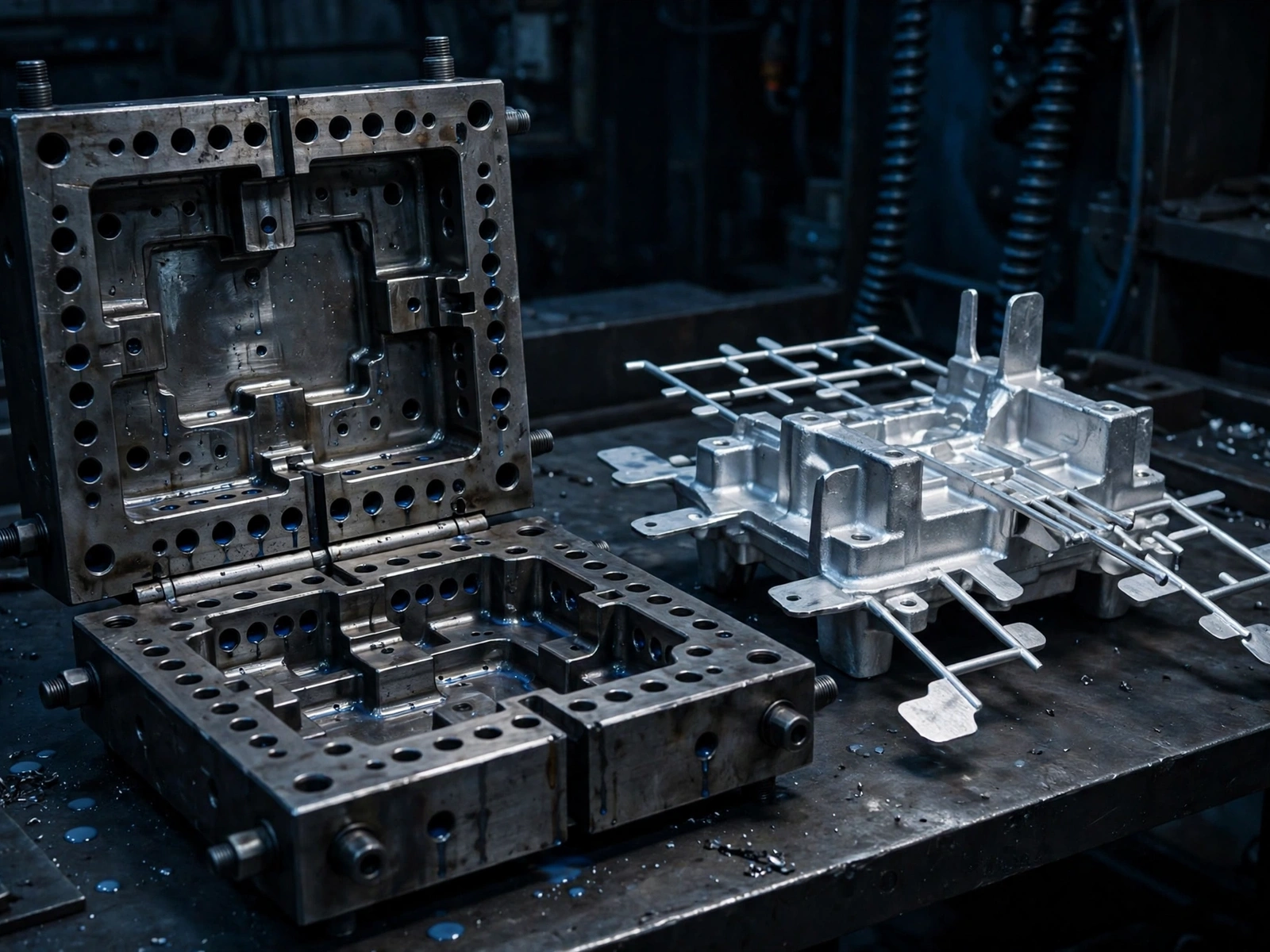
Die casting is a manufacturing process that forces molten metal into the die cavity of a steel tool under high pressure, so every shot repeats the same geometry. For parts needed in thousands, that repeatability brings the cost per part well below machining from solid. Thin walls, ribs, bosses and mounting points come out of the die in one piece, which cuts weight and assembly steps. That is why casting in the automotive industry keeps growing as automotive manufacturers chase lighter vehicles and longer EV range, and why so many automotive castings sit under every hood.
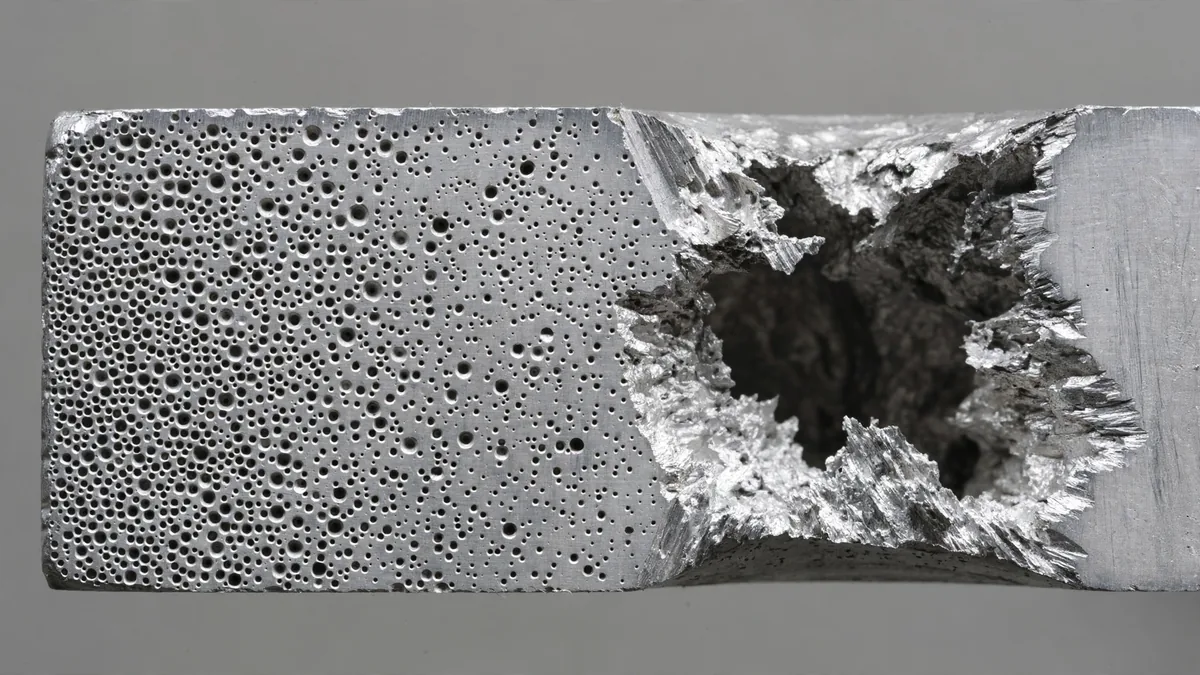
The trade-off is porosity. Die casting produces parts with thin walls that other processes struggle to match, but gas and shrinkage during solidification can leave small voids inside a casting. That makes die cast housings, covers and brackets a better fit than pressure-tight or fatigue-critical structure. We review where your part carries load, place gates and overflows to push voids away from critical areas, and tell you when machining or another process is the better choice.
Materials Used in Automotive Die Casting
| Alloy | Typical use | Notes |
|---|---|---|
| Aluminum A380 / ADC12 | Motor housings, gearbox covers, brackets, electronics cases | Best balance of weight, strength and cost; most common choice |
| Zinc Zamak 3 / Zamak 5 | Small detailed parts, lock parts, connectors, trim | Fine detail and smooth surface; heavier than aluminum |
| Magnesium alloys | Weight-critical housings and frames | Lowest density of the structural metals; needs a protective finish |

Aluminum die casting parts are the safe starting point for most programs. Zinc die casting is worth comparing for small, detailed precision parts made in high volumes, and magnesium fits only when lowest weight matters most and the part is protected from corrosion. If you are unsure, send your load and environment requirements and we will shortlist the alloy.
The Die Casting Process for Automotive Applications
CNC Machining of Aluminum Die Casting Parts
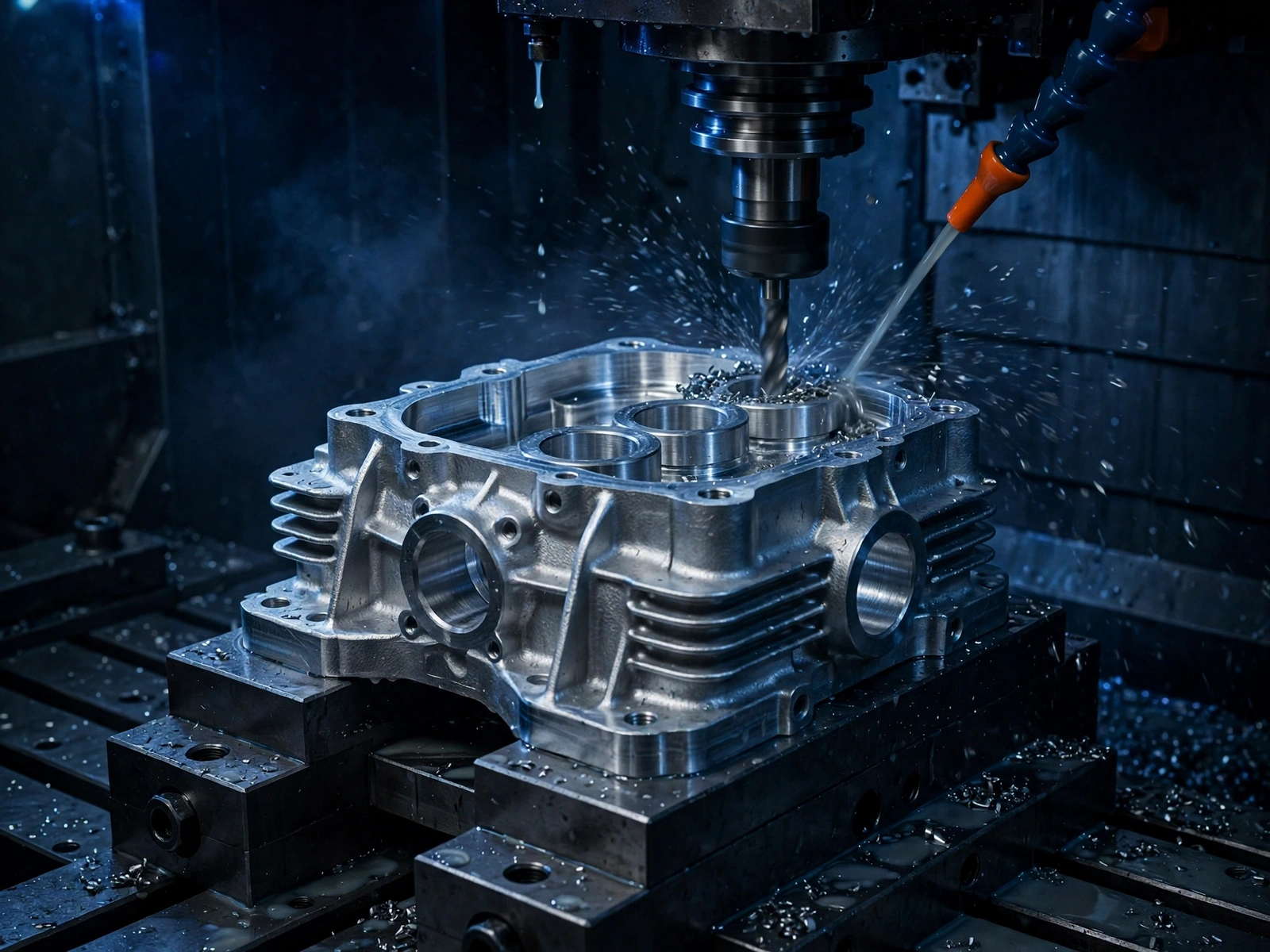
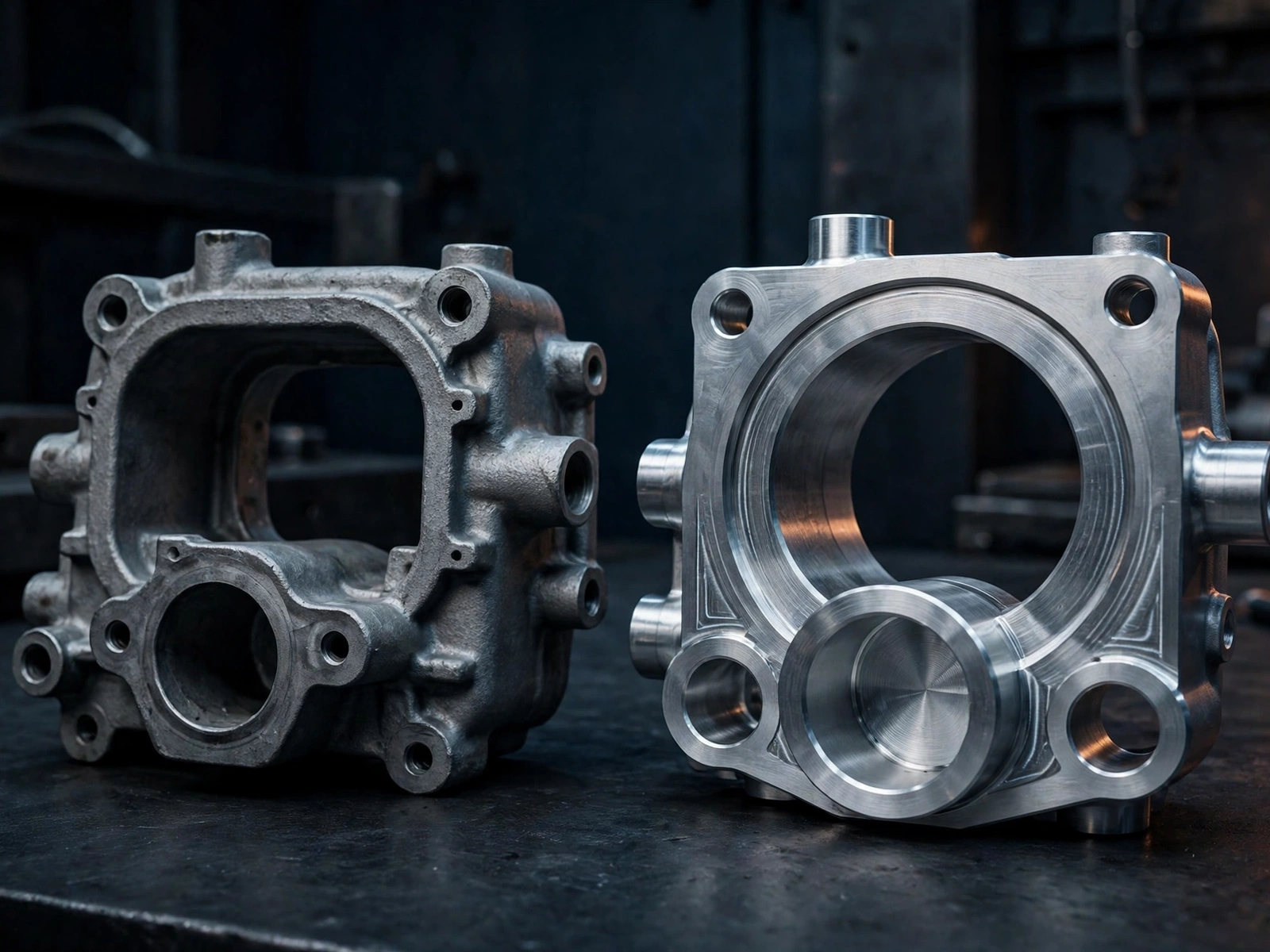
As-cast dimensions are repeatable, but on any die cast part the bearing bores, sealing faces and threaded holes usually need machining to hold tight tolerances. Small castings typically hold about ±0.05 mm as cast, and machined features go tighter. We design each casting with machining stock on those features and fixture it on cast datums, so machined features line up with the rest of the part. See our automotive machined parts page for machining capabilities.
Examples of Automotive Parts Made by Die Casting
Large structural castings, such as one-piece rear underbodies made on giant casting machines, need presses far bigger than ours. Our range suits the housings, covers and brackets that make up most castings in a vehicle by count.
Die Casting vs Other Casting Processes
| Process | Best for | Trade-off |
|---|---|---|
| High pressure die casting | Thin-wall housings and brackets in volume | Tooling cost; internal voids limit critical use |
| Low-pressure die casting | Wheels and larger, thicker parts | Slower cycles |
| Sand and investment casting | Large or very complex parts in low volumes | Rougher surface or higher cost per part |
| Machining from solid | Prototypes and low volumes | Higher cost per part at volume |
We offer high pressure die casting, not vacuum die casting or giant structural casting. For wheels, large sand castings or investment casting, we will tell you at the quote stage and point you to the right process. Before a die is built, many teams test the design with machined prototypes; see our automotive prototyping page.
Die Casting Techniques for Automotive Components
Good design starts before the die is cut, and it decides whether you can create parts with complex shapes at low cost. These rules help parts fill cleanly, hold tolerance and keep tooling cost down:
Our free DFM review checks these points on every quote, along with gate positions and ejector marks on visible faces.
Advanced Die Casting Solutions and the Future of EV Parts
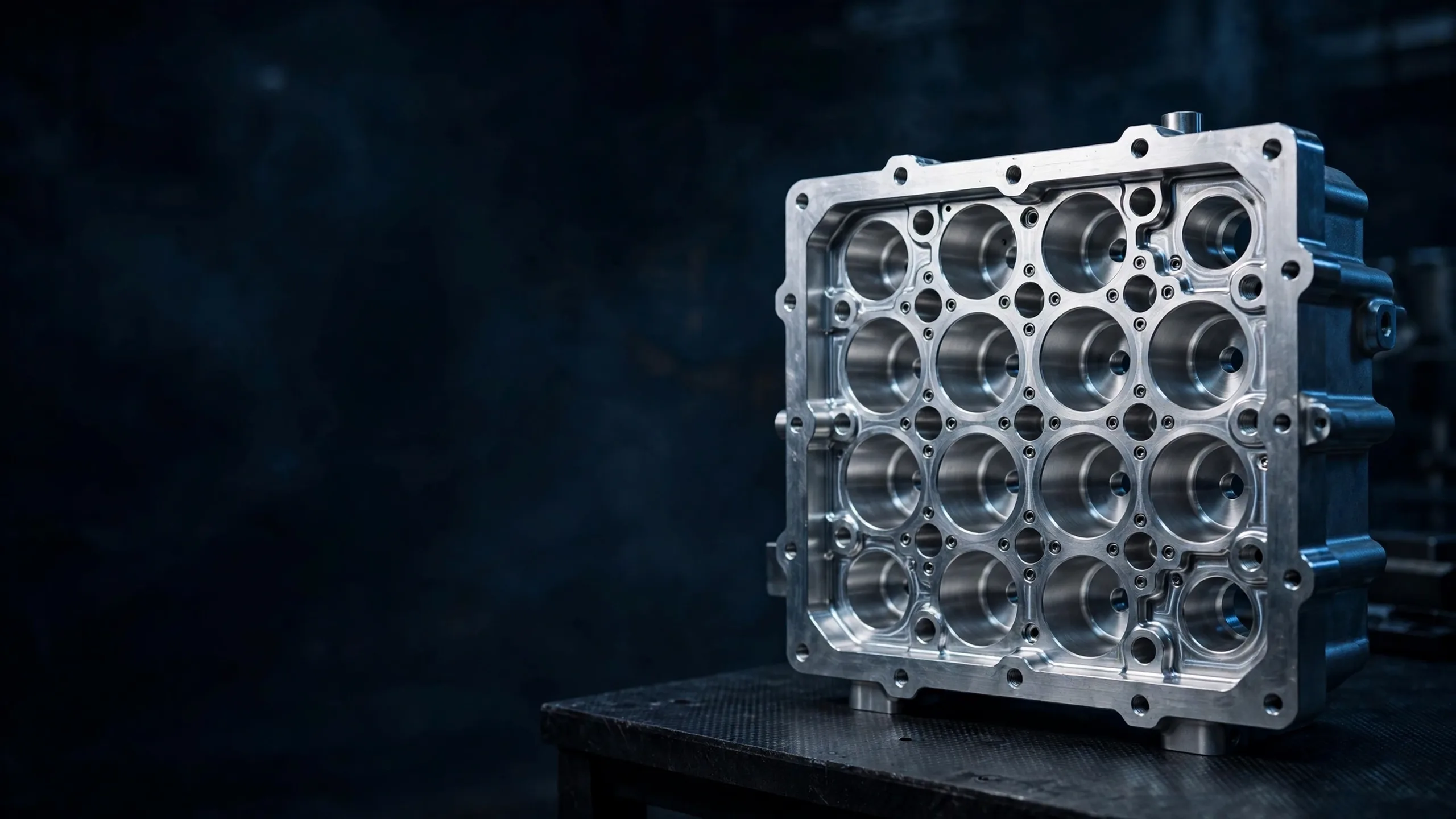
Electrification is changing which parts die casting is used for. EV motor housings, inverter cases and battery brackets replace many traditional engine castings, and they need thin walls, good thermal conductivity and flat sealing faces. Aluminum die casting suits this well because aluminum is lightweight, conducts heat and recycles easily, and zinc remains the choice for small detailed hardware. Automation in the foundry, from robotic ladling to in-line X-ray, is also raising consistency. Larger single-piece castings are spreading too, but most die cast components in a car are still small and medium housings and brackets, which is where our die casting work fits.
Quality Control for Automotive Castings
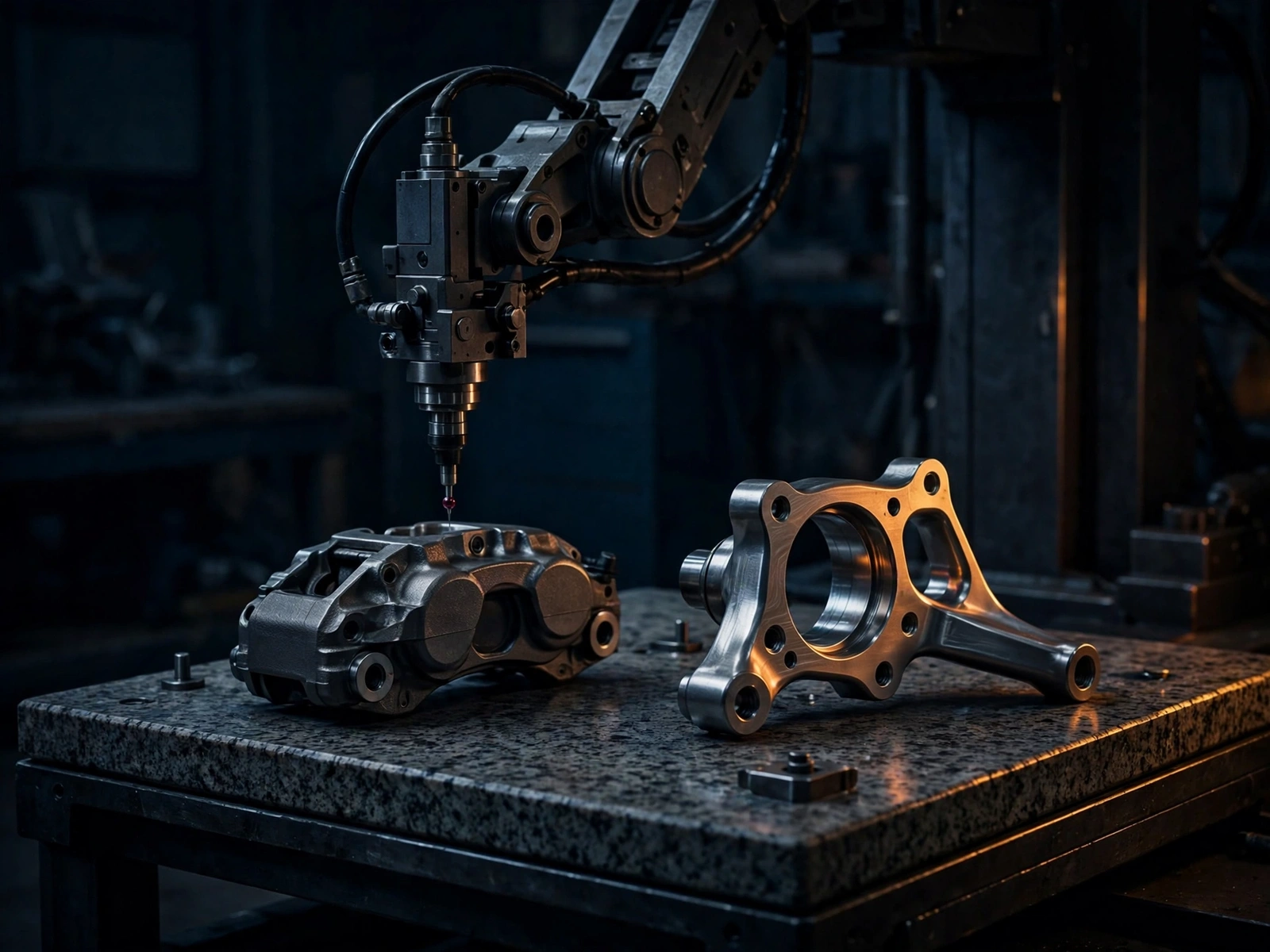
Our quality system is certified to IATF 16949 and ISO 9001:2015, and every production process step is documented, from melting and casting to machining. We provide material certificates, first article inspection, dimensional reports on machined features and PPAP documentation when your customer requires it. X-ray or sectioning checks by an approved lab can be arranged when your drawing calls for proof of internal quality.
Related Services and Die Casting Alternatives
Choosing Among Die Casting Manufacturers
Many die casting manufacturers can cast a part. The difference shows over a full program. Using die casting well means matching materials, tooling and machining to the needs of the automotive program, not just the price of the die. Ask whether the supplier builds dies in-house, machines castings in-house and holds an automotive quality system. The number of die cast parts you need per year also matters, because casting only reaches a low cost per part once volumes cover the die. We help you work out that crossover before you commit, and compare die casting with machined or molded options.
Request a Die Casting Quote
Send your 3D model, alloy, annual volume and finish. You will get die and part pricing, a realistic lead time and DFM notes on draft, wall thickness and machining stock.
Get Instant QuoteFrequently Asked Questions
What is automotive die casting?
It is a metal casting process that injects melted aluminum, zinc or magnesium into a hardened steel die under high pressure to make car parts such as housings, brackets and covers. It suits complex, thin-wall parts needed in thousands.
Which alloys are used for die casting automotive parts?
Aluminum alloys such as A380 and ADC12 are the most common because they balance weight, strength and cost. Zinc alloys such as Zamak 3 and 5 suit small, detailed parts, and magnesium suits weight-critical parts with a protective finish.
Is die casting cheaper than CNC machining?
At volume, yes. The die is a fixed cost, but each die cast part costs far less than machining it from solid. For prototypes and small batches, machining is usually cheaper because there is no die to pay for.
Can castings hold tight tolerances?
As-cast features are repeatable, with small parts typically holding about ±0.05 mm. Bearing bores, sealing faces and threads usually need machining to go tighter, and we machine them in-house so the part arrives ready to assemble.
How do you control porosity in castings?
We control porosity through part design, gate and overflow placement and process settings, and keep critical machined features away from areas prone to voids. When your drawing requires it, X-ray or sectioning can be arranged before parts ship.