Automotive Prototyping From First Prototype to Production
Tuowei Precision builds car part prototypes for engineers who need to test fit, form and function before committing to tooling. We make each prototype by CNC machining, 3D printing, vacuum casting, metal forming or rapid tooling, often in the production material, so test results carry over to the final part.
Why Prototyping Matters in the Automotive Industry
A design flaw found on a prototype costs a few hundred dollars. The same flaw found after tooling or during validation can cost months. A good prototype lets automotive engineers check fit with mating parts, run load, heat and vibration tests, and identify flaws while changes are still cheap. It also gives investors and stakeholders, and OEMs reviewing a supplier, a physical part to review instead of a screen, which helps meet customer expectations.
Prototyping has limits worth knowing. A printed prototype does not behave exactly like a molded or cast part, so it can pass a test the final part would fail. For safety and performance tests, we recommend a prototype made in the production material and, where possible, the production process.

Prototyping Services and Manufacturing Technologies
| Method | Best for | Typical timing | Notes |
|---|---|---|---|
| Machining | Functional metal parts and plastic prototypes | 5–12 business days | Production materials, tight tolerances |
| Printing | Unique designs, fast design loops | A few days | Resin, nylon or metal; lattices and channels |
| Vacuum casting | 20 to 200 cast parts | Under 5 days for simple parts | Urethane parts that mimic ABS, PP or rubber |
| Formed metal | Brackets, shields, enclosures | As little as 3 days | Same process as production |
| Rapid tooling | Molded samples before a steel tool | A few weeks | Aluminum molds for pre-series parts |
Machined Prototypes
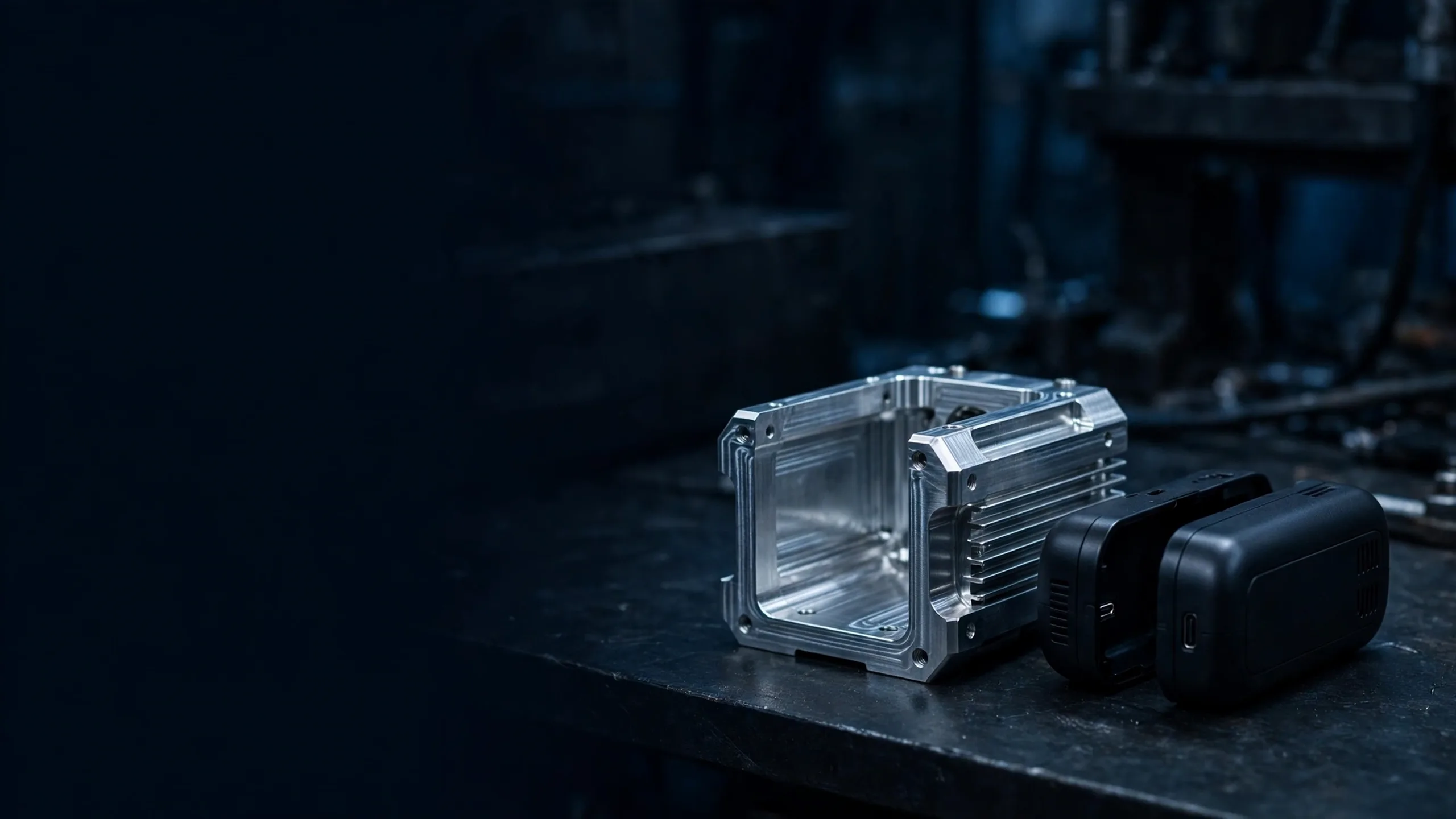
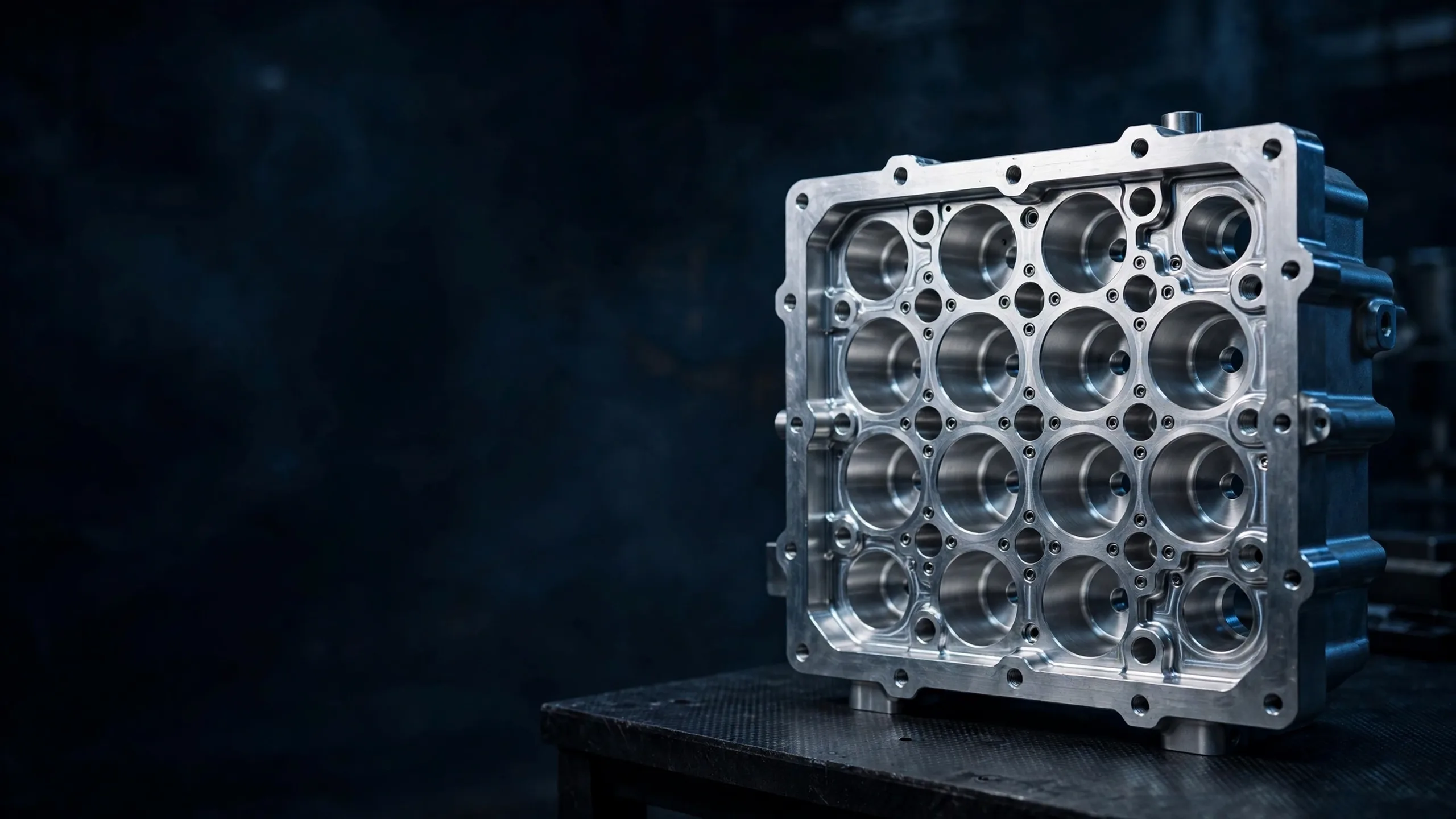
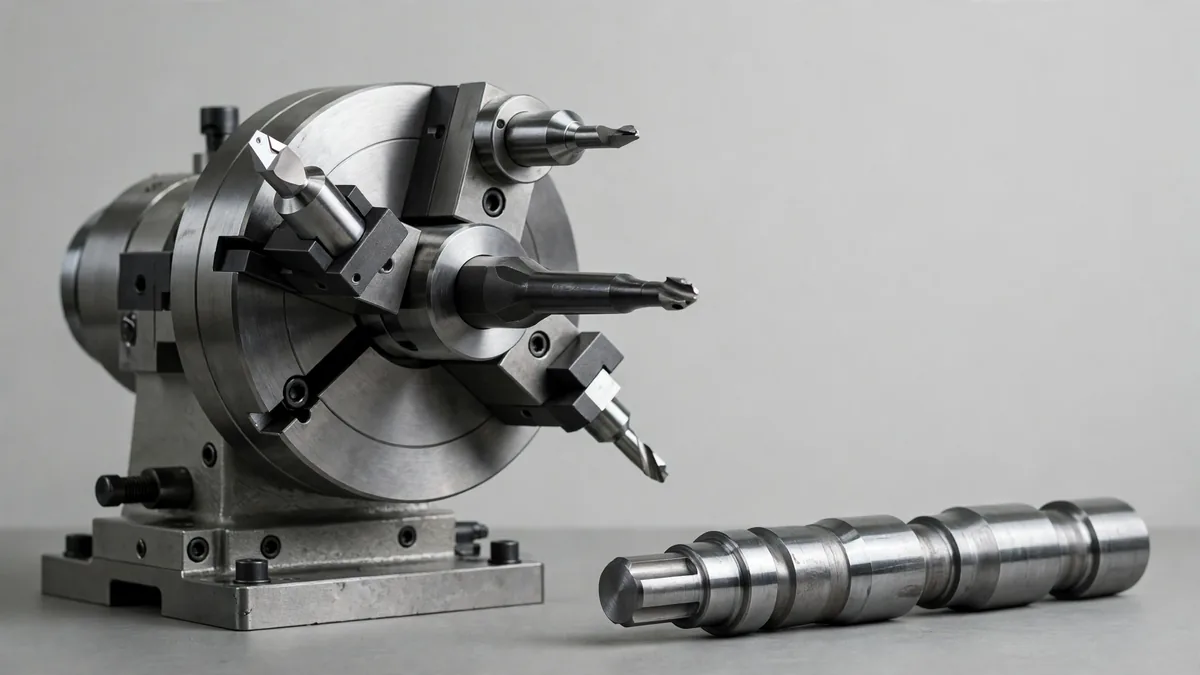
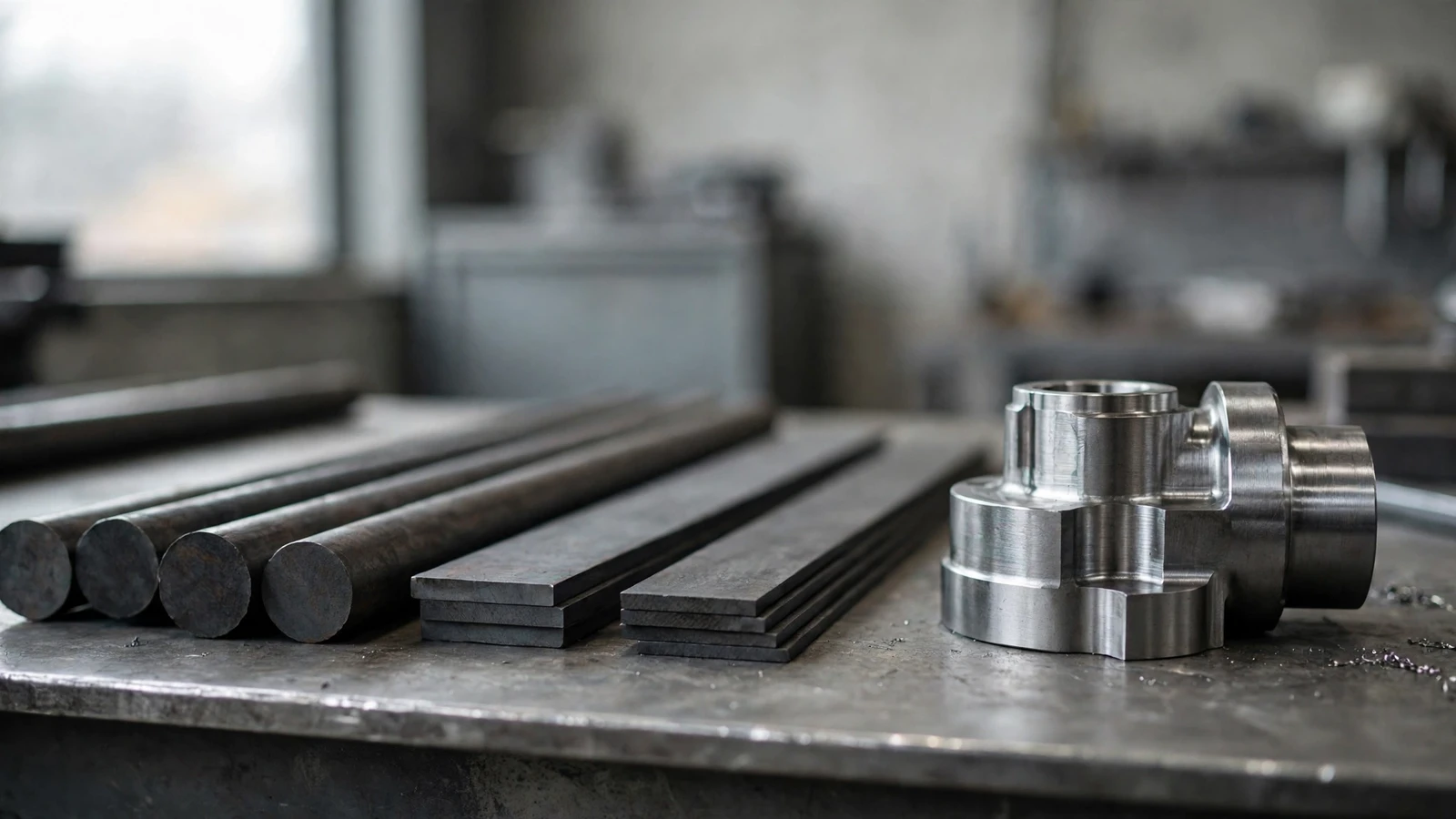
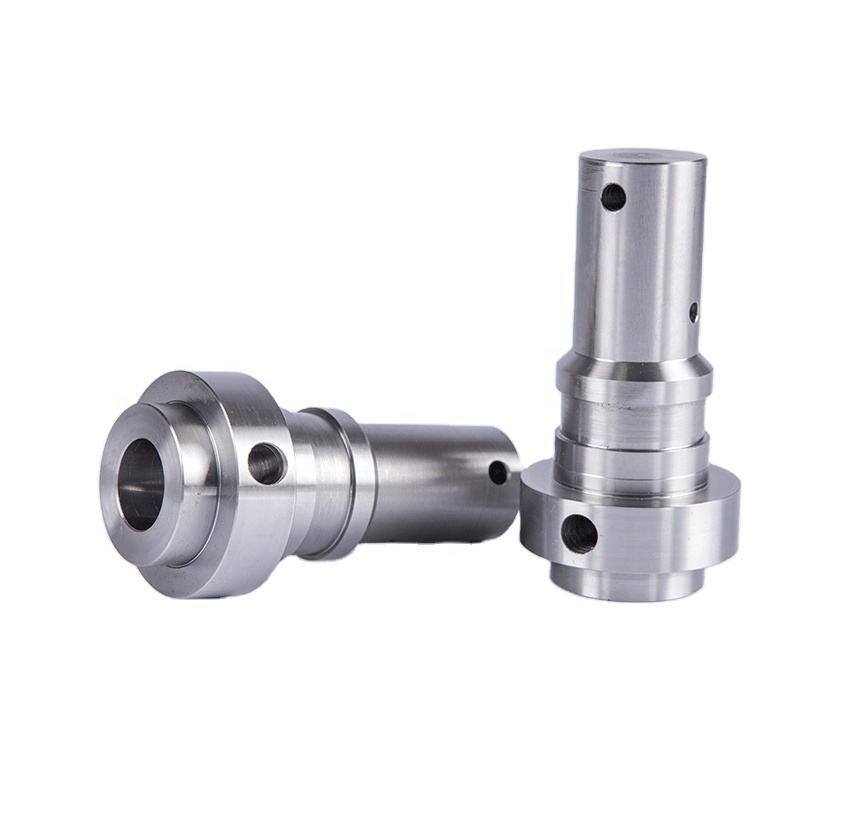
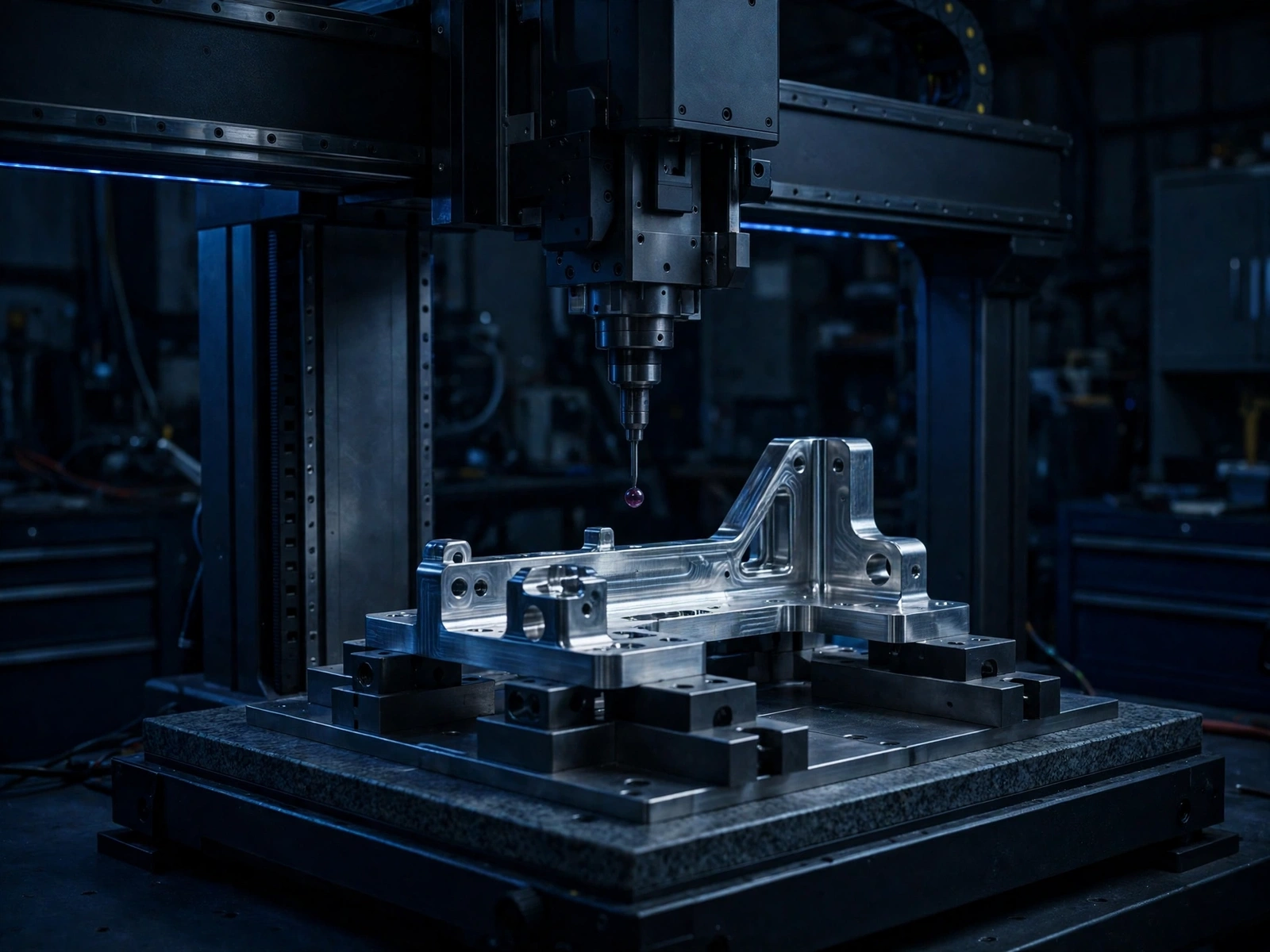
Machining makes functional components and working prototypes from a wide range of materials, including aluminum, steel and engineering plastics, so test data reflects the real material. It is our first choice for brackets, housings and engine components. See our automotive machined parts page for machine details.
3D Printed Prototypes
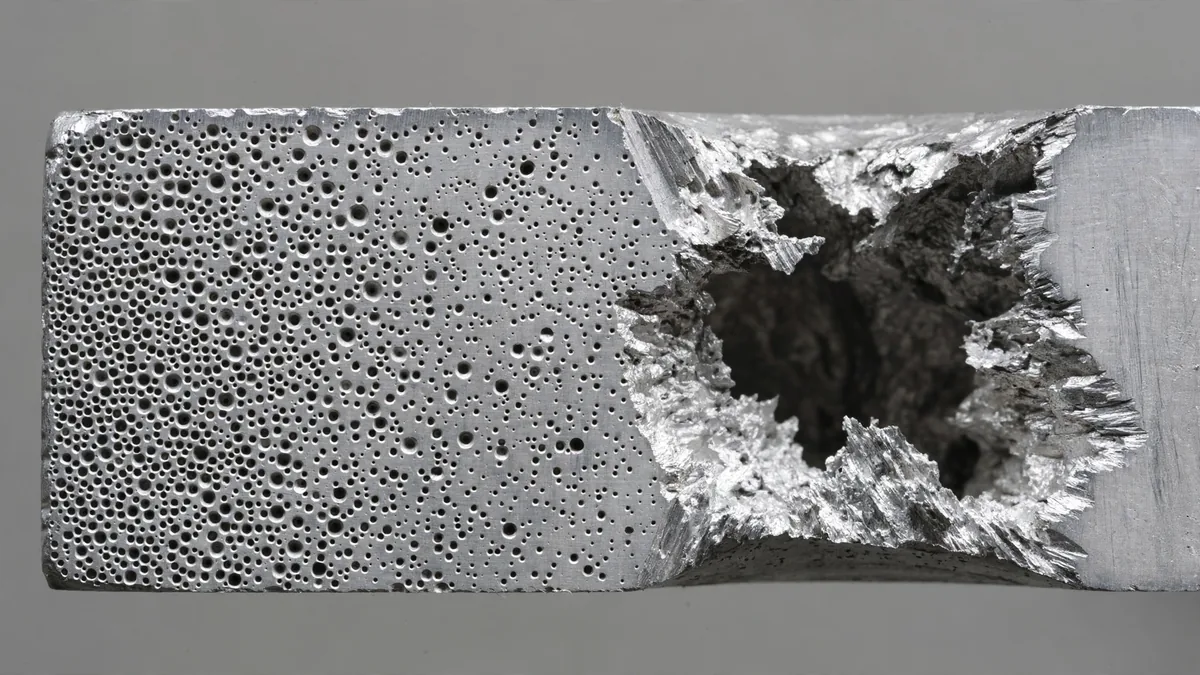
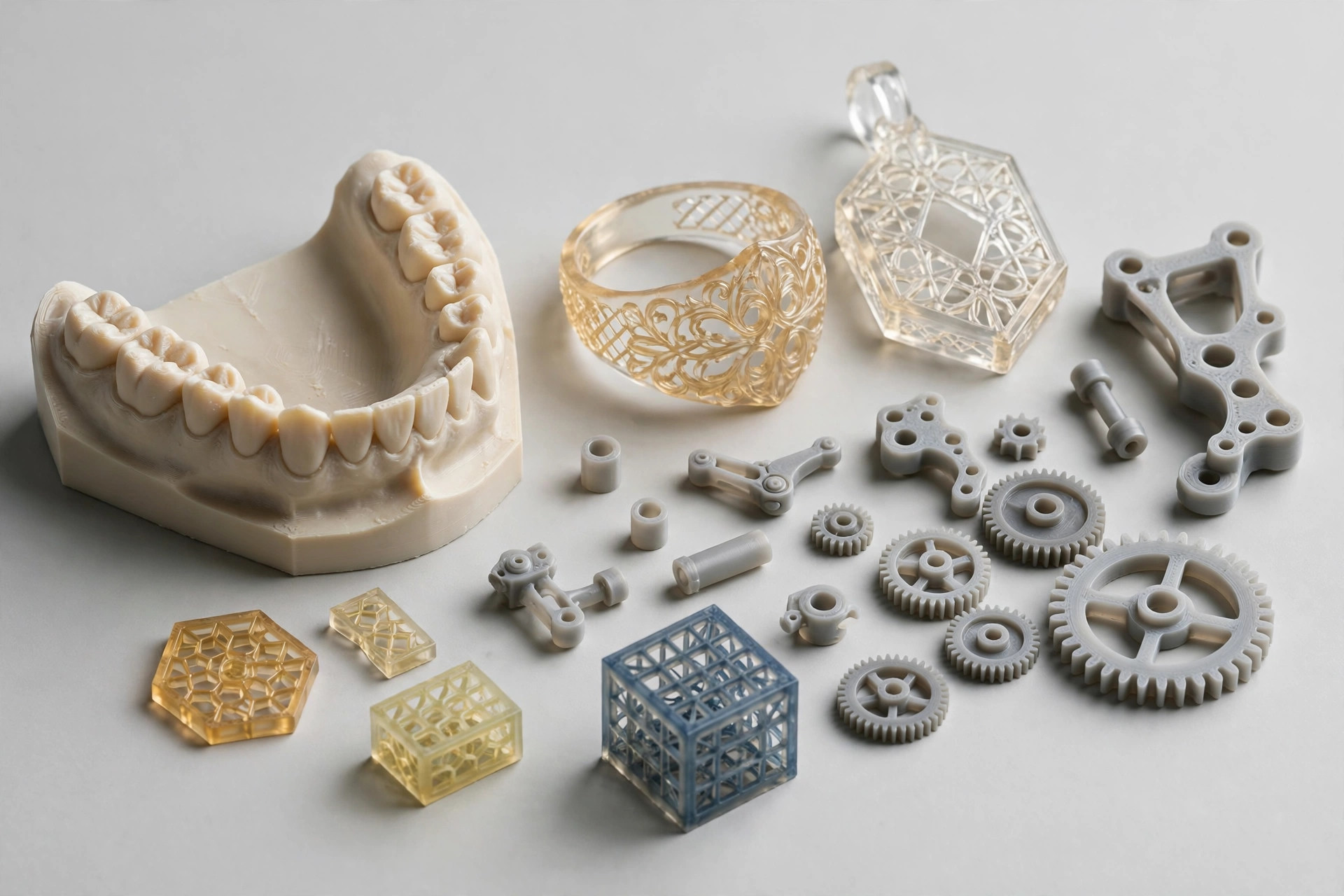
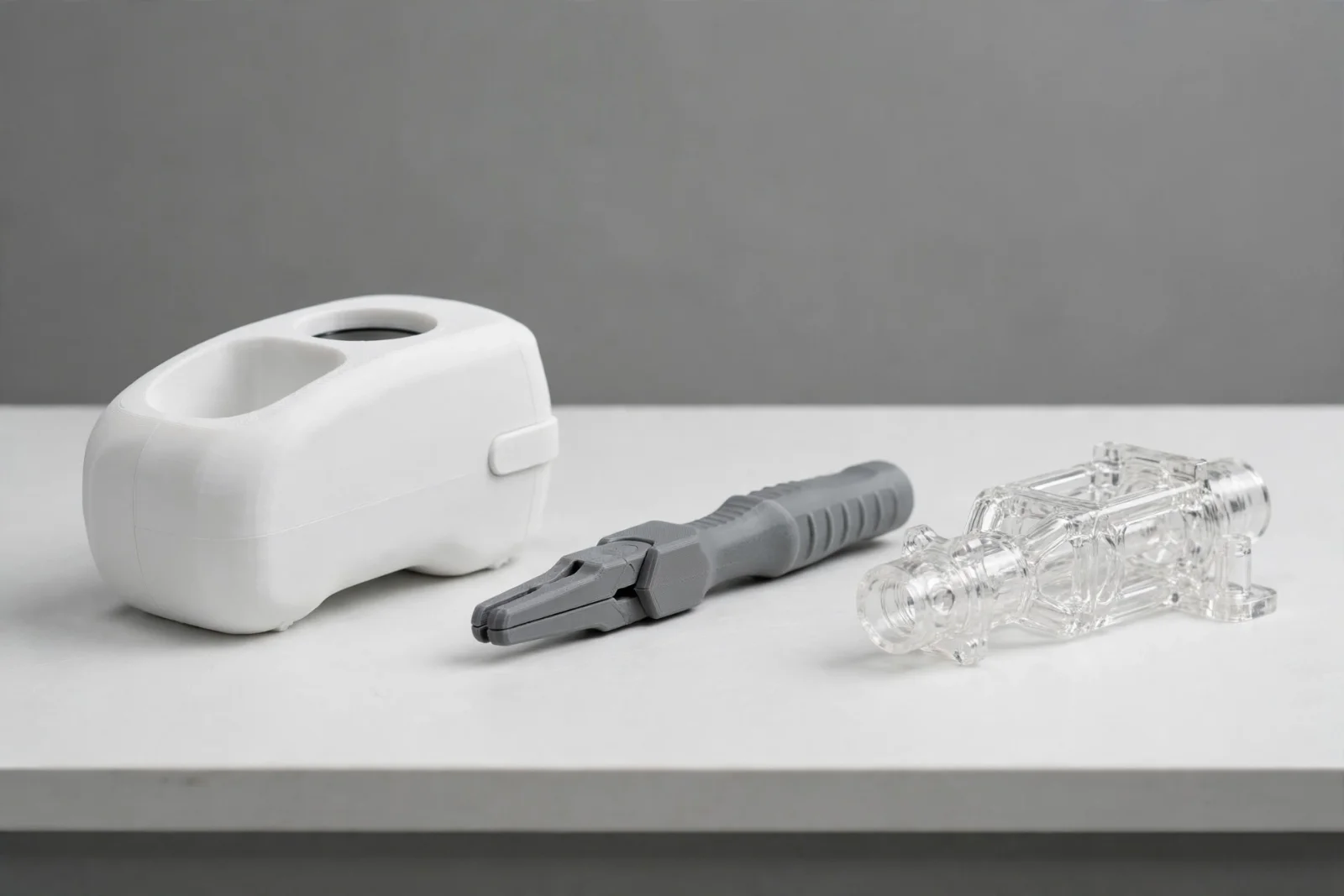
For complex geometries and quick design loops, automotive 3D printing lets you print and test several versions in a week, from dashboard parts to air ducts. This printing technology turns digital models into physical parts within days.
Vacuum Casting and Rapid Tooling
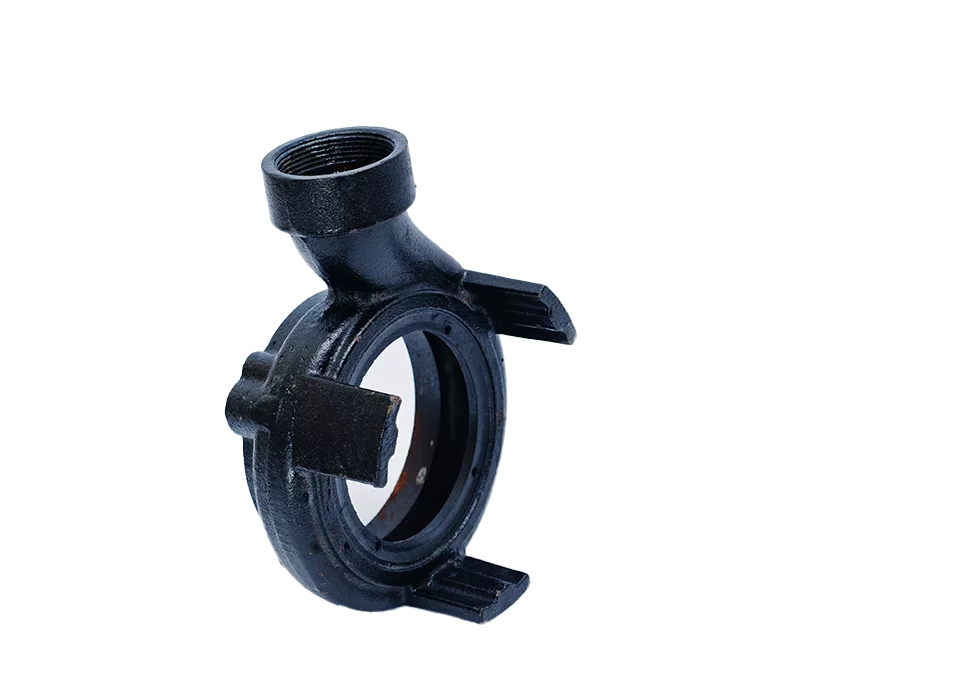
When you need dozens of cast parts for a test fleet, vacuum casting and aluminum bridge molds bridge the gap between a one-off prototype and high-volume production. Cast parts hold about ±0.15 mm locally and can be painted or textured to match interior panels.

Formed Metal Prototypes
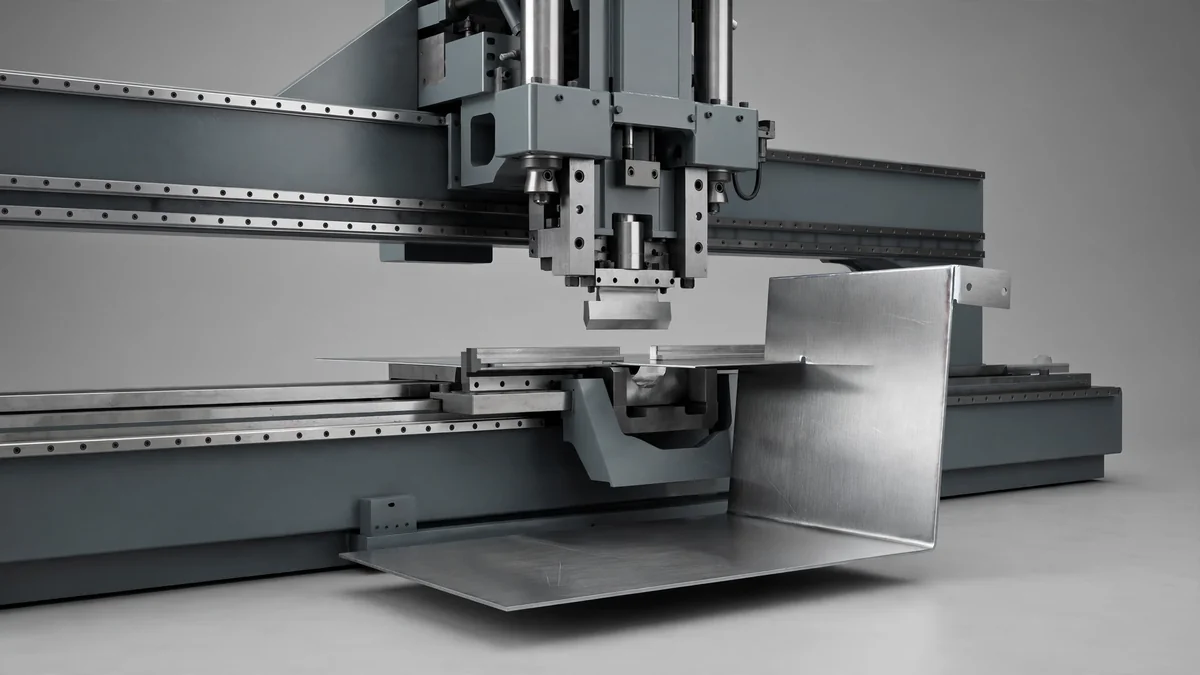
Brackets and enclosures are cut and bent with the same equipment used in production. See our automotive sheet metal fabrication page.
The Automotive Prototyping Process
Prototypes for Every Stage of Product Development
Common Mistakes When You Create a Prototype
Automotive manufacturers make two classic mistakes. The most common is choosing the cheapest method and being surprised when the production part behaves differently. The second is sending a STEP file without a drawing, which leaves the shop guessing which features matter. Flag critical dimensions, say what the prototype will be tested for, and plan certifications such as IATF 16949 documentation early rather than just before launch.
High-Quality Parts With IATF 16949 Documentation
Our IATF 16949 and ISO 9001:2015 quality system covers prototype orders as well as production. We supply inspection reports, material certificates and first article inspection on request, so your team links test data to measured parts. Learn more on our rapid prototyping page.
From Prototyping to Production With One Supplier
When the design is frozen, our advanced manufacturing team moves it to the process that fits your volume, keeping prototyping and production with one partner:
Start Your Automotive Prototype
Upload your 3D file and drawing, and tell us the quantity, material and test plan. Our engineers will recommend a method and return a quote with lead times, often the same day, so you get high-quality prototypes cost-effectively.
Get Instant QuoteFrequently Asked Questions
What does prototyping mean for car parts?
It is making test versions of automotive components before mass production. A prototype checks fit, assembly and performance, and can range from a printed concept model to a machined part in the production material. Finding problems at this stage avoids costly tooling changes later.
Which prototyping method is best for automotive parts?
Machining is best for functional rapid prototypes in metal because it uses production materials. Printing suits complex shapes and fast iterations, vacuum casting suits dozens of plastic parts, and formed metal suits brackets. We recommend a method based on what the prototype must prove.
How long does a prototype take?
Machined prototypes typically take 5 to 12 business days, simple vacuum cast parts under 5 days and formed brackets as little as 3 days. Expedited service is available, and your quote confirms the timing after drawing review.
Can you make prototypes in production materials?
Yes. We machine prototypes in aluminum, steel, stainless steel and engineering plastics, and can make molded samples from an aluminum bridge tool for the injection molding process. Using the production material gives test results you can trust.
Do you provide inspection reports for prototypes?
Yes. Our IATF 16949 quality system covers prototype orders, and we supply dimensional reports, material certificates and first article inspection on request. That lets your team tie each test result to a measured part rather than to nominal CAD values.