
5 Axis CNC Machining Services
Tuowei Precision offers 5-axis CNC machining services for complex parts that 3-axis machines cannot reach. The tool and workpiece move along five axes in a single setup, machining five sides of a part without repositioning — with strict GD&T compliance and rigorous inspection on every order. Choose 5-axis machining for complex geometries, intricate details, or high-precision requirements. Aerospace, automotive, and medical parts benefit through shorter lead times and better surface quality.
- Quick-turn prototypes and production in days
- Quick-turn prototypes and production in days
- ISO 9001:2015, ISO 13485
- IATF 16949:2016, AS9100D certified
- All uploads are secure and confidential

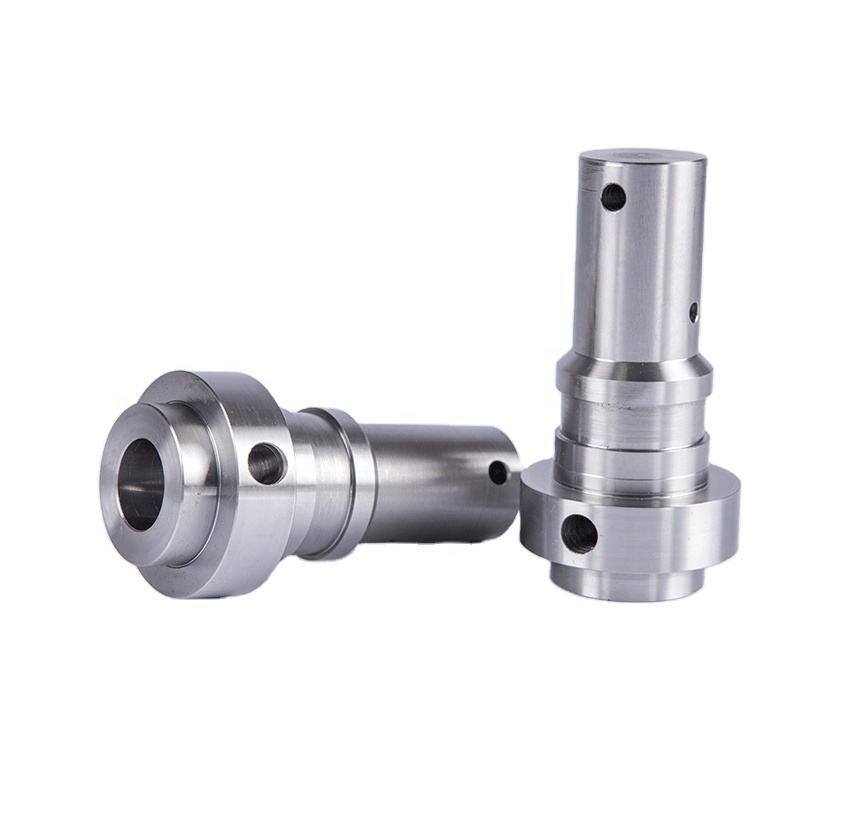
What Is 5-Axis CNC Machining?
5-axis CNC machining moves the cutting tool and workpiece along five axes in one setup. It reaches five sides of a part without repositioning, cutting complex geometries accurately and leaving fine surface finishes. For simpler parts, see our CNC milling services. Our full guide, What Is CNC Machining and How Does It Work?, explains how 5-axis work fits into the wider CNC process.
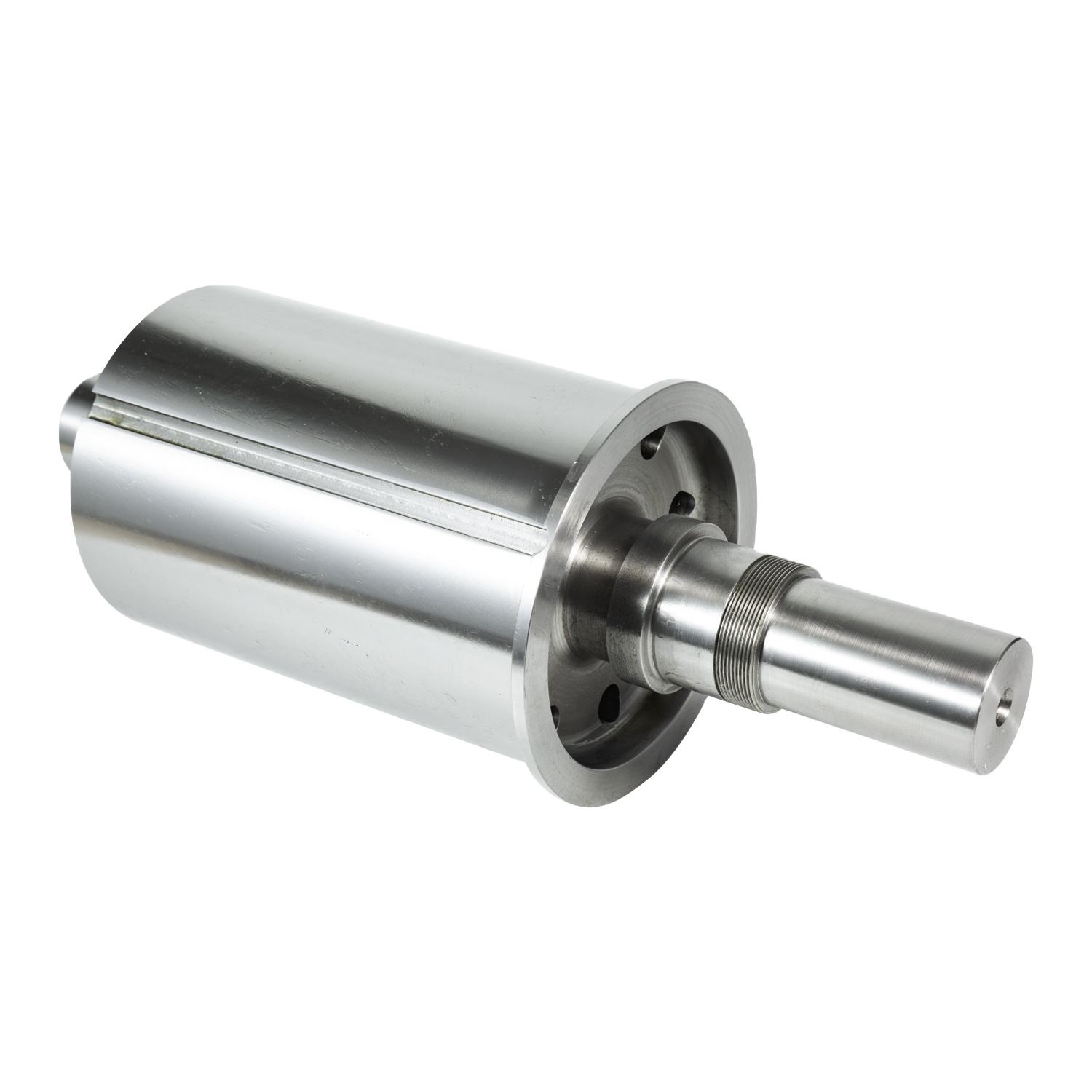
What Are the 5 Axes on a CNC Machine?
The five axes are the three linear axes (X, Y, Z) plus two rotary axes, typically called the A and B axes, that tilt and rotate the part or tool. This freedom lets the tool stay at the ideal angle to the surface, which improves accuracy and surface quality on contoured parts.
5-Axis CNC Machining Excellence
TUOWEI Precision delivers advanced 5-axis CNC machining for complex, high-accuracy components, supported by our ISO 9001 certification. We ensure tight tolerances, superior dimensional stability, and reliable precision for every project.
5 Axis CNC Tolerance
| Features | Details |
| Maximum Part Size | 4000 × 1500 × 600 mm |
| Minimum Part Size | 5 × 5 × 5 mm |
| General Tolerances | ±0.005 mm |
| Lead Time | 1–5 business days for prototypes; 5–15 business days for small batches; 2–4 weeks for mass production |
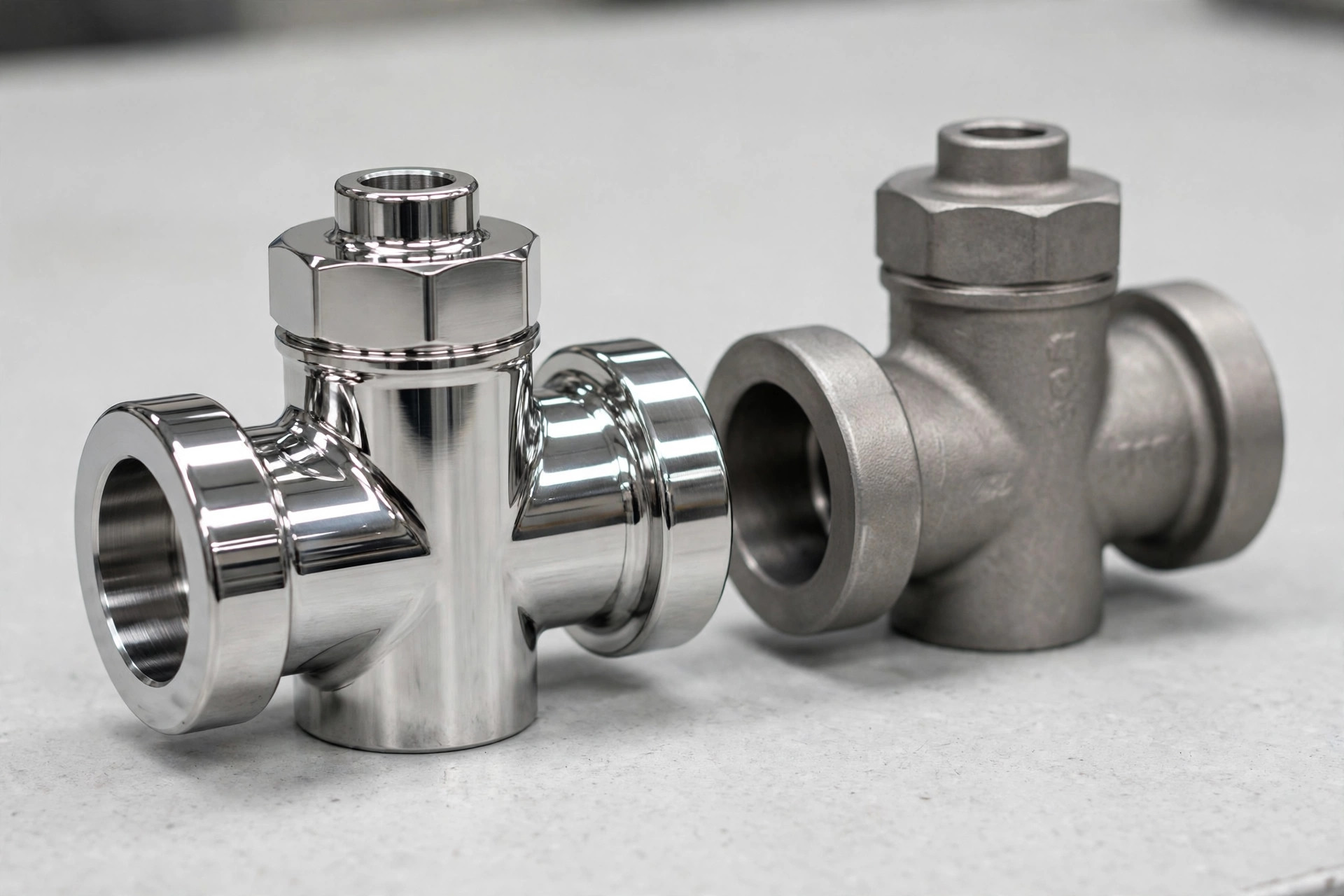
Surface Finishes For 5 Axis CNC Machining
Here are some surface finishing techniques that are commonly used to enhance the quality and performance of the machined parts:
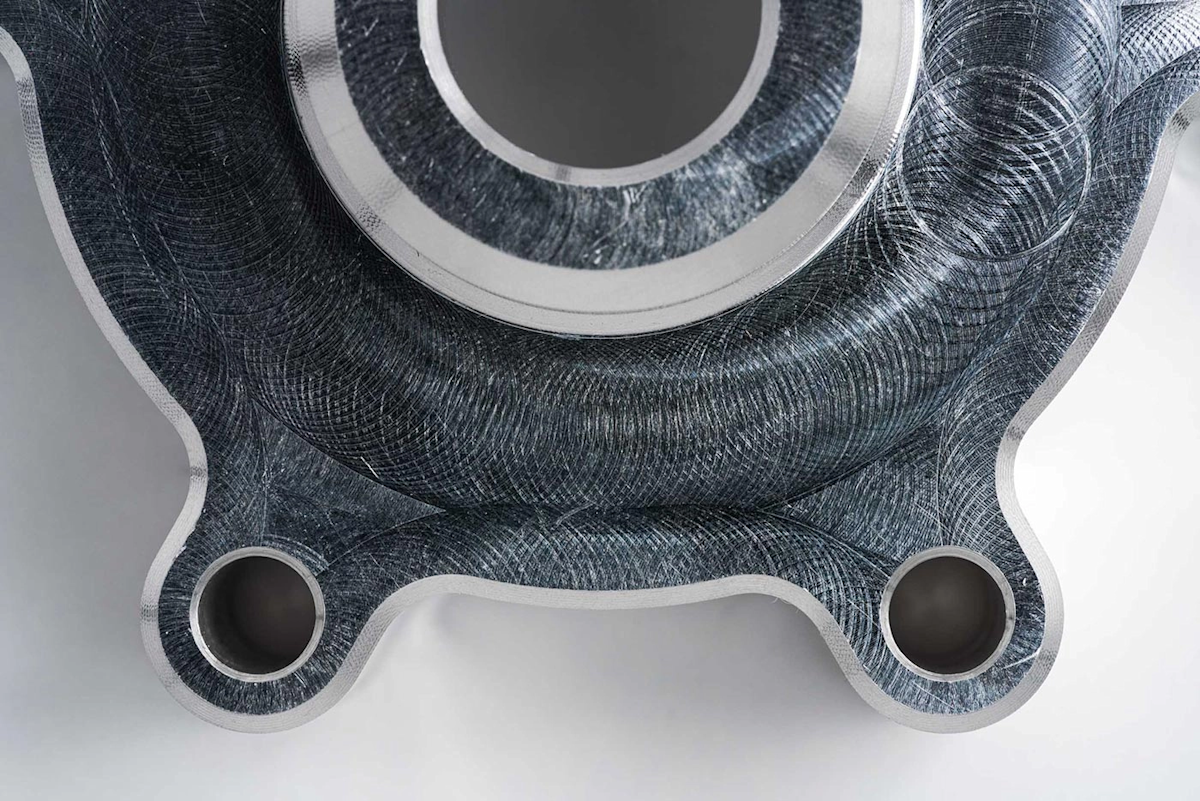
Polishing smooths the surface, providing a high-gloss finish that improves both appearance and resistance to wear.
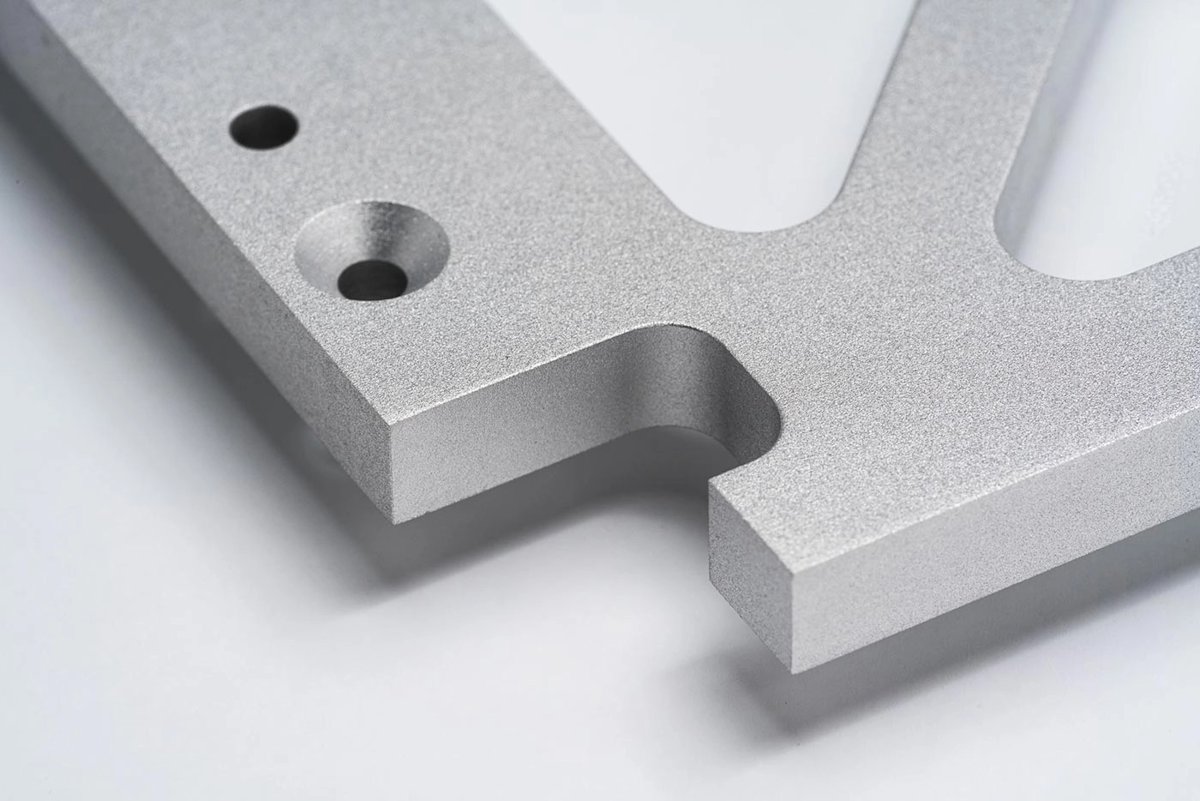
This process adds a protective oxide layer to metal surfaces, increasing corrosion resistance and enhancing aesthetic appeal.
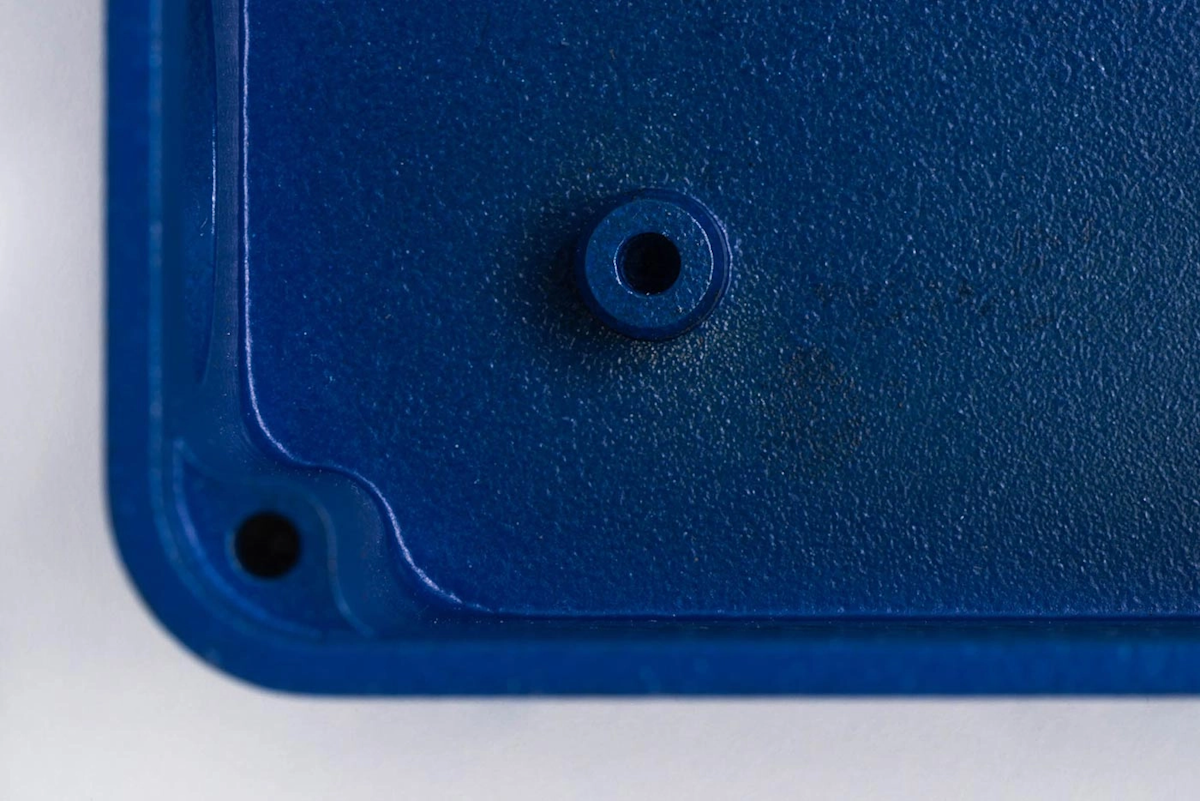
Bead blasting involves spraying fine beads onto the surface to create a smooth, matte finish with a uniform texture.
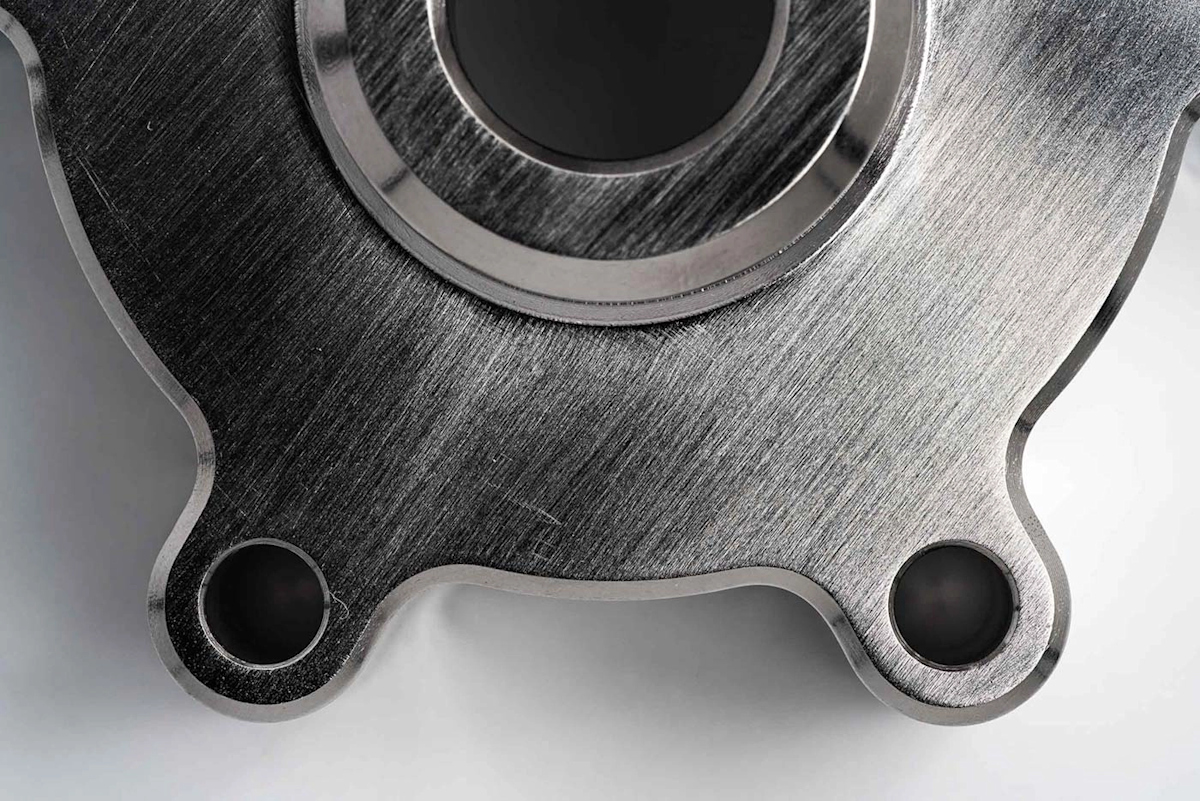
Electroplating adds a thin metal coating to a surface, offering enhanced corrosion resistance, wear protection, and improved conductivity.

Lapping is a precision process that improves surface flatness and smoothness, reducing surface roughness for high-tolerance applications.
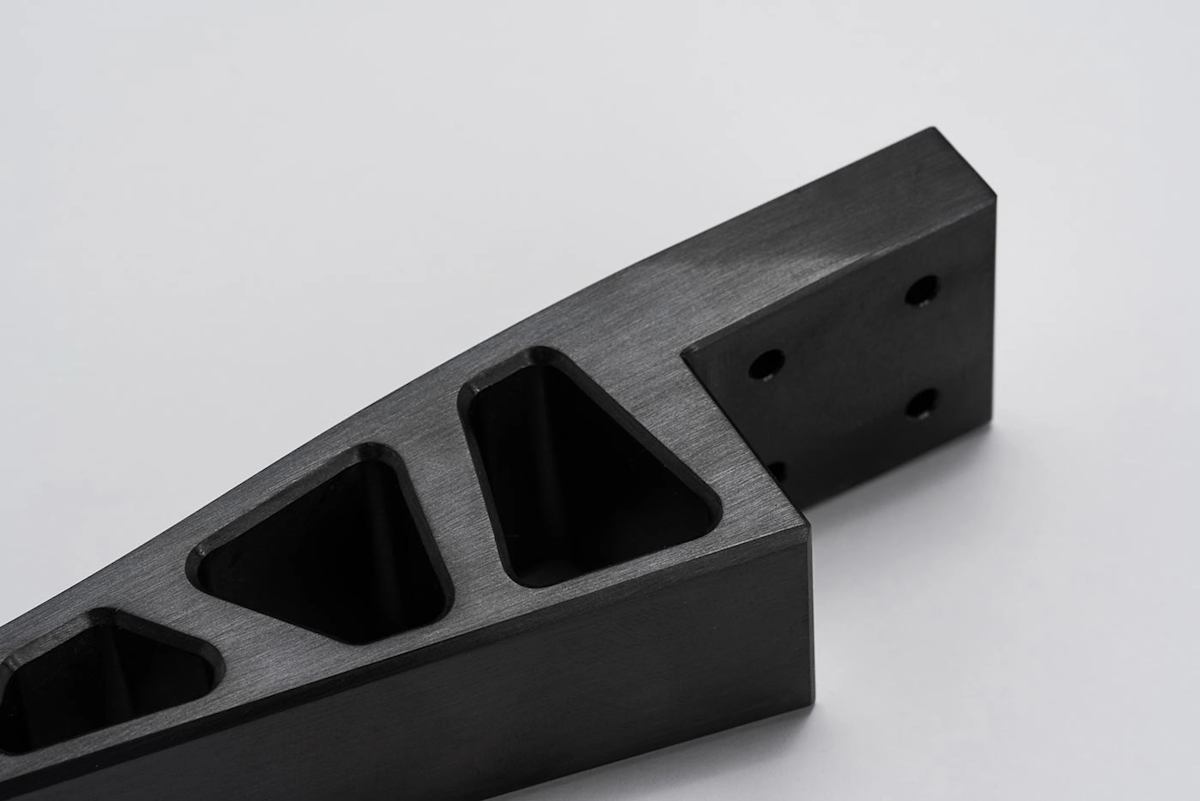
Shot peening involves bombarding the surface with small spherical media, improving fatigue resistance and reducing stress concentrations.
Materials and Industries for 5-Axis Machining
5-axis machining serves aerospace, automotive, and medical work, where complex parts must meet strict precision and surface standards. Typical materials include aluminum, titanium, steel, and engineering plastics.
If your part combines tight tolerances with complex geometry, 5-axis machining is often the most efficient route — fewer setups, less repositioning, and better surface quality than the same part made in several 3-axis operations. Cylindrical parts, though, are usually turned rather than 5-axis milled — see our CNC turning services.
Aluminum
Aluminum 5052
Aluminum 7075 & 7075-T6
Aluminum 6063-T5
Aluminum 7050-T7451
Aluminum MIC-6
Aluminum 6061-T6
Aluminum 2024-T3
Bronze/Brass
Brass C360
Brass 260
C932 M07 Bearing Bronze
Copper
H59
H60
Plastics
ABS
Acetal [Delrin]
Acrylic, G-10 Garolite
Nylon 6/6
PEEK, Polycarbonate
PTFE [Teflon]
Polypropylene
Ultra-High Molecular Weight Polyethylene
Steel
Alloy Steel 4130
Alloy Steel 4140
ASTM A36, Stainless Steel 15-5
Stainless Steel 17-4
Stainless Steel 18-8
Stainless Steel 303
Stainless Steel 304
Stainless Steel 316/316L
Stainless Steel 416, Stainles Steel 420
Steel 1018
Steel A36
Titanium
Titanium Grade 2
Titanium 6Al-4V
Zinc
Zinc Sheet Alloy 500
3+2 vs Simultaneous 5-Axis Machining
Simultaneous 5-Axis Machining
In 3+2 machining, the two rotary axes position the part at a fixed angle, then cutting happens with three axes — like indexed 3-axis work at an angle. It is simpler to program and suits parts with angled faces, holes, and pockets that do not need continuous contouring.
| Feature | 3+2 Machining | Simultaneous 5-Axis |
|---|---|---|
| How it works | Rotary axes lock at a fixed angle, then 3-axis cutting | All five axes move together while cutting |
| Best for | Angled faces, holes, and pockets | Complex curves, impellers, turbine blades |
| Surface finish | Good on angled features | Best on freeform and contoured surfaces |
Trunnion-Style vs. Swivel-Rotate-Style 5-Axis Machining
Trunnion-Style Machining Centers
Featuring a fixed table with a spindle that moves and rotates on two axes, trunnion-style machines excel in handling large or heavy workpieces. The stable table support allows precise machining from multiple angles in a single setup, making it efficient for complex, large-scale parts.
Swivel-Rotate-Style Machining
In this configuration, the workpiece is mounted on a rotating and tilting table, while the spindle stays fixed. This setup is ideal for smaller or more delicate parts, offering excellent accessibility and precision. Swivel-rotate machines are perfect for intricate geometries that demand accuracy and high-quality finishes.

When to Choose 5-Axis Machining
What can a 5-axis CNC machine do that a 3-axis machine cannot? It machines multiple sides of a part in a single setup and reaches angles other setups cannot, which cuts lead times and improves surface quality. Choose it for complex geometries, intricate details, or high-precision requirements.
Parts that typically need 5-axis machining include impellers, turbine blades, aerospace brackets, and medical implants. If your part has undercuts, compound angles, or sculpted surfaces, ask our engineers whether 5-axis is the right choice.
Tolerances and Precision
5-axis machining holds exceptionally tight tolerances, because one setup reaches five sides of a part and minimizes errors from repositioning. Strict GD&T compliance and rigorous inspection back every 5-axis order, so components meet the highest standards of precision and consistency. A typical tolerance range for 5-axis machining is ±0.005 in (±0.127 mm) as standard, with ±0.001 in (±0.025 mm) achievable on tight features; the exact tolerance varies by part size, material, complexity and quantity.
How Much Does 5-Axis CNC Machining Cost?
5-axis CNC machining cost depends on part complexity, material type, and required precision. Typical pricing ranges from $75 to $250 per hour — higher than traditional machining, because the machines and programming are more advanced. Independent cost guides, such as RapidDirect’s 5-axis cost guide and Okuma’s guide to 5-axis machine-tool prices, break down the same drivers.
Overall costs often fall because fewer setups and less production time are needed. For an accurate price, send your drawings — every quote includes a free DFM analysis.
How to Order 5-Axis Machined Parts
Ordering takes five steps: upload your CAD files, receive an instant quote, review the free DFM analysis, approve production, and receive inspected parts shipped worldwide.
Lead times depend on part complexity and order quantity, and your quote includes a delivery estimate. As a typical guide, prototypes usually take 1–3 business days for simple parts, while production typically takes 1–2 weeks; exact lead time varies by part size, material, complexity and quantity.
With Tuowei Precision’s 5-axis CNC machining service, you gain more than advanced machinery — you get flawless precision, strict timelines, and skilled professionals dedicated to meeting your needs.
Why Choose Tuowei Precision for 5-Axis Machining
ISO-Certified Quality
Tuowei Precision’s ISO-certified CNC machining guarantees exceptional accuracy and quality. Every part is crafted for perfect fit and flawless performance, with rigorous quality control at each stage.
Stay on schedule with Tuowei Precision. Our state-of-the-art equipment and local workshops deliver rapid production to meet your tight deadlines.
Rely on our team for comprehensive CNC machining support. Our experts are available to optimize design efficiency and ensure top-quality results at every step.
Design Guidelines for 5-Axis CNC Machining
At TUOWEI Precision, our 5-axis CNC machining design guidelines guarantee efficient, accurate, and structurally sound parts across a variety of applications.
| Features | Recommended Size |
|---|---|
| Maximum Feature Size | Ensure part dimensions are optimized for precision and structural integrity. |
| Minimum Feature Size | Minimum feature size: 0.5 mm in width or depth for structural integrity. |
| Linear Dimensions | Precision tolerance within ±0.005 mm for accuracy across the machined part. |
| Hole Diameters (not reamed) | Holes can be machined with diameters from 1 mm to 40 mm without reaming. |
| Shaft Diameters | Shaft diameters range from 2 mm to 300 mm, considering tool access and torque. |
Advantages
Advantages of 5-Axis CNC Machining at TUOWEI
5-axis CNC machining provides major benefits compared to traditional 3-axis methods, making it the preferred solution for precision-driven and complex projects.
- Complex Geometries: Enables the machining of intricate designs and multi-dimensional shapes from any angle, reducing the need for multiple setups.
- Superior Surface Finish: The tool can maintain an optimal angle, improving the surface finish and reducing the need for additional finishing processes.
- Use of Shorter Cutting Tools: Allows closer tool positioning, reducing deflection and vibration for sharper, more accurate cuts on challenging features.
- Increased Productivity: Streamlines production by consolidating multiple operations into a single setup, cutting lead times significantly. Material Conservation: Optimized tool paths and efficient mach
- Material Conservation: Optimized tool paths and efficient machining reduce waste, particularly valuable when working with costly materials.
Applications
Applications of 5-Axis CNC Machining at TUOWEI
5-axis CNC machining is widely valued for its versatility, enabling the production of complex, high-precision parts across diverse industries.
- Aerospace Components:Ideal for airframe structures and engine parts that demand intricate contours and extreme durability. Common examples include turbine disks, compressor blades, and swivel bearings.
- Automotive parts:Used for producing transmission gears, engine mounts, and hub assemblies. The process handles deep pockets and intricate features with high efficiency.
- Medical Devices: Crucial for crafting custom medical implants, such as hip joints and cranial plates, with tailored shapes and smooth finishes for precise fit.
- Mold and Die Production: Used for making intricate molds and dies, such as injection molds and stamping dies, that require detailed features and tight tolerances
- Marine Parts: Applied in manufacturing boat and marine vehicle components like propellers and hull structures, ensuring durability and high performance in harsh conditions.
- Energy Industry Parts: Essential for producing power generation parts, including wind turbine hubs and solar panel frames, where precision ensures efficiency and long-term reliability.
Partner with TUOWEI to Shape Your Vision
Since the era of rapid prototyping through scalable production, Tuowei Precision helps with your project because of its reliable CNC machining and manufacturing services. Our team collaborates with you to make sure that there is accuracy, consistency, and a smooth execution at all levels.
Begin your project now and start with the first step towards efficient and high quality manufacturing with Tuowei.
- Established engineering skills.
- Global project support
- Advanced CNC solutions
- Co-creation of products.
- Expandable capacity of production.
- All uploads are secure and confidential
Tuowei Precision's Solutions
Whether you’re creating a small batch of custom parts or scaling up for high-volume production, Tuowei Precision services offer the flexibility you need.

CNC rapid prototype machining is perfect for creating engineering or production prototypes that closely resemble the final product in both appearance and functionality. At Tuowei, we offer instant quotes and fast delivery, providing you with precise, high-quality CNC machined prototypes for your needs.
- Lead Time: 1-5 business days
- Capability: 1-100 pcs
- Get 20% off the price

Low volume CNC machining often acts as a bridge between prototyping and mass production for new and emerging production. With Tuowei, this process becomes easier, more efficient, and cost-effective, allowing you to scale production quickly while maintaining high-quality standards.
- Lead Time: 5-15 business days
- Capability: 101-10,000 pcs
- Meet tight specifications

CNC production machining is the best solution for producing a thousand parts or more efficiently. Leveraging a diverse selection of materials and automation and multi-axis capabilities, Tuowei delivers high-volume production with tight tolerances, superior dimensional accuracy, high reliability and fast turnaround times.
- Lead Time: 2-4 weeks
- Capability: Above 10,001 pcs
- Consistent Quality
Explore Insights & Innovation
Read our latest guides on CNC machining, materials, finishing and industry trends to make better production decisions.
Frequently Asked Questions
5 Axis CNC Machining
What tolerances can 5-axis machining hold?
Tolerances depend on material and part complexity. Strict GD&T compliance and rigorous inspection back every 5-axis order, and one setup reaching five sides of a part minimizes errors from repositioning. A typical tolerance range for 5-axis machining is ±0.005 in (±0.127 mm) as standard, with ±0.001 in (±0.025 mm) achievable on tight features; the exact tolerance varies by part size, material, complexity and quantity.
When should I choose 5-axis CNC machining?
Choose 5-axis CNC machining for complex geometries, intricate details, or high-precision requirements.
It machines multiple sides in a single setup and reaches angles other setups cannot.
Aerospace, automotive, and medical parts benefit through shorter lead times and better surface quality.
How much does 5-axis CNC machining cost per hour?
Typical pricing ranges from $75 to $250 per hour, depending on part complexity, material type, and required precision. Overall costs often fall because fewer setups and less production time are needed. An accurate quote comes from your drawings.
What is the difference between 3+2 and simultaneous 5-axis machining?
In 3+2 machining, the rotary axes lock the part at a fixed angle and cutting happens with three axes — good for angled faces, holes, and pockets. In simultaneous 5-axis machining, all five axes move together while cutting, which suits complex curved surfaces like impellers and turbine blades and gives the best finish on freeform geometry.
What is 5-axis CNC machining?
5-axis CNC machining moves the cutting tool and workpiece along five axes in one setup.
This reaches five sides of a part without repositioning, cutting complex geometries accurately.
It suits aerospace, medical, and automotive parts needing precision and fine surfaces.
How much does a 5 axis CNC cost?
That depends on what you mean. A 5-axis machine tool costs far more than a 3-axis machine, and the price varies widely by size, brand, and capability. Tuowei provides machining services, not machines for sale — for the cost of your parts, send your drawings for a quote.
How much does a 5-axis CNC milling machine cost?
Machine prices vary widely by size, brand, and capability, from entry-level machines to large production systems. Tuowei does not sell machines — we provide 5-axis machining services, priced per project from your drawings.
Is there a 6-axis or 7-axis CNC machine?
Yes. Six-axis machines add another rotary axis, often for mill-turn work, and seven-axis machines add one more — but both are specialist machines for unusual parts. For most complex parts, five axes are the practical choice, and that is what Tuowei offers.
What parts need 5-axis machining?
Parts with complex geometries, undercuts, compound angles, or sculpted surfaces need 5-axis machining — typically impellers, turbine blades, aerospace brackets, and medical implants. If your part has features a 3-axis machine cannot reach in one setup, 5-axis is the right choice.