
- Home
- »
- CNC Machining Services
- »
- Copper CNC Machining
Copper CNC Machining Service
Get high-quality copper CNC machining services with advanced machinery and an experienced team that ensures precision and efficiency. Exceptional results that meet your specifications, whether you need prototypes or large-scale production runs.
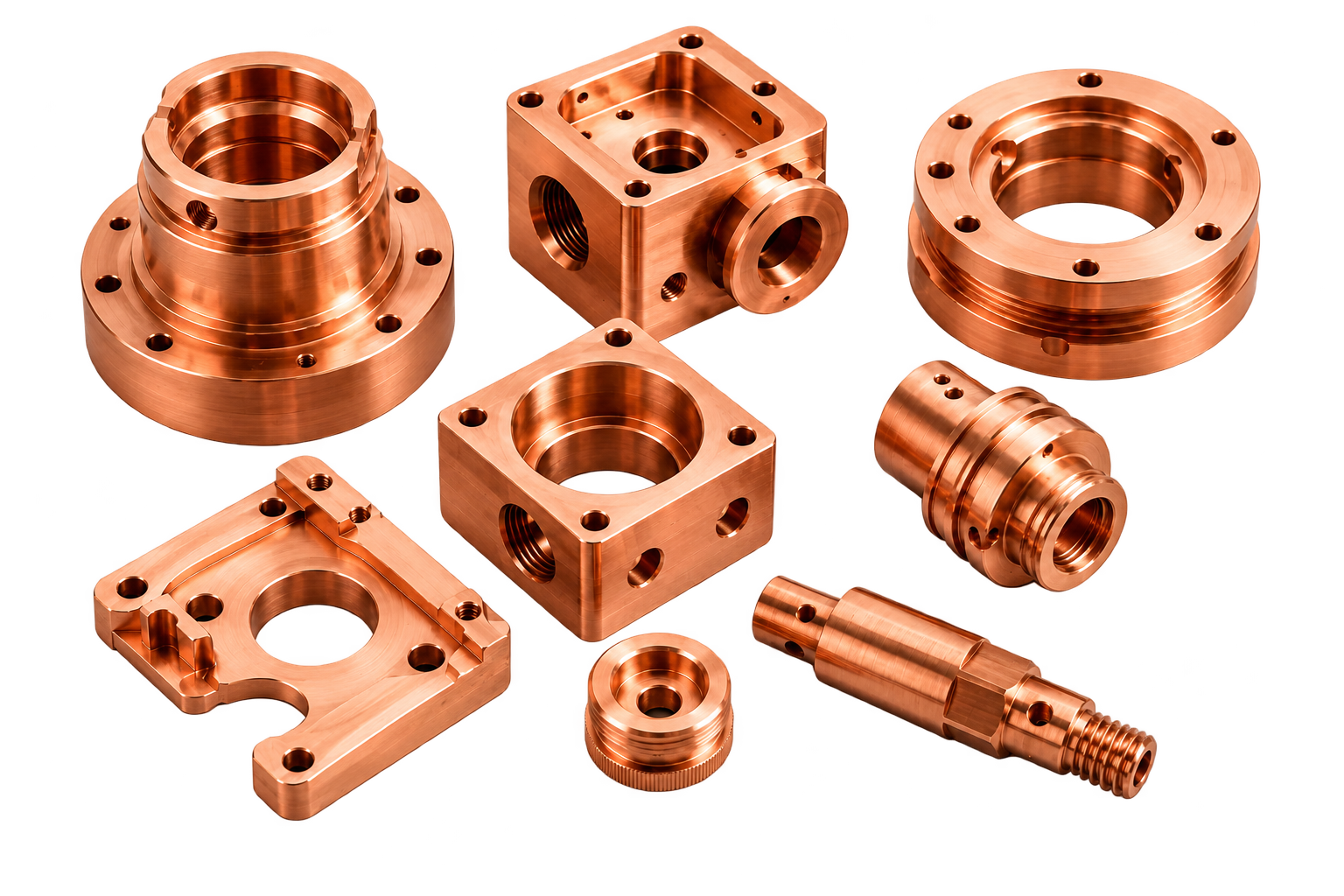
Copper in CNC Machining
Copper is an excellent material for CNC machining when a part needs high electrical conductivity, efficient heat transfer, and reliable corrosion resistance. Its combination of ductility and performance makes it suitable for electrical, electronics, automotive, construction, and industrial applications.
| Alloys available | Copper C101(T2), C103(T1), C103(TU2), C110(TU0), Beryllium Copper |
| Price | Flexible / Cost-Effective ($$) |
| Lead time | Under 10 days |
| Wall thickness | 0.75 mm |
| Tolerances | ±0.125 mm (±0.005 in) |
| Max part size | 200 x 80 x 100 cm |
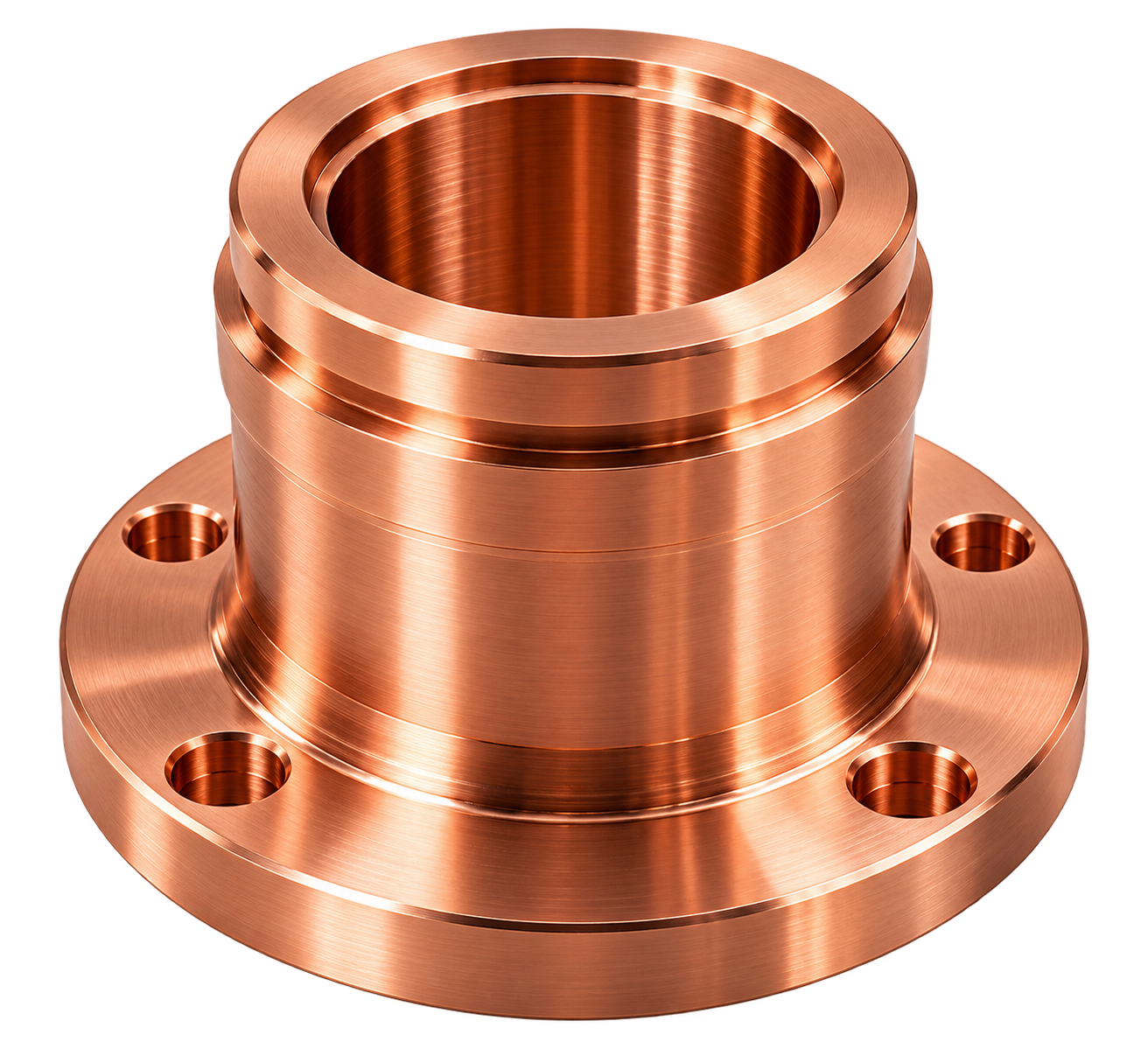
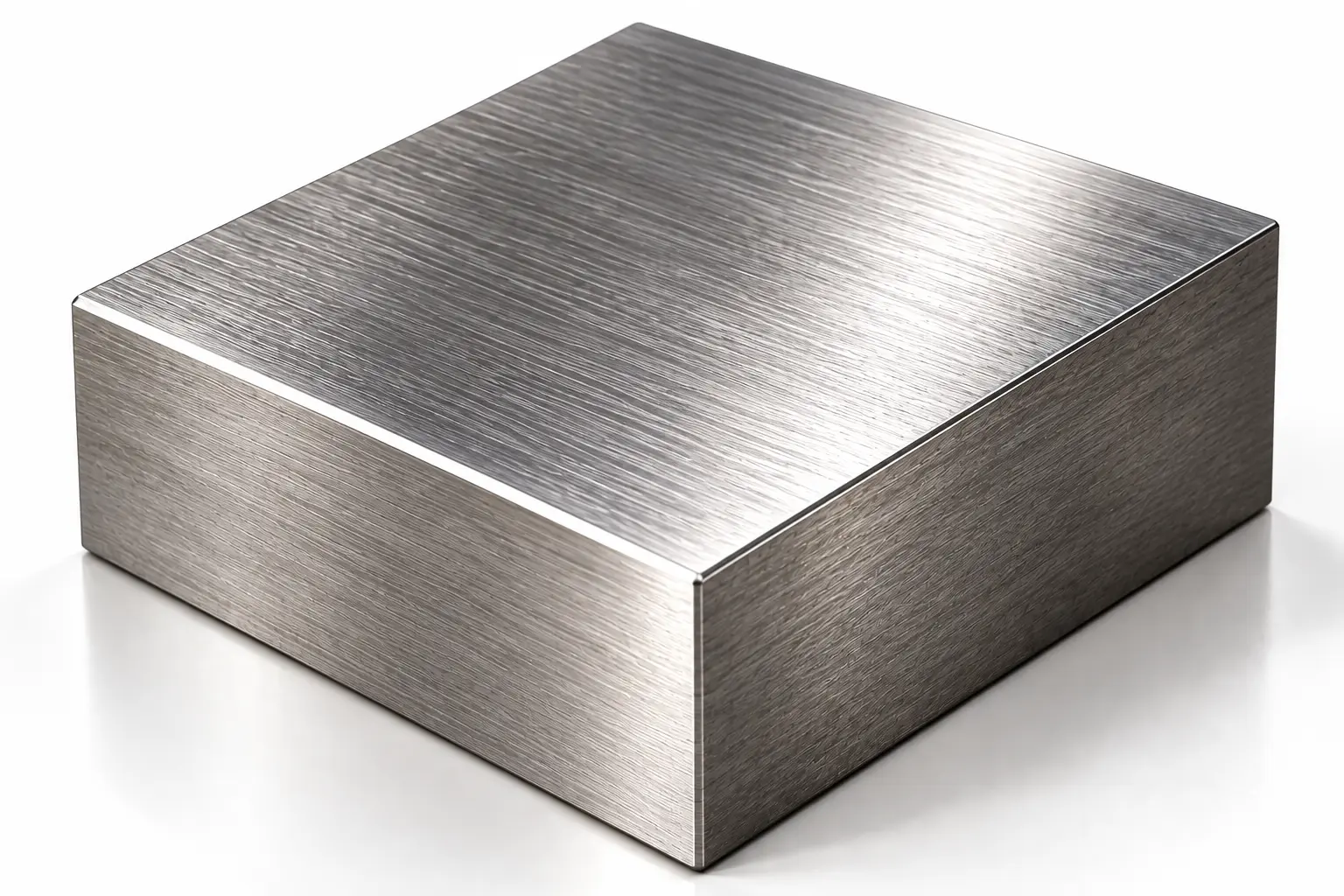
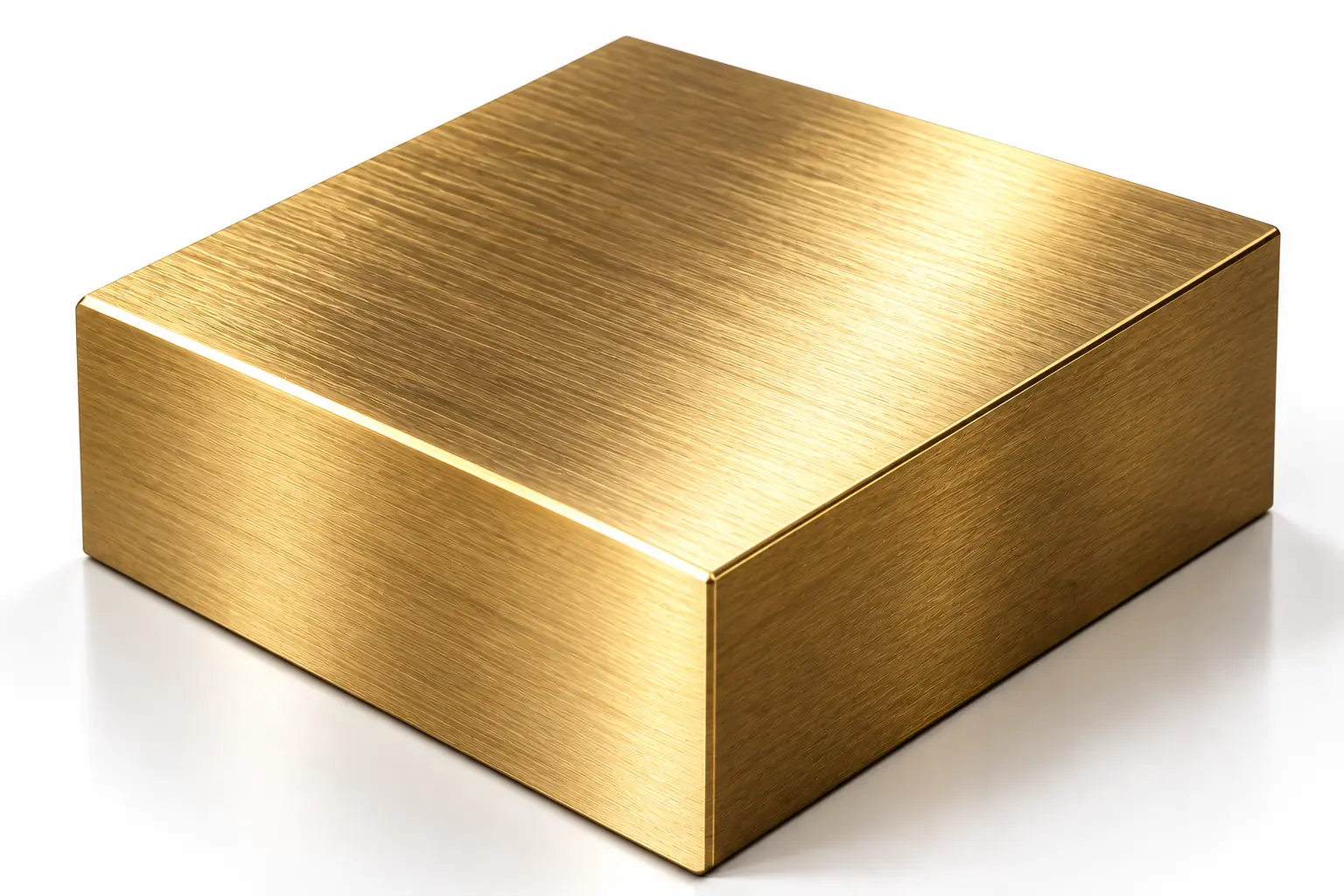
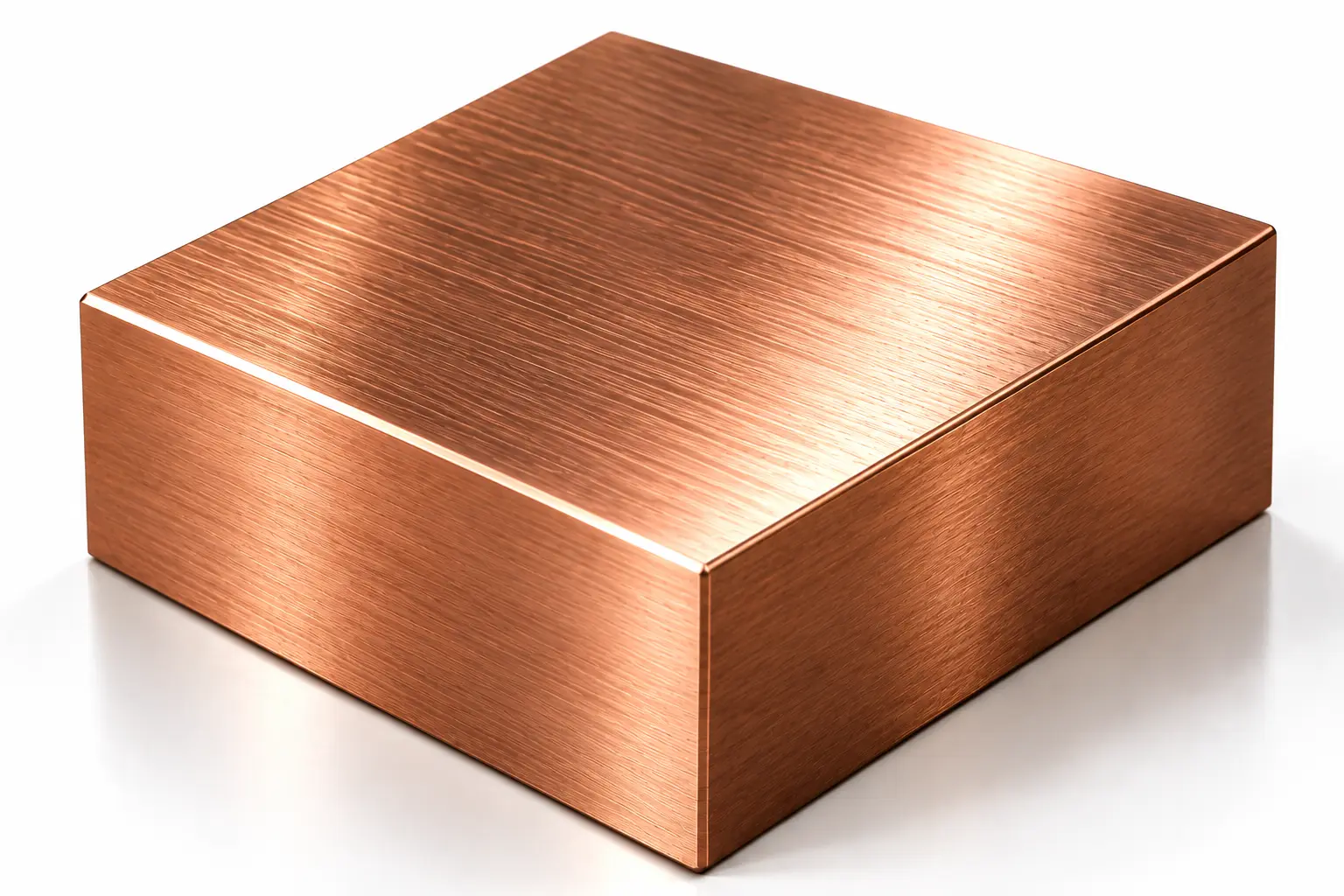
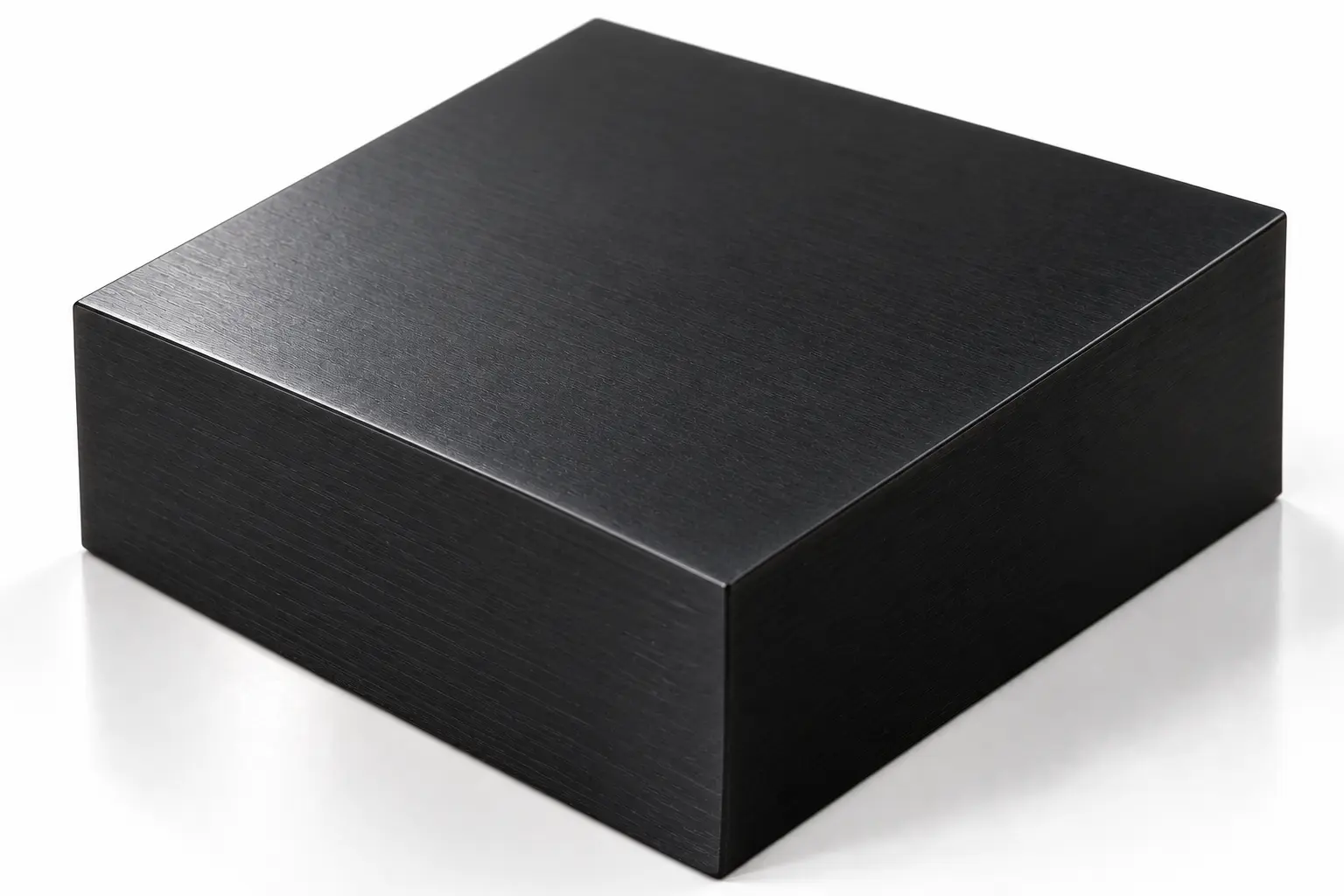
Copper CNC Machining Materials
Copper C101 (T2)
Copper C101 is an oxygen-free copper grade known for excellent electrical and thermal conductivity. It also offers good ductility and corrosion resistance, making it suitable for electrical contacts, heat-transfer parts, and precision conductive components.
Copper C103 (T1)
Copper C103 provides high electrical conductivity with good formability and reliable machining performance. It is commonly used for connectors, terminals, electronic components, and applications that require efficient current flow.
Copper C103 (TU2)
Copper C103 TU2 combines strong thermal conductivity with good weldability and ductility. These properties make it a practical choice for heat exchangers, electrical connectors, busbars, and custom CNC machined components.
Copper C110 (TU0)
Copper C110, also called electrolytic tough pitch copper, offers excellent electrical conductivity and good machinability. It is widely used for electrical parts, wiring components, terminals, conductive fittings, and industrial applications.
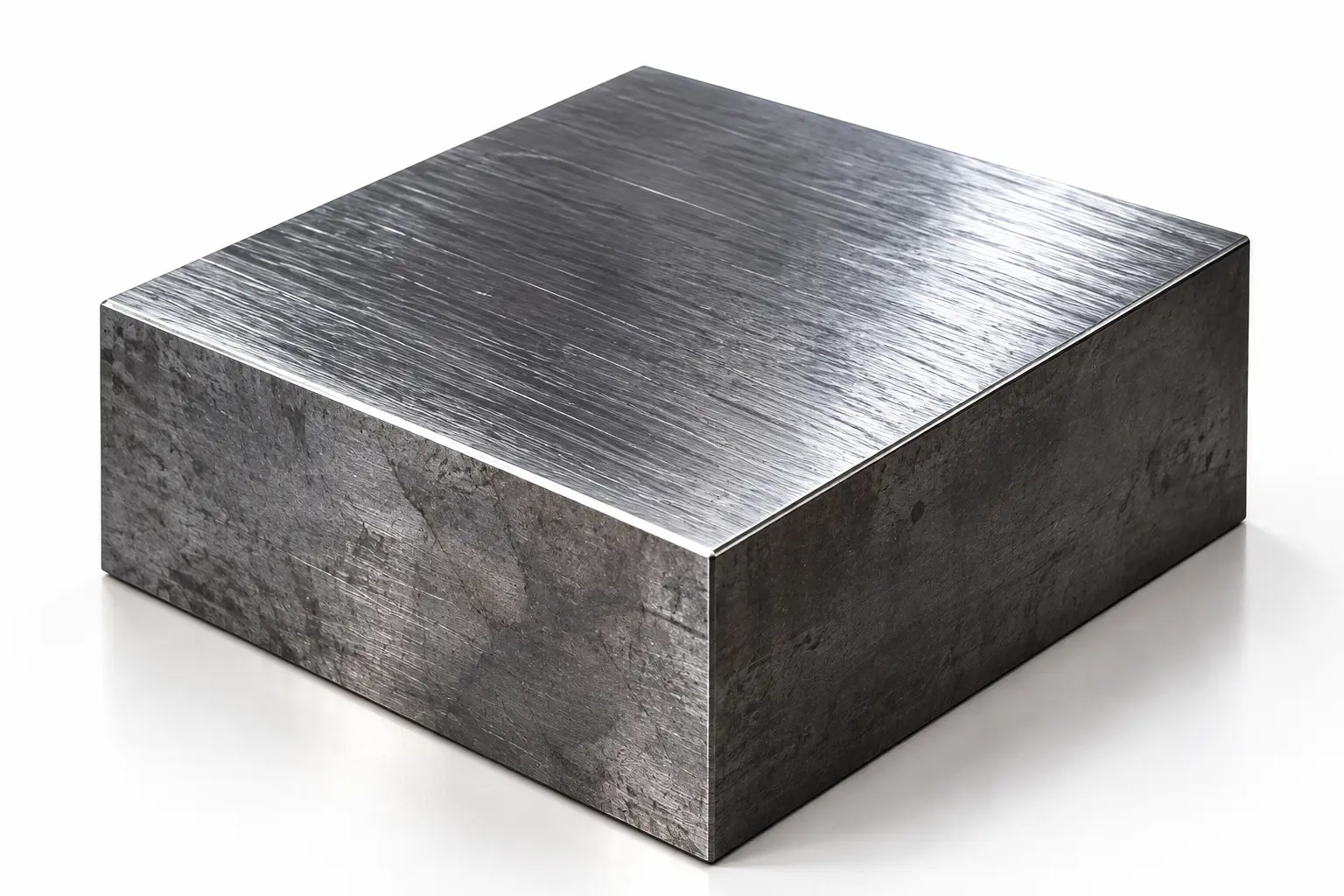
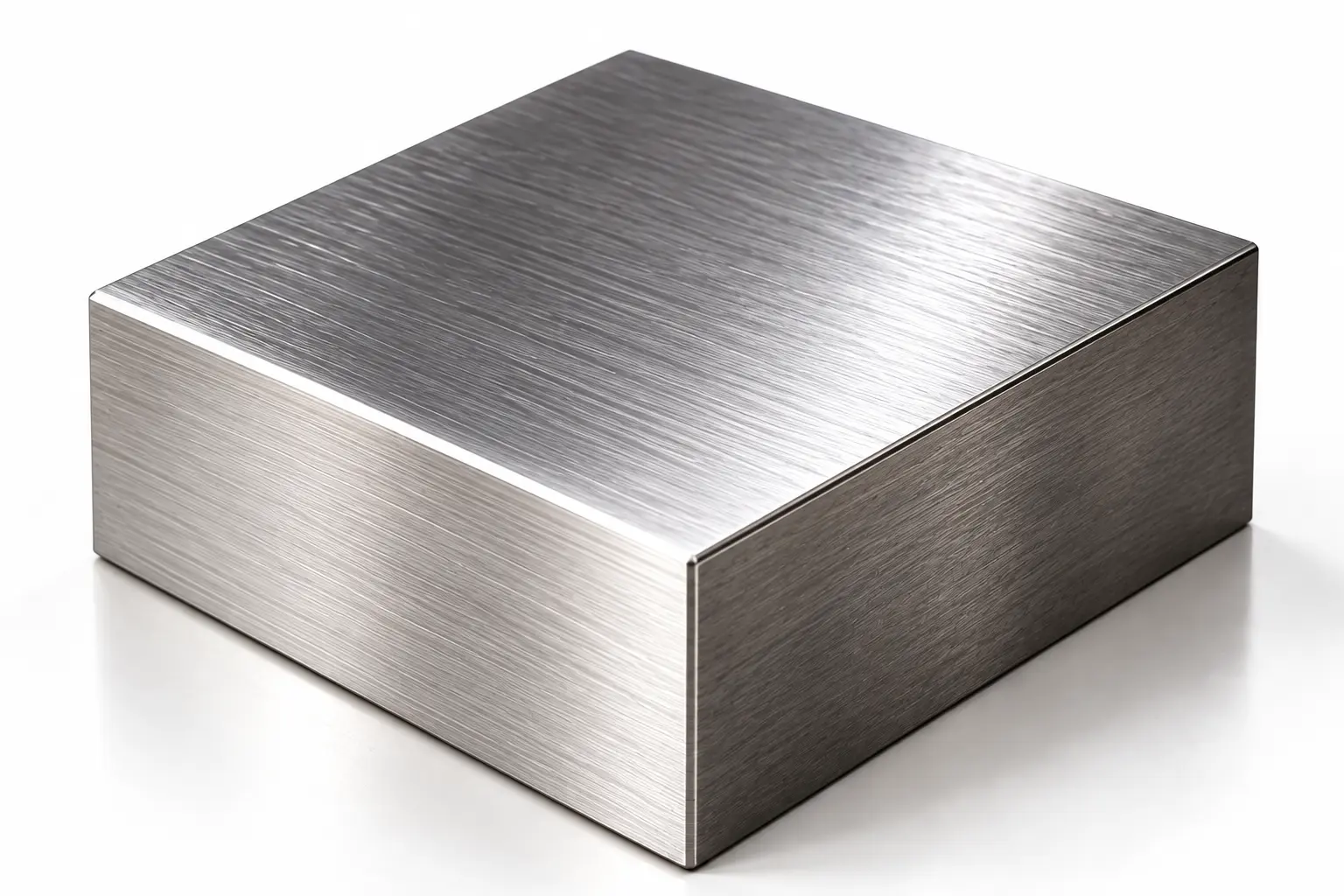
Advantages and Limitations of Copper CNC Machining Service
Copper performs well in precision machining because of its conductivity, corrosion resistance, and formability. However, some copper grades can be more difficult and costly to machine.
- Excellent Electrical Conductivity:
Copper carries electrical current efficiently, making it ideal for terminals, connectors, busbars, and electronic components. - High Thermal Conductivity:
It transfers heat quickly, which makes it suitable for heat sinks, cooling components, and thermal management parts. - Good Corrosion Resistance:
Copper performs reliably in many environments and can provide a long service life. - High Ductility:
The material can be formed and machined into detailed shapes without cracking easily. - Suitable for Precision Components:
Copper can be machined into accurate parts for electrical, automotive, industrial, and electronic applications. - Long-Term Performance:
Its combination of conductivity and corrosion resistance makes it suitable for parts that need dependable performance over time.
- Soft Material:
Copper can deform if machining parameters are not properly controlled. - Can Stick to Cutting Tools:
Some copper grades may adhere to cutting tools, which can affect surface finish and machining efficiency. - Higher Machining Cost:
Copper material and machining costs can be higher than those of some common metals. - Thermal Expansion:
Copper expands when exposed to heat, so temperature control is important when tight tolerances are required.
Partner with Tuowei Precision to Shape Your Vision
From rapid prototypes to scalable production, Tuowei Precision delivers reliable CNC machining with accuracy and consistency at every step. Start your project today.
- Established engineering skills.
- Global project support
- Advanced CNC solutions
- Co-creation of products.
- Expandable capacity of production.
- All uploads are secure and confidential
CNC Machining Tolerances
Our CNC machines operate with precision tolerances that meet industry standards, ensuring that every part is consistently accurate and fits perfectly with other components.
| Feature Type | Typical Tolerance |
|---|---|
| General Dimensional Tolerance | ±0.025 mm (±0.001″) |
| High Precision Tolerance | ±0.005 mm (±0.0002″) |
| Hole Diameter (Drilled) | ±0.05 mm (±0.002″) |
| Hole Diameter (Reamed/Bored) | ±0.01 mm (±0.0004″) |
| Shaft Diameter (Turned) | ±0.01 mm (±0.0004″) |
| Flatness | 0.02 mm per 100 mm |
| Parallelism | ±0.02 mm |
| Perpendicularity | ±0.02 mm |
| Surface Roughness (Ra) | 1.6–3.2 μm (63–125 μin) |
| Positional Tolerance | ±0.01 mm to ±0.02 mm |
| Thread Tolerance (Cut) | 6H / 6g (ISO) or Class 2A/2B (ANSI) |
| Minimum Feature Size | 0.5 mm (0.020″) |
| Repeatability | ±0.005 mm (±0.0002″) |
Copper CNC Machining FAQs
Can you machine both small and large steel parts?
Yes. Our steel CNC machining service can produce both small precision components and larger industrial parts. We select the right machining process based on the part size, geometry, tolerance, and production requirements.
What tolerances can you achieve with steel CNC machining?
We can machine steel parts to tight tolerances based on the design, steel grade, and part complexity. For demanding applications, we can also support precision features that require consistent dimensional accuracy.
Is steel CNC machining more expensive than machining aluminum?
Steel can cost more to machine than aluminum because it is harder and may require slower cutting speeds and greater tool wear. However, the final cost depends on the steel grade, part geometry, tolerances, quantity, and surface finish requirements.