Bead Blasting Specifications
| Media | Glass beads |
|---|---|
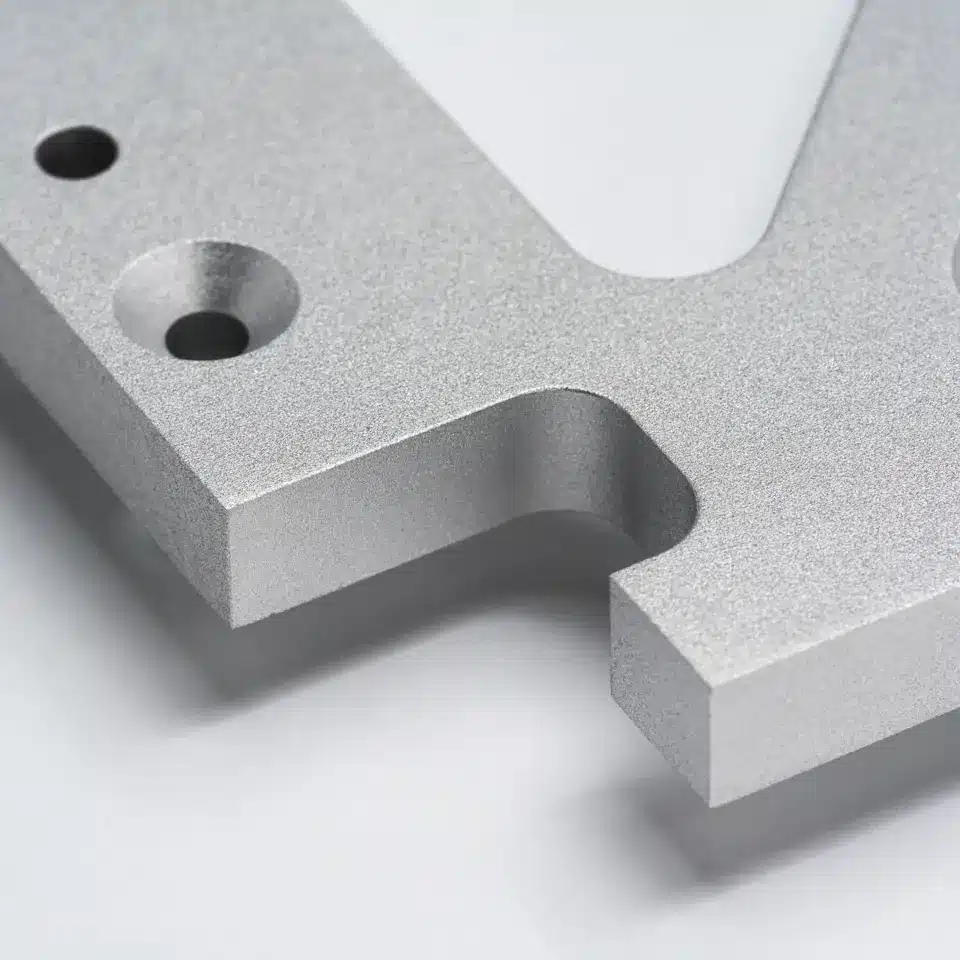
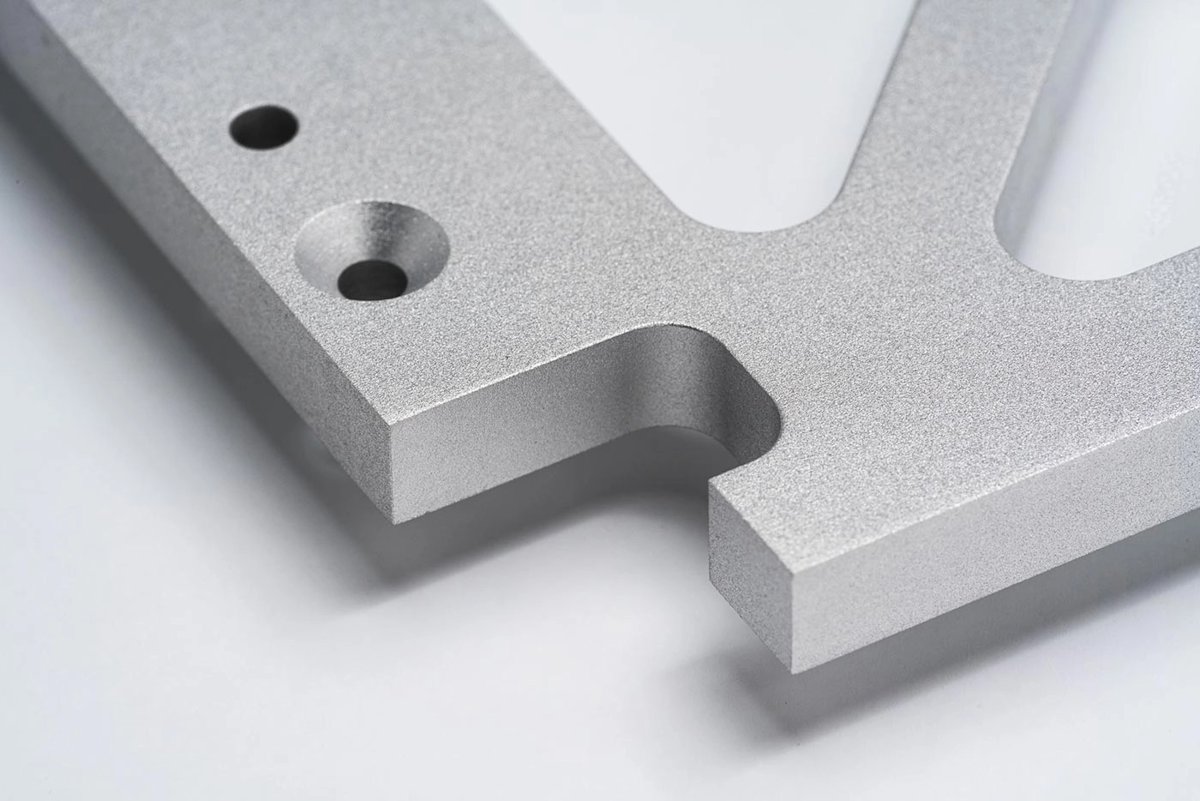
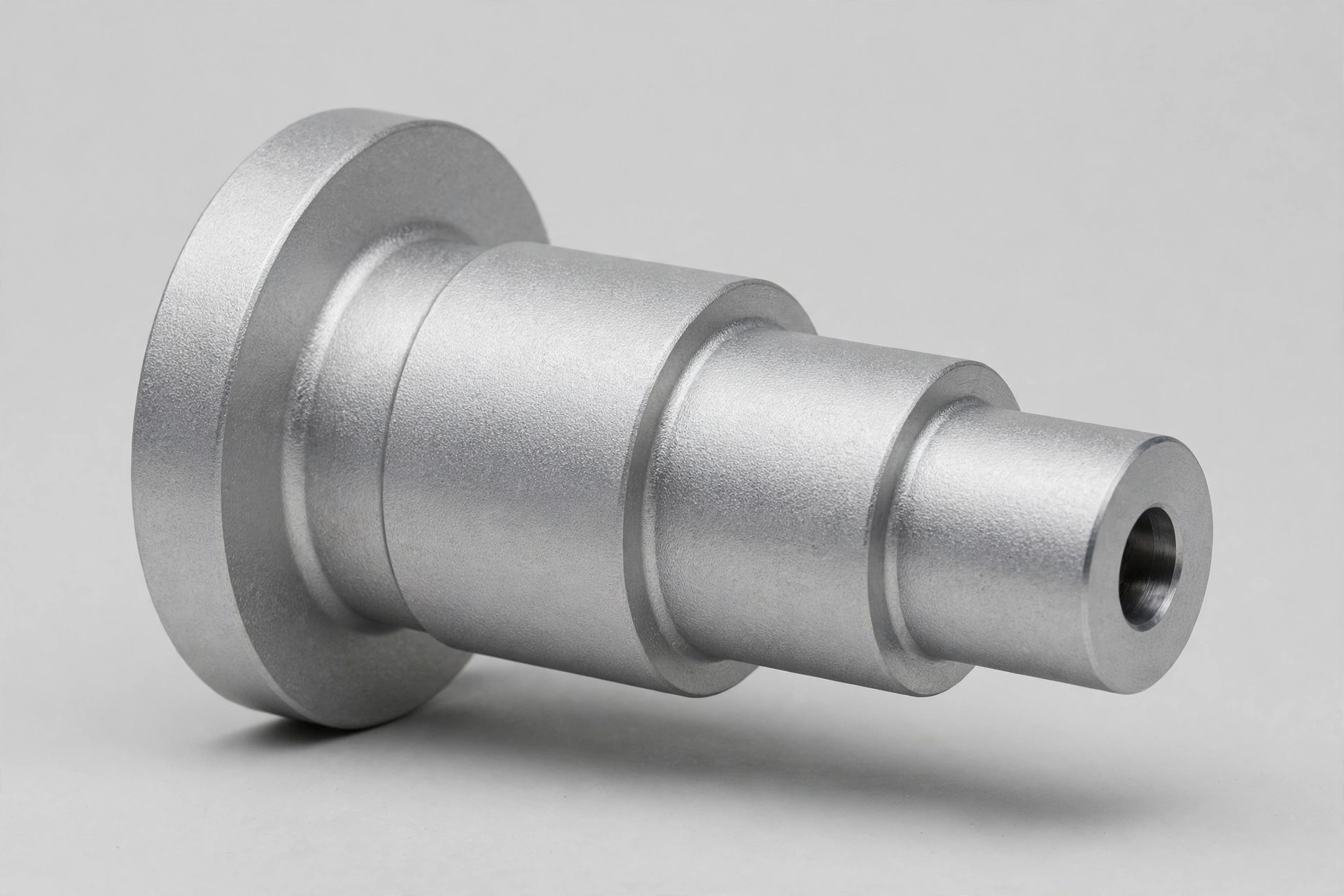
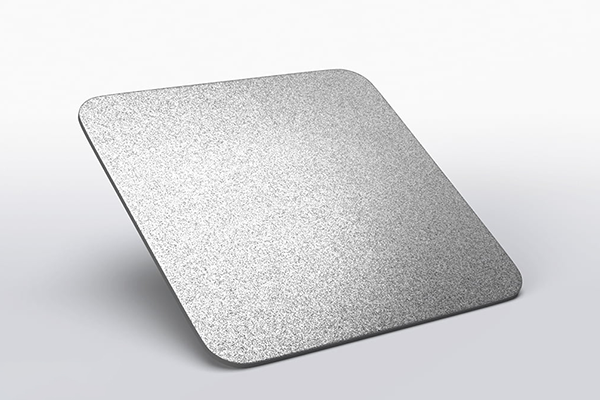
| Finish | Uniform matte to satin finish |
| Materials | Aluminum, Copper, Mild steel, Titanium, Brass, Alloy steel, Stainless steel, Tool steel |
| Typical use | Surface prep before coating, or a standalone matte finish |
How Bead Blasting Works
Parts go into a bead blast cabinet, where compressed air drives fine glass beads at the surface. The beads strike the metal evenly, cleaning it and leaving a uniform matte texture. The operator controls the pressure and the distance, so delicate features are not damaged, and the media is reused until it wears out.
Glass Bead Media
Glass beads are the usual media for bead blasting metal parts. They are round, so they peen the surface smooth instead of cutting into it, and they leave no embedded grit behind. Coarser beads give a rougher matte texture, while finer beads give a smoother satin finish. The media choice is set by the finish on your drawing.
Bead Blasting vs Sandblasting
Bead blasting and sandblasting both clean metal with a blasted stream, but they leave different surfaces. Sandblasting uses sharp grit that cuts into the metal and leaves a rough, dull texture. Bead blasting uses round glass beads that peen the surface smooth and leave a clean, even matte finish. For parts that will be coated or anodized, bead blasting is usually the better prep step.
Materials We Bead Blast
Bead blasting suits most metals we machine. The list below covers the common materials; confirm other alloys with us when you send the drawing.
- Aluminum: including 6061 and 7075 parts, blasted before anodizing or as a matte finish.
- Stainless steel: cleaned and given an even matte texture.
- Steel: surface prep before coating, or a clean matte finish.
- Brass and copper: cleaned and evened out before further finishing.
Where Bead Blasted Parts Are Used
Bead blasted parts are used wherever a clean, even surface matters more than a shine.
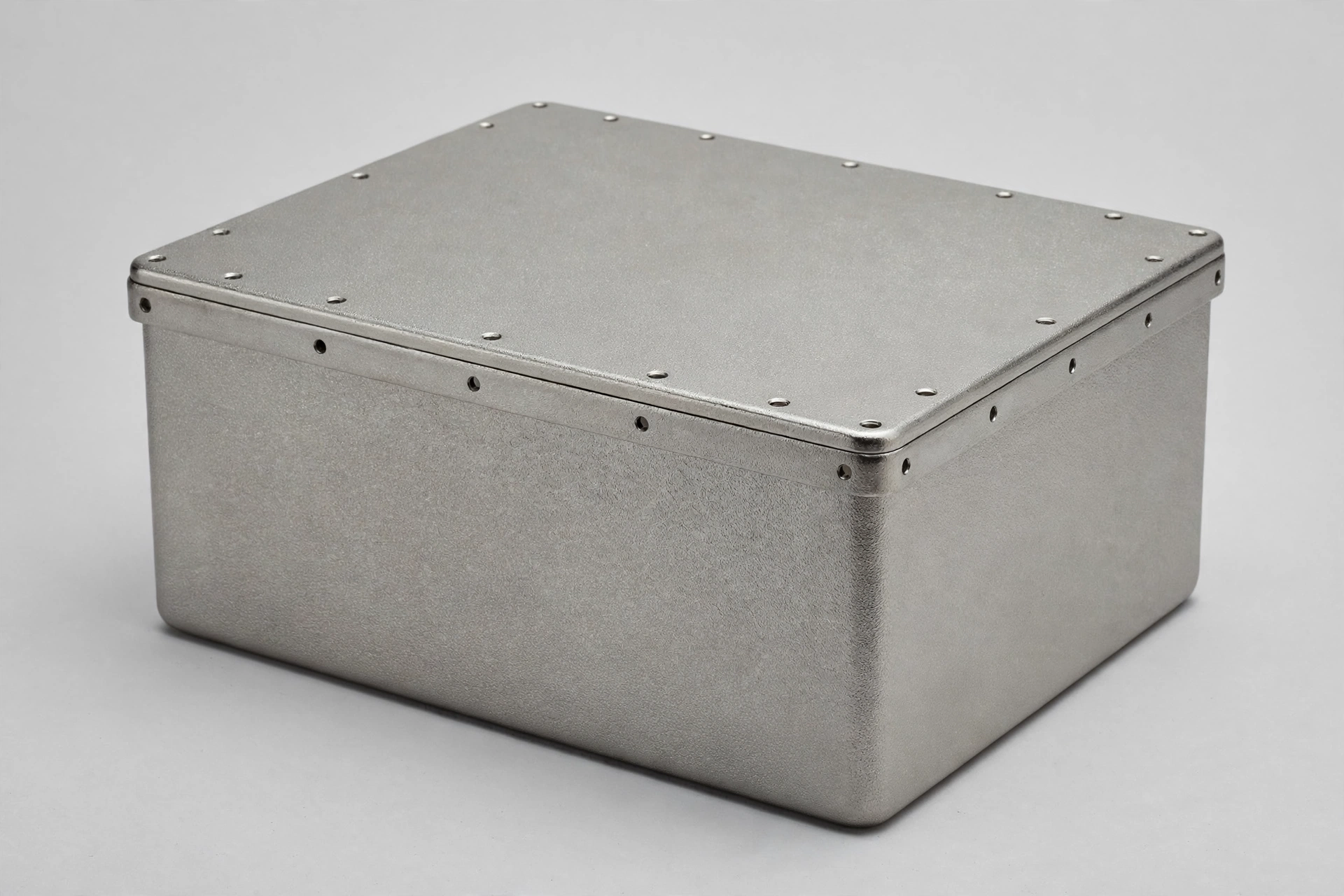
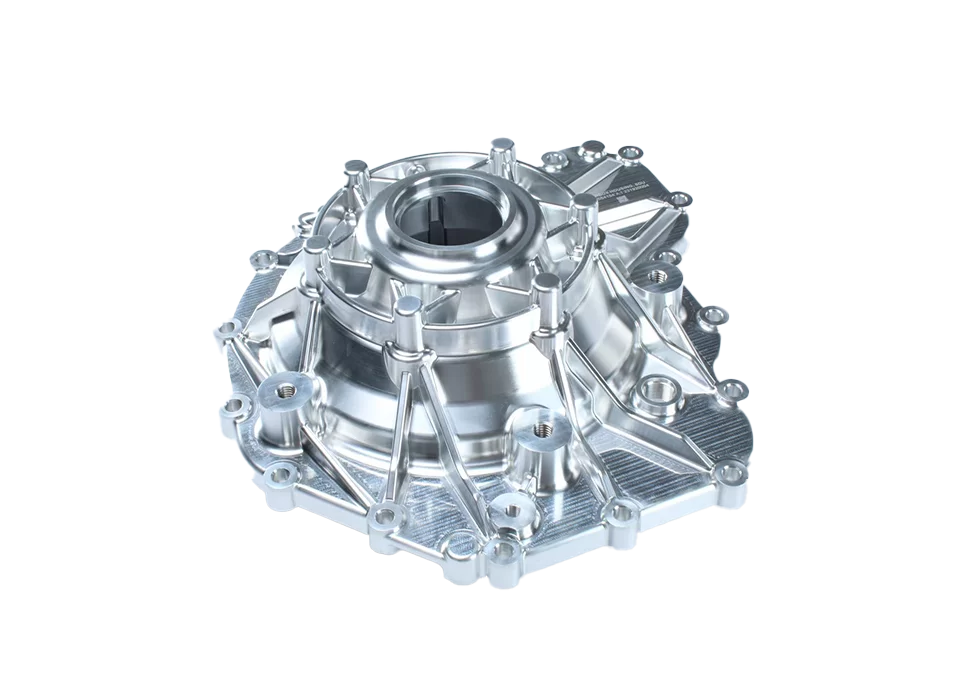
- Enclosures and housings: a uniform matte surface that takes coatings well.
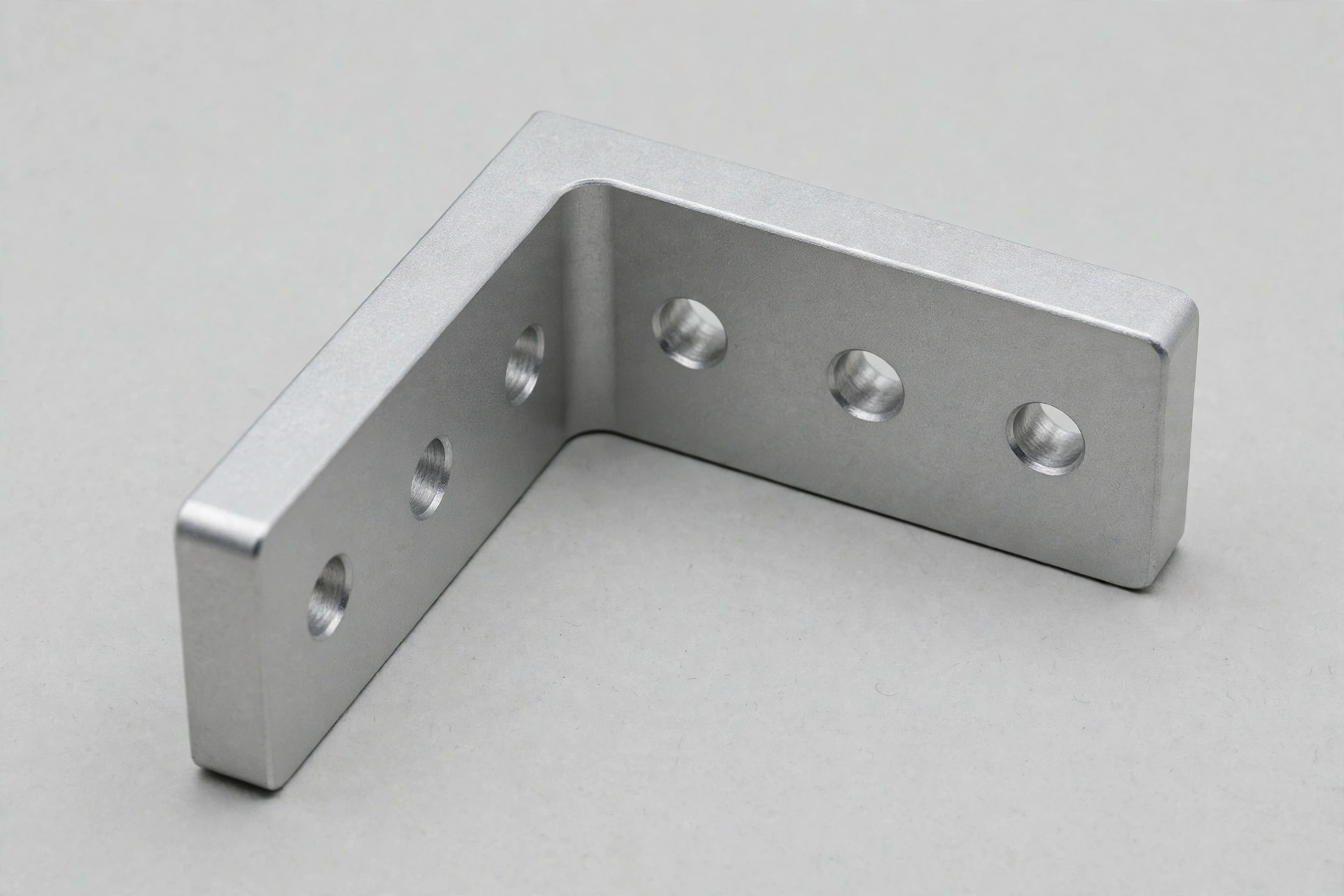
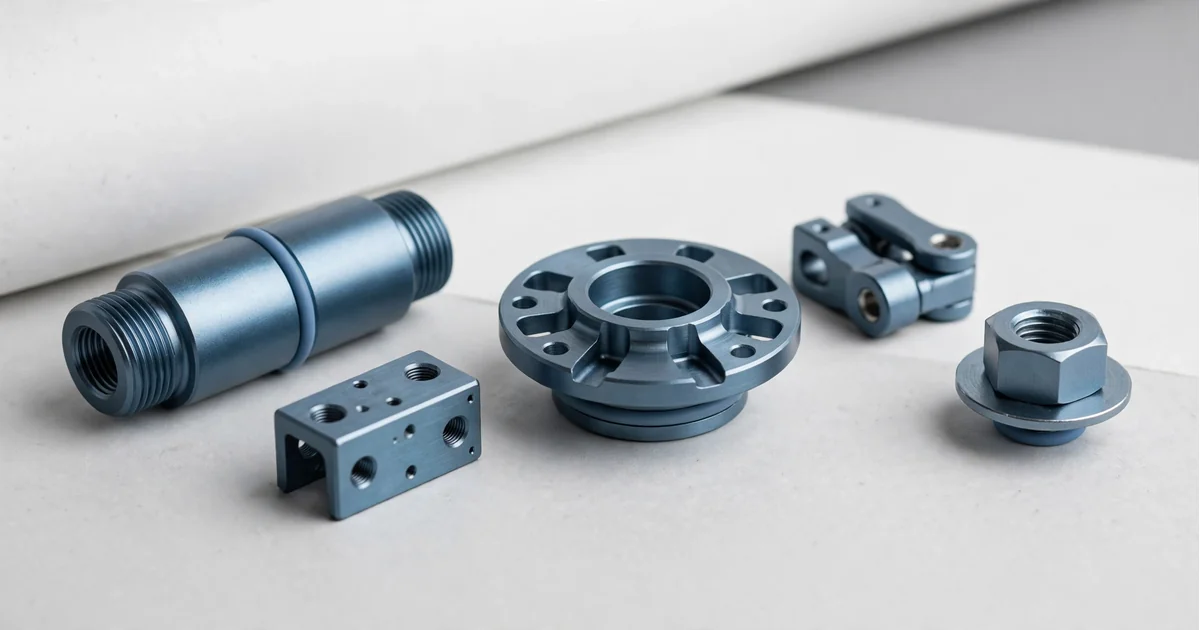
- Brackets and fittings: burrs and tool marks removed before assembly.
- Medical device parts: a clean, even surface that is easy to inspect.
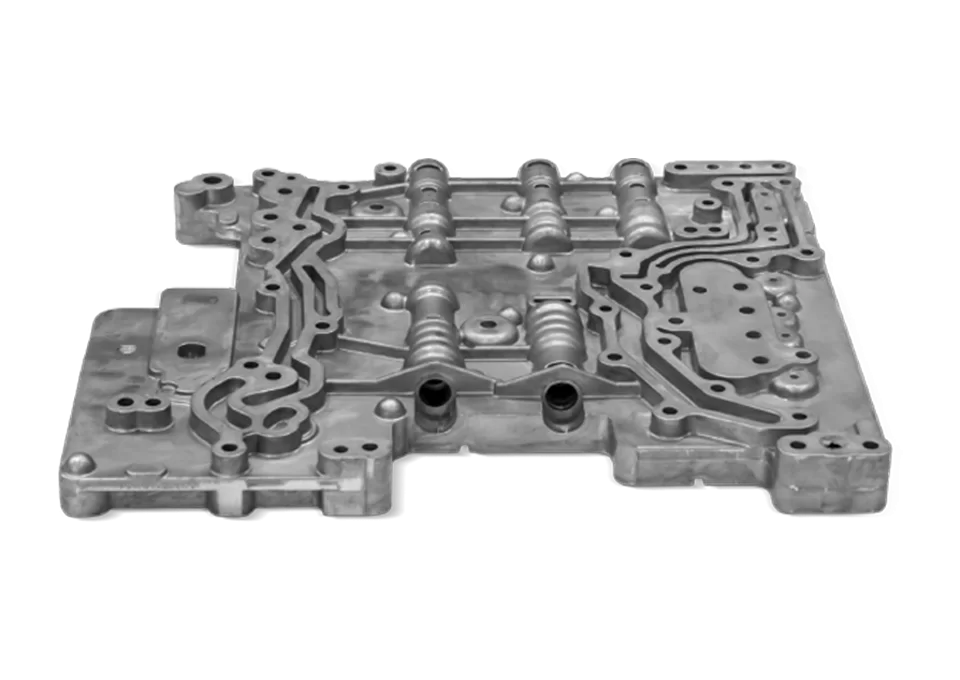
- Automotive parts: prep before coating, or a matte finish as specified.
- Parts going on to coating: powder coating and anodizing both bond better to a blasted surface.
Frequently Asked Questions
What is bead blasting?
Bead blasting is a surface finishing process that cleans and textures metal by propelling fine beads at it inside a cabinet. The beads strike the surface evenly, removing burrs, tool marks and stains, and leave a uniform matte finish. It is used as a standalone finish and as prep before coating or anodizing.
What is glass bead blasting?
Glass bead blasting is bead blasting with round glass beads as the media. The beads peen the surface smooth rather than cutting into it, so the part keeps its shape and dimensions. It leaves a clean, even matte to satin finish on aluminum, stainless steel and other metals.
How do you bead blast aluminum?
Aluminum parts are blasted in a cabinet with fine glass bead media at controlled pressure. The beads remove tool marks and light oxidation without cutting into the soft metal. After blasting, the parts are cleaned and are ready for anodizing, powder coating or assembly.
Is glass bead blasting safe?
Yes, when it is done in a sealed blast cabinet with the right protection. The operator works through sealed gloves and a viewing window, and dust is drawn away by extraction. Glass bead media is also reusable, and it leaves no sharp grit embedded in the part surface.
What is the difference between bead blasting and sandblasting?
Sandblasting uses sharp grit that cuts into the metal and leaves a rough, dull texture. Bead blasting uses round glass beads that peen the surface smooth and leave an even matte finish. Bead blasting is the better choice when the part must keep its dimensions or go on to coating.
How much does bead blasting cost?
Cost depends on part size, quantity, the media used and the finish specified. Small batches cost more per part because setup is spread across fewer parts. Send your drawing for an itemized quote and we will price the blasting with the machining.
Does bead blasting change part dimensions?
No, not in any way that matters for most parts. Glass beads peen the surface rather than removing metal, so dimensions stay as machined. If your drawing calls for very tight tolerances, tell us the finish up front so the part is machined to the right pre-finish size.