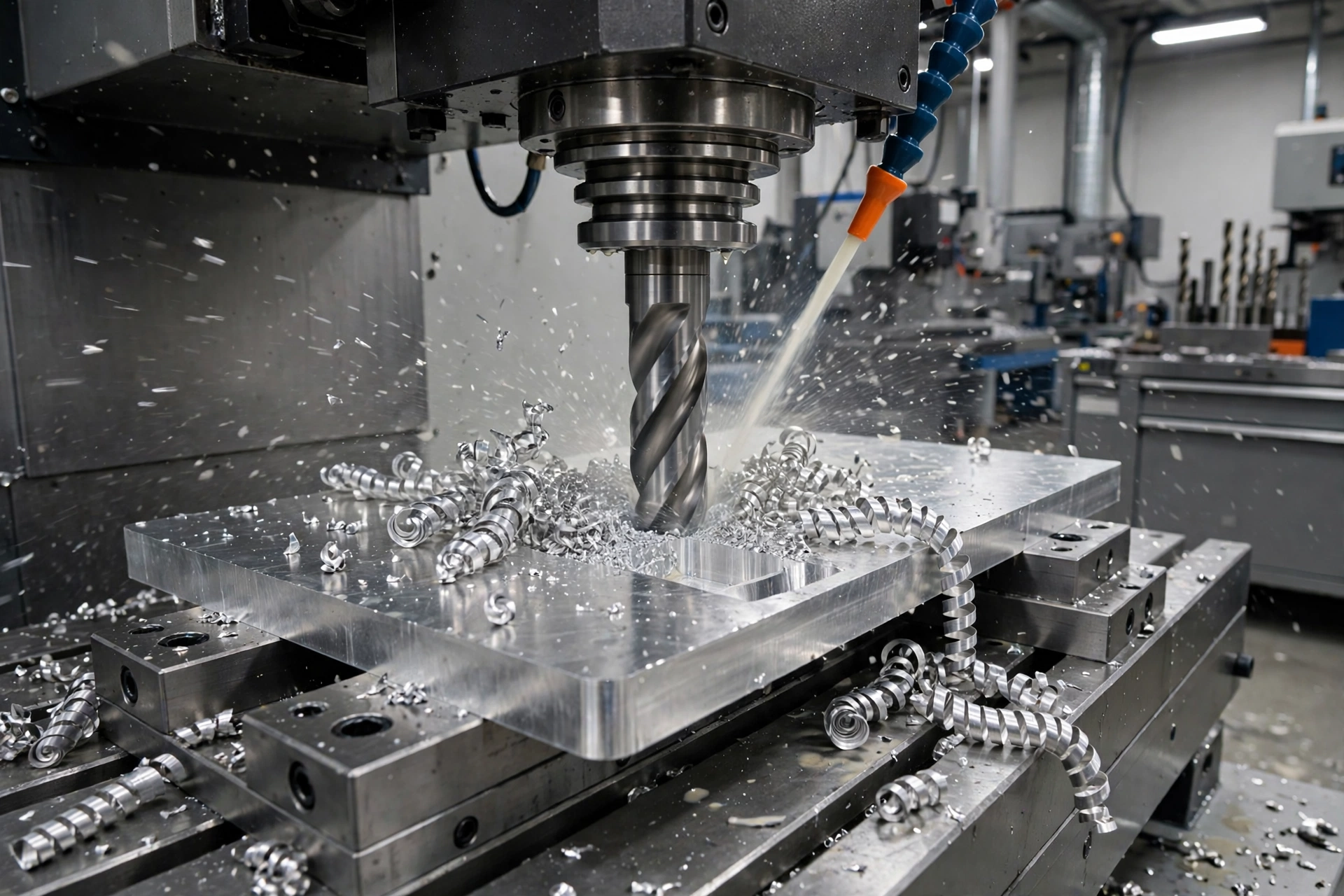
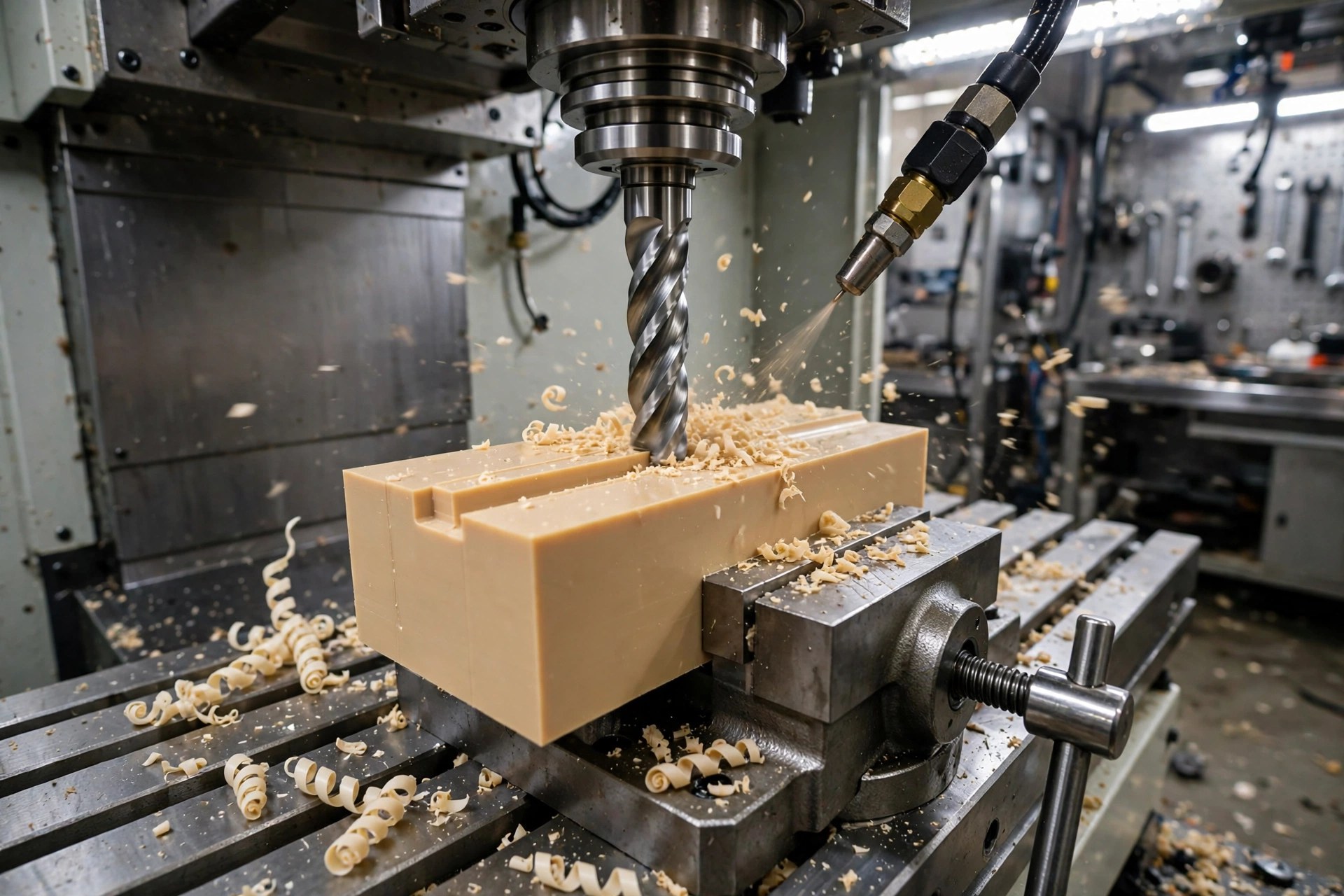
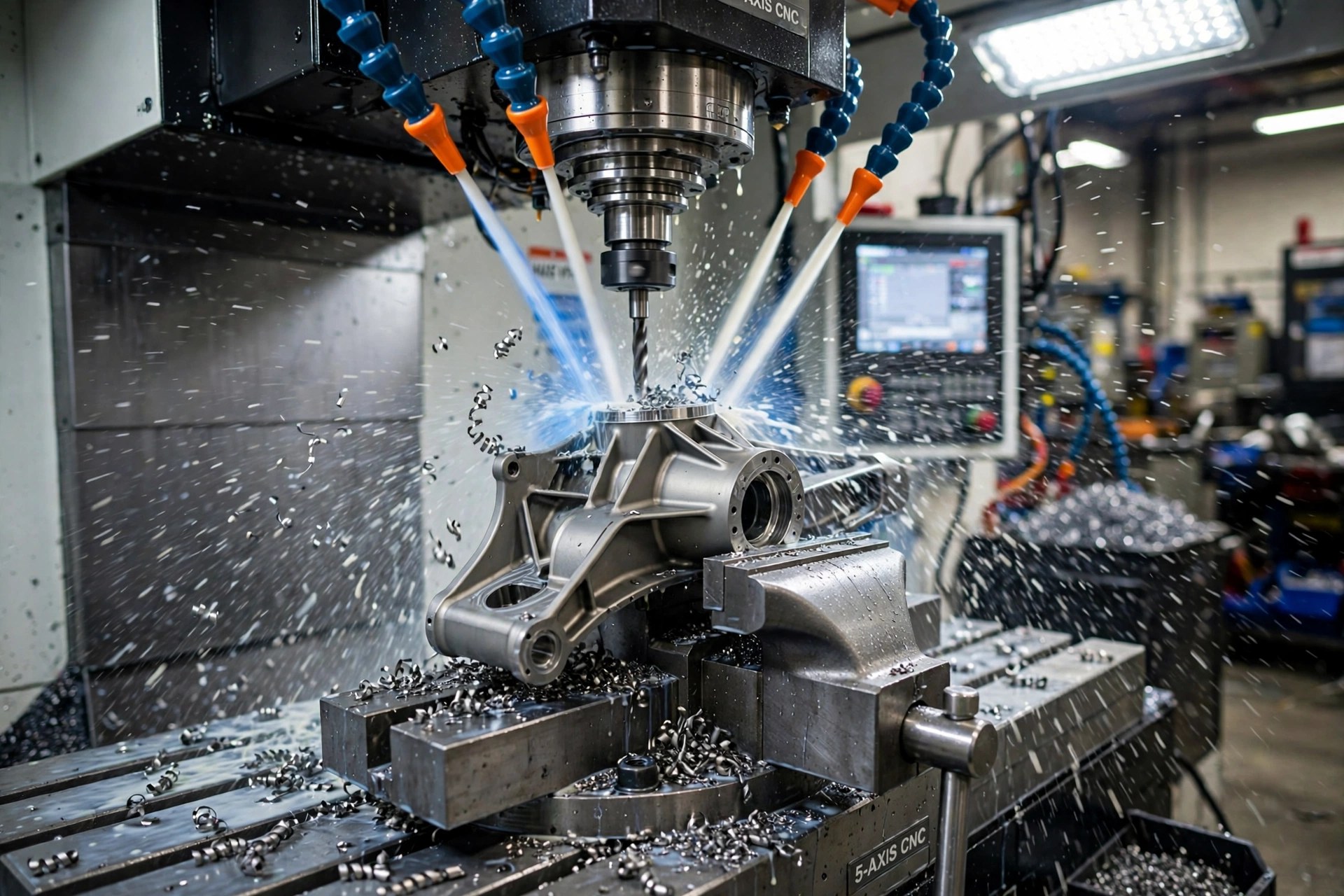
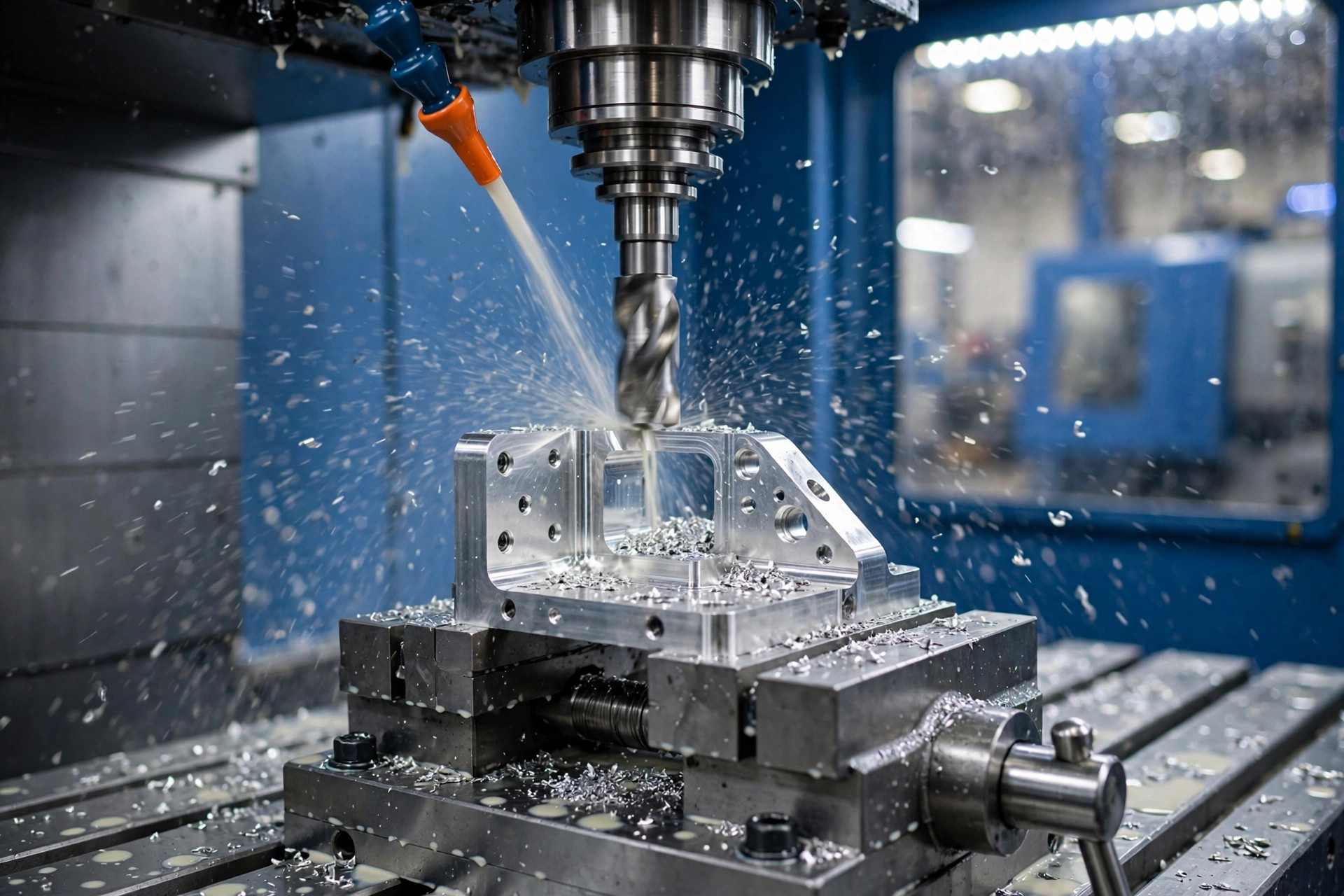
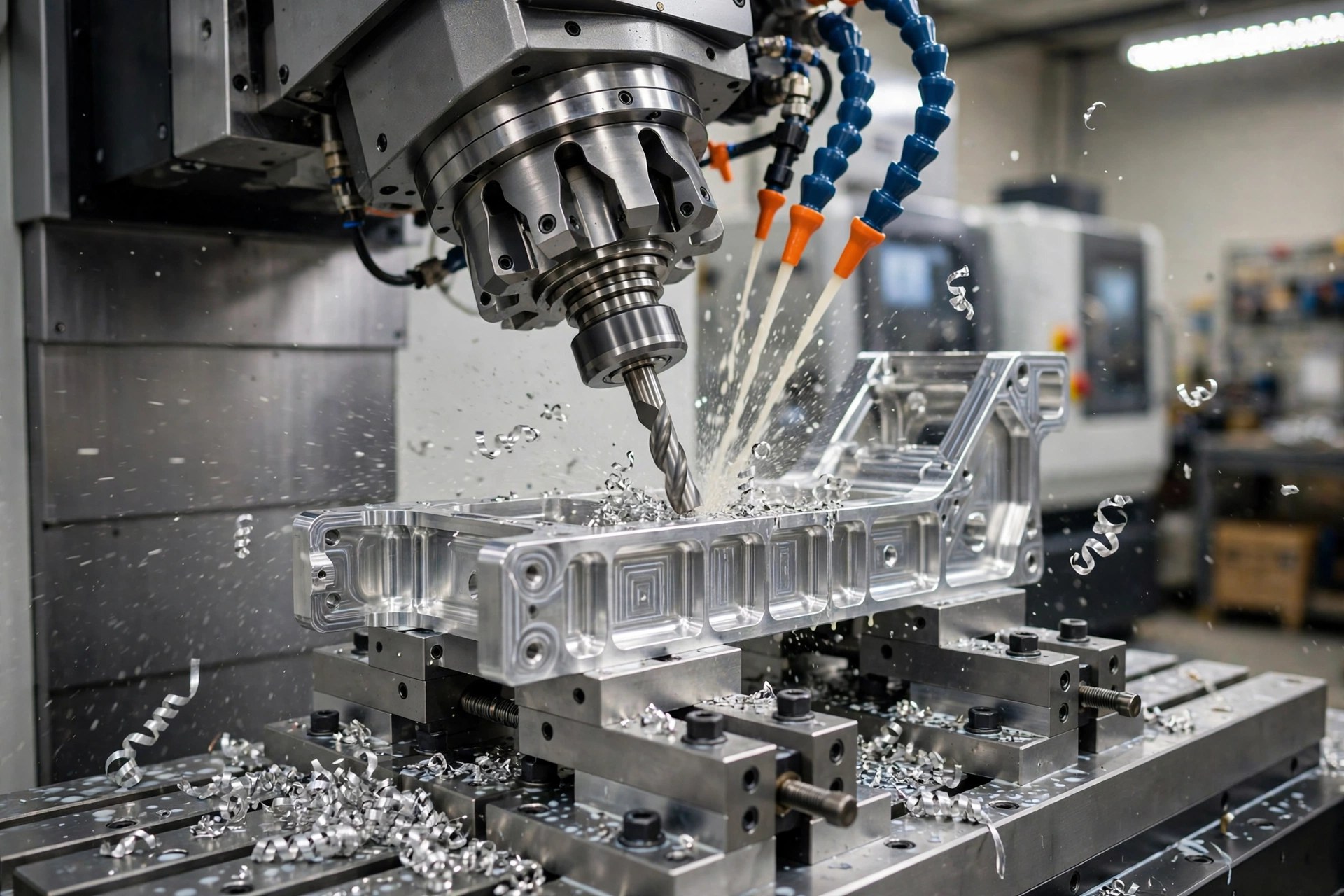
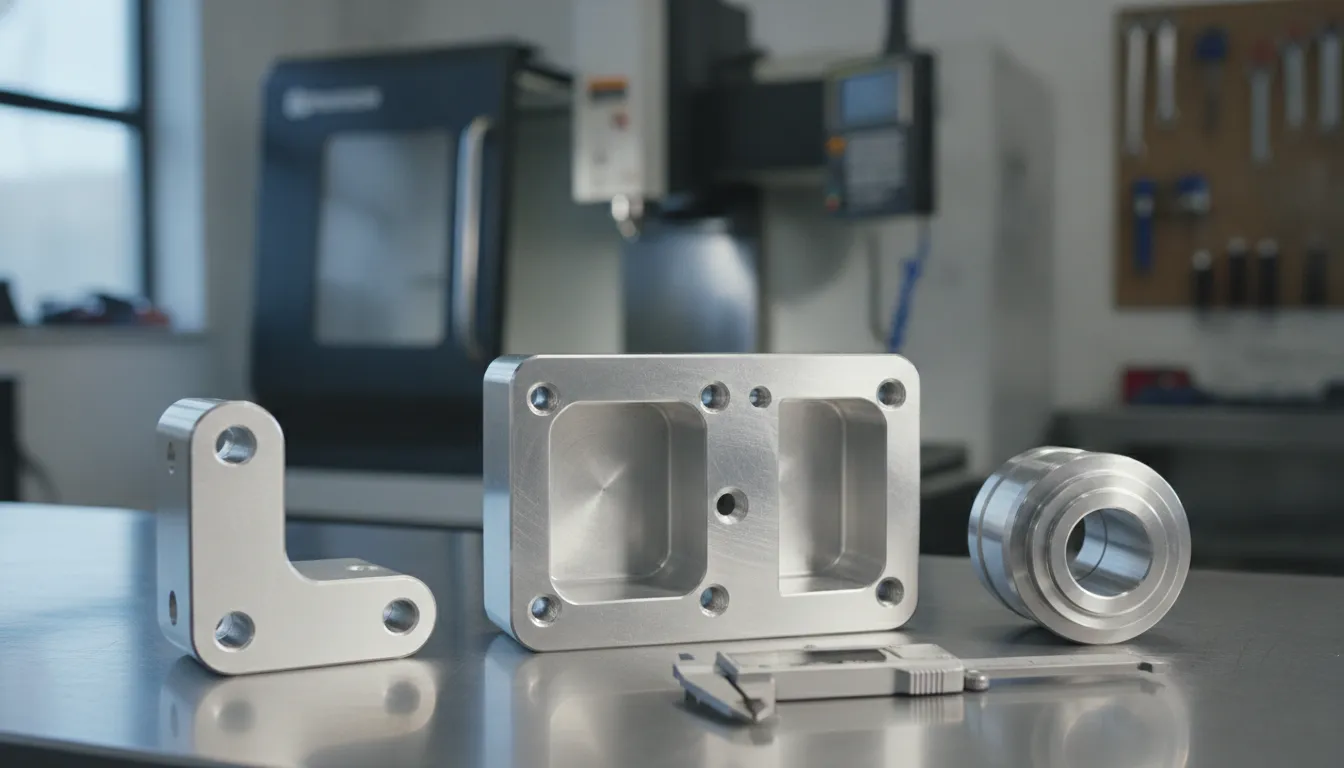
Need expert machining solutions? Our team at Tuowei Proto is here to assist with all your manufacturing needs. Get in touch today for a quote on your ongoing or upcoming projects!
Understanding the 3D printing process & material design fundamentals ensures successful project outcomes. Moreover, this comprehensive guide explores critical aspects of additive manufacturing for effective implementation. Therefore, selecting appropriate materials and applications directly impacts product quality and manufacturing efficiency.
The 3D printing technology requires the development of physical objects in accordance with layer-by-layer deposition of material. Moreover, this additive manufacturing technique converts 3D (digital) models into real-world prototypes. Moreover, other types of 3D printing processes are based on different technologies such as selective laser sintering and SLA 3D printing.
The design process begins with 3D models preparation and optimization. Subsequently, the 3d printer’s mechanisms process specific material according to programmed specifications. Finally, post-processing ensures optimal surface finish and dimensional accuracy.
| Process Stage | Description | Time Required |
| 3D Models Preparation | Digital 3D models conversion to STL format | 1-2 hours |
| Actual Printing | Layer by layer material deposition | 2-24 hours |
| Post-Processing | Support structure removal and finishing | 1-4 hours |
Material selection significantly influences 3D-printed part performance characteristics. Meanwhile, different materials offer unique material properties suited for specific applications. Consequently, understanding material science fundamentals enables optimal design for manufacturing decisions.
Thermoplastic materials like ABS provide excellent strength for functional prototypes. Similarly, flexible materials offer unique properties for specialized applications. Additionally, biocompatible materials enable medical device development with superior heat resistance.
According to the National Institute of Standards and Technology, material properties evaluation directly affects manufacturing success and product performance. Therefore, proper material selection ensures project viability across wide range of applications.
SLA technology utilizes liquid resin cured by UV light exposure. Furthermore, this process allows for smooth surface finish ideal for detailed prototypes. Additionally, SLA 3D printing supports plastic material options including ABS, resin, and PC with maximum build sizes.
SLS 3D printing fuses powder materials using laser energy without requiring support structure for complex geometries. Moreover, selective laser sintering accommodates thermoplastic and plastic material options. Similarly, this process begins with powder distribution across the build plate.
The 3D printing of FDM operates on the depositions of heated plastic at a time. As a result, this is a simple, and cost-effective prototyping technique using 3D printing. Moreover, FDM 3D printing enables good freedom of design in different uses.
| Technology | Materials Available | Surface Finish | Build Volume |
| SLA | Plastic and Metal Composites | Excellent | 600×600×450mm |
| SLS | Thermoplastic, Nylon | Good | 700×580×380mm |
| FDM | Plastic Filament | Moderate | Variable |
Minimum wall thickness varies by specific material and printing technologies and materials used. Consequently, SLA processes typically require 0.8mm minimum thickness. Meanwhile, SLS 3D printing accommodates 1.2mm minimum walls for structural integrity.
Complex geometries beyond 45 degrees require support structure implementation. Therefore, design tips include modifications that eliminate support needs. Furthermore, self-supporting part design improves surface finish quality and reduces post-processing time.
Tensile strength determines load-bearing capacity for functional parts for 3D printing. Additionally, flexural properties indicate bending resistance for structural applications. Moreover, impact resistance affects durability under dynamic loading conditions.
Common material options include engineering plastics with varying heat resistance capabilities. Similarly, flexible materials provide unique properties for specialized applications. Therefore, choosing the right material ensures optimal performance across operating conditions.
Part design consolidation reduces assembly requirements and manufacturing complexity. Furthermore, hollow designs minimize material to absorb costs while maintaining performance. Additionally, lattice structures provide strength-to-weight optimization for aerospace 3D printing applications.
Batch processing maximizes printer utilization across different 3D printing processes. Moreover, strategic orientation minimizes support structure requirements. Consequently, proper planning significantly impacts project economics and 3D printing journey success.
Layer height settings directly affect surface finish and build time characteristics. Meanwhile, calibration procedures ensure dimensional consistency across production runs. Therefore, regular maintenance maintains printing accuracy within specified tolerances.
Post-processing methods enhance appearance and functionality of 3D-printed part components. Similarly, chemical smoothing improves surface finish for visual prototypes. Additionally, mechanical finishing achieves precise dimensional requirements.
Metal 3D printing enables production of plastic and metal parts simultaneously. Furthermore, DMLS 3D (Direct Metal Laser Sintering) processes provide exceptional mechanical properties. Additionally, metal 3D printing offers design freedom for complex geometries.
Biocompatible materials enable medical device prototyping and testing applications. Furthermore, custom geometries accommodate patient-specific requirements effectively. Additionally, rapid iteration accelerates product development timelines significantly.
Design for 3D printing requires understanding of printing technologies and materials limitations. Moreover, design considerations include wall thickness, support structure placement, and orientation optimization. Therefore, designing parts effectively maximizes 3D printing enables capabilities.
3D printable models require specific formatting and geometric considerations. Additionally, design 3D workflows incorporate manufacturability analysis. Furthermore, 3D models optimization reduces printing time and improves quality.
The choice of a 3D printing technology is based on the specifications of a material requirement and usage. Therefore, build volume, surface finish, and mechanical properties are some of the aspects that should be taken into consideration. Thus, to choose the most appropriate one, an in-depth analysis is necessary.
The 3D printing process is well balanced in terms of cost, quality and time considerations. In addition, suitability is based on ability of a material to perform to specifications. Equally add, select the most appropriate 3D printing technology depending on project needs.
Emerging technologies enable simultaneous processing of plastic and metal parts. Consequently, functional assemblies can be printed as single components. Furthermore, gradient materials provide optimized property distributions across wide range of applications.
Recycled materials available reduce environmental impact while maintaining performance standards. Additionally, on-demand production minimizes inventory requirements. Therefore, sustainable practices align with environmental responsibility goals.
3D printing is crucial for rapid prototyping and product development acceleration. Moreover, 3D printing also enables mass customization and on-demand manufacturing. Consequently, 3D printing enables innovation across multiple industry sectors.
For complex projects requiring expert guidance, professional rapid prototyping services offer comprehensive solutions. These specialists provide design for manufacturing optimization, material selection assistance, and quality assurance throughout the manufacturing process.
Ready to transform your innovative concepts into reality? Contact Tuowei for professional 3D printing process consultation and advanced material design solutions.
Material selection depends on mechanical properties requirements, operating environment, and surface finish specifications. Additionally, cost considerations and materials available influence decision-making processes. Moreover, compatibility with specific material printing technologies limits options.
Thinner layers produce smoother surface finish but increase actual printing time significantly. Conversely, thicker layers reduce production time while compromising detail resolution. Therefore, layer height selection balances quality requirements with time constraints.
Support structure removal, sanding, and chemical smoothing enhance surface finish appearance. Furthermore, heat treatment can improve mechanical properties for functional applications. Additionally, surface finish coatings provide protection and aesthetic enhancement.
Material to absorb costs, printing time, and post-processing requirements determine total expenses. Moreover, support structure material consumption adds to overall calculations. Therefore, design for 3D printing optimization reduces manufacturing costs through efficient resource utilization.
Gradual angle transitions eliminate sharp overhangs requiring support structure implementation. Additionally, bridge designs span gaps without intermediate supports. Furthermore, internal cavities orientation minimizes trapped material and support needs.
FDM 3D printing offers cost-effective solutions using plastic filament materials. Moreover, this popular 3D printing method provides good design freedom for prototyping. However, surface finish quality may be lower compared to SLA or SLS 3D printing.
Medical-grade resins and thermoplastic materials meet biocompatibility standards. Additionally, specialized flexible materials accommodate patient-specific requirements. Furthermore, heat resistance properties ensure sterilization compatibility.

Written by Andy, Manufacturing Engineer at TUOWEI Precision. Andy specializes in CNC machining, precision manufacturing, and production engineering, with hands-on experience supporting projects from rapid prototyping through full-scale production. He works closely with engineering and manufacturing teams to evaluate materials, tolerances, machining processes, and design manufacturability. His articles provide practical, technically informed insights to help engineers and buyers make better manufacturing decisions, optimize production efficiency, and achieve consistent part quality. Explore TUOWEI Precision’s CNC machining and custom manufacturing solutions for your next project.
From rapid prototypes to scalable production, Tuowei Precision delivers reliable CNC machining with accuracy and consistency at every step. Start your project today.
Keep updated on the real CNC machining, industry trends, and production insights in Tuowei Precision, but is installed to enable you to make better production decisions.