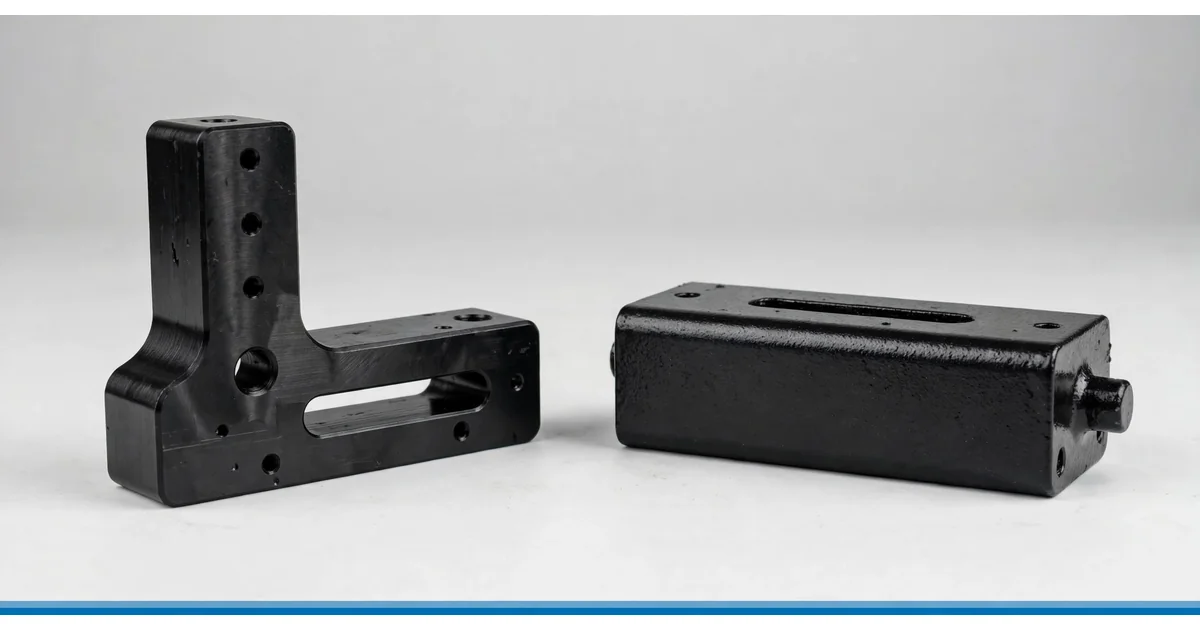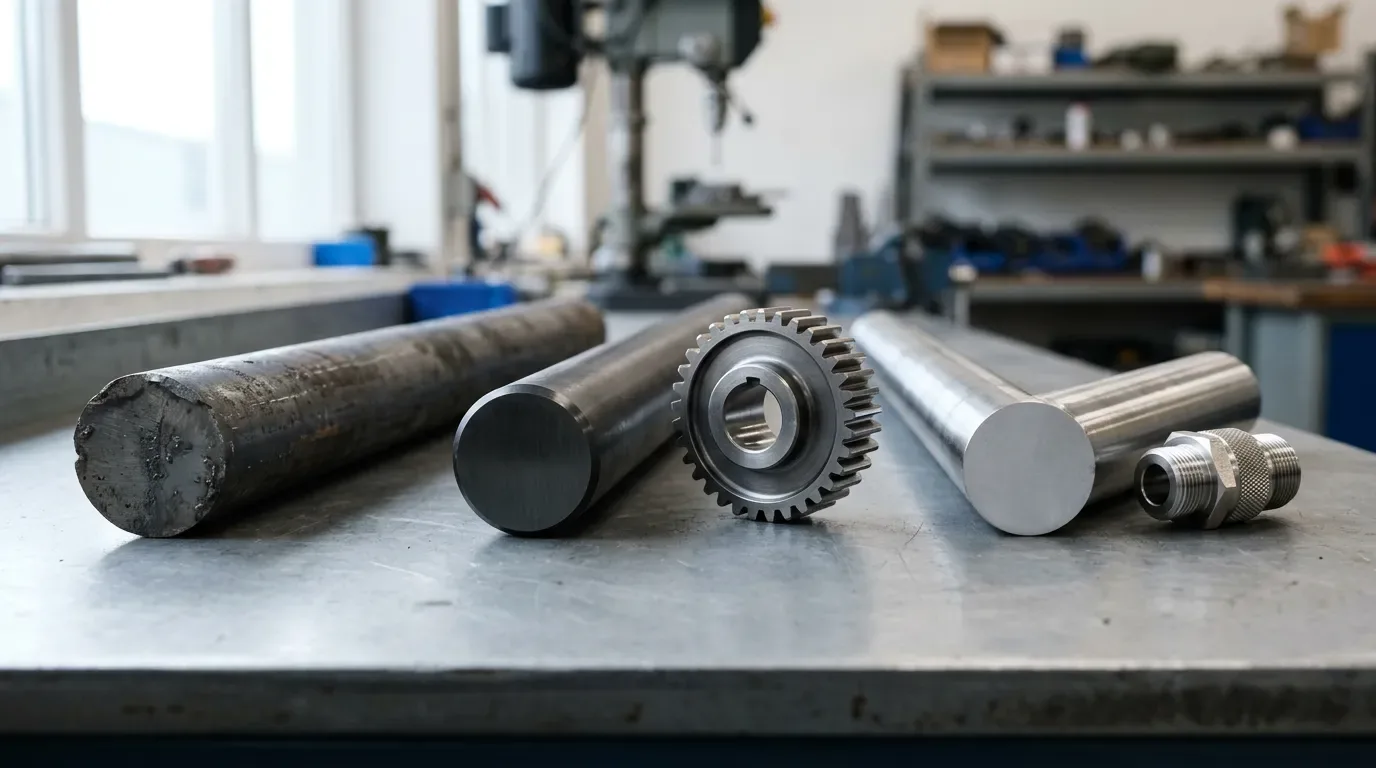
All steel is iron plus carbon. What separates carbon steel, alloy steel and stainless steel is what else goes into the melt, and how much of it.
So stainless steel is technically a type of alloy steel. It gets its own category because corrosion resistance changes where and how it is used. Below we compare the three on composition, mechanical properties, corrosion resistance, machinability, weldability and cost, list the grades you are most likely to see on a drawing, and show where each one is used.
إجابة سريعة: Choose carbon steel for the lowest cost and easy fabrication, alloy steel for the highest strength and toughness after heat treatment, and stainless steel when the part must resist corrosion without a coating.
| الممتلكات | الفولاذ الكربوني | سبائك الصلب | الفولاذ المقاوم للصدأ |
|---|---|---|---|
| Defining elements | Carbon up to ~2.1% (usually under 1%); Mn ≤ 1.65%, Si ≤ 0.60%, Cu ≤ 0.60% | Cr, Mo, Ni, V, Mn, Si or B added on purpose; low-alloy grades usually under ~5% total | Cr ≥ 10.5%, often with Ni and Mo |
| مقاومة التآكل | Poor; needs paint, plating or oil | Fair; better than carbon steel, still rusts | Good to excellent, depending on grade |
| Tensile strength after heat treatment | Moderate to high (higher with more carbon) | Highest; quenched and tempered grades can exceed 1,000 MPa | Wide range; martensitic and PH grades are very strong |
| الصلابة | Good in low-carbon grades; falls as carbon rises | Very good; Ni and Mo improve it | Austenitic grades are very tough, even at cryogenic temperatures |
| مقاومة التآكل | Good in high-carbon grades | Very good (Cr, V, Mo) | Good in martensitic grades |
| Hardenability | Shallow | Deep (through-hardens thick sections) | Martensitic and PH grades only |
| قابلية المعالجة الآلية | Good (low and medium carbon) | Fair to good (annealed) | Fair to poor; austenitic grades work-harden |
| قابلية اللحام | Excellent for low carbon | Often needs preheat and post-weld heat treatment | Good for austenitic; martensitic is harder |
| مغناطيسي | نعم | نعم | Austenitic no (when annealed); ferritic and martensitic yes |
| التكلفة النسبية | $ | $$ | $$$ |
Carbon steel is an alloy of iron and carbon whose properties come mainly from its carbon content. Under the AISI definition, it has no specified minimum for chromium, nickel, molybdenum or other alloying elements. Manganese stays at or below 1.65%, and silicon and copper at or below 0.60% each.
More carbon makes carbon steel harder and stronger, and also less ductile and harder to weld. It is grouped by carbon content:
| النوع | Carbon content | الدرجات الشائعة | الاستخدامات الشائعة |
|---|---|---|---|
| الفولاذ منخفض الكربون (الفولاذ الطري) | Up to ~0.30% | 1018, 1020, A36 | Brackets, frames, sheet metal, welded structural components |
| فولاذ متوسط الكربون | ~0.30–0.60% | 1045, 1050 | Shafts, axles, gears, couplings |
| High carbon steel | ~0.60–1.0%+ | 1075, 1095 | Springs, blades, wear parts, cutting tools |
Read more in our guide to الفولاذ عالي الكربون. If you’re comparing steel to iron castings, see cast iron vs steel.
Pros: lowest cost, easy to form, weld (low carbon) and machine, widely available.
Cons: rusts without protection; high-carbon grades are brittle; limited hardenability in thick sections.
Alloy steel is carbon steel with other elements added on purpose to improve particular mechanical properties. There are two types of alloy steel. Most engineering grades are low alloy steel, with under about 5% total alloy content. High alloy steel, with more than about 5%, includes tool steels such as D2 and, technically, stainless steels.
| العنصر | What it adds |
|---|---|
| الكروم (Cr) | Hardenability, wear resistance, some corrosion resistance |
| الموليبدينوم (Mo) | Strength at high temperatures, less temper embrittlement, deeper hardening |
| النيكل (Ni) | Toughness, especially at low temperatures |
| الفاناديوم (V) | Fine grain size, wear resistance, strength |
| المنغنيز (Mn) | Hardenability and strength |
| السيليكون (Si) | Strength and elasticity (spring steels) |
| Boron (B) | Large hardenability gain from tiny additions |
| الصف | عائلة السبائك | الاستخدامات الشائعة |
|---|---|---|
| 4140 | Chromium-molybdenum | Shafts, spindles, fixtures, gears, oil and gas parts |
| 4340 | Nickel-chromium-molybdenum | Aircraft landing gear, heavy-duty shafts, crankshafts |
| 8620 | Nickel-chromium-molybdenum (case-hardening) | Carburized gears, pinions, camshafts |
| 52100 | High-carbon chromium | Bearing races and balls |
| 6150 | Chromium-vanadium | Springs, hand tools |
Pros: highest strength and toughness after heat treatment; hardens deep in thick sections; good fatigue and wear resistance.
Cons: costs more than carbon steel; usually needs heat treatment to reach its potential; many grades need preheat for welding; still corrodes without protection.
Stainless steel contains at least 10.5% chromium. The chromium reacts with oxygen to form a thin, invisible chromium-oxide passive layer. If the surface is scratched, the layer re-forms, so the metal keeps resisting rust. Nickel, molybdenum and nitrogen are added to improve corrosion resistance, toughness or strength.
| Family | الدرجات الشائعة | Key traits | الاستخدامات الشائعة |
|---|---|---|---|
| Austenitic | 304, 316, 303 | Best general corrosion resistance; non-magnetic when annealed; not hardenable by heat treatment | Food equipment, medical parts, fittings, enclosures |
| Ferritic | 430, 409 | Magnetic, lower cost, moderate corrosion resistance | Appliance trim, exhaust systems |
| Martensitic | 410, 420, 440C | Hardenable by heat treatment; magnetic | Knives, surgical tools, valve parts, bearings |
| Duplex | 2205 | About twice the yield strength of 304; resists chloride stress cracking | Chemical, marine and oil and gas equipment |
| Precipitation-hardening (PH) | 17-4 PH | Very high strength with good corrosion resistance | Aerospace fittings, pump shafts, molds |
For grade names like 18/8 and 18/10, see 18/8 stainless steel explained. To improve the finish and passive layer on machined parts, see كيفية عمل الصقل الكهربائي.
Pros: excellent corrosion resistance, hygienic, attractive finish, good at high and low temperatures.
Cons: highest cost; austenitic grades work-harden and are slower to machine; lower thermal conductivity makes heat build up at the cutting edge.
Steel is often grouped into four main types: carbon, alloy, stainless and tool steel. Tool steels (A2, D2, O1, H13, S7) are high-carbon, high-alloy steels made for cutting tools, dies and molds. They are extremely hard and wear-resistant after heat treatment, but they cost more and are harder to machine. For most structural and machined components, the choice comes down to the three steels in this guide.
Carbon steel relies on carbon. Alloy steel adds elements like chromium, molybdenum and nickel, a few percent in total, to change how it responds to heat treatment. Stainless steel adds at least 10.5% chromium, mainly for corrosion resistance.
There is no single answer, because heat treatment matters as much as grade. As a rule, quenched-and-tempered alloy steels such as 4140 and 4340 give the best mix of high strength and toughness. Typical tensile strength figures for comparison:
| Grade and condition | Ultimate tensile strength (typical) |
|---|---|
| 1018 carbon steel, cold drawn | ~440 MPa (64 ksi) |
| 304 stainless, annealed | ~515 MPa minimum (75 ksi) |
| 1045 carbon steel, cold drawn | ~625 MPa (91 ksi) |
| 4140 alloy steel, quenched and tempered | ~1,000+ MPa (145+ ksi) |
| 17-4 PH stainless, H900 | ~1,310 MPa (190 ksi) |
Values vary with bar size, supplier and exact heat treatment. Always check the mill certificate for critical parts. High-carbon steel can be very hard, but it is brittle. Precipitation-hardened stainless steel matches alloy steel on strength and also resists corrosion, though it costs more.
Heat treatment is where alloy steel earns its price. Quenching and tempering 4140 or 4340 raises strength and hardness while keeping toughness. Case hardening (carburizing or nitriding) 8620 gives a hard, wear-resistant surface over a tough core. Low-carbon steel barely responds to quenching. Austenitic stainless cannot be hardened by heat treatment at all, only by cold working. Martensitic and PH stainless grades are hardened by heat treatment, like alloy steel.
Stainless steel is the only one of the three that resists rust without a coating. Carbon and alloy steels need paint, zinc plating, black oxide or oil. Among stainless grades, 316 (with molybdenum) handles chlorides and seawater better than 304.
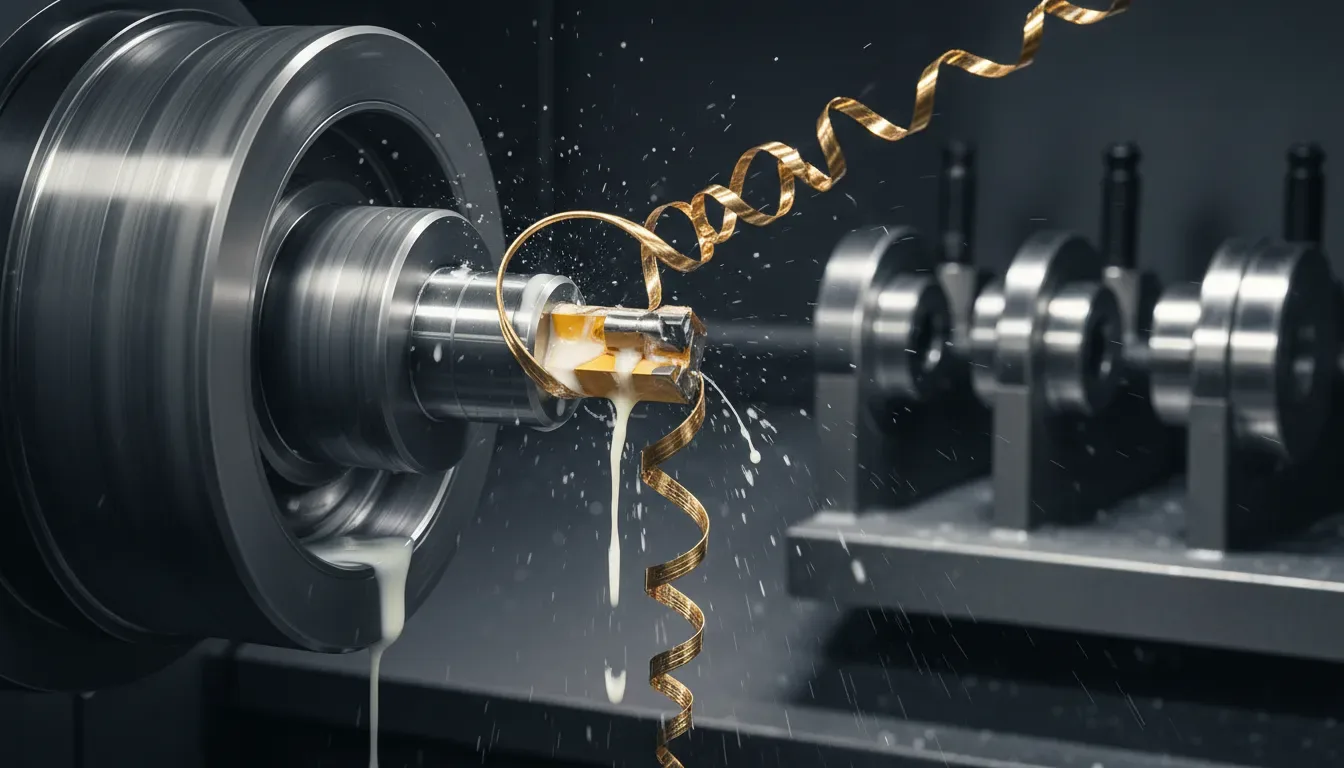
Machinability is often rated against free-machining AISI 1212 steel at 100%. Approximate published ratings: 1018 ~70–78%, 1045 ~55%, 4140 annealed ~65%, 303 stainless ~75%, 304 ~40–45%, 316 ~35–40%. Austenitic stainless work-hardens, so it needs sharp carbide tools, constant feed and plenty of coolant. If your design allows it, 303 or 416 machine much faster than 304.
Low-carbon steel is the easiest to weld. Medium- and high-carbon steels and most alloy steels need preheat and sometimes post-weld heat treatment to avoid cracking. Austenitic stainless welds well. Low-carbon “L” grades such as 304L and 316L reduce sensitization in the weld zone.
| الفولاذ | Common finishes |
|---|---|
| الفولاذ الكربوني | Powder coating, painting, zinc plating, black oxide, oiling |
| سبائك الصلب | Black oxide, zinc or nickel plating, nitriding, phosphating |
| الفولاذ المقاوم للصدأ | Passivation, electropolishing, bead blasting, brushing |
See our guides to الطلاء بالمسحوق و electropolishing for details.
Carbon steel is the cheapest per kilogram. Alloy steel costs more, plus heat treatment. Stainless steel costs the most because of its chromium and nickel and because it is slower to machine. Over a part’s whole life, though, stainless can be the cheapest option, since it needs no coating or rust maintenance.
| الصناعة | الفولاذ الكربوني | سبائك الصلب | الفولاذ المقاوم للصدأ |
|---|---|---|---|
| صناعة السيارات | Body brackets, frames, fasteners | Gears, axles, crankshafts, bearings | Exhaust systems, trim, sensors |
| صناعة الطيران والفضاء | Ground support equipment | Landing gear (4340), shafts, fasteners | Fittings and actuator parts (17-4 PH) |
| Construction | Beams, rebar, plates (A36) | High-strength bolts | Railings, facades, fixings |
| Oil and gas | Pipelines, tanks | Drill collars, valve bodies (4130, 4140) | Duplex piping, offshore equipment |
| Food processing and medical | Rarely used | Rarely used | Tanks, conveyors, surgical tools (304, 316) |
| Tooling and machinery | Machine bases, fixtures | Spindles, tool holders, dies | Molds and corrosion-resistant fixtures |
| If your part needs… | اختر | أمثلة على الدرجات |
|---|---|---|
| Lowest cost, easy welding, indoor use | Low-carbon steel | 1018, A36 |
| Moderate strength and wear for shafts and gears | Medium-carbon steel | 1045 |
| High strength, toughness and fatigue resistance | Alloy steel (heat treated) | 4140, 4340 |
| A hard, wear-resistant surface with a tough core | Case-hardening alloy steel | 8620 |
| Corrosion resistance in general environments | Austenitic stainless | 304 / 303 |
| Corrosion resistance with chlorides or seawater | Molybdenum stainless | 316 / 316L |
| Very high strength plus corrosion resistance | PH stainless | 17-4 PH |
| A hard, wear-resistant, mildly corrosion-resistant edge | الفولاذ المقاوم للصدأ المارتنسيتي | 420, 440C |
Tuowei Precision machines all three families. See our التصنيع بالقطع باستخدام الحاسب الآلي للصلب و الفولاذ المقاوم للصدأ التصنيع باستخدام الحاسب الآلي (CNC) services, or compare against aluminum in aluminum vs stainless steel for CNC parts. For sheet parts, see types of sheet metal.
Is stainless steel an alloy steel?
Yes. Stainless steel is a high-alloy steel with at least 10.5% chromium. In industry it is usually treated as its own category because of its corrosion resistance.
Which is better, alloy steel or carbon steel?
Alloy steel is better when you need high strength, toughness or deep hardening. Carbon steel is better when cost, weldability and easy machining matter more.
Is alloy steel better than stainless steel?
Alloy steel is usually stronger and cheaper. Stainless steel resists corrosion far better. Pick by environment first and strength second.
Which is stronger, alloy steel or carbon steel?
After heat treatment, alloy steel is usually stronger and much tougher than carbon steel of the same carbon content, especially in thick sections.
What are the disadvantages of alloy steel?
Higher cost than carbon steel, heat treatment needed to reach full properties, harder welding, and no inherent corrosion resistance.
What are the disadvantages of carbon steel?
It rusts easily. High-carbon grades are brittle, and it hardens poorly in thick sections.
Does stainless steel rust?
It can, in chloride-rich or poorly ventilated conditions, or if contaminated with carbon steel particles. Choosing 316 and using passivation or electropolishing reduces the risk.
Is carbon steel magnetic?
Yes. Carbon and alloy steels are magnetic. Austenitic stainless steels such as 304 and 316 are not magnetic when annealed but can become slightly magnetic after cold working.
What are the four main types of steel?
Carbon steel, alloy steel, stainless steel and tool steel.