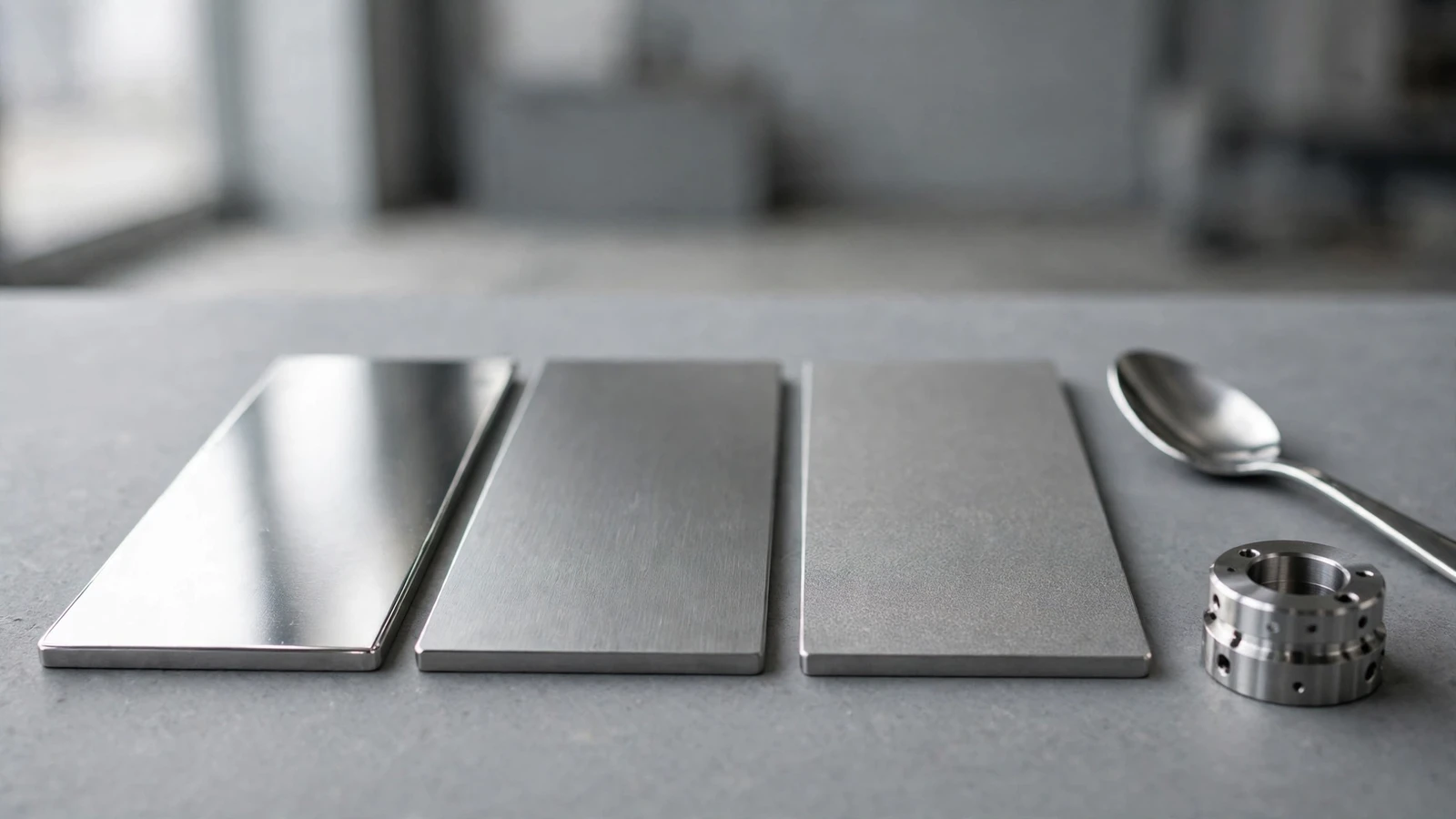
الفولاذ المقاوم للصدأ 18/8 هو فولاذ مقاوم للصدأ من النوع الأوستنيتي يحتوي على حوالي 18% من الكروم و8% من النيكل. تشير هذه التسمية إلى مجموعة من الدرجات من سلسلة 300، وغالبًا ما تكون الدرجة 304، وليس إلى سبيكة واحدة محددة. تحتوي الدرجة 18/10 على حوالي 10% من النيكل، بينما لا تحتوي الدرجة 18/0 على أي نيكل تقريبًا، مما يجعلها مغناطيسية وأرخص ثمناً ولكنها أقل مقاومة للتآكل.
إجابة سريعة: هذان الرقمان يمثلان النسب المئوية التقريبية للكروم والنيكل. يُعد كل من 18/8 و18/10 من الدرجات الأوستنيتية ضمن عائلة 304: فهي غير مغناطيسية عند التلدين، وسهلة اللحام، وآمنة للتلامس مع الأغذية. أما 18/0 فهو عادةً من الدرجة 430، وهو فولاذ فيريتي مغناطيسي وخالٍ من النيكل وأقل تكلفة.
بدأت هذه التسميات في كتالوجات أدوات الطهي والمثبتات، وليس في معايير المواد، ولا يزال الفولاذ 18-8 يُباع بهذه الطريقة حتى اليوم. وهذا أمر مهم عند طلب قطع غيار مصنعة آليًا، لأن المخطط الفني يجب أن يحدد الدرجة الفعلية للمادة، وليس النسبة. يشرح هذا الدليل معنى كل علامة، وكيفية ربطها بالدرجات 304 و316 و430، وكيفية التأكد من حصولك على ما دفعت ثمنه.
الكروم هو ما يجعل الفولاذ “مقاومًا للصدأ”. فعندما تزيد نسبة الكروم عن 10.5٪ تقريبًا، يشكل المعدن طبقة رقيقة من أكسيد الكروم قادرة على إصلاح نفسها، مما يمنع الصدأ من الانتشار. وعمومًا، كلما زادت نسبة الكروم، زادت صلابة الطبقة وأصبح الفولاذ أكثر مقاومة للتآكل.
أما النيكل فيؤدي وظيفة مختلفة. فهو يغير البنية البلورية للفولاذ إلى الأوستينيت، وهي بنية مكعبة مركزية الوجوه تتميز بالصلابة والليونة وسهولة التشكيل، كما أنها غير مغناطيسية في الحالة الملدنة. كما أن النيكل يعزز مقاومة بعض الأحماض.
إذن، فإن التسمية “18/8” — التي تعني 18 في المائة من الكروم و8 في المائة من النيكل — توضح أمرين في آن واحد: وجود كمية كافية من الكروم لتوفير مقاومة جيدة للتآكل، وكمية كافية من النيكل لجعل الفولاذ أوستنيتيًّا. في مجال صناعة أدوات التثبيت، يشمل المصطلح «18-8» عدة درجات مترابطة بشكل وثيق: 302، و303، و304، و304L، و305. وتشترك هذه الدرجات في التركيب الكيميائي الأساسي نفسه، لكنها تختلف في محتوى الكربون أو الكبريت أو النيكل لتناسب مهام محددة.
بالمقارنة مع أنواع الفولاذ المقاوم للصدأ الأخرى، يوفر هذا النوع من الفولاذ المقاوم للصدأ أفضل مزيج من الليونة وقابلية اللحام ومقاومة التآكل لمختلف الاستخدامات. وتعود شعبية الفولاذ المقاوم للصدأ في مجال أدوات التثبيت والمطابخ والمصانع إلى هذا التوازن، وهو النوع الذي ستجده على رفوف معظم متاجر الأدوات.
هذا التعريف الفئوي هو الفخ الأول. فقد تكون المسمار المُعلَّم بـ«18-8» من النوع 304، أو قد يكون من النوع 303، الذي يسهل تشكيله آليًّا ولكنه أقل مقاومة للتآكل. وبالنسبة للأدوات العامة المصنوعة من الفولاذ المقاوم للصدأ 18-8، نادرًا ما يكون لهذا الاختلاف أهمية. أما بالنسبة للأجزاء الطبية أو أجزاء معالجة الأغذية المُحكمة الإغلاق، فقد يكون لهذا الاختلاف أهمية.
عادةً ما يبحث المشترون عن التركيب 18/8 عن النطاقات الفعلية، وليس النسبة المقربة. القيم الواردة أدناه هي الحدود النموذجية للدرجة 304 وفقًا لمعيار ASTM A240، وهي المادة الأكثر شيوعًا التي تُباع تحت مسمى 18-8، مع ذكر الدرجتين 316 و430 للمقارنة. والتغيرات الطفيفة في تركيبات هذه المواد هي ما يميز الدرجات المختلفة عن بعضها.
| العنصر (النسبة المئوية بالوزن) | 304 (18/8) | 316 | 430 (18/0) |
|---|---|---|---|
| الكروم (Cr) | 18.0–20.0 | 16.0–18.0 | 16.0–18.0 |
| النيكل (Ni) | 8.0–10.5 | 10.0–14.0 | 0.75 كحد أقصى |
| الموليبدينوم (Mo) | لم يتم تحديد أي شيء | 2.0–3.0 | لم يتم تحديد أي شيء |
| الكربون (C) | 0.07–0.08 كحد أقصى | 0.08 كحد أقصى | 0.12 كحد أقصى |
| المنغنيز (Mn) | 2.0 كحد أقصى | 2.0 كحد أقصى | 1.0 كحد أقصى |
| السيليكون (Si) | 0.75–1.0 كحد أقصى | 0.75–1.0 كحد أقصى | 1.0 كحد أقصى |
| الحديد (Fe) | الرصيد | الرصيد | الرصيد |
تكتسب الخصائص الميكانيكية أهمية أكبر من الخصائص الكيميائية بمجرد البدء في تصميم قطعة ما. وهذه هي القيم النموذجية للمواد المُصهرة؛ أما القضبان والأسلاك ومواد التثبيت التي خضعت للمعالجة الباردة فستكون أكثر متانة.
| الخصائص (بعد التلدين، نموذجية) | 304 (18/8) | 316 | 430 (18/0) |
|---|---|---|---|
| قوة الشد، الحد الأدنى | 515 MPa (75 ksi) | 515 MPa (75 ksi) | 450 MPa (65 ksi) |
| حد الخضوع، الحد الأدنى | 205 MPa (30 ksi) | 205 MPa (30 ksi) | 205 MPa (30 ksi) |
| الاستطالة، الحد الأدنى | 40% | 40% | 22% |
| الكثافة | حوالي 8.0 غ/سم³ | حوالي 8.0 غ/سم³ | حوالي 7.7 غ/سم³ |
| نطاق الانصهار | حوالي 1,400–1,450 درجة مئوية | حوالي 1,375–1,400 درجة مئوية | حوالي 1,425–1,510 درجة مئوية |
| الاستجابة المغناطيسية | لا شيء إلى قليل | لا شيء إلى قليل | قوي |
لاحظ أن 304 و316 لهما نفس القوة الدنيا. اختيار الفئة 316 يوفر مقاومة للتآكل، وليس قدرة تحمل إضافية. إذا كانت القطعة الخاصة بك تحتاج إلى قوة أعلى، فابحث عن حالة التشكيل على البارد، أو فئة تصلب بالترسيب مثل 17-4 PH، أو تصميم مختلف.
يبدأ إنتاج معظم الفولاذ المقاوم للصدأ من النوع 304 بخردة وسبائك حديدية تُصهر في فرن قوس كهربائي، ثم تُكرَّم، وتُصب في شكل ألواح أو قضبان، وتُدرفل على الساخن، وتُخضع لعملية التخليل لإزالة القشور. ونظرًا لأن الفولاذ 18-8 لا يمكن تقويته بالمعالجة الحرارية، فإنه يُقوى بدلاً من ذلك عن طريق التشكيل على البارد، وهو ما يزيد من قوته ولكنه يقلل من ليونته إلى حد ما.
Yes, when it is genuinely 304 or another true 18-8 grade. It is the workhorse of the stainless steel world for good reasons: it resists corrosion in most everyday environments, forms and welds easily, polishes well, and holds up to repeated cleaning.
That mix of durability and corrosion resistance is why stainless steel pots and pans, a stock pot, a frying pan or a simple spoon so often carry an 18/8 stamp. The metal is easy to clean, does not tarnish over time, and gives excellent corrosion resistance against everyday foods.
Quality problems usually come from what is sold under the label rather than the grade itself. Three patterns cause most complaints:
In other words, 18/8 is a sound material. Whether a specific product or part is good quality depends on the supplier’s grade control and finishing, which is why certificates matter.
This comparison table is the fastest way to see how the three labels differ.
| الممتلكات | 18/8 | 18/10 | 18/0 |
|---|---|---|---|
| Chromium (approx.) | 18% | 18% | 16–18% |
| Nickel (approx.) | 8% | 10% | Less than 0.75% |
| Usual standard grade | 304 (or other 18-8 family grades) | 304 at the high end of its nickel range | 430 |
| Crystal structure | Austenitic | Austenitic | Ferritic |
| Magnetic (annealed) | لا يوجد | لا يوجد | نعم |
| مقاومة التآكل | جيد | Good, slightly better in acidic use | عادلة |
| Polish and luster | جيد | Best | Good, slightly duller |
| قابلية اللحام | ممتاز | ممتاز | محدودة |
| Hardenable by heat treatment | No (cold work only) | No (cold work only) | لا يوجد |
| التكلفة النسبية | متوسط | Highest of the three | الأدنى |
| الاستخدامات الشائعة | Fasteners, machined parts, tanks, kitchen equipment | Premium cookware and flatware | Budget flatware, appliance trim, induction cookware bases |
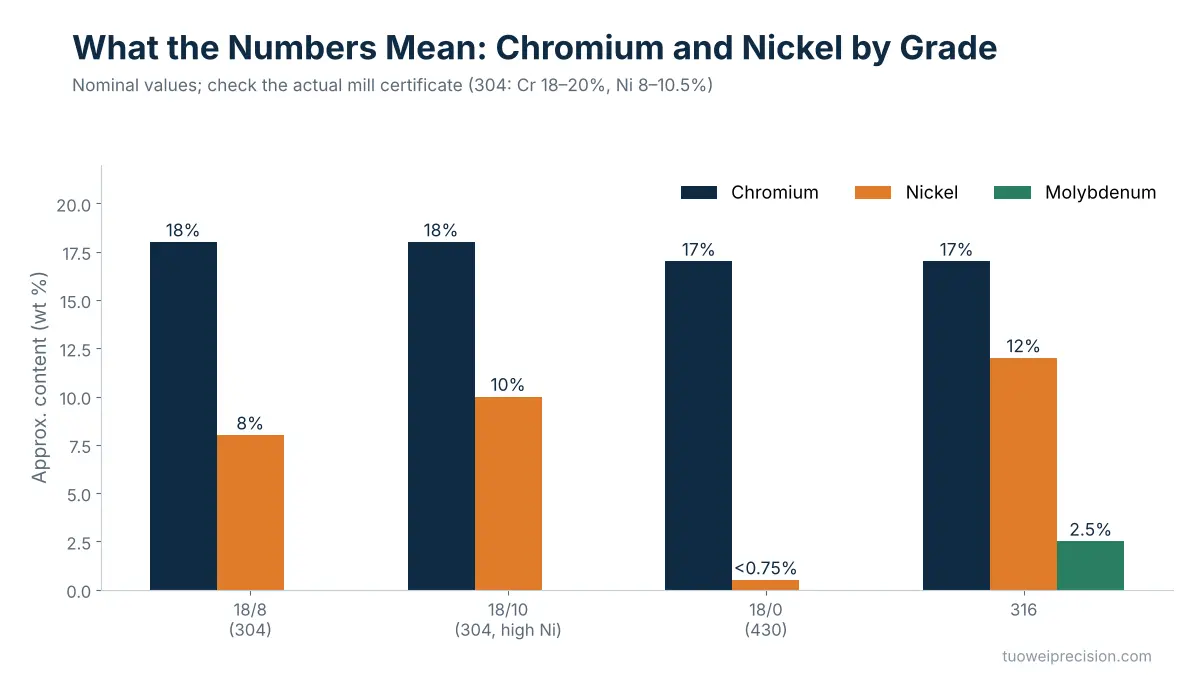
The practical gap between 18/8 and 18/10 is small. Two percent more nickel gives a slightly brighter finish and marginally better resistance to acidic foods. The gap between either of them and 18/0 is much larger, because removing nickel changes the steel’s structure entirely.
18/10 stainless steel is not a separate grade in ASTM or ISO standards. It is a commercial label for 304-type steel melted toward the top of 304’s allowed nickel range, which runs from 8.0% to 10.5%. Manufacturers use it mostly for cookware and flatware, where the extra shine helps sell the product.
For an engineered part, specifying “18/10” adds little. If you need more corrosion resistance than 304, the real step up is 316, which adds molybdenum.
18/0 stainless steel is usually grade 430, a ferritic stainless with 16–18% chromium and almost no nickel. It is magnetic, which is why it is used in induction-compatible cookware bases and in appliances. It is also the common choice for people avoiding nickel, and the lack of nickel is the main reason it costs less.
The trade-off is corrosion resistance. In salty, acidic or chloride-rich environments, 430 shows surface rust far sooner than 304. It also welds poorly compared with austenitic grades, so we rarely recommend it for welded assemblies.
In most catalogs, 18-8 stainless steel is the same as 304 stainless steel, and clearly different from 316 stainless steel. The 18-8 vs 304 question comes up constantly, and the difference between 18-8 and 304 is mostly one of naming; 304 vs 316, by contrast, is a real material choice. The table below maps the trade labels to the grade numbers used on drawings and mill certificates.
| Trade label | Common grade | UNS | EN number | ISO 3506 fastener class | Key chemistry difference |
|---|---|---|---|---|---|
| 18-8 / 18/8 | 304 | S30400 | 1.4301 | A2 | Cr 18–20%, Ni 8–10.5% |
| 18-8 (low carbon) | 304L | S30403 | 1.4307 | A2L | Carbon 0.03% max, better for welding |
| 18-8 (free machining) | 303 | S30300 | 1.4305 | A1 | Added sulfur for machinability |
| 18/10 | 304 (high nickel) | S30400 | 1.4301 | A2 | Nickel near 10% |
| Marine grade | 316 | S31600 | 1.4401 | A4 | Ni 10–14% plus 2–3% molybdenum |
| 18/0 | 430 | S43000 | 1.4016 | F1 | Ferritic, nickel under 0.75% |
The jump from 304 to 316 is the important one. Molybdenum improves corrosion resistance against chlorides, giving 316 superior corrosion resistance in marine environments and other harsh environments where chloride-induced pitting is the main risk, such as seawater, de-icing salt, and some cleaning chemicals. 316 is also noticeably more expensive, so it should be specified where chlorides are actually present, not by default.
Fastener buyers will also see ASTM F593, the US specification for stainless steel bolts and studs, which groups 18-8 type alloys together. If thread strength matters, name the property class, such as A2-70 under ISO 3506, rather than just “18-8.”
In the annealed condition, 18/8 stainless is essentially non-magnetic because austenite is not ferromagnetic. However, cold working such as bending, deep drawing, thread rolling, or heavy machining can transform part of the austenite into martensite, which is magnetic. That is why threads on an 18-8 bolt or the corners of a formed sink often attract a magnet slightly.
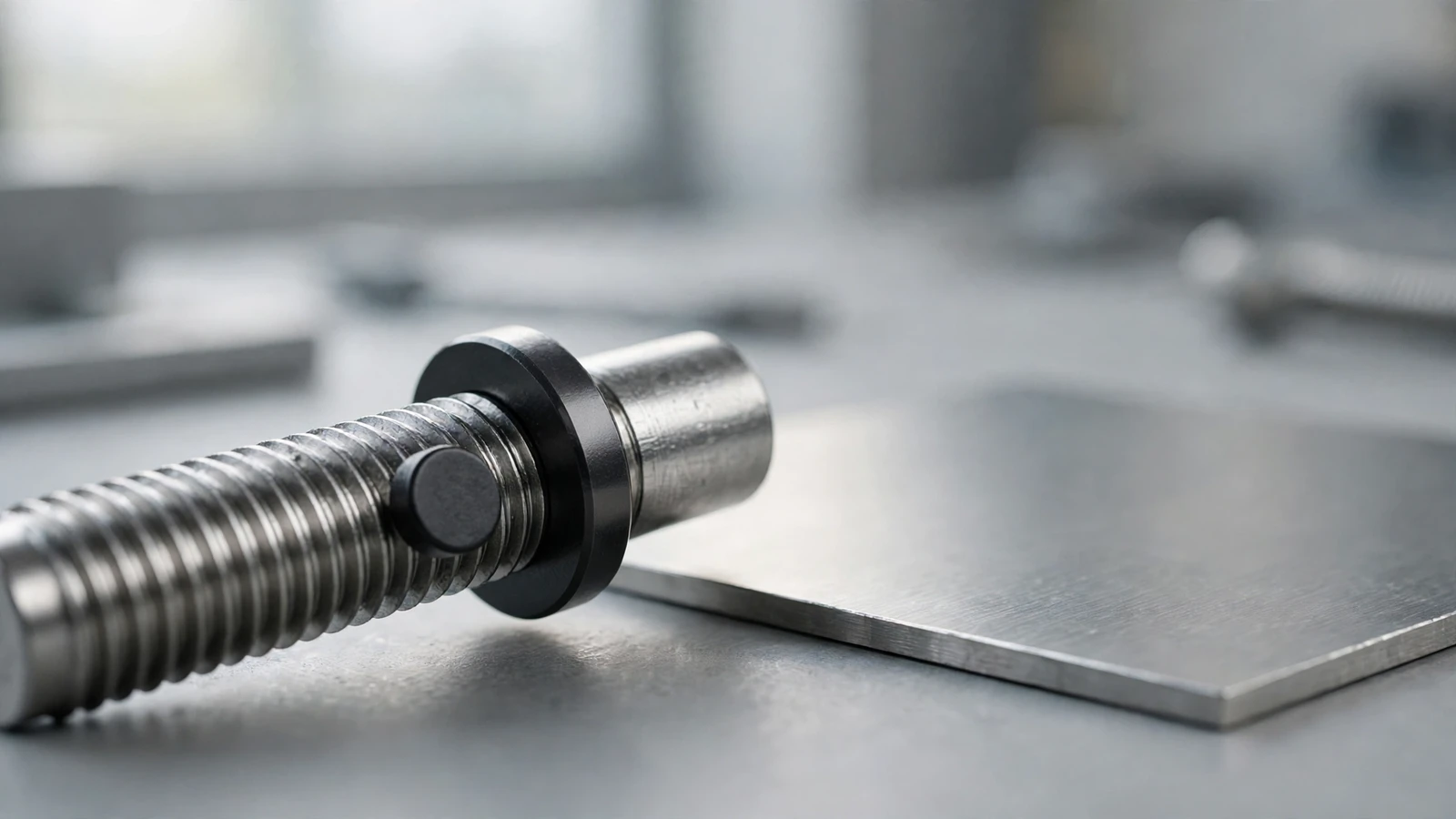
This leads to the most common myth we hear from buyers: “It’s magnetic, so it isn’t real stainless.” A light pull on a cold-worked 304 part is normal. A strong pull across the whole part suggests a ferritic grade like 430, or a mislabeled material.
The reverse test does not work either. A magnet cannot tell 304 stainless steel from 316, because both are non-magnetic when annealed. Only a chemical test separates them.
All three resist ordinary indoor humidity and tap water well, and that resistance to rust is why stainless steel is chosen over carbon steel in the first place. The ability to resist rust is shared, so rust and corrosion resistance only start to separate the grades in corrosive environments.
One common cause of “rusting stainless” has nothing to do with grade at all. Iron particles from carbon steel tools, wire brushes or grinding dust can embed in the surface and rust on top of it. Passivation or electropolishing after machining removes that contamination and restores the protective film.
The same alloy shows up in very different products. This is where 18/8 stainless earns its place, and where buyers usually move to another grade.
| الصناعة | Typical 18-8 parts | When to switch grade |
|---|---|---|
| Food and beverage | Tanks, fittings, conveyor parts, bottles, utensils | 316 for brines, sauces with salt, or aggressive cleaning chemicals |
| Medical and laboratory | Instrument housings, trays, fixtures | 316L for implants or chloride sterilants; 17-4 PH for higher strength |
| Electronics and enclosures | Brackets, shields, panels, fasteners | 430 when magnetic shielding or lower cost matters more than corrosion |
| Automation and robotics | Shafts, pins, spacers, sensor mounts | 303 for complex turned parts; 17-4 PH for wear and strength |
| Architecture and outdoor hardware | Railings, cladding fixings, signage | 316 within a few miles of the coast or where de-icing salt is used |
| السحابات | Screws, bolts, nuts, washers | A4 (316) for marine use; check the property class, not just “18-8” |
A useful rule from the fastener world: match the fastener grade to the parts it joins. A 304 screw in a 316 marine fitting becomes the weak point.
Stainless steel also appears in heat exchangers, chemical processing equipment and the fabrication of tanks and hoppers, where 316 or duplex grades usually take over from 18-8 in the more aggressive duties.
Exact prices move with the nickel and molybdenum markets, so treat any fixed number with caution. The relative order is stable, though:
بالنسبة لـ machined parts, raw material is only part of the bill. 304 work hardens and wears tools faster than 303, and 316 is slightly tougher to cut again. On a small, complex part, machining time can outweigh the material difference. That is why we suggest choosing the grade by environment first, then checking whether a free-machining option such as 303 is acceptable.
This is where the family definition matters most for our customers, and where most consumer-focused guides stop short.
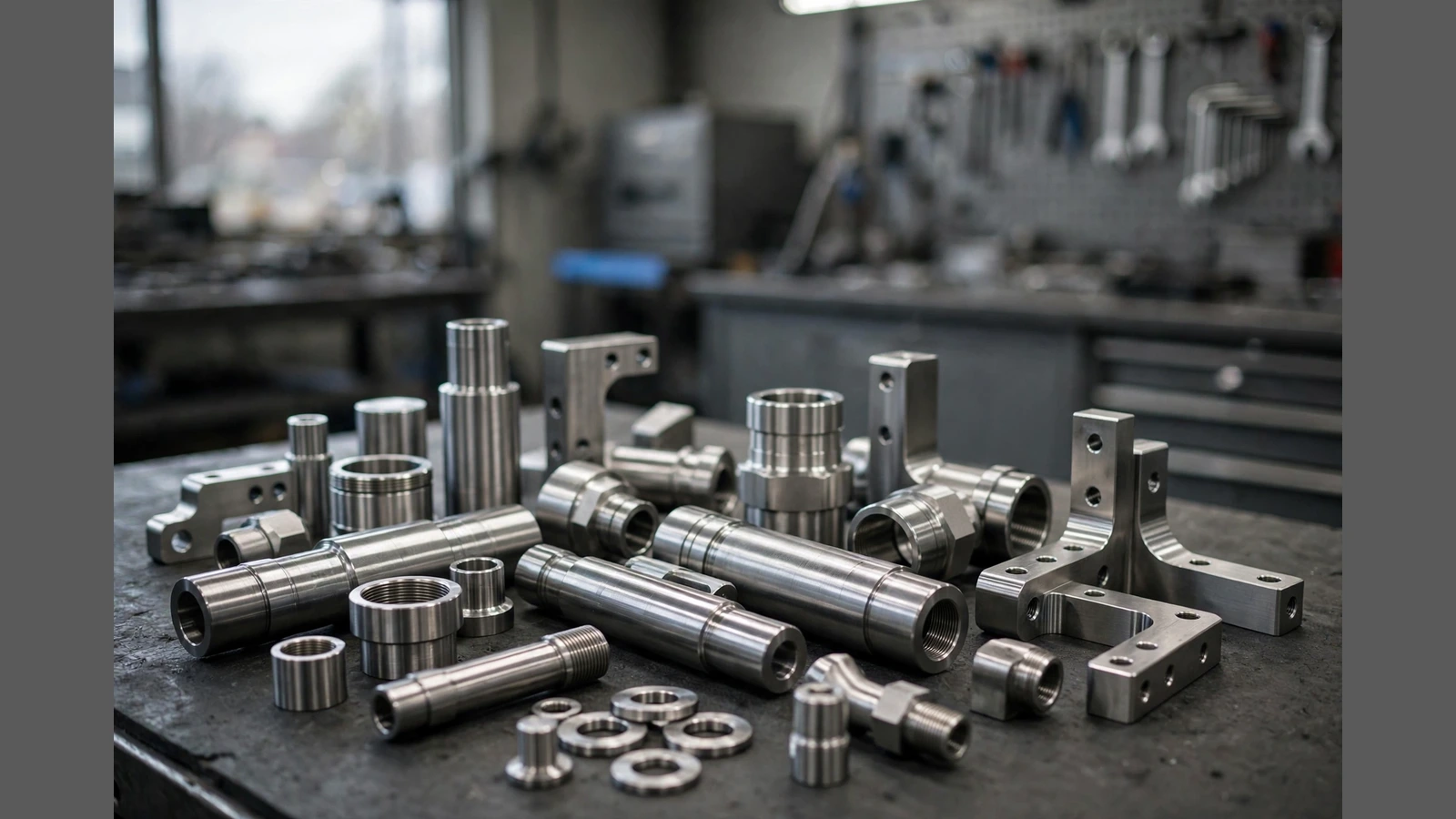
304 work hardens quickly. If a tool rubs instead of cutting, the surface hardens and the next pass gets harder. Sharp carbide tools, positive rake angles, rigid setups and a steady feed that keeps the tool under the hardened layer all help. Stopping a tool in the cut is a frequent cause of glazed, hardened spots.
303 machines far more easily. Its added sulfur breaks chips cleanly, so it suits complex turned parts, small threads and high-volume screw-machine work. The cost is lower corrosion resistance and poor weldability. We recommend 303 only when the part will not be welded and will not see chlorides.
304L is the better choice for welded parts. Its lower carbon reduces chromium carbide formation at the weld, which helps keep the heat-affected zone corrosion resistant.
From a quoting point of view, a 304 part usually takes longer to machine than the same part in 303, and tool wear is higher. On tight-tolerance work that difference can show up in cycle time and price, so it is worth deciding the grade before you request quotes.
Labels like 18/8 are easy to print on a box. For production stainless steel parts, ask for proof.
Most quality problems we see in this area come from substitution: 201 stainless, which replaces much of the nickel with manganese, supplied as “18/8.” Grade 201 costs less but corrodes faster in humid or salty conditions.
| If your part is… | Our stainless steel recommendation | لماذا |
|---|---|---|
| A general machined component, indoor use | 304 (18/8) | Best balance of cost, corrosion resistance and weldability |
| A complex turned part, no welding | 303 | Much faster machining |
| A welded assembly | 304L | Lower carbon protects the weld zone |
| Exposed to seawater, salt or chlorides | 316 or 316L | Molybdenum resists pitting |
| A cookware or flatware product sold on appearance | 18/10 | Brighter finish, marketable label |
| Low-cost, magnetic, or nickel-free | 430 (18/0) | Cheapest, magnetic, no nickel |
If you are unsure, default to 304 for indoor parts and 316 for anything outdoors near the coast. Choosing 316 everywhere wastes money; choosing 304 near salt water invites warranty claims.
يُعتبر الفولاذ 18/8 المُصلب غير مغناطيسي بشكل أساسي لأن بنيته الأوستنيتية ليست مغناطيسية حديدية. يمكن أن تؤدي عمليات التشكيل على البارد، مثل الثني أو درفلة الخيوط أو المعالجة الآلية الثقيلة، إلى جعل بعض المناطق مغناطيسية قليلاً من خلال تكوين المارتنسيت. ويشير وجود قوة سحب قوية عبر الجزء بأكمله إلى درجة فيريتية مثل 430 بدلاً من الفولاذ 18/8 الحقيقي.
بالنسبة لمعظم الأجزاء المصنعة هندسيًّا، فإن أداء النوعين متماثل تقريبًا. يحتوي النوع 18/10 على نسبة نيكل أعلى بنسبة 2٪ تقريبًا، مما يمنحه مظهرًا أكثر لمعانًا ومقاومة أفضل قليلاً للأطعمة الحمضية، لذا فهو مناسب لأواني الطهي الفاخرة. أما بالنسبة للأجزاء المُشكَّلة آليًّا أو الأجزاء الهيكلية، فاختر النوع 304 حسب اسم الدرجة، أو انتقل إلى النوع 316 في حالة وجود كلوريدات.
نعم، للاستخدام العادي. يُعد الفولاذ من النوع 304 (18/8) أحد أكثر المواد استخدامًا في معدات تجهيز الأغذية وأواني الطهي والأدوات المنزلية، وذلك لكونه مقاومًا للتآكل ولا يتفاعل مع معظم الأطعمة. ويُفضل الأشخاص الذين يعانون من حساسية تجاه النيكل أحيانًا استخدام الفولاذ من النوع 18/0، الذي لا يحتوي على النيكل تقريبًا، على الرغم من أن مقاومته للتآكل أقل.
وعادةً ما تكون مصنوعة من نفس المادة. ويُعد «18-8» اسمًا عامًّا يشمل الدرجات 302 و303 و304 و304L و305، والتي تحتوي جميعها على حوالي 18% من الكروم و8% من النيكل. معظم المواد من فئة 18-8 هي من الفولاذ المقاوم للصدأ 304، ولكن قد تكون أدوات التثبيت أو الأجزاء المخروطة من الفئة 303. إذا كانت الدرجة مهمة، فحدد الفئة 304 واطلب شهادة من المصنع.
يعتمد ذلك على البيئة المحيطة. يُضاف إلى الفولاذ المقاوم للصدأ 316 ما بين 2 إلى 3% من الموليبدينوم، مما يحسّن بشكل كبير من مقاومته للكلوريدات؛ لذا يُفضل استخدامه في الأماكن القريبة من مياه البحر أو الملح أو المواد الكيميائية المستخدمة في حمامات السباحة. أما في الأماكن المغلقة، فإن الفولاذ 18/8 يقدم أداءً مماثلاً تقريبًا بتكلفة أقل. وكلاهما يتمتع بنفس الحد الأدنى من القوة، لذا فإن الفولاذ 316 لا يجعل القطعة أكثر متانة.
وهو مقاوم للصدأ بشكل جيد في الأماكن المغلقة وفي الهواء الخارجي المعتدل. أما في حالة التعرض لرذاذ الملح أو المواد الكيميائية المستخدمة في حمامات السباحة أو ملح إزالة الجليد، فقد يتعرض للتآكل النقطي أو تظهر عليه بقع بلون الشاي، وفي هذه الحالة يُعد الفولاذ 316 الخيار الأفضل. كما تتسبب جزيئات الحديد العالقة من أدوات الفولاذ الكربوني في حدوث صدأ سطحي، والذي يمكن إزالته عن طريق عملية التخميل بعد التصنيع.
The ratio on a label is a starting point, not a specification. For parts that must perform, name the grade on the drawing, match it to the environment, and ask for a certificate. Most of the problems we see trace back to a drawing that said “18-8” and a supplier who picked the cheapest member of the family.
If you are machining 18/8 stainless steel parts, our team can advise on 303 versus 304 versus 316 before you commit. See our الصلب خدمة التصنيع باستخدام الحاسب الآلي (CNC), our wider خدمات التصنيع الآلي باستخدام الحاسب الآلي الرقمي, و precision machining capabilities. For related material choices, read our guides on aluminum vs stainless steel for CNC parts و how electropolishing improves stainless steel.
Ready to quote? Upload your drawing or explore دقة تووي for our full range of manufacturing services.
المصادر ومزيد من القراءة
Composition ranges are typical values for reference. Always confirm the exact chemistry and properties against the standard and edition named on your drawing.