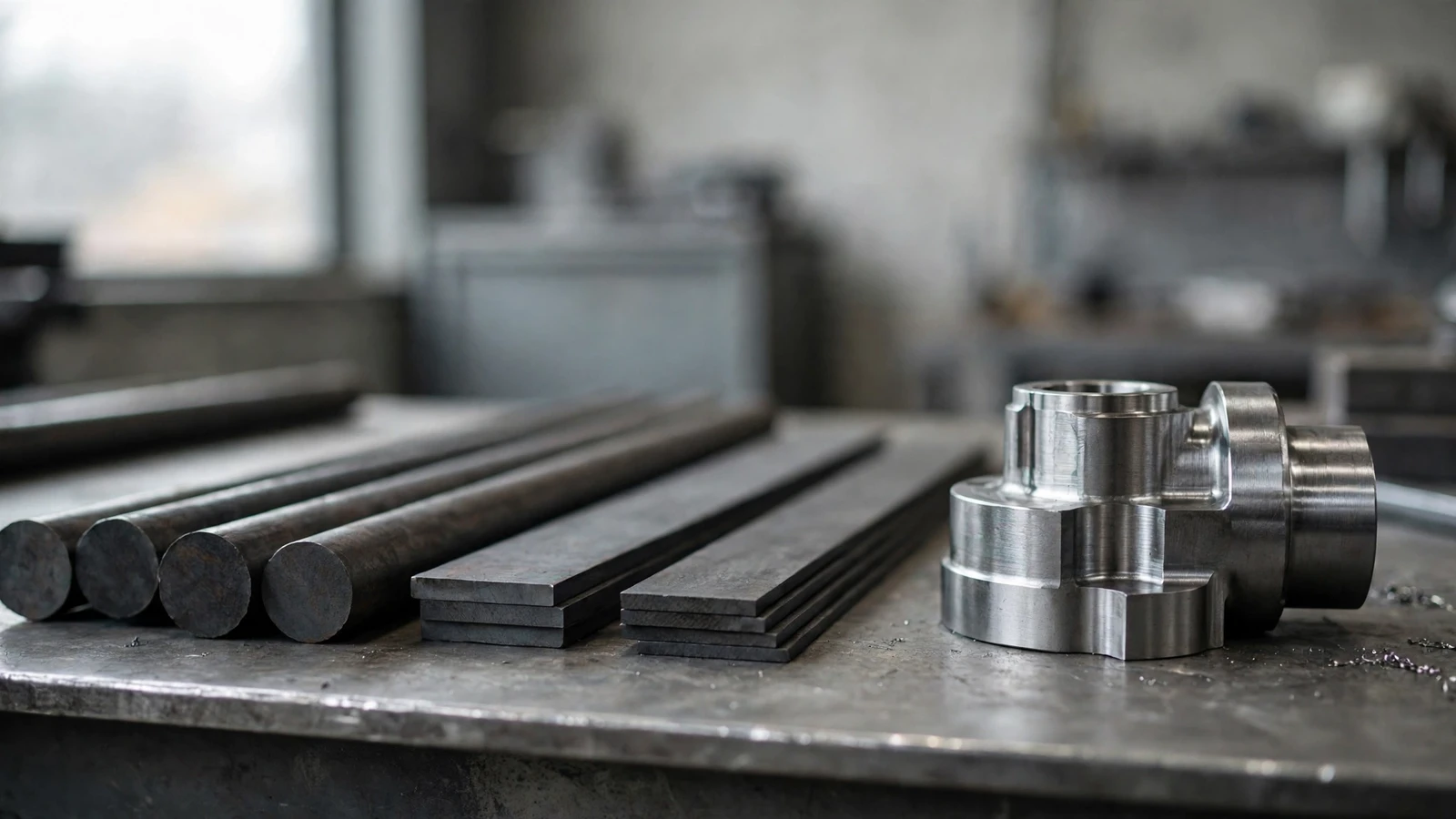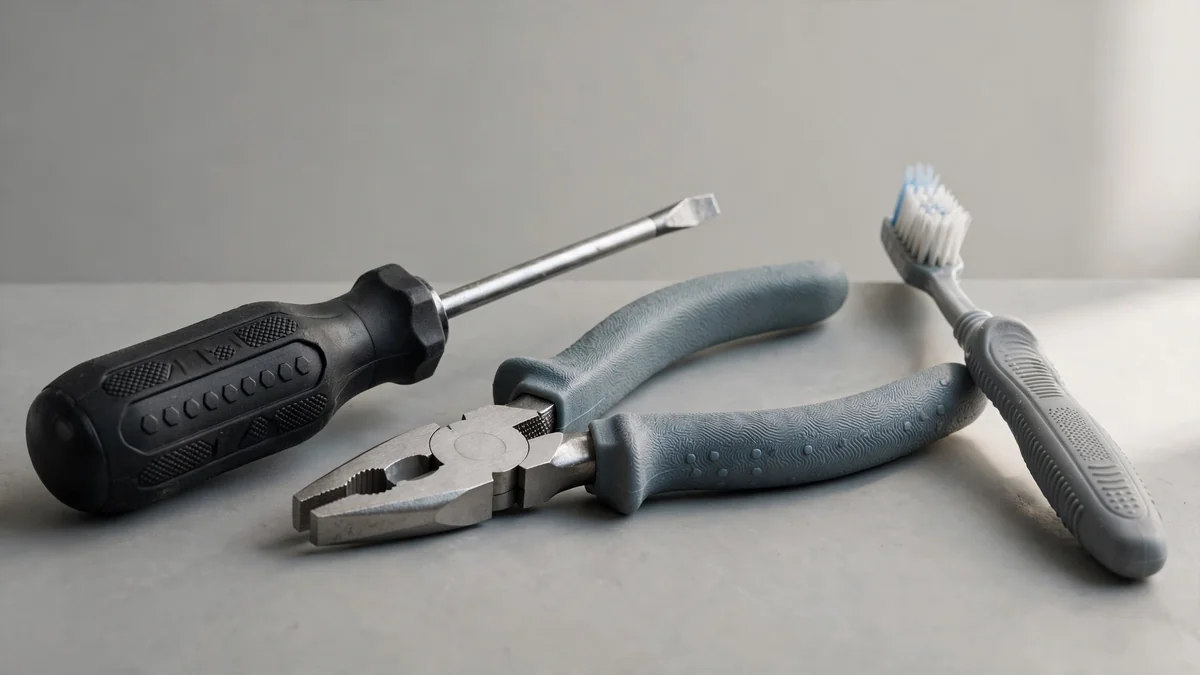
What is TPE? TPE, or thermoplastic elastomer, is a rubber-like plastic that stretches and recovers like rubber but melts and molds like a thermoplastic. Because it needs no vulcanizing, it can be injection molded fast, recycled as regrind, and overmolded directly onto rigid plastic parts. TPR (thermoplastic rubber) is one type of TPE, usually based on SBS.
Respuesta rápida: TPE is a family of soft, flexible plastics, typically Shore 0A to about 60D. TPR is a styrenic TPE and a subset of the family, so every TPR is a TPE but not every TPE is a TPR. Choose TPE for soft-touch grips, seals and overmolded parts; choose silicone when you need high heat resistance or the lowest compression set.
The confusion between TPE, TPR, TPU and silicone causes real sourcing mistakes, mostly because suppliers use the names loosely. This guide sorts out the terms, then covers properties, hardness, safety, cost drivers and the design rules that decide whether an overmolded grip stays bonded.
TPE material combines two kinds of molecular structure. Hard segments act like physical cross-links at room temperature, which is why the part springs back after stretching. When heated, those hard segments soften, so the material flows into a mold. When it cools, they lock again. Conventional rubber is chemically cross-linked by vulcanization and cannot be remelted; that is the key difference.
In practice this gives manufacturers three advantages over thermoset rubber:
The trade-offs are lower heat resistance and higher compression set than good thermoset rubbers. We cover both below, because they decide most material failures we see.
ISO 18064 groups thermoplastic elastomers into families by chemistry. Knowing the family matters more than the trade name, because it predicts heat, oil and bonding behavior.
| ISO code | Family | Common names | Typical strengths | Usos habituales |
|---|---|---|---|---|
| TPS (TPE-S) | Styrenic block copolymers | SBS, SEBS, TPR | Very soft grades, good feel, easy overmolding | Grips, toys, seals, consumer goods |
| TPO (TPE-O) | Olefinic blends | TPO | Low cost, good weathering | Automotive bumpers and trim |
| TPV (TPE-V) | Vulcanized PP/EPDM | Santoprene type | Better heat and compression set | Automotive seals, hoses, gaskets |
| TPU (TPE-U) | Poliuretano | TPU | Toughness, abrasion and tear resistance | Cable jackets, phone cases, wheels |
| TPC (TPE-E) | Copolyester | COPE | Higher heat and chemical resistance | CV boots, bellows, industrial parts |
| TPA (TPE-A) | Polyamide | PEBA, COPA | Light weight, energy return | Sports shoes, medical tubing |
When a supplier quotes “TPE” without a family, ask which one. A styrenic grade and a copolyester grade at the same Shore A hardness behave very differently in heat and oil.
No. TPR is a subset of TPE. Thermoplastic rubber is the trade term for styrenic TPEs, most often based on SBS (styrene-butadiene-styrene). So the honest comparison is SBS-based TPR against the wider TPE family, and especially against SEBS-based TPE, its closest relative.
| Propiedad | TPR material (SBS-based) | TPE a base de SEBS |
|---|---|---|
| Química | Styrene-butadiene-styrene | Hydrogenated midblock (styrene-ethylene-butylene-styrene) |
| UV and ozone resistance | Fair; can yellow and crack outdoors | Bien |
| Heat resistance | Inferior | Más alto |
| Sentir | Rubbery, slightly tacky | Smooth, silky soft-touch |
| Coste | Usually lower | Usually higher |
| Usos habituales | Shoe soles, toys, budget grips | Medical, food-contact, premium grips, outdoor parts |
Many TPE vs TPR guides contradict each other on which one is “harder.” The truth is that hardness depends on the compound, not the label. Both TPR and TPE are sold from very soft to fairly firm grades, so always specify Shore A hardness rather than the name.
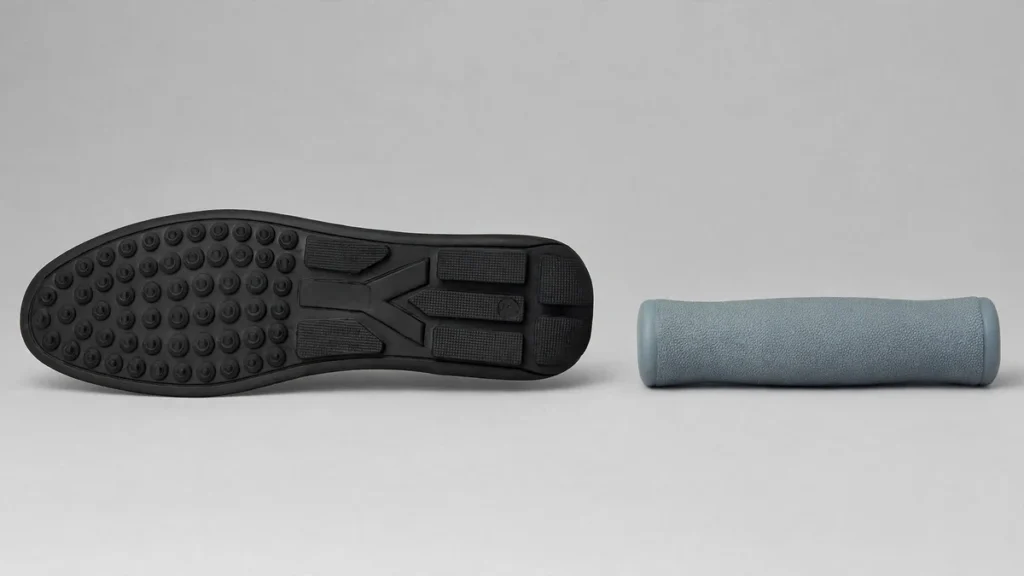
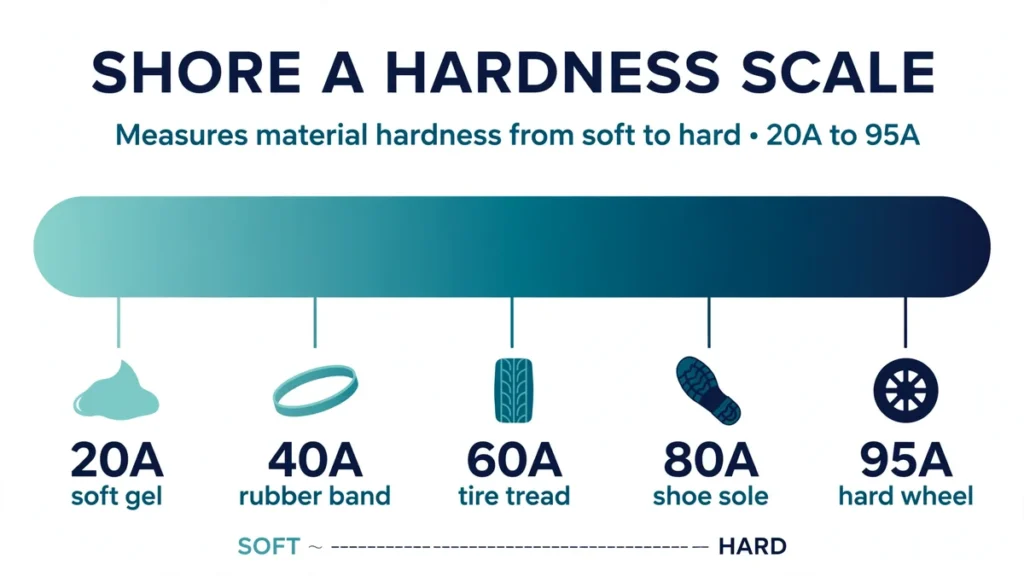
Hardness of soft materials is measured with a durometer under ASTM D2240. The Shore A scale covers most TPE grades; very soft gels use Shore 00, and stiff grades move to Shore D. Approximate everyday comparisons help when you specify a grip:
| Shore hardness | Feels like (approximate) | Typical TPE use |
|---|---|---|
| 20A to 30A | Rubber band, soft gel insole | Cushions, soft-touch pads |
| 40A to 50A | Pencil eraser | Toothbrush grips, tool handles |
| 60A to 70A | Car tire tread | Seals, gaskets, bumpers |
| 80A to 90A | Shoe heel | Feet, wheels, cable sleeves |
| 95A and up (to Shore D) | Shopping cart wheel, hard rubber | Rollers, stiff boots, jackets |
Our rule of thumb for overmolded grips is 40A to 60A. Softer feels good but wears and picks up dirt; harder transmits vibration and feels like plastic.
TPE material properties vary by family and grade, so treat these as directions to check on the datasheet rather than fixed numbers.
Buyers usually choose between these four. The table summarizes where each one wins.
| Factor | TPE (styrenic) | Silicona | TPU | Thermoset rubber (EPDM, NBR) |
|---|---|---|---|---|
| Processing | Injection molding, fast | LSR molding or compression, slower | Injection molding, needs drying | Compression or transfer molding, cure time |
| Recyclable scrap | Sí | No | Sí | No |
| Heat resistance | Inferior | El más alto | Medio | De medio a alto |
| Compression set | Feria | Excelente | De aceptable a bueno | Bien |
| Abrasion resistance | Feria | Feria | Excelente | Bien |
| Overmolding onto plastics | Fácil | Possible with special grades | Good on PC/ABS | Not in the same mold |
| Coste relativo | Bajo a medio | Alta | Medio | Medio |
TPE vs silicone is the most common question. Silicone wins on heat, cold flexibility and long-term sealing; TPE wins on cost, cycle time and the ability to overmold onto PP, ABS or PC in one tool.
TPE material is generally considered non-toxic and is widely used in baby products, kitchen tools and medical devices. Most compounds are free of latex and do not need the plasticizers found in flexible PVC. That said, “TPE” is not a safety certification. What matters is the specific grade and its paperwork:
Cheap TPR grades with unknown fillers or oils are where odor and safety complaints usually come from. Specify the grade, not just the material type.
This is where most parts made from thermoplastic elastomers fail, and where most guides stop short. TPE bonds chemically to some substrates and not to others, so material pairing comes first.
| Rigid substrate | Bonding with standard SEBS TPE | What to do |
|---|---|---|
| PP | Bien | Standard grades bond well |
| ABS, PC, PC/ABS | Poor with standard grades | Use a modified “ABS/PC-bonding” TPE grade |
| Nailon (PA6, PA66) | Deficiente | Use PA-bonding grades and dry the nylon |
| Metal | Ninguno | Use mechanical locks or adhesive primers |
Then design for the bond:
Nuestra overmolding service runs substrate and TPE trials together for this reason, and our guide to Moldeo por sobremoldeo frente a moldeo por inserción explains when each process makes more sense.
Defects such as sink marks, flash and short shots follow the same causes as in other plastics; see our guide to defectos de moldeo por inyección.
Raw price per kilogram changes with oil markets and region, so a fixed number would be misleading. These factors move part cost more than the base price:
TPE is technically a plastic, but it behaves like rubber. It stretches and recovers like an elastomer, yet it melts and can be remolded like a thermoplastic. That combination is why it is called a thermoplastic elastomer and why it suits injection molding and overmolding better than conventional vulcanized rubber.
Both are considered safe when you use certified grades. Medical-grade silicone has the longer track record in implants and high-heat use, and it tolerates sterilization better. TPE is safe for many food-contact and medical uses when the specific grade carries FDA, USP Class VI or ISO 10993 data. Always check the grade.
TPE has lower heat resistance and higher compression set than silicone or vulcanized rubber, so seals under constant pressure and heat can lose sealing force. Styrenic grades swell in oils and fuels. Some grades feel tacky or attract dust, and bonding to ABS, PC or nylon needs special modified grades.
No. TPR is a type of TPE. TPR usually means a styrenic compound based on SBS, while TPE covers six families, including SEBS, TPV, TPU and copolyester grades. TPR is generally cheaper but has weaker UV and heat resistance than SEBS-based TPE. Specify the family and hardness, not just the name.
TPE is used for soft-touch grips on tools and toothbrushes, seals and gaskets, cable jackets, phone cases, footwear, medical tubing, baby products, and automotive trim and seals. Its biggest advantage in manufacturing is overmolding, where a soft TPE layer is molded directly onto a rigid plastic part in one tool.
Start with the job, not the name of the TPE material. Define the hardness you want in Shore A, the highest temperature the part will see, any oils or chemicals, and the substrate it must bond to. Those four answers point to the right family, and the family points to a short list of grades. Then ask for compliance documents if the part touches food or skin.
If you are designing a soft-touch or sealed part, our engineers can recommend a TPE family, plan the overmolding tool and quote the parts. See our servicio de moldeo por inyección de plástico, insert molding, and our guide to overmolding process and materials. When you are ready, upload your design for a quote o visita Precisión Tuowei.
Fuentes y lecturas recomendadas
– International Organization for Standardization, ISO 18064 Thermoplastic elastomers: Nomenclature and abbreviated terms: iso.org
– ASTM International, ASTM D2240 Standard Test Method for Rubber Property: Durometer Hardness: astm.org
Properties, hardness comparisons and bonding behavior are typical guidance. Always confirm against the material supplier’s datasheet and run adhesion tests on your actual substrate.