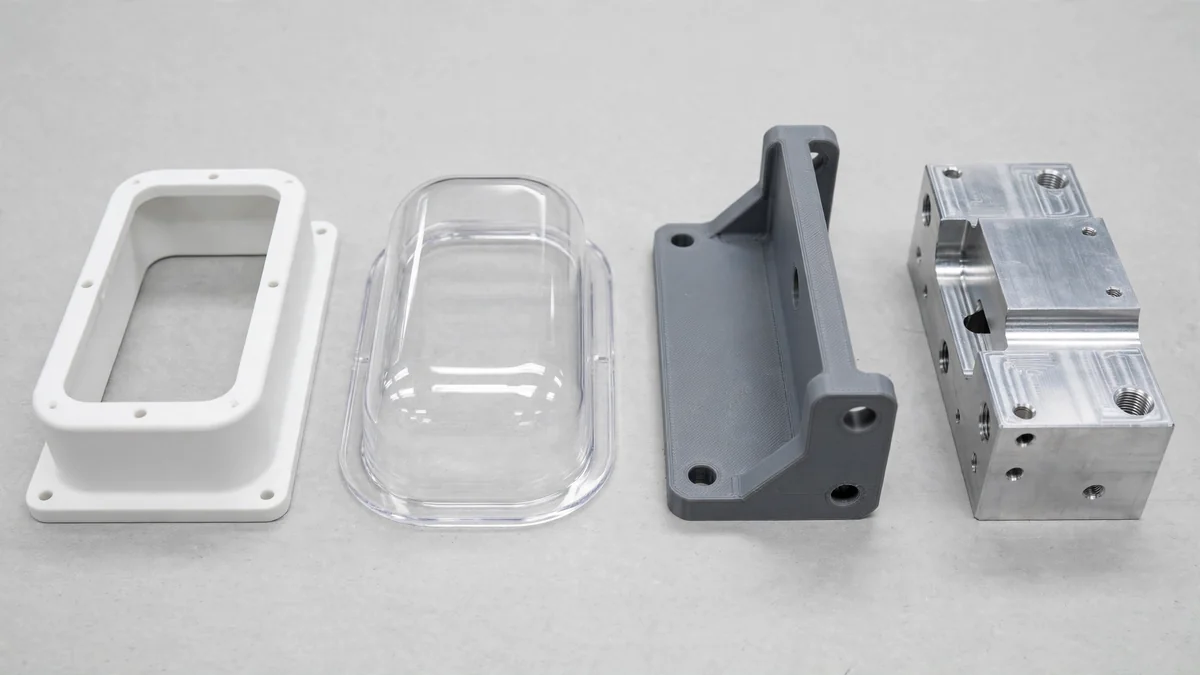
The most common rapid prototyping materials are engineering plastics such as ABS, nylon, polycarbonate, POM and PP; photopolymer resins; silicone and polyurethane elastomers; and metals such as 6061 aluminum, stainless steel and titanium. The right one depends on the process you use and on what the prototype must prove: looks, fit, function or production readiness.
Most guides list materials and stop there. This one connects each material to the process that can make it, shows how close each option gets to the final production part, and gives a stage-by-stage way to choose.
Rapid prototyping is used to quickly fabricate a physical part from a design created in CAD software, so designers and engineers can test it before committing to mass production. It is an iterative process: build, test, change the design, build again. Using rapid prototyping well can cut time and cost from product development and get a product to market faster.
The materials used in rapid prototyping decide what each build can tell you. Modern rapid prototyping technologies cover a wide range of materials, from basic printer filaments to engineering thermoplastics, metals and innovative materials like carbon fiber composites. Different material choices fit the different types of rapid prototyping and the techniques used in each:
The benefits of rapid prototyping are speed, lower risk and better product design. The main disadvantage, and one of the real disadvantages of rapid prototyping, is that many prototype materials only approximate the finished product. Rapid prototypes are only as useful as the materials in rapid prototyping that you choose, and good materials for rapid prototyping behave close to the final product. If you 3D print a gear, for example, it may fail where a machined one would not. That is why material selection is the most important decision in the design process, and why picking the right material for each stage matters more than the prototyping service you use.
A prototype is a test. Choose the material by what you need to learn, not by what looks most impressive.
| Prototype stage | 这证明了什么 | Material priority |
|---|---|---|
| Concept or looks-like model | Size, shape, ergonomics, appearance | Fast and cheap; color and finish matter more than strength |
| Fit and assembly prototype | Parts fit, snap, screw and align | Dimensional accuracy and stiffness close to production |
| Functional or works-like prototype | Strength, heat, wear, chemical exposure | Mechanical properties close to production |
| Pre-production or validation | Certification, drop, UL, biocompatibility tests | The actual production material and a production-like process |
Our position: from the functional stage onward, prototype in the real production material whenever you can. Test data from a substitute material can mislead you, and certification labs often will not accept it.
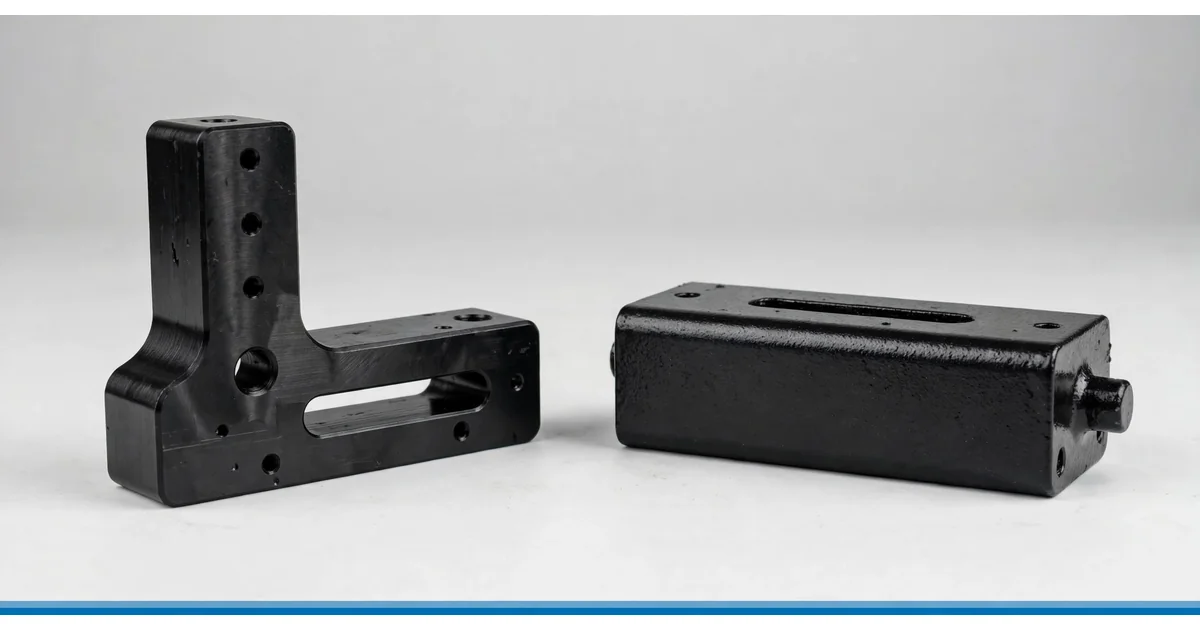
Plastics make up most prototypes because they are fast to process, low cost and cover a huge range of properties.
These are the same resins used in production, so prototypes made from them behave like the final part.
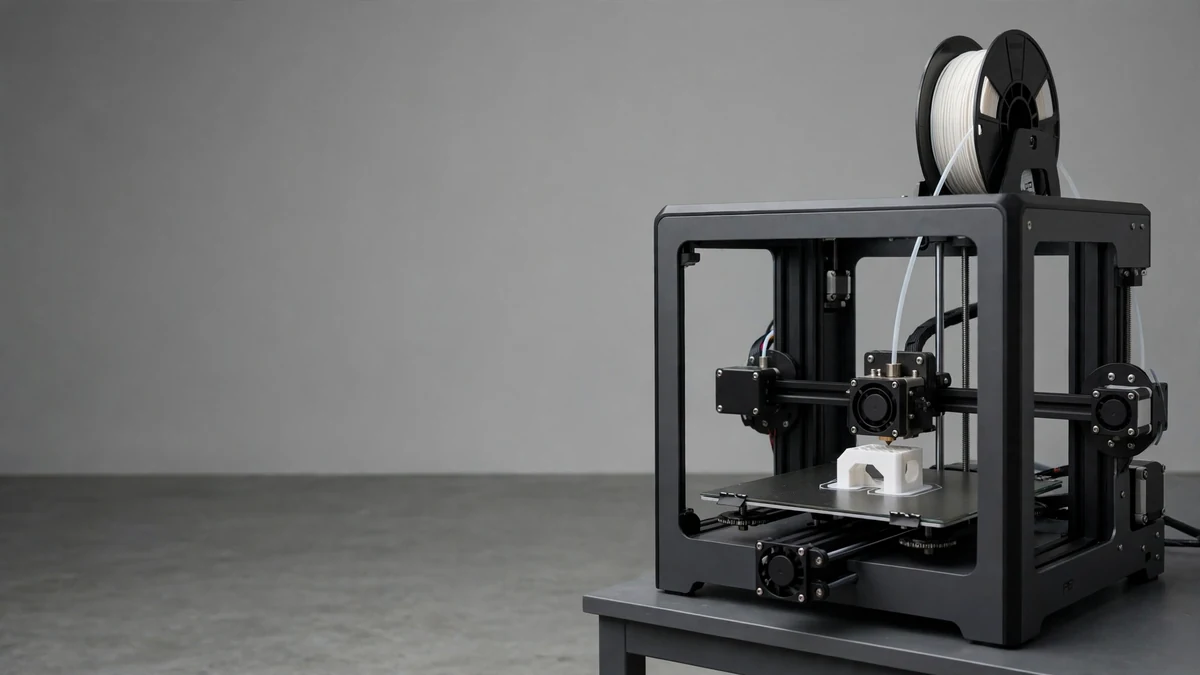
When you 3D print a part, you get the fastest route to complex shapes, but 3D printed parts rarely match molded properties exactly. Here are the polymer options most commonly used 3D printing services offer:
Resins give the smoothest surface and finest detail of any printing method.
The weakness: most resins become brittle over time and with UV exposure, so treat them as short-life prototypes.
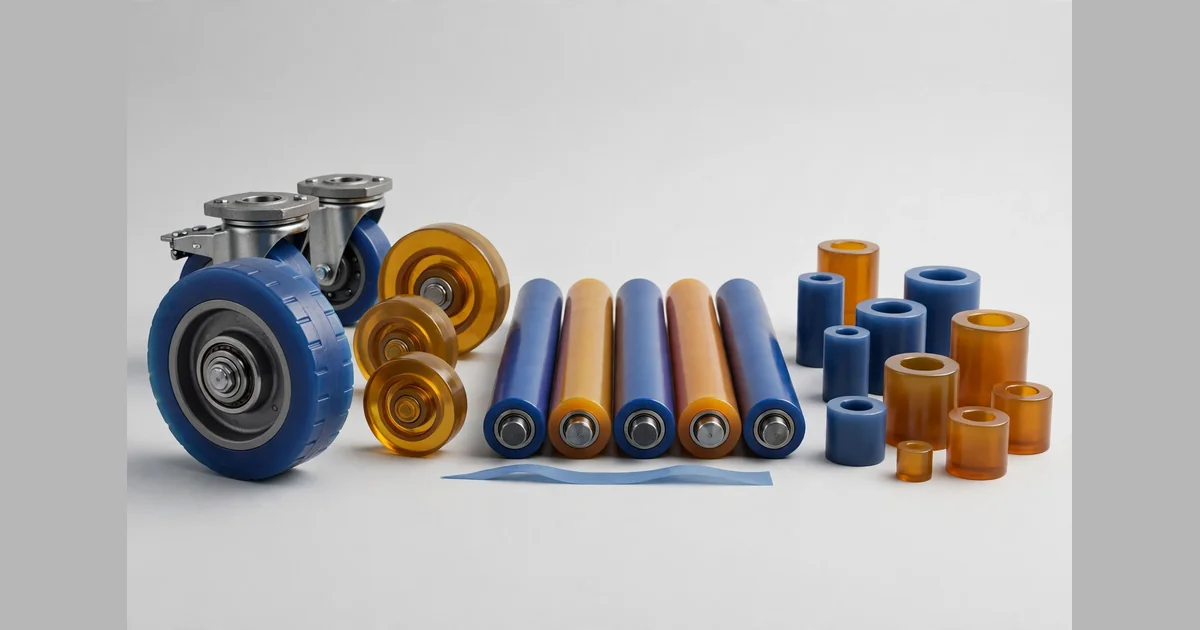
For rubbery parts and small batches, urethane (vacuum) casting is hard to beat. A silicone mold is made from a master pattern, then filled with polyurethane resins that imitate production plastics.
One silicone mold typically yields around 15 to 25 parts before it wears, which makes urethane casting the go-to process for 10 to 50 good-looking prototypes. Learn more on our 真空铸造 页面。.
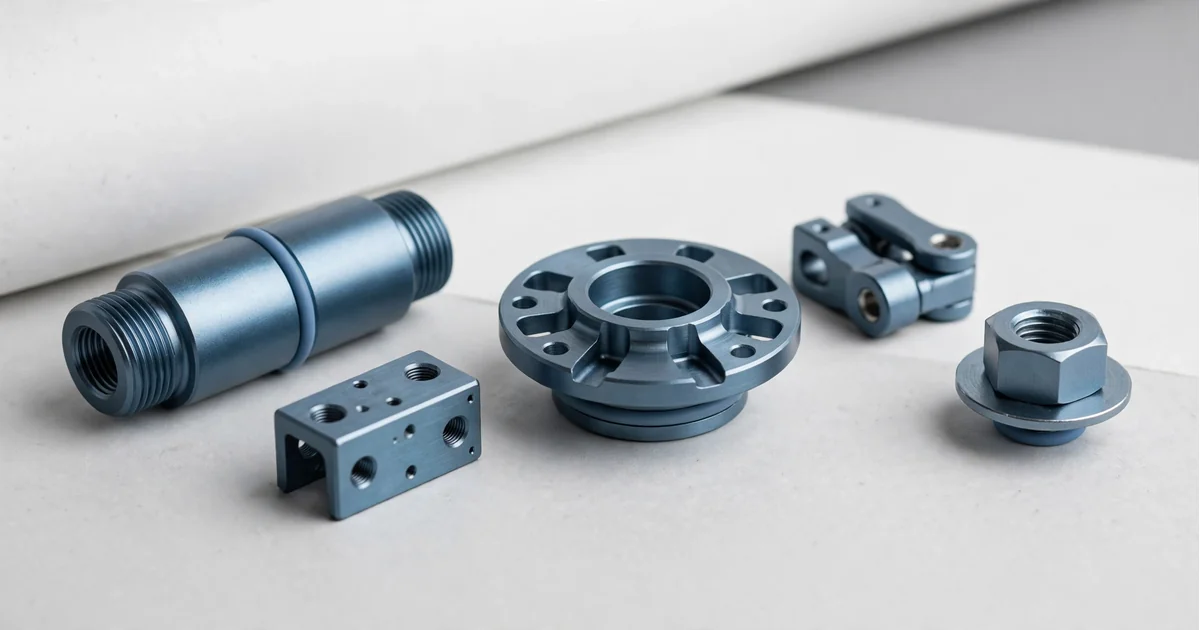
When a prototype must carry load, handle heat or be tested for fatigue, metal is the answer. Metal prototypes are especially common in automotive and aerospace programs, where a functional test on real metal is often required before the manufacturing process is approved.
| 金属 | Why it is used for prototypes | Common process |
|---|---|---|
| 铝 6061-T6 | Easy to machine, light, good strength, anodizes well | 数控加工 |
| 铝合金 7075-T6 | Much higher strength for structural and aerospace parts | 数控加工 |
| Stainless steel 303 / 304 / 316 | Corrosion resistance, food and medical use | CNC machining, sheet metal, metal 3D printing (316L) |
| Carbon and alloy steel (1018, 4140) | Strength, wear, low cost | 数控加工 |
| 工具钢 | Mold inserts, cutting and forming tools | CNC machining, EDM |
| 钛 Ti-6Al-4V | Strength-to-weight, biocompatibility | CNC machining, metal 3D printing |
| 黄铜和铜 | Electrical and thermal parts, decorative parts | 数控加工 |
| Sheet steel, aluminum and stainless | Brackets, enclosures, chassis | Laser cutting and bending |
Aluminum 6061 is the default metal prototype material. It machines quickly, so it is often the cheapest metal option, and our 铝制原型件加工 service can turn parts around fast. Use 7075 when strength matters more than cost.
Metal 3D printing (laser powder bed fusion) works well for 316L stainless, titanium, some aluminum alloys and Inconel when the geometry is too complex to machine. Expect rougher surfaces and plan to machine critical features afterward.
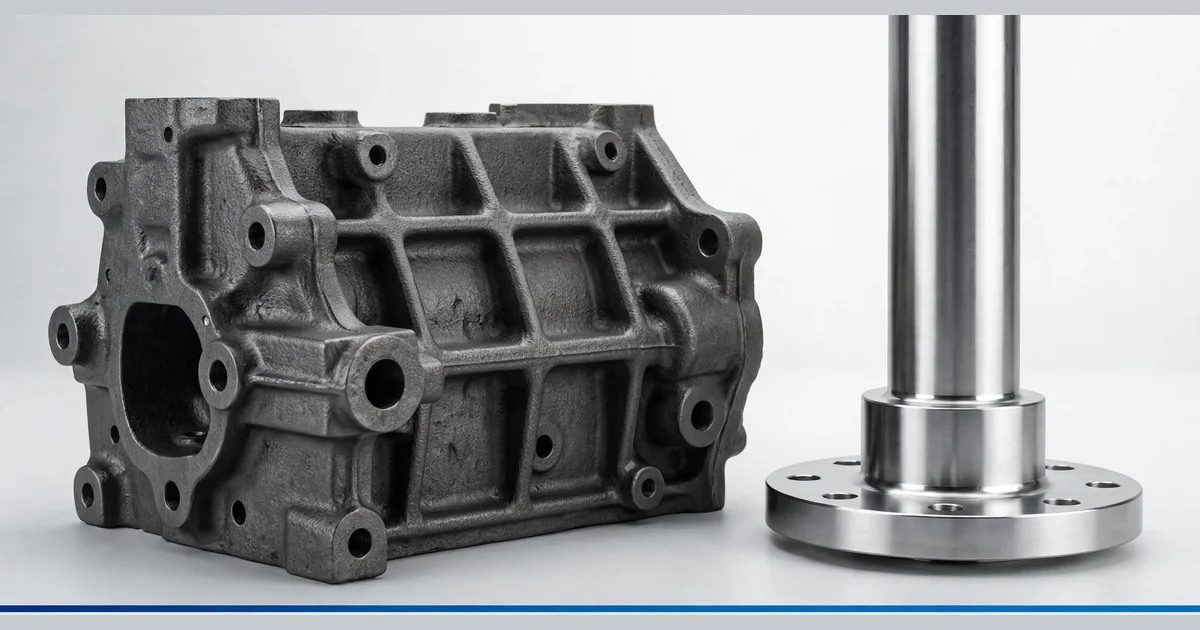
One warning on metal prototypes: if production will be die cast or stamped, a machined prototype will usually be stronger and more accurate than the final part. Machined aluminum has no porosity, and machined sheet-like features have no bend thinning. Leave margin in your test results for that gap.
The process and the material are chosen together. Compared with traditional prototyping, where every model was hand-built or machined, today’s rapid prototyping methods let you create prototypes in various materials within days. Each manufacturing technology below, and the rapid prototyping tools behind it, has its own material characteristics and limits. This table shows which materials each common rapid prototyping process can use.
| 过程 | Plastic options | Metal options | Strength vs production | Typical quantity |
|---|---|---|---|---|
| 数控加工 | Nearly any engineering plastic in block or rod | Nearly any machinable metal | Very close (same material) | 1 到几百 |
| SLA / DLP printing | Photopolymer resins | 无 | Lower; resin behaves differently | 1 到几十 |
| SLS / MJF printing | Nylon PA11, PA12, filled nylons, TPU | 无 | 中度 | 1 to hundreds |
| FDM 印刷 | PLA, ABS, PETG, PC, nylon, TPU | 无 | Lower; weak between layers | 1 到几十 |
| 金属三维打印 | 无 | 316L, Ti-6Al-4V, AlSi10Mg, Inconel | Close after heat treatment | 1 到几十 |
| 聚氨酯浇铸 | PU resins imitating ABS, PC, PP, rubber | 无 | 中度 | 10 to 50 per mold |
| Rapid injection molding | Real production resins | 无 | Equal (same resin and process) | Hundreds to thousands |
| 钣金加工 | 无 | Steel, stainless, aluminum, copper | Equal | 1 到 几千 |
The pattern: CNC machining, rapid injection molding and sheet metal give production-equivalent material properties. Printing and casting give speed and geometric freedom but only approximate the real material.
For a deeper look at the methods themselves, read 什么是快速原型制作. Process names in this guide follow the ISO/ASTM 52900 增材制造术语标准, so you can match them to supplier quotes.
This is the question most material guides skip, and it causes real problems.
“ABS-like” does not mean ABS. A resin or urethane described as ABS-like matches some properties (stiffness, appearance) but not others (heat resistance, chemical resistance, long-term aging). Use these for fit and appearance, not for final validation.
Printed nylon is not molded nylon. SLS PA12 is a good material, but it is a different nylon from the PA66 most molded parts use, with different stiffness, moisture behavior and surface.
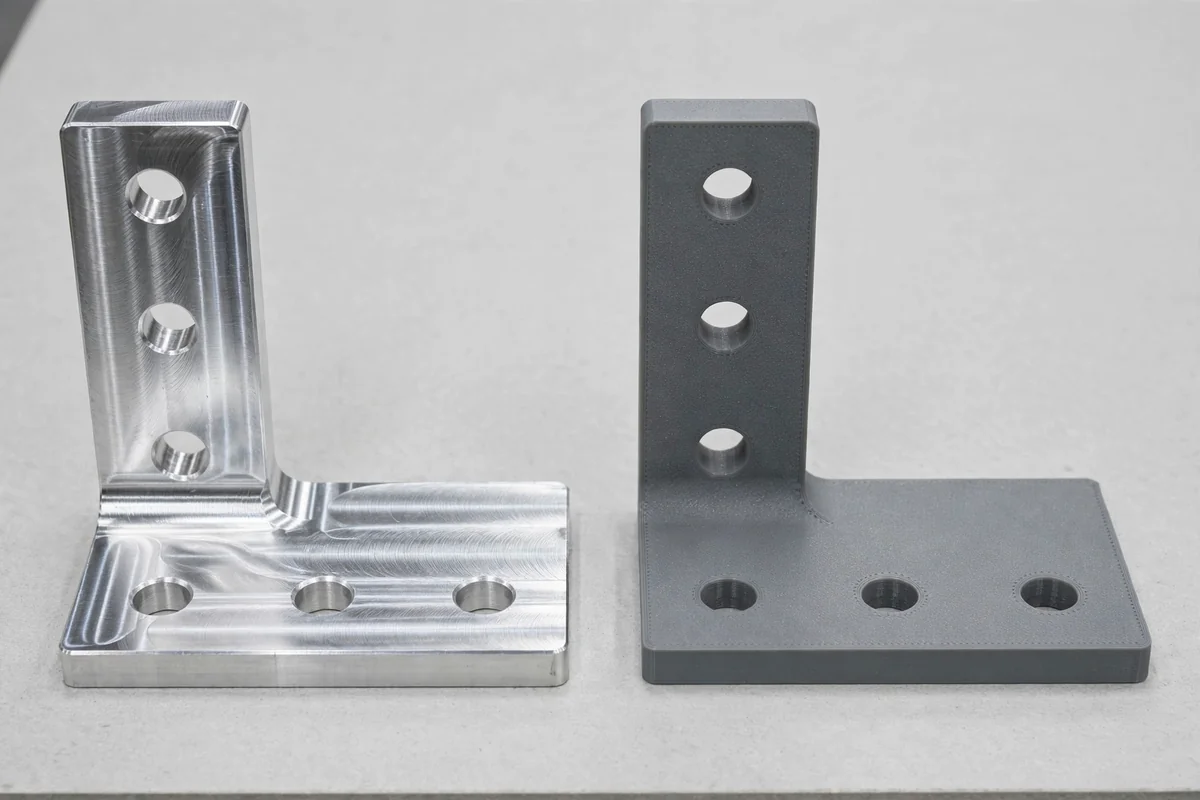
Machined plastic is not molded plastic either. A machined part has the right chemistry, but no knit lines, no molded-in stress and no gate effects. Molded parts can be weaker at knit lines and warp where a machined part would not.
Certification needs the real thing. Flammability ratings, biocompatibility and food-contact compliance belong to a specific grade from a specific supplier. Medical device makers should review FDA guidance on 增材制造医疗器械的技术考量 before relying on printed parts.
A practical approach many teams use: print early concept models, machine or cast fit and function prototypes, then use rapid injection molding in the production resin for validation builds.
Work through these factors in order:
A common mistake: choosing the cheapest printed material for a functional test, getting a failure, and redesigning a part that would have been fine in the real material. Spending a little more on a machined or cast prototype often saves a design loop.
Rapid prototyping uses engineering plastics such as ABS, PC, nylon, POM and PP; 3D printing materials like PLA, PA12 nylon and photopolymer resins; polyurethane and silicone casting materials; and metals including aluminum, stainless steel, steel, titanium and brass. The process you choose decides which materials are available.
For a functional plastic prototype, the best material is usually the production plastic itself, machined or rapid molded. ABS is a reliable all-rounder for housings, POM for precision mechanical parts, nylon for tough clips and gears, and PC for clear or impact-resistant parts. For quick concept models, PLA or standard resin is fine.
Yes. CNC machining is the most common way to prototype metal parts, using aluminum, stainless steel, steel, brass or titanium. Sheet metal prototypes are laser cut and bent. Metal 3D printing builds complex shapes in stainless steel, titanium, aluminum and nickel alloys, usually followed by machining of critical features.
For one-off concept models, FDM-printed PLA is usually the cheapest. For functional plastic parts, machined ABS or printed PA12 nylon offer good value. For metal, 6061 aluminum is often the least expensive to machine. The cheapest material is not always cheapest overall if it causes a failed test and an extra iteration.
The best rapid prototyping materials are the ones that answer your current question with the least risk of a misleading result. Use fast, low-cost materials for early shapes, move toward production-equivalent plastics and metals for function, and test in the real production material before you commit to tooling.
Tuowei Precision offers rapid prototyping services across product design and manufacturing: CNC machining, 3D printing, vacuum casting, sheet metal, rapid manufacturing and rapid injection molding under one roof, with a range of engineering plastics and metals, so you can switch materials and processes as your design matures. Explore our 快速成型服务, send your files for an 即时报价,或者从 拓维模型主页.