
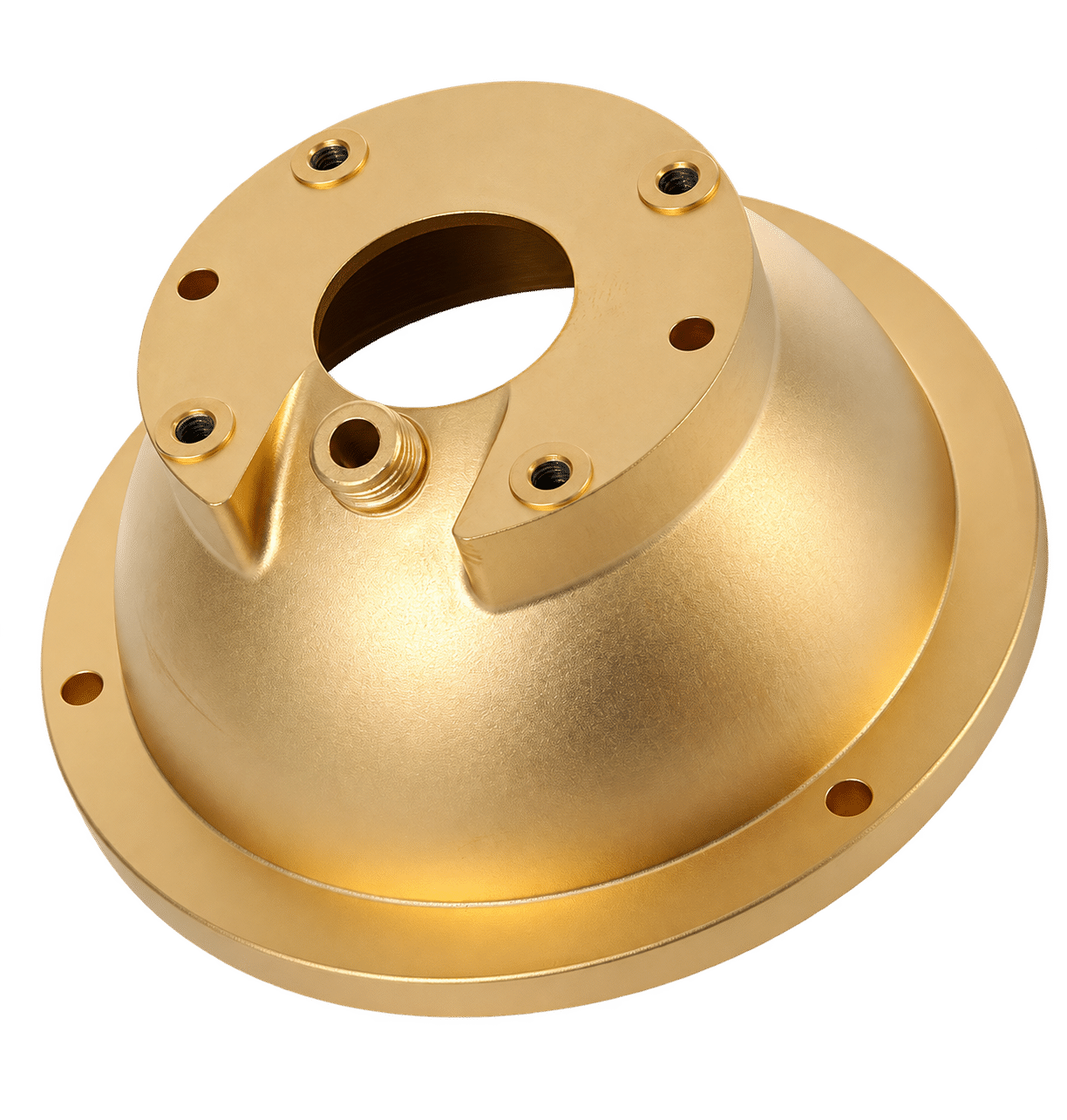
Brass in CNC Machining
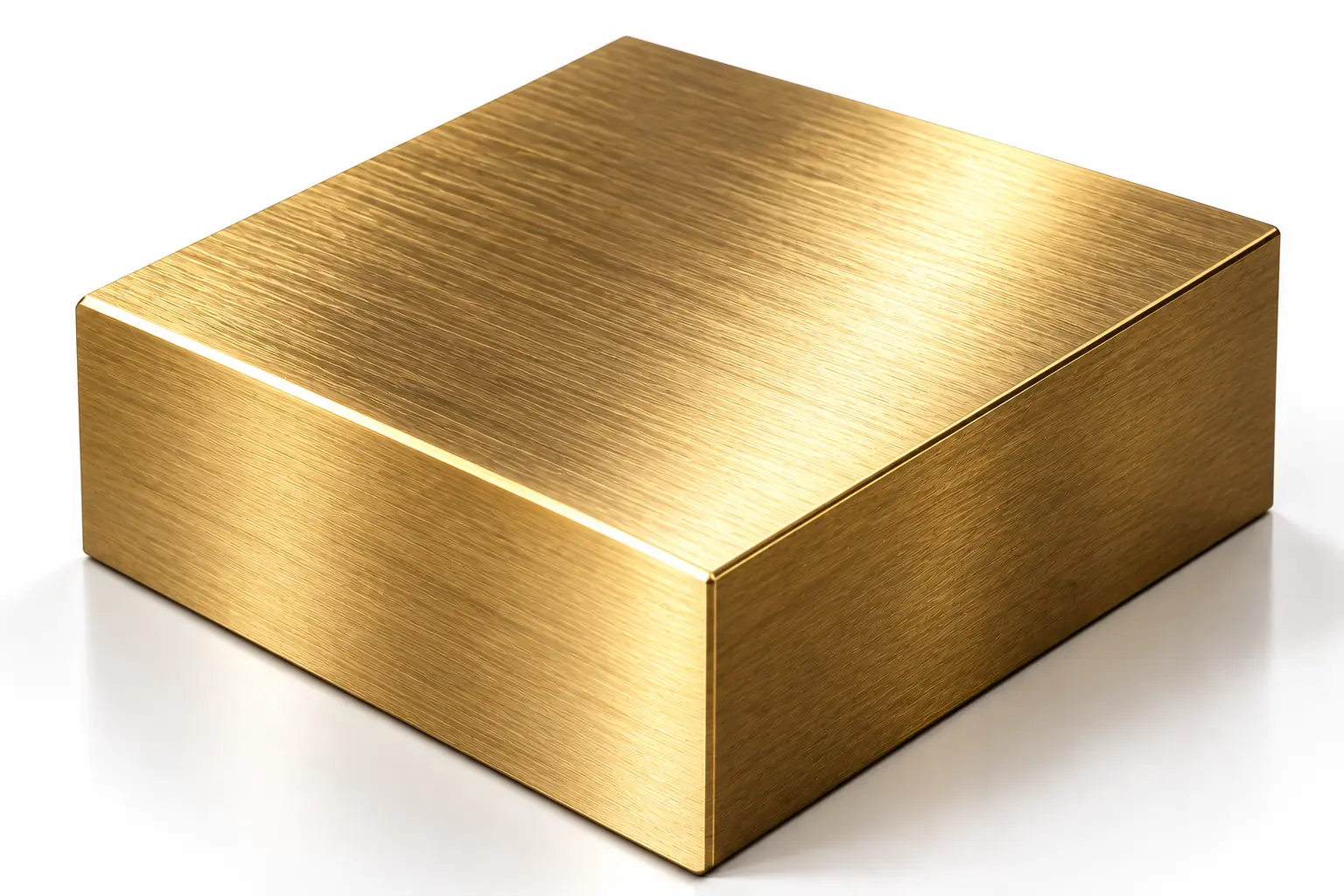
Brass is an alloy of copper and zinc widely used in CNC machining for its excellent machinability, corrosion resistance, and attractive golden appearance. It supports efficient cutting and smooth surface finishes, making it suitable for detailed, precision components. Leaded brass grades further improve machinability by promoting easier chip formation and reducing cutting resistance. These properties make CNC machined brass parts a practical choice for fittings, valves, connectors, and other mechanical components, with suitable grades also used in marine applications.
| Available Brass | Brass C27400, C28000, C36000 |
| 价格 | $ |
| 准备时间 | Under 10 days |
| 壁厚 | 0.75 毫米 |
| 公差 | ±0.125 mm (±0.005 in) |
| 最大部件尺寸 | 200 x 80 x 100 厘米 |
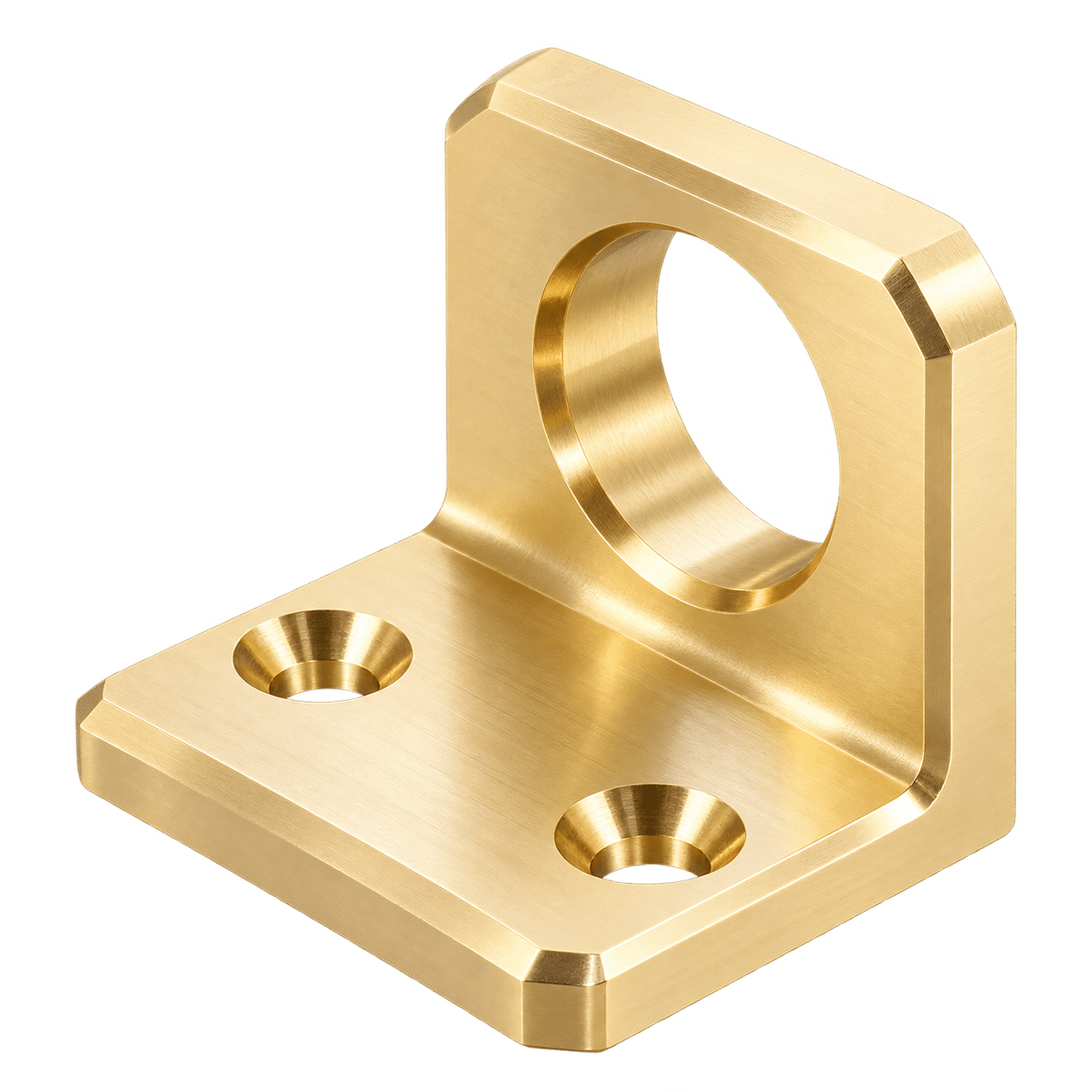
Brass CNC Machining Materials
Brass C27400
Brass C27400, also known as yellow brass, offers a balance of strength, ductility, and an attractive appearance. Its excellent cold-forming properties make it suitable for fasteners and industrial components that require reliable mechanical performance and good formability.
Brass C28000
Brass C28000, commonly called Muntz metal, combines strength and durability with a distinctive golden appearance. It is used in architectural hardware, industrial components, and selected marine applications where its mechanical properties and corrosion performance suit the operating conditions.
Brass C36000
Brass C36000 is a free-cutting alloy widely used for precision CNC machining. Its lead content improves machinability, supporting efficient cutting, detailed features, and smooth surface finishes. Common applications include threaded fittings, fasteners, valve components, and custom screw-machined parts.
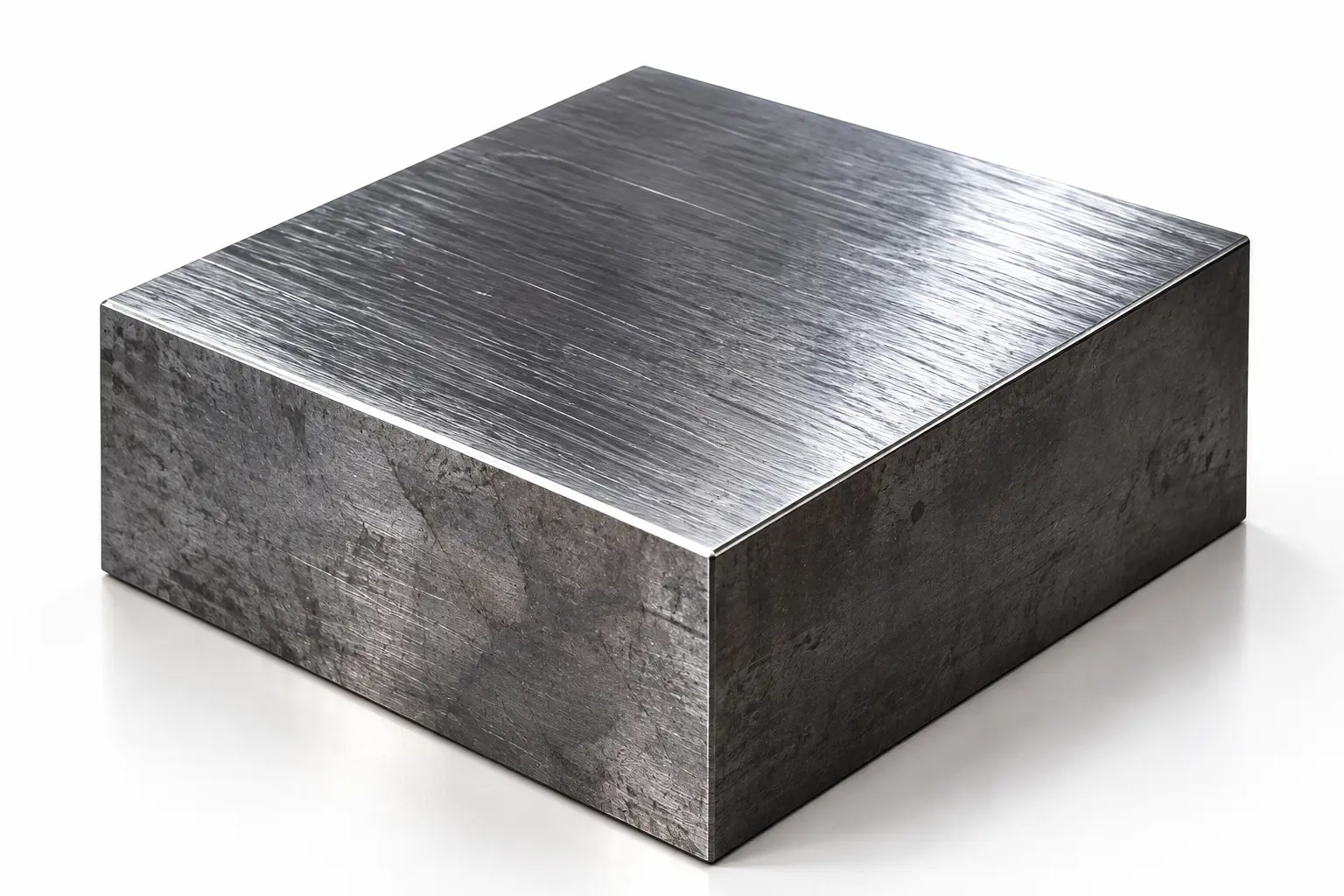
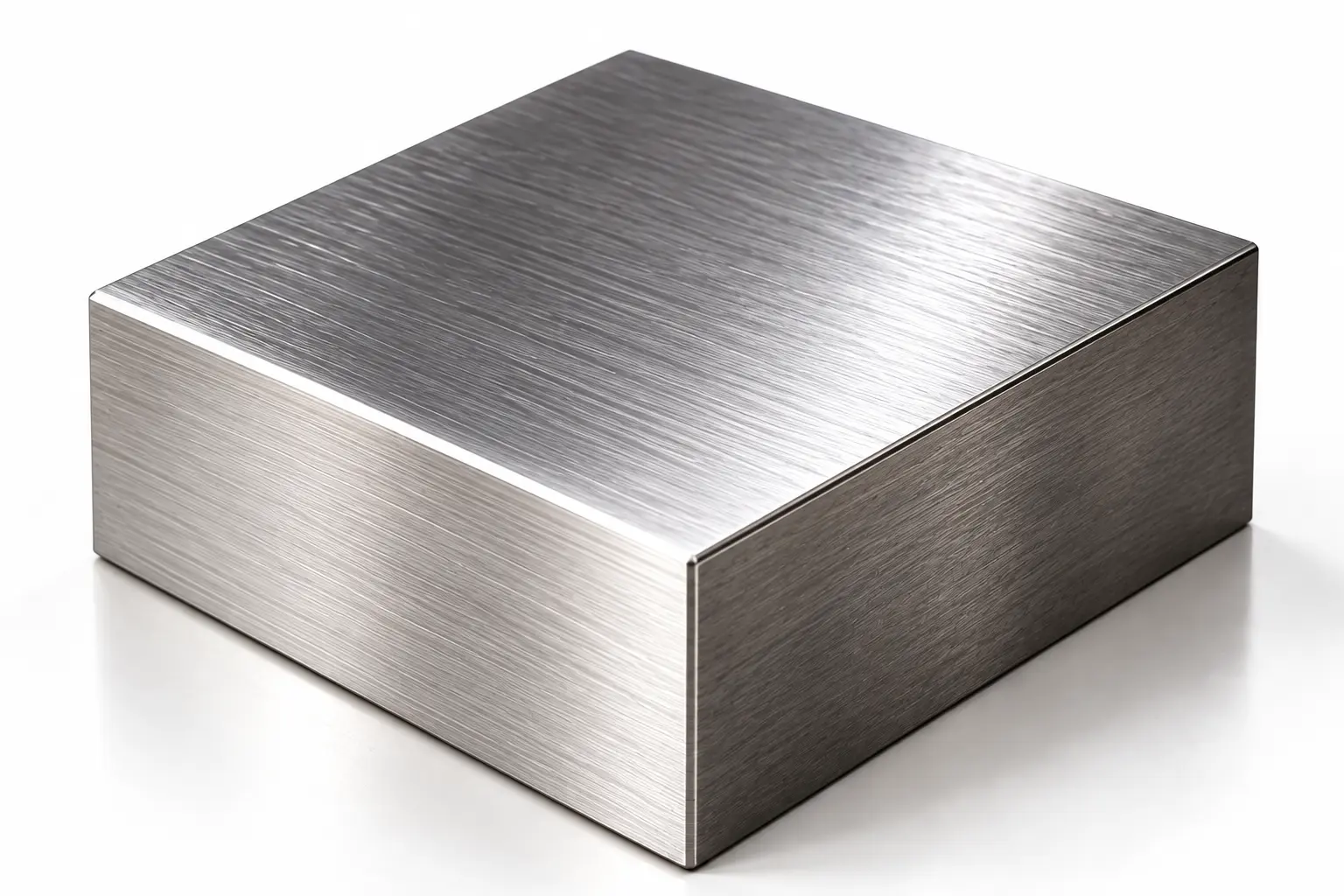
Advantages and Limitations of Brass CNC Machining
Brass is a versatile material for custom CNC parts, offering efficient machining, corrosion resistance, and an attractive appearance. Evaluating its advantages and limitations helps you choose the right alloy for your project.
Efficient Machining: Suitable brass grades allow fast cutting, precise features, and smooth finishes for custom components.
耐腐蚀: Brass performs well in many environments, with resistance depending on the alloy and operating conditions.
Visual Appeal: Its natural golden appearance makes it suitable for decorative hardware and exposed mechanical parts.
导热性和导电性: Brass transfers heat and conducts electricity, supporting applications such as connectors and terminals.
Broad Applications: CNC machined brass components are used in plumbing, electronics, automotive systems, and industrial equipment.
Material Cost: Brass can be more expensive than some alternative metals, increasing raw material costs.
Risk of Dezincification: Certain brass grades may lose zinc in corrosive environments, reducing the material’s strength and service life.
与图威精密携手,共同实现您的愿景
从快速原型制作到可扩展的生产,Tuowei Precision 提供可靠的数控加工服务,在每个环节都确保精度与一致性。立即启动您的项目。.
- 成熟的工程技能。.
- 全球项目支持
- 先进的数控解决方案
- 共同创造产品。.
- 可扩展的生产能力。.
- 所有上传内容均安全保密
数控加工公差
我们的数控机床以符合行业标准的精密公差运行,确保每个部件都始终如一地精确,并与其他部件完美配合。.
| 功能类型 | 典型公差 |
|---|---|
| 一般尺寸公差 | ±0.025 mm (±0.001″) |
| 高精度公差 | ±0.005 mm (±0.0002″) |
| 孔直径(钻孔) | ±0.05 mm (±0.002″) |
| 孔直径(扩孔/钻孔) | ±0.01 mm (±0.0004″) |
| Shaft Diameter (Turned) | ±0.01 mm (±0.0004″) |
| 平整度 | 每 100 毫米 0.02 毫米 |
| 并行性 | ±0.02毫米 |
| 垂直度 | ±0.02毫米 |
| 表面粗糙度 (Ra) | 1.6–3.2 μm (63–125 μin) |
| 位置公差 | ±0.01毫米至±0.02毫米 |
| 螺纹公差(切削) | 6H / 6g(ISO)或 2A/2B(ANSI)级 |
| 最小特征尺寸 | 0.5 mm (0.020″) |
| 重复性 | ±0.005 mm (±0.0002″) |
Brass CNC Machining FAQs
Is brass a good choice for CNC machining?
Yes. Brass combines good machinability, corrosion resistance, and an attractive finish. Choosing the right grade makes it suitable for precision components such as fittings, connectors, fasteners, and valve parts.
How easy is brass to machine?
Machinability depends on the alloy. Free-cutting grades such as C360 are particularly suitable for efficient machining, offering good chip control and smooth finishes on detailed components.
What cutting speed should be used for brass?
The appropriate cutting speed depends on the brass grade, tool material, machining operation, and machine setup. Start with the cutting tool manufacturer’s recommendations and adjust for surface finish, chip control, and tool life.
Is brass easier to machine than aluminum?
Free-cutting brass can offer excellent machining performance, but the comparison depends on the specific alloys and tooling. Part geometry, chip formation, and finish requirements also influence which material is easier to machine.
How can you improve results when CNC machining brass?
Use suitable, sharp cutting tools and secure the workpiece firmly. Match speeds and feeds to the alloy, maintain effective chip removal, and inspect critical dimensions and surface finishes throughout production.