
- الصفحة الرئيسية
- "
- خدمات التصنيع باستخدام الحاسب الآلي (CNC)
- "
- Brass CNC Machining
Brass CNC Machining Service
Get a fast quote for precision CNC machined brass parts from Tuowei Precision. From rapid prototypes to production runs, we deliver custom components with consistent accuracy and surface finishes tailored to your requirements.
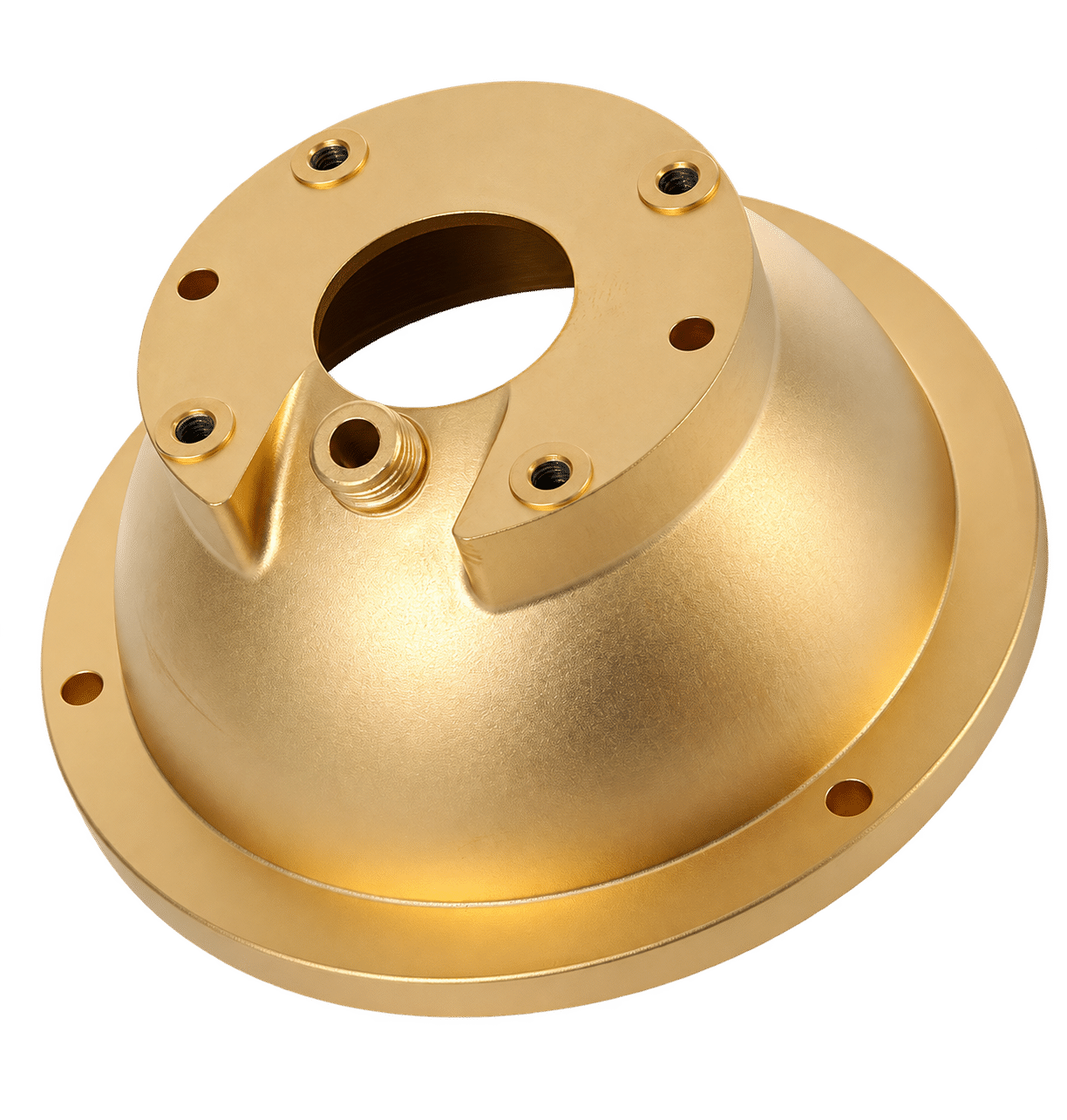
Brass in CNC Machining
Brass is an alloy of copper and zinc widely used in CNC machining for its excellent machinability, corrosion resistance, and attractive golden appearance. It supports efficient cutting and smooth surface finishes, making it suitable for detailed, precision components. Leaded brass grades further improve machinability by promoting easier chip formation and reducing cutting resistance. These properties make CNC machined brass parts a practical choice for fittings, valves, connectors, and other mechanical components, with suitable grades also used in marine applications.
| Available Brass | Brass C27400, C28000, C36000 |
| السعر | $ |
| المهلة الزمنية | أقل من 10 أيام |
| سُمك الجدار | 0.75 مم |
| التفاوتات المسموح بها | ±0.125 مم (±0.005 بوصة) |
| الحد الأقصى لحجم الجزء | 200 × 80 × 100 سم |
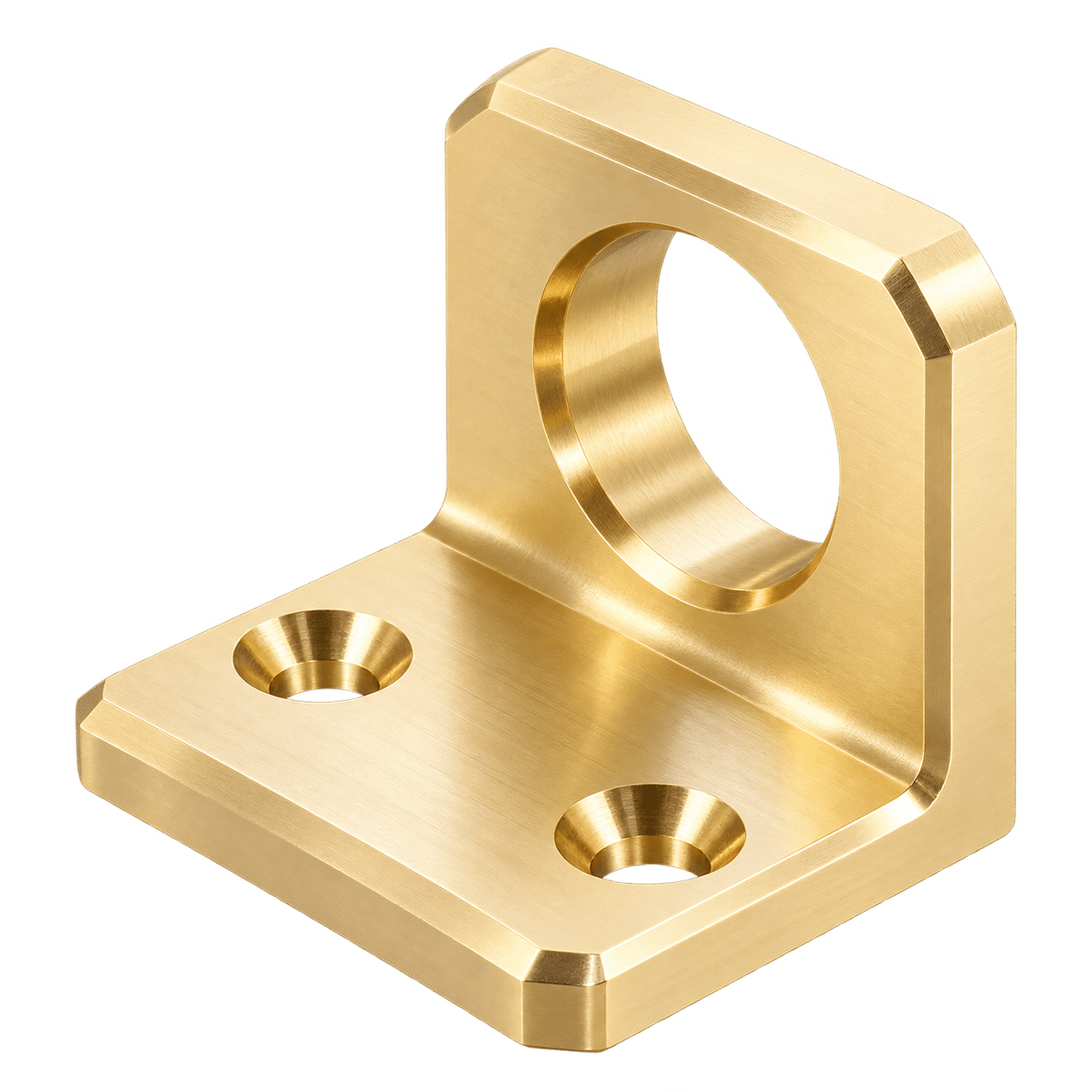
Brass CNC Machining Materials
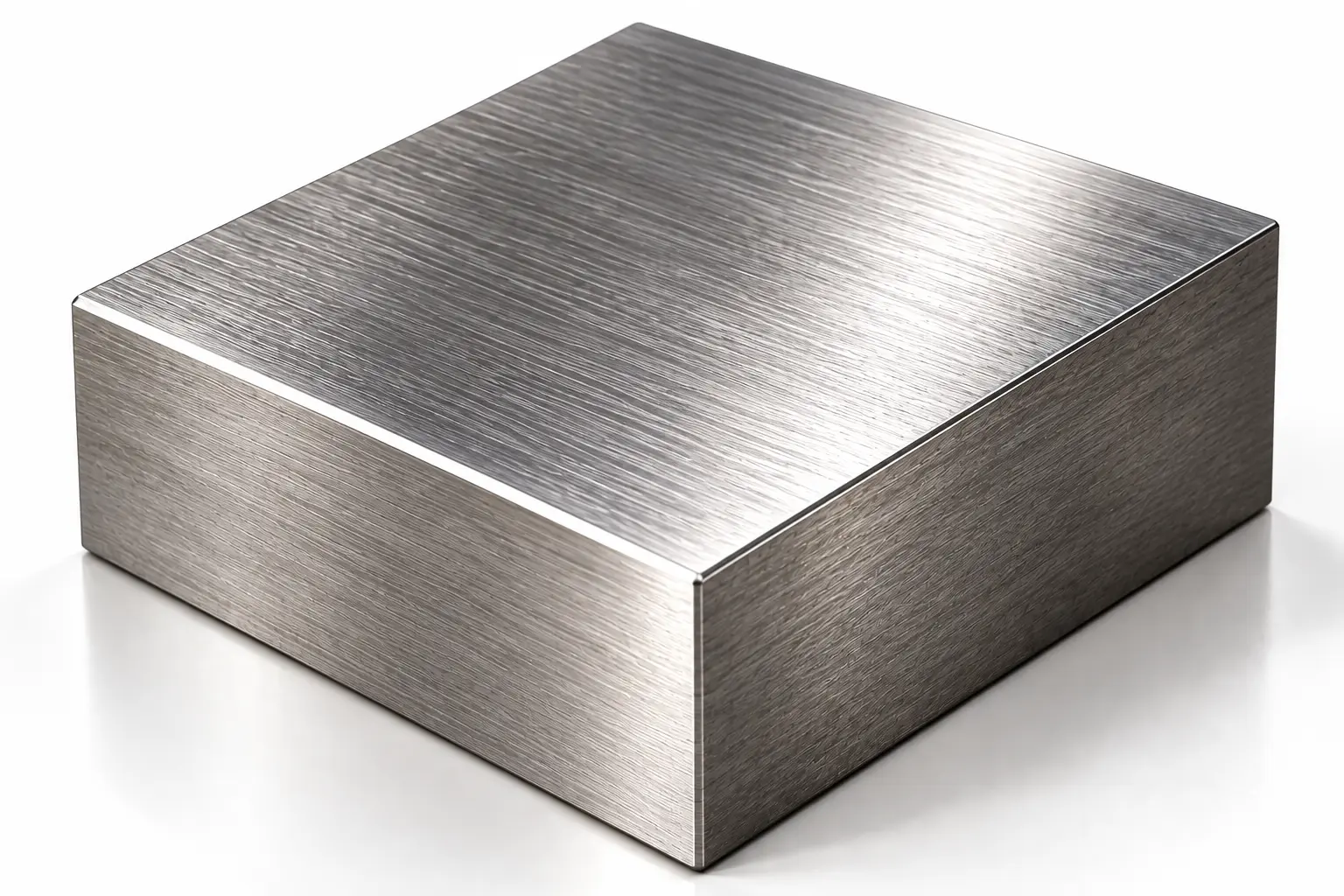
Brass C27400
Brass C27400, also known as yellow brass, offers a balance of strength, ductility, and an attractive appearance. Its excellent cold-forming properties make it suitable for fasteners and industrial components that require reliable mechanical performance and good formability.
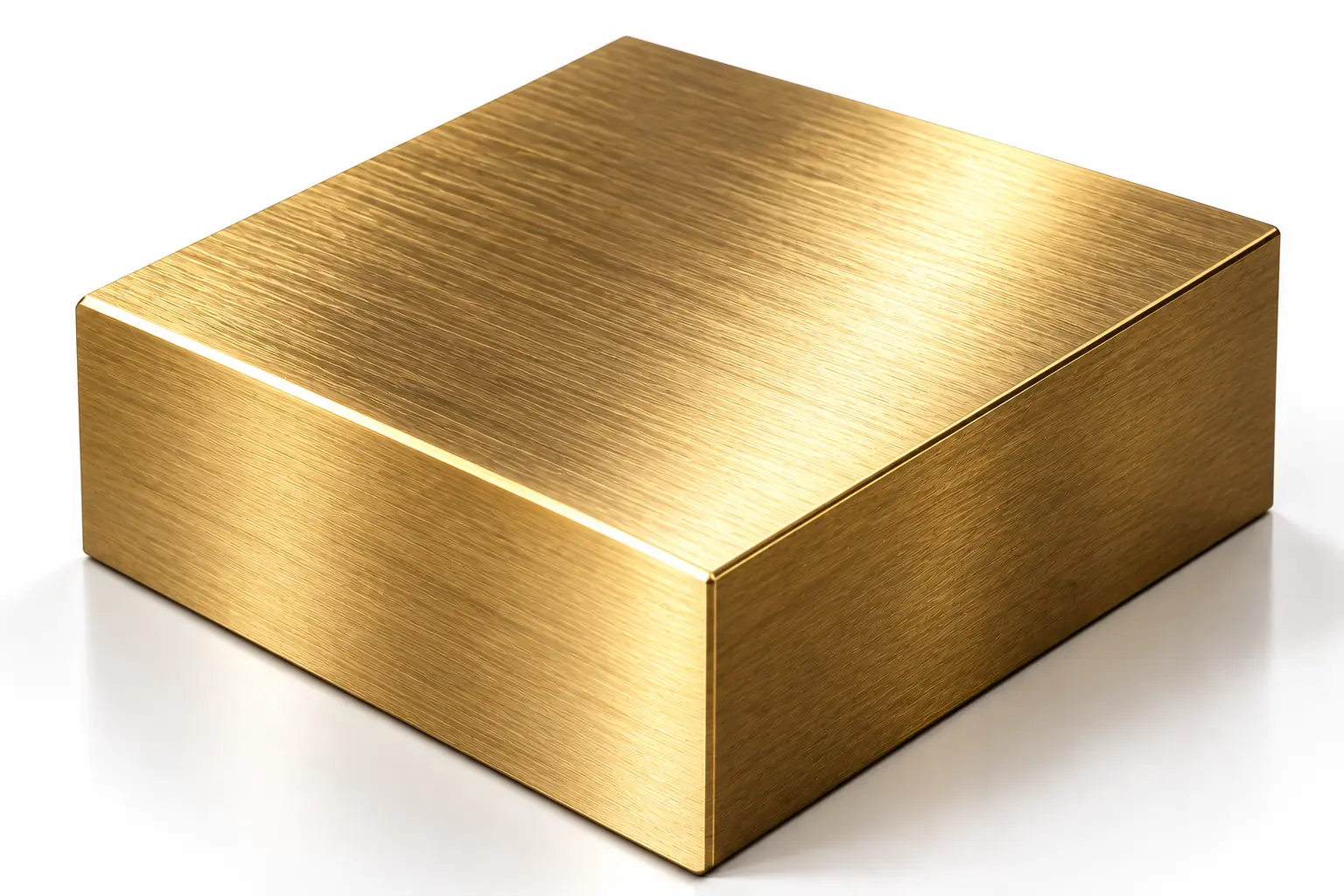
Brass C28000
Brass C28000, commonly called Muntz metal, combines strength and durability with a distinctive golden appearance. It is used in architectural hardware, industrial components, and selected marine applications where its mechanical properties and corrosion performance suit the operating conditions.
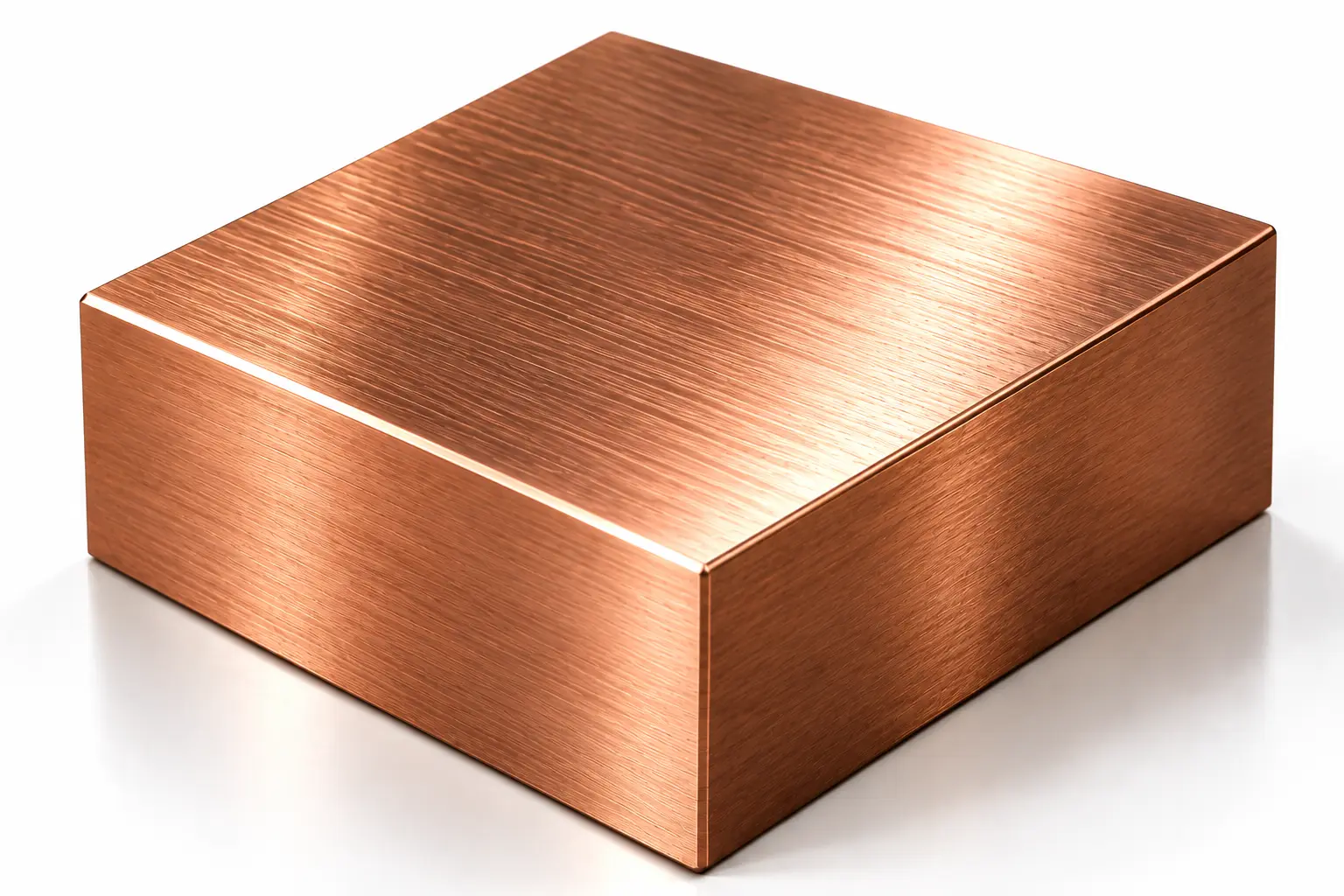
Brass C36000
Brass C36000 is a free-cutting alloy widely used for precision CNC machining. Its lead content improves machinability, supporting efficient cutting, detailed features, and smooth surface finishes. Common applications include threaded fittings, fasteners, valve components, and custom screw-machined parts.
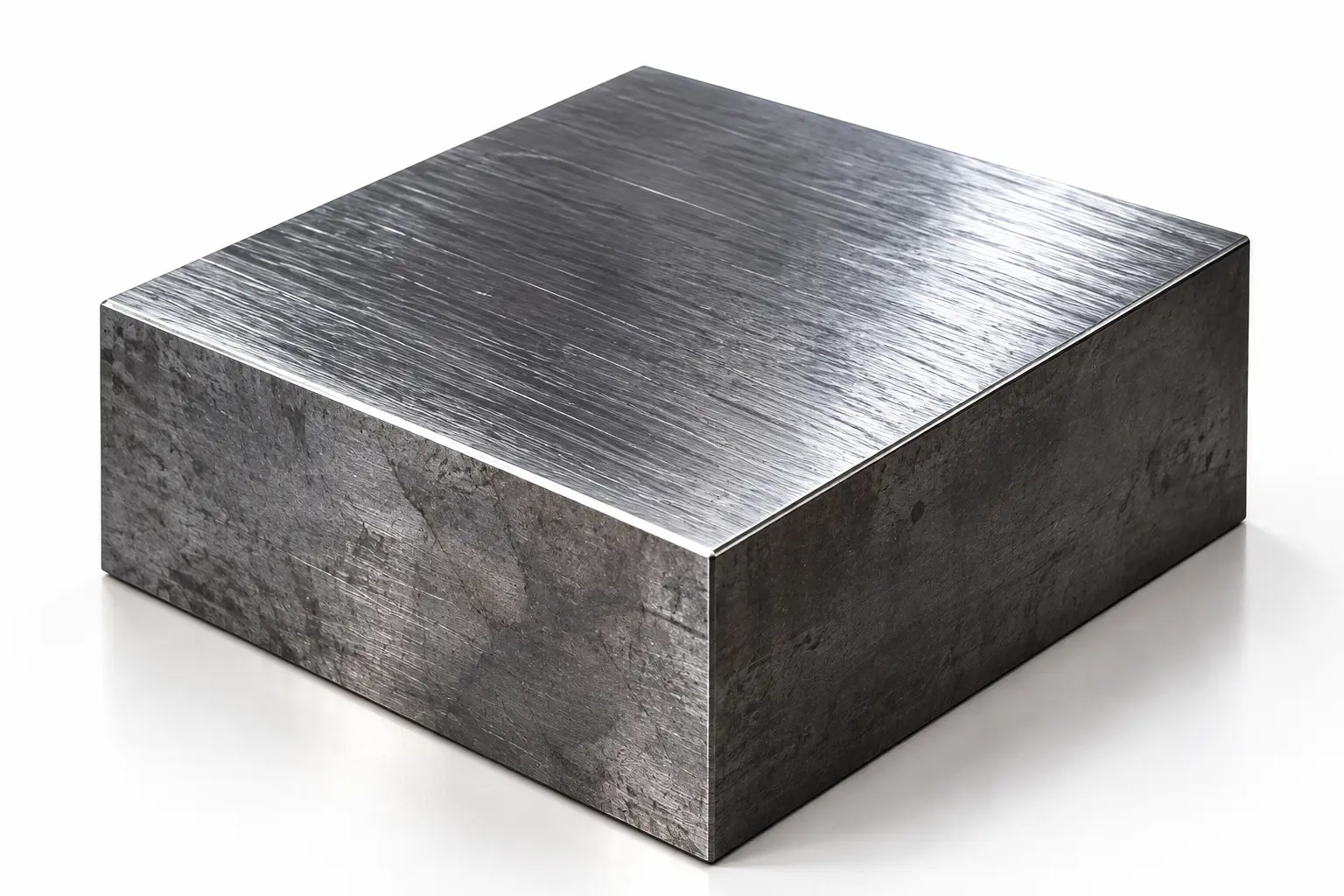
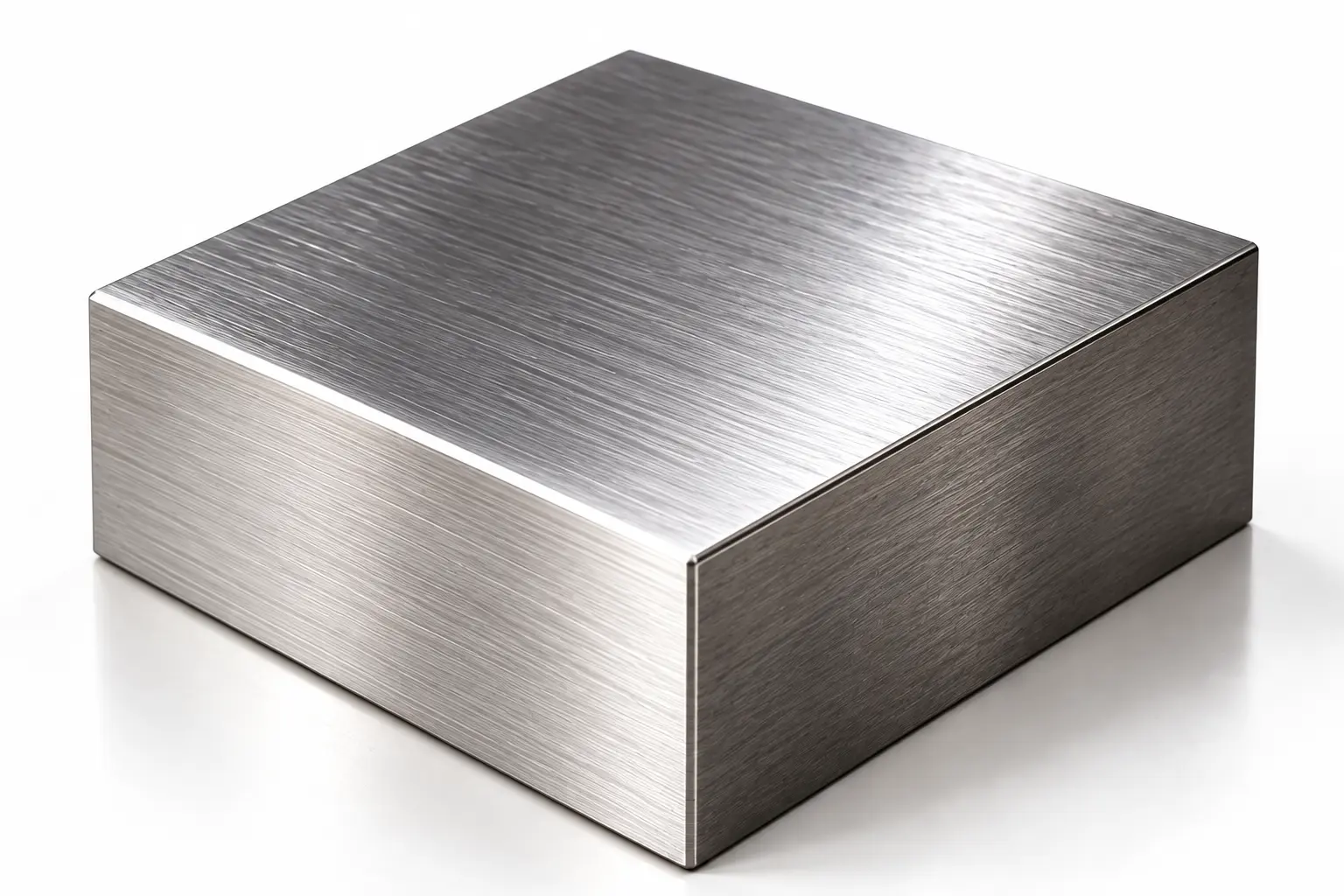
Advantages and Limitations of Brass CNC Machining
Brass is a versatile material for custom CNC parts, offering efficient machining, corrosion resistance, and an attractive appearance. Evaluating its advantages and limitations helps you choose the right alloy for your project.
Efficient Machining: Suitable brass grades allow fast cutting, precise features, and smooth finishes for custom components.
مقاومة التآكل: Brass performs well in many environments, with resistance depending on the alloy and operating conditions.
Visual Appeal: Its natural golden appearance makes it suitable for decorative hardware and exposed mechanical parts.
التوصيل الحراري والكهربائي: Brass transfers heat and conducts electricity, supporting applications such as connectors and terminals.
Broad Applications: CNC machined brass components are used in plumbing, electronics, automotive systems, and industrial equipment.
Material Cost: Brass can be more expensive than some alternative metals, increasing raw material costs.
Risk of Dezincification: Certain brass grades may lose zinc in corrosive environments, reducing the material’s strength and service life.
تعاون مع شركة «تووي بريسيجن» لتحويل رؤيتك إلى واقع
بدءًا من النماذج الأولية السريعة وصولاً إلى الإنتاج القابل للتوسع، تقدم شركة Tuowei Precision خدمات تصنيع موثوقة باستخدام الحاسب الآلي (CNC) تتسم بالدقة والاتساق في كل خطوة. ابدأ مشروعك اليوم.
- مهارات هندسية راسخة.
- دعم المشاريع العالمية
- حلول CNC المتقدمة
- المشاركة في إنشاء المنتجات.
- قدرة إنتاج قابلة للتوسيع.
- جميع التحميلات آمنة وسرية
التفاوتات المسموح بها في التصنيع باستخدام الحاسب الآلي
تعمل ماكينات التحكم الرقمي بنظام التحكم الرقمي لدينا بتفاوتات تفاوتات دقيقة تفي بمعايير الصناعة، مما يضمن دقة كل جزء بدقة متناسقة وملائمة تمامًا مع المكونات الأخرى.
| نوع الميزة | التسامح النموذجي |
|---|---|
| التسامح العام للأبعاد العامة | ±0.025 مم (±0.001 بوصة) |
| تحمّل عالي الدقة | ±0.005 مم (±0.0002 بوصة) |
| قطر الحفرة (مثقوبة) | ±0.05 مم (±0.002 بوصة) |
| قطر الفتحة (معاد تثبيته/مملول) | ±0.01 مم (±0.0004 بوصة) |
| قطر العمود (المشغول بالخراطة) | ±0.01 مم (±0.0004 بوصة) |
| التسطيح | 0.02 مم لكل 100 مم |
| التوازي | ± 0.02 مم |
| التعامد | ± 0.02 مم |
| خشونة السطح (Ra) | 1.6–3.2 ميكرومتر (63–125 ميكرون بوصة) |
| التسامح الموضعي | ± 0.01 مم إلى ± 0.02 مم |
| تفاوت اللولب (القطع) | 6H / 6g (ISO) أو الفئة 2A/2B (ANSI) |
| الحد الأدنى لحجم الميزة | 0.5 ملم (0.020 بوصة) |
| التكرار | ±0.005 مم (±0.0002 بوصة) |
Brass CNC Machining FAQs
Is brass a good choice for CNC machining?
Yes. Brass combines good machinability, corrosion resistance, and an attractive finish. Choosing the right grade makes it suitable for precision components such as fittings, connectors, fasteners, and valve parts.
How easy is brass to machine?
Machinability depends on the alloy. Free-cutting grades such as C360 are particularly suitable for efficient machining, offering good chip control and smooth finishes on detailed components.
What cutting speed should be used for brass?
The appropriate cutting speed depends on the brass grade, tool material, machining operation, and machine setup. Start with the cutting tool manufacturer’s recommendations and adjust for surface finish, chip control, and tool life.
Is brass easier to machine than aluminum?
Free-cutting brass can offer excellent machining performance, but the comparison depends on the specific alloys and tooling. Part geometry, chip formation, and finish requirements also influence which material is easier to machine.
How can you improve results when CNC machining brass?
Use suitable, sharp cutting tools and secure the workpiece firmly. Match speeds and feeds to the alloy, maintain effective chip removal, and inspect critical dimensions and surface finishes throughout production.