
- Accueil
- »
- Services d'usinage CNC
- »
- Brass CNC Machining
Brass CNC Machining Service
Get a fast quote for precision CNC machined brass parts from Tuowei Precision. From rapid prototypes to production runs, we deliver custom components with consistent accuracy and surface finishes tailored to your requirements.
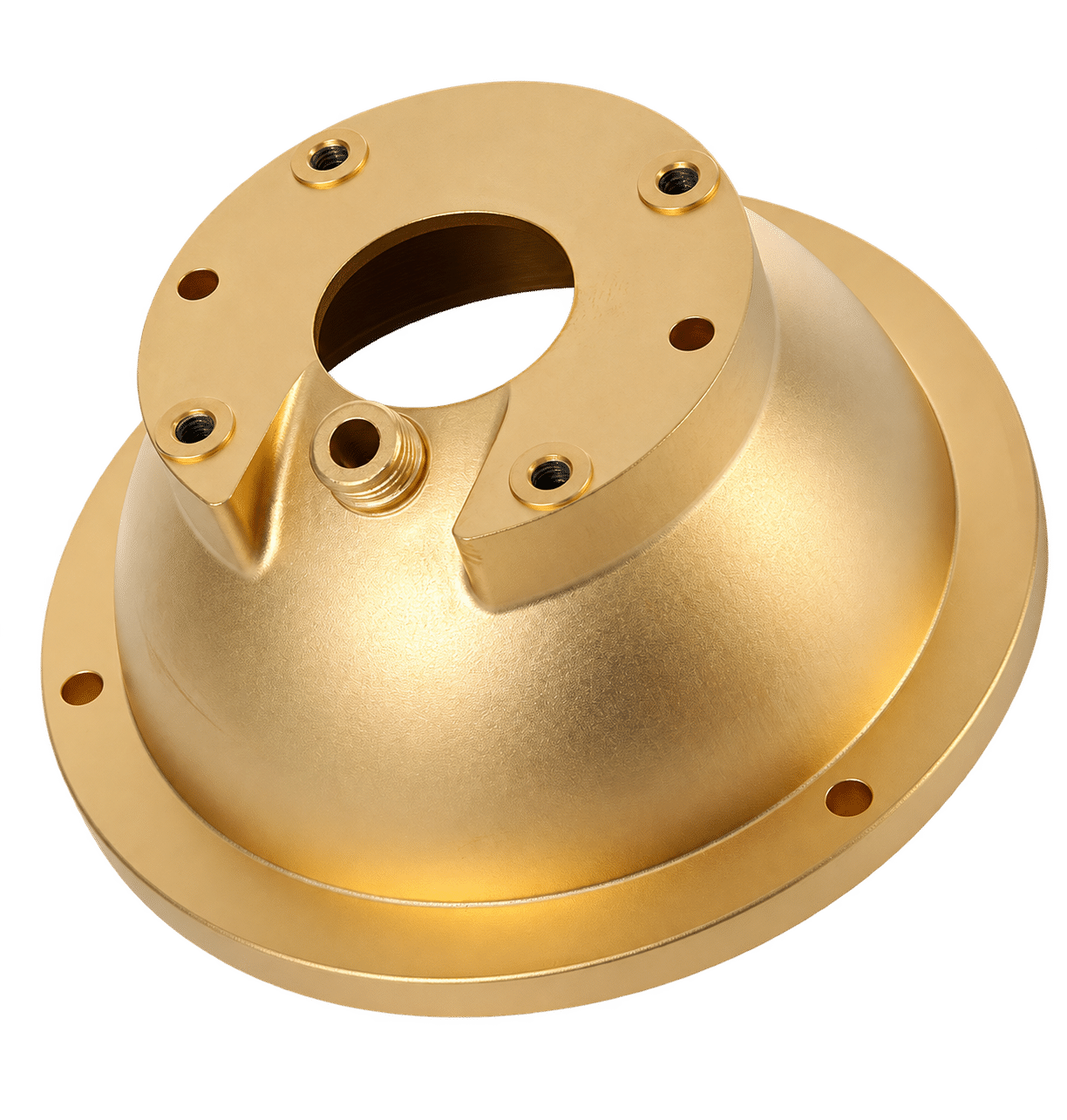
Brass in CNC Machining
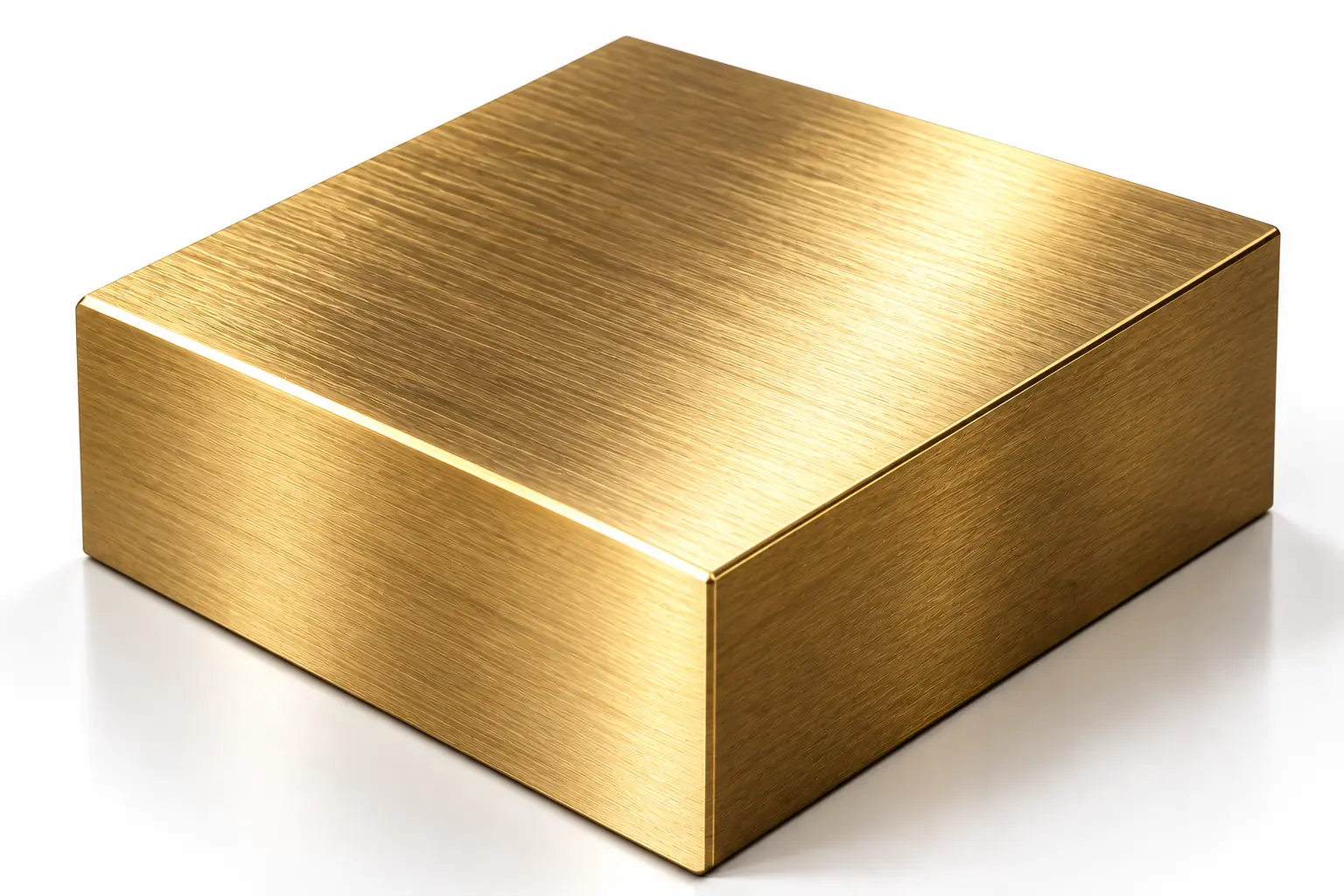
Brass is an alloy of copper and zinc widely used in CNC machining for its excellent machinability, corrosion resistance, and attractive golden appearance. It supports efficient cutting and smooth surface finishes, making it suitable for detailed, precision components. Leaded brass grades further improve machinability by promoting easier chip formation and reducing cutting resistance. These properties make CNC machined brass parts a practical choice for fittings, valves, connectors, and other mechanical components, with suitable grades also used in marine applications.
| Available Brass | Brass C27400, C28000, C36000 |
| Prix | $ |
| Délai d'exécution | Moins de 10 jours |
| Epaisseur de la paroi | 0,75 mm |
| Tolérances | ±0,125 mm (±0,005 pouce) |
| Taille maximale des pièces | 200 x 80 x 100 cm |
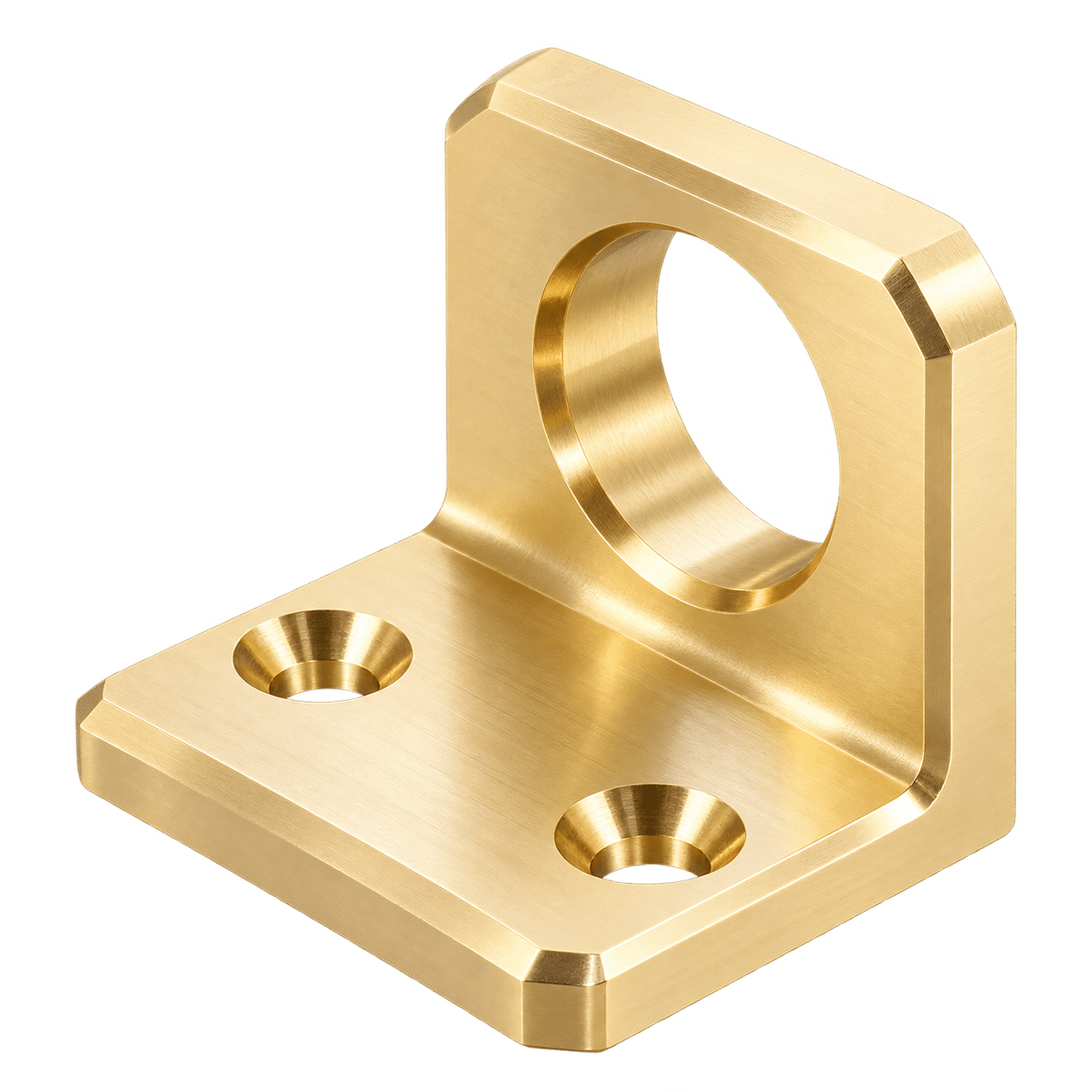
Brass CNC Machining Materials
Brass C27400
Brass C27400, also known as yellow brass, offers a balance of strength, ductility, and an attractive appearance. Its excellent cold-forming properties make it suitable for fasteners and industrial components that require reliable mechanical performance and good formability.
Brass C28000
Brass C28000, commonly called Muntz metal, combines strength and durability with a distinctive golden appearance. It is used in architectural hardware, industrial components, and selected marine applications where its mechanical properties and corrosion performance suit the operating conditions.
Brass C36000
Brass C36000 is a free-cutting alloy widely used for precision CNC machining. Its lead content improves machinability, supporting efficient cutting, detailed features, and smooth surface finishes. Common applications include threaded fittings, fasteners, valve components, and custom screw-machined parts.
Advantages and Limitations of Brass CNC Machining
Brass is a versatile material for custom CNC parts, offering efficient machining, corrosion resistance, and an attractive appearance. Evaluating its advantages and limitations helps you choose the right alloy for your project.
Efficient Machining: Suitable brass grades allow fast cutting, precise features, and smooth finishes for custom components.
Résistance à la corrosion : Brass performs well in many environments, with resistance depending on the alloy and operating conditions.
Visual Appeal: Its natural golden appearance makes it suitable for decorative hardware and exposed mechanical parts.
Conductivité thermique et électrique : Brass transfers heat and conducts electricity, supporting applications such as connectors and terminals.
Broad Applications: CNC machined brass components are used in plumbing, electronics, automotive systems, and industrial equipment.
Material Cost: Brass can be more expensive than some alternative metals, increasing raw material costs.
Risk of Dezincification: Certain brass grades may lose zinc in corrosive environments, reducing the material’s strength and service life.
Collaborez avec Tuowei Precision pour donner vie à votre vision
Du prototypage rapide à la production à grande échelle, Tuowei Precision propose des services d'usinage CNC fiables, alliant précision et régularité à chaque étape. Lancez votre projet dès aujourd'hui.
- Compétences techniques établies.
- Soutien aux projets mondiaux
- Solutions CNC avancées
- Co-création de produits.
- Capacité de production extensible.
- Tous les téléchargements sont sécurisés et confidentiels
Tolérances d'usinage CNC
Nos machines à commande numérique fonctionnent avec des tolérances de précision conformes aux normes de l'industrie, ce qui garantit que chaque pièce est toujours précise et qu'elle s'adapte parfaitement aux autres composants.
| Type de caractéristique | Tolérance typique |
|---|---|
| Tolérance dimensionnelle générale | ±0,025 mm (±0,001″) |
| Tolérance de haute précision | ±0,005 mm (±0,0002 pouces) |
| Diamètre du trou (percé) | ±0,05 mm (±0,002 pouces) |
| Diamètre du trou (alésé/alésé) | ±0,01 mm (±0,0004 pouces) |
| Diamètre de l'arbre (tourné) | ±0,01 mm (±0,0004 pouces) |
| Planéité | 0,02 mm par 100 mm |
| Parallélisme | ±0,02 mm |
| Perpendicularité | ±0,02 mm |
| Rugosité de la surface (Ra) | 1,6–3,2 μm (63–125 μin) |
| Tolérance de position | ±0,01 mm à ±0,02 mm |
| Tolérance de filetage (coupe) | 6H / 6g (ISO) ou Classe 2A/2B (ANSI) |
| Taille minimale de l'objet | 0,5 mm (0,020 pouce) |
| Répétabilité | ±0,005 mm (±0,0002 pouces) |
Brass CNC Machining FAQs
Is brass a good choice for CNC machining?
Yes. Brass combines good machinability, corrosion resistance, and an attractive finish. Choosing the right grade makes it suitable for precision components such as fittings, connectors, fasteners, and valve parts.
How easy is brass to machine?
Machinability depends on the alloy. Free-cutting grades such as C360 are particularly suitable for efficient machining, offering good chip control and smooth finishes on detailed components.
What cutting speed should be used for brass?
The appropriate cutting speed depends on the brass grade, tool material, machining operation, and machine setup. Start with the cutting tool manufacturer’s recommendations and adjust for surface finish, chip control, and tool life.
Is brass easier to machine than aluminum?
Free-cutting brass can offer excellent machining performance, but the comparison depends on the specific alloys and tooling. Part geometry, chip formation, and finish requirements also influence which material is easier to machine.
How can you improve results when CNC machining brass?
Use suitable, sharp cutting tools and secure the workpiece firmly. Match speeds and feeds to the alloy, maintain effective chip removal, and inspect critical dimensions and surface finishes throughout production.