Medical Devices · Prototyping

医疗器械原型制作服务

Tuowei Precision helps medical device manufacturers turn a medical device concept into functional prototypes they can test, show to clinicians and use to validate the design. Our service combines machining, additive manufacturing, vacuum casting and rapid tooling, so each stage of medical device development gets the right prototype in the right material. Most CNC medical prototypes ship within 5–7 business days.
所有上传内容均安全保密
ISO 13485
CNC prototypes in 5–7 days
Real medical materials
每份报价单均进行DFM审查
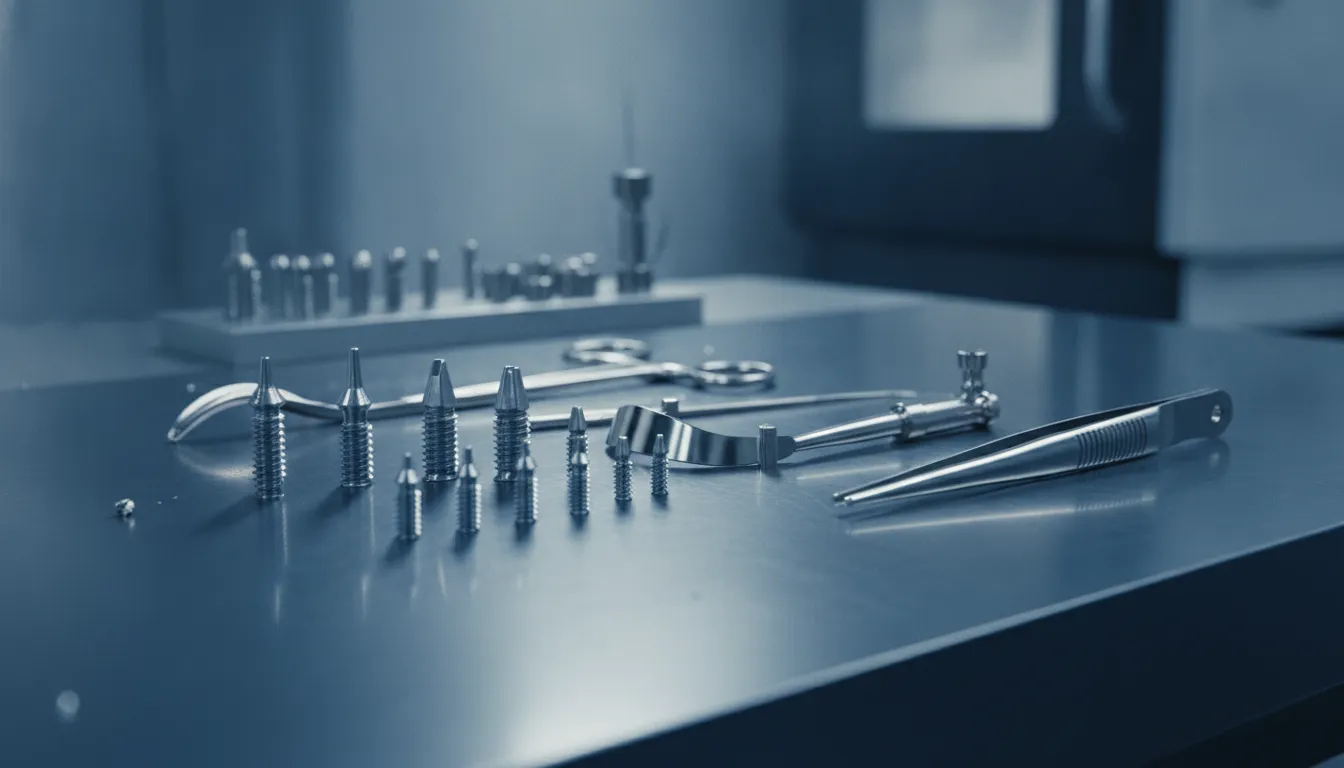
医疗器械制造:CNC加工的钛合金骨螺钉和不锈钢手术器械部件
Definition

What Is Medical Device Prototyping?

Medical device prototyping is the process of building physical models of a device or its components to test an idea before committing to production. A prototype can be a rough printed mockup for a usability discussion, a functional prototype that runs on a bench, or a near-production part used to check the final product against its requirements.

Prototyping is essential in a highly regulated field. Design changes after an FDA submission are slow and expensive, so the goal is to refine the design early, while a change still means a new CAD file rather than a new validation. Good prototyping accelerates medical device innovation and gets the product to market sooner.

阶段

Stages of Medical Device Prototyping and Product Development

1. Concept and FeasibilityEarly-stage models check size, shape and the basic idea. Printing is ideal here: cheap, fast and easy to change.
2. Proof of Concept and Functional PrototypesThe mechanism has to work. Functional prototypes are machined or printed in materials close to the final choice, so you can test loads, fits and movement in real-world conditions.
3. Usability and ErgonomicsClinicians and users handle the device before clinical use. Prototypes with realistic weight, finish and colour give honest feedback on grip, controls and workflow.
4. Design Verification and ValidationNear-production prototypes, made by the intended process where possible, are tested against the design requirements. Records from this stage often support regulatory testing and submission.
5. Pilot and Pre-ProductionRapid tooling and pilot runs check that the design can be made consistently before you invest in production tooling.
方法

Prototyping Capabilities and Prototyping Techniques

方法最适合材料典型交货期
数控加工Functional and verification prototypesTitanium, stainless steel, aluminum, PEEK, POM, PC5–7 business days for most medical parts
3D printing (SLA, SLS)Concept models, complex internal shapesResins, nylon几天
钣金Brackets, frames and equipment panelsStainless steel, aluminum最短仅需3天
真空浇铸10–50 housings for usability studiesPolyurethane (ABS-, PP- or rubber-like)Simple parts in under 5 days
快速模具制造Hundreds of molded parts in the final resinMedical-grade thermoplasticsFrom about 5 business days for molded parts

Machining is often the best choice for a medical prototype because it uses the real material. A machined titanium or PEEK prototype behaves like the final part in mechanical tests, which a printed part cannot promise. Printing remains the most cost-effective prototyping route for early shapes. Our medical precision machining page explains the machining options, and the general 快速成型 page compares every method we offer.

材料

Material Selection for Medical Prototyping

Choose prototype materials based on what the test needs to prove. For a look-and-feel model, any printable resin works. For mechanical or functional testing, use the production material or the closest machinable equivalent. For sterilization trials, the material must match production exactly.

A common mistake is testing a prototype in one plastic and launching in another. Polycarbonate and ABS behave differently after repeated cleaning with hospital disinfectants, so a design that passed with one may crack with the other. We help you choose materials that match your final manufacturing process.

Regulatory

Prototype Development, Validation and Regulatory Requirements

Prototypes themselves are not cleared by the FDA, but the records from verification prototypes support your design history and submission. Our quality system is certified to ISO 13485, so even prototype orders can come with material certificates and inspection reports when you need them to validate device performance.

挑战

Common Challenges in the Prototyping Process

  • Designing for the prototype process, not the production process: plan the production method early
  • Tolerances tighter than needed: they slow every iteration and add cost
  • Skipping usability prototypes: clinicians often find problems engineers miss
  • Too many changes at once: in iterative design, change one variable per round to learn what worked
  • Late supplier involvement: manufacturability feedback during the development process prevents redesign before tooling
从原型到生产

From Rapid Prototyping to Production With One Partner

Because we also mold and machine production parts, your prototype supplier can become your production supplier. That keeps the same engineers, materials and inspection methods through product development, which shortens the path to commercialization of your medical product.

为什么选择图威

Why Medical Device Companies Choose Tuowei for Prototyping

  • Machining, printing, vacuum casting and rapid tooling in one place
  • Most CNC medical prototypes ship in 5–7 business days
  • Real medical materials: titanium, 316L, PEEK and medical-grade plastics
  • ISO 13485 certified quality system and inspection reports on request
  • DFM feedback with every quote
获取报价

Start Your Medical Device Prototype

Upload your 3D file and drawing, tell us the quantity, material and what the prototype will be tested for. Our engineers will recommend a method and return a quote with lead times.

获取即时报价
🔒 所有上传内容均安全且保密
与我们联系!
保证在24小时内及时回复
🔐 所有上传内容均安全保密
— 常见问题 —

常见问题

医疗设备
制作一款医疗器械的原型需要多长时间?

对于单个零件,大多数 CNC 医疗原型可在 5–7 个工作日内发货,而3D打印模型的交付速度可能更快。一个完整的设备通常需要经过数轮原型迭代,历时数月,具体取决于其复杂程度、测试及监管要求。快速的零件交付周期使每次迭代时间得以缩短。

医疗器械原型制作的阶段有哪些?

通常的开发阶段包括概念与可行性研究、功能原型、可用性测试、设计验证以及试产或预生产。每个阶段采用的方法各不相同,从快速打印的模型到接近量产的机加工或注塑件。

哪种原型制作方法最适合医疗器械?

使用3D打印制作早期概念模型,采用机械加工制作由真实材料制成的功能性原型,利用真空浇铸制作用于用户研究的小批量外壳,并在需要最终树脂成型零件时采用快速模具制造。大多数项目会结合使用两种或三种方法。

Can you make prototypes in titanium and PEEK?

Yes. We machine prototypes in titanium Grade 2 and Grade 5, PEEK, 316L stainless steel and other medical materials. Using the production material at the prototype stage gives test results you can trust.

Do medical device prototypes need FDA clearance?

Prototypes used for bench and lab testing do not need FDA clearance. Devices used in clinical studies on people may need an Investigational Device Exemption (IDE). Either way, test records support your design history file and submission, so documented materials and inspection reports from your prototype supplier are useful.