
- Accueil
- »
- Services d'usinage CNC
- »
- Polycarbonate CNC Machining
Polycarbonate (PC) CNC Machining Service
Get high-quality Polycarbonate (PC) CNC machined parts with excellent precision, strength, and durability. Our custom PC machining solutions deliver reliable performance, tight tolerances, and superior finishes for a wide range of industrial applications.
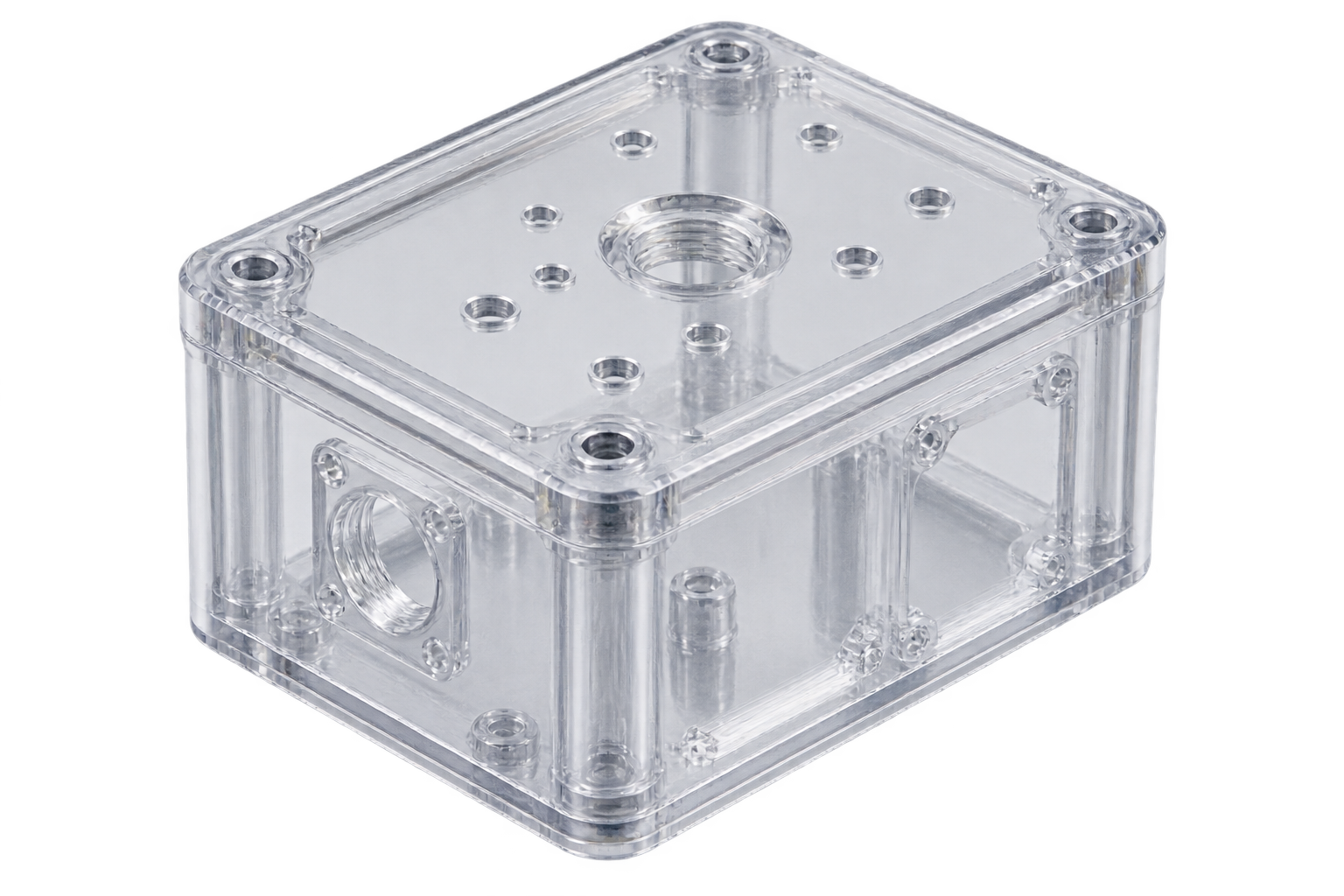
Polycarbonate (PC) in CNC Machining
Polycarbonate (PC) is a high-performance engineering thermoplastic known for its excellent impact resistance, transparency, strength, and dimensional stability. Its combination of toughness and lightweight properties makes it a reliable choice for CNC machining applications that require durable and precise components.
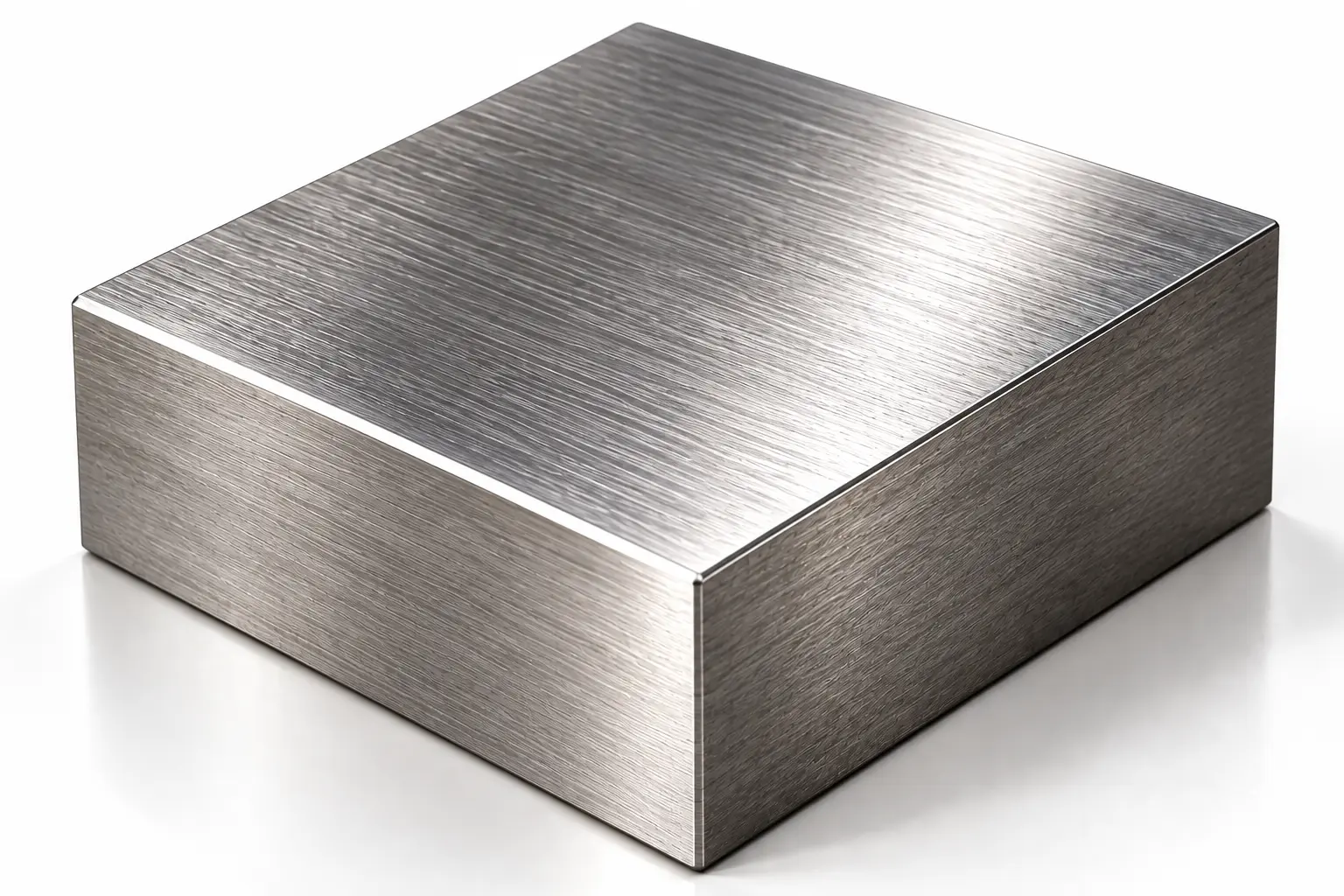
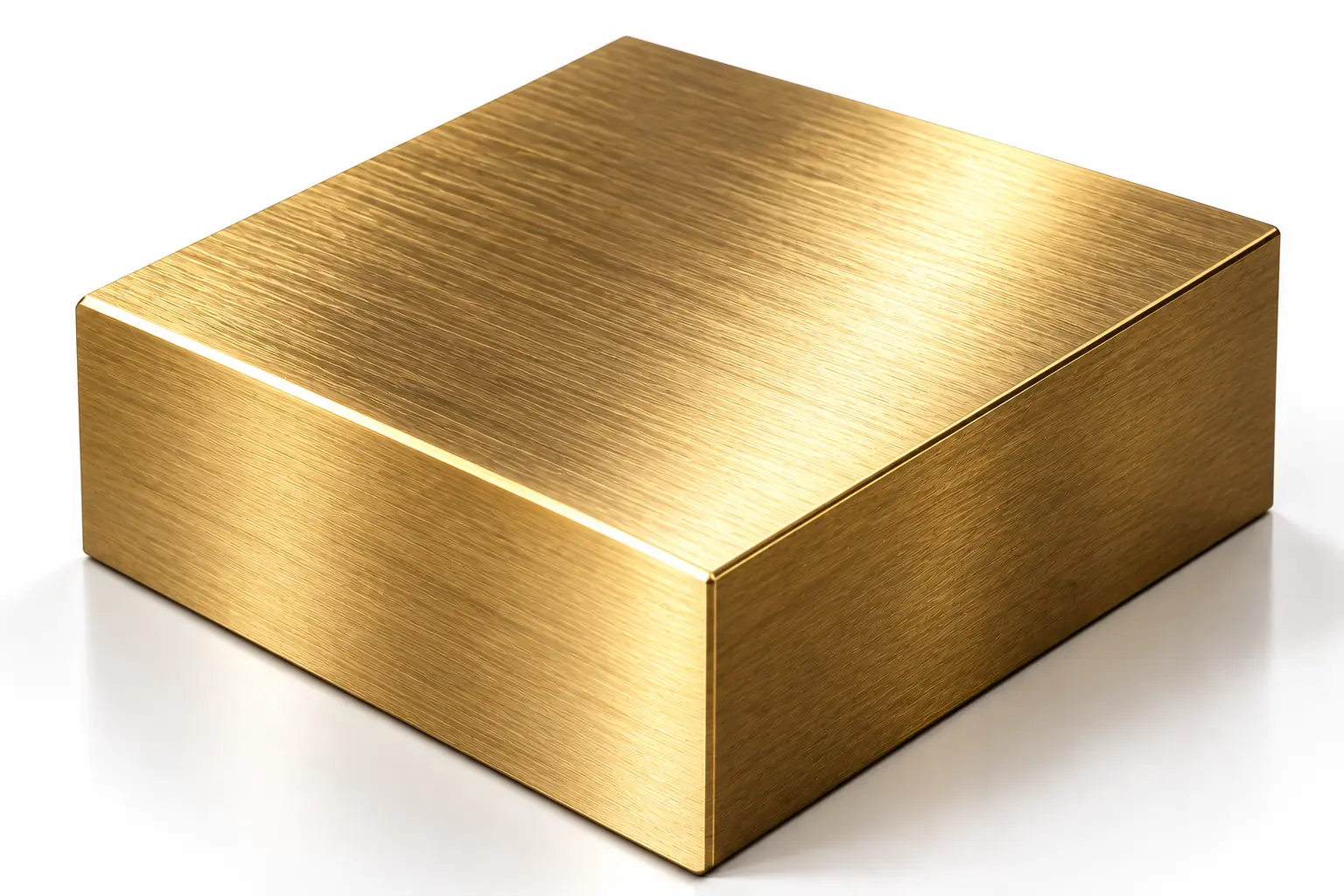
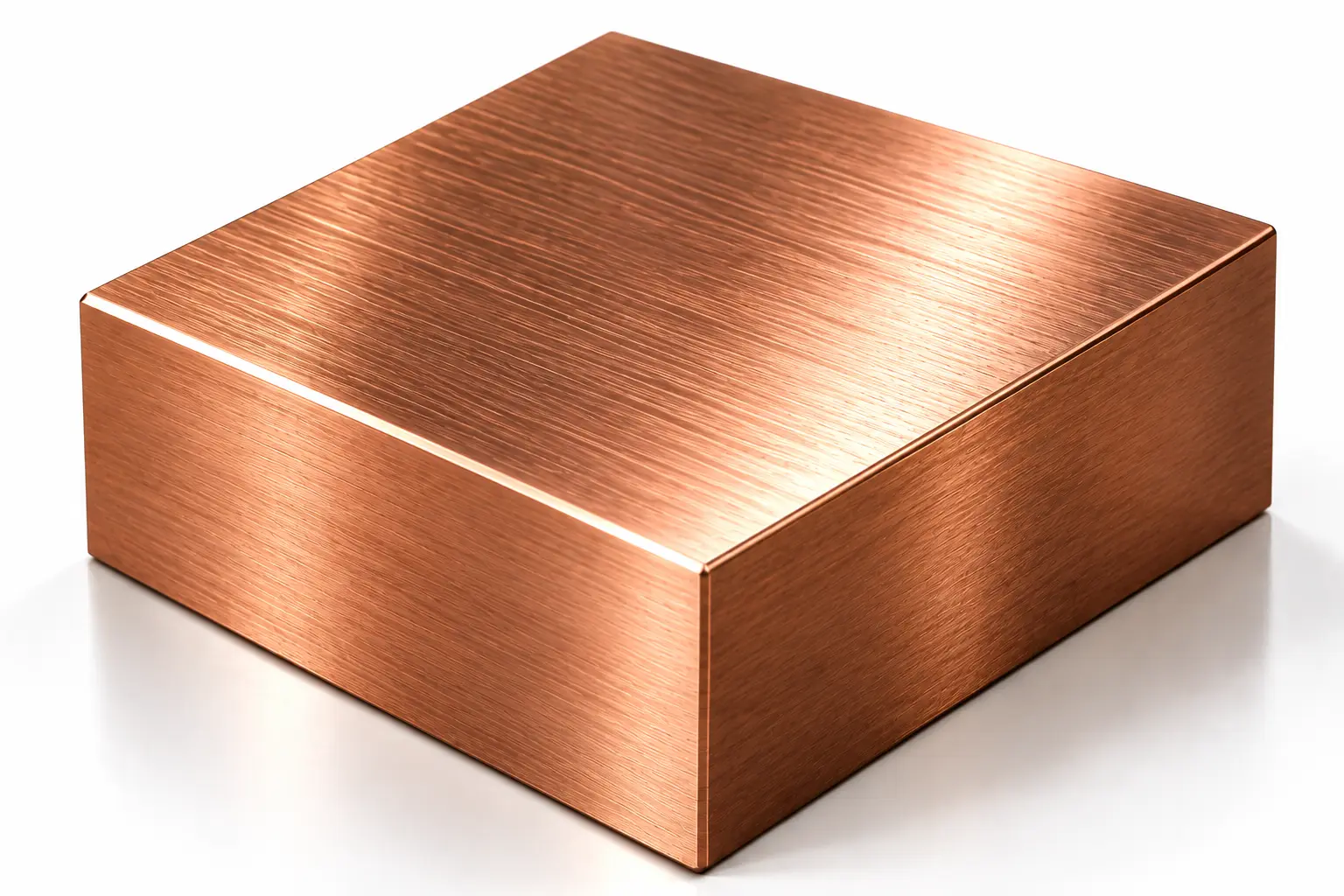
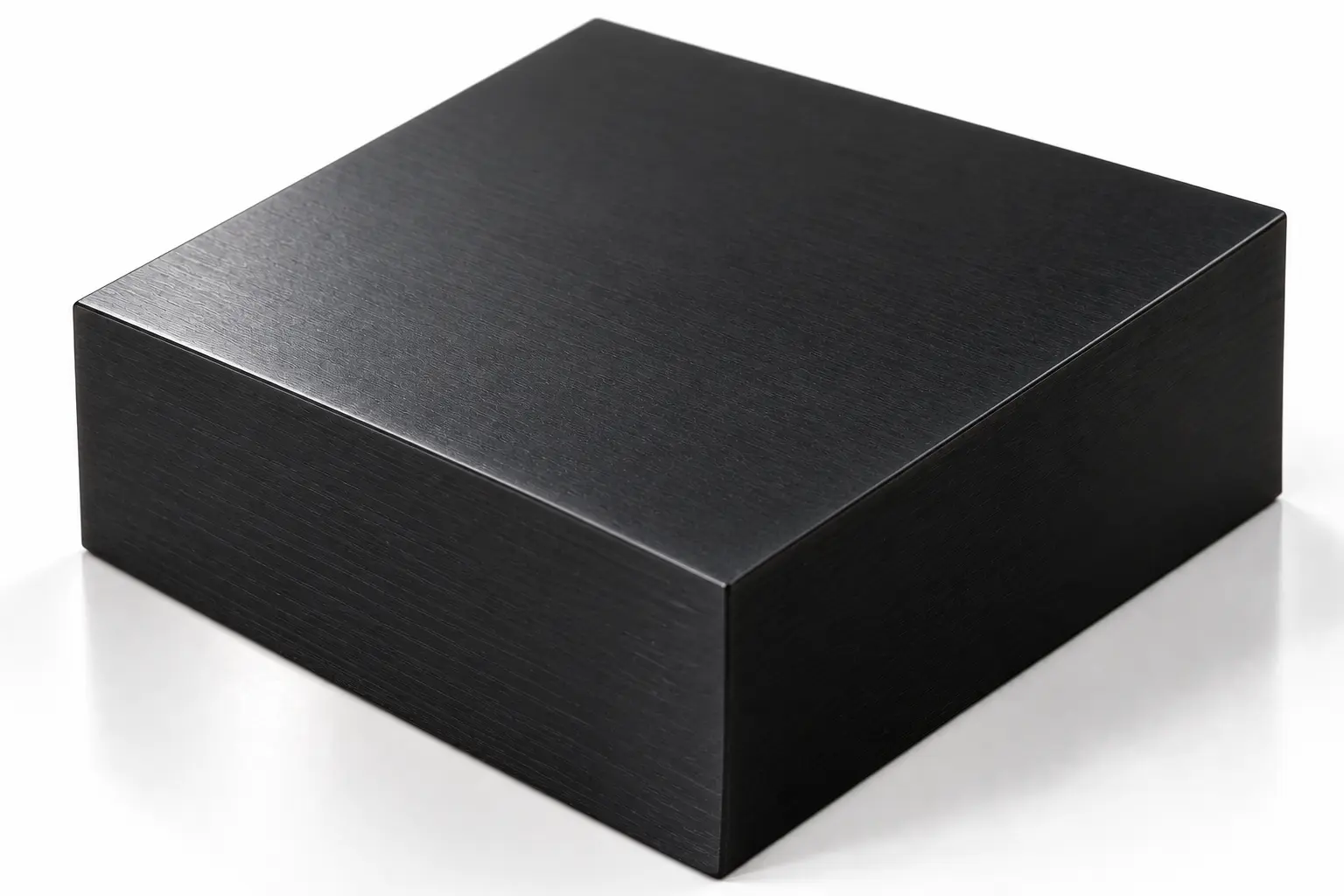
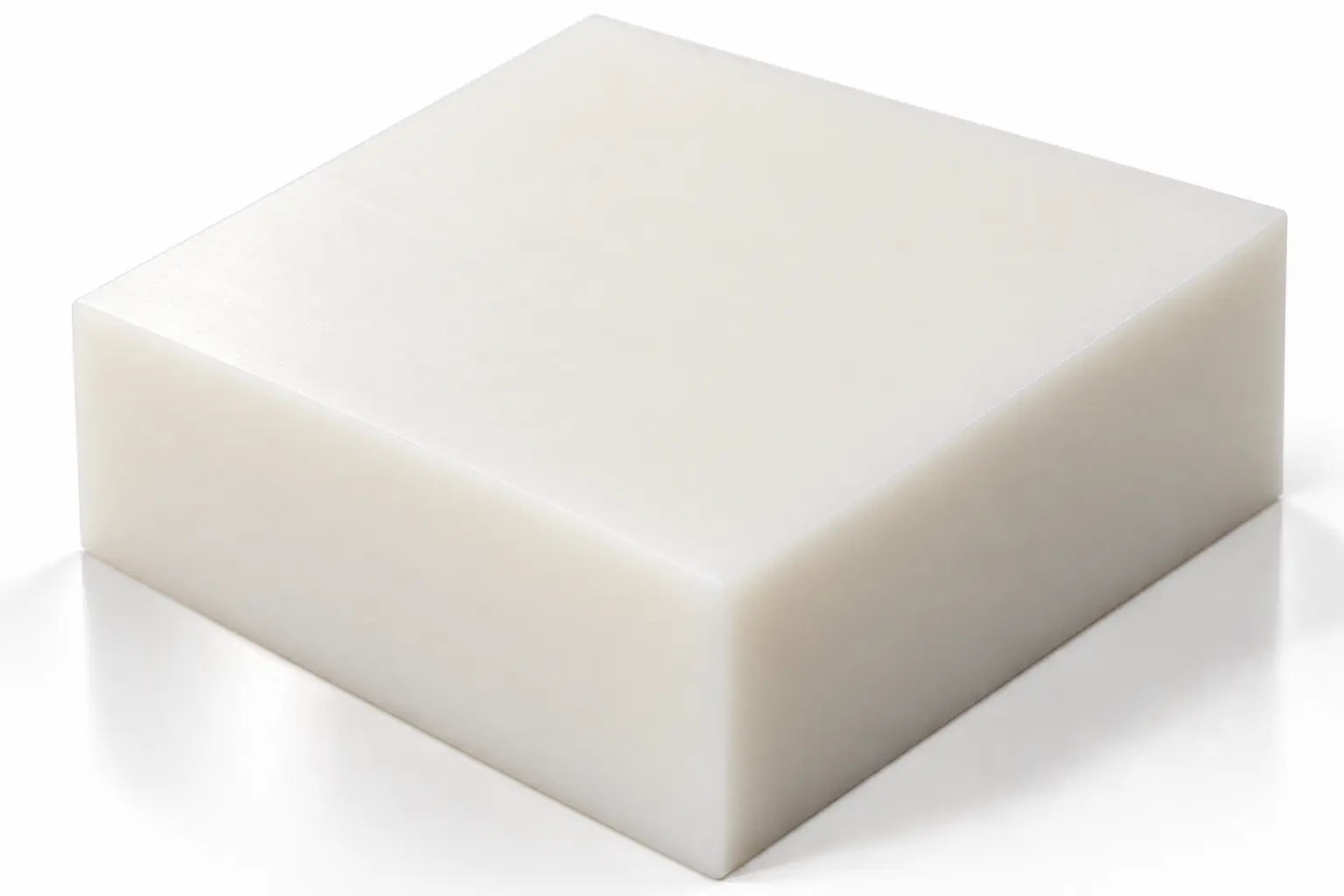
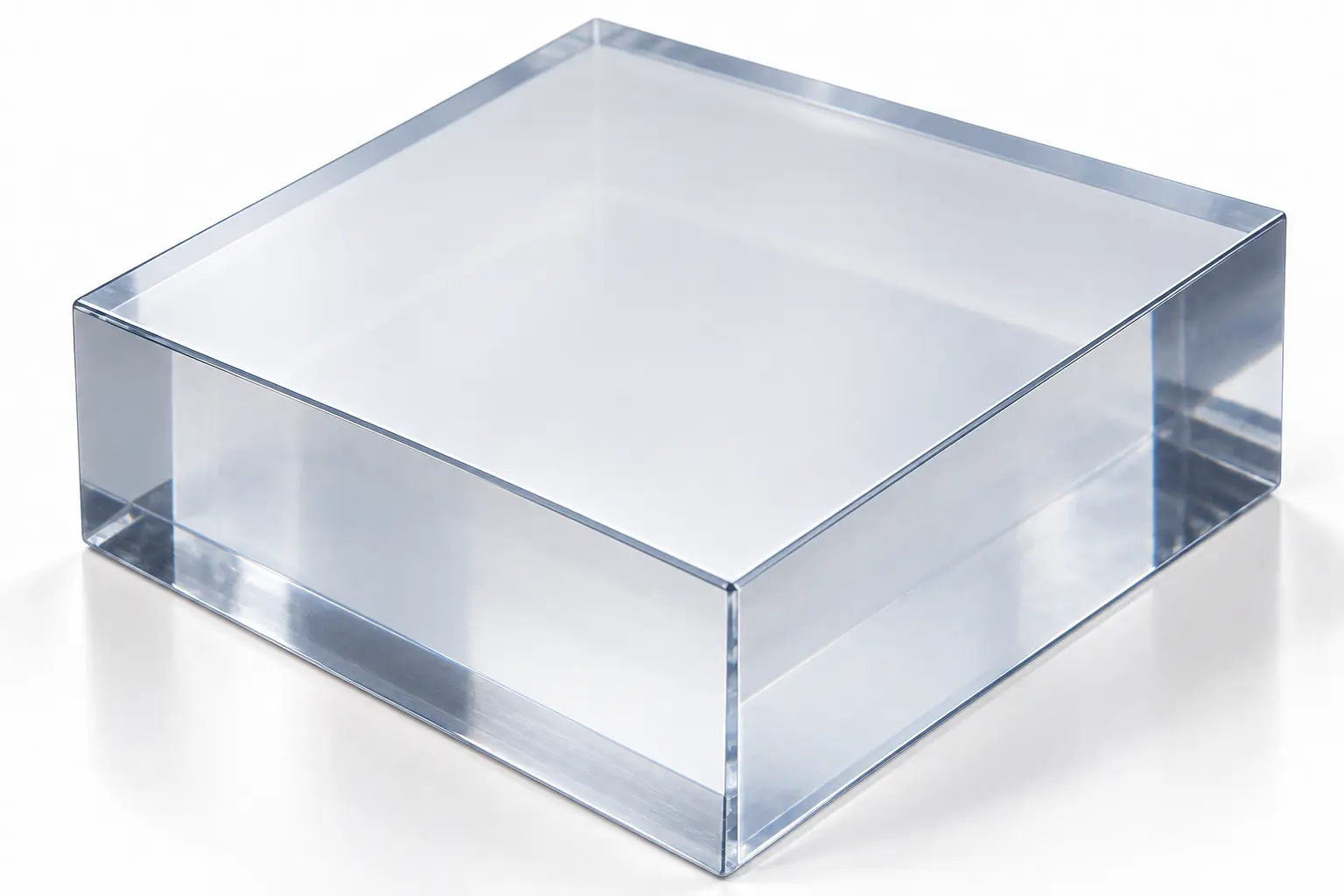
| Available Brass | PC Black, PC Transparent, PC White, PC Yellowish White, PC+GF30 Black |
| Prix | $ |
| Délai d'exécution | Moins de 10 jours |
| Epaisseur de la paroi | Au moins 0,8 mm |
| Tolérances | ±0,125 mm (±0,005 pouce) |
| Taille maximale des pièces | 1200 × 500 × 150 mm |
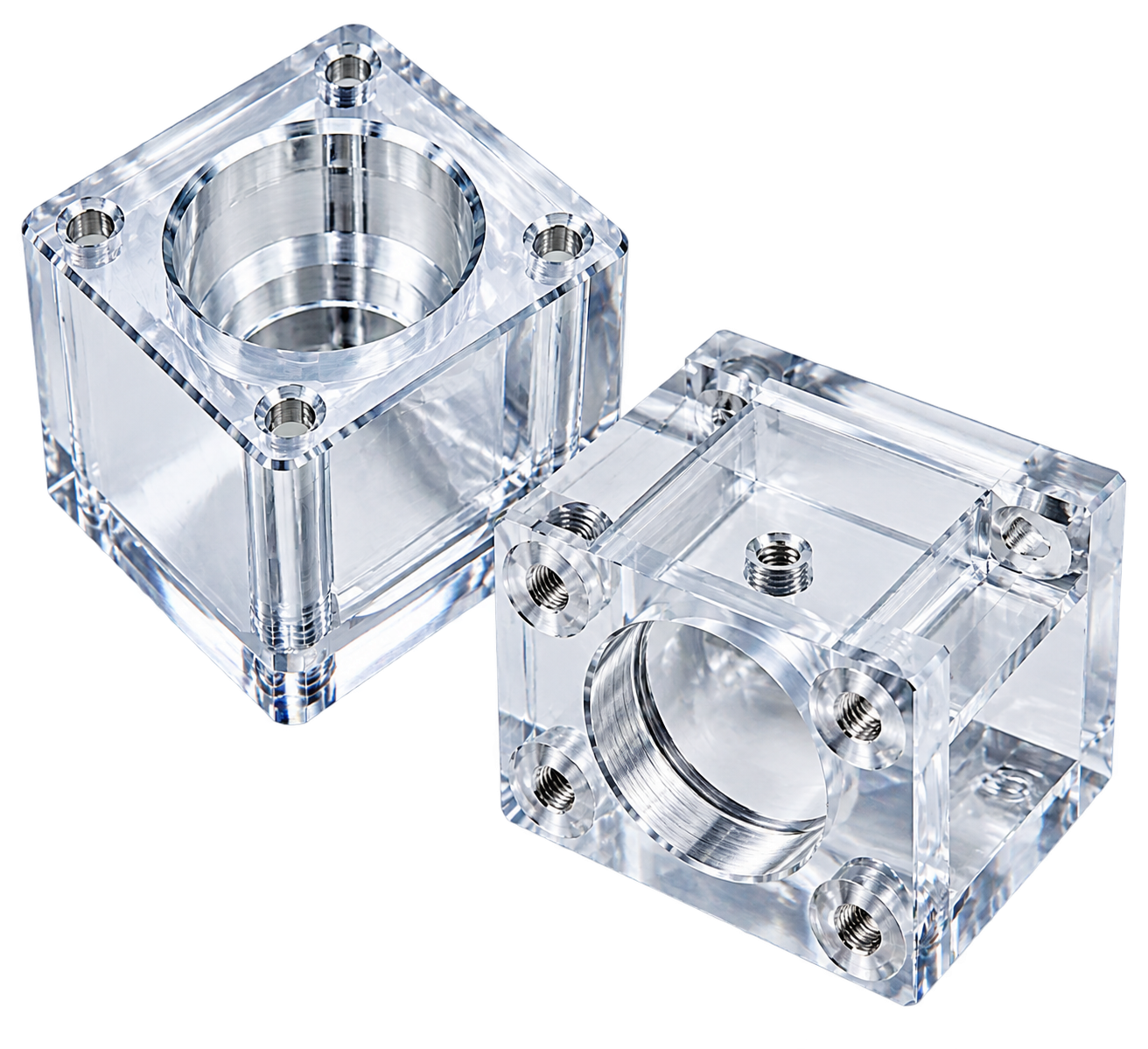
PC CNC Machining Materials
Machined Polycarbonate (PC) Properties
Polycarbonate (PC) is a strong and transparent engineering thermoplastic widely used in CNC machining. Its excellent impact resistance, toughness, and dimensional stability make it suitable for producing reliable parts for demanding applications.
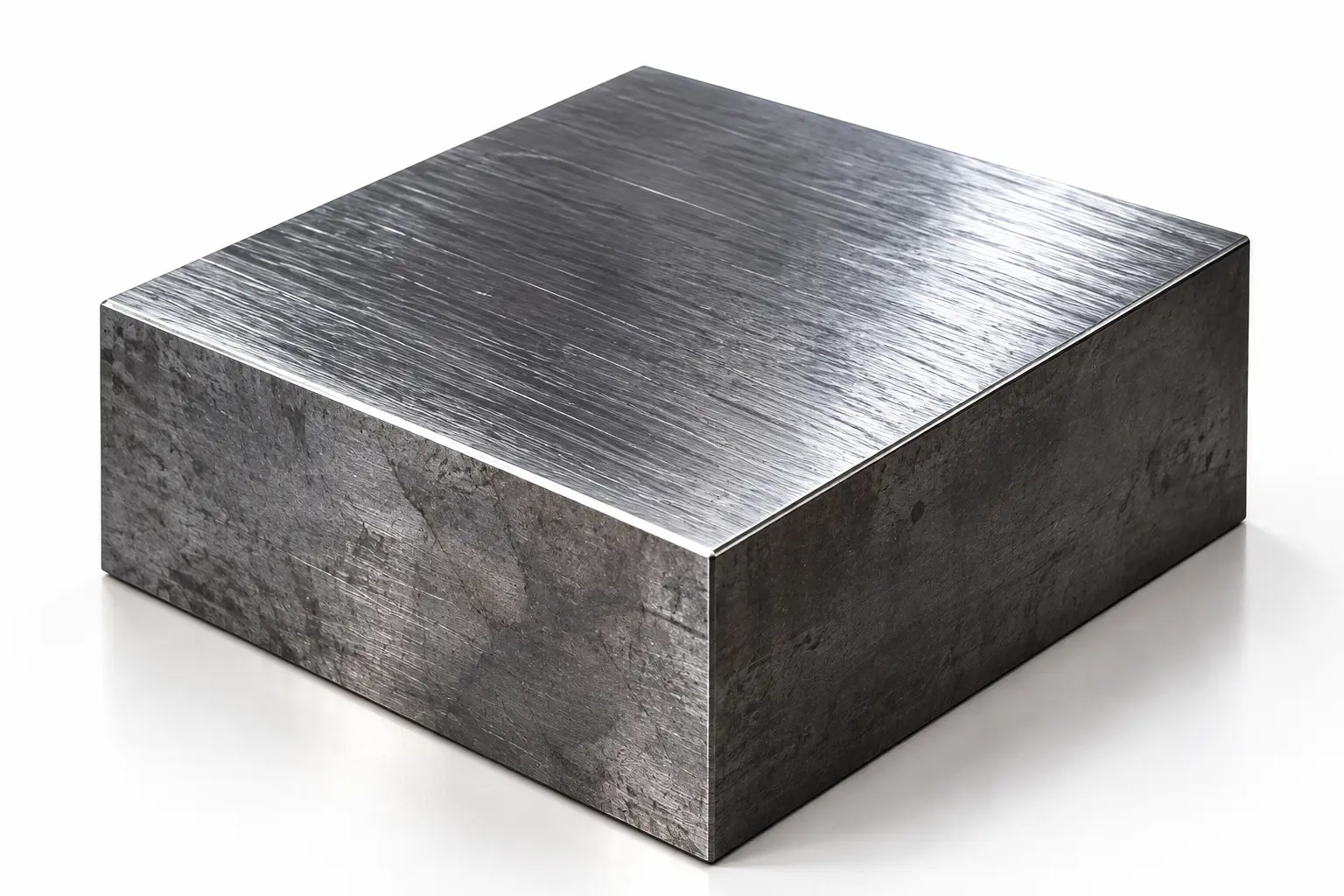
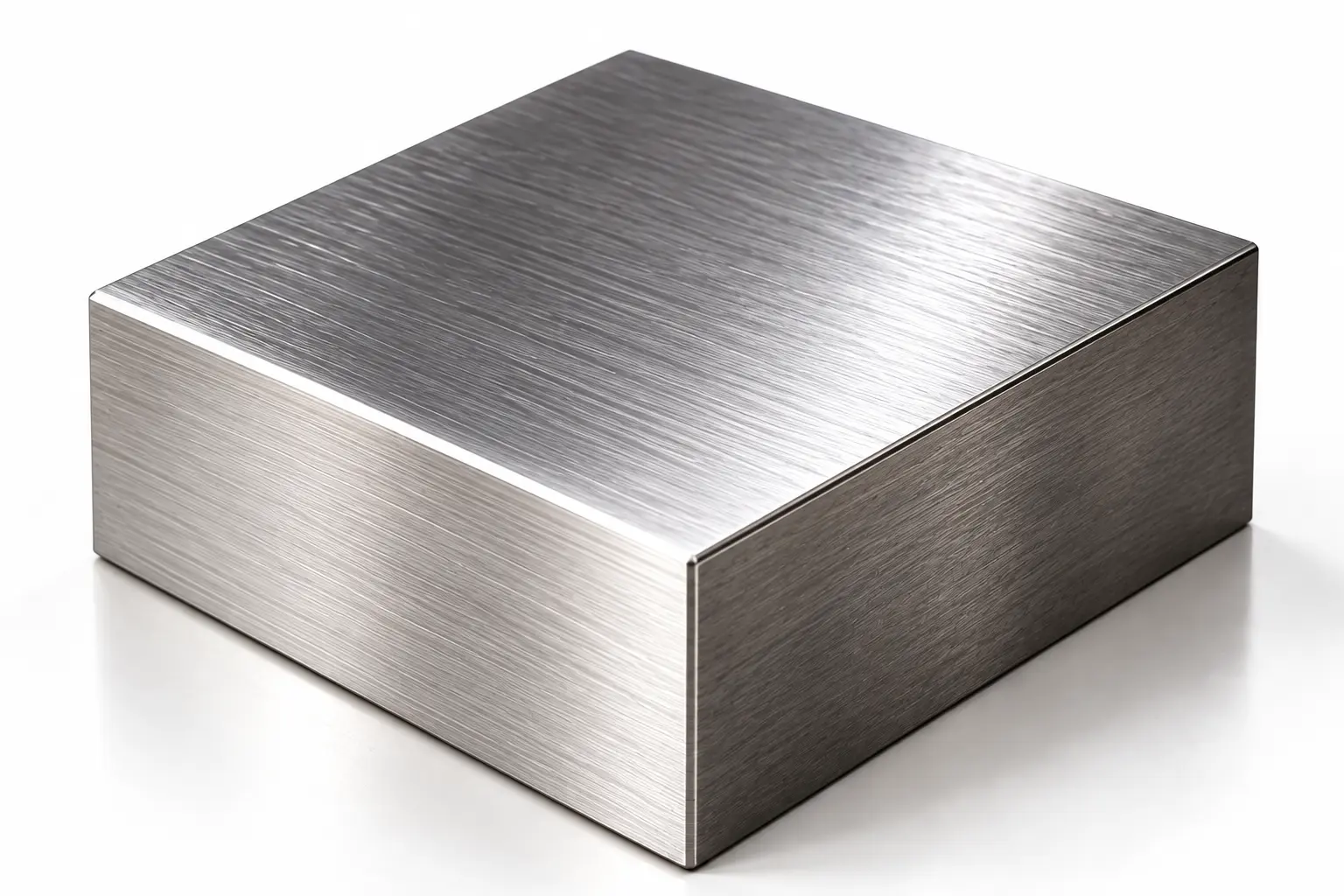
Advantages and Limitations of PC CNC Machining
Polycarbonate (PC) is a popular material for CNC machining because of its excellent strength, impact resistance, transparency, and dimensional stability. However, it also has some limitations that should be considered when selecting it for a project.
- High Impact Resistance:
Polycarbonate offers exceptional toughness and can withstand strong impacts without cracking, making it suitable for protective and safety-critical components. - Optical Transparency:
Its clear appearance allows manufacturers to create transparent parts used in covers, windows, lenses, and viewing panels. - Lightweight and Strong:
PC provides high strength while maintaining a low weight, helping reduce the overall weight of assemblies without compromising durability. - Excellent Dimensional Stability:
The material maintains its shape and dimensions under different operating conditions, ensuring consistent part performance. - Good Heat Resistance:
Polycarbonate can handle elevated temperatures better than many other plastics, making it suitable for demanding applications. - Usinabilité aisée :
PC can be CNC machined into precise shapes and complex designs while achieving good surface finishes.
- Prone to Scratching:
Polycarbonate surfaces can scratch easily, which may affect appearance and optical clarity without proper finishing or protective coatings. - Limited UV Resistance:
Long-term exposure to UV light can cause yellowing, surface degradation, and reduced material performance. - Chemical Sensitivity:
Certain chemicals and solvents can damage polycarbonate parts, limiting their use in harsh chemical environments.
Collaborez avec Tuowei Precision pour donner vie à votre vision
Du prototypage rapide à la production à grande échelle, Tuowei Precision propose des services d'usinage CNC fiables, alliant précision et régularité à chaque étape. Lancez votre projet dès aujourd'hui.
- Compétences techniques établies.
- Soutien aux projets mondiaux
- Solutions CNC avancées
- Co-création de produits.
- Capacité de production extensible.
- Tous les téléchargements sont sécurisés et confidentiels
Tolérances d'usinage CNC
Nos machines à commande numérique fonctionnent avec des tolérances de précision conformes aux normes de l'industrie, ce qui garantit que chaque pièce est toujours précise et qu'elle s'adapte parfaitement aux autres composants.
| Type de caractéristique | Tolérance typique |
|---|---|
| Tolérance dimensionnelle générale | ±0,025 mm (±0,001″) |
| Tolérance de haute précision | ±0,005 mm (±0,0002 pouces) |
| Diamètre du trou (percé) | ±0,05 mm (±0,002 pouces) |
| Diamètre du trou (alésé/alésé) | ±0,01 mm (±0,0004 pouces) |
| Diamètre de l'arbre (tourné) | ±0,01 mm (±0,0004 pouces) |
| Planéité | 0,02 mm par 100 mm |
| Parallélisme | ±0,02 mm |
| Perpendicularité | ±0,02 mm |
| Rugosité de la surface (Ra) | 1,6–3,2 μm (63–125 μin) |
| Tolérance de position | ±0,01 mm à ±0,02 mm |
| Tolérance de filetage (coupe) | 6H / 6g (ISO) ou Classe 2A/2B (ANSI) |
| Taille minimale de l'objet | 0,5 mm (0,020 pouce) |
| Répétabilité | ±0,005 mm (±0,0002 pouces) |
Polycarbonate (PC) CNC Machining FAQs
How does vapor polishing improve CNC-machined polycarbonate parts?
Vapor polishing smooths the surface of polycarbonate parts by using a controlled vapor treatment that reduces surface imperfections. This process improves clarity, enhances gloss, and creates a cleaner finish for transparent components.
Is polycarbonate suitable for optical components after CNC machining?
Yes, polycarbonate is suitable for many optical applications due to its excellent transparency and impact resistance. Additional finishing processes, such as polishing, can further improve surface clarity for lenses, covers, and viewing components.
What size and complexity limitations apply to CNC-machined polycarbonate parts?
CNC machining can produce polycarbonate parts in various sizes and complex geometries. Larger or highly detailed designs may require careful planning to maintain accuracy, prevent stress, and achieve the required tolerances.
What are the main differences between polycarbonate and acrylic?
Polycarbonate offers higher impact resistance and better toughness, while acrylic provides greater scratch resistance and optical clarity. The right choice depends on whether the application requires durability, transparency, or surface appearance.
Does polycarbonate tend to yellow over time?
Polycarbonate can yellow when exposed to prolonged UV radiation. UV-resistant coatings or protective finishes can help reduce discoloration and improve long-term outdoor performance.