
- Inicio
- "
- Servicios de mecanizado CNC
- "
- Polycarbonate CNC Machining
Polycarbonate (PC) CNC Machining Service
Get high-quality Polycarbonate (PC) CNC machined parts with excellent precision, strength, and durability. Our custom PC machining solutions deliver reliable performance, tight tolerances, and superior finishes for a wide range of industrial applications.
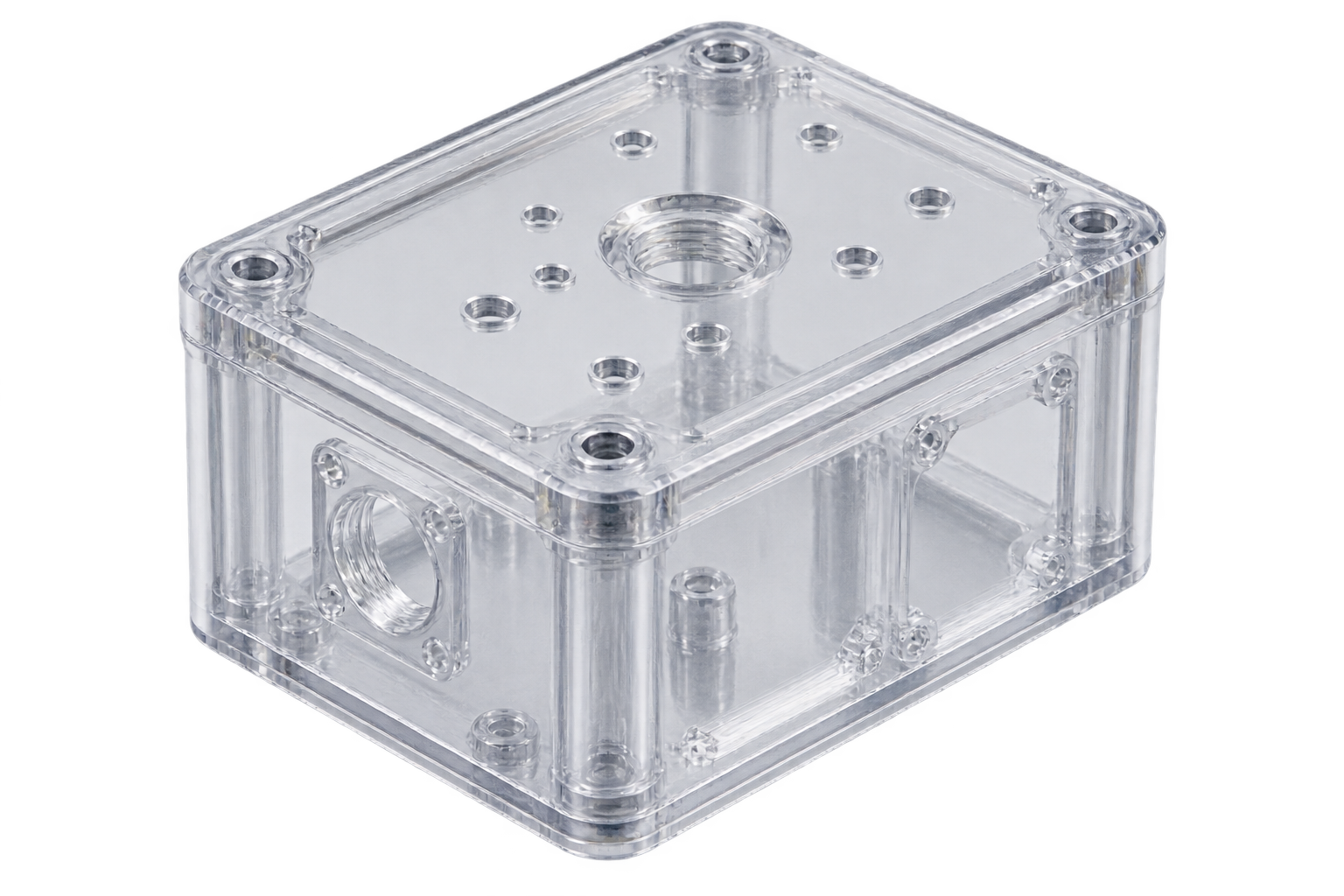
Polycarbonate (PC) in CNC Machining
Polycarbonate (PC) is a high-performance engineering thermoplastic known for its excellent impact resistance, transparency, strength, and dimensional stability. Its combination of toughness and lightweight properties makes it a reliable choice for CNC machining applications that require durable and precise components.
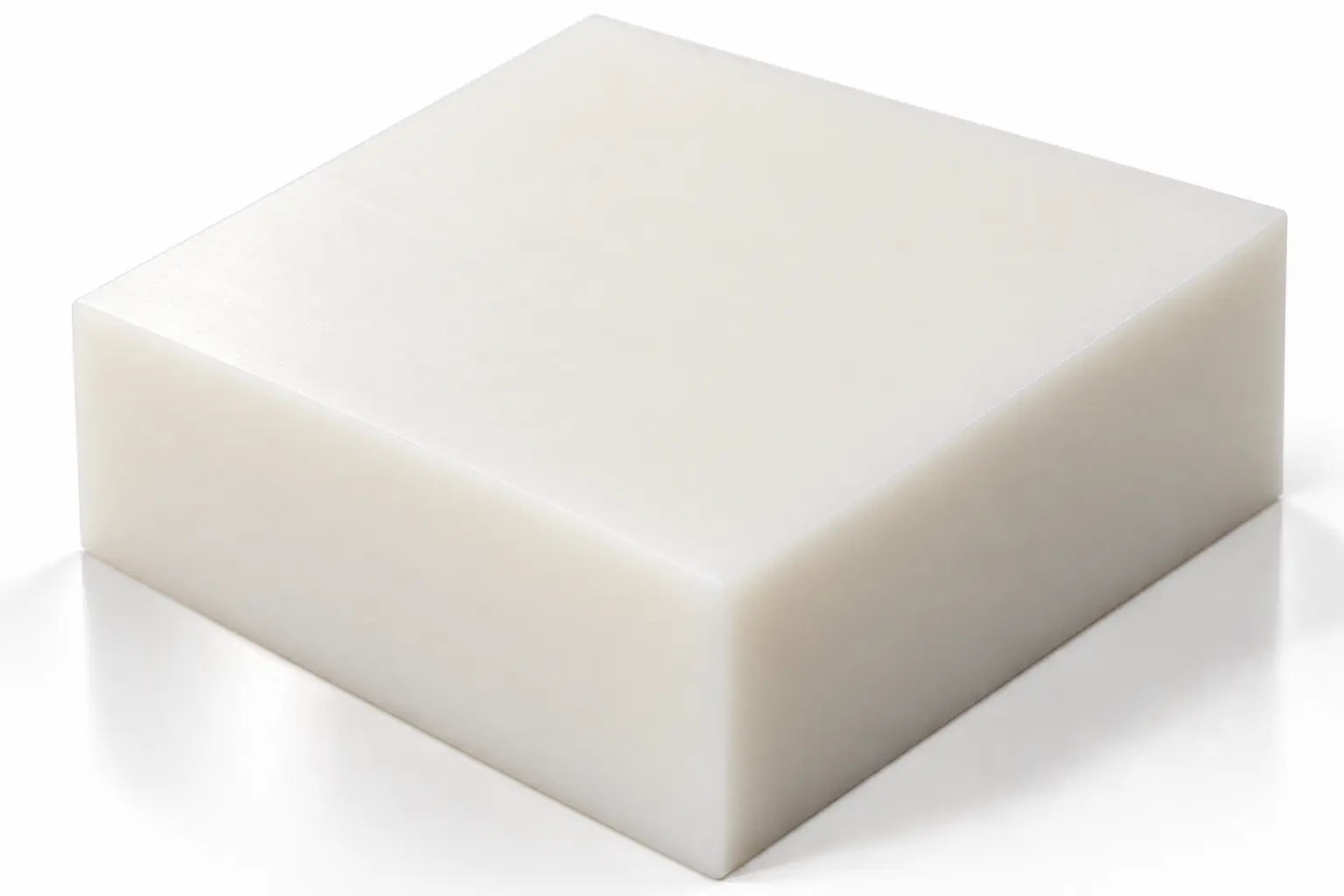
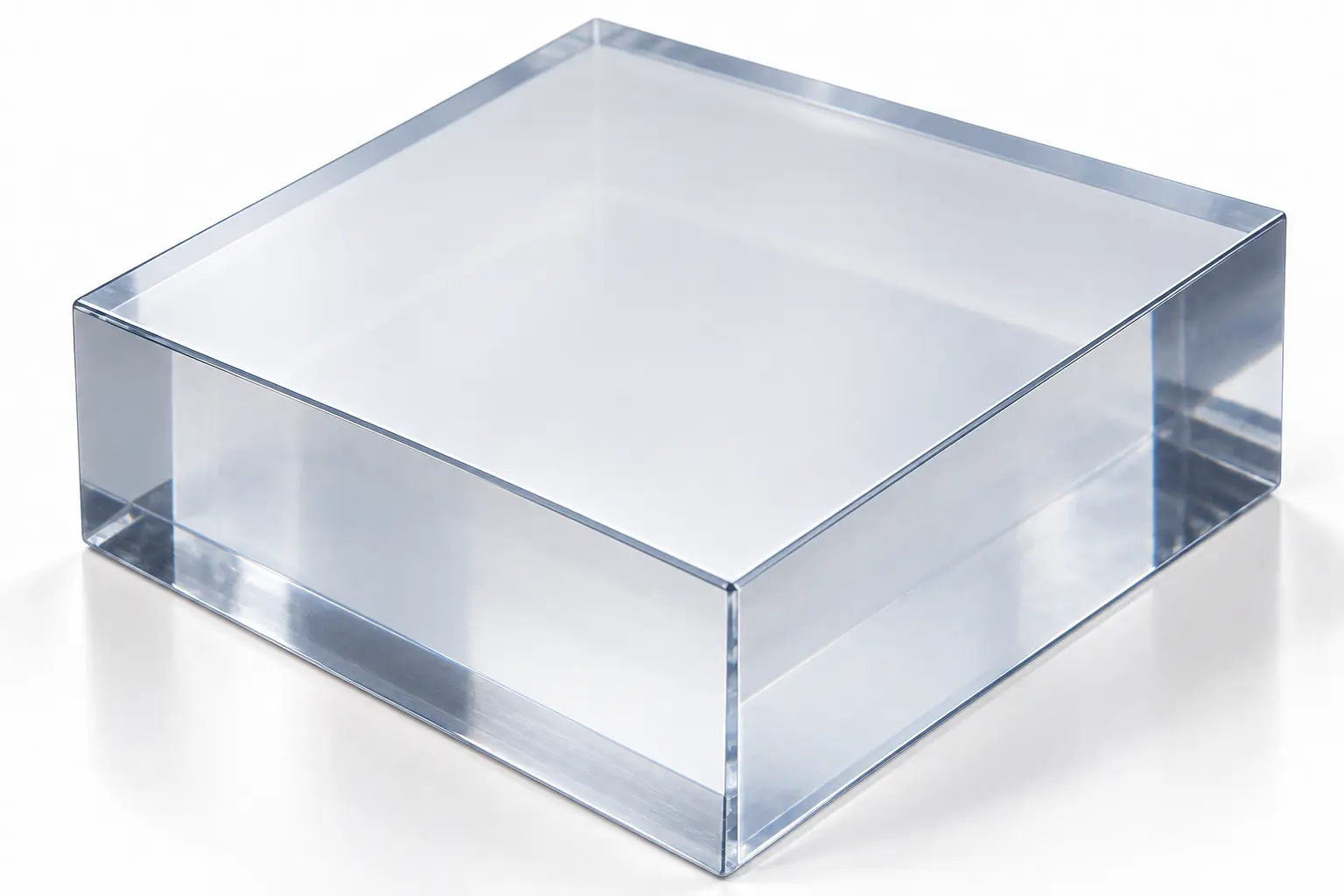
| Available Brass | PC Black, PC Transparent, PC White, PC Yellowish White, PC+GF30 Black |
| Precio | $ |
| Plazo de entrega | Under 10 days |
| Grosor de la pared | Minimum 0.8 mm |
| Tolerancias | ±0.125 mm (±0.005 in) |
| Tamaño máximo de la pieza | 1200 × 500 × 150 mm |
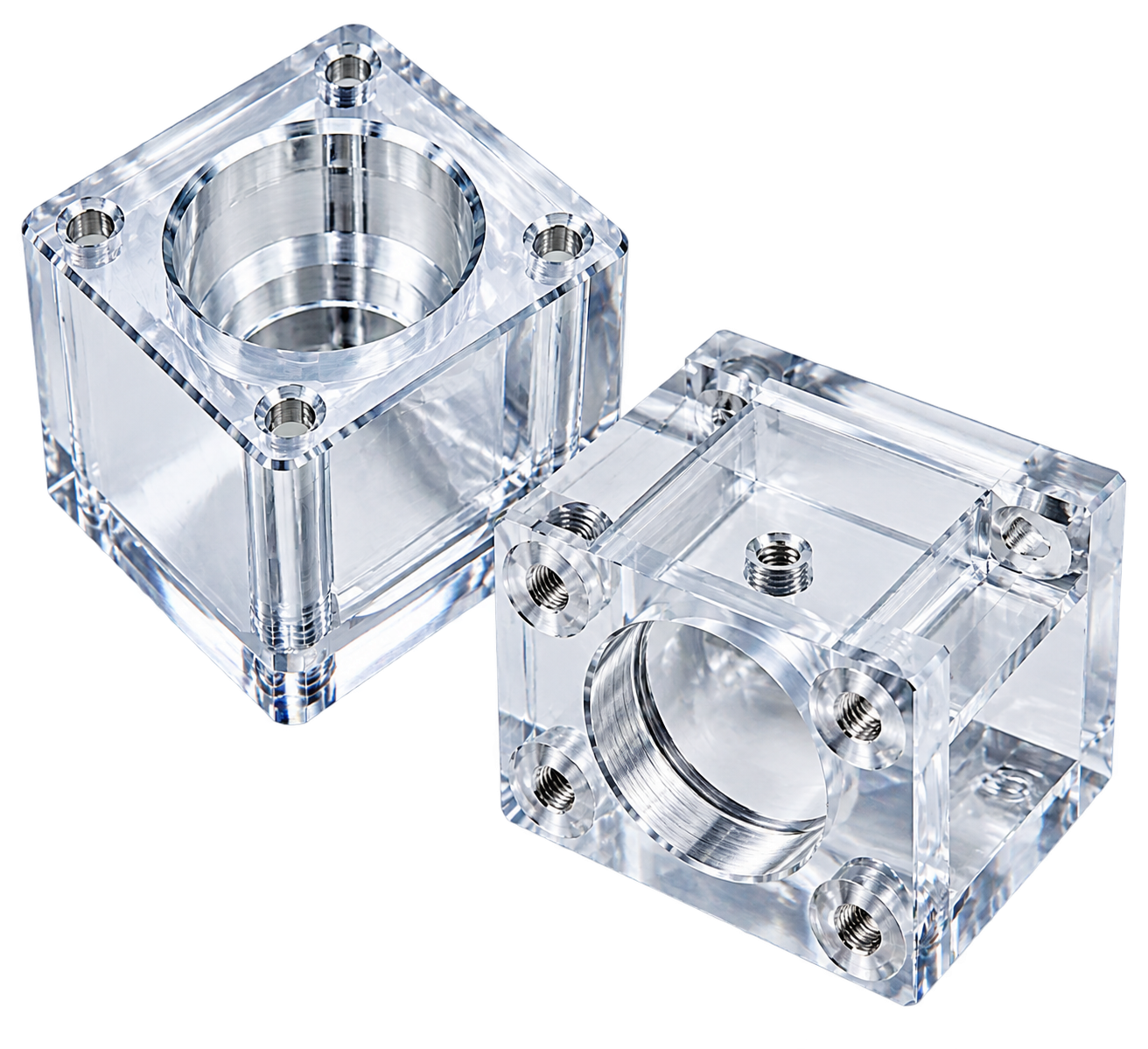
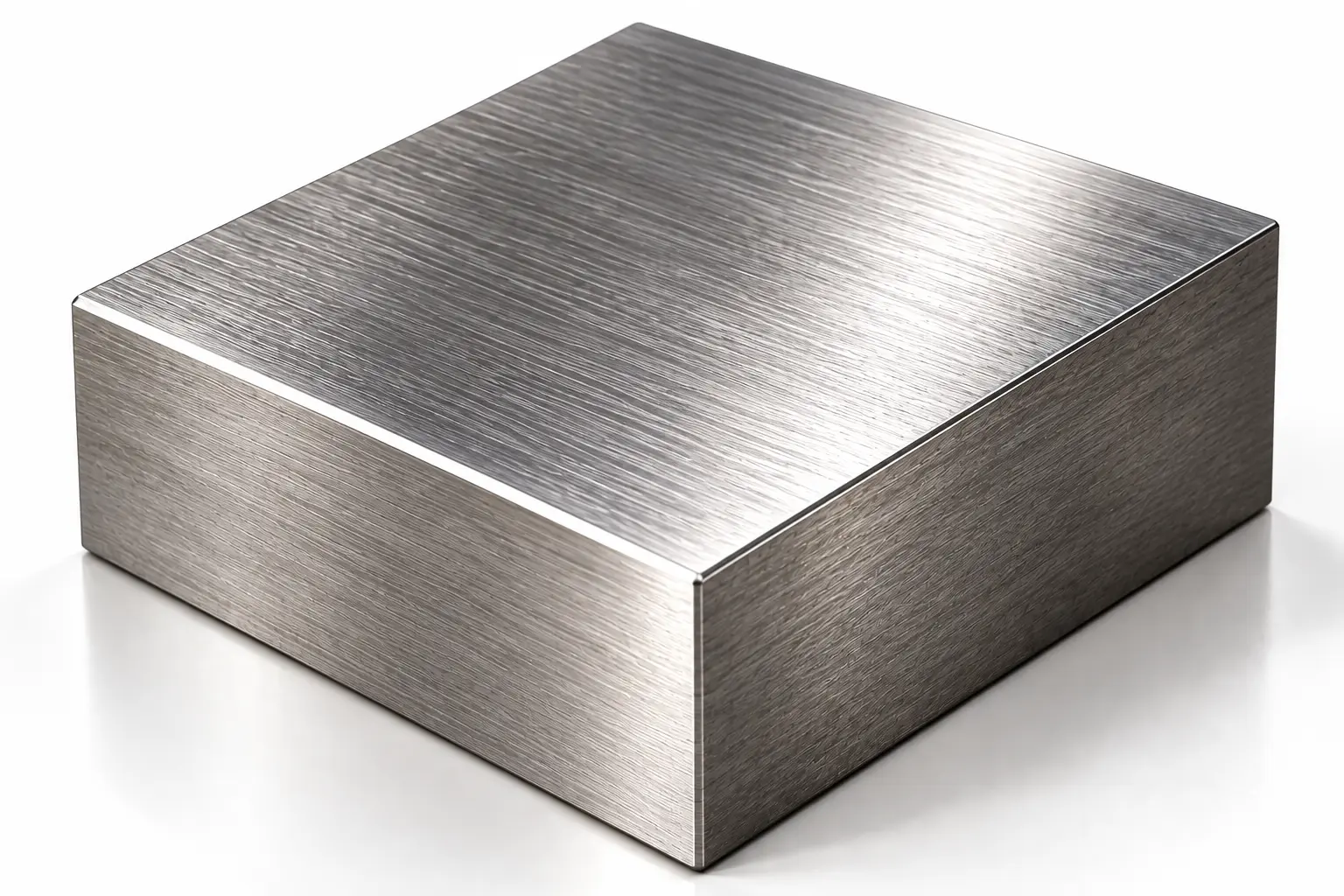
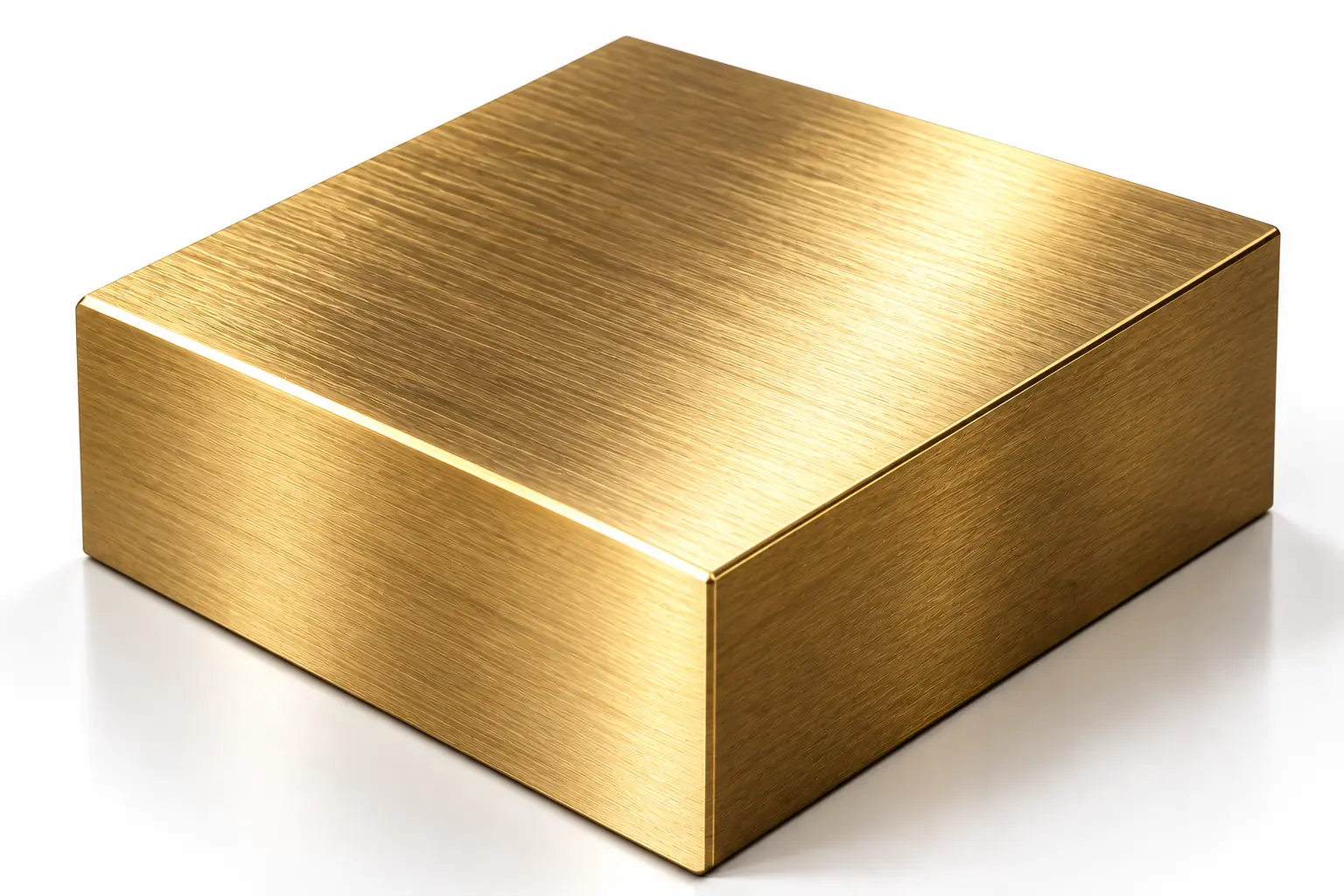
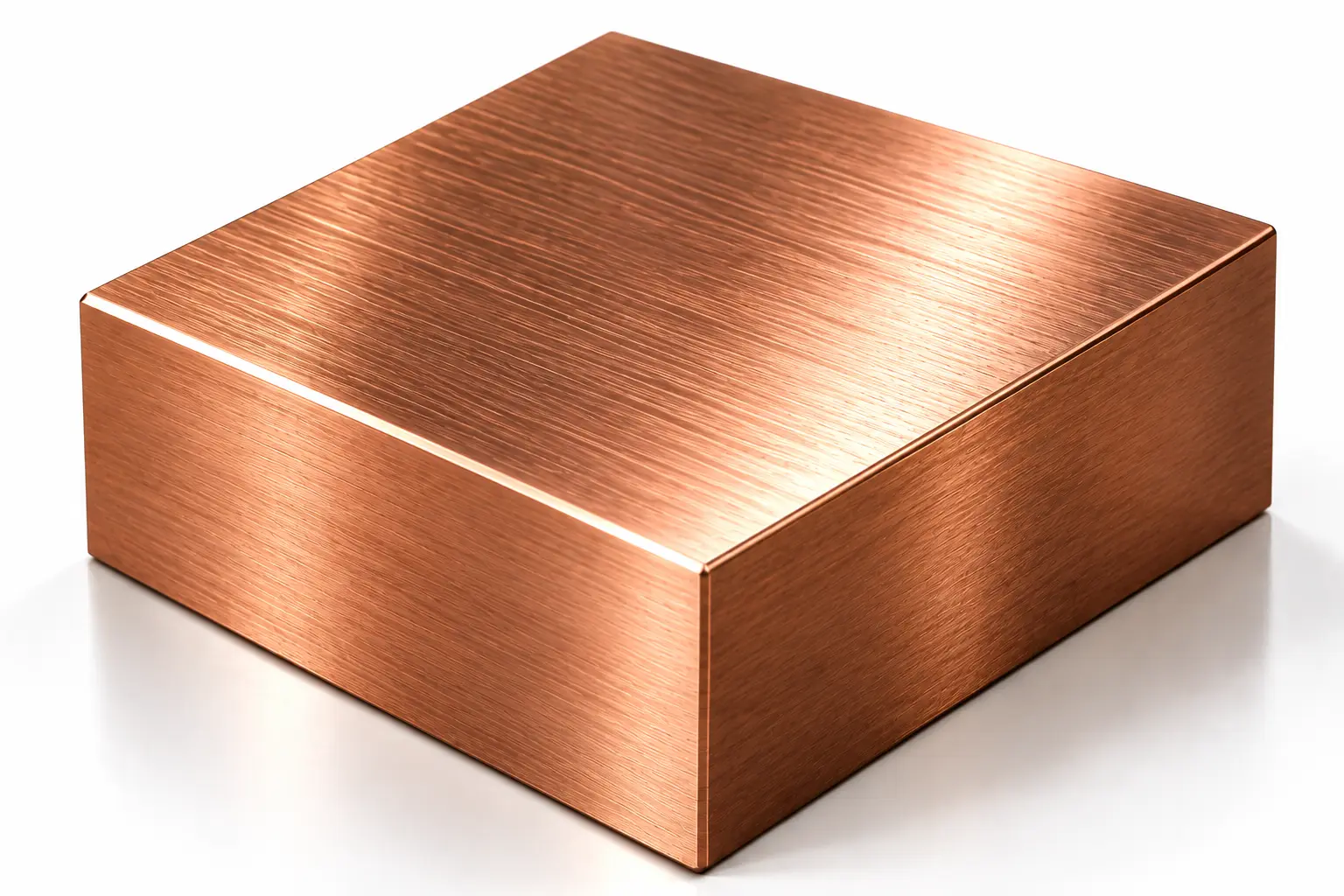
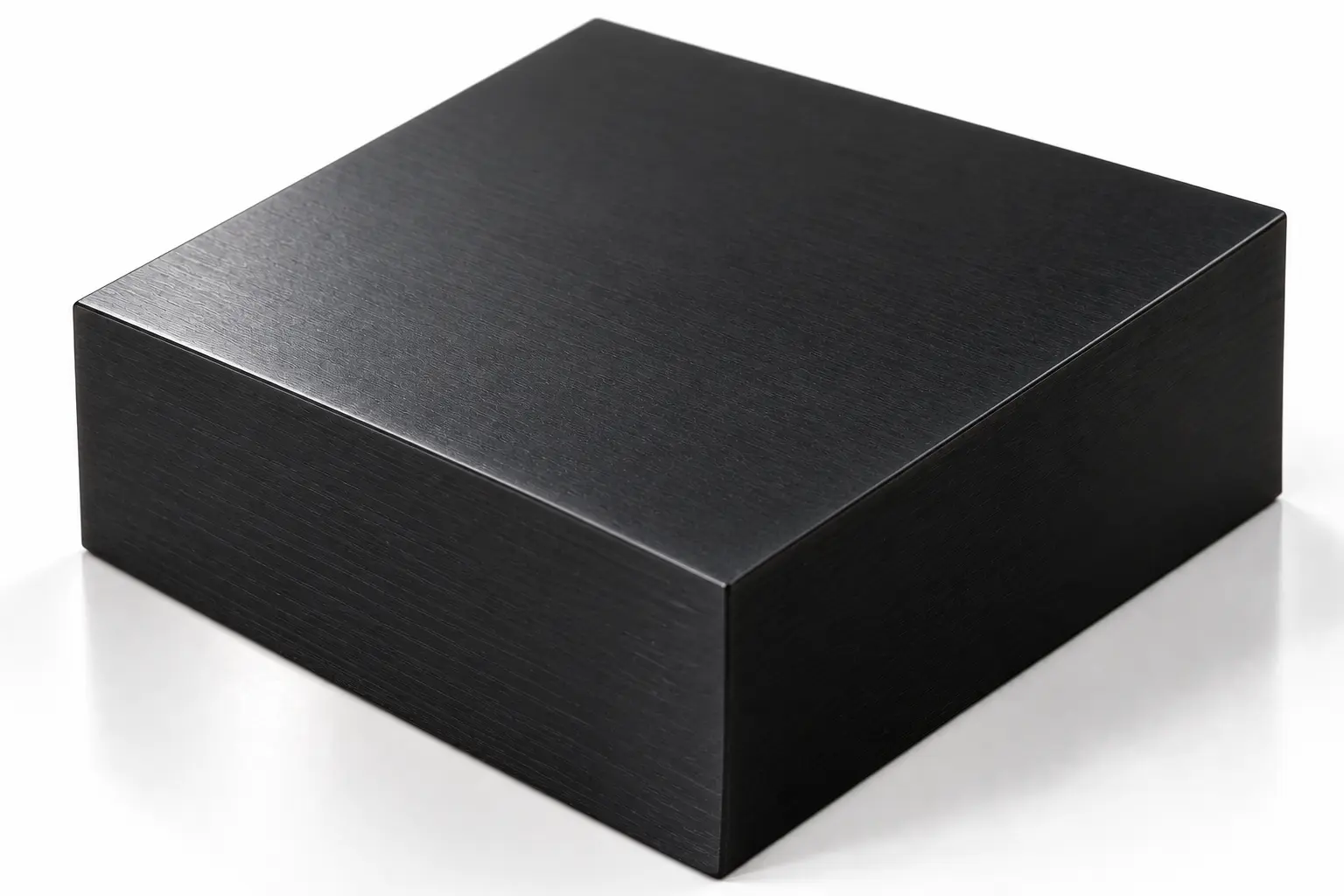
PC CNC Machining Materials
Machined Polycarbonate (PC) Properties
Polycarbonate (PC) is a strong and transparent engineering thermoplastic widely used in CNC machining. Its excellent impact resistance, toughness, and dimensional stability make it suitable for producing reliable parts for demanding applications.
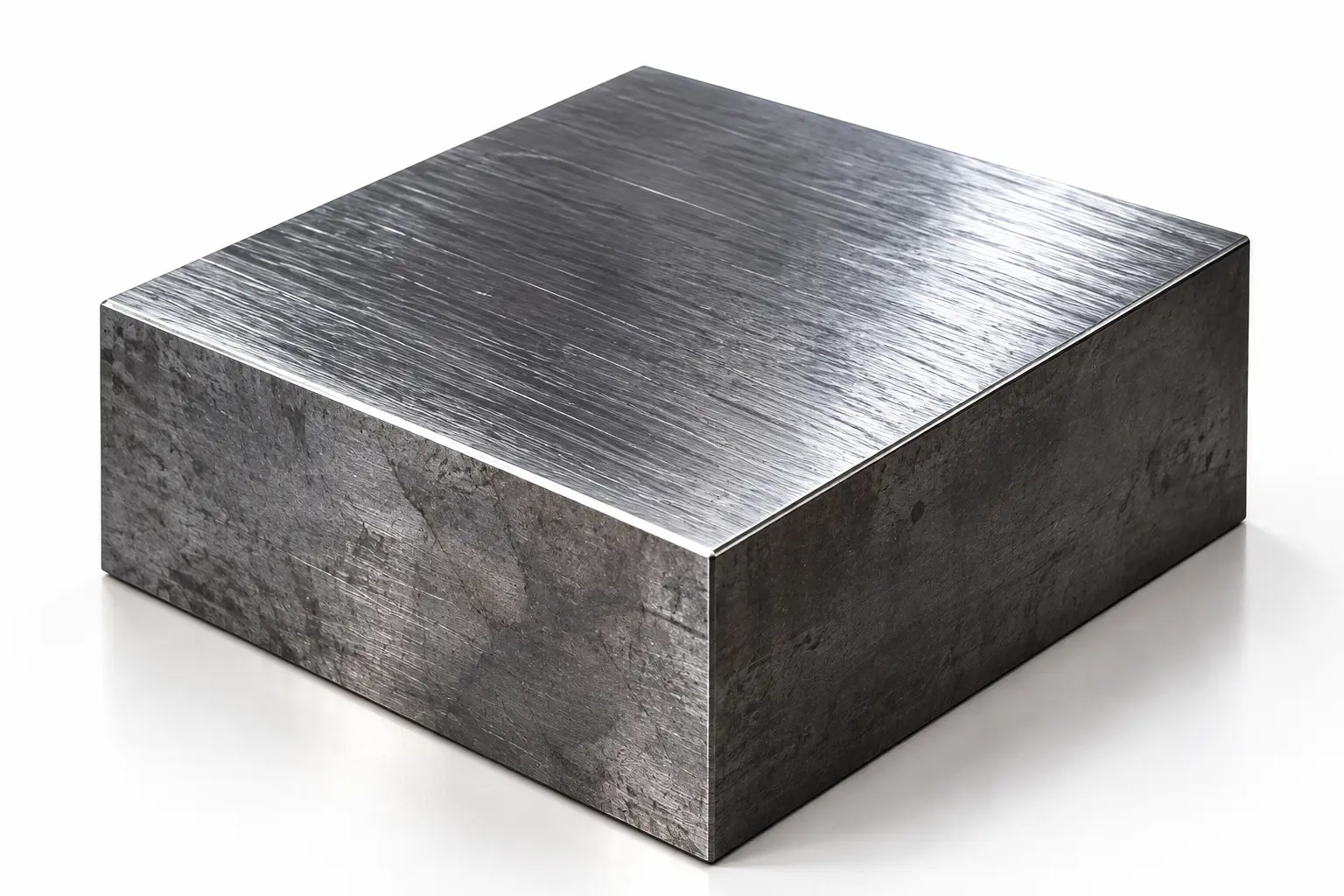
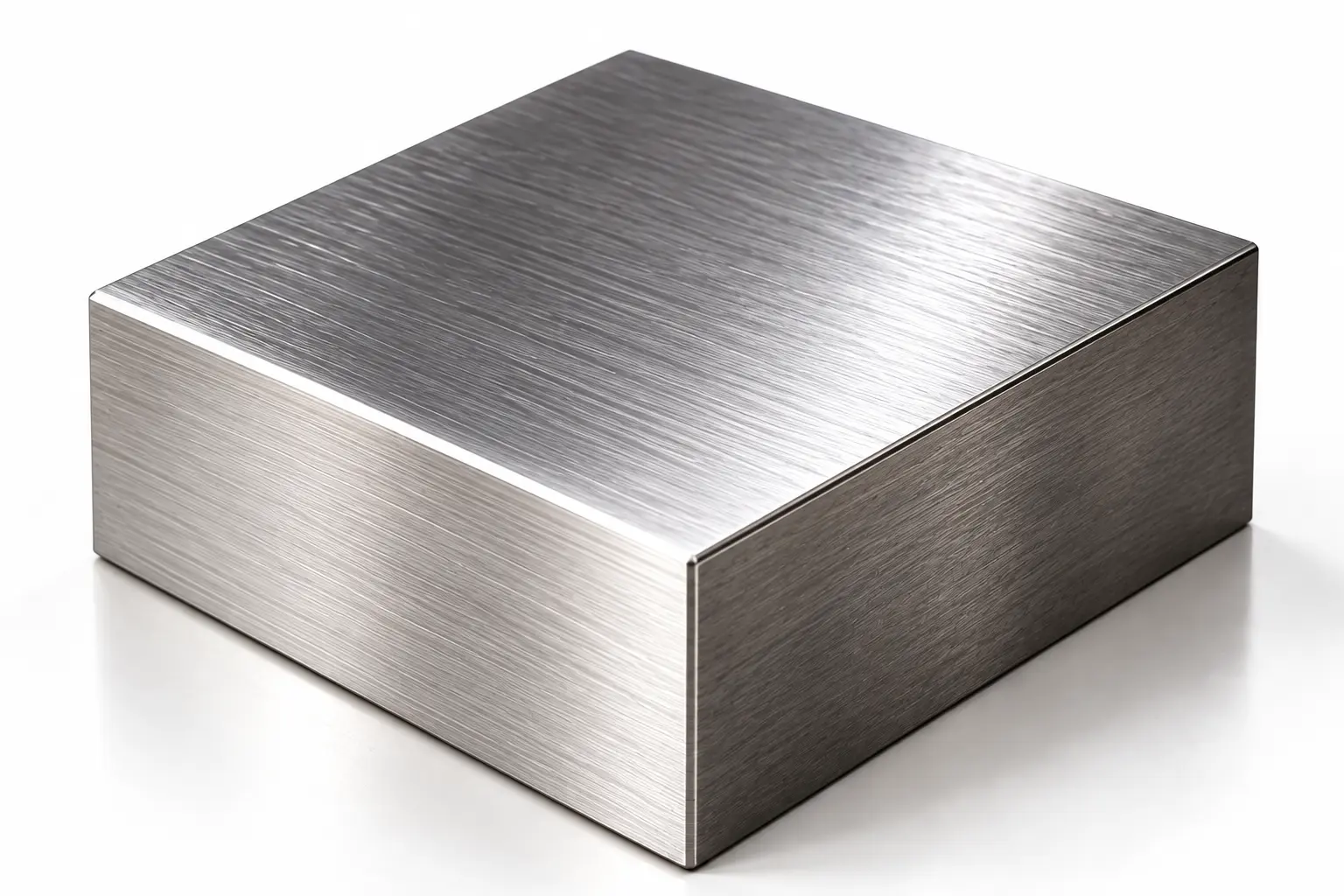
Advantages and Limitations of PC CNC Machining
Polycarbonate (PC) is a popular material for CNC machining because of its excellent strength, impact resistance, transparency, and dimensional stability. However, it also has some limitations that should be considered when selecting it for a project.
- High Impact Resistance:
Polycarbonate offers exceptional toughness and can withstand strong impacts without cracking, making it suitable for protective and safety-critical components. - Optical Transparency:
Its clear appearance allows manufacturers to create transparent parts used in covers, windows, lenses, and viewing panels. - Lightweight and Strong:
PC provides high strength while maintaining a low weight, helping reduce the overall weight of assemblies without compromising durability. - Excellent Dimensional Stability:
The material maintains its shape and dimensions under different operating conditions, ensuring consistent part performance. - Good Heat Resistance:
Polycarbonate can handle elevated temperatures better than many other plastics, making it suitable for demanding applications. - Easy Machinability:
PC can be CNC machined into precise shapes and complex designs while achieving good surface finishes.
- Prone to Scratching:
Polycarbonate surfaces can scratch easily, which may affect appearance and optical clarity without proper finishing or protective coatings. - Limited UV Resistance:
Long-term exposure to UV light can cause yellowing, surface degradation, and reduced material performance. - Chemical Sensitivity:
Certain chemicals and solvents can damage polycarbonate parts, limiting their use in harsh chemical environments.
Colabora con Tuowei Precision para hacer realidad tu visión
Desde prototipos rápidos hasta la producción a gran escala, Tuowei Precision ofrece un mecanizado CNC fiable, con precisión y uniformidad en cada paso. Empieza tu proyecto hoy mismo.
- Conocimientos sólidos de ingeniería.
- Apoyo global a proyectos
- Soluciones CNC avanzadas
- Co-creación de productos.
- Capacidad de producción ampliable.
- Todas las cargas son seguras y confidenciales
Tolerancias de mecanizado CNC
Nuestras máquinas CNC funcionan con tolerancias de precisión que cumplen las normas del sector, lo que garantiza que cada pieza sea siempre exacta y encaje perfectamente con otros componentes.
| Tipo de función | Tolerancia típica |
|---|---|
| Tolerancia dimensional general | ±0.025 mm (±0.001″) |
| Tolerancia de alta precisión | ±0.005 mm (±0.0002″) |
| Diámetro del agujero (perforado) | ±0.05 mm (±0.002″) |
| Diámetro del agujero (escariado/taladrado) | ±0.01 mm (±0.0004″) |
| Shaft Diameter (Turned) | ±0.01 mm (±0.0004″) |
| Planitud | 0,02 mm por 100 mm |
| Paralelismo | ±0,02 mm |
| Perpendicularidad | ±0,02 mm |
| Rugosidad superficial (Ra) | 1.6–3.2 μm (63–125 μin) |
| Tolerancia posicional | ±0,01 mm a ±0,02 mm |
| Tolerancia de la rosca (corte) | 6H / 6g (ISO) o Clase 2A/2B (ANSI) |
| Tamaño mínimo del elemento | 0.5 mm (0.020″) |
| Repetibilidad | ±0.005 mm (±0.0002″) |
Polycarbonate (PC) CNC Machining FAQs
How does vapor polishing improve CNC-machined polycarbonate parts?
Vapor polishing smooths the surface of polycarbonate parts by using a controlled vapor treatment that reduces surface imperfections. This process improves clarity, enhances gloss, and creates a cleaner finish for transparent components.
Is polycarbonate suitable for optical components after CNC machining?
Yes, polycarbonate is suitable for many optical applications due to its excellent transparency and impact resistance. Additional finishing processes, such as polishing, can further improve surface clarity for lenses, covers, and viewing components.
What size and complexity limitations apply to CNC-machined polycarbonate parts?
CNC machining can produce polycarbonate parts in various sizes and complex geometries. Larger or highly detailed designs may require careful planning to maintain accuracy, prevent stress, and achieve the required tolerances.
What are the main differences between polycarbonate and acrylic?
Polycarbonate offers higher impact resistance and better toughness, while acrylic provides greater scratch resistance and optical clarity. The right choice depends on whether the application requires durability, transparency, or surface appearance.
Does polycarbonate tend to yellow over time?
Polycarbonate can yellow when exposed to prolonged UV radiation. UV-resistant coatings or protective finishes can help reduce discoloration and improve long-term outdoor performance.