¿Necesitas soluciones de mecanizado especializadas? El equipo de Tuowei Precision está a tu disposición para ayudarte con todas tus necesidades de fabricación. ¡Ponte en contacto con nosotros hoy mismo para solicitar un presupuesto para tus proyectos actuales o futuros!
Every machining operation that cuts metal raises burrs — thin ridges of displaced material clinging to edges where the tool exited. Burring is unavoidable; shipping burrs is not. A burr that looks trivial on a print can slice an assembler’s hand, score a mating seal, break loose inside a hydraulic valve, or concentrate stress at a fatigue-critical edge. This guide covers why burrs form, every major removal method with its costs and limits, and how to specify edge condition on a drawing so you get exactly the part you need.
A burr is plastically deformed material pushed beyond the workpiece edge instead of being cleanly sheared away. As a cutting edge approaches an exit edge, the remaining material becomes too thin to support the cutting force — it bends and smears rather than cuts. Burr size grows with:
| Método | Cómo funciona | Ideal para | Límites |
|---|---|---|---|
| Manual deburring | Hand tools: swivel-blade scrapers, files, abrasive cones, countersinks | Low volume, large parts, visible critical edges | Labor cost, operator-dependent consistency |
| Tumbling / vibratory | Parts agitated with ceramic or plastic media for hours | Bulk small parts, uniform edge radius | Rounds ALL edges, parts can impinge; slow |
| Brush deburring | Abrasive nylon or wire brushes, often in-machine | Automated production, gear and hole edges | Light burrs only |
| Thermal deburring (TEM) | Gas explosion in a chamber burns off thin burrs everywhere at once | Complex internal intersections, hydraulic blocks | Equipment cost; recast layer needs cleaning |
| Electrochemical (ECD) | Targeted anodic dissolution at burr locations | Precision internal edges, hardened parts | Tooling per part number |
| Abrasive flow (AFM) | Abrasive putty extruded through passages | Cross-drilled holes, polished internal channels | Cycle time, media cost |
| CNC chamfer/brush pass | Programmed chamfer tool or brush in the machining cycle | Everything accessible to the spindle — free consistency | Only reaches what the tool reaches |
In practice, quality shops stack methods: a programmed CNC edge-break pass catches accessible edges, manual work covers the rest, and tumbling or blasting (see our vapor honing guide) unifies the cosmetic finish.
“Remove all burrs and sharp edges” is the most common note in machining — and the least precise. Better practice:
“Burring” refers to the formation of burrs — raised ridges of displaced material at a cut edge. Deburring is their removal. Burrs form wherever a cutting edge exits ductile material, so every drilled, milled or turned part has them until they are removed.
There is no single best: manual deburring wins for low volume and critical visible edges, tumbling for bulk small parts, thermal or electrochemical deburring for internal intersections you cannot reach, and an in-cycle CNC chamfer pass is the cheapest consistency you can buy.
Remove the sharp corner — by small chamfer or radius, typically 0.1–0.5 mm unless dimensioned — on every edge not otherwise specified. It guarantees no burrs and no cutting hazard without requiring a measured chamfer everywhere.
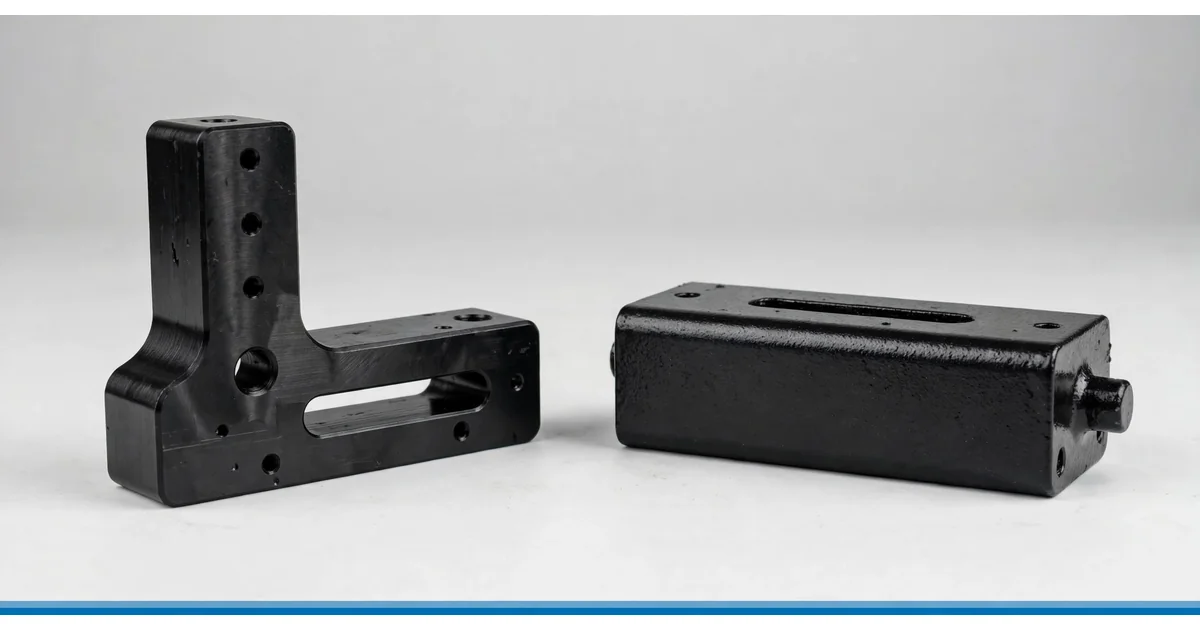
Cross-hole intersections are the hardest case: options are back-chamfering tools, abrasive brushes, thermal deburring, electrochemical deburring, or abrasive flow machining — chosen by volume and how critical the edge is.
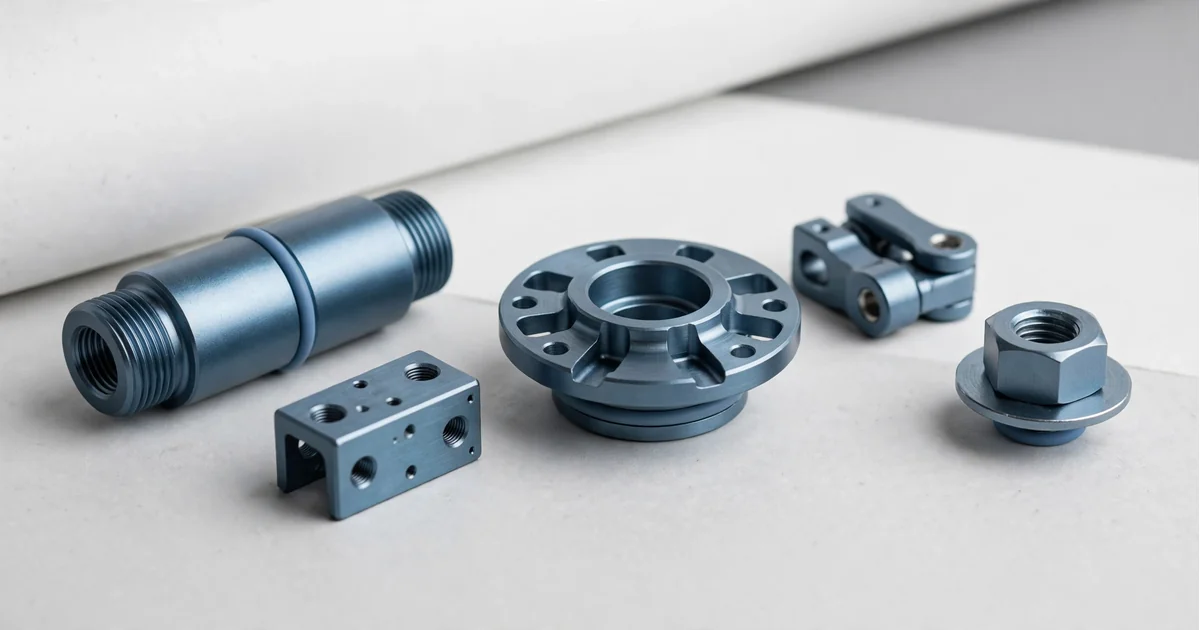
Deburring is built into our process, not an afterthought: programmed edge breaks in CNC cycles, manual finishing under magnification for critical edges, and media finishing for uniform cosmetics across CNC machined parts, turned parts y micro machined parts. Every part ships to your edge-condition spec — ISO 13715 callouts welcome. Send your drawing for a 24-hour quote.

Escrito por Andy, ingeniero de fabricación en TUOWEI Precision. Andy está especializado en mecanizado CNC, fabricación de precisión e ingeniería de producción, y cuenta con experiencia práctica en el apoyo a proyectos que abarcan desde la creación rápida de prototipos hasta la producción a gran escala. Trabaja en estrecha colaboración con los equipos de ingeniería y fabricación para evaluar materiales, tolerancias, procesos de mecanizado y la facilidad de fabricación de los diseños. Sus artículos ofrecen información práctica y con base técnica para ayudar a ingenieros y compradores a tomar mejores decisiones de fabricación, optimizar la eficiencia de la producción y lograr una calidad constante de las piezas. Descubre las soluciones de mecanizado CNC y fabricación a medida de TUOWEI Precision para tu próximo proyecto.
Desde prototipos rápidos hasta la producción a gran escala, Tuowei Precision ofrece un mecanizado CNC fiable, con precisión y uniformidad en cada paso. Empieza tu proyecto hoy mismo.
Lee nuestras últimas guías sobre mecanizado CNC, materiales, acabados y tendencias del sector para tomar mejores decisiones de producción.