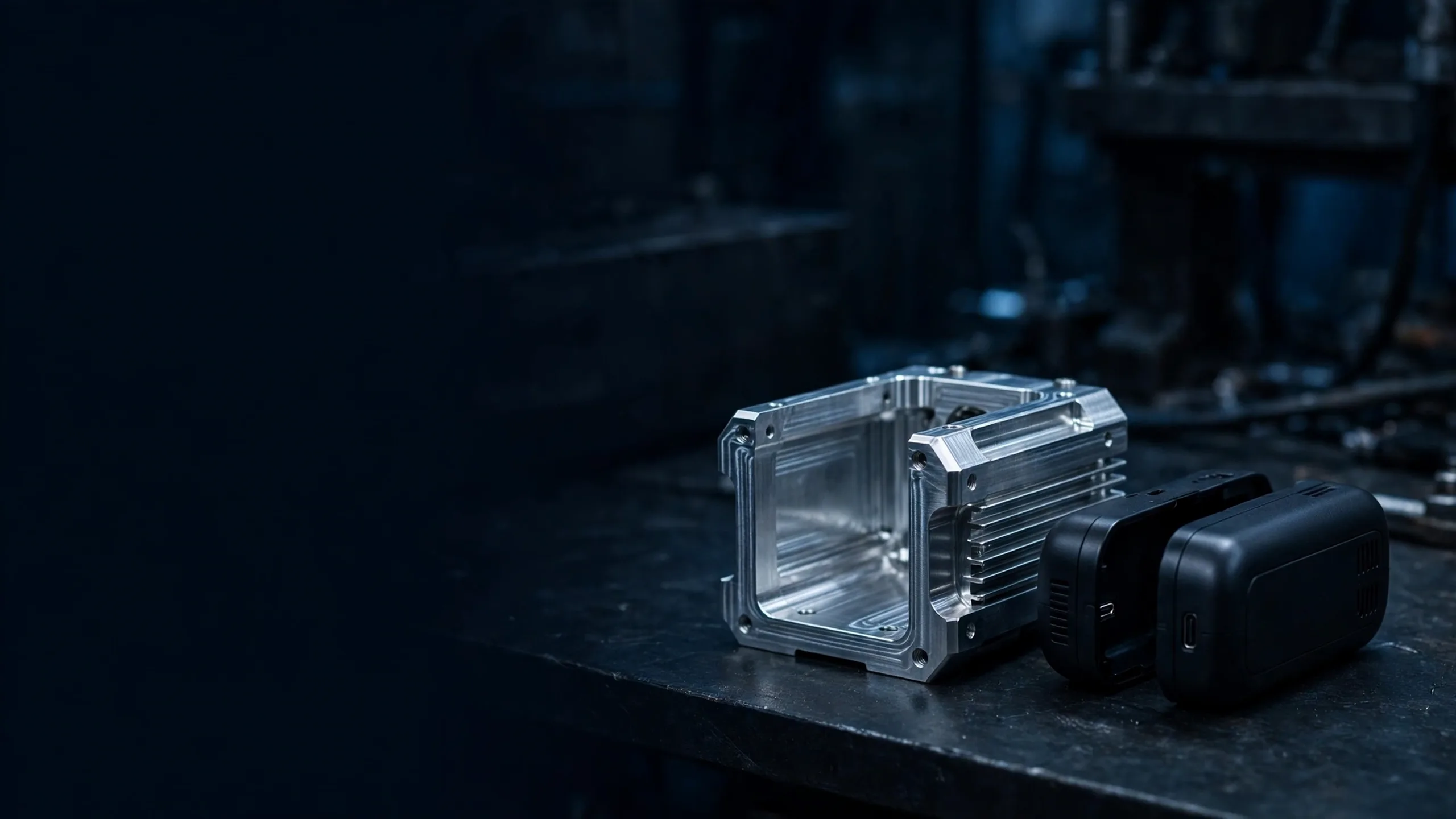
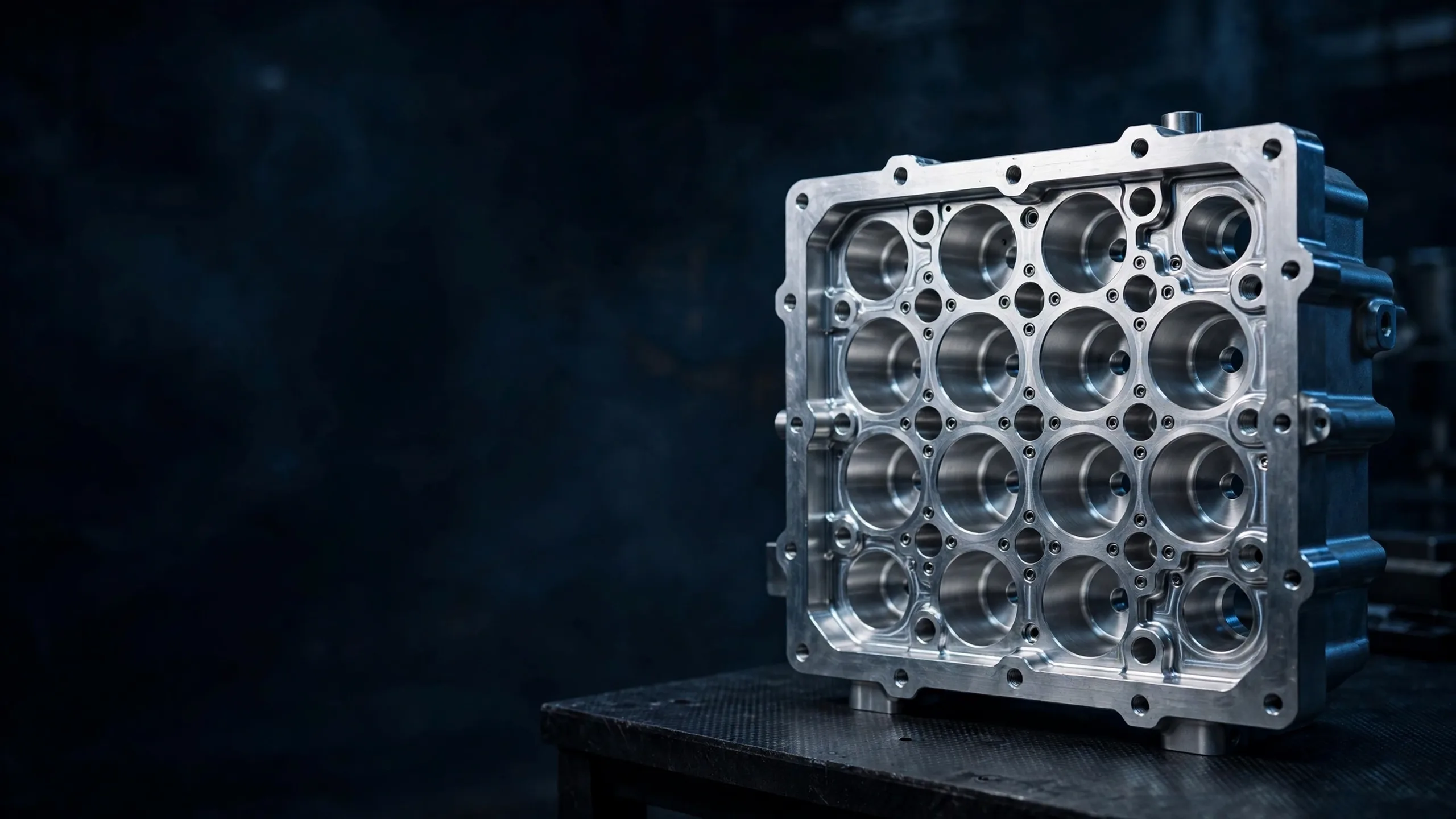
Tuowei Precision turns consumer electronic product designs into real parts: device housings, heat sinks, bezels, buttons and internal brackets. Our consumer electronics prototyping service starts at a single piece, and the same Shenzhen team takes your electronic products through validation into mass production with CNC machining, injection molding, die casting and sheet metal.
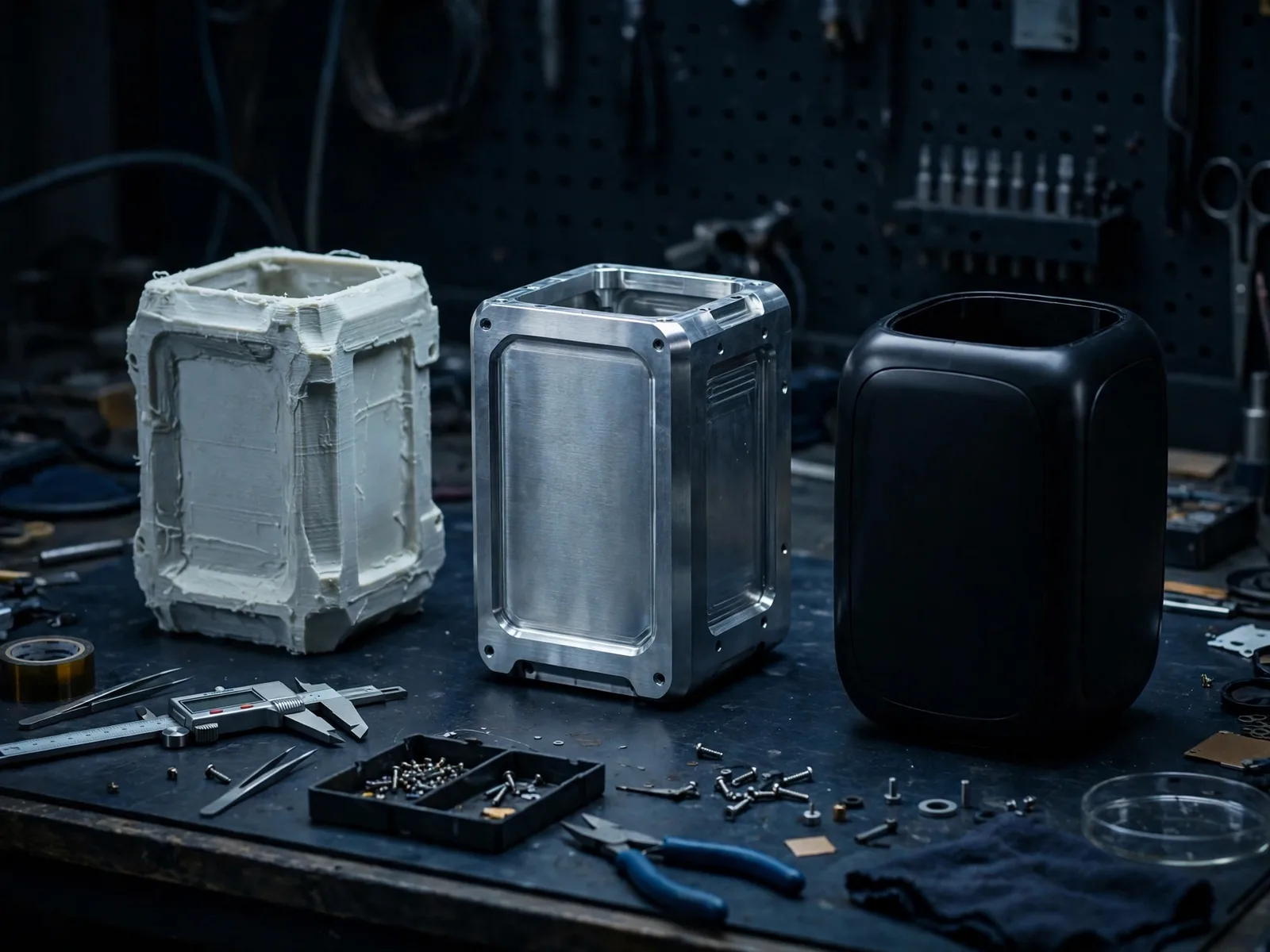
A consumer product is judged in the first ten seconds. Buyers feel the weight of the housing, run a thumb along the seam, press a button and notice whether it clicks cleanly. That is why manufacturing in the consumer electronics industry is harder than it looks: the parts must look premium, fit a crowded printed circuit board (PCB), stay cool, and still be cheap enough to sell at retail.
We work with hardware startups, IoT device makers and established consumer electronics companies developing a new product or refreshing an old one. Some arrive with a proof of concept built on an Arduino board and a 3D printed shell. Others send a finished CAD model and need production quotes for 20,000 units. In both cases our engineers run a design for manufacturability (DFM) review first, flag design flaws such as thin walls, undercuts or tolerances tighter than the function needs, and recommend the manufacturing process that helps reduce costs without hurting the look. The goal is a manufacturable design early in the design phase, when changes are still cheap.
One honest trade-off up front: the process that is fastest for a prototype is rarely the cheapest at volume. A machined aluminum housing is perfect for 10 units and expensive for 10,000. We plan that switch with you early, so the prototype you test is close to the part you will actually sell.
Our facilities in Shenzhen bring CNC machining, molding, casting, fabrication and finishing under one roof. These manufacturing capabilities let prototypes and production parts follow the same quality checks and a shorter supply chain.
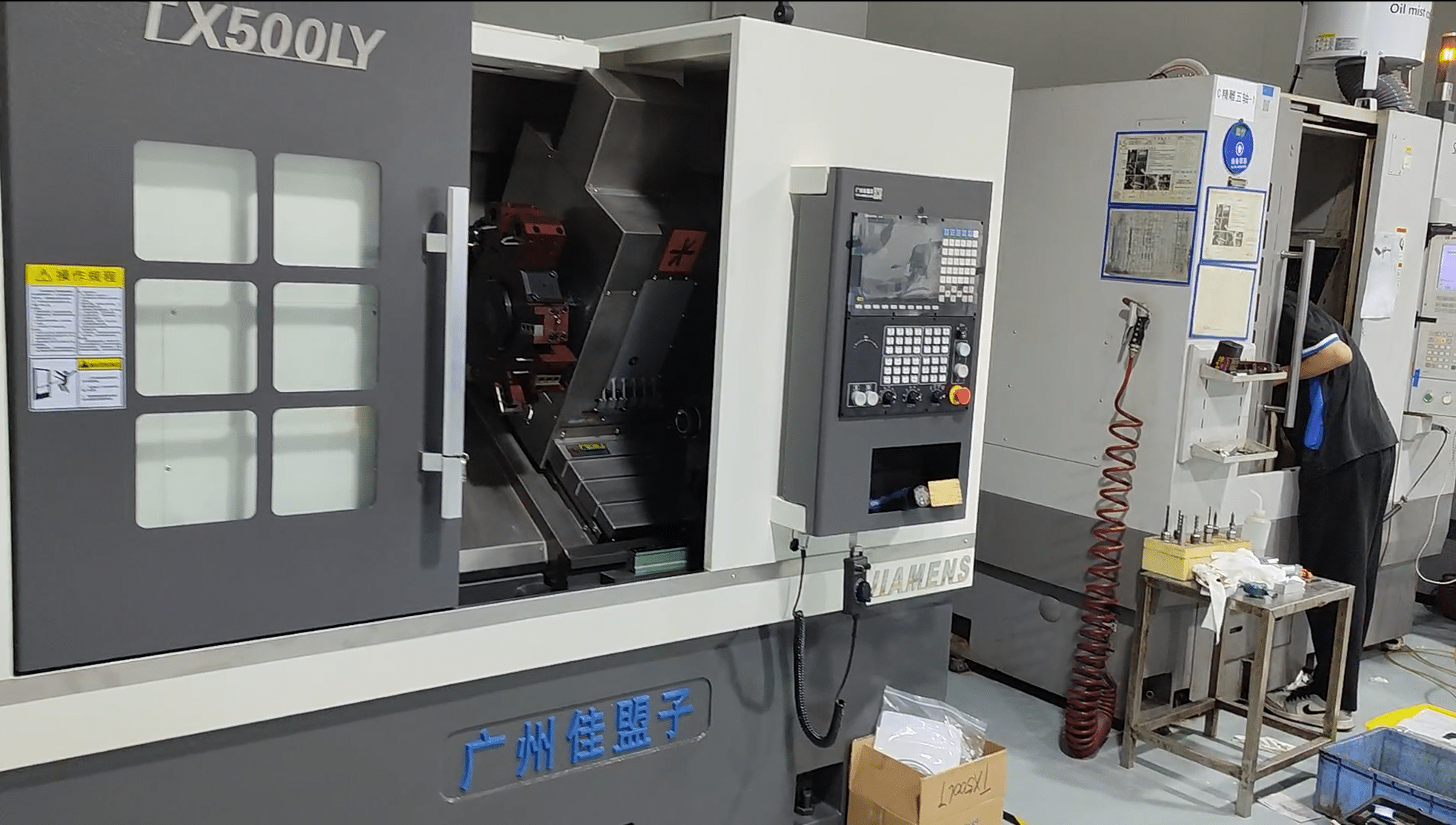
高科技设备,可进行精确、高效的数控制造。.

专用空间采用最先进的数控技术进行简化生产。.
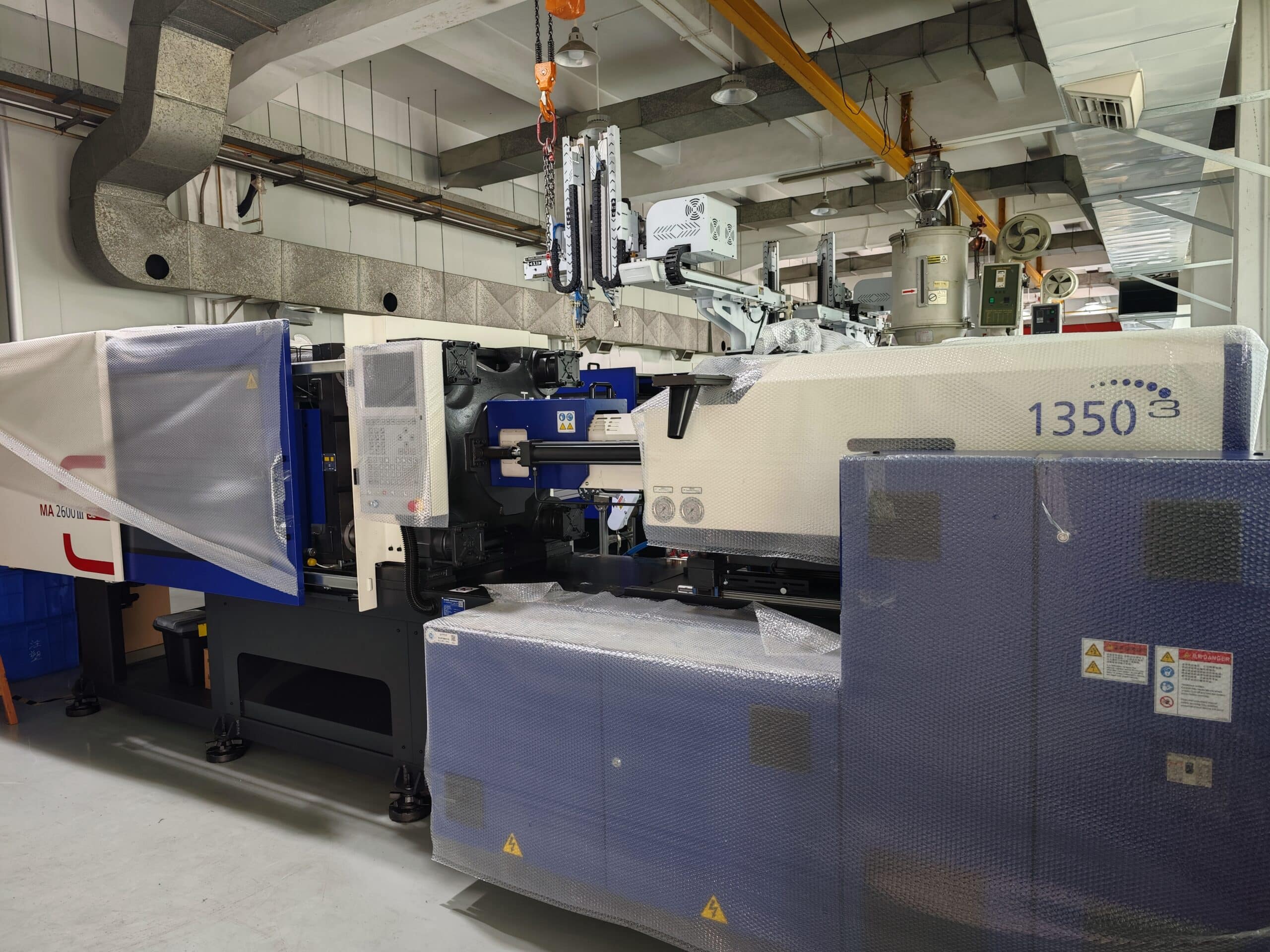
配备有复杂的数控组件制造和装配设备的集中设施。.

全自动车间可进行精确、快速的数控加工操作。.

动态空间经过优化,可提供顶级数控加工性能。.
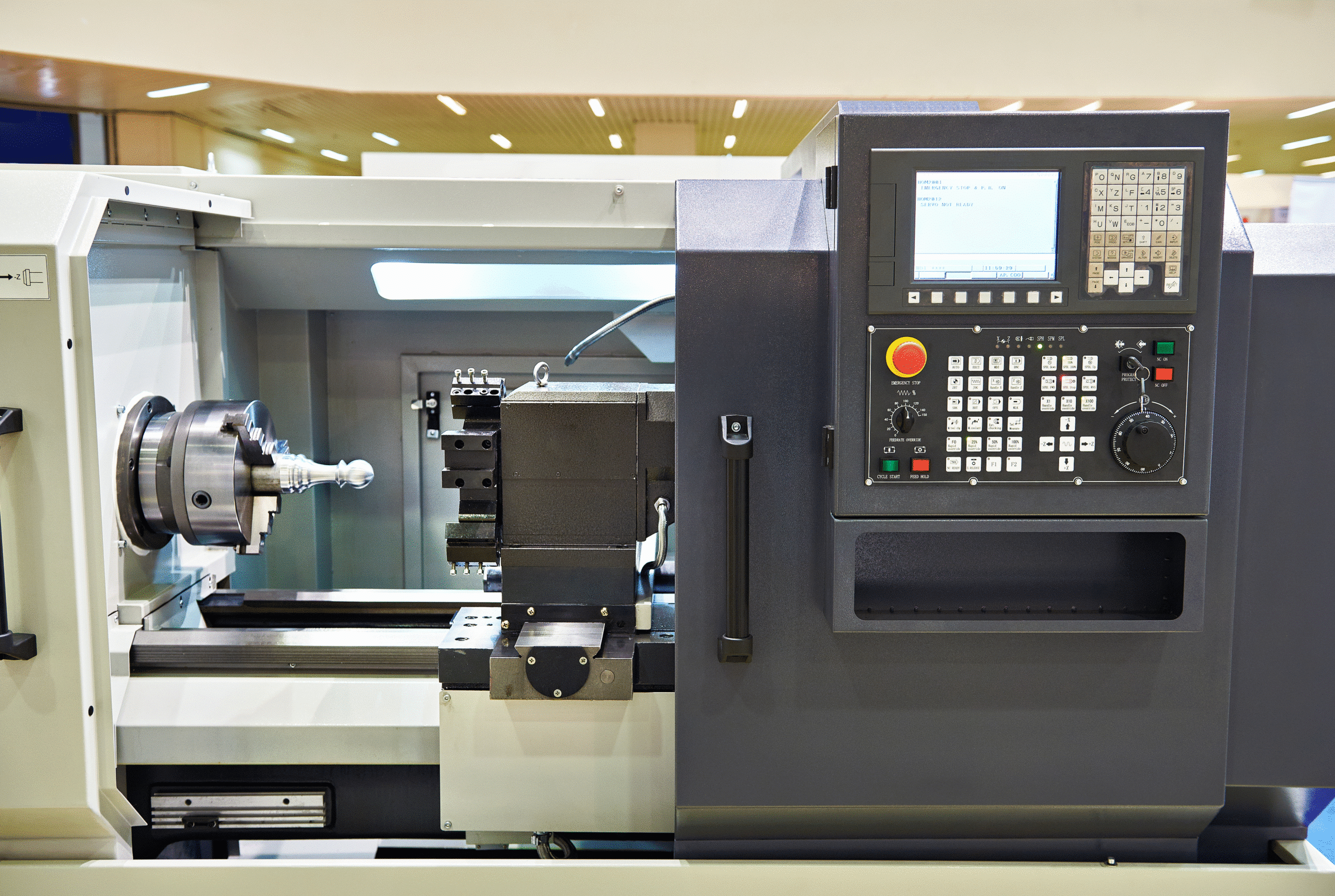
综合设施集成了 CNC 流程,实现了无缝制造工作流程。.
Take a closer look at our 设施.
We turn early concepts and CAD files into physical prototype parts in production-grade aluminum and engineering plastics, so you can judge size, weight, feel and fit before you spend money on a mold.
Functional prototypes check that the PCB, battery, display and connectors fit inside the housing and that the device stays cool under load. Changes are cheap at this stage, so this is where we push hardest to optimize the design for production.
Finished parts with the real colour, texture and coating go through drop, button life-cycle and appearance tests. You see the true finish before the product is released.
Pilot runs use production tooling and fixtures. We inspect the features that matter, report results, and confirm the design is ready for efficient production.
With processes locked, we scale into high-volume runs with consistent cosmetics from lot to lot, competitive cost and short lead times.
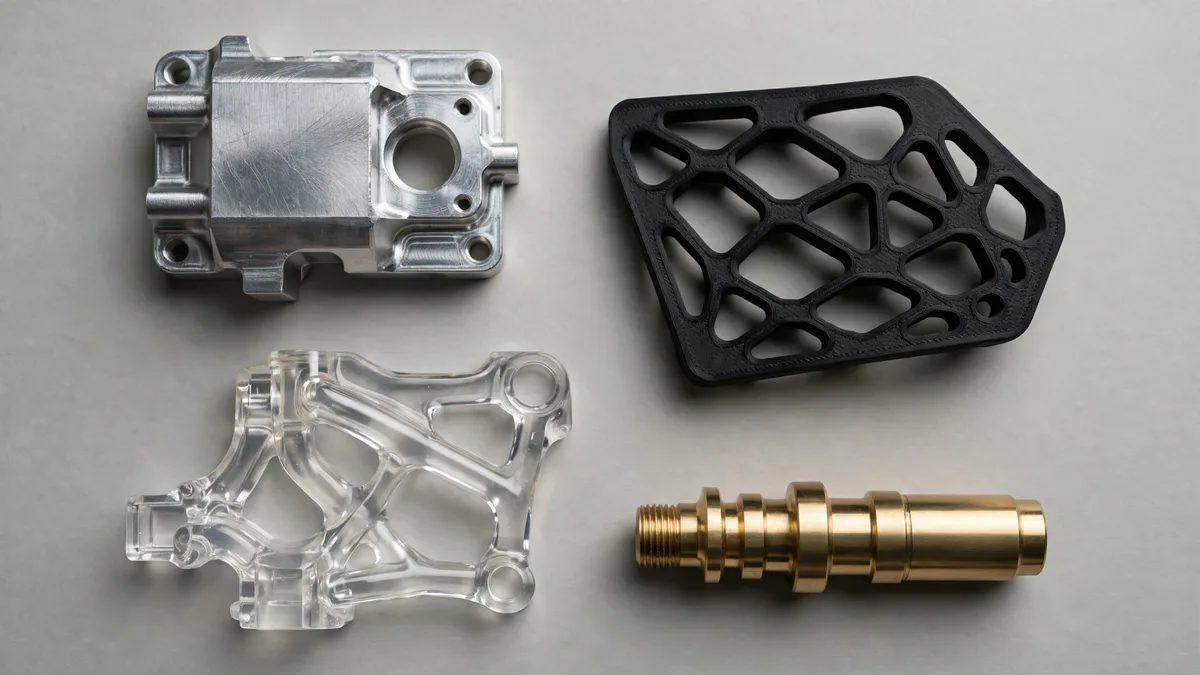
There is no single best rapid prototyping method. Each one answers a different question about your design, and most projects use two or three of them in sequence through the development process. Combining CNC machining and 3D printing is the most common pair because it gives design flexibility and real-material testing.
SLA and other 3D printing technologies give the fastest prototype of a concept, often printed overnight on an industrial printer. They are ideal for ergonomics checks and early form studies in the design process. The limit is material: a printed part does not behave like a molded ABS or PC housing in a drop test. See our 3D printing service for materials.
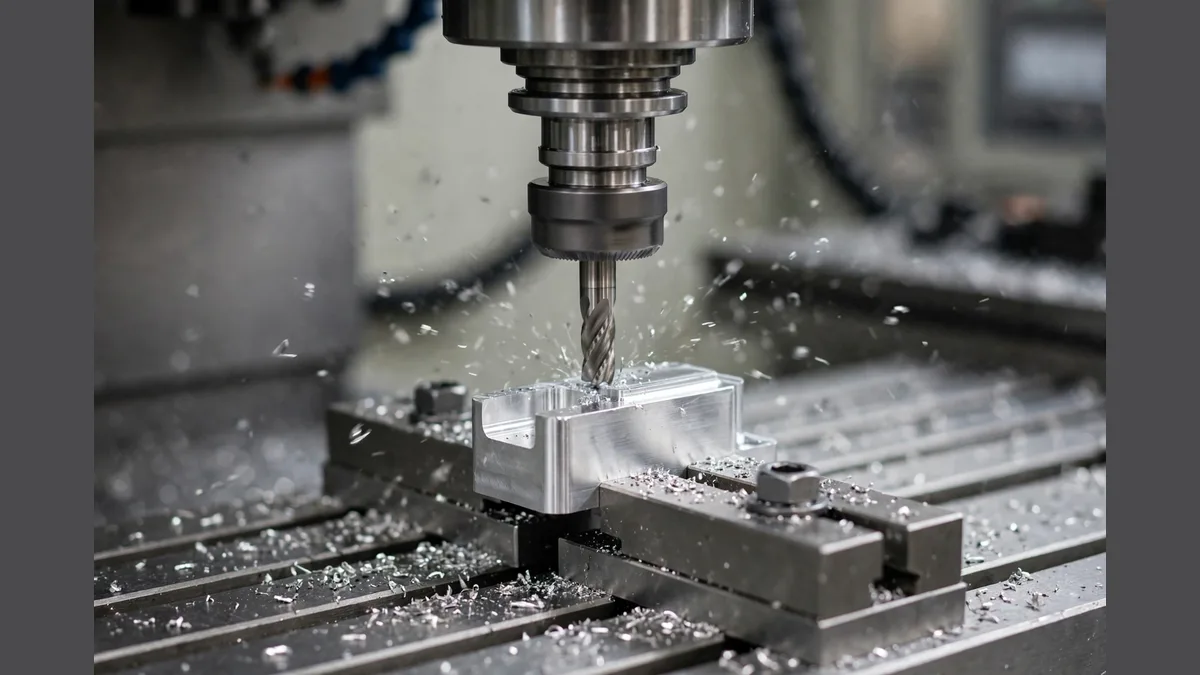
CNC machining produces a functional prototype from real aluminum, stainless steel and plastics like PC and PEEK. Machined parts hold tight tolerances, take anodizing and other finishes, and can be tested as real parts. They cost more per piece than printed parts, but they answer the question "will this work?" with confidence.
Vacuum casting copies a master pattern into polyurethane parts that mimic ABS, PP or rubber-like elastomers. It suits 10 to 50 prototype housings for user trials, marketing photos, trade shows such as the Consumer Electronics Show, or crowdfunding samples. Simple single parts can ship in under 5 days. Learn more about 真空铸造.
Aluminum prototype molds give real injection molded parts before you commit to hardened steel tooling. It is the right step when you need several hundred parts in the final resin for certification or a pilot launch.
Our full 快速成型 page compares these prototyping services in more detail, including lead time for each. The practical advice: print early to test the shape, machine to test function, then move to a production tool only after design change requests slow down. That approach can accelerate your product to market.
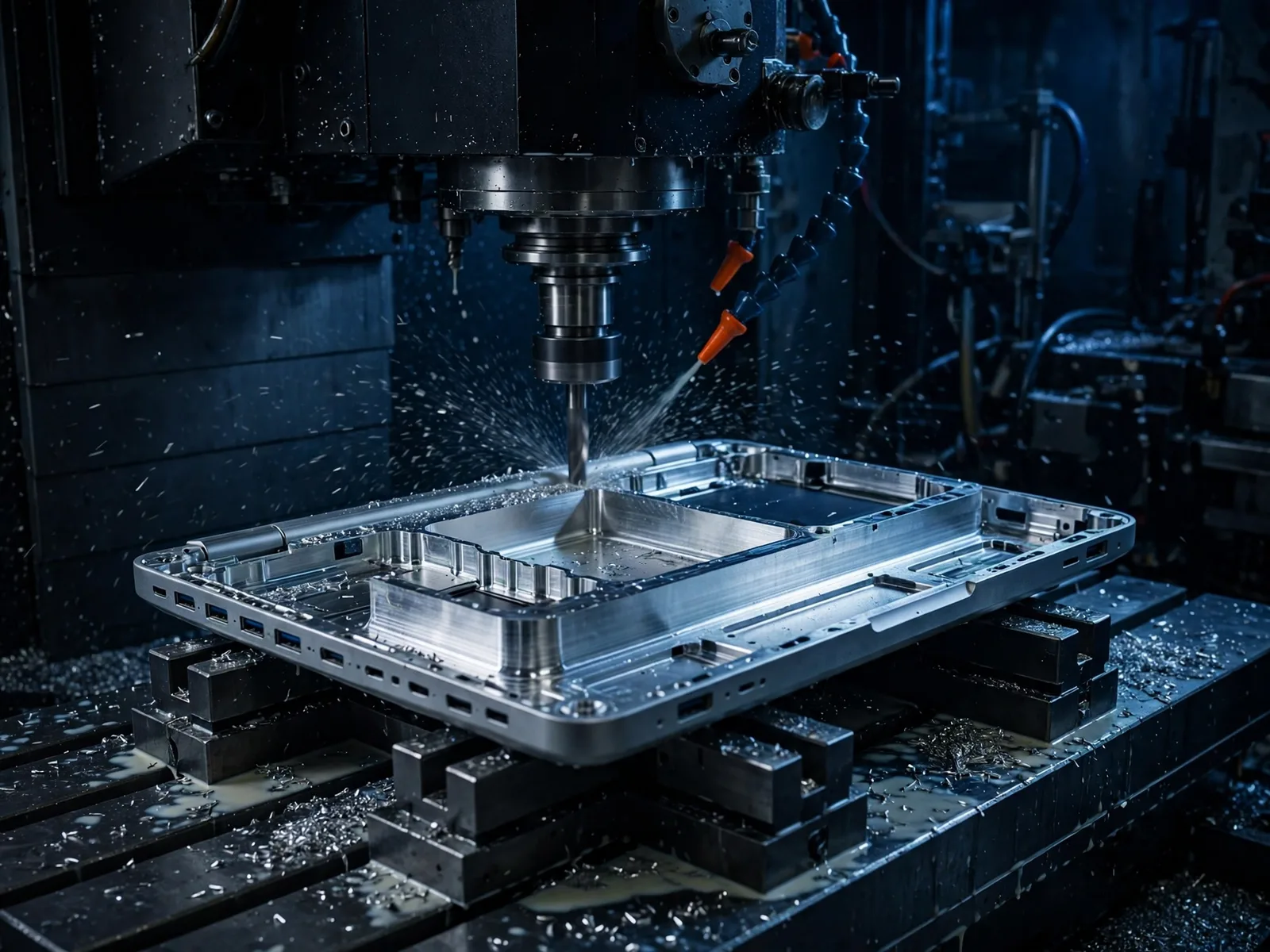
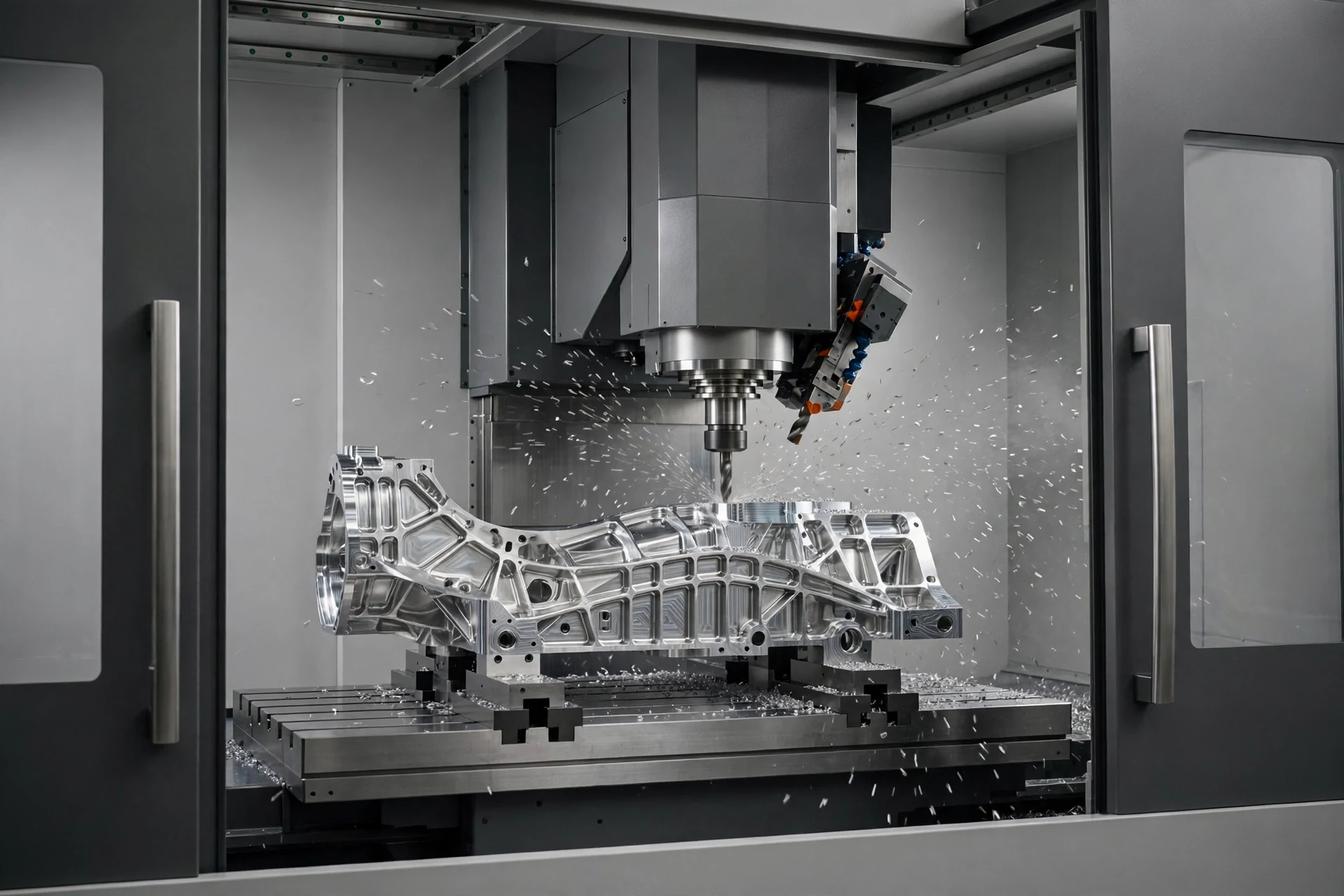
Consumer electronics CNC machining covers the premium parts customers touch and the hidden parts that hold the product together. Aluminum CNC machining is the standard for unibody laptop and tablet housings, camera bodies, speaker grilles and wearable cases, because aluminum is light, stiff, and anodizes to a clean, even colour.
As a CNC consumer electronics parts manufacturer, we machine small parts with tolerances down to ±0.005 mm, especially in aluminum, brass and plastic. 5 轴数控加工 reaches curved edges, chamfers and side holes in one setup, so cosmetic surfaces are not marked by extra clamping. For round parts like knobs, buttons and connector shells, 数控车削 is faster and cheaper than milling.
What buyers often get wrong: specifying a cosmetic finish without saying which faces are cosmetic. Tell us the A-surfaces, and we protect them through machining, deburring and anodizing.
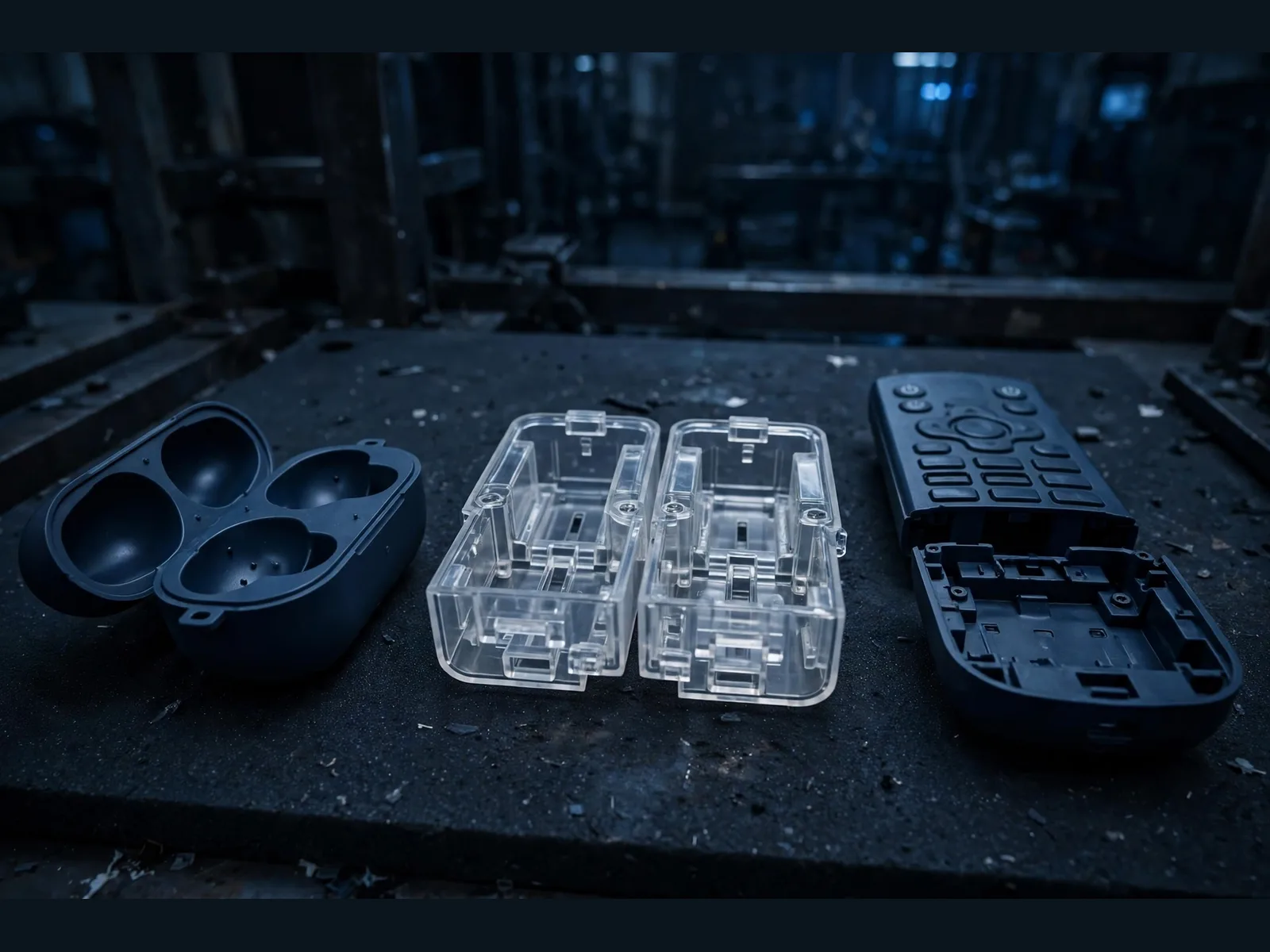
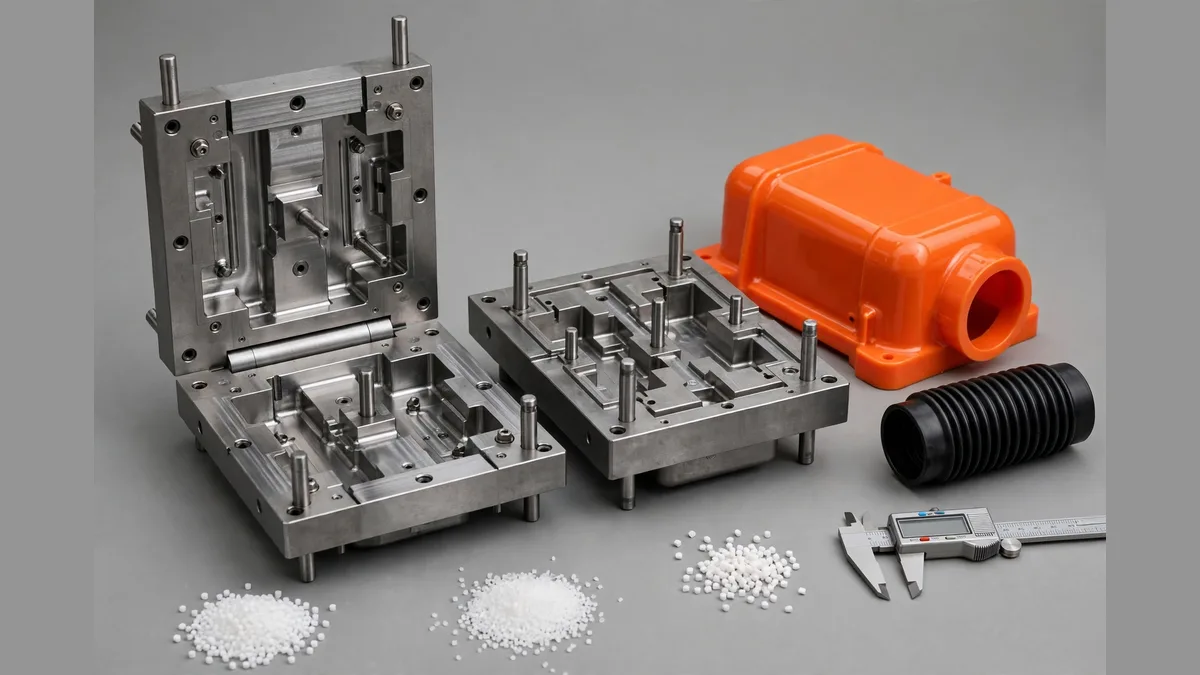
Most consumer electronics products end up in plastic: remote controls, smart home hubs, chargers, earbud cases and game controllers. Customized consumer electronics injection molding gives repeatable quality in each gadget, fine detail and low cost per part once the mold is paid for.
We mold ABS, PC, PC/ABS and nylon with aluminum and steel molds, and a free mold flow analysis comes with each tool. Overmolding adds soft-touch TPU grips to hard housings, and insert molding embeds brass threaded inserts so screws do not strip after a few repairs. Plastic parts for wearables use skin-safe materials such as TPU and PC, confirmed against your skin-contact requirements.
If you are comparing consumer electronics injection molding suppliers, ask how the mold will be maintained and who owns it. Our 注塑成型 page explains the molding process and design rules.
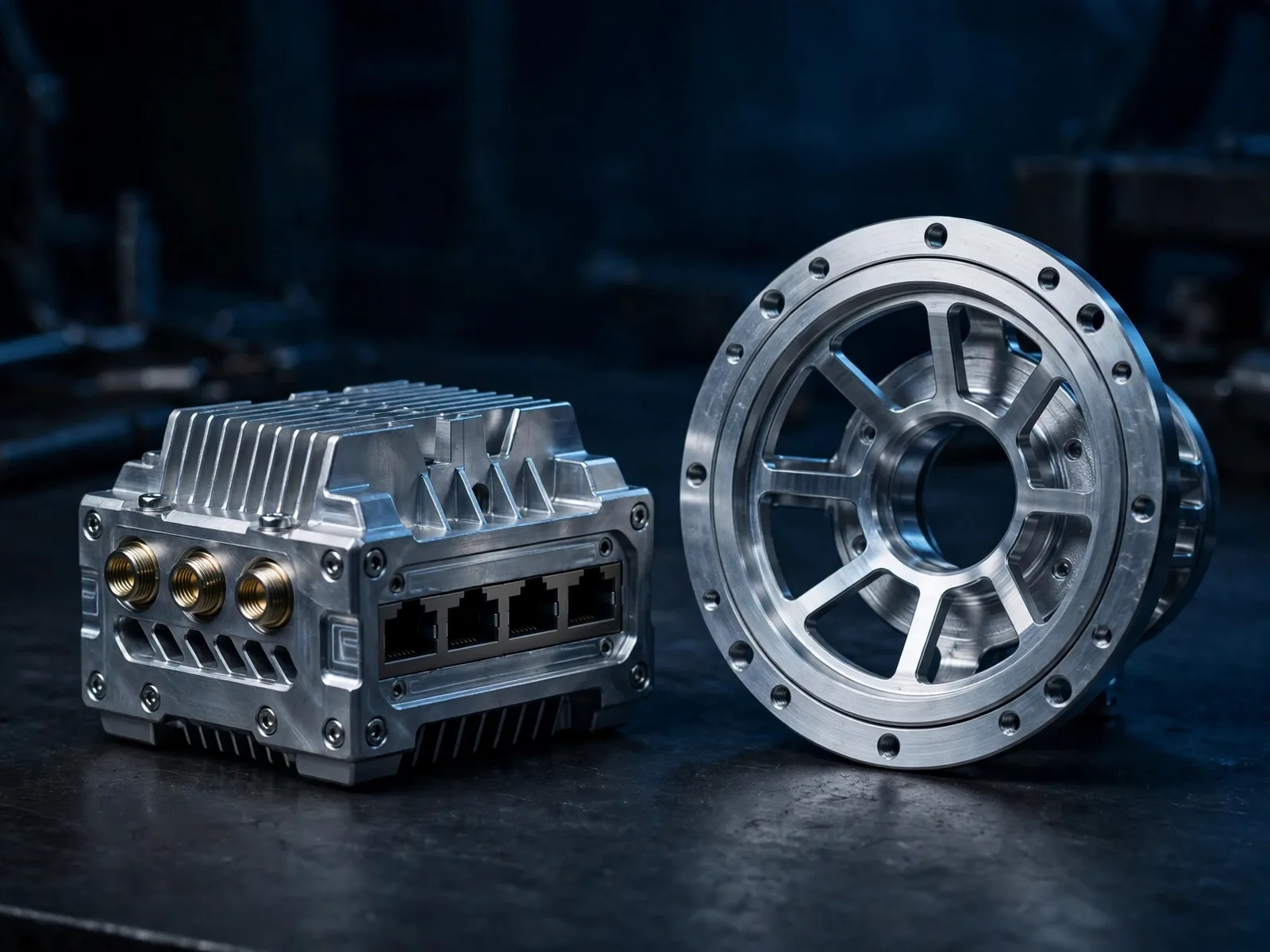
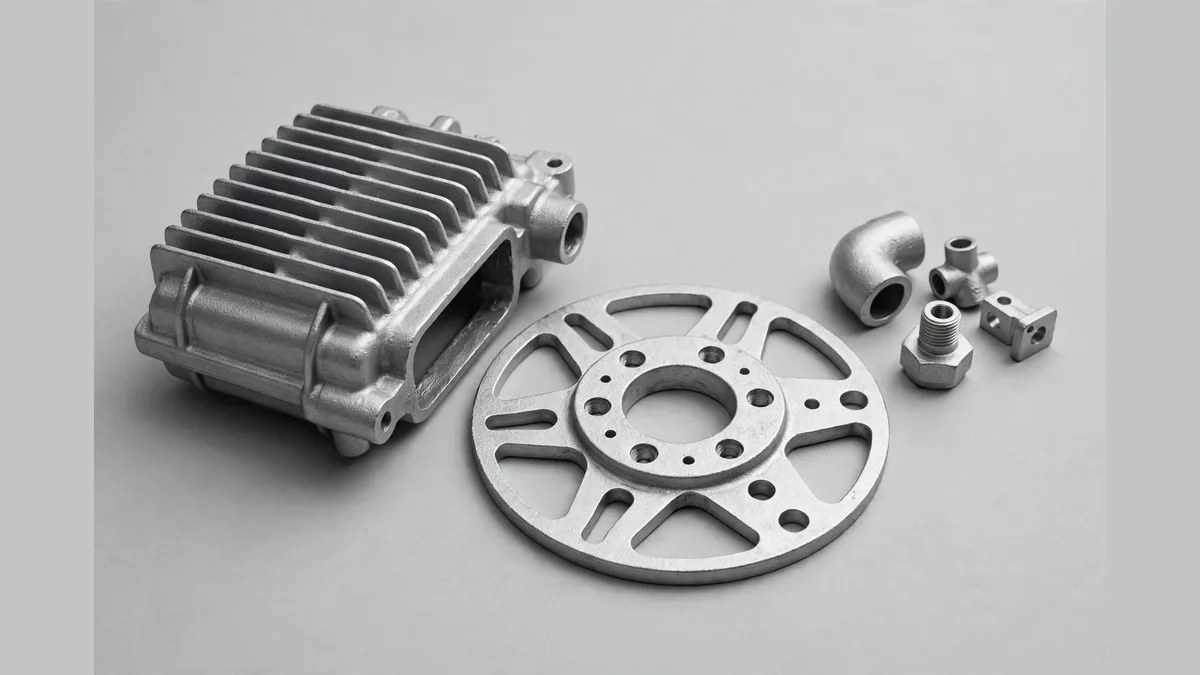
Die casting for consumer electronics makes sense when you need thousands of metal parts with thin walls and complex shapes, such as speaker frames, router housings, projector bodies and heat sinks with integrated fins. We cast aluminum alloys like A380 and ADC12, zinc alloys like Zamak 3 and Zamak 5 for small detailed parts, and magnesium for very light housings.
Die cast parts are then CNC machined on critical faces, screw bosses and connector openings. The trade-off: a casting die is a large upfront cost, so for fewer than a few hundred parts machining is usually cheaper. Our 压铸服务 page covers alloys and tolerances.
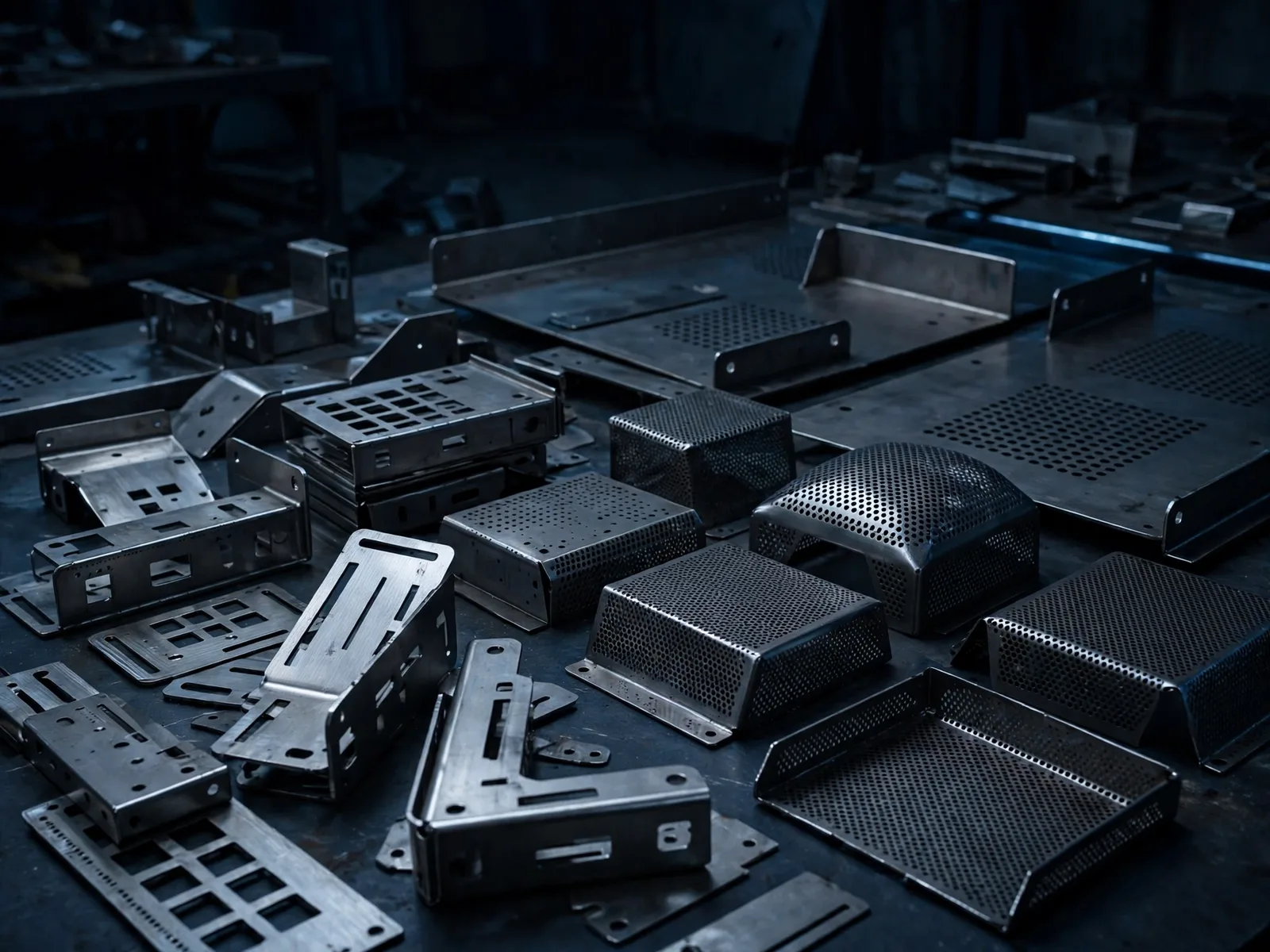
Consumer electronics sheet metal fabrication covers internal brackets, EMI shielding covers, chassis plates, battery holders and PC cases. Laser cutting, bending and welding turn aluminum, stainless steel and galvanized steel into accurate parts in as little as 3 days, with no strict minimum order. See our 钣金加工 服务。
We supply precise parts for smartphones, laptops, wearables, smart home devices, audio equipment and IoT products.
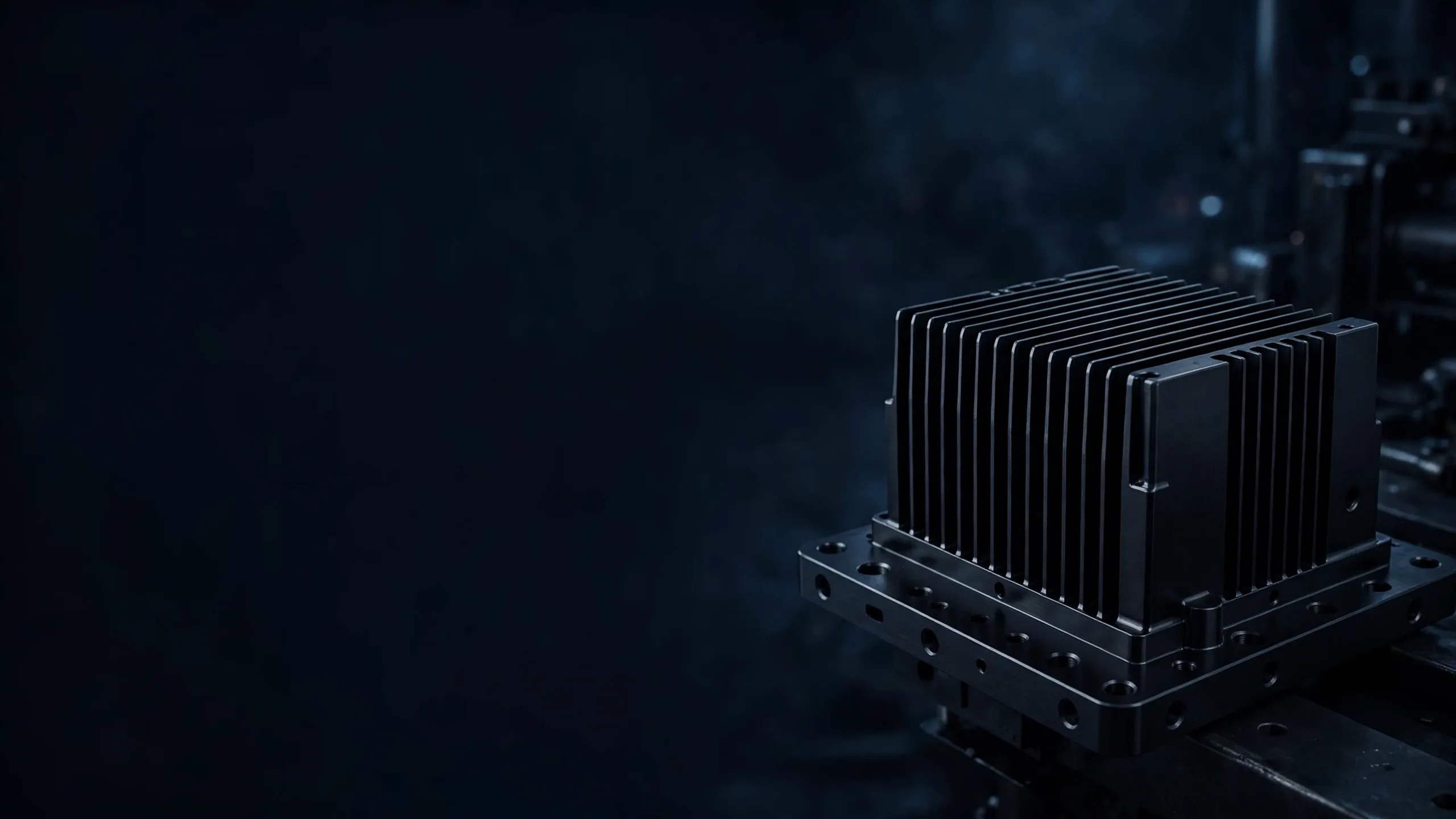
Phones, laptops, LED lights and power banks all fight heat. We make extruded, machined and die cast aluminum heat sinks with dense fins and flat mounting faces. As a heat sink manufacturer we pair extrusion with CNC machining so fin profiles, holes and threads come from one supplier.
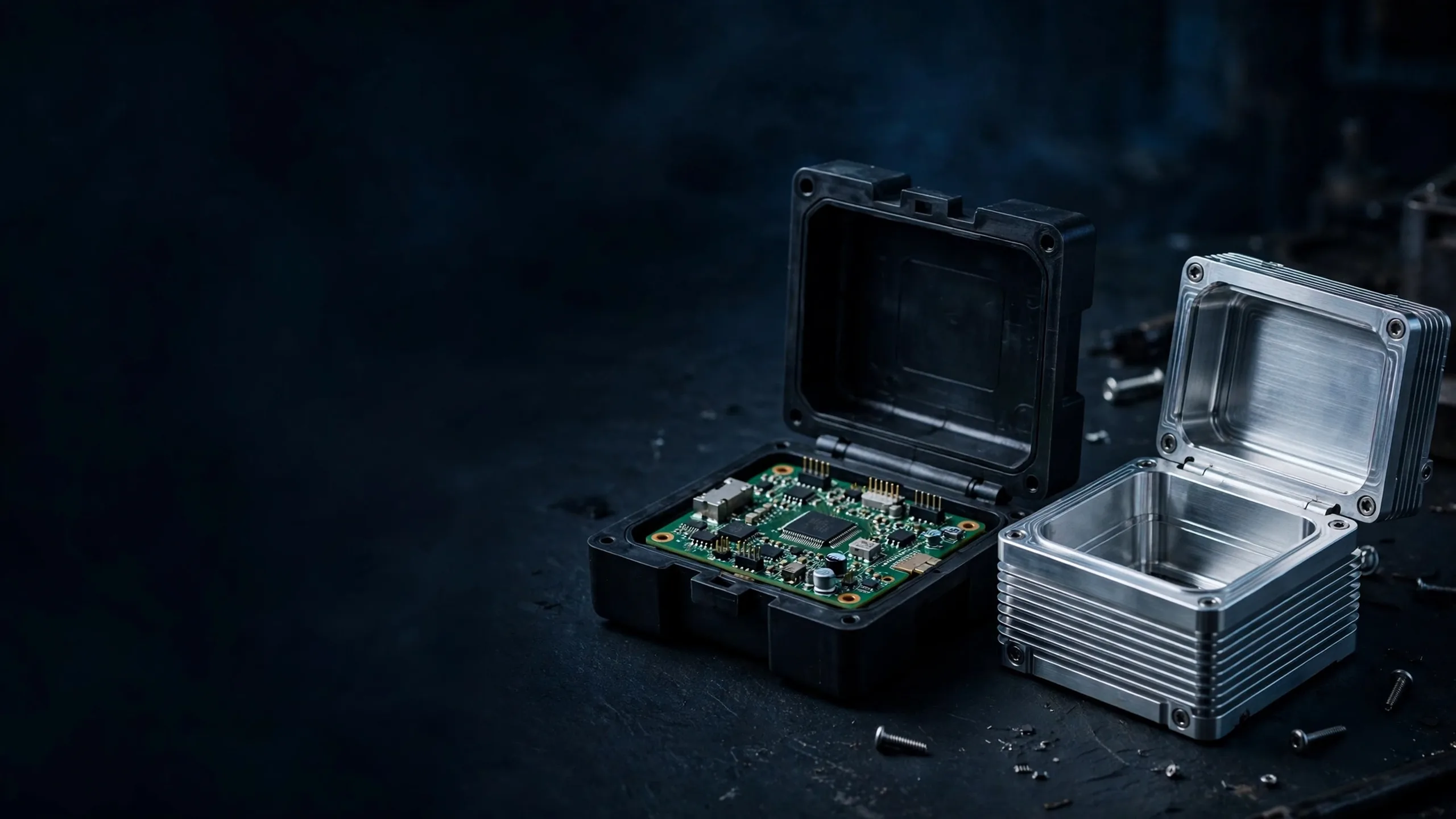
Device housings, speaker enclosures and PCB housings are the core of most electronic projects, from home automation hubs to sensor modules. Our 电子机箱制造 service covers machined aluminum, molded plastic, die cast and sheet metal enclosures.
We use lightweight metals and engineered plastics for enclosures, housings and electronic components. Material selection balances weight, stiffness, heat, cost and how the part will be finished.
Anodizing is the most popular finish for aluminium electronics parts because it adds colour and scratch resistance without hiding fine machining. Bead blasting before anodizing gives the soft matte look seen on many laptops. Laser etching adds logos and regulatory marks, and powder coating suits larger steel parts.
See all options on our 表面处理 页面。.
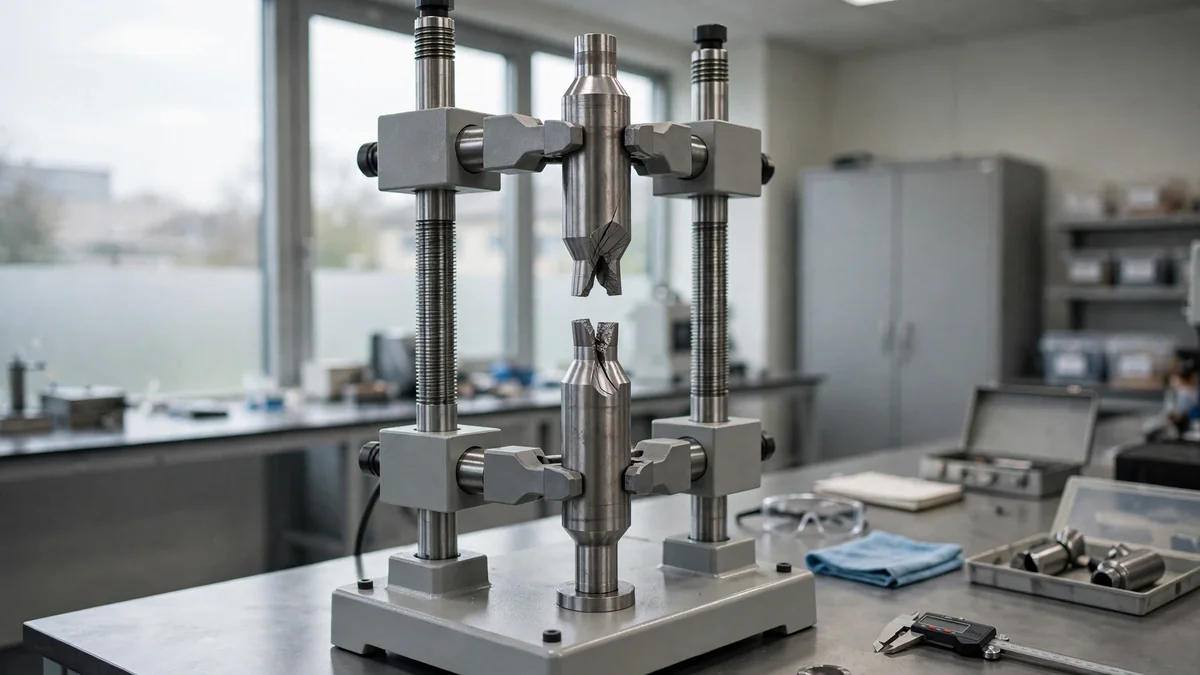
Cosmetic defects are the most common reason parts get rejected in this industry. A tiny scratch on an anodized face, a sink mark on a glossy housing or a colour shift between lots will fail an incoming inspection. We agree cosmetic standards and sample boards before production, then check dimensions with CMM inspection so small-part deviations are caught before anything ships. Our factory runs under ISO 9001:2015 and other certified systems listed on our 质量保证 页面。.