
Additive manufacturing gives defense programs parts without tooling: prototypes in days, lightweight UAV brackets, test fixtures and replacements for parts that are no longer in stock. Tuowei Precision can 3D print plastic and metal parts with SLA, SLS, MJF, FDM and DMLS technology, then machines, finishes and inspects them to your drawing.
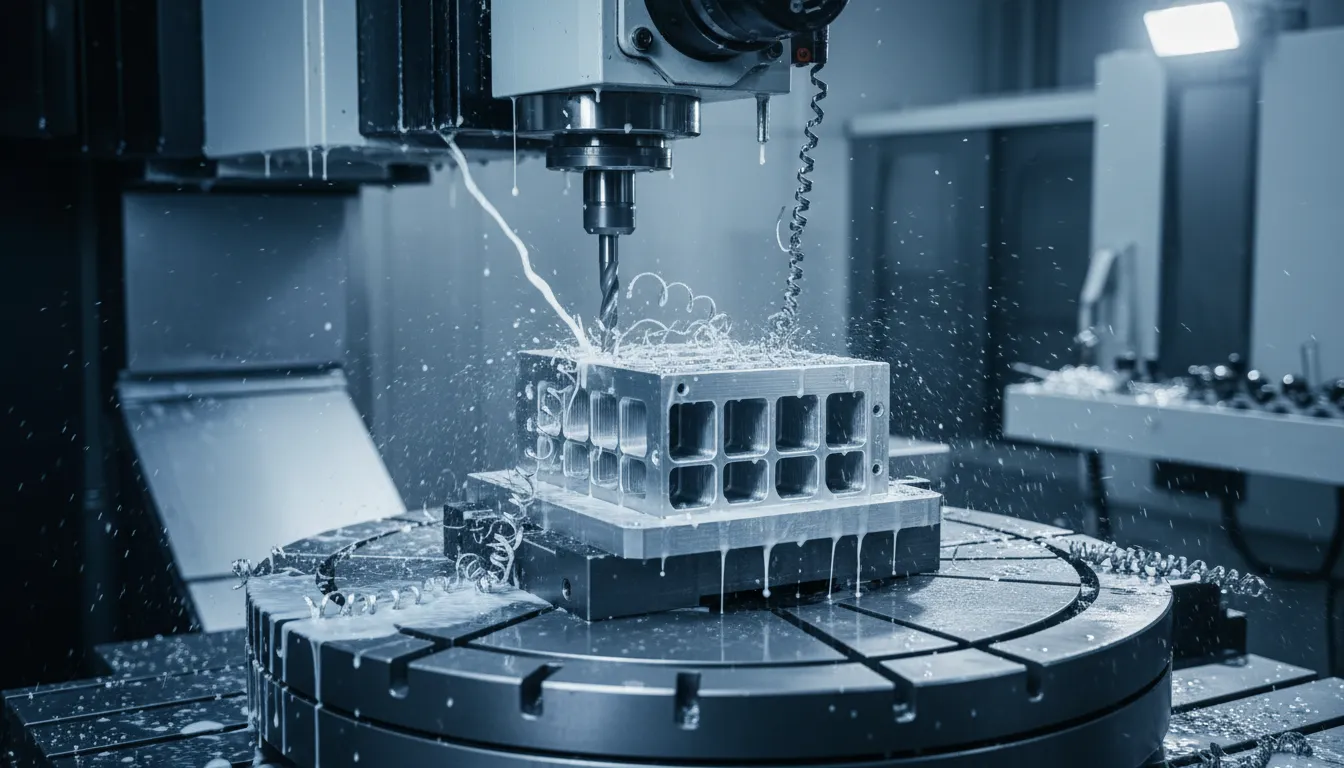
Conventional production needs a mold, a die or a long machining program before the first part exists. 3D printing builds the part layer by layer from CAD data, so the first part can be made as soon as the design is ready. For the defense sector, that changes three things.
These gains are real, but so are the limits. Printed parts can be anisotropic, metal parts need support removal and finishing, and qualification takes time. The best results come when additive and traditional manufacturing methods are used together, each where it fits.
We 3D print housings, mounts and brackets for fit checks and form testing before production machining starts. Defense contractors use printed models to test assembly and ergonomics early, when changes are cheap.
UAV makers use additive manufacturing for airframe brackets, sensor mounts, ducting and payload housings, where every gram counts. Nylon PA12 parts from MJF or SLS are light, tough and fast to iterate.
When a part for an older vehicle or system is out of production, a printed or printed-and-machined replacement can be made from a scanned or redrawn model. This use of 3D printing reduces downtime and keeps legacy platforms in service.
Teams 3D print drill guides, assembly fixtures, inspection gauges and soft jaws in hours, which frees CNC machines for production parts.
Complex sensor housings, antenna brackets and enclosures for satellite and naval programs benefit from internal features that are hard to machine. Printed parts also support field equipment, medical device prototypes and training aids.
Military branches have built 3D printing into their logistics. The U.S. Army runs printers close to the point of need for repair parts and has printed concrete barracks. The U.S. Navy uses 3D printing on ships and in shipyards for spare parts and submarine components. The Air Force and Air Force Research Laboratory use metal additive for aircraft sustainment parts and research and development. The common goal across the defense industrial base is the same: faster parts, fewer delays and a more resilient defense supply chain.
Most of these programs combine an in-house 3D printer fleet with outside suppliers. Contract printing services handle volume, materials and technologies that a depot does not run itself.
Commercial aviation led the way for defense. Aircraft makers proved that printed fuel nozzles, brackets and ducts could pass qualification, and the same thinking now drives additive manufacturing in the military. In 航空航天制造, lighter parts mean fuel efficiency and range; in defense, they also mean more payload on a drone or less weight for a soldier to carry.
Defense agencies see additive manufacturing as part of modernizing national defense systems. Digital manufacturing lets a qualified part file travel to any approved printer, which supports distributed manufacturing closer to where parts are needed. That improves defense capabilities when supply lines are long or under pressure. The use of additive manufacturing also speeds up the development of military hardware: design, print, test and revise in one week instead of one quarter. Using additive manufacturing this way, engineers can explore a wide range of applications before committing to tooling.
Adoption still has hurdles. Qualifying a new material or printer takes testing, standards for printed parts are still developing, and printer output can vary from machine to machine. Manufacturing costs per part are higher than molding at volume. Most programs therefore use 3D printing where it adds the most value: prototypes, complex low-volume parts, tooling and spare parts manufacturing.
Five additive manufacturing technologies cover most defense work, from plastics to metals. Each builds parts differently and suits different materials, accuracy needs and budgets.
| 技术 | Best defense use | 材料 | 典型精度 |
|---|---|---|---|
| FDM | Low-cost concept models, jigs | PLA、ABS、PETG、尼龙 | ±0.5%(最小值 ±0.5 毫米) |
| SLA | Detailed prototypes, fit models | 标准型、高韧性、柔韧性树脂 | ±0.1 毫米 |
| SLS | 功能性尼龙部件 | 尼龙 PA12、PA11、TPU | ±0.3 毫米 |
| MJF | UAV parts, short runs | 尼龙PA12及其混纺材料 | ±0.2 毫米 |
| DMLS / SLM | Metal brackets, lattices, housings | AlSi10Mg, stainless steel 17-4, 316L | ±0.1 毫米 |
Read more on our 3D打印服务 页面。.
Material choice decides what a printed part can do in the field.
Composite and high-temperature polymers are growing in the military sector, and new materials keep widening what printed parts can replace. For loaded parts, we review the material against your requirements before quoting.
| 系数 | 三维打印 | 数控加工 | 注塑成型 |
|---|---|---|---|
| 工具 | 无 | 无 | 需要模具 |
| 最佳数量 | 1–100s | 1–1000s | 1000s and up |
| 首件产品交货周期 | 天 | 天 | Weeks (tooling) |
| Complex internal features | 优秀 | 有限公司 | 有限公司 |
| Tight tolerances | 好 | 最好 | 非常好 |
Many defense parts use a hybrid route: print the near-net shape, then machine bores, sealing faces and threads to tight tolerances. For high-precision parts, see our precision machining for defense 页面。.
A printed part is only useful if it is consistent and repeatable from build to build. Defense buyers should plan qualification early:
Our quality system is certified to ISO 9001:2015 and AS9100D, and every order can ship with inspection reports and material certificates.
We run additive manufacturing alongside CNC machining, sheet metal, molding and finishing in one Shenzhen facility, so design and manufacturing share one manufacturing toolkit. That means a printed prototype can move to machined or molded production without changing suppliers, and printed parts can be machined, anodized or painted in-house. For complete builds, see our defense contract manufacturing service, or visit our defense manufacturing 页面。.
Additive manufacturing is becoming a standard tool for defense and aerospace work, but it does not replace every process. Use it where geometry, speed or low volume make it the best choice, and 3D print only what adds value.