需要专业的加工解决方案?拓维 Proto 团队可满足您的所有加工需求。现在就联系我们,为您正在进行或即将进行的项目报价!
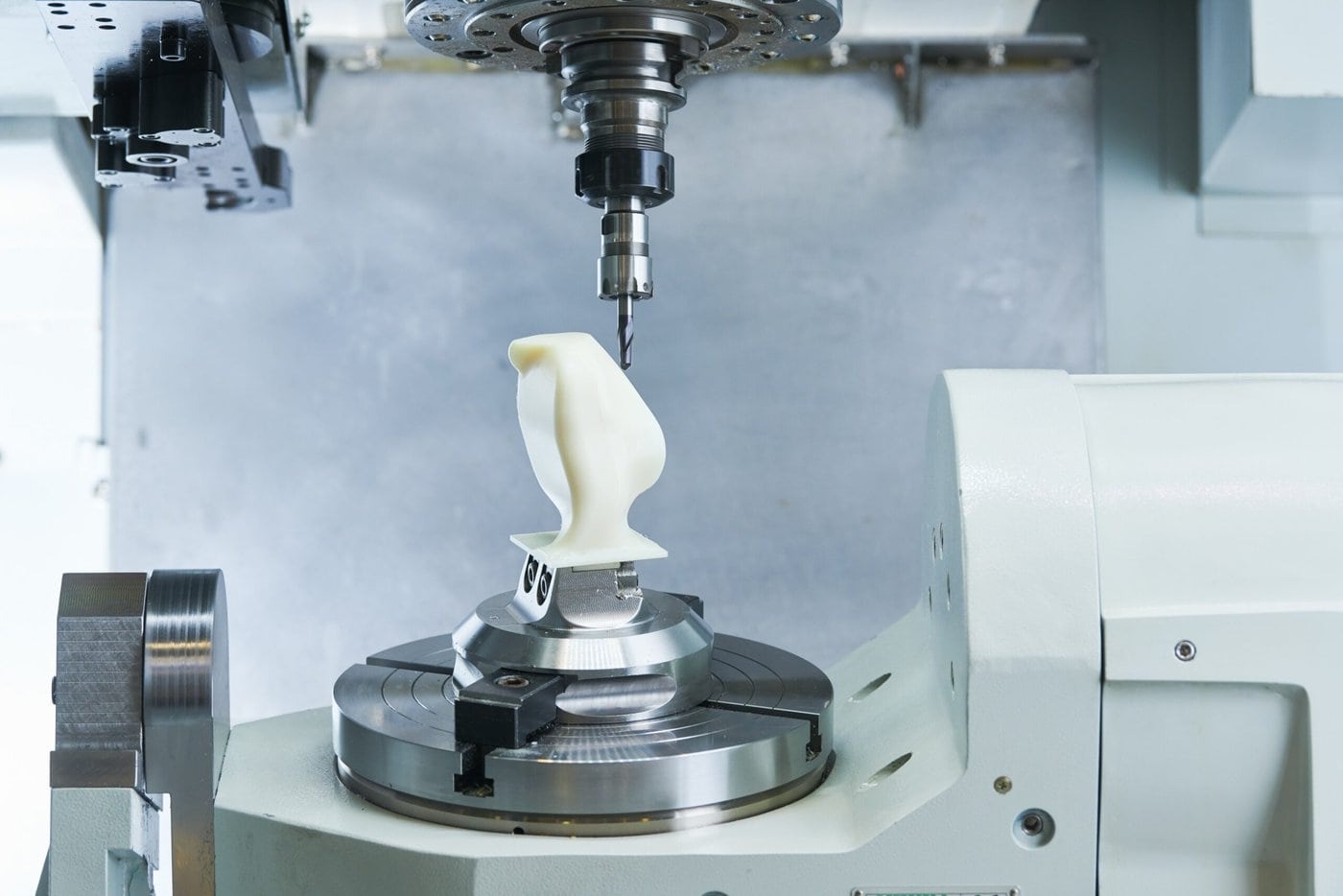
Master PEEK CNC machining for high-performance polymer parts. Discover expert tips, machine processes, and design guidelines to optimize your plastic components.
Welcome to the ultimate resource for producing reliable components using advanced engineering plastic. This comprehensive guide explores expert techniques for shaping polyether ether ketone, a premier high-temperature polymer prized for exceptional dimensional stability, outstanding chemical resistance, and robust mechanical strength PEEK plastic applications are prevalent across demanding industries.
Polyether ether ketone is a semi-crystalline thermoplastic renowned for exceptional mechanical properties and thermal resistance. When producing a precision PEEK part, manufacturers rely on this advanced engineering plastic for its stiffness, superior wear resistance, and ability to endure extreme thermal environments without structural deformation.
The high-performance nature of this polymer stems from its unique molecular backbone, offering incredible tensile strength and low friction. Whether utilizing unfilled PEEK or carbon-filled variants, engineers benefit from reliable electrical insulation, excellent chemical resistance, and minimal moisture absorption, making it superior to traditional materials like nylon in harsh operating conditions.
Because of its medical-grade purity and lightweight durability, this advanced polymer drives innovation in aerospace, automotive, and healthcare sectors. From intricate prototype designs to mass-produced components, professionals leverage specialized 数控加工 for PEEK plastic. PEEK CNC machining to create reliable valves, bearings, and structural elements that demand uncompromising reliability under heavy loads.
PEEK CNC Machining at a Glance
PEEK, short for polyether ether ketone, is a high-performance, semi-crystalline thermoplastic. CNC machining removes material from PEEK rod, plate, or other suitable stock to create components with the required geometry and dimensions.
The material is useful in applications where standard plastics may not maintain the required mechanical or thermal performance. However, PEEK is not automatically the best choice for every plastic component. Its material cost, machining requirements, and grade-specific properties should be evaluated against the actual operating conditions.
| 物业 | Typical unfilled PEEK information | 为何这很重要 |
| Polymer type | Semi-crystalline thermoplastic | Influences mechanical and thermal behavior |
| 密度 | Approximately 1.30 g/cm³ for Victrex PEEK 450G | Helps estimate component weight |
| Glass transition temperature | Approximately 143°C onset for the cited grade | Indicates a major change in polymer behavior |
| Melting temperature | Approximately 343°C for the cited grade | Identifies the crystalline melting transition |
| Tensile modulus | Approximately 4.0 GPa for the cited grade | Indicates stiffness under tensile loading |
| 耐化学性 | Resistant to many chemicals | Supports selection for demanding environments |
| Electrical properties | Naturally electrically insulating in unfilled grades | Useful for selected electrical and electronic components |
Executing a successful machining process requires careful attention to key operational elements. To ensure tight tolerance levels, prevent unwanted deformation, and achieve a flawless surface finish on every custom component, skilled machinists rely on:
Advanced CNC milling operations allow manufacturers to produce complex geometries with exceptional accuracy and repeatability. By utilizing specialized cutting strategies tailored for high-performance plastics, shops can fabricate intricate features, pockets, and contours while maintaining the strict dimensional stability required for critical engineering applications.
Achieving superior results when working with this specialized engineering plastic depends heavily on several key factors, including:
Operators must carefully balance material removal rates with thermal control to minimize tool wear, eliminate burrs, and guarantee that the final manufactured components meet exact specifications.
Mastering the machining process for high-performance components requires a deep understanding of polyether ether ketone behavior under stress. When producing any custom PEEK part, maintaining tight tolerance levels depends heavily on controlling internal stress through careful thermal management and proper cooling techniques.
Experienced machinists working with this advanced engineering plastic must constantly monitor heat buildup to prevent unwanted dimensional instability, warping, or premature deformation during prolonged milling operations on a modern CNC machine.
Selecting the correct tool geometry is essential for successful plastic machining when shaping high-temperature thermoplastics. Operators should exclusively utilize sharp carbide tools with polished flutes to minimize frictional heat and prevent material from melting onto the cutting edges during aggressive removal rates. Utilizing specialized tooling designed specifically for engineering plastic offers the following advantages:
· Ensures clean cuts
· Reduces tool wear
· Helps maintain the exceptional mechanical strength and structural integrity of the finished component
Achieving an exceptional surface finish on a machined PEEK component involves optimizing spindle speeds, feed rates, and depth of cut. Because polyether ether ketone is prone to scratching and thermal marking, using compressed air or water-soluble coolants helps evacuate chips efficiently while keeping temperatures low.
Proper finishing techniques enhance the inherent wear resistance and low friction properties of the polymer, ensuring optimal performance in demanding aerospace, automotive, and medical applications.
Working with this high-performance polymer often presents unique challenges, including burr formation, edge chipping, and dimensional spring-back after material removal, which are critical to address in CNC machining PEEK.
To overcome these obstacles, technicians rely on rigid fixture setups, optimized workpiece clamping, and multi-pass milling strategies that gradually relieve internal stress. Implementing these proven best practices guarantees high-precision results, reduces scrap rates, and ensures that every manufactured element meets the rigorous quality standards expected in critical industries.
Evaluating polyether ether ketone against alternative materials helps engineers select the ideal polymer for extreme operating environments. While standard engineering plastics serve well in basic applications, high-temperature grades offer vastly superior chemical resistance, thermal stability, and mechanical properties under heavy loads. Understanding how these advanced thermoplastics compare in terms of longevity and reliability allows design teams to make informed decisions for mission-critical components.
When comparing polyether ether ketone to traditional nylon, several critical performance distinctions emerge immediately. Nylon tends to absorb significant moisture from the surrounding environment, which can negatively impact its dimensional stability and electrical insulation properties over time.
In contrast, unfilled PEEK and carbon-filled variants maintain their stiffness, low friction, and tight tolerance capabilities even when exposed to harsh chemicals, high humidity, and elevated operating temperatures.
The exceptional tensile strength and wear resistance of polyether ether ketone set it apart from commodity plastics and standard engineering resins.
While materials like acetal or polycarbonate are suitable for general use, they lack the extreme temperature resistance and chemical inertness required for advanced aerospace and medical-grade PEEK applications. Utilizing specialized PEEK CNC machining services allows manufacturers to harness these superior mechanical properties for complex, high-stress operational demands.
The raw material cost of polyether ether ketone is notably higher than conventional plastics, which requires careful financial evaluation during the prototype and production phases.
However, the long-term durability, extended service life, and reduced maintenance requirements often outweigh the initial expense. By analyzing machining time, component longevity, and failure prevention, organizations realize that investing in high-performance polymers delivers superior value and unmatched reliability across demanding industrial sectors.
Exploring alternative manufacturing methods for advanced polymers has led to widespread adoption of PEEK 3D printing across advanced industrial sectors. Utilizing a specialized CNC machine alongside additive manufacturing allows engineers to work with high-temperature materials like carbon-filled PEEK.
produce complex geometries that traditional subtractive methods struggle to achieve efficiently. This additive approach melts the polyether ether ketone filament layer by layer, bonding the polymer securely while retaining the core mechanical properties and thermal characteristics of the raw PEEK material.
Additive manufacturing systems designed for high-temperature thermoplastics utilize advanced thermal chambers to control the cooling rate of the extruded PEEK part. Maintaining elevated ambient temperatures inside the build envelope prevents rapid crystallization, reduces internal stress, and ensures high-precision dimensional stability across the entire printed component.
Manufacturers rely on these sophisticated machines to fabricate intricate medical-grade PEEK prototypes and end-use elements that combine lightweight architecture with exceptional structural strength.
Producing high-performance components via additive manufacturing offers significant design freedom, allowing engineers to create internal cooling channels and lattice geometries impossible with standard milling techniques.
These printed elements deliver outstanding chemical resistance, remarkable stiffness, and superior wear resistance, making them ideal for demanding aerospace and automotive environments. Furthermore, additive techniques minimize raw material waste compared to conventional machining processes, optimizing material cost efficiency for complex custom builds of CNC-machined PEEK parts.
Successfully producing additive components requires careful calibration of extrusion temperatures, print speeds, and layer heights to eliminate porosity and structural deformation. Operators must utilize specialized high-temperature nozzles and calibrated print beds to ensure optimal adhesion between deposited layers of the polymer, especially when working with glass fiber reinforced PEEK.
Understanding these printing parameters ensures that every manufactured component maintains the high tensile strength and thermal endurance expected from advanced engineering plastics.
Mastering the fabrication of polyether ether ketone requires a comprehensive understanding of advanced tooling, precise thermal management, and specialized cutting parameters.
Whether producing custom components through subtractive milling or additive manufacturing, maintaining tight tolerance levels ensures optimal performance in extreme operating environments. The exceptional mechanical properties and chemical resistance of these advanced polymers continue to drive innovation across mission-critical industries globally.
Before finalizing your design, confirm the material grade, operating conditions, critical tolerances, finishing requirements, and inspection plan. For help reviewing your component requirements, contact TUOWEI Precision through its CNC machining services page to discuss your drawing and manufacturing needs.
Throughout this guide, we explored essential techniques for shaping high-performance thermoplastics, emphasizing the importance of CNC machining PEEK. sharp carbide tools and rigorous stress relief.
Utilizing specialized PEEK CNC machining services allows manufacturers to achieve superior surface finish quality and precise dimensional stability. By balancing spindle speeds, feed rates, and cooling strategies, machinists can successfully eliminate burrs and prevent unwanted deformation during complex production runs.
As industries demand lighter, stronger, and more chemically inert components, the adoption of advanced polymers like carbon-filled PEEK will continue to accelerate rapidly in CNC machining.
Emerging cutting technologies, improved tool coatings, and advanced machine learning algorithms will further optimize the manufacturing process, reducing machining time and tool wear. These technological advancements will expand the utilization of high-temperature plastics in next-generation aerospace exploration and advanced medical applications.
Investing in superior engineering materials delivers unmatched long-term value, reliability, and durability for demanding industrial applications worldwide. Although the initial material cost is elevated, the exceptional mechanical strength, low friction, and wear resistance justify the investment.
By adhering to expert machining tips and leveraging modern manufacturing techniques, engineers can confidently design and produce reliable plastic components for the most challenging operating conditions.
作者:安迪,图威精密制造工程师。. 安迪专攻数控加工、精密制造和生产工程领域,在从快速原型制作到大规模量产的整个项目过程中拥有丰富的实践经验。他与工程和制造团队紧密合作,共同评估材料、公差、加工工艺以及设计可制造性。 他的文章提供了实用且具有技术深度的见解,旨在帮助工程师和采购人员做出更明智的制造决策、优化生产效率,并确保零件质量的一致性。欢迎了解图威精密的数控加工和定制制造解决方案,为您的下一个项目提供支持。.
从快速原型制作到可扩展的生产,Tuowei Precision 提供可靠的数控加工服务,在每个环节都确保精度与一致性。立即启动您的项目。.
随时了解拓维精工的真实数控加工、行业趋势和生产见解,安装拓维精工是为了让您做出更好的生产决策。.