Tuowei Precision provides CNC machining for communication technology: RF connector parts, waveguides, filter housings, heat sinks and shielded enclosures for 5G, satellite, networking and IoT equipment. We machine, die cast and fabricate these parts in Shenzhen, from first prototype to repeat production, with tolerances down to ±0.005 mm.
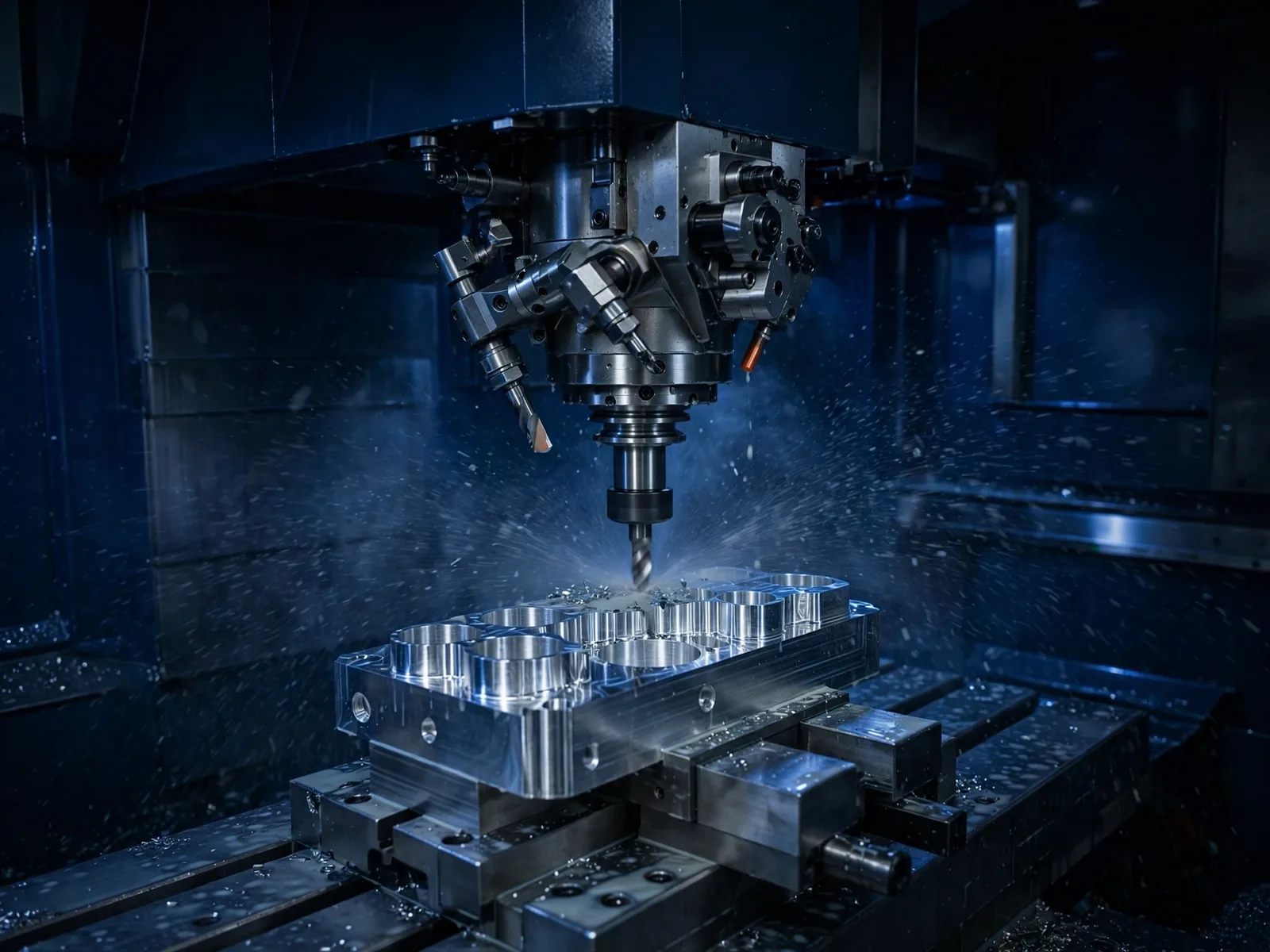
In communication hardware, the machining is part of the circuit. A cavity that is 0.02 mm off shifts a filter's frequency, a rough waveguide wall adds loss, and a gap in an enclosure seam lets interference in. That is why communication equipment makers in the electronics industry need a supplier that treats surface finish, flatness and plating as electrical requirements, not cosmetics. CNC technology, short for computer numerical control, gives that repeatability: the machine follows the same programme on every workpiece.
We work with telecom OEMs, network equipment makers, satellite and antenna companies, and IoT startups. Our engineers review every drawing for machinability and for the features that affect RF performance, then suggest the most cost-effective manufacturing process, whether that is CNC milling on a mill, Swiss-type turning on a lathe, ダイカスト または 板金. That custom manufacturing approach serves various industries, but communication parts get extra checks on RF surfaces.
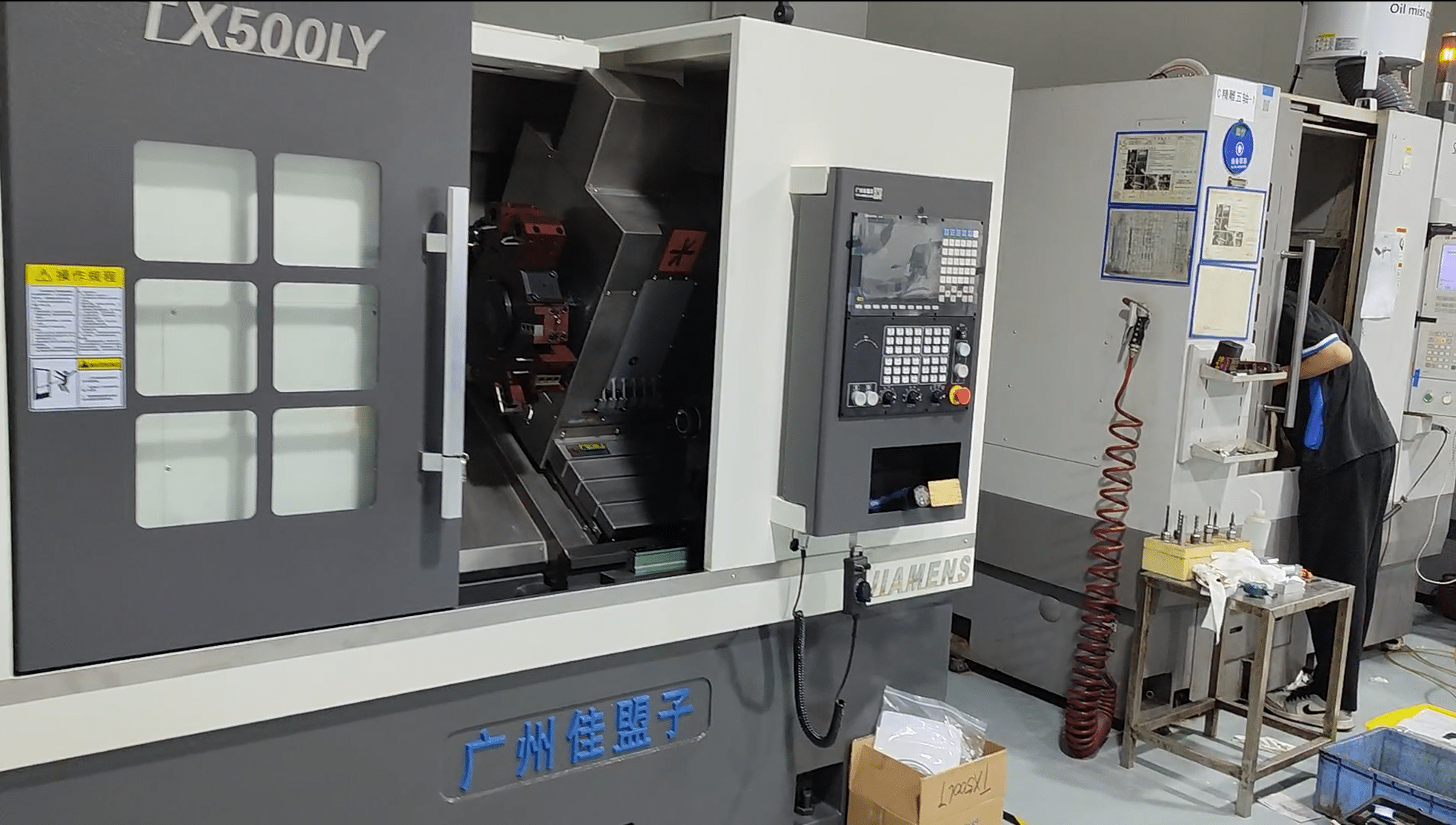
最高の精度と効率で正確なCNC製造を行うハイテク施設。.

最先端のCNC技術を駆使した合理的な生産のための専用スペース。.
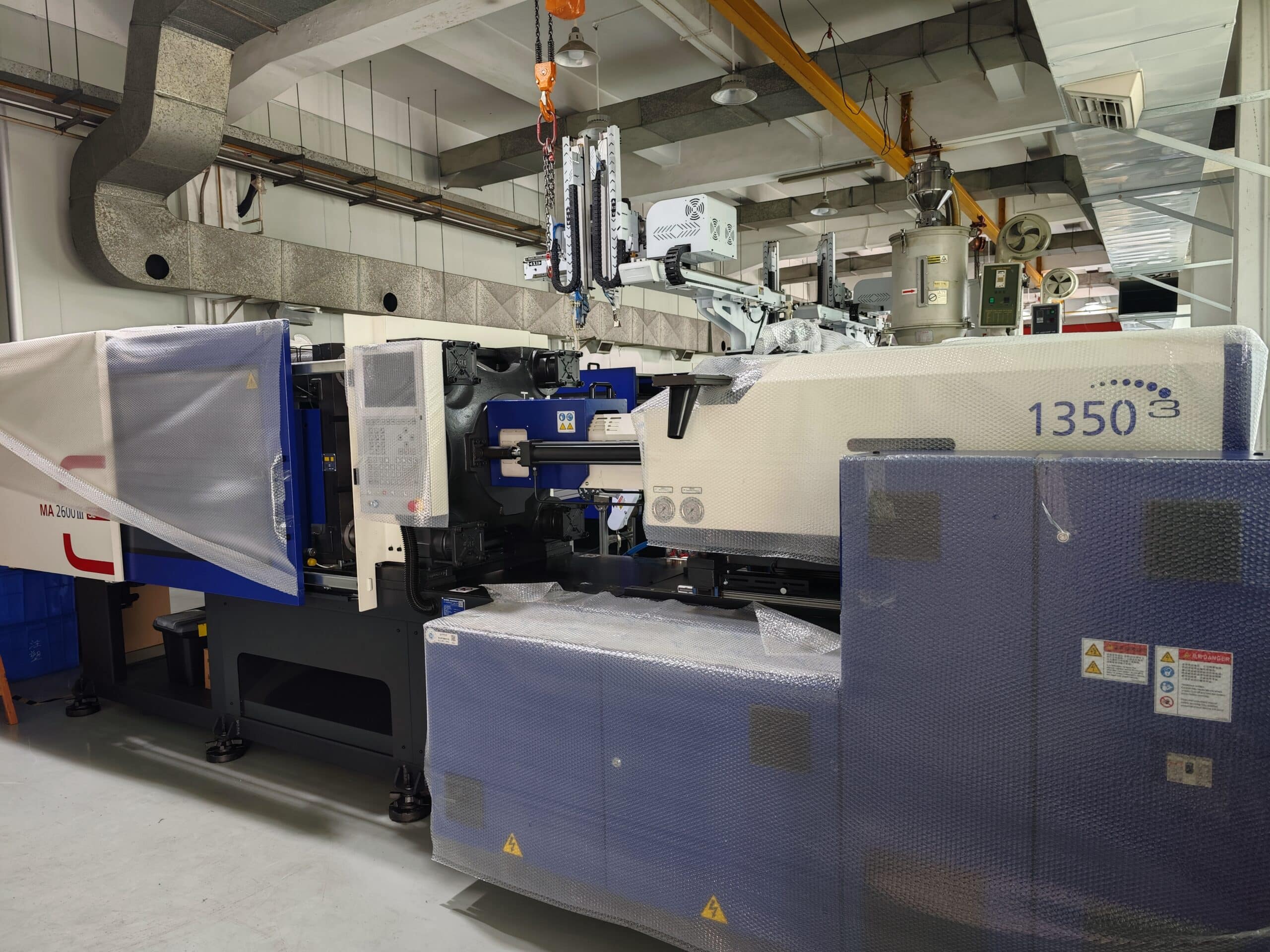
複雑なCNC部品加工と組立のための集中設備。.

精密で迅速なCNC機械加工作業のための完全自動化されたワークショップ。.

トップレベルのCNC加工性能を実現するために最適化されたダイナミックな空間。.
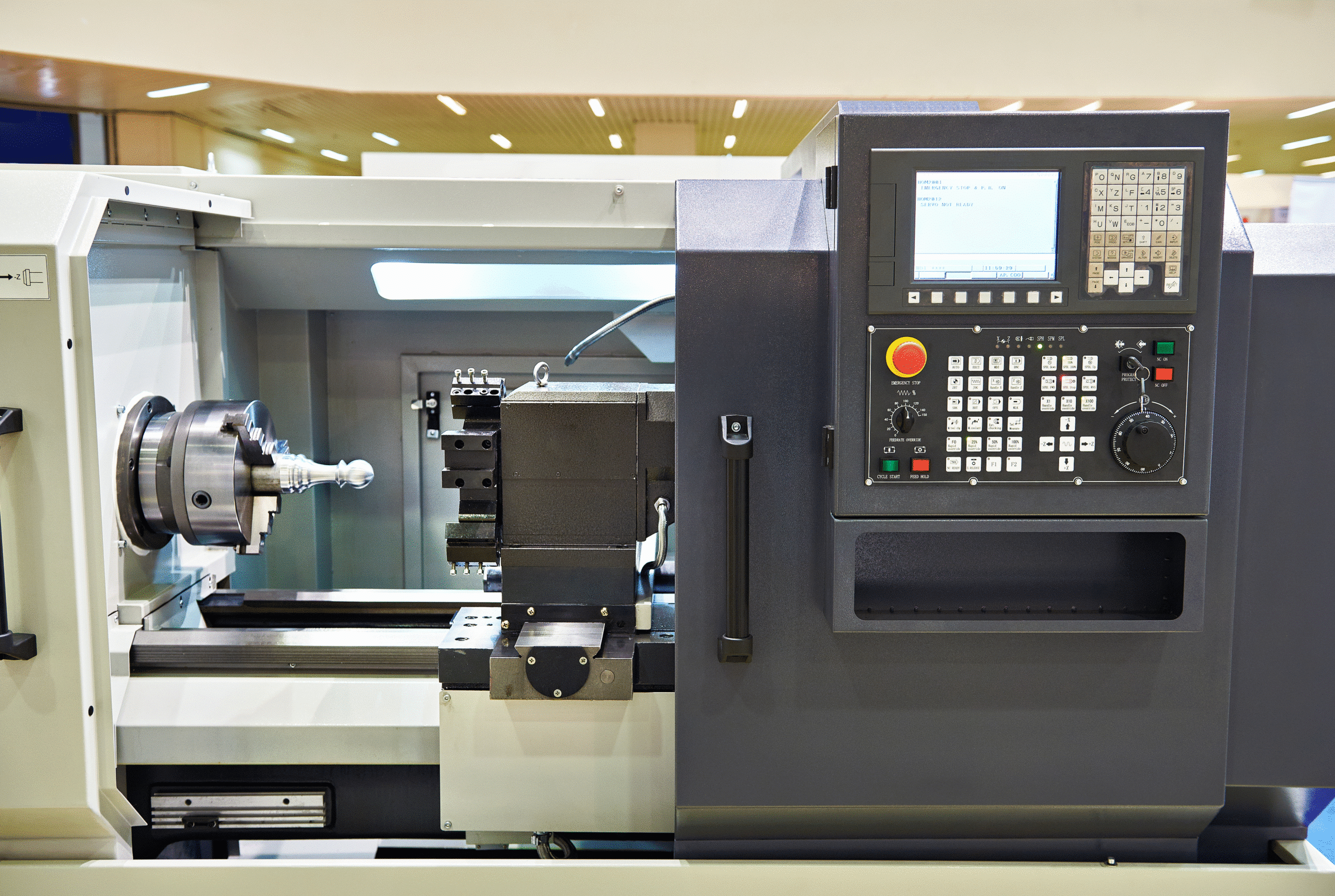
シームレスな製造ワークフローのためにCNC工程を統合した総合設備。.
ぜひ当社の 設備.
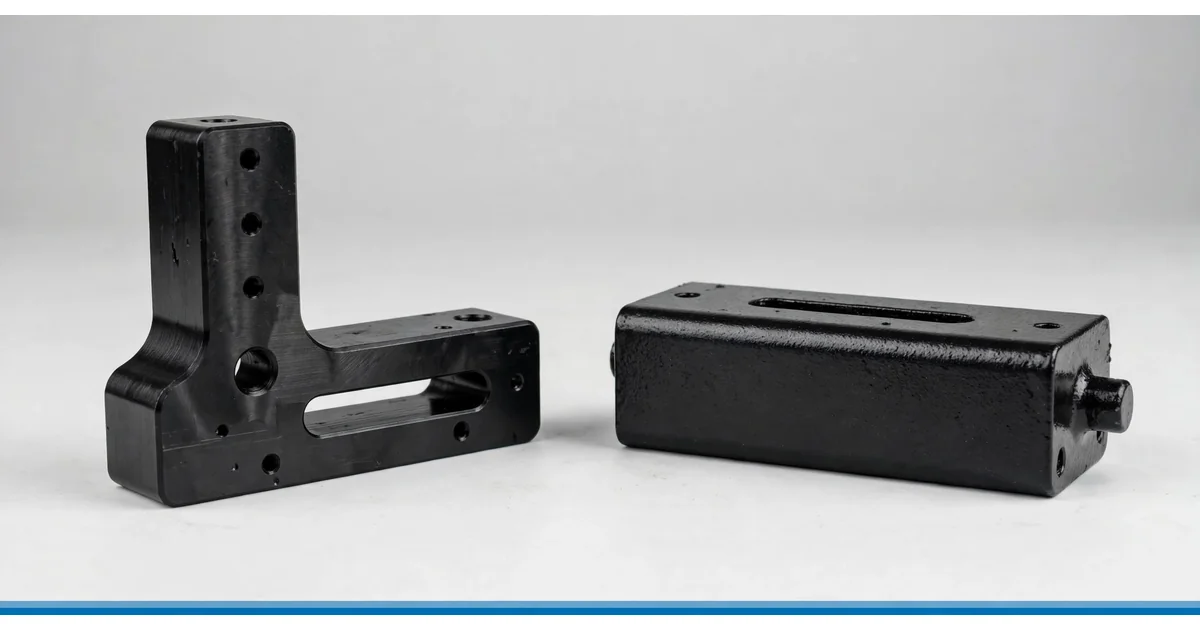
Machined test parts of housings, connector bodies and brackets in production-grade aluminum, brass or copper, so RF tests reflect the real part.
Functional parts for fit, thermal and RF checks, with design feedback on wall thickness, cavity depth and sealing faces.
Finished, plated parts for lifecycle, outdoor and appearance testing before release.
Pilot runs on production fixtures and programs, with first article inspection on the features that matter.
Repeat production with locked processes, CMM inspection and consistent plating, lot after lot.
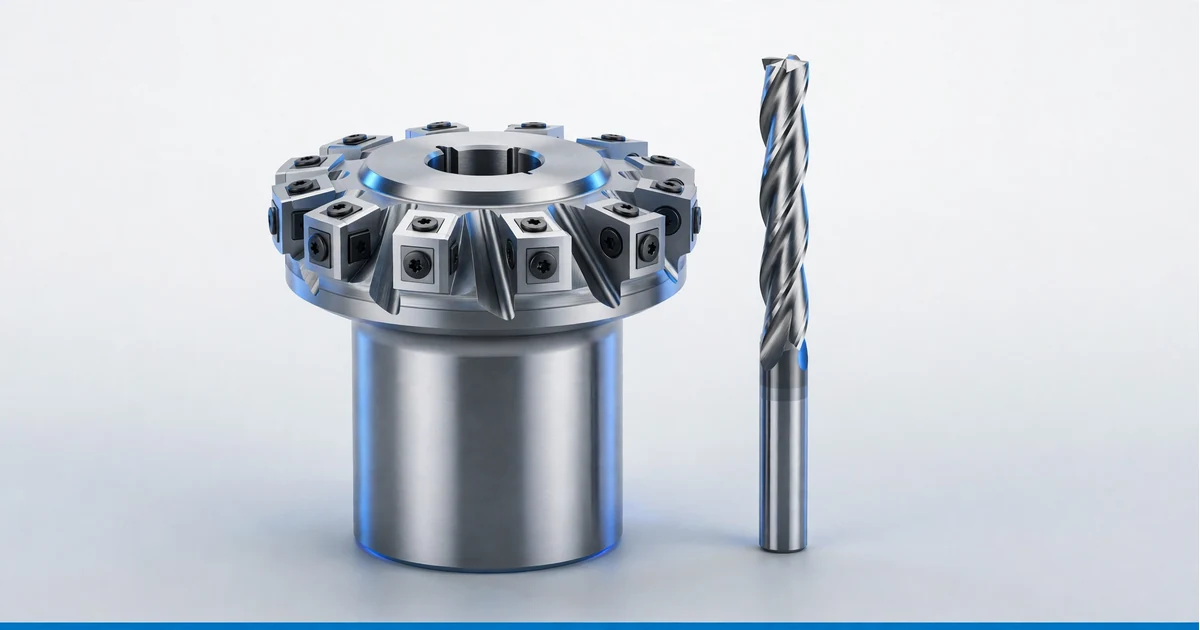
We supply machined, cast and fabricated electronic parts for base stations, routers, antennas, satellite terminals, circuit boards and test equipment. Each CNC machine in our shop is matched to the part: milling machines for housings, and a lathe for cylindrical parts.
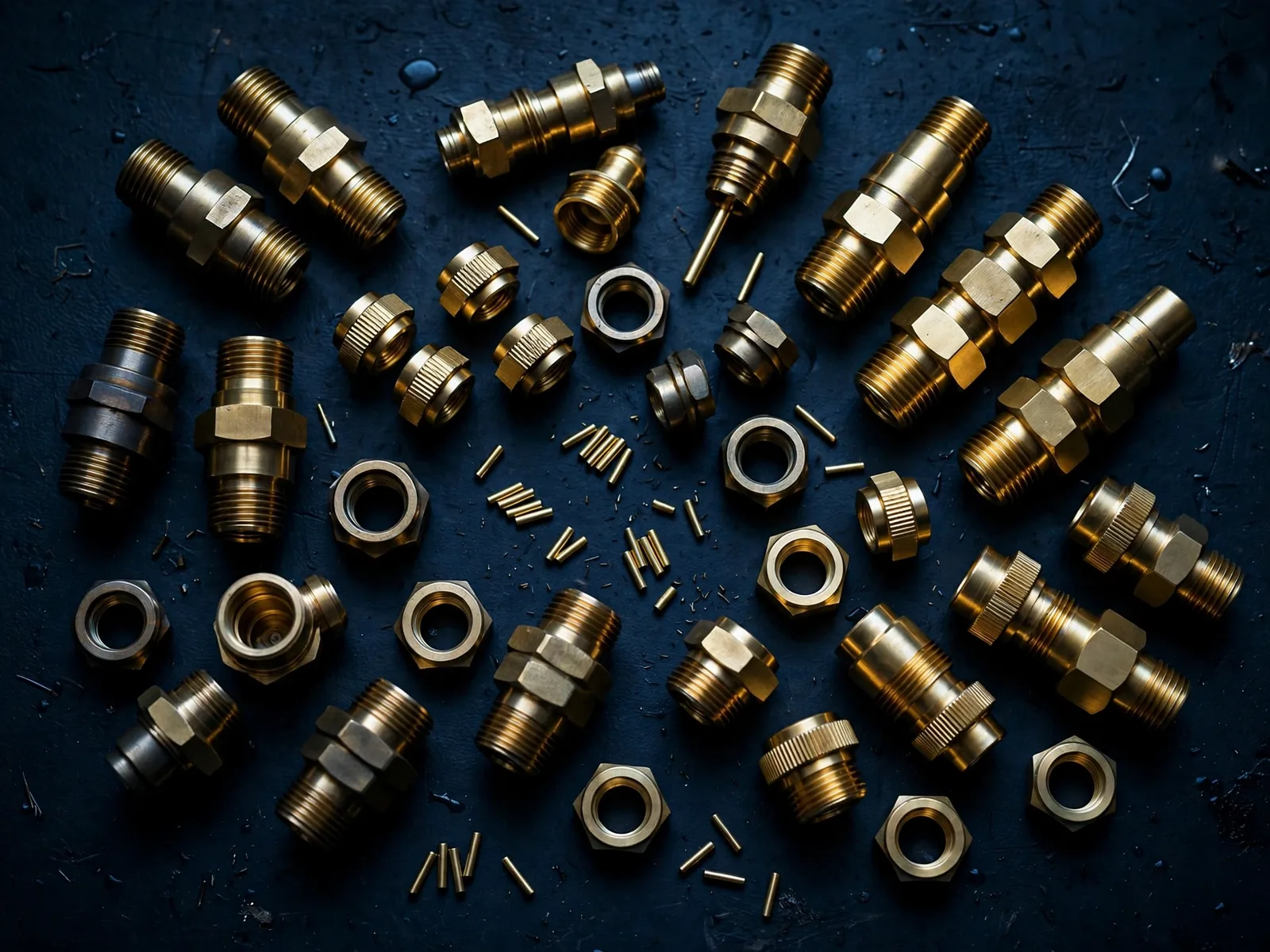
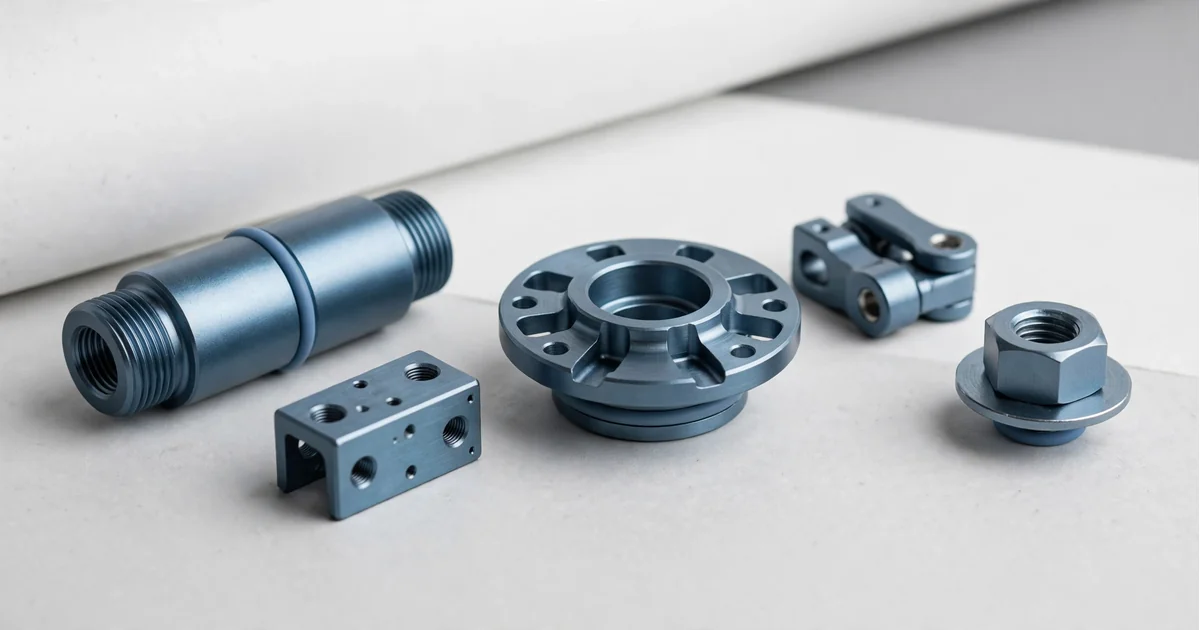
Connector bodies, center pins and coupling nuts are turned on Swiss-type machines and CNC lathes from brass, beryllium copper and stainless steel, and the cutting tool for each alloy is chosen to leave a burr-free finish. See our guide to RFコネクタの種類 and our カスタムRFコネクタの製造 サービス。
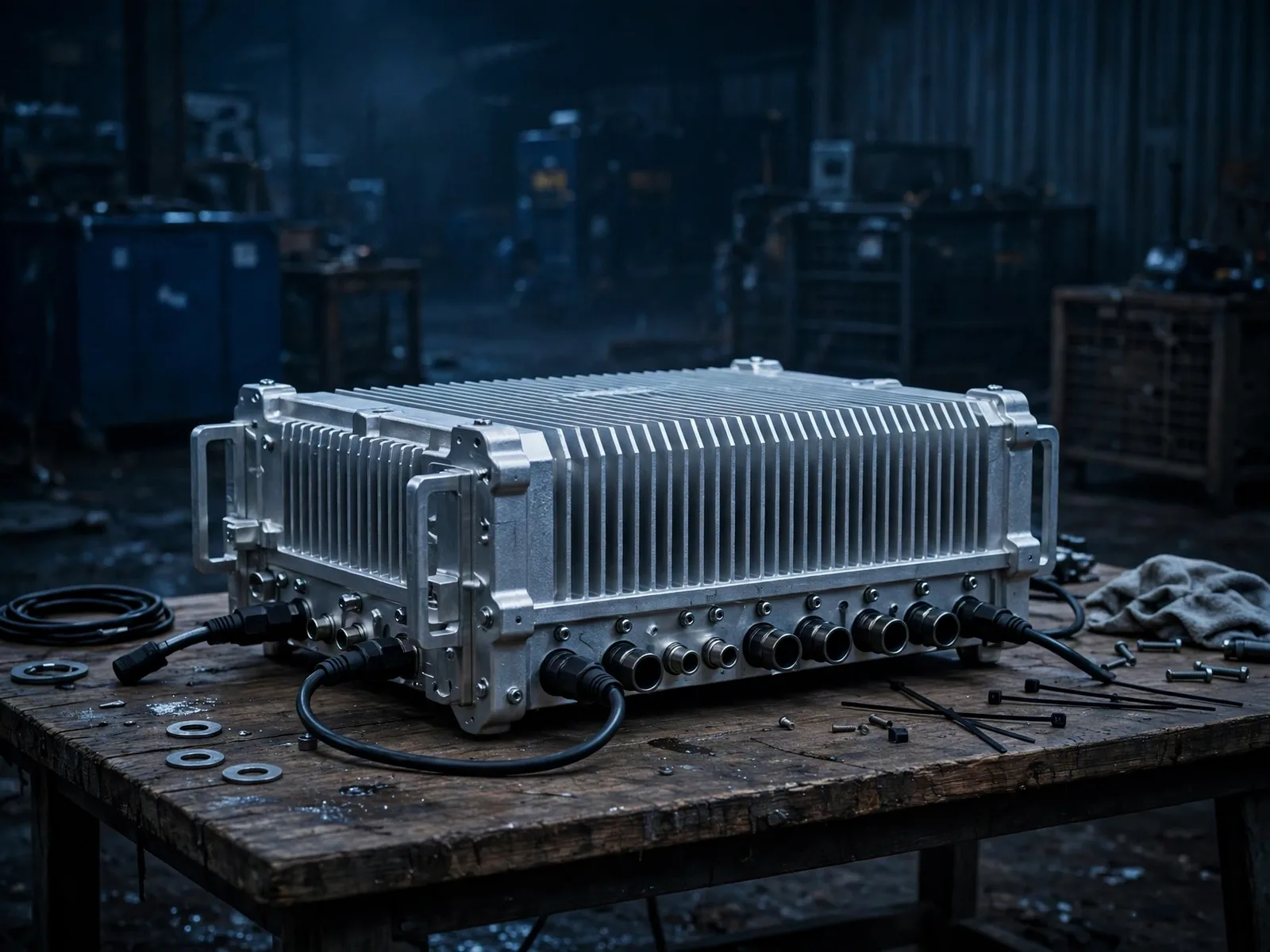
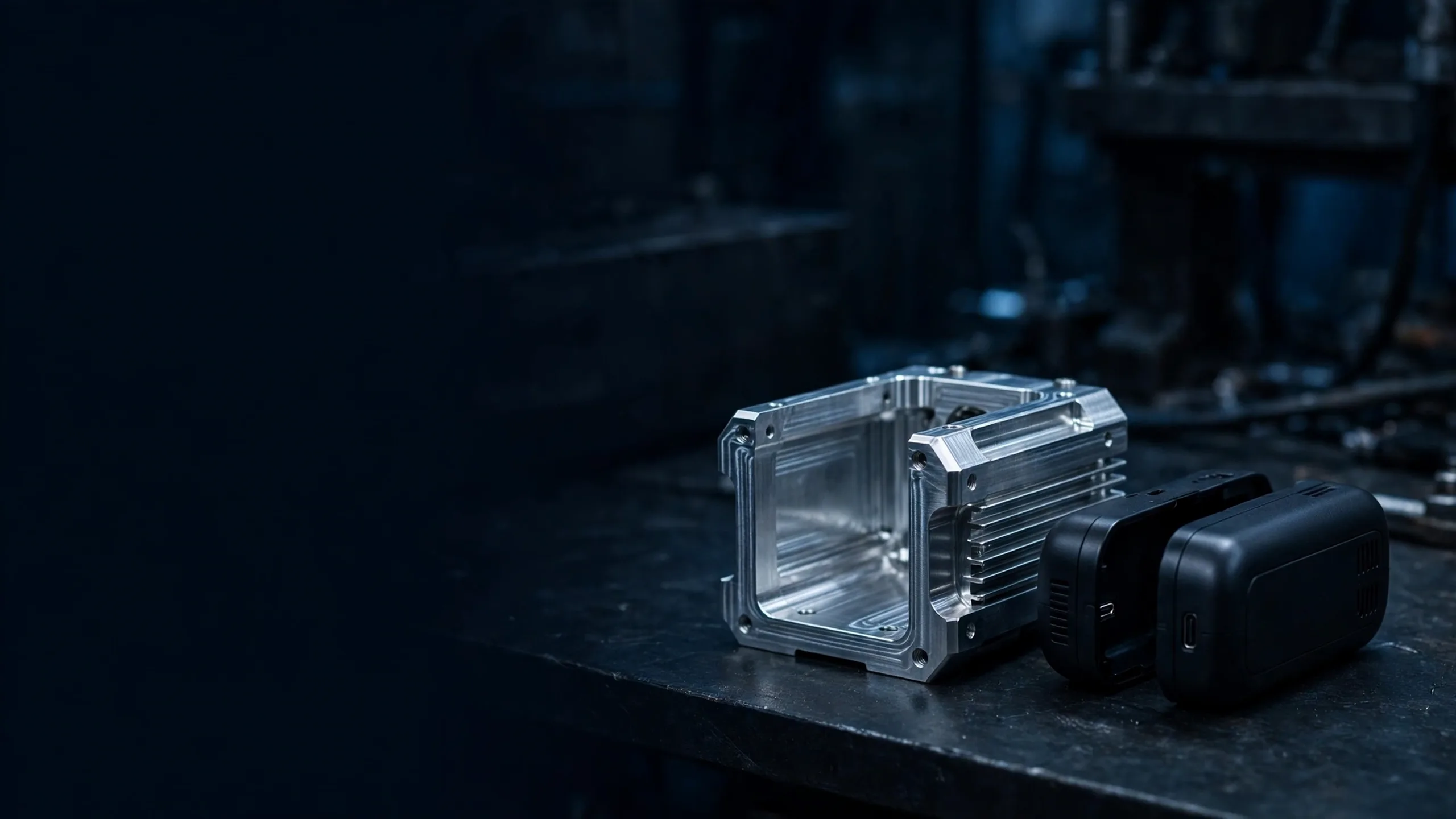
Outdoor radio housings, filter bodies and equipment enclosures are machined from aluminum, die cast in A380 or fabricated from sheet metal. Our 通信機器の製造 page covers these in detail.
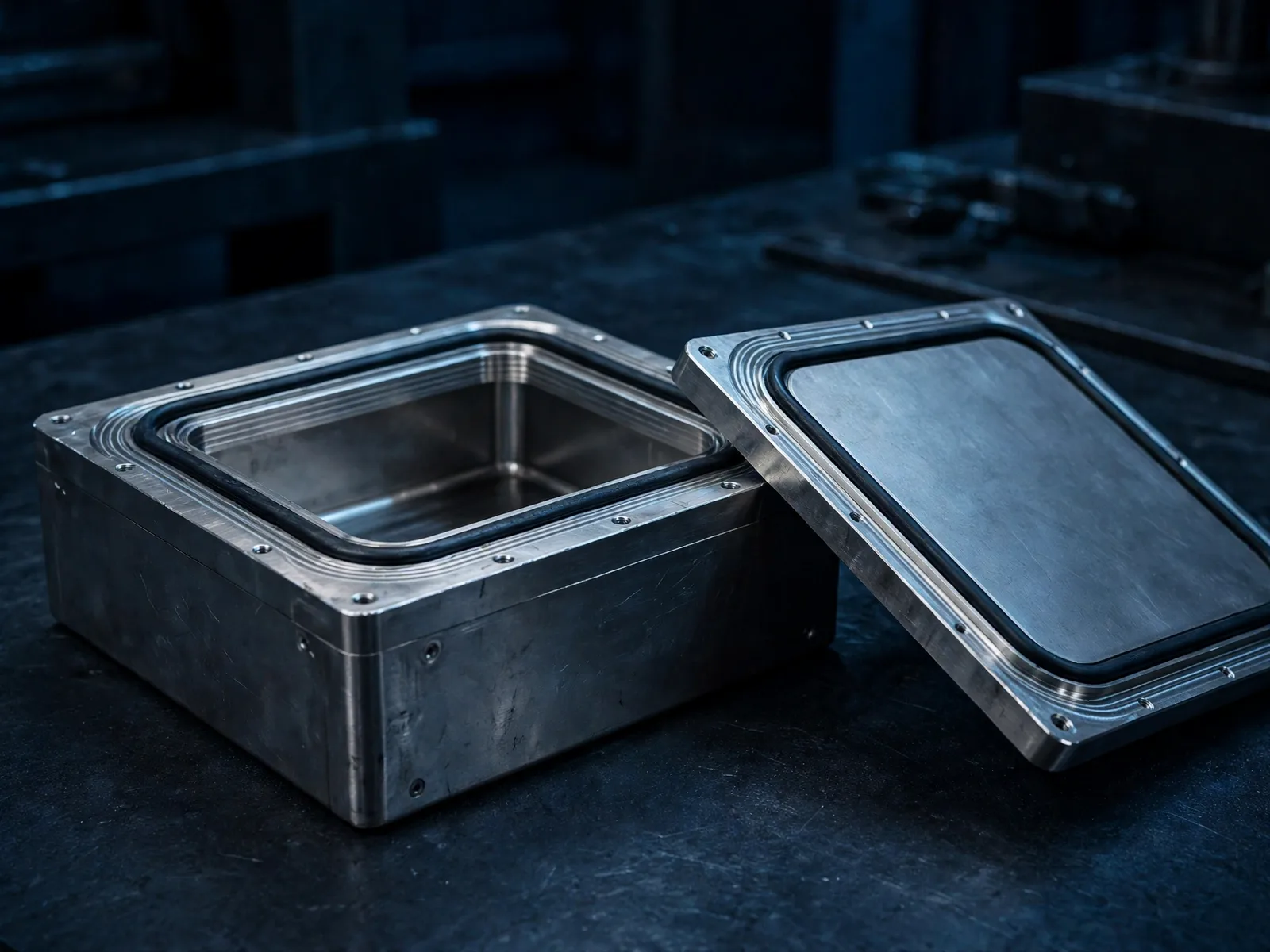
Shielded boxes and covers need continuous seams, conductive finishes and accurate gasket grooves. See our RFシールドエンクロージャー ページ。.
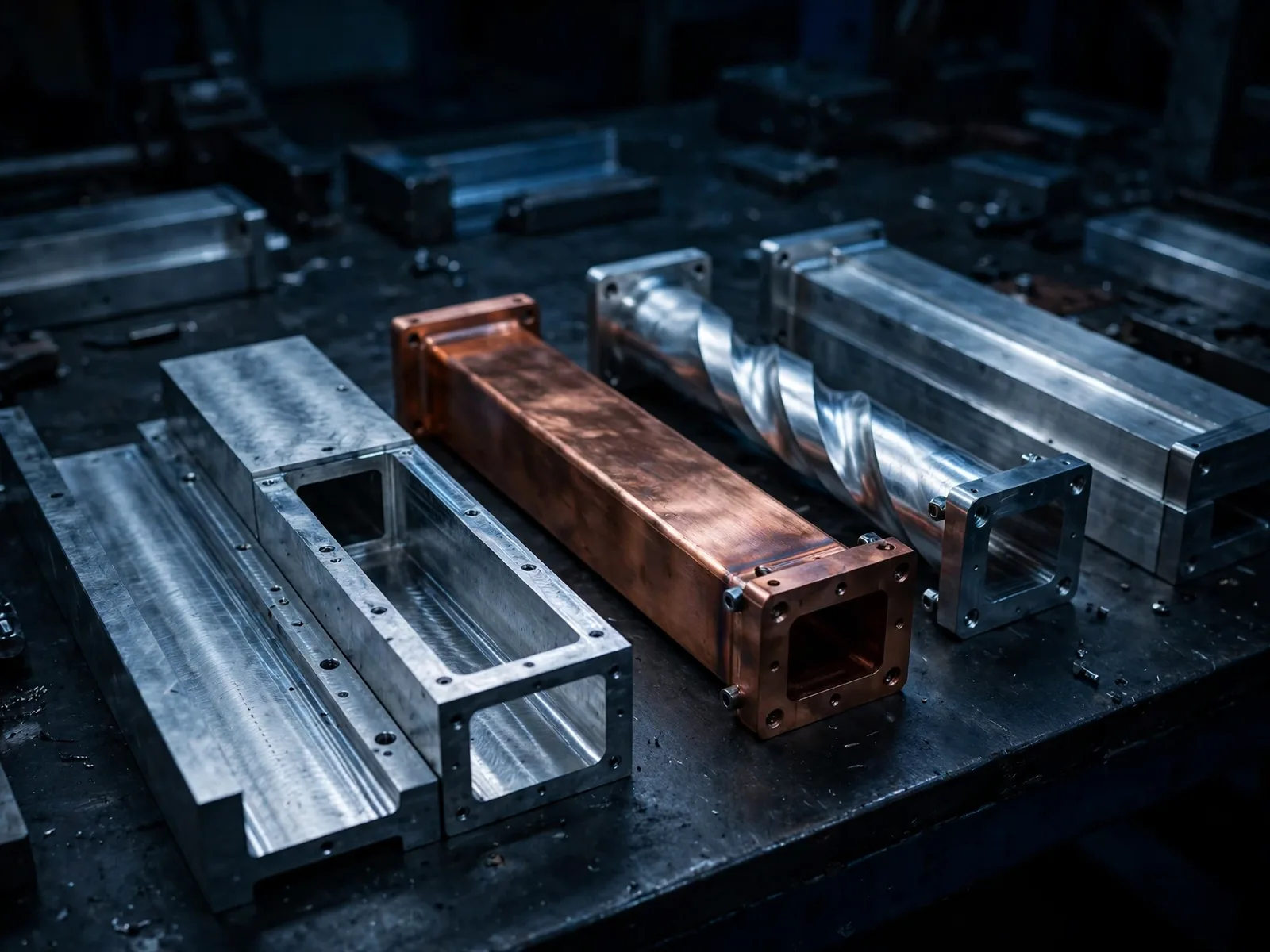
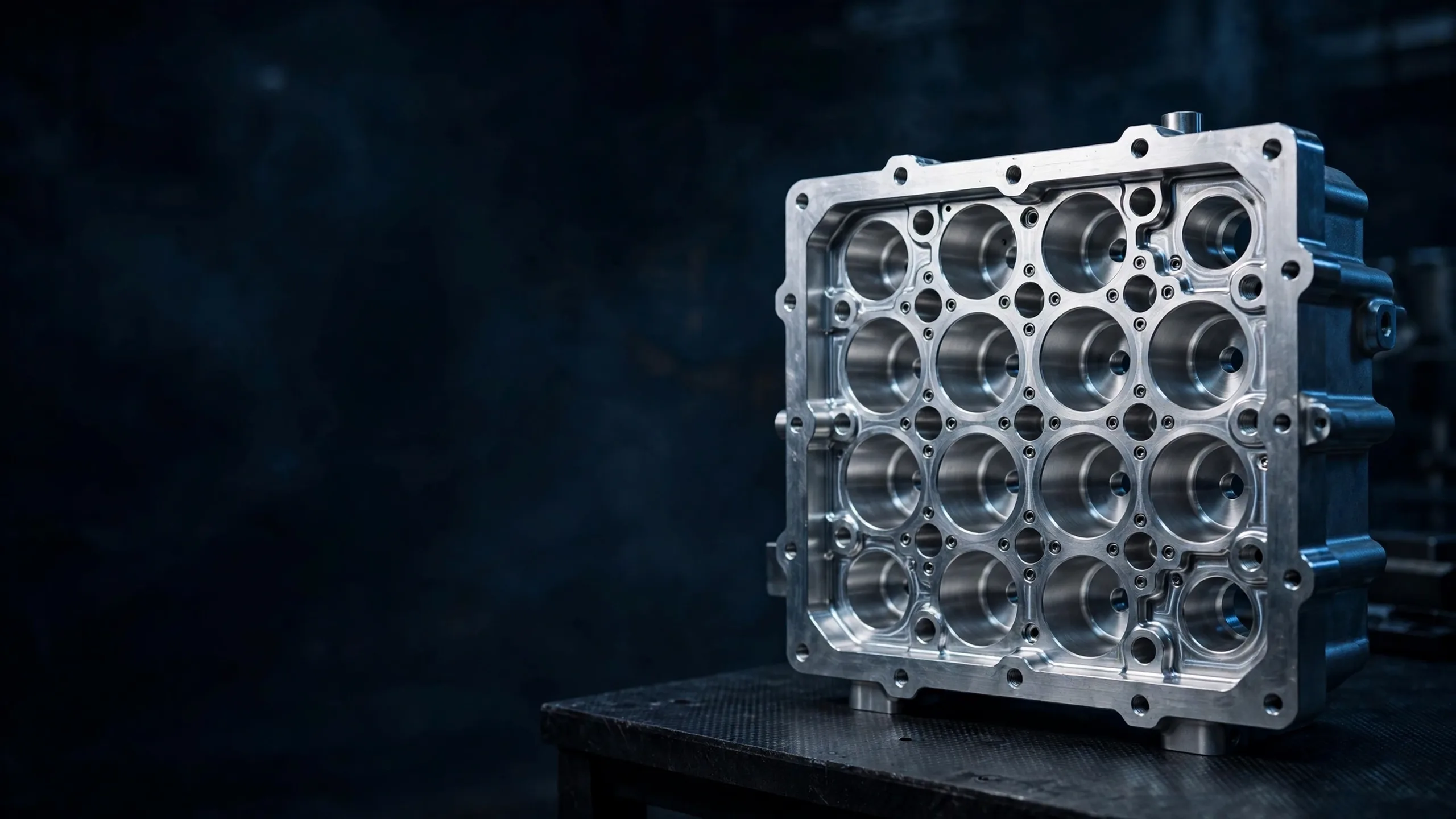
Rectangular and circular waveguide sections, flanges, twists and adapters need smooth internal walls and accurate inner dimensions, because both affect insertion loss and cutoff frequency. Each machine tool removes material in light passes to protect wall finish. We machine waveguide parts from aluminum and copper alloys, hold flange flatness on mating faces, and plate them to your specification. Split-block designs, where the channel is milled into two halves, let us reach internal features that a single block would hide.
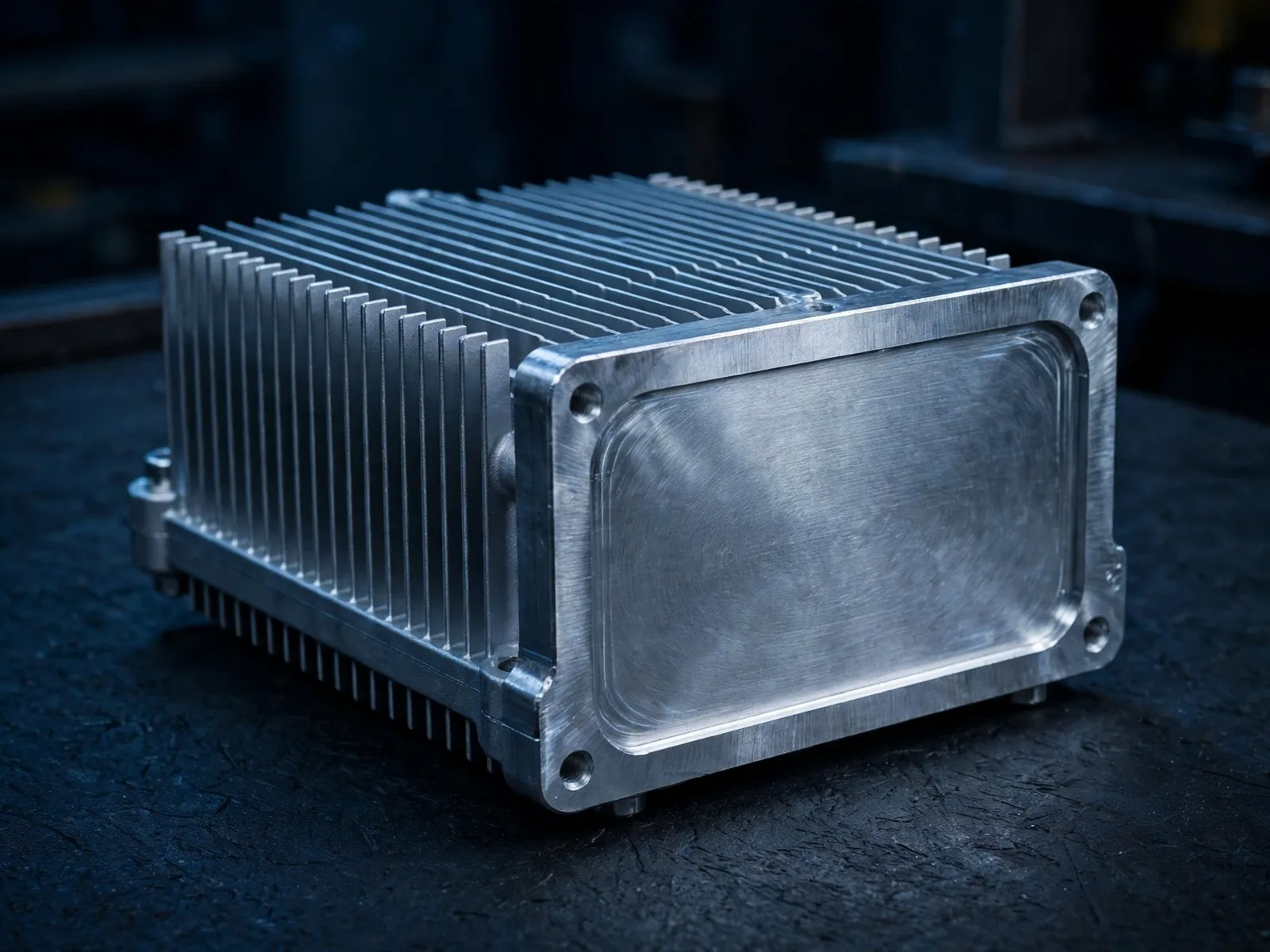
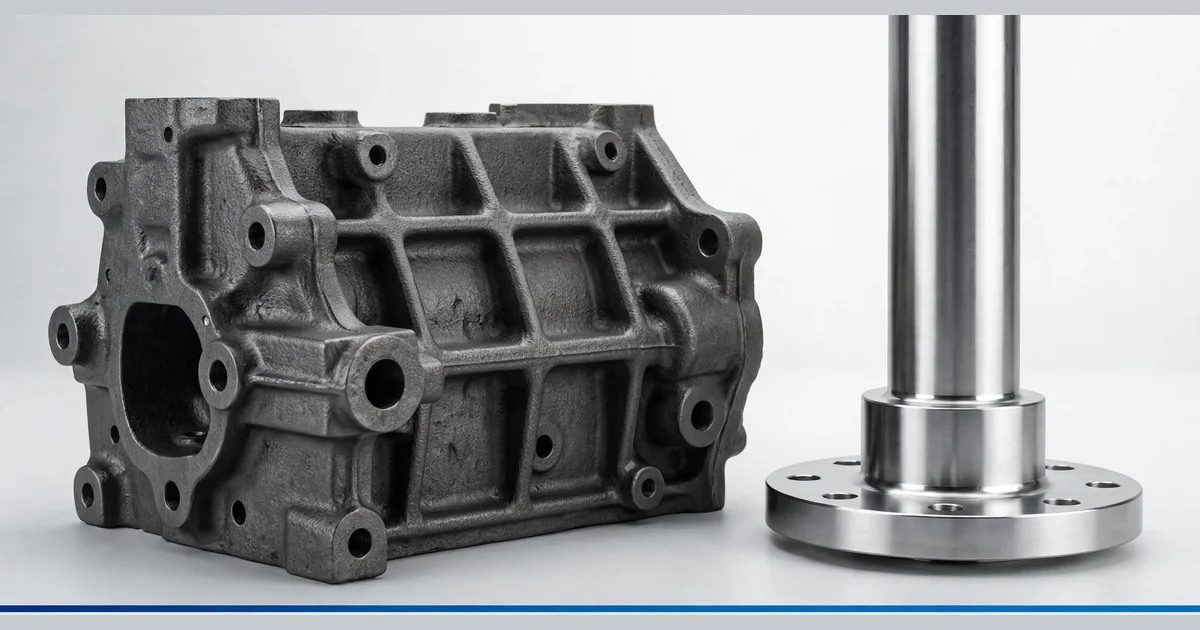
For housings needed in thousands, communication parts die casting cuts cost per part well below machining. We cast A380 aluminum housings and heat sinks with thin fins, then CNC machine sealing faces, connector bores and threaded holes. Die casting suits outdoor radio housings and router cases; filter cavities that need tight tolerance are usually machined from solid. See our ダイカストサービス 合金および製造工程の詳細については。
Material choice in communication hardware comes down to conductivity, weight and corrosion. Aluminum 6061 is the default for housings and heat sinks, brass and beryllium copper suit connector parts, copper suits waveguides and heat spreaders, and PTFE is turned into connector insulators. Finishes such as chromate conversion coating keep aluminum conductive at contact points, which plain anodizing does not.
From rapid prototypes to scalable production, we deliver precision CNC machining with consistent quality at every step. Send your drawings and our team will reply within 24 hours.
企業がTUOWEIを信頼する理由をご覧ください。TUOWEIの精密さ、効率性、信頼性はお客様から高く評価され、常に期待を上回るシームレスな製造ソリューションを提供しています。TUOWEIのサービスを利用したお客様の経験やサクセスストーリーをご覧ください。.
Tuowei Precisionは、比類のない精度とスピード、そして卓越した顧客サービスを備えた最高水準のCNC加工を提供しています。
Tuowei Precisionは、高品質な機械加工と迅速かつ確実な納品に加え、効率的で迅速な対応を特徴とするサービスを提供しています。
Tuowei Precisionは、専門的なエンジニアリングソリューションを通じて、期待を常に上回る精度、信頼性、そして卓越した加工品質を提供しています。
With millions of precision components produced, Tuowei Precision serves aerospace, automotive, medical and robotics customers as well as communication companies. The same quality system, certified to ISO 9001:2015, AS9100D and ISO 13485, covers every communication order. See our 品質保証 検査の詳細については、こちらのページをご覧ください。
Communication devices keep getting smaller, faster and more crowded with features. Four machining methods make that possible, each built on computer-aided design (CAD) and computer-aided manufacturing (CAM) software that turns a model into machine code.
Antenna housings, waveguide bends and filter blocks often need features on several faces. A 5軸CNC加工 center reaches them in one setup, which keeps cavity positions accurate and cuts handling compared with manual machining or repeated setups.
IoT modules, smartphones and wearables need tiny connector parts and housings. Small-diameter tools and Swiss-type turning hold tolerances down to ±0.005 mm on miniature features.
Sharp internal corners in filter cavities and narrow slots in waveguides are cut by wire EDM when a milling cutter cannot reach. Combined with milling, it handles copper, titanium and hardened steels.
Automation of CNC cells, with robotic loading and in-process probing, lets each machine run long, repeatable shifts, which helps meet demand peaks for 5G infrastructure and fiber networks while controlling cost.
Surface roughness, burrs and dimensional errors in RF paths raise loss and shift frequency. We control surface finish on RF surfaces, deburr cavities and inspect critical dimensions on a CMM.
Radios and amplifiers produce heat in small spaces. We machine and die cast heat sinks with thin fins and flat mounting faces for good thermal contact.
Towers, rooftops and satellites expose parts to sun, rain, salt and temperature swings. We pair corrosion-resistant materials with sealing grooves and weather-sealing finishes for outdoor telecom hardware.
5G and IoT programs move quickly. Communication part prototypes typically ship in 5–7 business days, so design changes do not hold up testing.
Higher frequencies mean smaller wavelengths, so connector and waveguide dimensions shrink and tolerances tighten. Parts for millimeter-wave equipment need tighter dimensional control and better surface finish than earlier generations.
Satellite internet terminals and ground stations need light, stable housings, waveguide parts and antenna mounts that hold up to temperature swings.
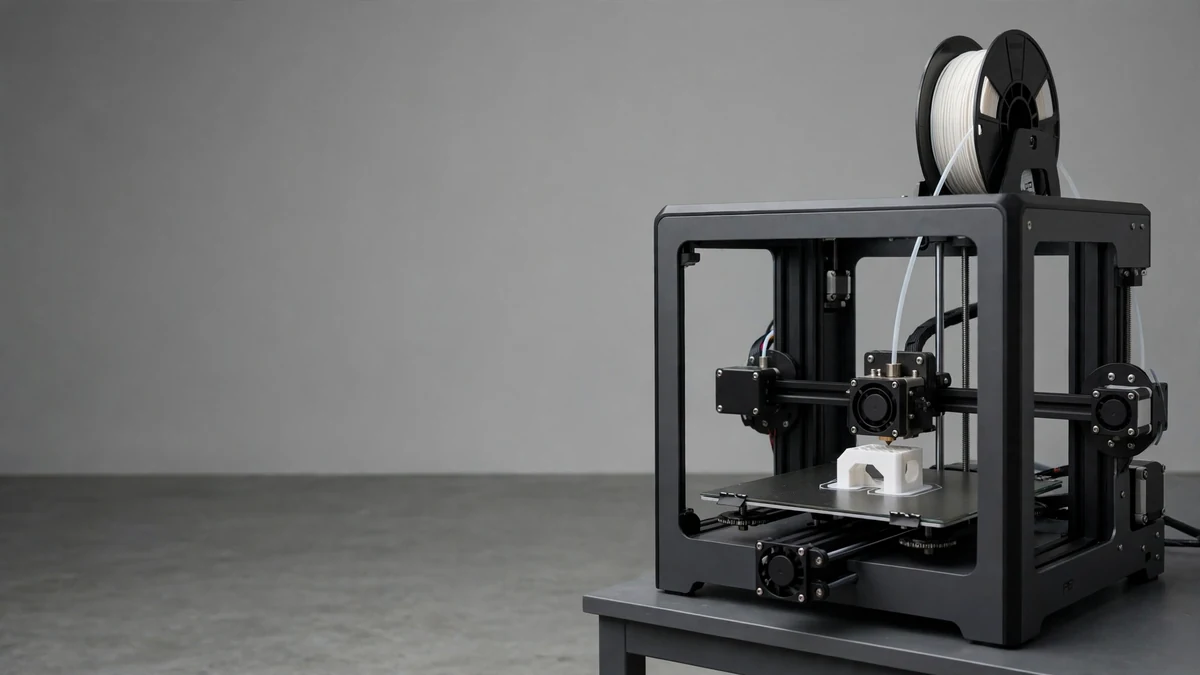
Billions of connected devices need small, low-cost housings and connectors, which shifts more work toward die casting, molding, additive manufacturing for early samples and high-volume turning.
We combine state-of-the-art CNC machines for multi-axis machining, Swiss-type turning, die casting and sheet metal under one roof, so communication companies can move from prototype to production with one supplier.
CNC加工、材料、仕上げ、業界の動向に関する最新のガイドをご覧いただき、より適切な生産判断を行ってください。
We produce RF connector bodies and pins, waveguides, filter housings, RF enclosures, antenna mounts, EMI shields, heat sinks, cable clamps and precision brackets. These parts serve networking, satellite, telecom and IoT devices, and tight tolerances with shielding-ready finishes are standard for communication hardware.
Yes. We use corrosion-resistant materials such as stainless steel and anodized or chromate-coated aluminum, and machine sealing grooves for gaskets. Weather-sealing finishes are available for outdoor telecom applications, and exposure conditions decide the final material and finish pairing.
Yes. We provide chromate conversion coating, conductive anodizing, electroless nickel and custom conductive paint. Finish selection follows your shielding and contact requirements, not a generic default, and we mask contact areas where coatings would block conductivity.
Yes. Our micro-machining and Swiss-type turning handle precise, compact components for small form-factor IoT and consumer devices. Tolerances down to ±0.005 mm are maintained even at miniature scale, depending on material and geometry.
Communication part prototypes typically ship in 5–7 business days, depending on complexity. Basic surface finishing and inspection are included in that timeline, and faster options can be confirmed once drawings are reviewed.
We support both single components and multi-part assemblies. Small sub-assemblies can be assembled and inspected before shipment, which avoids tolerance stack-up between separate suppliers.