Robotics · Sheet Metal Fabrication

Sheet Metal Fabrication for Robotics and Automation

Tuowei Precision provides sheet metal fabrication for robot builders and automation integrators. We laser cut, bend, weld and assemble chassis, control cabinets, safety guards, brackets and cell frames in aluminum, steel, stainless steel and copper, with prototypes and production parts in as little as 3 days.
Tous les téléchargements sont sécurisés et confidentiels
Parts from 3 days
Laser cutting and bending
Welding and PEM inserts
Peinture en poudre
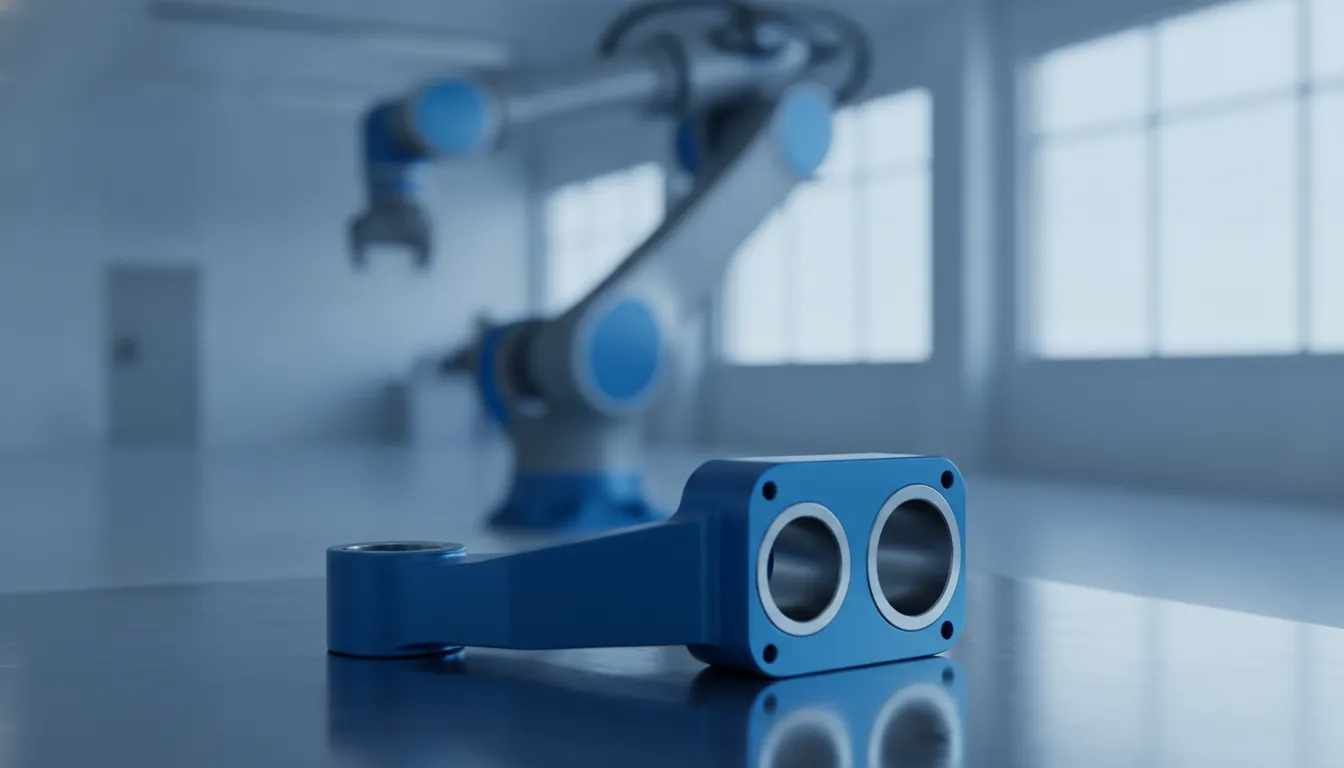
Robotics manufacturing: CNC machined aluminum robot arm link and joint housing
Fabricated Metal

The Role of Fabricated Metal in Building Stronger Robots

Machined parts make up a robot's joints, but fabricated metal makes up much of its body and its workcell, from robotic frames to cabinets for automated systems. Mobile platforms ride on bent aluminum chassis; controllers sit in steel cabinets; robotic cells are surrounded by guards and panels. Parts formed from metal sheets are light, strong and cheap to change, which suits programmes that move from prototype to production quickly.

For aerospace, automotive industry, logistics and medical device automation projects, the same rules apply: accurate geometry, consistent bends and a finish that lasts on the factory floor. Sheet metal forming also lets engineers bring innovation to robotic solutions quickly, because a new bracket needs only drilling, cutting and bending, not new tooling, which keeps manufacturing operations efficient and inspection simple.

Processus

Precision Sheet Metal Fabrication: Cutting and Bending Steps

Découpe au laser

The laser produces the flat pattern: outline, holes, slots and cutouts. It handles complex geometries with high-precision, efficient metal processing and leaves clean edges that need little deburring.

Bending and Metal Forming

Press brake bending turns flat blanks into brackets, channels, enclosures and chassis with consistent angles from part to part.

Soudage et assemblage

Welding joins corners and frames, and PEM insert installation adds threaded studs and nuts so electronics and covers mount without loose hardware.

Estampillage

For higher volumes, stamping forms repeated features quickly with dies and presses.

Finition

Powder coating, anodizing and plating protect parts and match your brand colours.

Design Guidelines

Materials, thicknesses and design guidelines are explained on our sheet metal services page.

Pièces

Fabricated Parts for Robots, Cobots and Automation Solutions

  • Mobile platform and AMR chassis, battery trays and bumpers
  • Controller and electrical cabinets
  • Safety guards, fences and panels for robotic cells and each collaborative robot station
  • Brackets for sensors, cameras, motors and cable trays
  • Gantry and cartesian frames and covers
  • Base plates and pedestal covers for arm robots
  • Humanoid torso shells and internal brackets

For robotics components that need machining, see our robot arm manufacturing page.

Matériaux

Material Selection for Sheet Metal Products in Robots

MatériauWhy engineers use itPièces courantes
Aluminium 5052Light, bends well, corrosion resistantMobile chassis, covers, brackets
Acier laminé à froidStrong and low costCabinets, guards, frames
Acier inoxydableCorrosion resistant, clean lookFood, medical and cleanroom equipment
CuivreConductiveGrounding and busbar parts
Conseils de conception

Design Tips for Fabricated Robot Parts

  • Keep holes and slots away from bend lines so bends do not distort them
  • Use a consistent bend radius across the part to reduce tooling changes
  • Add PEM inserts instead of welded nuts for cleaner assembly
  • Use looser tolerance where it does not matter; fabricated parts typically hold about ±0.25 mm, depending on the alloy and part size
  • Combine bent parts with machined parts where precision is needed, such as motor mounts
Robotics in Fabrication

Robotics in Sheet Metal Fabrication: Robotic Welding, Roboforming and the Modern Fabrication Shop

Automation is also changing how metal fabricators work. Robotic welding systems hold torch angle and speed exactly, automated press brakes with industrial robotic arms handle material handling and bending, and companies such as Machina Labs shape metal with robots instead of dies. Robots in fabrication plants also do machine tending for lasers and punches, and FANUC arc welding robots work alongside human welders, which raises throughput and frees people for complex tasks. Automated sheet metal fabrication links these robotic systems through workflow software with real-time sensor data, which improves repeatability and shortens lead times.

For buyers, the lesson is simple: whether sheet metal fabricators automate fully or not, look for a partner whose processes are documented and repeatable, so the hundredth chassis fits like the first and your supply chain stays predictable.

Évolutivité

Scalability: From Prototype Chassis to High-Volume Production

Fabrication is ideal for early robot builds because a change needs only a new flat pattern, not a new mold. Straightforward parts can be completed in as little as 3 working days after design confirmation, and production volumes scale in the same manufacturing facilities.

Pourquoi Tuowei ?

Why Choose Tuowei for Robot Frames and Enclosures

  • Laser cutting, bending, welding, stamping and PEM insertion in one place
  • Parts in as little as 3 days
  • Machining, molding and finishing under the same roof
  • ISO 9001, IATF 16949, ISO 13485 and ISO 14001 certified quality systems
  • DFM feedback with competitive pricing in hours
Demander un devis

Start Your Robot Chassis or Enclosure Project

Upload your flat patterns or 3D models with material, thickness, finish and quantity. Our engineers will check bends and hole positions and return a quote with DFM feedback.

Obtenir un devis immédiat
🔒 Tous les fichiers téléchargés sont sécurisés et confidentiels
Prenez contact avec nous !
Réponse rapide garantie dans les 24 heures
🔐 Tous les téléchargements sont sécurisés et confidentiels
— Foire aux questions —

Questions fréquemment posées

Robotique
What fabricated metal parts are used in robots?

Robots use fabricated metal for chassis, battery trays, control cabinets, covers, brackets, guards and frames. Mobile platforms and robotic cells use the most, while arm robots mainly use it for bases, covers and cable trays.

Which material is best for a robot chassis?

Aluminum 5052 is a common choice for mobile chassis because it is light, bends well and resists corrosion. Steel is used where strength and cost matter more than weight, such as cabinets and cell guards.

What tolerances can sheet metal fabrication hold?

Fabricated parts typically hold about ±0.25 mm (±0.010 in), depending on part size, material and number of bends. For features that need tighter accuracy, such as motor mounts, we combine bent parts with CNC machined parts.

How fast can you make fabricated parts for robots?

Straightforward parts can be completed in as little as 3 working days after design confirmation. Larger batches or complex assemblies take longer, and your timeline is confirmed with the quote.

Do you weld and assemble robot frames?

Yes. We weld frames and enclosures, install PEM inserts and assemble fabricated parts, then finish them with powder coating, anodizing or plating before delivery.