
Tuowei Precision gives engineering teams fast, functional prototypes of arm links, joints, grippers, housings and chassis. Our robotics prototyping service combines machining, additive manufacturing, urethane casting and sheet metal, so you can test a new robot design in real materials, iterate quickly and manufacture production parts with the same supplier. Lead times start at 3–7 days.
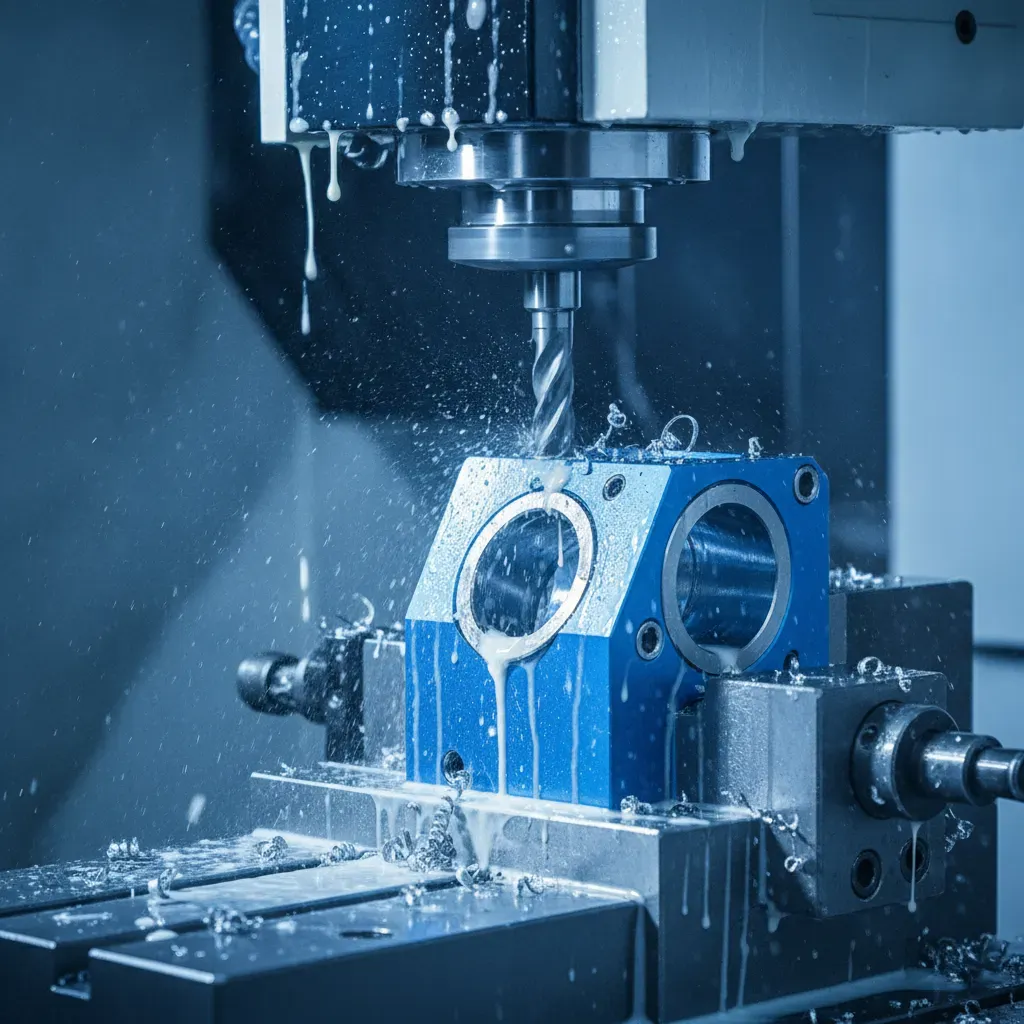
A robotic prototype is not a display model. It has to move, carry load, hold bearings and survive thousands of test cycles. Prototyping for advanced robotics therefore needs parts that behave like the final design: stiff links, accurate bores, threads that hold and housings that keep the electronics, Raspberry Pi or controller boards safe. Functionality and durability matter as much as shape.
Robot developers also change designs more than most hardware teams. A new motor, a different gearbox or a sensor change can mean new parts every week. The right partner gives fast turnaround and short development time without letting accuracy slip, whether you are building surgical robots, warehouse automation or a robotics competition entry.
| Método | Ideal para | Materiales | Plazo de entrega habitual |
|---|---|---|---|
| Mecanizado CNC | Links, joint housings, flanges, shafts, gripper fingers | Aluminum, steel, titanium, POM, PEEK | From 3–7 days |
| Printing (SLA, SLS, MJF, FDM) | Covers, cable guides, early concepts, complex shapes | Resins, PA12 nylon, ABS | Unos días |
| Metal printing (DMLS/SLM) | Lightweight lattice parts, internal channels | Polvos metálicos | Depends on size |
| Moldeo de uretano | 10–50 covers or housings for pilot robots | Polyurethane (ABS-, PP- or rubber-like) | Typically 5–10 business days |
| Chapa metálica | Brackets, chassis, enclosures | Aluminum, steel, stainless steel | En tan solo 3 días |
The general rule: print to test shape and assembly, machine to test load and accuracy, and cast in a silicone mold when you need a small fleet of robots that look finished. See our full prototipado rápido y Impresión 3D servicios.
For arm-specific parts, see our robot arm manufacturing página.
Prototype in the material you plan to use whenever the test involves load, heat or wear. Aluminum 6061-T6 is the default for structural robot parts: light, stiff, easy to machine and easy to anodize. 7075-T6 adds strength for highly loaded links. POM and PEEK work for low-friction parts and gears; PA12 nylon from SLS or MJF suits tough covers and brackets.
A printed link can prove the geometry, but it will flex more than aluminum, so do not use it to judge the arm's accuracy or vibration.
We collaborate with startups turning innovative ideas into a first demonstration robot, automation integrators building new cells, and medical device teams developing surgical robots. Each brings different needs: a demo robot needs aesthetics and speed, an automation cell needs reliability, and a surgical robot needs clean, high-quality parts and documented quality control under our ISO certified system. Our engineers review every new product for manufacturability, help troubleshoot design flaws early and optimize parts for the final product, reducing development cost in a fast-evolving market.
When the design settles, we move the same parts to production. CNC machined parts keep the same programme and fixtures; covers can move from urethane casting to injection molding; chassis from prototype flat patterns to production sheet metal.