
Soluciones expertas de plegado de chapa para prototipos y componentes de producción de alta calidad. Desde curvados sencillos hasta piezas conformadas complejas, TOUWEI ofrece un curvado de chapa preciso con una rápida revisión DFM y plazos de entrega excepcionales.
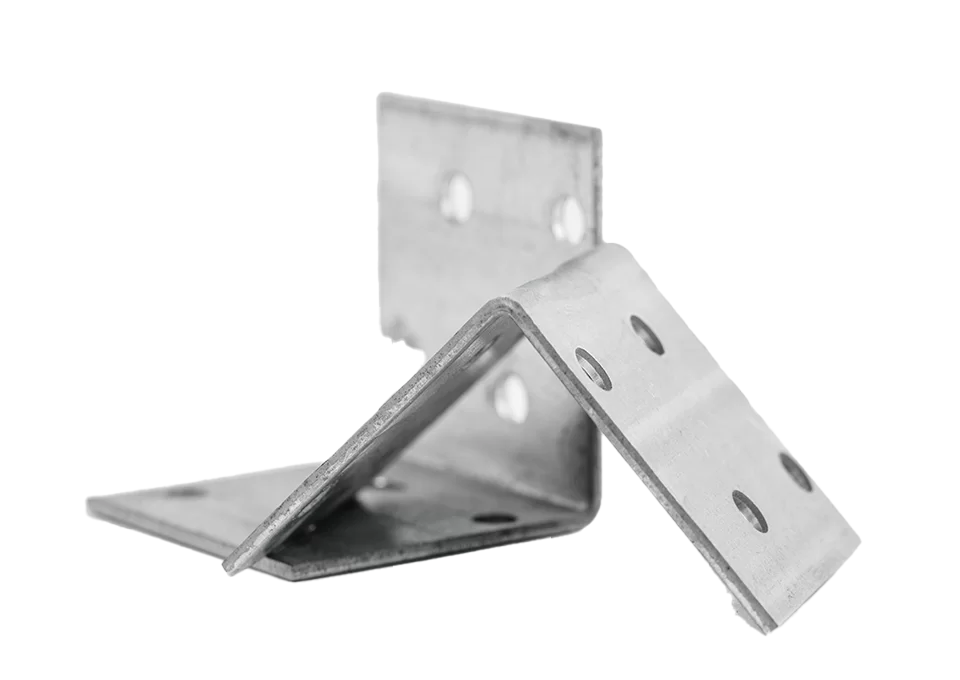
El plegado de metales es un proceso de fabricación básico que da nueva forma a la chapa metálica en ángulos o curvas precisos aplicando fuerza mecánica. Esta técnica es vital para producir componentes resistentes, precisos y funcionales que se utilizan en una amplia gama de industrias.
En TUOWEI Precision, estamos especializados en servicios de plegado de chapa de alta calidad diseñados para satisfacer los requisitos de proyectos tanto sencillos como complejos. Nuestras avanzadas plegadoras eléctricas e hidráulicas ofrecen una precisión superior, garantizando resultados uniformes incluso para piezas con tolerancias estrechas.
Además del plegado, ofrecemos soluciones completas de postprocesado, que garantizan que sus componentes no sólo estén conformados con precisión, sino también listos para su uso inmediato, ya sea en prototipos o en productos de uso final.
El plegado de metales es una técnica de fabricación fundamental que se utiliza para remodelar chapas metálicas en un ángulo o forma deseados aplicando fuerza mediante una plegadora o equipo similar. Este proceso permite crear formas en V, en U, canales y otras geometrías precisas a lo largo de una línea recta en el material.
La operación de plegado consiste en colocar la chapa entre un punzón y una matriz. A medida que el punzón presiona el metal contra la matriz, el material se ajusta a la forma de ésta. Factores críticos como el ángulo de curvatura, el radio de curvatura y la fuerza aplicada determinan la geometría final, mientras que el grosor y la ductilidad del material influyen en las condiciones de curvado. Es importante destacar que el plegado altera la forma de la chapa sin cambiar significativamente su grosor.
Utilizamos tanto configuraciones manuales como avanzados sistemas CNC (control numérico por ordenador). La tecnología de plegado CNC garantiza una precisión y repetibilidad superiores, así como la capacidad de crear plegados complejos con una variación mínima, lo que resulta ideal tanto para prototipos como para series de producción de gran volumen.
Tuowei ofrece servicios de plegado de metal de precisión que combinan maquinaria avanzada y estrictas normas de calidad para manejar una amplia gama de materiales y tamaños de piezas. Nuestras capacidades garantizan precisión, consistencia y eficiencia tanto para prototipos como para producción a gran escala.
| Características | Descripción |
|---|---|
| Tamaño máximo de la pieza | 1,5 m × 1,5 m |
| Fuerzas de flexión del metal | Hasta 1000 toneladas |
| Longitud de la línea de plegado | Hasta 7200 mm |
| Espesor de curvatura | Hasta 60 mm |
| Tolerancias generales | Basado en ISO 2768. Curvatura hasta el borde/agujero, superficie única: ±0,254 mm (±0,010 pulg.) |
| Radio de curvatura | Igual al espesor del material |
| Ángulo de curvatura | ±1° |
| Área de corte en curva | Hasta 4000 mm |
| Plazos de entrega | 5 días o más |
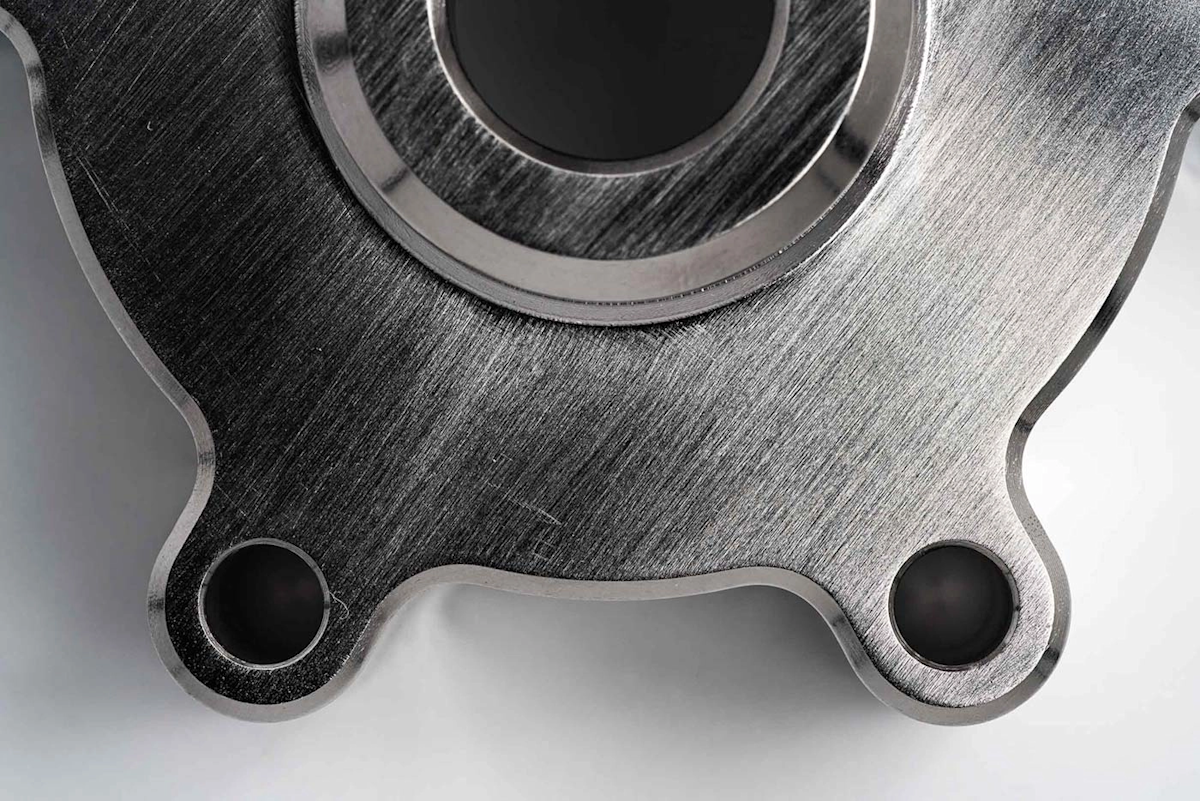
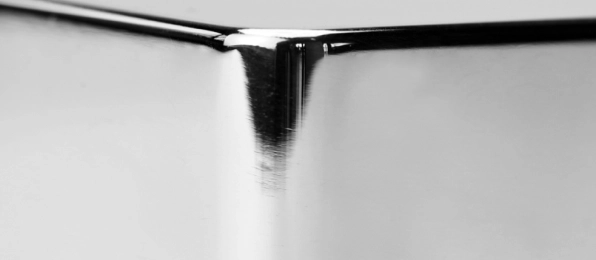
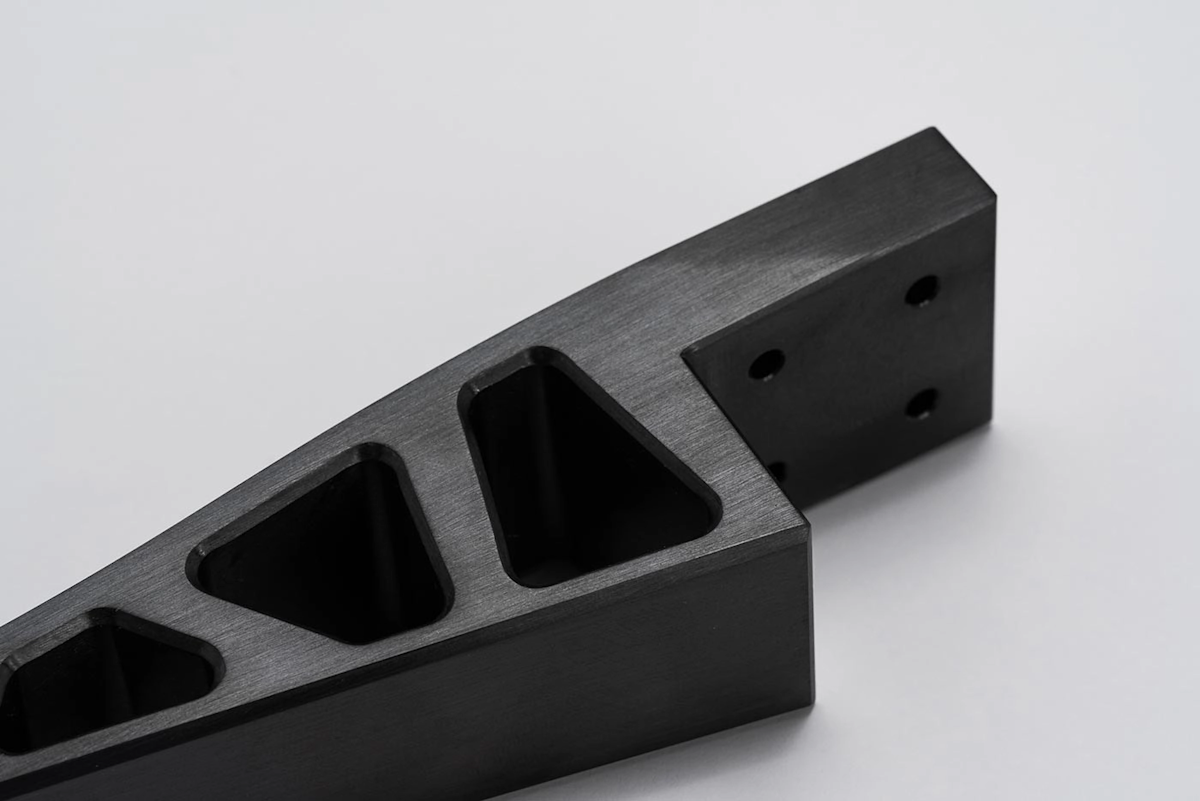
Los acabados superficiales de las piezas metálicas curvadas mejoran su resistencia, durabilidad y aspecto, haciéndolas aptas tanto para aplicaciones funcionales como estéticas.
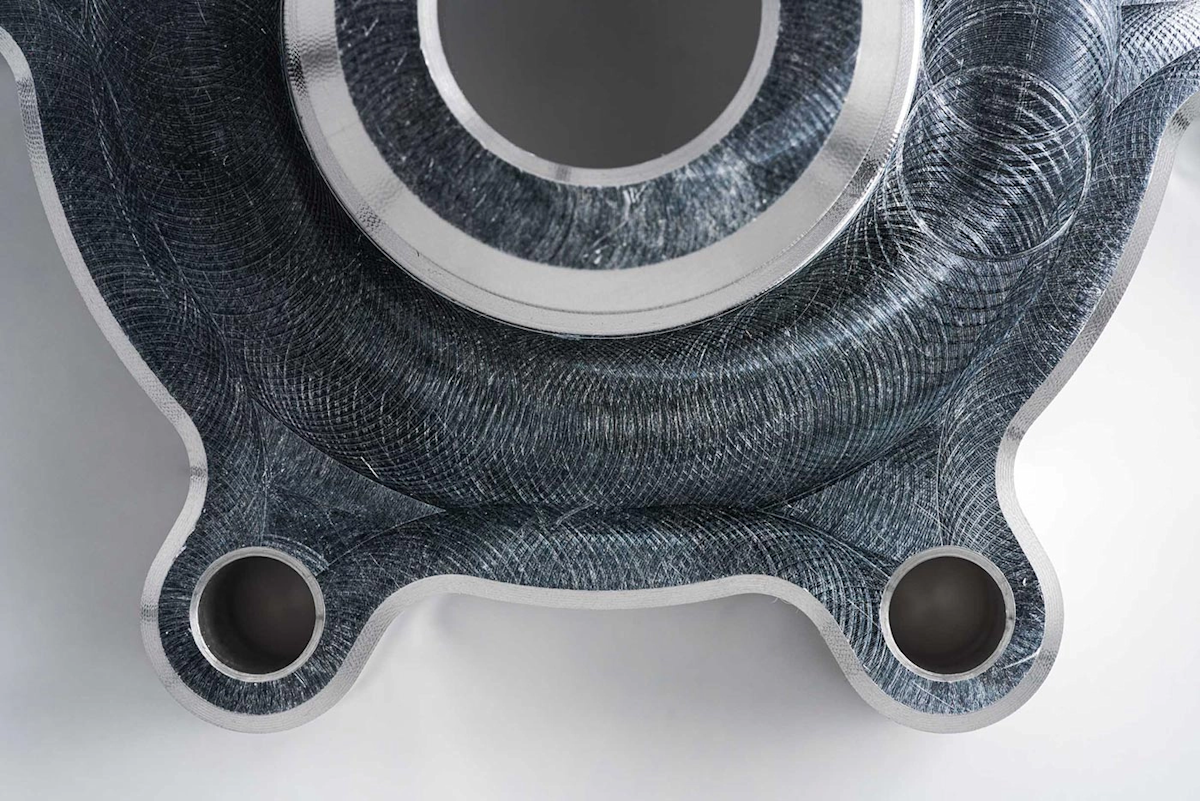
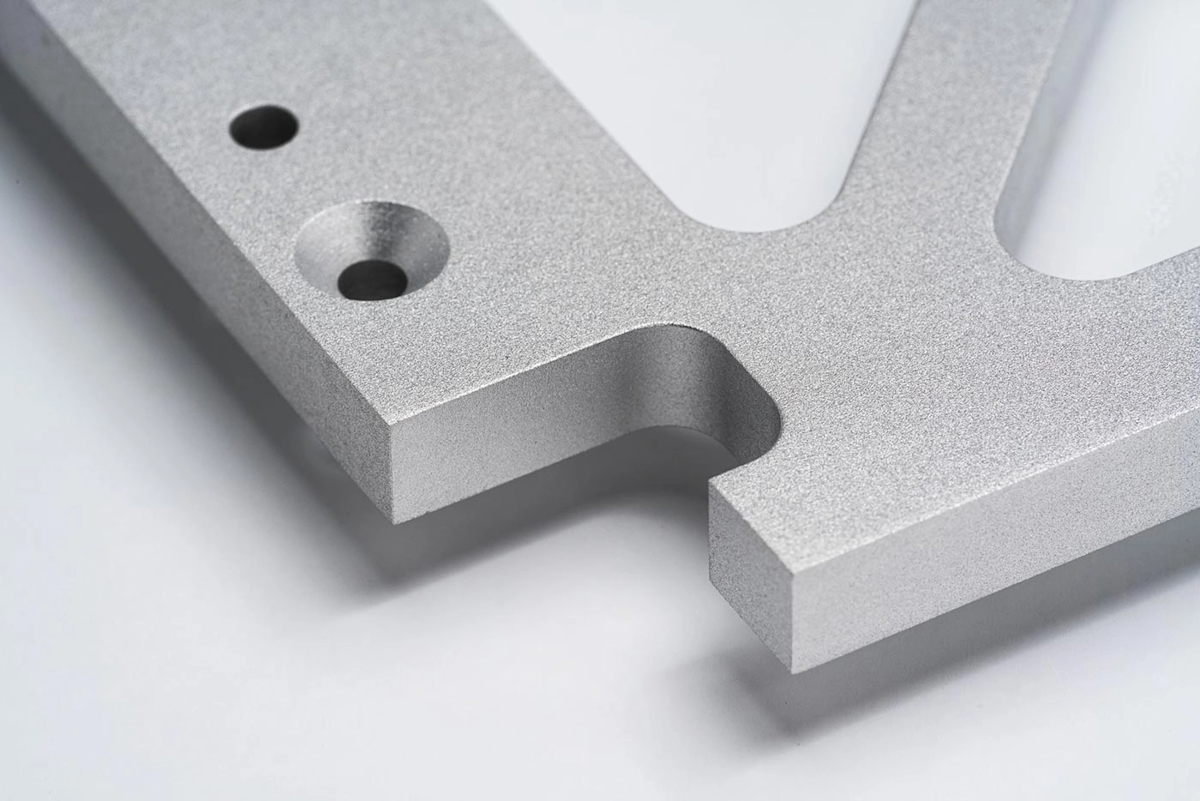
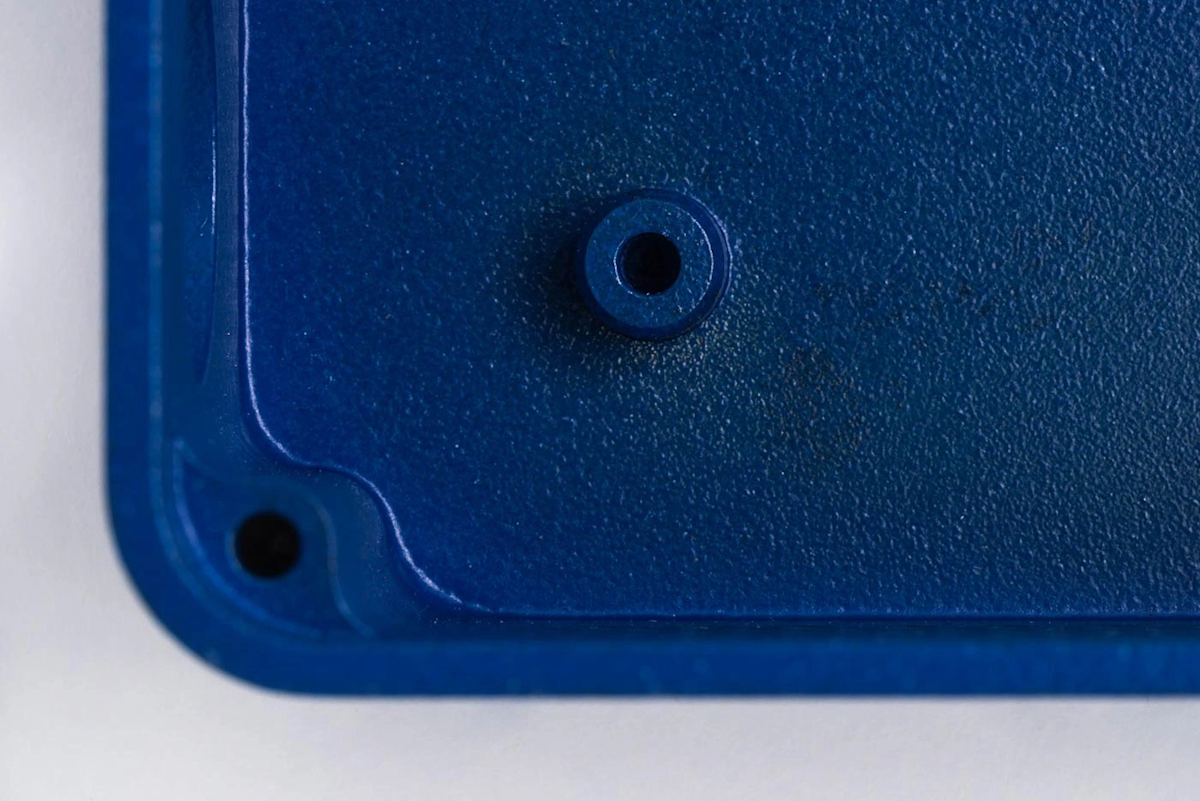
Ventajas
La fabricación por plegado de metales ofrece importantes ventajas, lo que la convierte en un proceso fundamental en múltiples sectores.
Aplicaciones
Los componentes metálicos curvados son versátiles, ya que transforman chapas planas en piezas funcionales y duraderas adecuadas para una amplia gama de usos.
Desde la era de la creación rápida de prototipos hasta la producción escalable, Tuowei Precision le ayuda con su proyecto gracias a sus fiables servicios de mecanizado CNC y fabricación. Nuestro equipo colabora con usted para asegurarse de que haya precisión, consistencia y una ejecución sin problemas en todos los niveles.
Comience su proyecto ahora y dé el primer paso hacia una fabricación eficiente y de alta calidad con Tuowei.
El plegado de metales utiliza técnicas especializadas para dar forma al metal con precisión, satisfaciendo diversas necesidades de fabricación en todos los sectores.
El plegado por aire es el método más común, en el que el punzón presiona el metal dentro de una matriz sin entrar totalmente en contacto con el fondo. Esto crea flexibilidad para producir múltiples ángulos con el mismo utillaje. Requiere menos fuerza que otros métodos, lo que lo hace rentable.
En el fondo, el punzón fuerza al metal a entrar totalmente en contacto con la parte inferior de la matriz en forma de V, lo que da como resultado una gran precisión y una reducción del springback. Sin embargo, necesita utillaje específico para cada ángulo, lo que puede aumentar los costes.
El acuñado utiliza una presión extrema para estampar el ángulo de doblado en el metal, eliminando casi por completo el springback. Este método ofrece una precisión excepcional, pero requiere máquinas de alto tonelaje.
El curvado con rodillos da forma a curvas o cilindros de gran radio mediante una serie de rodillos. Es ideal para fabricar vigas estructurales, cerramientos o paneles curvos.
Esta técnica dobla el metal, especialmente tubos y tuberías, estirándolo alrededor de una matriz de radio fijo y manteniendo la precisión dimensional. Se utiliza mucho en los sectores de automoción y calefacción, ventilación y aire acondicionado.
El plegado por rasqueta consiste en sujetar la chapa y doblarla sobre un borde perfilado, por lo que resulta excelente para crear bridas y perfiles intrincados con rapidez.
Conseguir doblados impecables requiere algo más que las herramientas adecuadas: es cuestión de técnica, precisión y experiencia. Estos son algunos consejos y trucos de eficacia probada para lograr resultados precisos, uniformes y de alta calidad en todos los proyectos de plegado de metal.
Elegir un utillaje que se adapte al tipo y grosor del metal es el primer paso hacia la precisión. Una matriz o un punzón incorrectos pueden provocar deformaciones, ángulos defectuosos o dobleces desiguales.
El cálculo correcto de la tolerancia de plegado y la deducción de plegado garantiza que las dimensiones finales de la pieza cumplan los requisitos de diseño. Los pequeños errores de cálculo pueden dar lugar a costosas repeticiones.
Las plegadoras CNC mejoran la repetibilidad y reducen los errores humanos, especialmente en grandes series de producción. El ajuste de la recuperación elástica durante la configuración también mantiene ángulos precisos.
Utilice medidores de ángulos para una rápida verificación durante la producción y sistemas de medición láser para una precisión a nivel de micras en piezas críticas. Las comprobaciones periódicas evitan que los defectos lleguen a fases posteriores.
Tanto si está creando un pequeño lote de piezas personalizadas como si está escalando para una producción de gran volumen, los servicios Tuowei Proto le ofrecen la flexibilidad que necesita.

El mecanizado rápido de prototipos CNC es perfecto para crear prototipos de ingeniería o producción que se asemejan mucho al producto final tanto en apariencia como en funcionalidad. En Tuowei, ofrecemos presupuestos instantáneos y entregas rápidas, proporcionándole prototipos mecanizados CNC precisos y de alta calidad para sus necesidades.

El mecanizado CNC de bajo volumen a menudo actúa como puente entre la creación de prototipos y la producción en serie para la producción nueva y emergente. Con Tuowei, este proceso se vuelve más fácil, eficiente y rentable, lo que le permite escalar la producción rápidamente manteniendo los estándares de alta calidad.

El mecanizado de producción CNC es la mejor solución para producir mil piezas o más de forma eficiente. Aprovechando una variada selección de materiales y capacidades de automatización y multieje, Tuowei ofrece una producción de gran volumen con tolerancias ajustadas, precisión dimensional superior, alta fiabilidad y plazos de entrega rápidos.
Manténgase al día sobre el mecanizado CNC real, las tendencias del sector y las perspectivas de producción en Tuowei Precision, pero se instala para permitirle tomar mejores decisiones de producción.