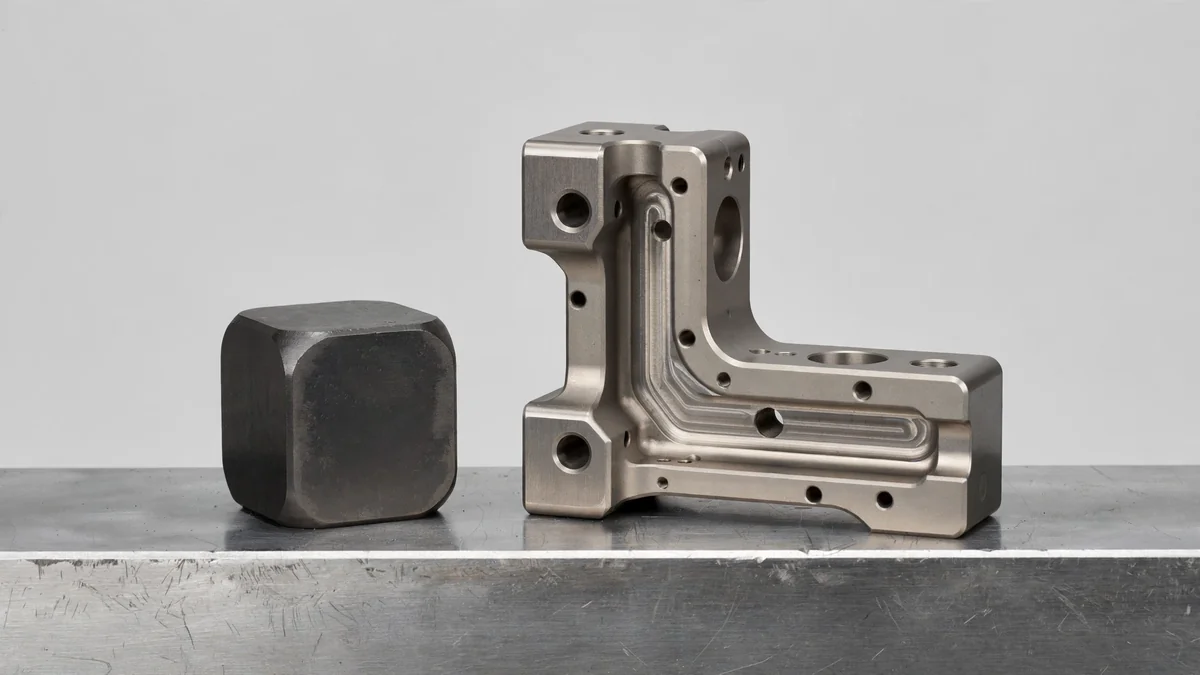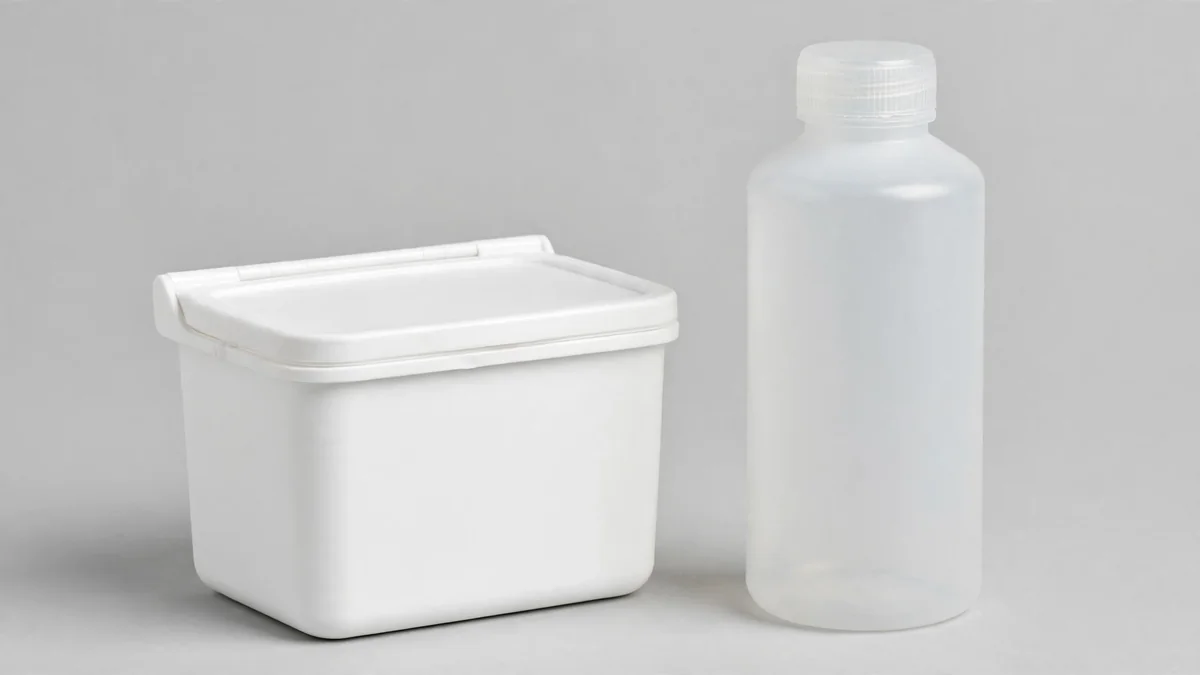
Polypropylene (PP) is stiffer, lighter and more heat resistant than polyethylene (PE), and it makes excellent living hinges. Polyethylene, especially HDPE, is tougher in the cold, more flexible and better at resisting impact below freezing. In the polypropylene vs polyethylene decision, pick PP for rigid, hot or sterilized parts and PE for flexible, outdoor or cold-weather parts.
Both are polyolefins, both float in water and both look similar on the shelf, so they get confused constantly. So what’s the difference? The primary difference is stiffness versus toughness, but the key differences go further: heat, cold, chemicals, molding and cost. This guide compares polyethylene vs polypropylene with the numbers you need, the design rules that change between them, and the mistakes we see in real projects, so you can choose the right plastic for your part.
This table summarizes the difference between polyethylene and polypropylene, along with the differences between polypropylene and the two main PE grades.
| الممتلكات | Polypropylene (PP homopolymer) | البولي إيثيلين عالي الكثافة | LDPE |
|---|---|---|---|
| الكثافة | 0.900 to 0.910 g/cm³ | 0.941 to 0.965 g/cm³ | 0.910 to 0.940 g/cm³ |
| Melting point | about 160 to 165 °C | about 125 to 135 °C | about 105 to 115 °C |
| قوة الشد | about 30 to 40 MPa | about 20 to 32 MPa | about 8 to 17 MPa |
| Stiffness (flexural modulus) | about 1.2 to 1.7 GPa | about 0.8 to 1.5 GPa | about 0.2 to 0.4 GPa |
| Low-temperature impact | poor near and below 0 °C (homopolymer) | excellent, stays tough well below -40 °C | excellent |
| Autoclave sterilization (121 °C) | yes | no, softens and distorts | no |
| Living hinges | excellent | poor | poor |
| Typical mold shrinkage | 1.0 to 2.5% | 1.5 to 4.0% | 1.5 to 5.0% |
| Recycling code | 5 | 2 | 4 |
All values are typical ranges for unfilled grades. Fillers, copolymers and additives change them, so confirm with the resin supplier’s datasheet.
A note on bad data: some charts online list polyethylene tensile strength in GPa (gigapascals). That is off by roughly a thousand. Unfilled PE and PP sit in the tens of MPa.
Polypropylene is a semi-crystalline thermoplastic polymer made by polymerizing propylene. The key characteristics of polypropylene are stiffness, low density, heat resistance and fatigue resistance in thin hinges. There are several grades of PP, in three main families:
PP is the lightest common commodity plastic, which means more parts per kilogram of resin. Products made of polypropylene include food containers, medical disposables, automotive parts such as interior trim and battery cases, caps and closures, and anything with a molded-in hinge. Most of these are injection molded.
Polyethylene is the most produced plastic in the world, made by polymerizing ethylene. The characteristics of polyethylene depend heavily on density and chain branching, so the types of polyethylene behave very differently. The main polyethylene grades are:
Plastic products made of polyethylene range from grocery bags to chemical tanks, and polyethylene materials cover more different uses than any other resin. When engineers compare PP and PE for molded or machined parts, they usually mean PP vs HDPE.
The chemical composition of both plastics is simple: only carbon and hydrogen. The difference is the monomer. Polyethylene is built from ethylene, a two-carbon monomer, so its chain is a plain backbone. Polypropylene is built from propylene, a three-carbon monomer, so every other carbon on its backbone carries a small methyl side group.
That one extra group changes the molecular structure, and with it the physical properties. The side groups stiffen the chain and raise the melting point, which is why PP is more rigid and more heat resistant. Unlike polyethylene, PP also has a glass transition near 0 °C, which explains its brittleness in the cold.
To make plastic parts from either resin, producers blend in an additive package: antioxidants for processing, UV stabilizers, colorants, nucleating agents and impact modifiers. Two parts that both say “PP” can behave differently because of these additives, so specific properties always come from the grade datasheet, not from the base polymer name.
Comparing polypropylene with HDPE, PP is generally stiffer and has a higher tensile strength. A PP housing or bracket deflects less under the same load and holds its shape better when warm.
HDPE is not weak, though. Its strength and durability come from toughness and impact resistance: it absorbs more energy before cracking and stretches much further before failure. That combination of chemical resistance and flexibility is hard to beat. That is why HDPE is used for pipes, drums and playground equipment that get dropped, kicked and frozen.
Our position: for snap-fit housings, clips, trays and anything that must feel solid, start with PP. For parts that will be dropped, crushed or flexed many times, start with HDPE.
Polypropylene melts about 30 °C higher than HDPE. In practice, that means:
If the part sees hot water, steam or microwave heating, polypropylene is the safer choice. Its resistance to high temperatures is one of the clearest wins in any PE vs PP comparison.
This is the property that most often decides the polypropylene vs polyethylene question, and the one buyers most often miss.
Homopolymer PP has a glass transition temperature a little below 0 °C. As it gets colder, it becomes brittle and can crack on impact. A PP bin that survives a drop in a warm warehouse may shatter in a freezer or outdoors in winter.
HDPE and LDPE have glass transitions far below room temperature, so they stay tough well below -40 °C. That makes PE the default for:
If you need PP’s stiffness in the cold, specify an impact copolymer grade and test at your lowest operating temperature.
Both polymers have high resistance to water, most acids, bases, alcohols and salts. That resistance to chemicals is why both are used for chemical tanks, lab bottles and battery parts. In most chemicals PP behaves much like polyethylene. Combined temperatures and chemical exposure is where each polymer shows its limits. The differences are in the edge cases:
| Exposure | بولي بروبيلين | Polyethylene (HDPE) |
|---|---|---|
| Dilute acids and bases | ممتاز | ممتاز |
| Alcohols | ممتاز | ممتاز |
| Strong oxidizers (concentrated nitric acid, chlorine) | Attacked over time | Attacked over time |
| Aromatic and chlorinated solvents (toluene, xylene, chloroform) | Swells, softens | Swells, softens |
| Detergents and surfactants under stress | جيد | Risk of environmental stress cracking |
| Hot chemicals | Better, higher heat resistance | Worse |
Environmental stress cracking (ESC) deserves special attention. HDPE parts that are under constant stress, such as a snap-fit or a threaded cap, can crack when exposed to soaps, oils or wetting agents. Choose an ESC-resistant HDPE grade or reduce the built-in stress.
Neither polymer should be used for long-term solvent storage without testing the exact chemical at the exact temperature.
Unprotected PP and PE both degrade in sunlight. They chalk, fade and become brittle. PP degrades faster than HDPE in most outdoor tests.
For outdoor parts, specify:
Both polymers mold easily and quickly, but they behave differently in the tool. Our قولبة حقن البلاستيك team uses these rules of thumb:
Shrinkage and warpage. HDPE shrinks more than PP and is more prone to warping, especially in large flat parts. Mold design must account for different shrink rates; you generally cannot swap one resin into a tool cut for the other and expect parts in tolerance.
سمك الجدار. Keep walls uniform. A common working range is about 0.8 to 3.8 mm for PP and about 0.8 to 5 mm for HDPE. Thick sections in either material cause sink marks and voids.
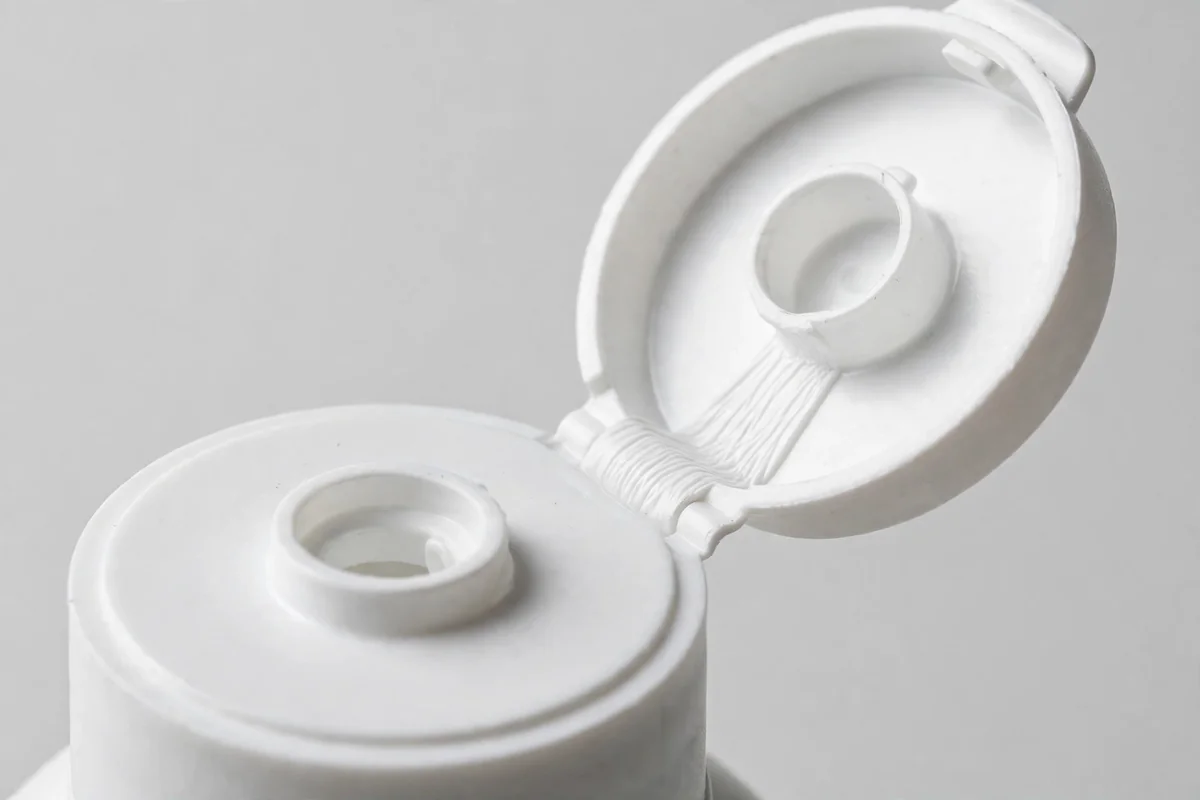
Living hinges. PP is the clear choice. A properly designed PP hinge, about 0.2 to 0.5 mm thick and flexed soon after molding, can survive a huge number of cycles. PE hinges fatigue and whiten quickly.
Snap fits. PP’s stiffness gives a crisper snap. HDPE’s flexibility allows deeper undercuts but weaker retention.
Overmolding. Both have low surface energy, so they bond only to compatible materials. TPE grades designed for PP adhesion are widely available; see our guide to TPE material and overmolding وـ overmolding process and materials overview.
For draft, ribs and boss rules, our injection molding design guidelines apply to both resins.
PP and HDPE can both be CNC machined, which is useful for prototypes, low-volume parts and thick blocks that cannot be molded well. Expect a few differences from metal work:
اطلع على polypropylene CNC machining service for stock sizes and tolerances.
Both polyolefins are hard to glue or print on because their low surface energy repels adhesives and inks. Options include:
You cannot reliably weld PP to PE. If an assembly needs welding, design both halves in the same resin family.
Both PP and PE are widely used for food packaging and kitchenware, and grades approved by the FDA for use in food contact are easy to source. In the United States, olefin polymers for food contact are regulated under FDA 21 CFR 177.1520, which sets composition and extraction limits. Compliance applies to the specific grade and its additives, not to “PP” or “PE” in general, so always request a food-contact compliance letter from the resin supplier. EU and other markets have their own rules.
PP’s higher heat resistance makes it the usual choice for microwave containers and items washed in hot dishwashers.
PP and HDPE are both low-cost commodity resins, and their prices move with oil, gas and market supply. Polypropylene costs are usually similar to HDPE per kilogram, but PP is slightly less dense, so the same part volume uses less resin by weight, which can give PP a small cost edge. Most of both resins is used in packaging, which keeps volumes high and prices low.
Both are recyclable in principle:
The U.S. EPA publishes recycling and generation figures for plastics on its plastics material-specific data page.
Most failures we are asked to fix trace back to one of these:
Each of these is cheap to prevent at the design stage and expensive to fix after tooling.
Polypropylene is usually stiffer and has higher tensile strength than HDPE, so it feels more solid and resists bending better. Polyethylene is tougher, especially in the cold, and absorbs impact without cracking. For rigid parts choose PP; for parts that get dropped or used below freezing, choose PE.
Both are widely used and can be food safe when the specific grade complies with FDA or local rules. PP handles heat better, so it suits microwave containers and dishwasher use. HDPE is common for milk jugs and cold storage. Always check the supplier’s food-contact compliance letter for your exact grade.
They can be collected together, but they are not fully compatible when melted. Mixed PP and PE blends usually have lower strength and are used for lower-grade products such as lumber and pallets. For high-quality recycled resin, the two polymers are sorted, often by density or near-infrared scanning.
HDPE is tougher, more flexible and much better in freezing temperatures. PP is stiffer, lighter, more heat resistant and the best choice for living hinges and autoclaved parts. HDPE shrinks more in molding. Both resist most chemicals, but HDPE is more prone to stress cracking with detergents.
Not easily. Both have very low surface energy, so standard adhesives peel off. Reliable bonding needs surface treatment such as flame, corona or plasma, or a polyolefin-specific adhesive and primer. Many designers avoid glue altogether and use snap fits, screws or plastic welding instead.
When you compare polyethylene vs polypropylene for a real part, the key properties above narrow it quickly. The polypropylene vs polyethylene choice is usually made by three questions. Will the part get hot or be sterilized? Choose PP. Will it be cold, dropped or flexed hard? Choose HDPE or LDPE. Does it need a living hinge? Choose PP.
Both have many common uses, and their properties and uses overlap, so for polyethylene or polypropylene borderline cases, mold or machine a few prototypes in both and test them at your worst-case temperature. Good material selection comes from real material properties, not from habit. Tuowei Precision can help with material selection, tooling and production; send your design for an عرض أسعار فوري or visit the الصفحة الرئيسية لشركة Tuowei Precision to see all our capabilities.