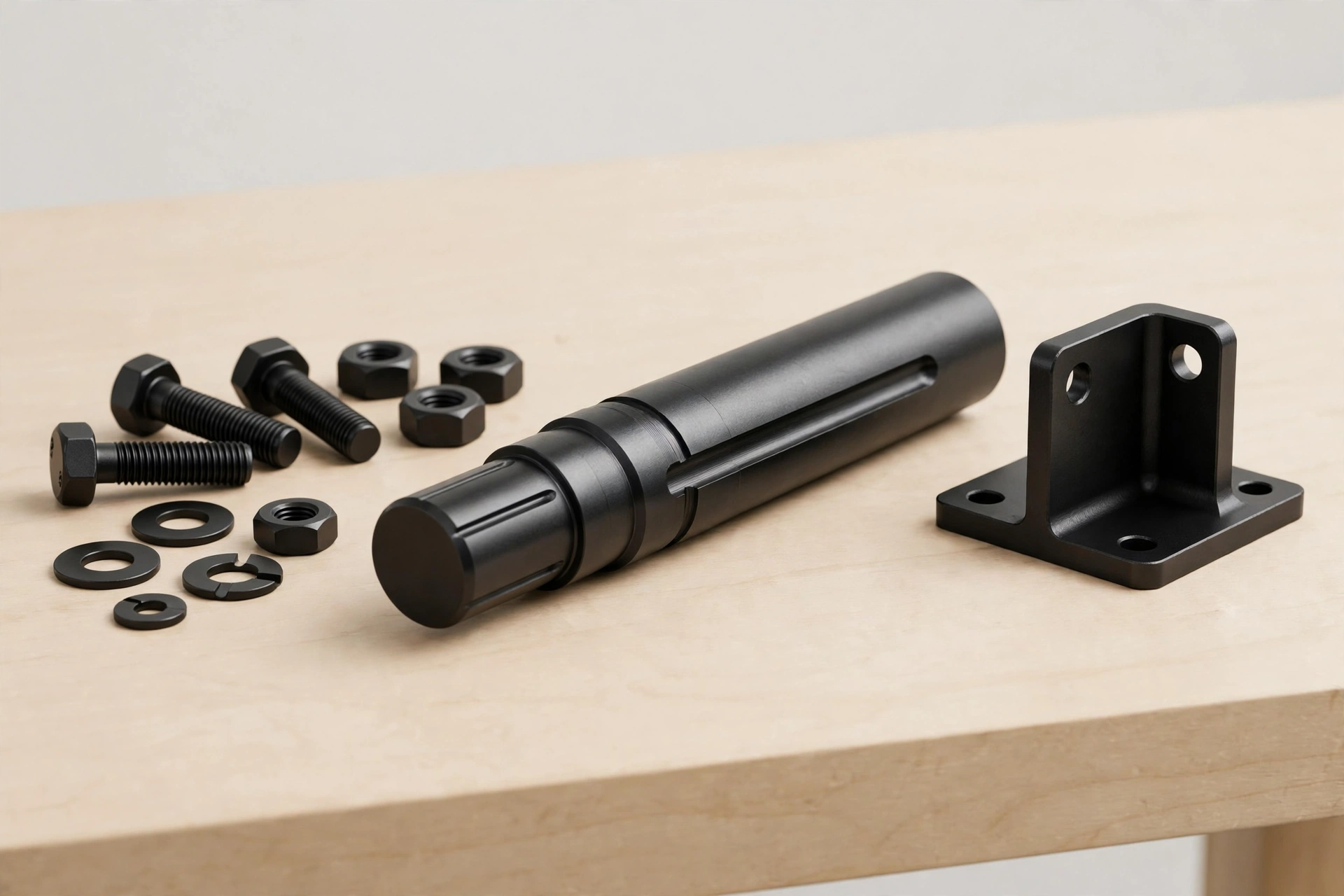
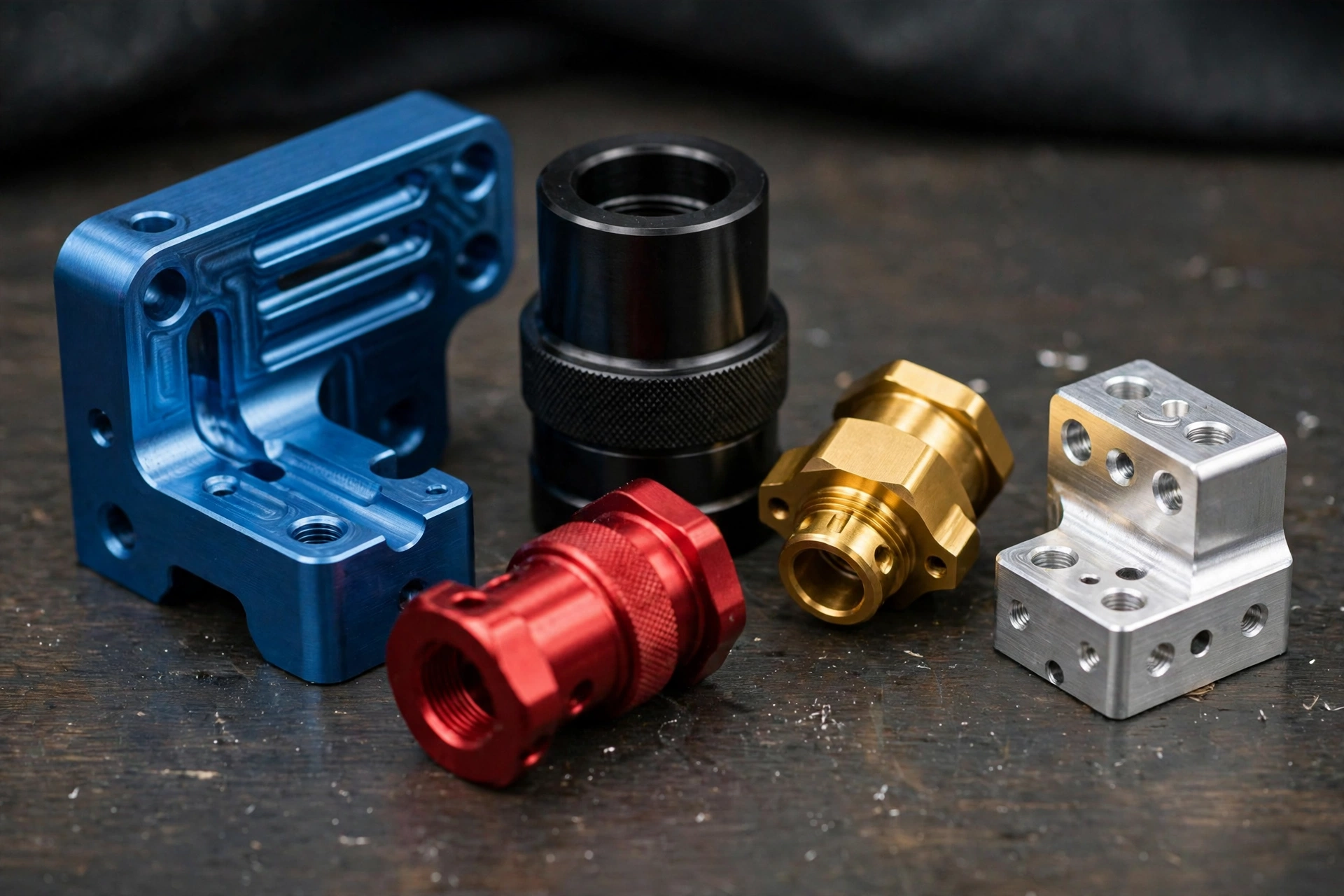
هل تحتاج إلى حلول متخصصة في مجال التصنيع الآلي؟ فريقنا في Tuowei Precision جاهز لمساعدتك في تلبية جميع احتياجاتك التصنيعية. تواصل معنا اليوم للحصول على عرض أسعار لمشاريعك الجارية أو المرتقبة!
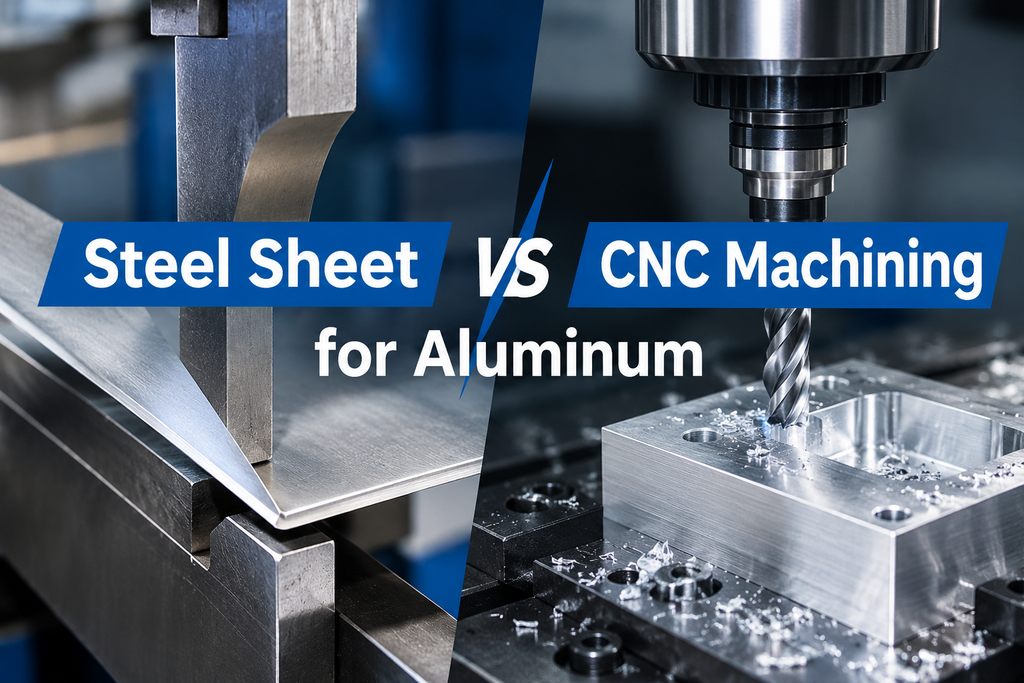
الاختيار بين تصنيع الصفائح المعدنية و التصنيع الآلي باستخدام الحاسب الآلي تؤثر عملية تصنيع العلب الإلكترونية على تكلفة التصنيع، ودقة الأبعاد، والقوة الهيكلية، والأداء الحراري، ومدة الإنتاج. وتعتمد العملية المناسبة على الشكل الهندسي للعلبة، والتفاوتات المسموح بها المطلوبة، واختيار المواد، وكمية الطلب، وكيفية تجميع العلبة النهائية.
غالبًا ما يُعد تصنيع الصفائح المعدنية خيارًا عمليًّا لصنع العلب خفيفة الوزن، والخزائن الكهربائية، والأغطية الواقية، والهياكل، والألواح ذات سماكة الجدران المتجانسة نسبيًّا. أما التصنيع باستخدام الحاسب الآلي (CNC) فهو أكثر ملاءمة للمكونات التي تتطلب ميزات تركيب دقيقة, ، أو الجيوب المعقدة، أو النتوءات المدمجة، أو الثقوب الملولبة، أو أسطح الإحكام المُشكَّلة بدقة.
بالنسبة لبعض أغلفة الأجهزة الإلكترونية، يوفر الجمع بين العمليتين التوازن الأمثل بين التكلفة والأداء.
اختر تصنيع الصفائح المعدنية للأغلفة ذات الجدران الرقيقة، والهياكل الكهربائية، والأغطية، والحوامل، والألواح ذات الأشكال الهندسية البسيطة نسبيًّا.
اختر التصنيع باستخدام الحاسب الآلي (CNC) للأغلفة المعقدة التي تتطلب ميزات تركيب دقيقة، أو جيوبًا عميقة، أو نتوءات مدمجة، أو أسطح تلامس حساسة.
مقارنة التكلفة الإجمالية للتصنيع, ، بما في ذلك هدر المواد، والأدوات، ووقت التشغيل الآلي، والتشطيب، والتجميع، والفحص، لا سيما في عمليات التصنيع الدقيقة.
يجب مراعاة حجم الإنتاج في مرحلة مبكرة، خاصةً إذا كان من المحتمل أن تتعرض المواد للانثناء أثناء عملية التصنيع. قد تصبح أدوات تصنيع الصفائح المعدنية خيارًا اقتصاديًا في حالة الطلبات المتكررة، في حين أن التصنيع باستخدام الحاسب الآلي (CNC) يمكن أن يسهل عملية إنتاج النماذج الأولية وإجراء تعديلات على التصميم.
تقييم التفاوتات المسموح بها لكل ميزة على حدة، لا سيما في سياق قدرات التصنيع باستخدام التحكم الرقمي (CNC). ولا تضمن أي من العمليتين تلقائيًّا تفاوتًا محددًا لكل بُعد.
فكر في تصميم هجين عندما يحتاج الهيكل إلى غلاف خارجي اقتصادي وميزات وظيفية مصنوعة بدقة.
يتم في مجال تصنيع الصفائح المعدنية إنتاج القطع عن طريق قطع الصفائح المعدنية وثنيها وثقبها وختمها ولحامها وربطها. أما التصنيع باستخدام الحاسب الآلي (CNC) فيستخدم أدوات قطع يتم التحكم فيها بواسطة الحاسوب لإزالة المواد من كتلة صلبة أو صفيحة أو أي قطعة عمل أخرى.
على الرغم من أن كلا العمليتين يمكنهما تصنيع أغلفة الأجهزة الإلكترونية، إلا أنهما تتبعان نهجًا مختلفًا في التعامل مع الشكل الهندسي للأجزاء.
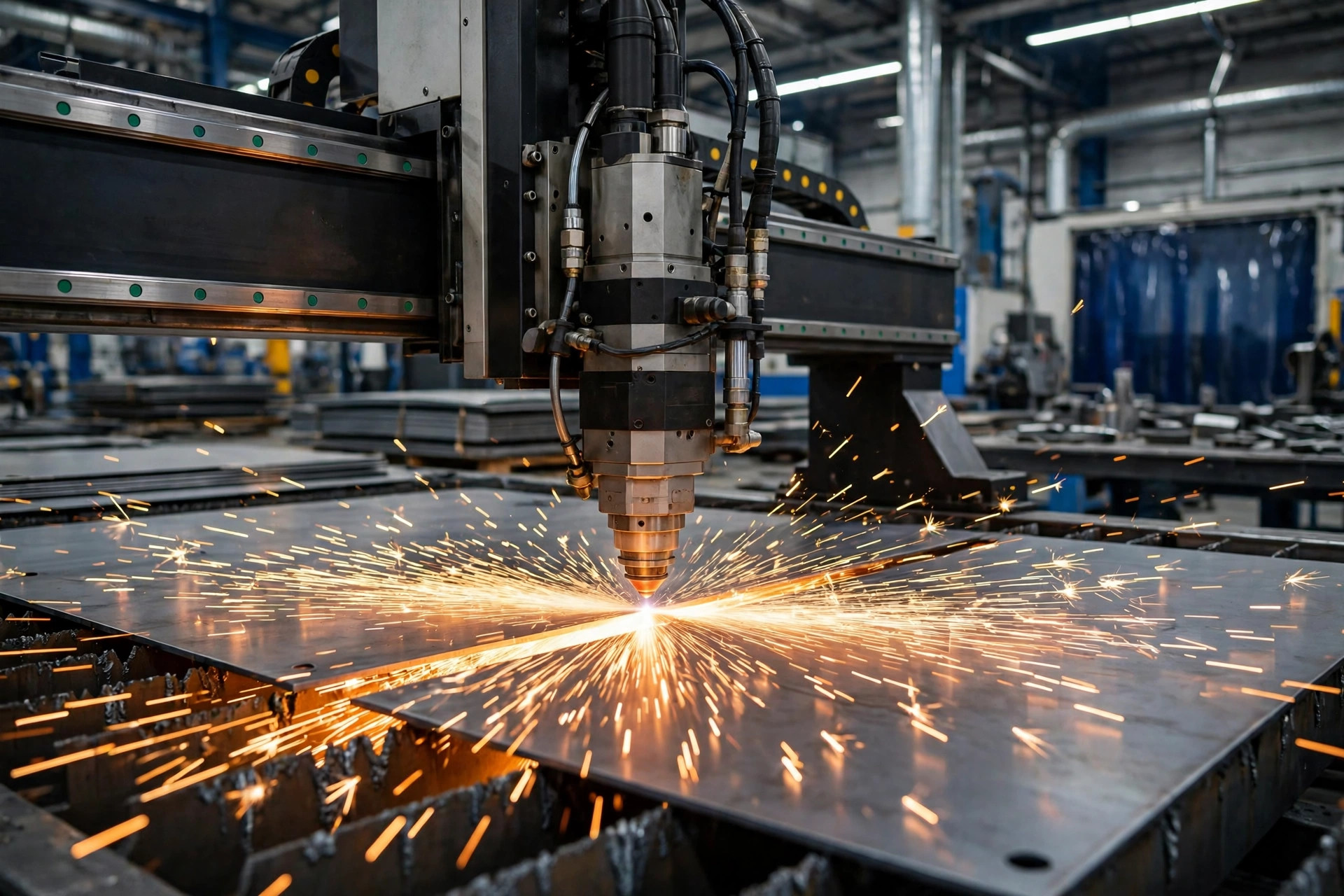
تصنيع الصفائح المعدنية تبدأ العملية عادةً بصفائح معدنية مسطحة. يتم قص المادة حسب الشكل المطلوب باستخدام القطع بالليزر أو التثقيب أو أي عملية قص أخرى، لا سيما عند التعامل مع المواد الشائعة. ثم يتم ثنيها أو تشكيلها لتتخذ الشكل الهندسي المطلوب. وقد تشمل العمليات الإضافية اللحام، وتركيب الحشوات الملولبة، وإزالة الحواف الخشنة، وتطبيق تشطيب السطح.
ورقة مشتركة تشمل مكونات الغلاف المعدني ما يلي:
التحكم الكهربائي الصناديق وخزانات المعدات
جهاز إلكتروني الأغطية والهيكل
دعامات التركيب واللوحات الداعمة
العلب المُهواة وألواح الوصول
علب البطاريات والواقيات
تُعد الصفائح المعدنية مفيدة بشكل خاص عندما يتألف التصميم من جدران رقيقة نسبيًا، وألواح مسطحة، وحواف، وانحناءات.
تعرف على المزيد حول خدمات تصنيع الصفائح المعدنية التي تقدمها شركة «تووي» للدقة.
تنتج المعالجة باستخدام الحاسب الآلي (CNC) المكونات عن طريق إزالة المواد وفقًا لمسار أداة تم إنشاؤه بواسطة الحاسوب. واعتمادًا على التصميم، قد يلجأ المصنعون إلى عمليات الطحن، أو الحفر، أو التثقيب، أو التوسيع، أو الخراطة، أو المعالجة متعددة المحاور.
للإلكترونيات في مجال التصنيع باستخدام الحاسب الآلي (CNC)، يمكن تصنيع قطع مخصصة بدقة وكفاءة:
التركيب الدقيق تعد الثقوب والفتحات الملولبة عناصر أساسية في تجميع العلب الإلكترونية عالية الجودة.
جيوب مدمجة لللوحات الإلكترونية
مانع تسرب مُشكَّل آليًّا تُعد الأخاديد عنصراً حاسماً لضمان الملاءمة المناسبة في صناديق إلكترونية للتحكم الرقمي (CNC).
التركيب المتكامل bosses are a common feature in designs that utilize extruded aluminum, which may flex during machining if not properly supported.
Heat sink interfaces and thermal contact surfaces are essential for effective heat dissipation in electronic enclosures.
Complex contours and accurately positioned datums are essential in custom precision manufacturing.
CNC machining allows for the creation of components that require features that would be difficult to form, weld, or assemble from sheet metal.
Explore TUOWEI Precision’s CNC machining services for custom metal and plastic components.
The following table summarizes the main differences. Actual results depend on enclosure geometry, material, tolerances, production quantity, and manufacturing specifications, especially when using CNC machining for precision.
| Comparison Factor for the | تصنيع الصفائح المعدنية | التصنيع الآلي باستخدام الحاسب الآلي |
| effectiveness of custom precision versus standard manufacturing processes.Manufacturing method | Cuts and forms sheet material, making it suitable for creating components in injection molding or CNC machining, but attention must be paid to how the material may flex during machining. | Removes material from a solid workpiece |
| Typical geometry often includes common features like integrated mounting bosses, heat sink interfaces, and fin design for improved cooling. | Panels, flanges, bends, covers, chassis | Pockets, bosses, grooves, complex contours |
| سُمك الجدار | Usually relatively uniform, but may vary depending on the complexity of features like extruded aluminum sections. | Can vary across the component |
| Dimensional accuracy is critical for precision manufacturing, especially for components used in PCB assemblies. | Affected by cutting, bending, springback, and assembly, especially in CNC machined aluminum components. | Depends on tooling, setup, material, and feature geometry |
| Material utilization | Often efficient for thin-walled designs | Can generate significant chips when machining from solid stock |
| Tooling considerations | Simple laser-cut designs may require little dedicated tooling; stamping may require dies | CAM programming and workholding are required; dedicated forming dies are generally unnecessary when working with extruded enclosure designs. |
| Design revisions | May require changes to flat patterns, bend setups, or tooling to accommodate flex during machining. | Often handled through CAD and CAM updates, subject to setup requirements |
| Production suitability can be influenced by how materials flex during machining. | Well suited to panels and repeatable formed parts | Suitable for prototypes, precision components, and production parts |
| التجميع | May require fasteners, welds, or inserts | Can integrate multiple features into one custom precision component. |
| تشطيب الأسطح | May include deburring, powder coating, anodizing where suitable, or other treatments for CNC machined aluminum parts. | May include bead blasting, polishing, anodizing, or other compatible treatments |
| Common enclosure applications | Cabinets, covers, chassis, brackets | Precision housings, sensor mounts, sealing interfaces, thermal components |
Neither process is universally more accurate for every feature. The correct choice of materials for custom parts depends on the dimension being controlled and how that feature is manufactured.
For example, a formed panel may provide adequate accuracy for an enclosure cover, while a circuit-board mounting hole or precision sealing interface may require CNC machining for custom parts.
التصنيع الآلي باستخدام الحاسب الآلي is often advantageous when multiple features must maintain a controlled relationship to a common datum.
Enclosure drawings should distinguish between general dimensions and critical dimensions relevant to custom aluminum enclosures, ensuring that tolerance control is maintained throughout the manufacturing process.
General dimensions may control the overall width, height, and depth of a housing. Critical dimensions can include those necessary for precision CNC machining in industrial equipment.
Hole positions for circuit-board mounting in electronic products can be optimized using CNC machining.
Alignment between mating enclosure halves
التسطيح of mounting surfaces
Position of threaded holes and inserts
Depth and width of gasket grooves are critical for maintaining structural integrity in electronic products.
Alignment of connectors, switches, and displays
Sheet metal bending introduces springback, which occurs when material partially returns toward its original shape after forming, affecting the accuracy of the aluminum enclosure. Bend direction, material thickness, tooling, and material properties can influence the final geometry.
CNC machining avoids sheet metal bent springback but can still experience tool deflection, workpiece distortion, residual-stress release, and setup-related errors, which can increase machining time.
The best approach is to specify tighter tolerances only where they are functionally necessary, particularly in precision CNC milling applications. Applying unnecessarily tight tolerances across an entire enclosure can increase inspection requirements, manufacturing time, and cost.
For precision components, see design tips for machining for electronic applications. TUOWEI Precision’s precision CNC machining services for custom aluminum enclosures.
Surface finish matters when an electronics housing needs environmental protection, reliable contact between components, or a consistent appearance.
Sheet metal panels can provide suitable surfaces for many covers and chassis, but custom aluminum options may offer enhanced performance. However, welded joints, bends, and assembled interfaces may require additional design consideration.
التصنيع الآلي باستخدام الحاسب الآلي can produce controlled contact surfaces and gasket grooves when the required geometry is accessible to the cutting tools. The achievable finish depends on the material, tool condition, cutting parameters, and finishing operations.
A sealed enclosure requires more than a smooth surface. The design must also consider gasket compression, groove dimensions, fastener spacing, cover stiffness, and the intended environmental rating.
Do not assume that choosing CNC machining alone guarantees an IP-rated enclosure. The complete assembly must be designed and validated for its intended operating conditions.
Sheet metal fabrication can reduce manufacturing costs when the enclosure has thin, relatively uniform walls and does not require extensive machining, particularly in the context of CNC electronic enclosures.
Its cost advantages often come from using sheet stock efficiently and forming the required shape without removing large amounts of material.
A sheet metal enclosure may be produced from a flat blank, with cutting and bending operations creating the finished shape. Nested cutting layouts can help reduce unused material across multiple parts.
CNC machining, by contrast, may begin with a larger block or plate of raw aluminum to create precise parts for electronic applications. Material must be removed to produce internal cavities, pockets, and other features.
The amount of waste varies significantly with the design. A shallow CNC-machined component may use material efficiently, while a deeply pocketed housing may require substantial stock removal.
When comparing quotes, evaluate the complete manufacturing route rather than material price alone, as this can significantly impact the production of extruded aluminum housing.
Sheet metal laser cutting and CNC machining can both support prototypes without dedicated production tooling of the kind required for some stamping operations.
For formed parts, stamping dies or other dedicated tooling can introduce upfront expenses. Those expenses may be distributed across a larger number of parts during repeat production.
CNC machining typically requires programming, work holding, setup, and cutting time, which are essential for achieving high precision in aluminum CNC projects. More complex parts or additional setups can increase costs.
There is no universal quantity at which sheet metal automatically becomes cheaper than CNC machining. The break-even point must be calculated using actual quotations and the specific enclosure design for industrial applications.
A useful cost model هو
Total manufacturing cost = material + setup + tooling + processing + finishing + assembly + inspection + logistics
To compare production options, request quotations for the same drawing revision, material specification, finish, tolerances, and order quantities for the custom CNC aluminum enclosure.
CNC machining is often the stronger option when an enclosure needs complex geometry, precise interfaces, or structural features that are difficult to create through sheet metal forming, especially for aluminum electronic designs.
الطحن باستخدام الحاسب الآلي (CNC) can create recessed areas, pockets, mounting bosses, threaded holes, and other features directly in the workpiece, particularly when working with raw aluminum.
These features can be important when electronic assemblies require accurate positioning or when multiple components must fit inside a compact housing.
Sheet metal can accommodate many holes, slots, flanges, and mounting features, but some designs require separate brackets, inserts, or additional assembly operations.
Some electronics housings contain precision interfaces for sensors, connectors, optical components, or circuit boards.
التصنيع الآلي باستخدام الحاسب الآلي may be appropriate when these features require accurate positional relationships or controlled surface geometry.
The drawing should identify the critical dimensions and datums so the manufacturer can select an appropriate machining and inspection strategy for precision manufacturing.
Electronics enclosures sometimes need to transfer heat away from processors, power electronics, or other heat-generating components.
A CNC-machined housing can incorporate mounting surfaces, channels, ribs, or other features depending on the design and material, which may flex during machining.
However, thermal performance depends on more than the manufacturing process. Material conductivity, contact resistance, available surface area, airflow, and the heat load must all be considered.
Sheet metal can also provide effective thermal management through suitable materials, ventilation, heat sinks, and interface components. The correct solution depends on the thermal requirements and enclosure architecture.
Wall geometry is one of the most important factors when comparing sheet metal fabrication with CNC machining.
A design with relatively uniform walls, flat panels, and repeated bends is often a good candidate for sheet metal fabrication.
Examples include
Control-panel covers
Electrical enclosures
Instrument chassis
Ventilated equipment
Mounting trays
The material thickness, minimum bend radius, hole placement, and flange dimensions should be evaluated together. Features positioned too close to bends may distort or interfere with forming, depending on the material and tooling.
CNC machining is often preferable when a housing has different wall thicknesses, recessed cavities, integrated bosses, or complex three-dimensional surfaces, especially when using extruded enclosure designs.
Machining can create these features from a single workpiece, although deep pockets and thin remaining walls may introduce tool-access, vibration, and distortion challenges.
Designers should avoid removing more material than necessary and consider whether the enclosure can be divided into separate components.
Both manufacturing processes can produce holes and threaded interfaces, but the appropriate method depends on feature location and functional requirements.
Sheet metal enclosures may use tapped holes where material thickness allows, rivet nuts, clinch nuts, threaded inserts, or other fastening methods to maintain structural integrity.
CNC-machined housings can incorporate tapped holes and precision bores directly into custom aluminum material.
When designing a fastener system, consider thread engagement, edge distance, access for installation, assembly loads, and the risk of distorting thin panels.
Material selection affects weight, corrosion resistance, formability, machinability, strength, thermal performance, and finishing requirements.
| المواد | Sheet Metal Considerations should include how the material may flex during machining. | CNC Machining Considerations for aluminum housing in industrial applications. |
| ألومنيوم | Useful for lightweight panels and formed enclosures when the selected alloy and temper provide suitable formability | Suitable for lightweight housings, machined mounting features, and thermal components, particularly in aluminum CNC applications. |
| Carbon steel can be used in some applications, but aluminum is preferred for electronic housings due to its lightweight and thermal dissipation properties. | Can provide economical, rigid enclosures and brackets; protective finishing may be required | Suitable for machined structural components where the specified grade meets the application requirements |
| الفولاذ المقاوم للصدأ | Useful where corrosion resistance, cleanability, or durability is important; forming characteristics depend on the grade | Can produce precision components, although machining parameters depend on the selected stainless steel grade; however, CNC machining provides the ability to create internal pockets with high precision. |
| Copper is often used in electronic housings for its excellent thermal dissipation properties, but it may flex during machining if not handled properly. | Can be fabricated for electrical or thermal applications when the design supports forming | Can be machined for conductive components and specialized thermal interfaces |
ألومنيوم 5052 is commonly considered for sheet metal applications because of its formability and corrosion resistance. الألومنيوم 6061 is widely used for CNC-machined components because it offers a useful combination of strength, machinability, and versatility.
These are general selection considerations, not absolute rules. The correct alloy depends on the required mechanical properties, manufacturing method, environment, and finishing process.
For example, an enclosure may use a formable aluminum alloy for its outer shell and a different aluminum alloy for a precision-machined mounting plate.
Yes, custom precision methods can enhance the overall quality. A hybrid manufacturing approach can be useful when a housing needs both economical panel construction and precision-machined interfaces, such as those found in aluminum electronic enclosures.
Rather than manufacturing the entire enclosure using one process, the design can assign different functions to separate components.
Consider an enclosure containing a circuit board, connectors, a heat-generating component, and a removable outer cover made from aluminum chassis.
Possible manufacturing strategy
Sheet metal shell Forms the main body, outer cover, and ventilation panels.
CNC-machined mounting plate: Provides accurate mounting surfaces for the circuit board or other sensitive components in the electronic enclosure.
Machined sealing interface لـ custom aluminum housings is essential for achieving custom precision standards Provides the required groove or contact geometry where specified, while considering how the material may flex during machining.
Fasteners and inserts are essential for ensuring the assembly of custom parts within an aluminum chassis. Connect the shell and mounting plate while supporting assembly and maintenance.
This approach can reduce the amount of material that must be machined while preserving precision in important functional areas of the CNC aluminum enclosure, thus enhancing tolerance control.
Hybrid construction introduces additional parts and assembly operations. Designers should consider:
The number of fasteners and joining operations
Alignment between the shell and machined components is crucial for maintaining the integrity of the housing CNC machining process, especially in custom precision applications.
Tolerance stack-up across mating parts
Electrical bonding and grounding requirements
Thermal contact between components
Gasket placement and sealing requirements are critical in ensuring effective heat dissipation.
Assembly access and future maintenance should be considered when designing custom aluminum enclosures.
A hybrid design is not automatically cheaper, especially when considering custom CNC machining options for aluminum electronic enclosures. It becomes attractive when the functional benefits of using CNC machining outweigh the additional assembly and joining costs.
Use the following decision framework during the early design stage.
| Design Question regarding the use of common materials in the project. | Recommended Starting Point | Reason for choosing custom precision techniques in manufacturing includes minimizing flex during machining. |
| Does the design mainly consist of thin panels, bends, and flanges? | تصنيع الصفائح المعدنية | The geometry is well suited to cutting and forming |
| Does the part contain complex pockets, integrated bosses, or variable wall thicknesses that could cause it to flex during machining? | التصنيع الآلي باستخدام الحاسب الآلي | Material can be removed to create three-dimensional features |
| Are critical mounting surfaces or mating features difficult to maintain through bending and assembly? | CNC machining for those features is essential to ensure the quality of the final product, especially in aluminum machining. | Machining can help control feature relationships |
| Is the design still changing frequently for the electronic enclosure? | Compare CNC prototypes and sheet metal prototypes | The better option depends on the revision, material, and setup requirements |
| Is the design stable and intended for repeat production? | Compare sheet metal tooling and CNC production costs | Quantity and repeatability influence the total cost |
| Does the enclosure need a formed shell and precise internal mounting features? | Consider hybrid construction for the electronic housing to enhance performance and reduce weight while ensuring easy to machine features, utilizing custom precision techniques. | Different processes, such as CNC machining and injection molding, can serve different functions in the production of electronic components. |
Identify the enclosure’s purpose, operating environment, weight constraints, thermal needs, electrical requirements, expected service life, and how it will maintain structural integrity.
Mark the dimensions that control assembly, sealing, connector alignment, and component positioning. Specify tolerances based on functional requirements rather than applying unnecessarily tight tolerances everywhere, particularly in common materials.
Review sheet metal cutting and bending, CNC machining, and hybrid construction. Consider material utilization, tooling, setup, finishing, assembly, and inspection, especially when working with standard aluminum versus extruded aluminum.
Request quotations for prototype, pilot, and expected production volumes where appropriate. Compare the total cost and delivery schedule for the same technical requirements.
Review the CAD model and manufacturing drawings before production. Confirm that the proposed process can achieve the required geometry, finish, tolerances, and assembly performance for precision CNC machining.
Not every enclosure dimension has the same functional importance. Excessively tight tolerances can increase production and inspection costs without improving performance.
Better approach: consider using precision CNC techniques for more efficient production, especially when dealing with aluminum machining. Identify critical-to-function dimensions and use suitable general tolerances for noncritical features.
A low quoted unit price may not include tooling, secondary machining, finishing, assembly, or inspection.
Better approach: Compare total landed cost across realistic order quantities and expected repeat orders, taking into account how materials may flex during machining.
Sheet metal geometry depends on the flat pattern, bend radius, material properties, and forming conditions.
Better approach: Review bend locations, hole-to-bend distances, and forming constraints during design-for-manufacturing analysis.
A large solid block with deep pockets may require extensive material removal and machining time.
Better approach: Consider thinner sections, separate covers, or a hybrid shell-and-core design where function and assembly requirements allow.
An enclosure may meet its individual part dimensions but still fail during assembly because of tolerance stack-up, fastener access, gasket compression, or panel distortion, especially in aluminum electronic enclosures.
Better approach: Evaluate the complete assembly and identify the interfaces that control fit, sealing, and performance.
TUOWEI Precision provides custom manufacturing services covering CNC machining and sheet metal fabrication, supporting projects from prototyping through production of electronic enclosures.
The appropriate manufacturing route depends on the enclosure design, required material, dimensional requirements, finishing needs, and order quantity.
TUOWEI’s خدمات التصنيع الآلي باستخدام الحاسب الآلي الرقمي support custom machined components, while its sheet metal fabrication services cover processes including laser cutting, bending, and stamping.
Before requesting a quote for off-the-shelf components, prepare the following information:
2D engineering drawings and 3D CAD files
Material grade and thickness can affect how the material may flex during machining.
Critical dimensions and tolerance requirements
تشطيب السطح and coating requirements
Required quantity and anticipated repeat orders of custom precision components.
Assembly, sealing, and thermal requirements
Inspection or material documentation requirements are vital for ensuring compliance in precision manufacturing.
Providing this information helps the manufacturing team assess feasibility and compare suitable production options.
Ready to manufacture your electronics enclosure? Visit دقة TUOWEI to explore custom manufacturing services and submit your part requirements for a project-specific assessment.
Sheet metal is often suitable for thin-walled housings, covers, chassis, and electrical cabinets. CNC machining is generally more suitable for complex three-dimensional features, precision mounting interfaces, and integrated pockets or bosses. The right choice depends on the design and performance requirements of the electronic enclosure, as well as how the material may flex during machining.
Neither process is always cheaper. Sheet metal can offer cost advantages for suitable formed geometries, especially across repeat orders for parts from prototype development. CNC machining may be more economical for complex parts, small production runs, or designs that would require substantial forming tooling and secondary operations. Compare project-specific quotations.
نعم، يمكن أن ينتج عن تصنيع الصفائح المعدنية قطعًا وشكلات مقطوعة ومشكلة بدقة. ومع ذلك، فإن الارتداد الناتج عن الثني، والتباين في خصائص المواد، وعمليات التجميع قد تؤثر على الأبعاد. وقد تتطلب الثقوب الحرجة، أو أسطح التثبيت، أو واجهات التوصيل إجراء معالجة آلية ثانوية أو اتباع استراتيجية تصنيع أخرى مناسبة.
CNC machining can create precise sealing interfaces and gasket grooves, but waterproof performance depends on the entire enclosure design, particularly when using CNC machined aluminum. Gasket selection, compression, cover stiffness, fastener arrangement, connector interfaces, and validation testing all matter. The finished assembly must be tested against the required ingress protection criteria.
Choosing between sheet metal fabrication and CNC machining for electronics enclosures requires balancing geometry, precision, material efficiency, production volume, and assembly requirements.
Sheet metal is a strong starting point for thin-walled panels, covers, chassis, and formed housings. CNC machining is often preferable for complex cavities, integrated mounting features, and precision interfaces. A hybrid design can combine the advantages of both processes when the enclosure has different requirements in different areas.
The most effective decision starts with the engineering drawing, clearly defined functional tolerances, and a comparison of total manufacturing costs.
For a project-specific assessment, explore TUOWEI Precision’s CNC machining services و sheet metal fabrication services.

بقلم آندي، مهندس تصنيع في شركة TUOWEI Precision. يتخصص آندي في التصنيع باستخدام الحاسب الآلي (CNC) والتصنيع الدقيق وهندسة الإنتاج، ويتمتع بخبرة عملية في دعم المشاريع بدءًا من النماذج الأولية السريعة وصولًا إلى الإنتاج على نطاق واسع. وهو يعمل عن كثب مع فرق الهندسة والتصنيع لتقييم المواد والتفاوتات المسموح بها وعمليات التصنيع وقابلية التصميم للتصنيع. تقدم مقالاته رؤى عملية ومستندة إلى المعرفة التقنية لمساعدة المهندسين والمشترين على اتخاذ قرارات تصنيع أفضل، وتحسين كفاءة الإنتاج، وتحقيق جودة متسقة للأجزاء. اكتشف حلول التصنيع باستخدام الحاسب الآلي (CNC) والتصنيع المخصص التي تقدمها TUOWEI Precision لمشروعك القادم.
بدءًا من النماذج الأولية السريعة وصولاً إلى الإنتاج القابل للتوسع، تقدم شركة Tuowei Precision خدمات تصنيع موثوقة باستخدام الحاسب الآلي (CNC) تتسم بالدقة والاتساق في كل خطوة. ابدأ مشروعك اليوم.
ابق على اطلاع دائم على الماكينات بنظام التحكم الرقمي الحقيقي، واتجاهات الصناعة، ورؤى الإنتاج في Tuowei Precision، ولكن تم تثبيتها لتمكينك من اتخاذ قرارات إنتاج أفضل.