
خدمات القطع بالليزر
High-precision laser cutting solutions for custom metal and plastic parts. Tuowei delivers high-quality custom laser cut parts with fast turnaround times and superior edge quality, shipped to your door.
- High-quality laser-cut parts in days
- يشمل تسعير النموذج الأولي الدولي التعريفات الجمركية
- خيارات متعددة المواد والسماكات
- ISO 9001:2015، ISO 13485، ISO 13485، IATF 16949:2016، AS9100D، حاصلة على شهادة ISO 9001:2015، ISO 13485، IATF 16949:2016، AS9100D
- جميع التحميلات آمنة وسرية
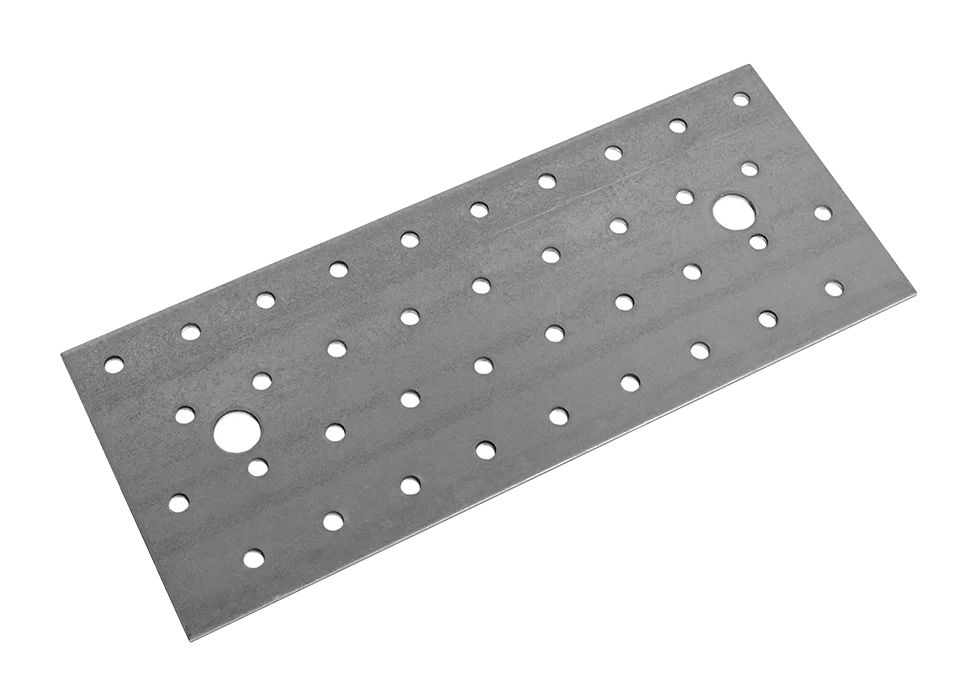
Tuowei Precision provides laser cutting services for sheet metal parts, from single prototypes to repeat production runs. A focused laser beam cuts flat sheet into precise blanks, which then move on to تصنيع الصفائح المعدنية, bending, finishing, and assembly in the same shop.
Because the beam never touches the material, edges stay clean and distortion stays low. That makes laser cutting a strong choice for brackets, panels, enclosures, and other flat parts where accuracy and edge quality matter.
How Laser Cutting Works
Laser cutting is a process that directs a high-powered beam through a lens onto the material surface. The CNC-controlled beam follows programmed paths, melting or vaporizing material to shape. A CNC laser cutter runs this process: computer control moves the beam and the sheet so the cut follows the drawing exactly. It is a contact-free process, so there is no tool wear and no mechanical force on the part.
The same setup handles simple outlines and intricate patterns. Small holes, sharp corners, and fine detail are all possible in one pass, with minimal material waste. The two main types of laser cutting are fiber and CO2, covered below.
Fiber Laser vs CO2 Laser
What is fiber laser cutting? It uses a fiber laser — a solid-state laser whose beam is absorbed well by metals, including reflective metals such as aluminum, copper, and brass. Fiber lasers cut thin sheet quickly and need little maintenance. CO2 lasers use a gas beam and suit non-metals such as wood, acrylic, plastics, and textiles, as well as thicker non-metal stock.
Tuowei runs both fiber and CO2 laser systems. The right choice depends on your material: fiber for most metals, CO2 where the material is not metal. Send your material details and Tuowei confirms feasibility before quoting.
Accuracy and Tolerances
Tuowei holds a cutting accuracy of ±0.002 inches and a positional accuracy of ±0.004 inches. Every part is checked so it matches the design requirements, with consistency across repeat runs.
As a typical industry figure, laser cutting generally holds ±0.005 in (±0.127 mm). Real-world tolerance still depends on material type, thickness, and part geometry. Thin sheet holds tighter detail than thick plate, and small features need more care than large outlines. Share your tolerance requirements with your quote request so they are checked before cutting starts.
Laser Cutting vs Plasma Cutting vs Waterjet
Laser, plasma, and waterjet cutting all shape sheet and plate, but they suit different jobs. Laser wins on detail and edge quality, plasma wins on speed through very thick metal, and waterjet wins where heat must be avoided entirely. Punching is a fourth option for high-volume repeat holes, but it needs tooling for each shape and cannot match laser detail.
| القطع بالليزر | القطع بالبلازما | القطع بنفث الماء | |
|---|---|---|---|
| الأفضل لـ | Thin to medium sheet, fine detail, smooth edges | Very thick conductive metals, fast rough cuts | Heat-sensitive materials, thick or brittle stock |
| Edge quality | Smooth, needs little finishing | Rougher, often needs extra finishing | Smooth, no heat-affected zone |
| المواد | Metals, plastics, wood, and more | Conductive metals only | Almost any material |
| Heat effect | Small heat-affected zone | Larger heat-affected zone | None — cold cutting process |
| السرعة | Fast on thin and medium sheet | Faster on very thick sheet | Slower than laser or plasma |
Choose laser when accuracy and finish matter most, plasma when thick plate and speed matter more than edge quality, and waterjet when the material cannot tolerate heat at all. If you are unsure, send the drawing and material details — Tuowei confirms the best process before quoting.
How Much Does Laser Cutting Cost?
How much does laser cutting cost? It depends on material type and thickness, design complexity, order quantity, and finishing needs. Intricate shapes take more machine time, while larger runs reduce the per-part cost. Finishing such as deburring, anodizing, or powder coating is included in the overall price.
There is no published hourly rate: every job is quoted on its own drawing and quantities. As a typical industry range, laser cutting is often priced at $60–$120 per hour — this is a typical industry figure, not Tuowei’s rate, and the price for your part varies by part size, material, complexity and quantity. Tuowei offers fast, transparent quotations tailored to each project. Laser cutting can seem expensive because the machines, setup, and programming cost more than simpler cutting methods, while the per-part price falls as quantities rise.
Design Guidelines: Preparing Files for Laser Cutting
Send clean vector files with the cut lines clearly marked and the correct scale. Common file formats for laser cutting are DXF, DWG, STEP, IGES, STL and PDF. Keep text and fine detail large enough to survive cutting, and remove duplicate or hidden lines before sending.
Allow for kerf, the small width of material the beam removes, when sizing holes and slots. As a general rule, a hole should not be smaller than the thickness of the material it is cut in, and narrow features need extra care in thin sheet. These are general design rules, not Tuowei machine limits — confirm minimum feature size with your quote request if your design is near the limit.
What Is Kerf in Laser Cutting?
Kerf is narrow on thin sheet and wider as material gets thicker, so the same drawing needs a different offset on different stock. For fiber laser cutting, a typical kerf width is 0.1–0.3 mm, depending on material and thickness. Compensation means shifting the programmed cut path outward by half the kerf width, so the finished part matches the drawing.
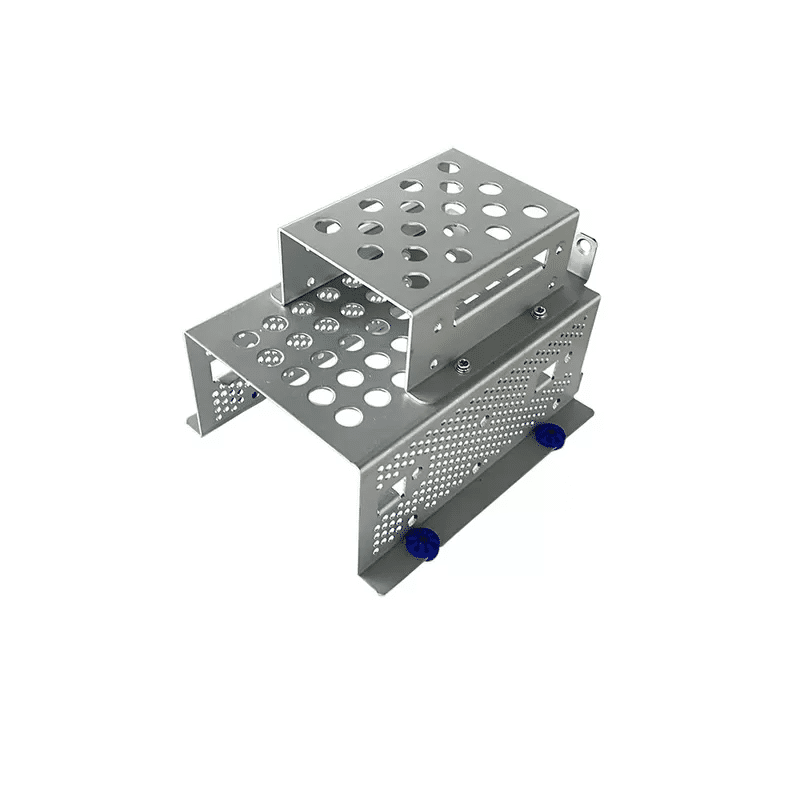
قطع الغيار المقطوعة بالليزر المخصصة الفعالة من حيث التكلفة
Tuowei Precision provides online custom laser cutting services for a wide range of materials, including metals, plastics, rubber, foam, and wood. Our laser cutting service is a cost-effective, on-demand solution for prototypes, low-volume batches, and high-volume production runs alike.
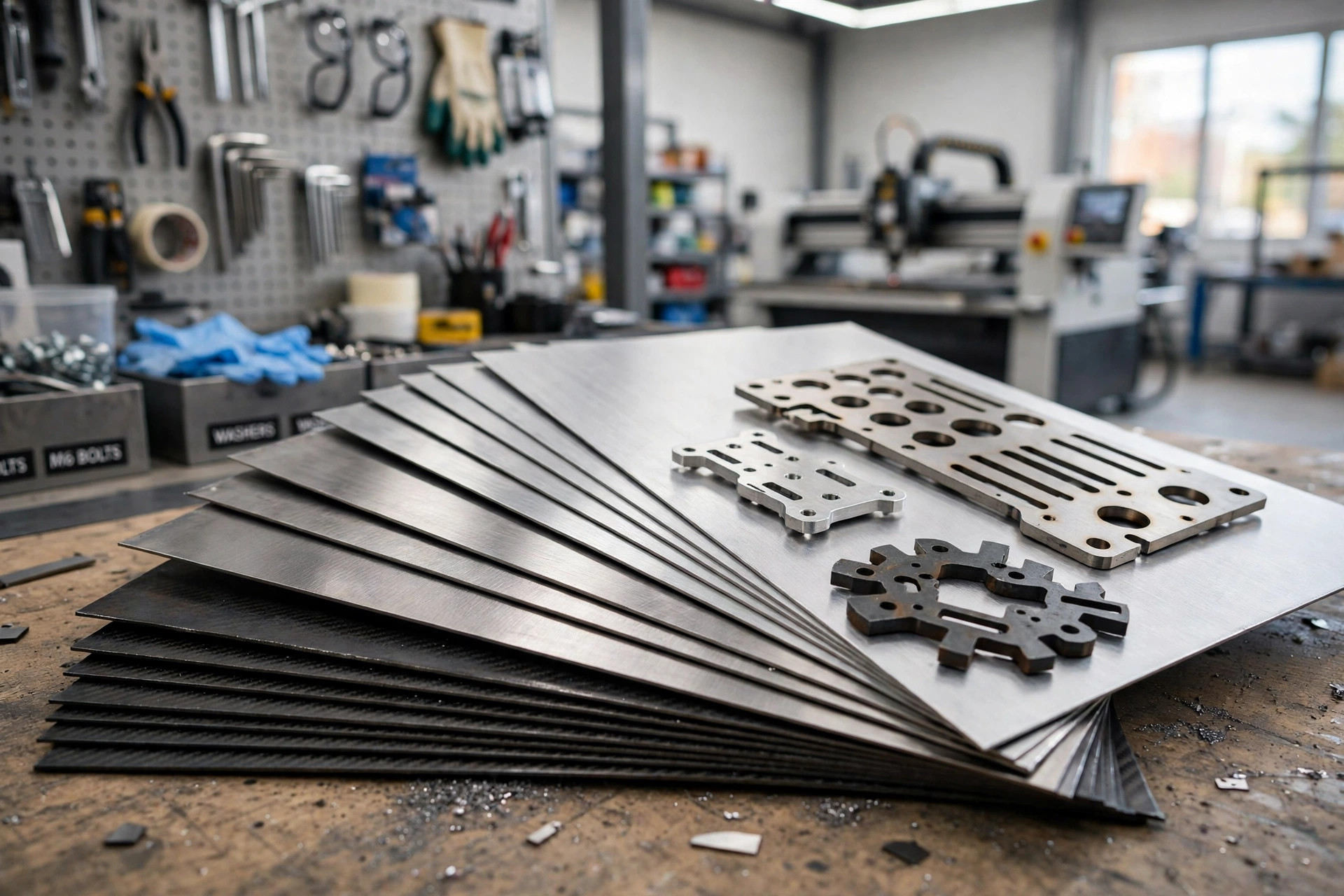
Laser Cutting Materials
We laser cut carbon steel and stainless steel (including 304 and 316 grades), aluminum alloys such as 5052, 6061, and 7075, plus copper, brass, and titanium, alongside acrylic and other engineering plastics — see our مكتبة المواد for the full range. As a typical fiber-laser machine capability — not Tuowei’s own limit — mild steel can be cut up to about 25 mm, stainless steel up to about 20 mm and aluminum up to about 16 mm; the exact thickness for your part varies by part size, material, complexity and quantity, and is confirmed with your quote. Our laser cutting services offer a cost-effective route for custom parts in almost any material. Upload your CAD (computer-aided design) file in a standard file format — STEP, STP, SLDPRT, DXF, IPT, PRT, or SAT — and receive an instant quote through our online laser cutting service. Tuowei offers instant quotes with no obligation. Pricing is transparent: prototype quotes include tariffs and standard shipping, so there are no hidden costs — احصل على عرض أسعار فوري to see yours.
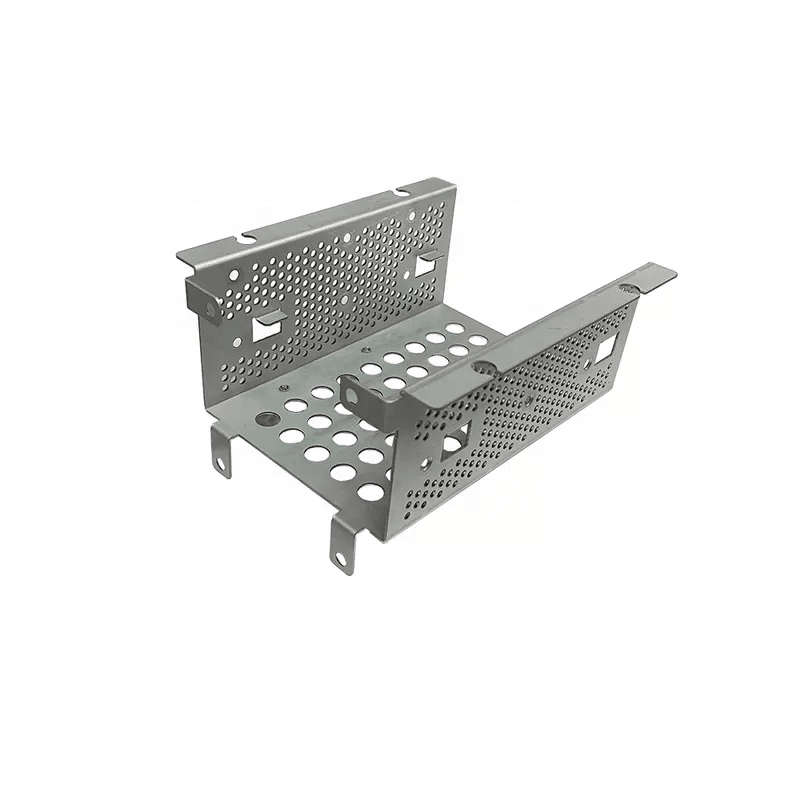
نظرة عامة على القطع بالليزر
Laser cutting provides a precise way to cut material using a laser beam directed through specialized optics. A laser cutting machine is a CNC machine: computer numerical control moves the focused laser beam — or the workpiece — along a programmed path while the beam melts, burns, or vaporizes the material, and a jet of assist gas such as oxygen or nitrogen blows the molten material clear of the cut. The result is a narrow kerf, clean edges, and intricate designs with minimal material waste.
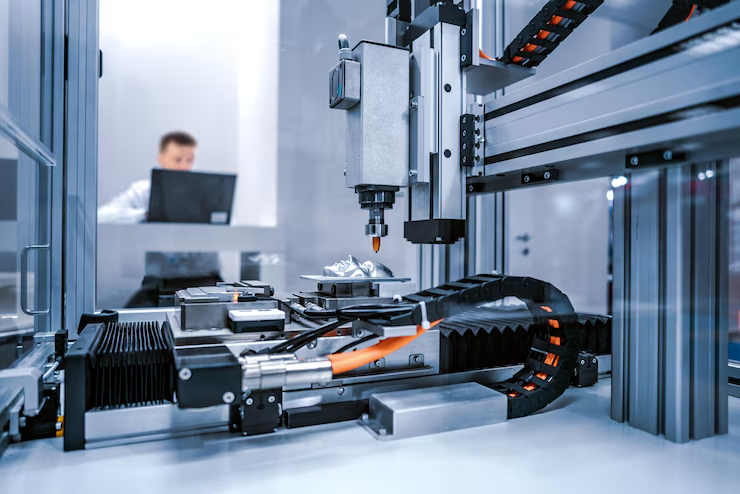
Applications & Advantages
Compared with plasma cutting, laser cutting is more accurate and uses less energy, which makes it the preferred cutting method for thin and medium-gauge sheet; for very thick plate, waterjet cutting services or plasma cutting can be the better fit. The same laser technology also performs laser engraving and cutting of fine detail, and laser cutters can cut sheet metal, materials such as plastic, rubber, glass, and wood, and many materials besides. Laser cutting is one step in our complete sheet metal fabrication workflow, from flat blank to finished, formed part. Many projects combine laser cutting and engraving in a single setup, cutting the profile and marking the part in one pass.
عملية القطع بالليزر
Laser cutting involves three stages: programming, piercing, and cutting. It starts with your CAD file — the cutting path is programmed, the sheet is loaded and clamped, and the laser pierces the material before following the contour at a speed matched to the thickness of the material. Because it is a non-contact process, there is no tool wear and no mechanical force on the workpiece, so even delicate, detailed parts cut cleanly and repeatably from the first piece to the thousandth.
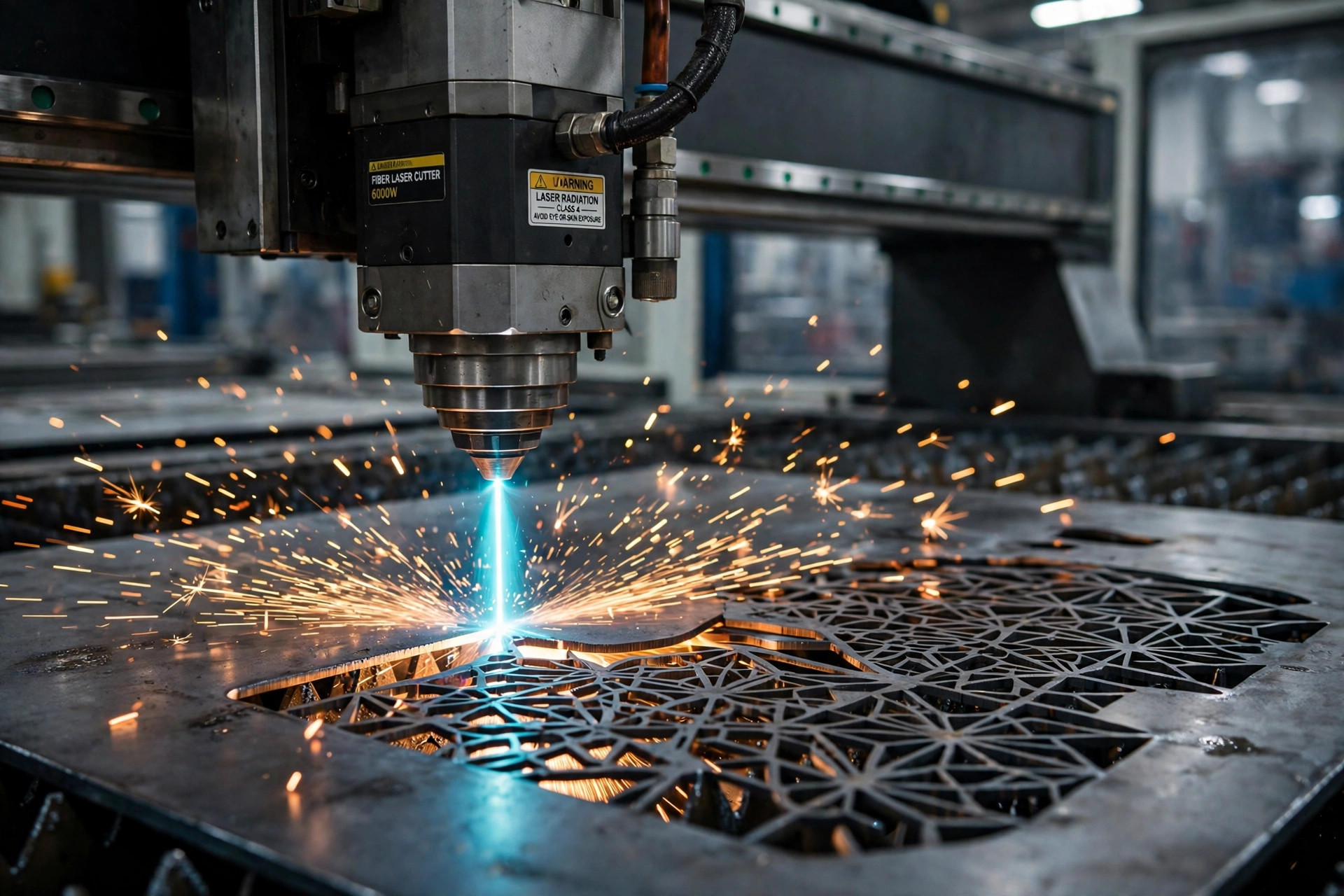
أنواع قواطع الليزر في TUOWEI Precision
Tuowei Precision’s laser cutting facility runs three types of laser cutters, so the right technology is matched to every material and project. Between them, these types of lasers cover everything from thin acrylic sheet to thick, difficult to cut alloys.
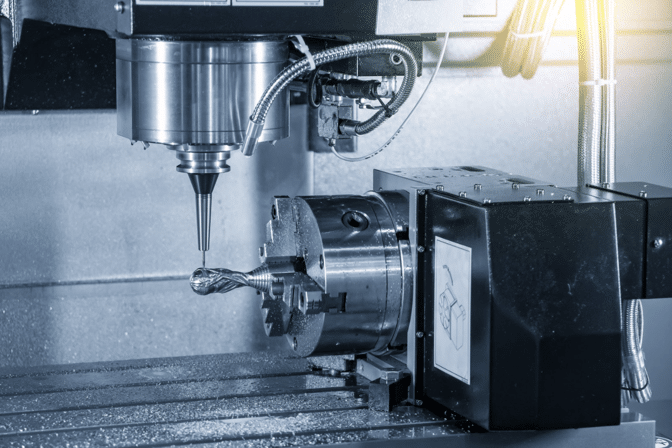
Our fiber laser cutters deliver exceptional accuracy with minimal setup time and are the first choice for metal laser cutting services. Fiber lasers are highly energy-efficient, cut reflective metals such as aluminum, copper, and brass reliably — including high conductivity metals that defeat other cutting methods — and reach rapid cutting speeds on thin and medium sheet, making them perfect for custom parts and high-volume production.
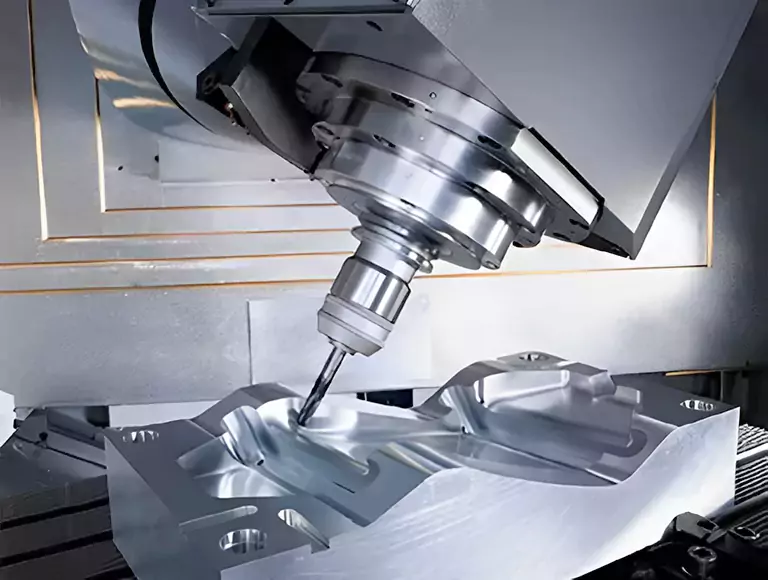
CO2 laser cutters efficiently process a wide variety of materials, including plastics, acrylic (PMMA), wood, particle board, natural rubber, and foam, as well as thinner metals. With a carbon-dioxide laser, the laser cutter produces clean cuts and intricate detailing with a polished edge on acrylic, ensuring superior quality for plastic laser cutting projects and signage, enclosures, and display parts. CO2 systems are also the best choice to laser engrave wood.
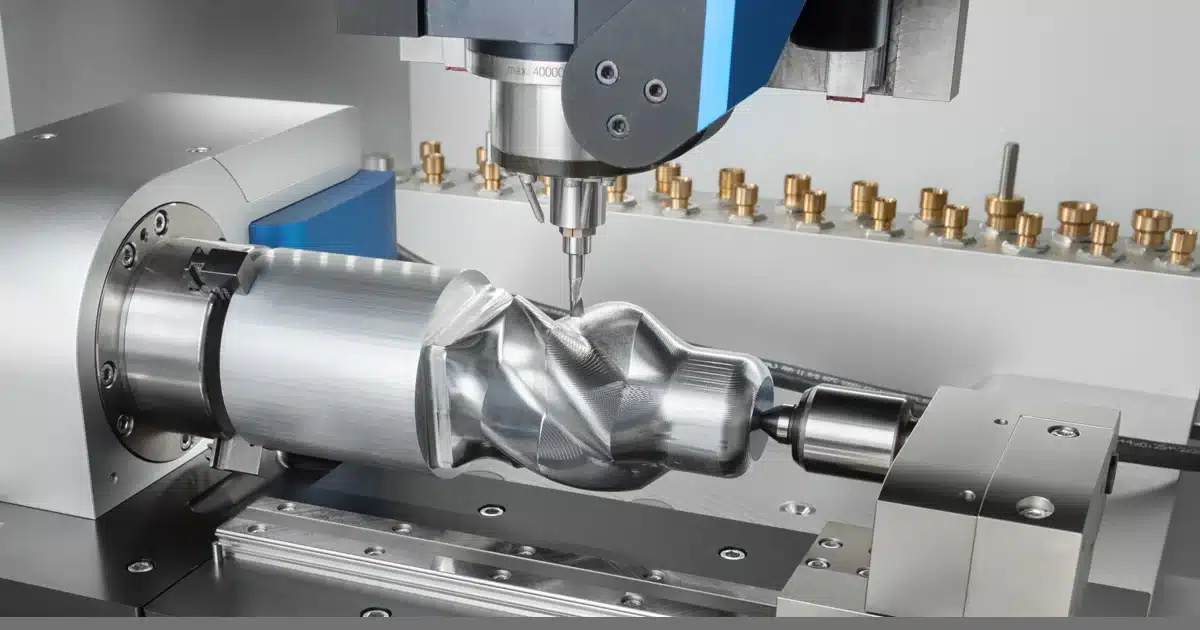
Nd:YAG laser cutters are designed for applications needing high power output, and they cut thicker materials and harder alloys that challenge other lasers. Tuowei Precision uses Nd:YAG lasers for tasks requiring extreme precision and deep cutting of materials that are difficult to cut conventionally, suitable for complex industrial components and advanced design challenges.
التشطيبات السطحية للقطع بالليزر
Surface finishing for laser cut parts improves durability, corrosion resistance, and appearance, so precision components meet both performance and aesthetic standards. Popular options from our خدمات تشطيب الأسطح تشمل:
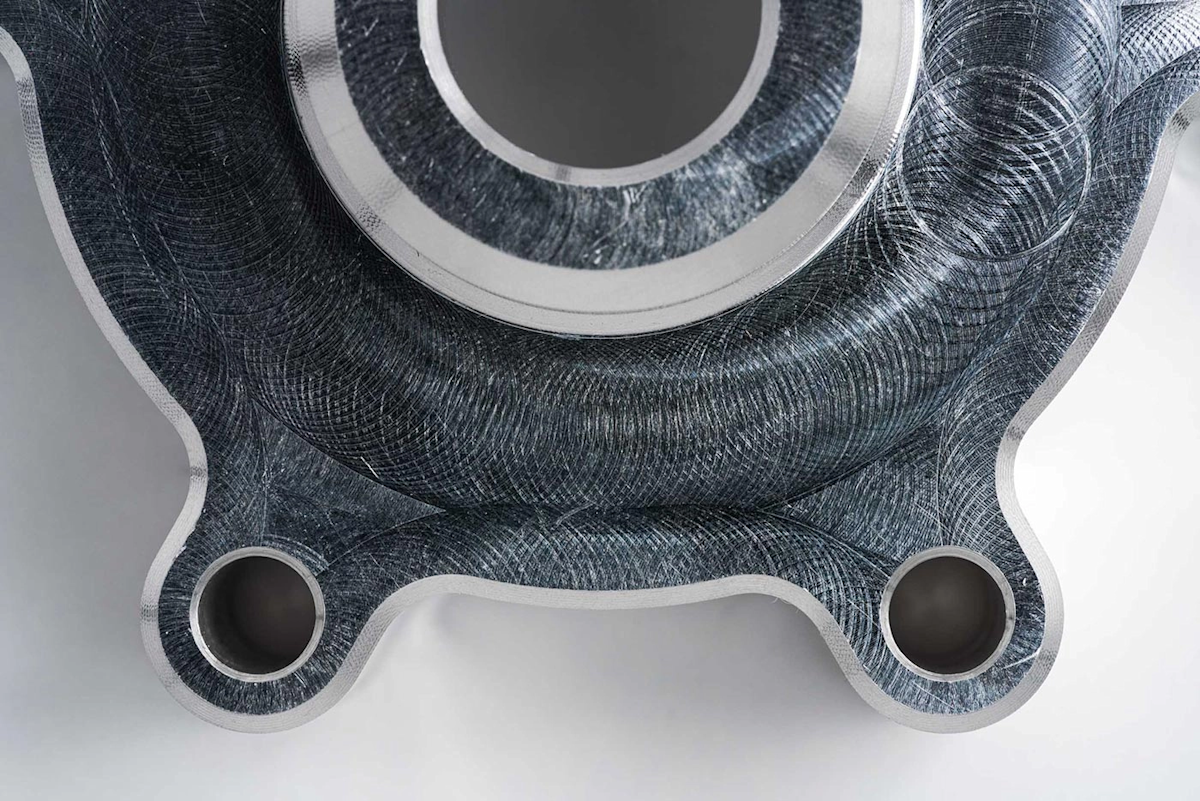
The standard finish straight off the laser cutter, with a clean edge and light striations; ideal for functional applications where a decorative finish is not critical.
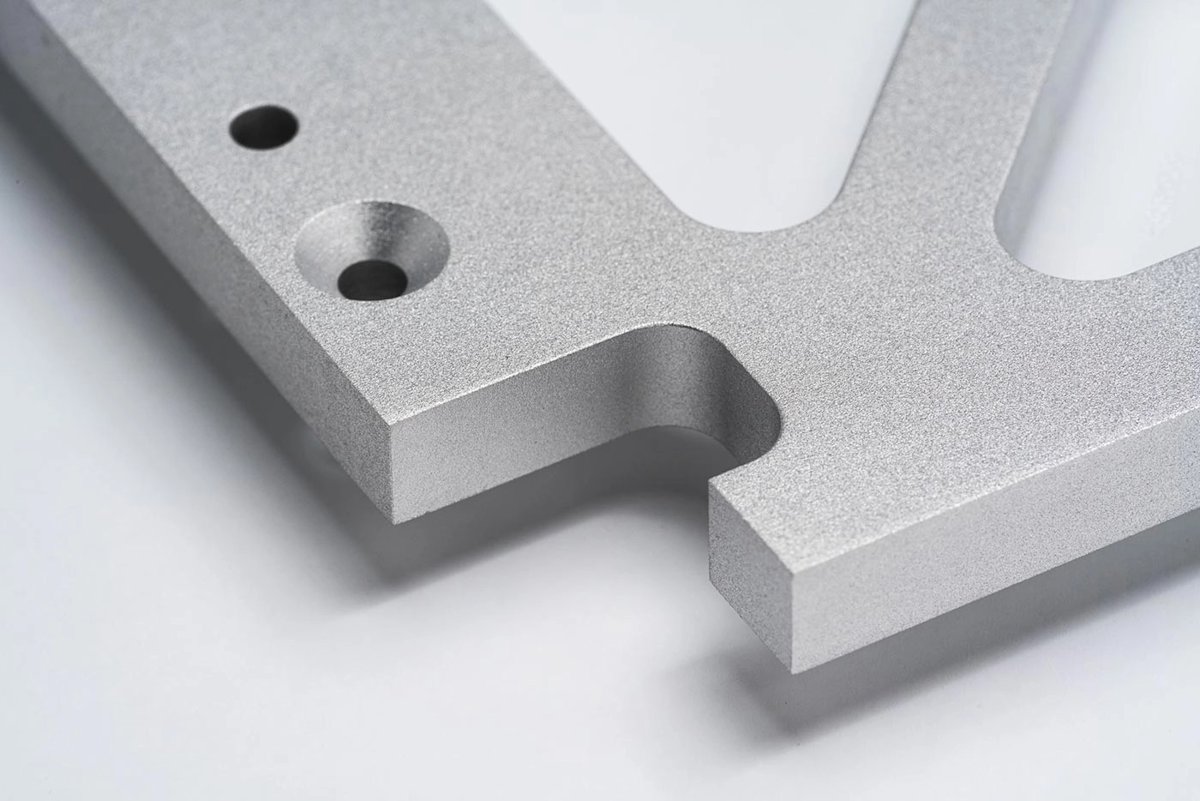
Propels media such as glass beads at the surface to create a smooth, uniform matte finish and remove light edge discoloration.
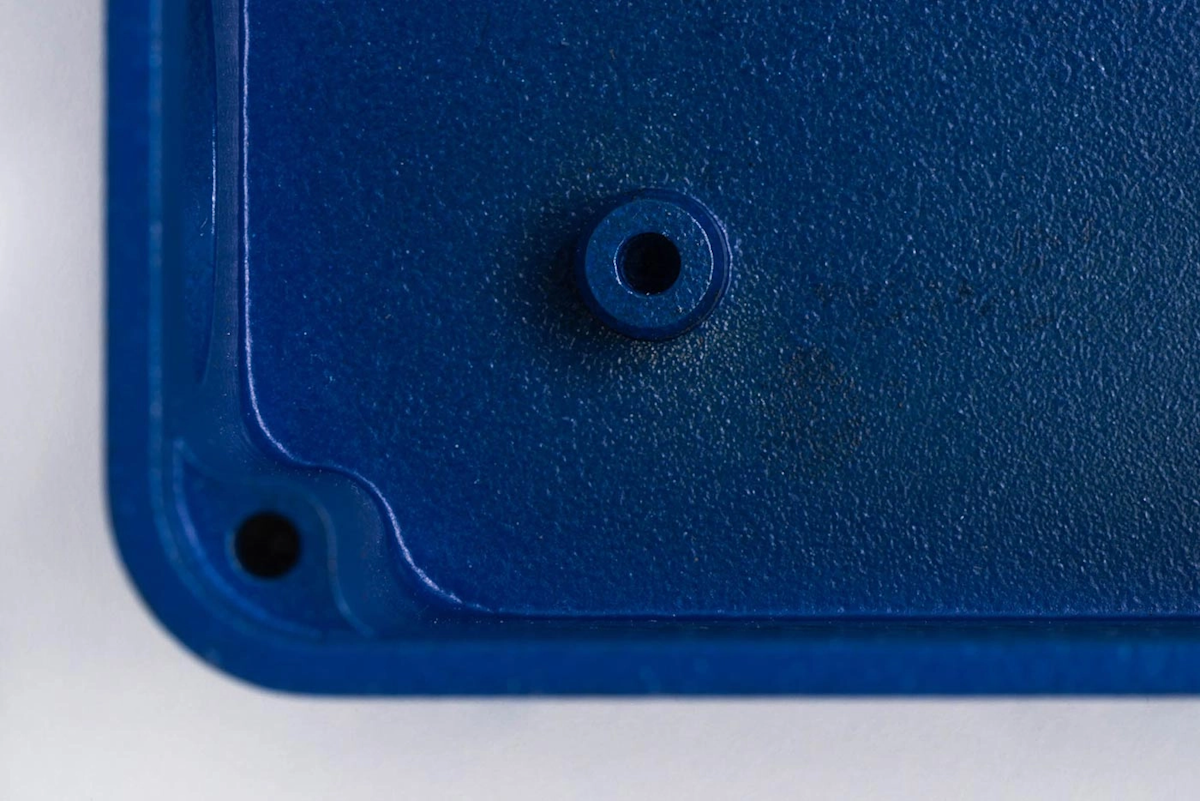
طلاء متين يتميز بمقاومة ممتازة للتآكل والتآكل والتعرض للأشعة فوق البنفسجية، ومتوفر بمجموعة واسعة من الألوان.
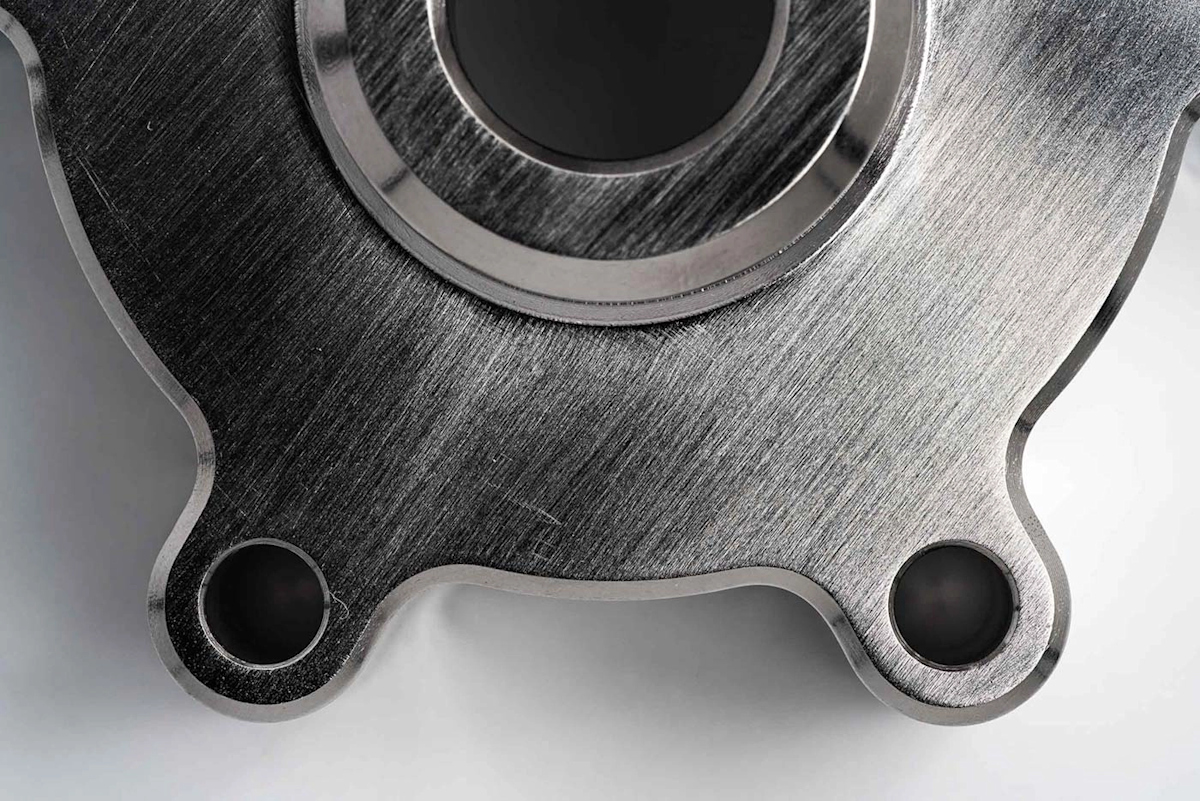
Applies a linear, uniform grain texture to metal parts, creating a satin-like finish.
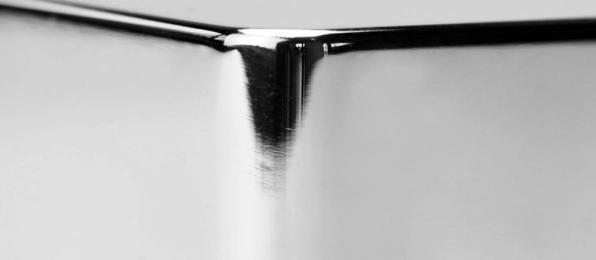
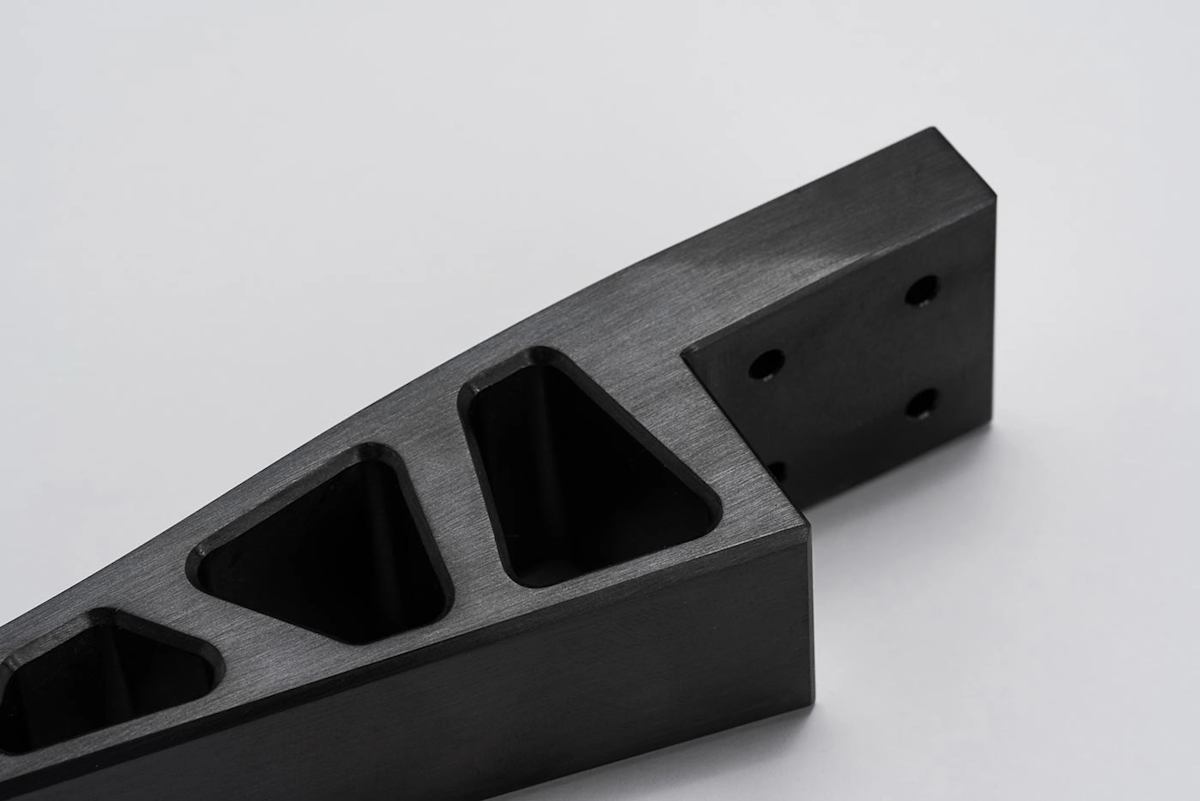
يُعد هذا الطلاء الداكن غير اللامع مثاليًّا للمكونات الفولاذية، حيث يوفر مقاومة معتدلة للتآكل مع الحفاظ على مظهر عالي الجودة.
قدرات القطع بالليزر
Tuowei offers precision sheet cutting services that follow international standards to ensure accuracy, durability, and efficiency. Our advanced equipment and expertise allow us to laser cut metal and composite sheet into flat 2D parts and complex designs with consistent quality.
Laser Cutting capabilities
| الوصف | المواصفات |
| الحد الأدنى لحجم الجزء | 2 × سمك المادة بحد أدنى 1 مم (0.04 بوصة) |
| الأبعاد | استنادًا إلى ISO 2768-c. الحجم النموذجي: ± 0.2 مم (0.008 بوصة) للطول والعرض والقطر والموقع |
| Typical Maximum Material Thickness | الفولاذ الكربوني < 25 mm (0.98 in.) · Stainless steel ~20 mm (0.79 in.) · Aluminum ~16 mm (0.63 in.) · Copper < 12.7 mm (0.5 in.) |
| Typical Kerf (Slit Size) | 0.1–0.3 mm (0.004–0.012 in.) |
| حالة الحافة | لمسة نهائية غير لامعة مع خطوط رأسية مرئية |
| مصادر الليزر | ليزر CO₂ وليزر الألياف، حتى 10 كيلوواط |
| التكرار | ± 0.05 مم (0.002 بوصة) |
| دقة تحديد المواقع | ± 0.10 مم (0.004 بوصة) |
| المهلة الزمنية | 1–5 business days (prototypes), 5–15 business days (small batch) |
Need a thickness, tolerance, or material beyond this table? Send us your drawing — our engineers review every project before quoting, and we will confirm exactly what our laser cutting service can hold on your part. Parts that also need machined features such as tapped holes or milled pockets move straight into our التصنيع الآلي باستخدام الحاسب الآلي shop, so your laser-cut parts arrive ready to assemble.
لماذا تختاروننا؟
قطع غيار عالية الجودة
Tuowei Precision is ISO 9001:2015, ISO 13485, IATF 16949:2016, and AS9100D certified. Every batch of high quality laser cut parts passes rigorous quality control at each stage, from material inspection to final dimensional checks, for a perfect fit and flawless performance.
Stay on schedule with Tuowei Precision. High-power fiber lasers, efficient nesting, and streamlined production deliver laser cut parts in as little as 1–5 business days, without sacrificing precision and quality.
Rely on our team for comprehensive engineering support. Our experts review your CAD files, flag design issues before cutting, and help optimize parts for laser cutting efficiency and top-quality results at every step.
المزايا
مزايا القطع بالليزر
Laser cutting offers a combination of precision, speed, and flexibility that is hard to match: compared to other manufacturing methods such as mechanical cutting or punching, it needs no hard tooling and produces a better edge. Its key advantages are:
- الدقة والدقة: Exceptional dimensional accuracy, ideal for intricate shapes and complex patterns, while tight nesting minimizes waste and boosts production efficiency.
- تعدد الاستخدامات: A single laser can cut many materials — metals, plastics, wood, rubber, and foam — across different thicknesses and designs, and even combinations of materials across a product range, with no tool changes between jobs.
- السرعة: Among the fastest cutting technologies available, reducing production cycles and supporting both rapid prototyping and high-volume manufacturing.
- قطع نظيفة ولمسة نهائية ناعمة: Delivers smooth, sealed edges that often require no additional finishing, saving time and improving product appearance.
- تقليل التلوث: As a non-contact process, laser cutting lowers the risk of material contamination — critical for sensitive industries like electronics and medical devices.
- كفاءة الطاقة: Modern fiber laser systems are designed for low energy consumption, helping cut operating costs and support sustainable manufacturing.
التطبيقات
التطبيقات والقطاعات الصناعية
يتم تطبيق القطع بالليزر في مجموعة واسعة من القطاعات، لإنتاج مكونات وظيفية وزخرفية على حد سواء.
What is laser cutting used for? It turns flat sheet into precise components: enclosures and panels, brackets and mounting plates, machine guards, signage, and prototype parts that later move into production. Industries that use laser cutting include automotive, electronics, aerospace, construction, and medical equipment manufacturing. The same process serves one-off prototypes and repeat batches.
Because cutting, bending, and finishing can stay in one shop, a flat blank can leave as a finished component instead of traveling between suppliers.
- المكونات الهيكلية: Accurate beams, frames, and supports that integrate seamlessly into machinery and construction projects.
- عناصر الزينة: Detailed panels, signage, artworks, and architectural features — often combined with a laser engraving service to add logos, labels, and patterns that require fine, precise detail.
- الأجزاء الوظيفية: Gears, brackets, and enclosures with tight tolerances, ensuring reliable performance in automotive, aerospace, and machinery applications.
- النماذج الأولية: Fast design iterations with no tooling investment, accelerating product development cycles from first sample to production.
- المكونات الإلكترونية: Delicate parts such as circuit board panels and insulation layers, cut with precision to support miniaturization and the functionality of electronic devices.
Laser Cutting and Metal Bending From One Supplier
Most laser-cut parts are flat blanks that become finished components through الانحناء. Tuowei offers V-bending, roll bending, rotary bending, and wipe bending alongside cutting, so the blank never has to leave the shop.
Combining cutting and bending in-house keeps tolerances consistent and lead times short. Both sit within Tuowei’s wider خدمات التصنيع الآلي باستخدام الحاسب الآلي الرقمي, so one supplier can take a part from blank to finished component. Standard lead time is 1–5 business days for prototypes and 5–15 business days for small batches, including quality control and finishing.
Why Choose Tuowei Precision for Laser Cutting
Cutting, bending, and finishing sit under one roof, so your part moves from flat sheet to finished component without changing supplier. Transparent quotations, standard lead times of 1–5 business days for prototypes, and quality control on every run keep the process predictable.
To start, send your drawing, material, thickness, and quantity. Tuowei confirms laser feasibility and returns a transparent quote for your project.
الشراكة مع TUOWEI لتشكيل رؤيتك
منذ عصر النماذج الأولية السريعة من خلال الإنتاج القابل للتطوير، تساعدك شركة Tuowei Precision في مشروعك بفضل خدمات التصنيع والتصنيع باستخدام الحاسب الآلي الموثوق بها. يتعاون فريقنا معك للتأكد من وجود الدقة والاتساق والتنفيذ السلس على جميع المستويات.
ابدأ مشروعك الآن وابدأ بالخطوة الأولى نحو التصنيع الفعال والعالي الجودة مع Tuowei.
- مهارات هندسية راسخة.
- دعم المشاريع العالمية
- حلول CNC المتقدمة
- المشاركة في إنشاء المنتجات.
- قدرة إنتاج قابلة للتوسيع.
- جميع التحميلات آمنة وسرية
حلول شركة «تووي بريسيشن»
سواء كنت تقوم بتصنيع دفعة صغيرة من القطع المخصصة أو تتوسع نحو الإنتاج بكميات كبيرة، فإن خدمات Tuowei Precision توفر لك المرونة التي تحتاجها.

يُعد التصنيع الآلي السريع للنماذج الأولية باستخدام الحاسب الآلي مثاليًا لإنشاء نماذج أولية هندسية أو نماذج إنتاجية تشبه المنتج النهائي من حيث المظهر والوظائف. في Tuowei، نقدم عروض أسعار فورية وتسليم سريع، ونوفر لك نماذج أولية دقيقة وعالية الجودة مصنوعة آليًا باستخدام الحاسب الآلي لتلبية احتياجاتك.
- المهلة الزمنية: 1-5 أيام عمل
- القدرة: 1-100 قطعة
- احصل على 20% من السعر

غالبًا ما تعمل الماكينات بنظام التحكم الرقمي منخفضة الحجم كجسر بين النماذج الأولية والإنتاج الضخم للإنتاج الجديد والناشئ. وبفضل Tuowei، تصبح هذه العملية أسهل وأكثر كفاءة وفعالية من حيث التكلفة، مما يتيح لك توسيع نطاق الإنتاج بسرعة مع الحفاظ على معايير الجودة العالية.
- المهلة الزمنية: 5-15 يوم عمل
- القدرة: 101-10,000 قطعة
- استيفاء المواصفات الصارمة

يُعد التصنيع الآلي بنظام التحكم الرقمي أفضل حل لإنتاج ألف قطعة أو أكثر بكفاءة. وبالاستفادة من مجموعة متنوعة من المواد والأتمتة والقدرات متعددة المحاور، توفر Tuowei إنتاج كميات كبيرة مع تفاوتات دقيقة ودقة أبعاد فائقة وموثوقية عالية وأوقات تسليم سريعة.
- المهلة الزمنية: 2-4 أسابيع
- القدرة أكثر من 10,001 قطعة
- جودة متسقة
استكشف الرؤى والابتكار
اقرأ أحدث أدلةنا حول التصنيع باستخدام الحاسب الآلي (CNC) والمواد والتشطيب واتجاهات الصناعة لاتخاذ قرارات إنتاجية أفضل.
الأسئلة الشائعة
القطع بالليزر
How much does laser cutting cost?
Laser cutting cost depends on material type and thickness, design complexity, order quantity, and finishing needs.
Intricate shapes take more machine time, while larger runs reduce per-part cost.
Tuowei offers fast, transparent quotations tailored to your specific project.
What is the laser cutting process?
Laser cutting directs a high-powered laser beam through a lens onto the material surface.
The CNC-controlled beam follows programmed paths, melting or vaporizing material to shape.
This contact-free process gives tight tolerances, smooth finishes, and intricate detail with minimal waste.
What’s the difference between laser cutting and plasma cutting?
Laser cutting uses a focused beam of light for fine detail, smooth edges, and high precision.
Plasma cutting uses an ionized gas jet and runs faster on very thick sheets but leaves rougher edges.
Water jet cutting is the alternative for heat-sensitive materials that cannot tolerate a thermal process.
How long does it take to laser cut materials?
Production time depends on material type, thickness, and design complexity.
Simple cuts on thin materials take hours of machine time, while thick or intricate work takes longer.
Standard lead time at Tuowei is 1–5 business days for prototypes and 5–15 business days for small batches, including quality control and finishing.
Can you engrave logos and part numbers on laser cut parts?
Yes, our fiber and CO2 systems laser engrave logos, text, part numbers, and serialization during cutting setup.
Laser engraving is permanent and will not fade or peel like printed labels.
It adds almost no lead time, so tell us what to engrave when requesting your quote.
Can I bend the material besides laser cutting it?
Absolutely, most laser cut parts are flat blanks that become finished components through bending.
تقدم شركة «تووي» V-bending, roll bending, rotary bending, and wipe bending alongside cutting.
Combining cutting and bending in-house keeps tolerances consistent and lead times short.
Do you provide laser engraving or etching services?
نعم، توفر شركة «تووي» laser engraving and etching for detailed markings, graphics, or text.
Our team ensures high-resolution results across different materials.
Every engraving is sharp, durable, and tailored to functional, branding, or decorative needs.
What is the thickest flat sheet you can laser cut?
As a typical fiber-laser machine capability — not Tuowei’s own limit — mild steel can be cut up to about 25 mm, stainless steel up to about 20 mm and aluminum up to about 16 mm. The exact thickness for your part depends on material and design, and is confirmed with your quote.
This range serves diverse manufacturing needs without compromising accuracy.
How accurate is your laser cutting service?
Tuowei's laser cutting achieves cutting accuracy of ±0.002 inches and positional accuracy of ±0.004 inches.
Every part matches design requirements with consistency across runs.
Fine detail, reliability, and flawless edge quality suit industries demanding precision.
What cannot be cut with a laser cutter?
Materials that release toxic fumes, such as PVC and vinyl, cannot be laser cut safely, and some coated materials are excluded for the same reason. Very thick plate beyond the machine’s range is also out. Send your material details and Tuowei confirms whether laser cutting fits before quoting.
Which is better for cutting, plasma or laser?
يعتمد ذلك على نوع العمل. يُعد الليزر خيارًا أفضل للألواح الرقيقة إلى المتوسطة السُمك، والتفاصيل الدقيقة، والحواف الناعمة. أما البلازما فهي الأنسب للمعادن الموصلة شديدة السُمك، حيث توفر سرعة أكبر في القطع وتكلفة أقل لكل عملية قطع. ولا يُعد أي منهما الأفضل في جميع الحالات — فالمادة والسُمك والتشطيب المطلوب هم العوامل التي تحدد العملية الأنسب.
What are the downsides of plasma cutting?
يؤدي القطع بالبلازما إلى حواف أكثر خشونة وشق أوسع مقارنة بالقطع بالليزر، كما أنه ينتج منطقة متأثرة بالحرارة أكبر. ولا يقتصر هذا النوع من القطع على المعادن الموصلة للكهرباء فقط، لذا لا يمكن استخدامه مع البلاستيك أو الخشب أو أي مواد غير معدنية أخرى. وغالبًا ما تحتاج القطع إلى عمليات تشطيب إضافية، مثل الصقل أو إزالة الحواف الخشنة، قبل أن تصبح جاهزة للاستخدام.
What can plasma not cut?
لا يمكن للبلازما قطع المواد غير الموصلة للكهرباء مثل البلاستيك أو الخشب أو الزجاج أو الحجر، لأن هذه العملية تتطلب قطعة عمل موصلة للكهرباء. كما أنها تواجه صعوبة في قطع الألواح الرقيقة جدًّا، حيث قد تؤدي الحرارة إلى تشويه المادة. ويُعد القطع بالليزر أو بنفث الماء الخيار الأفضل لهذه الأعمال.
What is the difference between fiber laser and CO2 laser cutting?
يستخدم ليزر الألياف شعاعًا صلبًا تمتصه المعادن جيدًا، لذا فهو يقطع المعادن — بما في ذلك المعادن العاكسة مثل الألومنيوم والنحاس والنحاس الأصفر — بسرعة وبصيانة قليلة. يستخدم ليزر ثاني أكسيد الكربون (CO2) شعاعًا غازيًّا، وهو مناسب للأعمال غير المعدنية مثل الخشب والأكريليك والبلاستيك والمنسوجات. الليزر الليفي مناسب لمعظم الأعمال المعدنية؛ بينما ليزر ثاني أكسيد الكربون مناسب للأعمال غير المعدنية.
What file formats do you accept for laser cutting?
يرجى إرسال ملفات CAD القياسية للحصول على عرض الأسعار، مع تحديد خطوط القطع بوضوح ورسمها بمقياس دقيق. تنسيقات الملفات الشائعة للقطع بالليزر هي DXF و DWG و STEP و IGES و STL و PDF. تتأكد Tuowei من صلاحية الملف للاستخدام قبل تقديم عرض الأسعار، لذا أرسل الرسم الخاص بك واسأل عما إذا كان التنسيق الذي تستخدمه مقبولًا.
How much does laser cutting cost per hour?
لا تنشر شركة Tuowei سعرًا بالساعة. يتم تحديد سعر القطع بالليزر لكل مشروع على حدة، بناءً على نوع المادة وسماكتها، ومدى تعقيد التصميم، وكمية الطلب، ومتطلبات التشطيب. وكحد نطاق سائد في الصناعة، غالبًا ما يتراوح سعر القطع بالليزر بين 60 و120 دولارًا في الساعة — وهذا رقم نموذجي في الصناعة، وليس سعر شركة Tuowei، ويختلف سعر القطعة الخاصة بك حسب حجمها، والمواد المستخدمة، ومدى تعقيدها، وكميتها. أرسل الرسم والكميات المطلوبة للحصول على عرض أسعار سريع وشفاف.
What is kerf in laser cutting, and how is it compensated?
Kerf is the narrow width of material the laser beam removes as it cuts. It is wider on thicker material and narrower on thin sheet. For fiber laser cutting, a typical kerf width is 0.1–0.3 mm, depending on material and thickness. To compensate, the programmed cut path is shifted outward by half the kerf width, so the finished part matches the drawing. Ask for the kerf allowance on your material before finalizing hole and slot sizes.
How does a fiber laser cutting machine work?
A fiber laser cutting machine generates its beam in a fiber-optic cable, then focuses it through a cutting head that follows a programmed CNC path. The focused beam melts or vaporizes the material along that path, while assist gas clears the cut. Fiber machines cut metals quickly and need little maintenance.
What can I cut with a fiber laser?
A fiber laser cuts metals, including steel, stainless steel, aluminum, copper, and brass — including reflective metals that other laser types struggle with. It is less suited to non-metals such as wood or acrylic, and to thick non-metal stock, where a CO2 laser is the better choice.
Why is laser cutting so expensive?
Laser cutting can seem expensive because the machines, setup, and programming cost more than simpler cutting methods, and thick or complex parts take more machine time. The cost is usually justified by accuracy, clean edges, and little finishing — and the per-part price falls as quantities rise.
What are the advantages of laser cutting?
Laser cutting gives fine detail, smooth edges, tight tolerances, and little material waste, with no tool wear because the beam never touches the part. Its limits are a small heat-affected zone, thickness limits on very thick plate, and materials that cannot be cut safely, such as PVC.