金属曲げ

Expert sheet metal bending solutions for high-quality prototypes and production components. From simple bends to complex formed parts, TOUWEI delivers precise sheet metal bending with rapid DFM review and exceptional turnaround times.

What is Metal Bending?

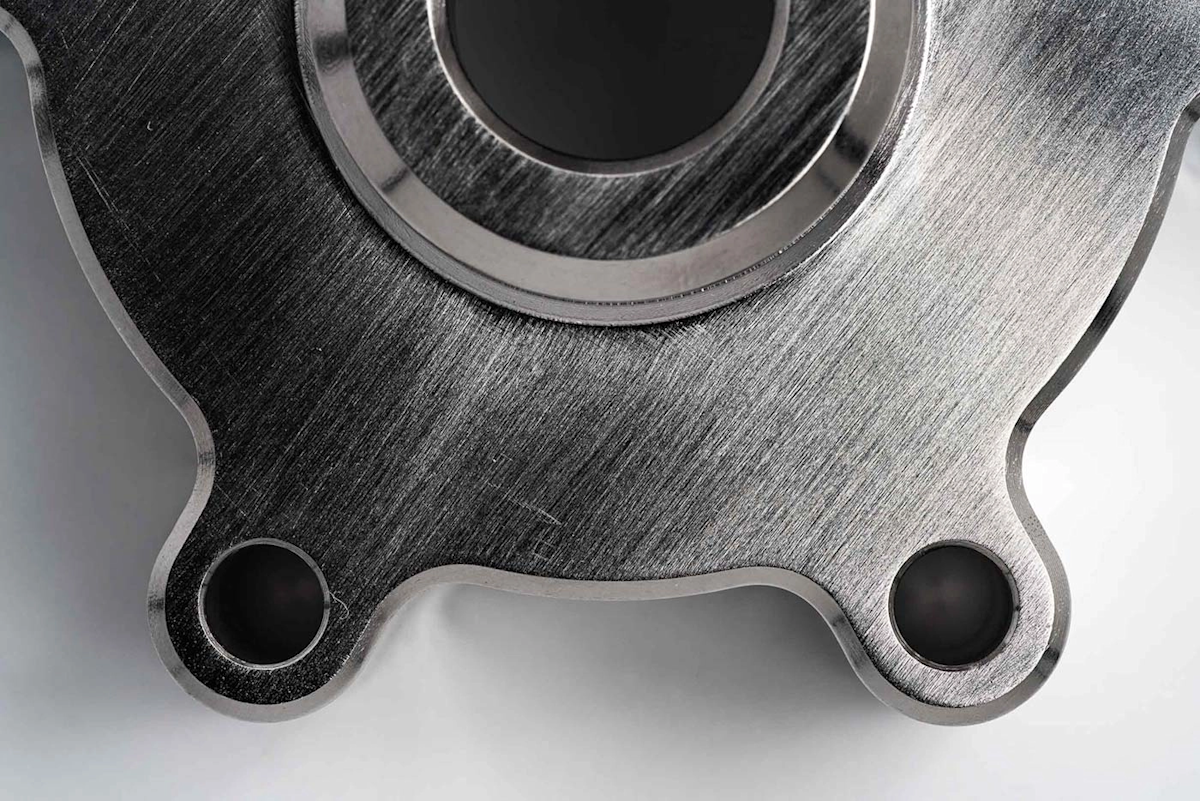
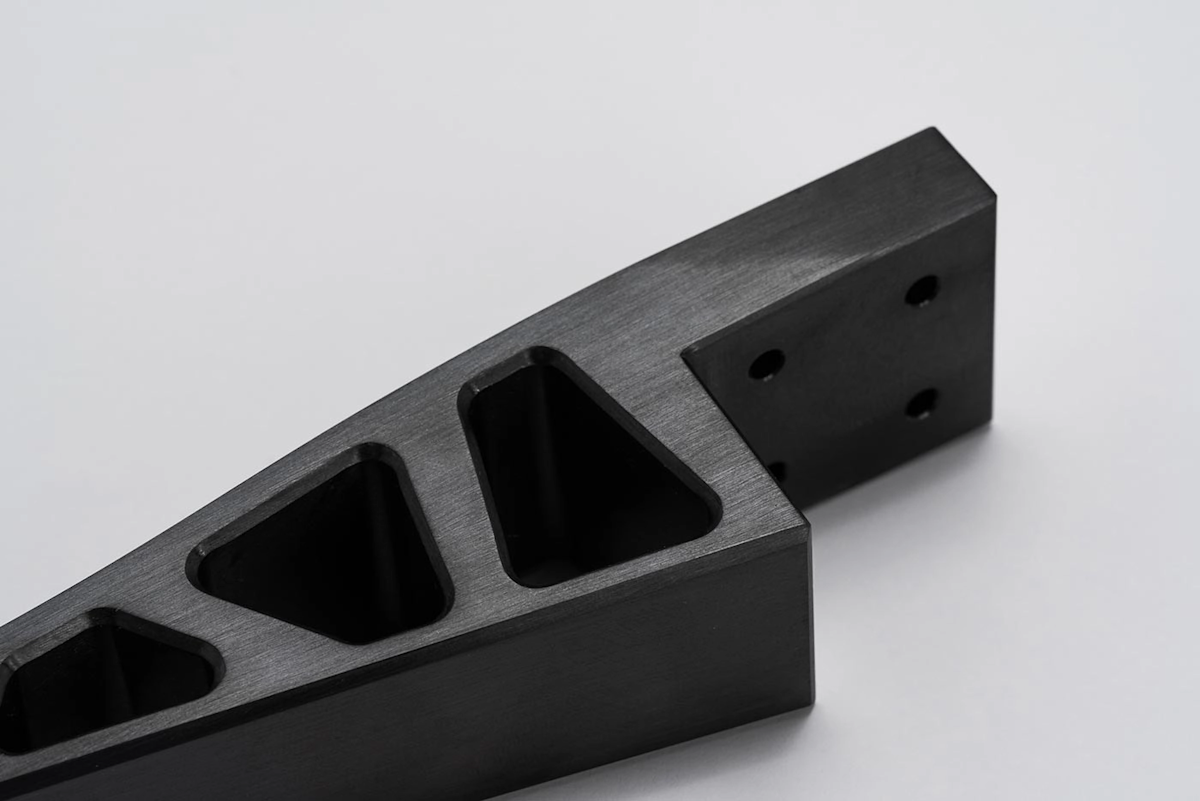
Metal bending is a core fabrication process that reshapes sheet metal into precise angles or curves by applying mechanical force. This technique is vital for producing strong, accurate, and functional components used across a wide range of industries.

At TUOWEI Precision, we specialize in high-quality sheet metal bending services designed to meet both simple and complex project requirements. Our advanced electric and hydraulic press brakes deliver superior accuracy, ensuring consistent results even for parts with tight tolerances.

Beyond bending, we provide comprehensive post-processing solutions, ensuring your components are not only precisely formed but also ready for immediate use, whether in prototypes or end-use products.

How Does Metal Bending Work?

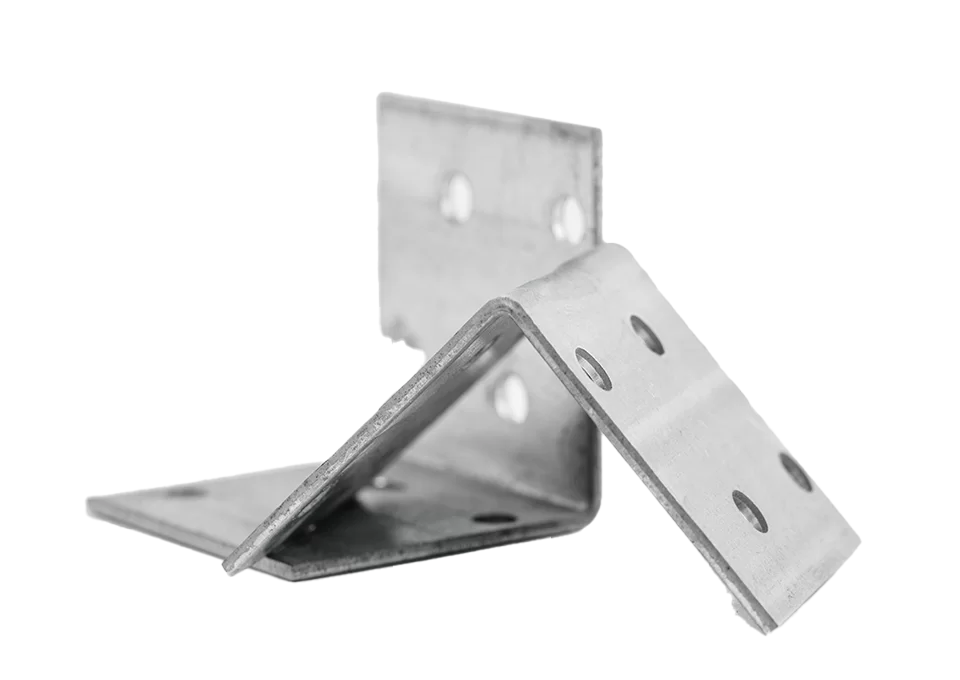
Metal bending is a fundamental fabrication technique used to reshape sheet metal into a desired angle or form by applying force through a press brake or similar equipment. This process enables the creation of V-shapes, U-shapes, channels, and other precise geometries along a straight line in the material.

The bending operation involves placing sheet metal between a punch and die set. As the punch presses the metal into the die, the material conforms to the die’s shape. Critical factors such as bend angle, bend radius, and applied force determine the final geometry, while the material’s thickness and ductility influence the bending conditions. Importantly, bending alters the form of the sheet without significantly changing its thickness.

We utilize both manual setups and advanced CNC (Computer Numerical Control) systems. CNC bending technology ensures superior accuracy, repeatability, and the ability to create complex bends with minimal variation—ideal for both prototypes and high-volume production runs.

Metal Bending Capabilities

Tuowei provides precision metal bending services that combine advanced machinery and strict quality standards to handle a wide range of materials and part sizes. Our capabilities ensure accuracy, consistency, and efficiency for both prototypes and large-scale production.

特徴 説明
最大部品サイズ 1.5 m × 1.5 m
Metal Bending Forces Up to 1000 tons
Bending Line Length Up to 7200 mm
Bending Thickness Up to 60 mm
General Tolerances Based on ISO 2768. Bend to edge/hole, single surface: ±0.254 mm (±0.010 in.)
Bend Radius Equal to material thickness
Bend Angle ±1°
Bend Cutting Area Up to 4000 mm
リードタイム 5 days or more

Surface Finishes for Metal Bending

Surface finishes for metal bending parts enhance their strength, durability, and appearance, making them suitable for both functional and aesthetic applications.

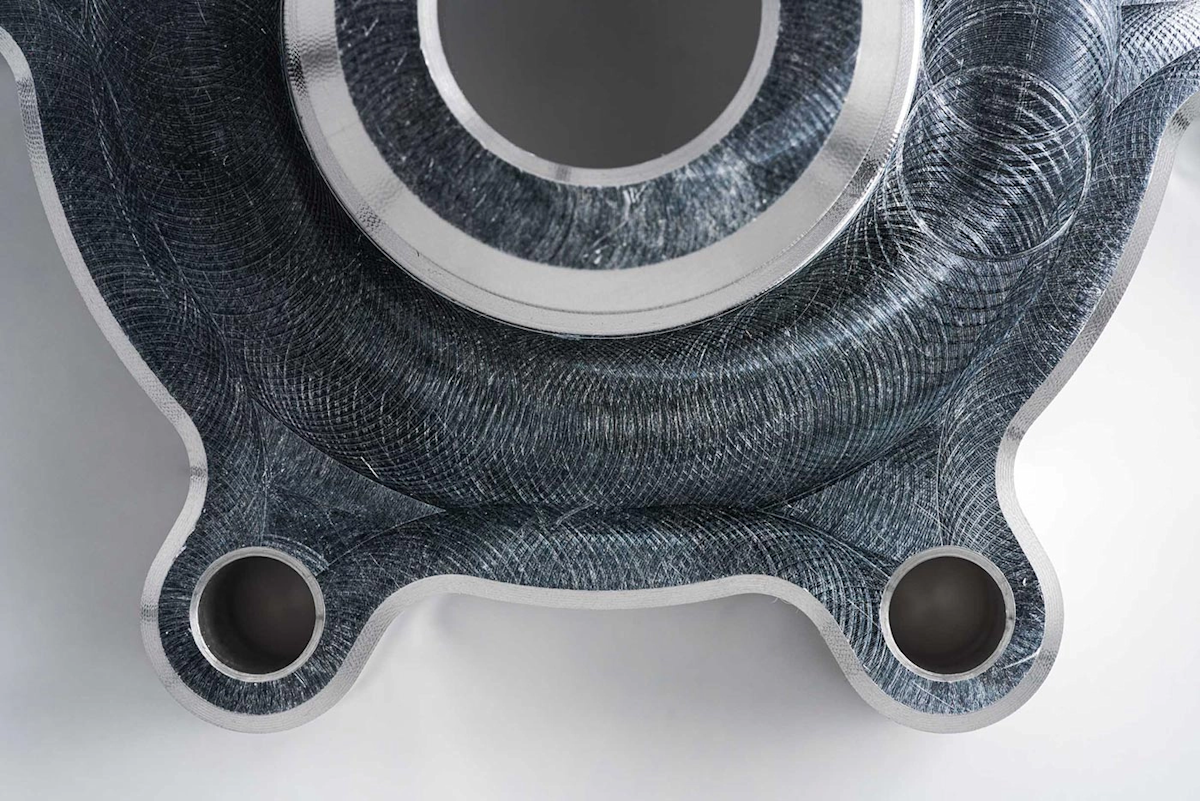
アズ・ミルド
ツールマークが見える標準的な仕上げで、表面粗さ~125 µin Ra、滑らかな仕上げが重要でない機能的用途に最適。.
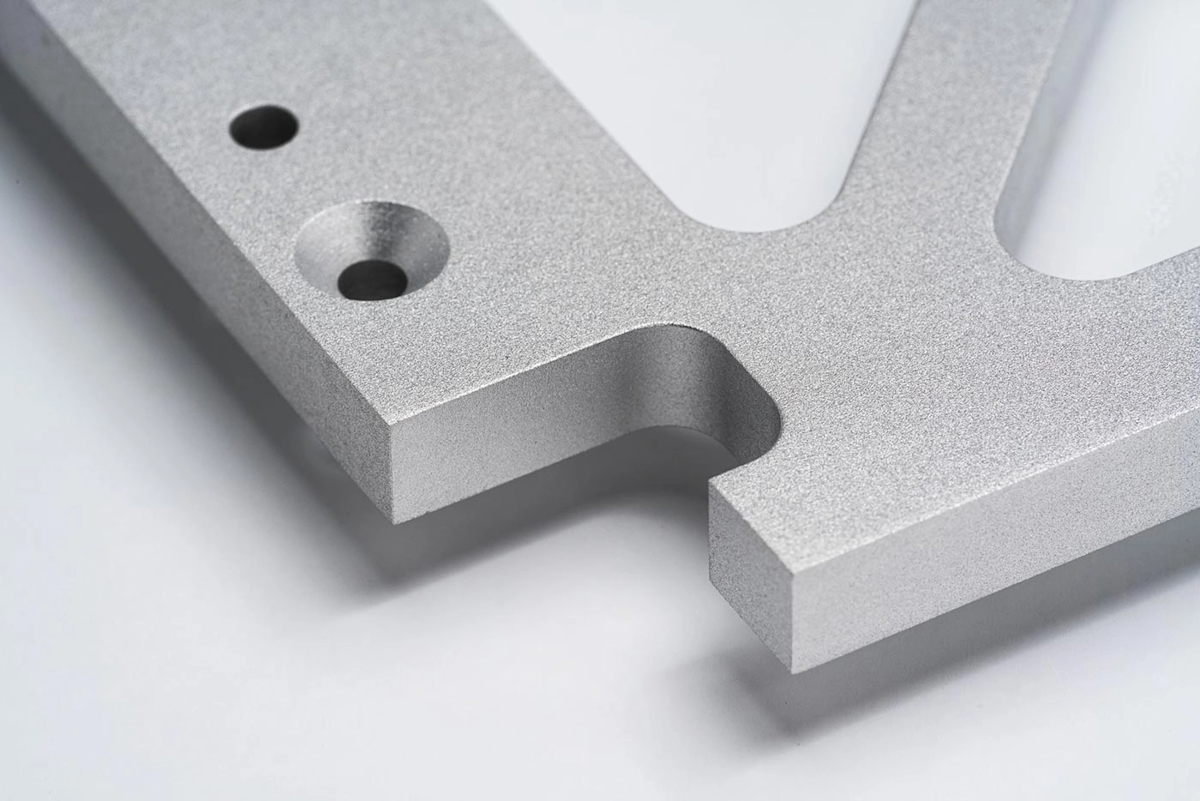
ビーズブラスト
ガラスビーズのような)メディアを表面に噴出させることで、滑らかでマットな仕上がりを作り出し、質感を向上させ、美的に美しく均一な表面を提供するプロセス。.
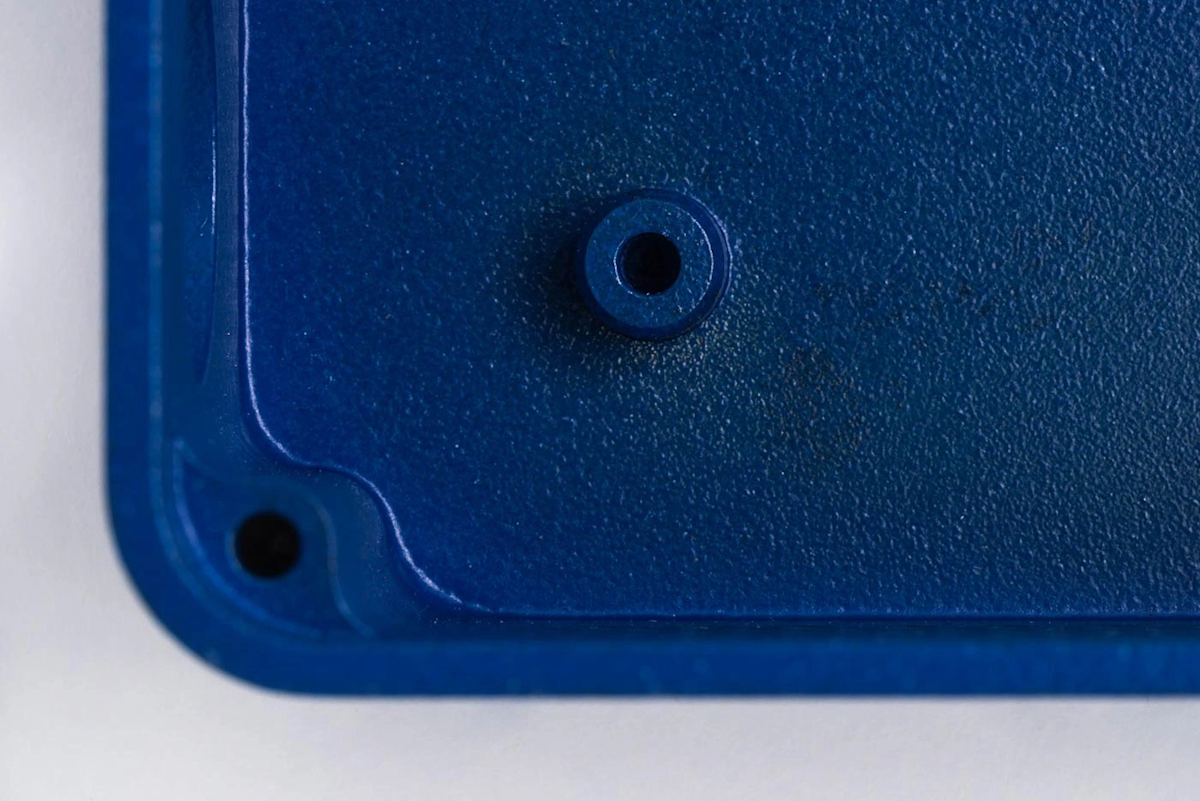
パウダーコーティング
この耐久性のある仕上げは、耐摩耗性、耐腐食性、耐紫外線性に優れている。.
ブラッシング
直線的で均一な木目のテクスチャーが部品に施され、サテンのような仕上がりになる。.
研磨
光沢のある鏡のような表面を実現し、部品の外観品質を向上させる。.
ブラックオキサイド
スチール部品に理想的なこの濃い艶消し仕上げは、高品質の外観を維持しながら、穏やかな耐食性を提供します。.

メリット

Advantages of Bending Manufacturing

Metal bending manufacturing offers significant benefits, making it a critical process across multiple industries.

アプリケーション

Applications of Bent Metal Parts

Bent metal components are versatile, transforming flat sheets into functional and durable parts suitable for a wide range of uses.

次なるものを一緒に作ろう

TUOWEIとともにビジョンを描く

ラピッドプロトタイピングからスケーラブル生産の時代になって以来、Tuowei Precisionは信頼性の高いCNC機械加工と製造サービスにより、お客様のプロジェクトを支援します。私たちのチームは、すべてのレベルで精度、一貫性、スムーズな実行があることを確認するためにあなたと協力します。.

今すぐプロジェクトを開始し、Tuoweiで効率的で高品質な製造への第一歩を踏み出しましょう。.

お問い合わせ
12時間以内の迅速な対応を保証
🔐 すべてのアップロードは安全かつ機密です。

Which Types of Metal Bending Are Common in Manufacturing?

Metal bending uses specialized techniques to shape metal with precision, meeting diverse manufacturing needs across industries.

Air Bending

Air bending is the most common method, where the punch presses the metal into a die without fully contacting the bottom. This creates flexibility in producing multiple angles with the same tooling. It requires less force than other methods, making it cost-efficient.

  • Best For: Versatile sheet metal projects with varied bend angles.

Bottoming (V-Bending)

In bottoming, the punch forces the metal to fully contact the bottom of the V-shaped die, resulting in high accuracy and reduced springback. However, it needs specific tooling for each angle, which can increase costs.

  • Best For: High-precision components requiring consistent angles.

Coining

Coining uses extreme pressure to stamp the bend angle into the metal, eliminating springback almost entirely. This method delivers exceptional accuracy but demands high-tonnage machines.

  • Best For: Aerospace and medical parts with critical tolerances.

Roll Bending

Roll bending shapes metal into large-radius curves or cylinders using a series of rollers. It is ideal for producing structural beams, enclosures, or curved panels.

  • Best For: Large-radius bends in sheet or plate metal.

Rotary Draw Bending

This technique bends metal, especially tubes and pipes, by drawing it around a fixed-radius die while maintaining dimensional accuracy. It’s widely used in the automotive and HVAC industries.

  • Best For: Tubular components with precise and repeatable curves.

Wipe Bending

Wipe bending involves clamping the sheet and bending it over a shaped edge, making it excellent for creating flanges and intricate profiles quickly.

  • Best For: Appliance panels and sheet profiles requiring speed and consistency.

How to Ensure High-Quality Metal Bending Results?

Getting flawless bends requires more than just the right tools is about technique, precision, and experience. Here’re some proven tips and tricks to achieve precise, consistent, and high-quality results in every metal bending project.

Select the Right Tooling

Choosing tooling that matches the metal type and thickness is the first step to precision. The wrong die or punch can cause deformation, poor angles, or uneven bends.

Perform Accurate Calculations

Correctly calculating bend allowance and bend deduction ensures the final part dimensions meet design requirements. Small calculation errors can lead to costly rework.

Leverage CNC Automation

CNC bending machines improve repeatability and reduce human error, especially in large production runs. Adjusting for springback during setup also maintains precise angles.

Ensure Rigorous Quality Checks

Use angle gauges for quick verification during production and laser measurement systems for micron-level accuracy in critical parts. Regular checks prevent defects from reaching later stages.

Pro Tips & Tricks

  • Warm metal slightly to reduce cracking in tight bends.
  • Test bends on scrap pieces before starting a full run.
  • Apply protective films to avoid surface scratches on finished parts.

トゥオウェイ・プロトのソリューション

カスタムパーツの少量生産から大量生産まで、Tuowei Protoサービスは柔軟な対応が可能です。

ラピッドプロトタイピング

CNCラピッドプロトタイプ加工は、外観と機能性の両方で最終製品に酷似したエンジニアリングまたは生産プロトタイプを作成するのに最適です。Tuoweiでは、即座の見積もりと迅速な配達を提供し、お客様のニーズに合った正確で高品質のCNC機械加工プロトタイプを提供します。

少量生産

少量生産のCNC加工は、多くの場合、新製品や新興製品の試作と大量生産の橋渡しの役割を果たします。Tuoweiを使用することで、このプロセスがより簡単に、より効率的に、そしてコスト効率よくなり、高品質な基準を維持しながら迅速に生産規模を拡大することができます。

最終用途 生産

CNC生産加工は、千個以上の部品を効率的に生産するための最適なソリューションです。Tuoweiは、多様な材料と自動化、多軸機能を活用し、厳しい公差、優れた寸法精度、高い信頼性、迅速な納期で大量生産を実現します。

インサイト&イノベーション

Tuowei精密の実際のCNC加工、業界動向、生産洞察力を常に更新しますが、より良い生産の意思決定を行うことができるようにインストールされています。.

お問い合わせ
12時間以内の迅速な対応を保証
🔐 すべてのアップロードは安全かつ機密です。