L'industrie automobile est l'un des secteurs les plus exigeants en matière d'ingénierie de précision. Les technologies d'usinage CNC jouent un rôle essentiel dans la conception, le prototypage et la fabrication de pièces à la fois complexes et critiques en termes de sécurité.
Usinage CNC multiaxe pour les pièces complexes
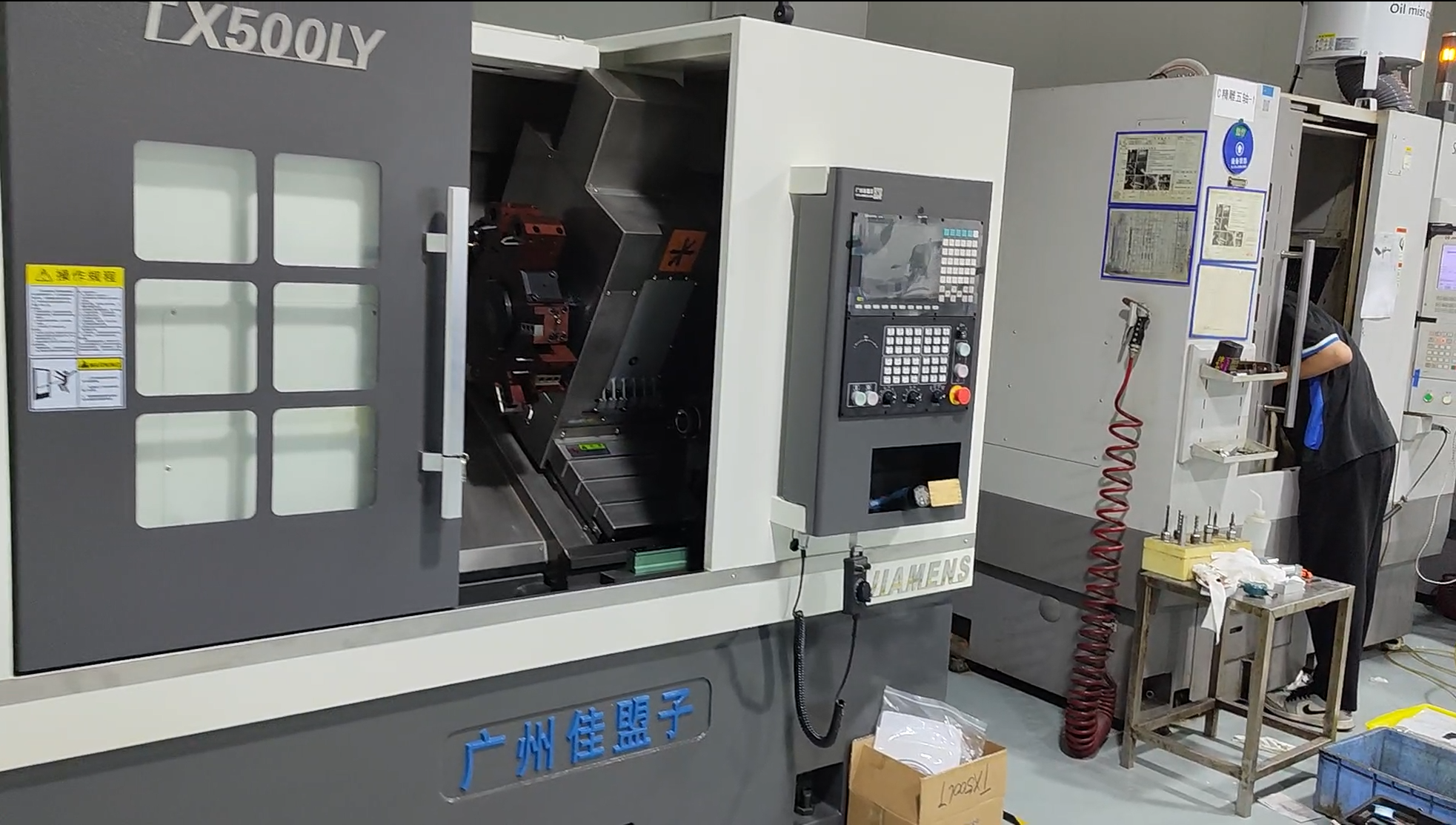
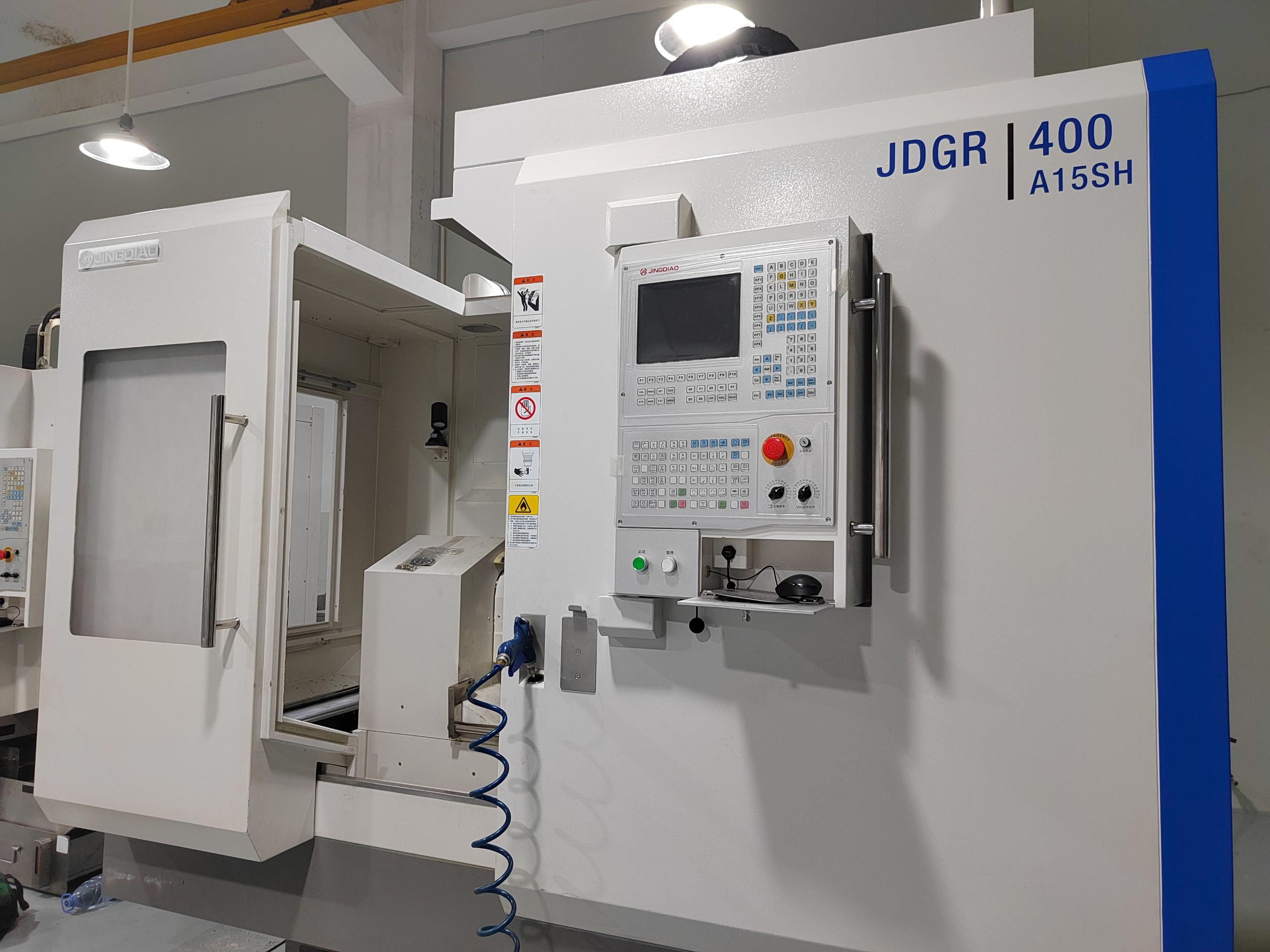
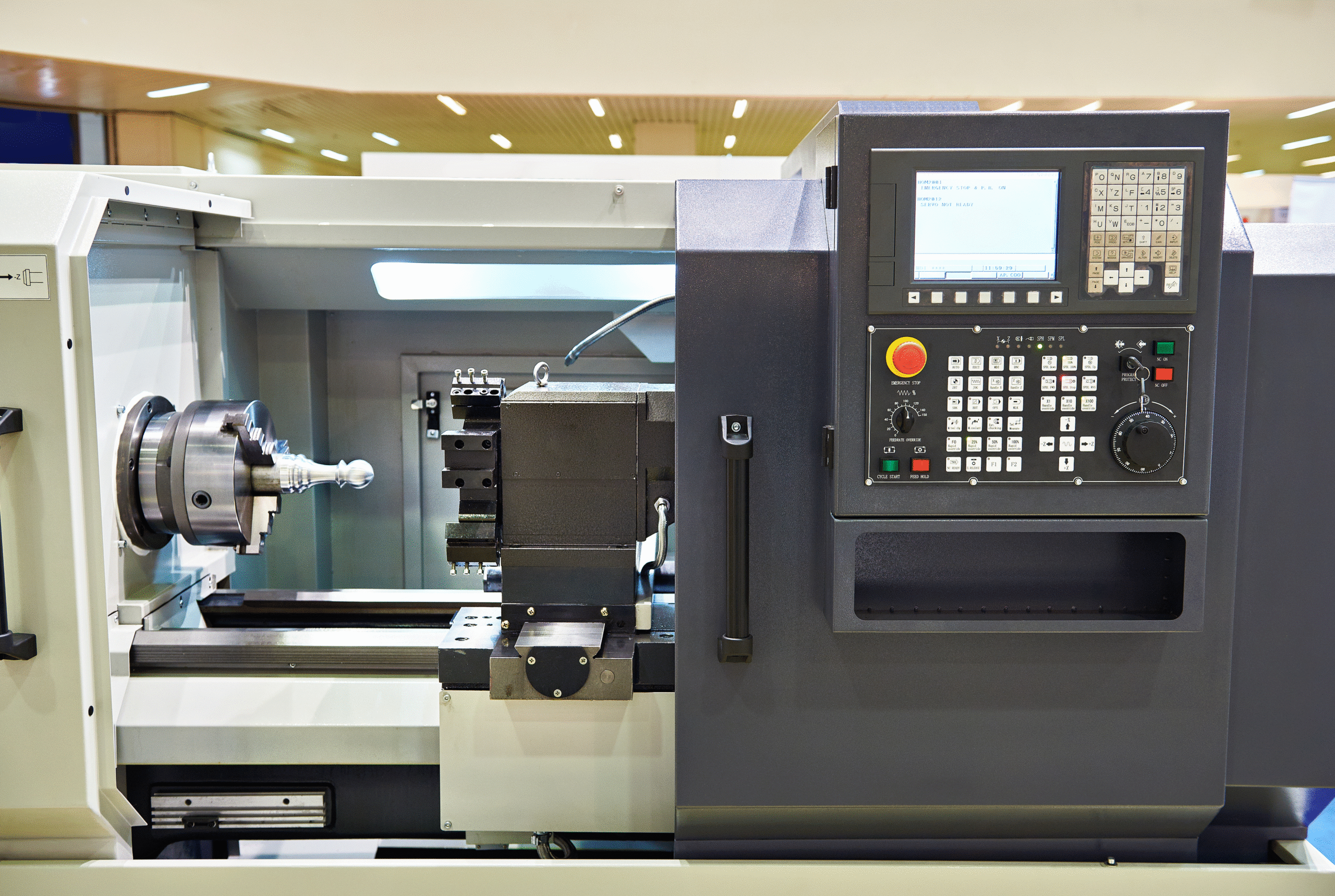
Les pièces automobiles ont souvent des conceptions complexes avec des courbes, des trous et des angles qui ne peuvent pas être réalisés avec l'usinage traditionnel. Les machines CNC multiaxes (3, 4 et 5 axes) permettent d'effectuer des coupes dans plusieurs directions en un seul réglage, ce qui réduit le temps et accroît la précision. Par exemple, les culasses, les blocs moteurs et les boîtiers de transmission nécessitent un usinage de haute précision.
Intégration de la CAO/FAO pour une fabrication sans faille
La combinaison de la conception assistée par ordinateur (CAO) et de la fabrication assistée par ordinateur (FAO) est au cœur des processus CNC modernes de l'industrie automobile. Les ingénieurs conçoivent des prototypes virtuels en CAO et les logiciels de FAO convertissent ces modèles en instructions pour les machines CNC. Cela permet de garantir une production sans faille, de réduire les erreurs et de raccourcir les cycles de conception à la production.
Usinage de matériaux haute performance
Les voitures d'aujourd'hui ont besoin de matériaux à la fois solides et légers pour améliorer le rendement énergétique et atteindre les objectifs de développement durable. L'usinage CNC est capable de traiter l'aluminium, le titane, les composites à base de fibre de carbone et l'acier trempé, qui sont tous essentiels pour les composants automobiles. Par exemple, l'aluminium est largement utilisé dans les boîtiers de batterie des véhicules électriques, tandis que le titane trouve des applications dans les systèmes d'échappement performants.
Automatisation, robotique et systèmes CNC intelligents
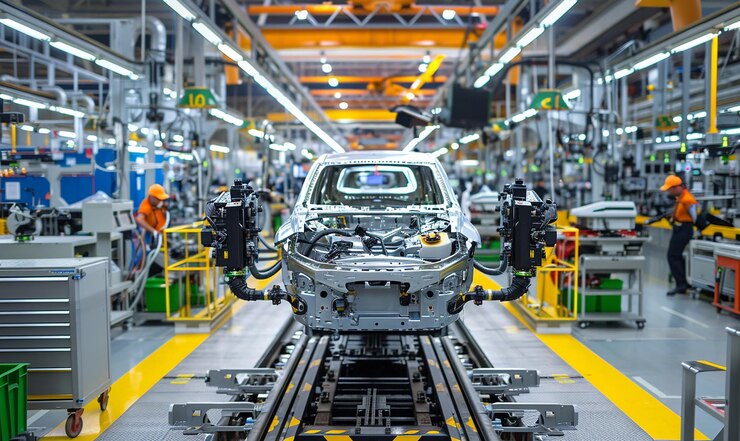
L'automatisation transforme la construction automobile. Les bras robotisés intégrés aux machines CNC effectuent des tâches répétitives telles que le chargement/déchargement, le perçage et la finition. Les systèmes CNC intelligents dotés d'une surveillance pilotée par l'IA améliorent encore l'efficacité, permettant une production 24 heures sur 24 avec des temps d'arrêt minimes. Cette combinaison favorise la production à grande échelle sans compromettre la qualité.
Principaux défis de l'industrie automobile
L'industrie automobile évolue constamment sous la pression des réglementations, des attentes des clients et de l'innovation technologique. L'usinage CNC joue un rôle essentiel dans la résolution de ces problèmes, et Tuowei Precision propose des solutions efficaces.
Composants légers et durables
Les véhicules modernes, en particulier les modèles électriques et hybrides, doivent être légers pour améliorer le rendement énergétique et augmenter l'autonomie des véhicules électriques. Toutefois, la réduction du poids ne doit pas compromettre l'intégrité structurelle, la performance ou la sécurité des passagers. Les composants traditionnels en acier sont trop lourds, tandis que certains matériaux légers manquent de résistance.
Maintien des normes de précision et de sécurité
L'industrie automobile est soumise à des réglementations strictes, où même un écart de l'ordre du micron dans un composant peut entraîner des dysfonctionnements, des risques pour la sécurité ou des manquements à la réglementation. Par exemple, les étriers de frein, les colonnes de direction et les engrenages de transmission exigent une précision extrême pour garantir une performance sans faille.
Modifications rapides de la conception et délais d'exécution réduits
L'industrie automobile évolue à un rythme sans précédent grâce aux innovations dans les domaines suivants la mobilité électrique, la conduite autonome et la technologie des véhicules connectés.. Les constructeurs automobiles doivent fréquemment mettre à jour les modèles et tester les prototypes dans des délais très courts pour rester compétitifs.
Transition vers les VE et les technologies émergentes
L'évolution vers véhicules électriques et autonomes introduit de nouveaux défis en matière d'ingénierie. Les boîtiers des batteries des véhicules électriques nécessitent des solutions de gestion thermique, les boîtiers des moteurs requièrent une très grande précision et les composants électroniques exigent un usinage sans faille pour fonctionner dans des conditions extrêmes. Les méthodes d'usinage traditionnelles peinent à répondre à ces besoins en constante évolution.
Comment Tuowei Precision soutient-il l'innovation et la fabrication dans le secteur automobile ?
Tuowei Precision s'est positionné comme un partenaire de confiance des constructeurs automobiles mondiaux en fournissant des solutions d'usinage CNC de bout en bout. Nos capacités vont du prototypage à la production à grande échelle, garantissant l'innovation, la précision et la fiabilité.
Prototypage rapide pour un développement accéléré
Dans une industrie qui évolue rapidement, le délai de mise sur le marché est essentiel. Les services de prototypage rapide de Tuowei permettent aux constructeurs automobiles de tester rapidement de nouvelles conceptions. Par exemple, nous produisons des prototypes de pièces de moteur, de supports ou de boîtiers de batteries de véhicules électriques en quelques jours, ce qui permet à nos clients d'évaluer les performances avant la production en série.
Production de masse de précision avec zéro défaut
La production automobile exige des volumes importants de composants homogènes. Tuowei utilise des machines CNC multi-axes et des processus de contrôle qualité stricts certifiés ISO pour fabriquer des milliers de pièces avec une précision de l'ordre du micron. Cela garantit la sécurité et la fiabilité d'applications telles que les systèmes de freinage et les mécanismes de direction.
Expertise en matière de matériaux et de procédés
Des alliages légers aux aciers résistants à la chaleur, Tuowei possède l'expertise nécessaire pour usiner divers matériaux. Notre expérience s'étend à la manipulation de métaux durs pour les engrenages de transmission, d'aluminium léger pour les composants de moteur et de composites pour les structures des véhicules électriques. Cette polyvalence nous permet de répondre aux différents besoins de l'industrie automobile.
Piloter l'avenir de l'innovation automobile
Tuowei soutient la transition vers les véhicules électriques et autonomes en collaborant à des projets de recherche et développement. Nous fabriquons des composants essentiels tels que des boîtiers de moteurs de véhicules électriques, des boîtiers de batteries et des supports de capteurs pour les systèmes avancés d'aide à la conduite (ADAS). Cette contribution nous place à l'avant-garde de la technologie automobile de la prochaine génération.