Surmoulage

High-quality custom overmolding solutions for prototypes and on-demand production parts. From multi-material components to enhanced product functionality, TOUWEI delivers precise overmolding services with rapid tooling.

best overmolding services-Tuowei Precision
What is Overmolding?

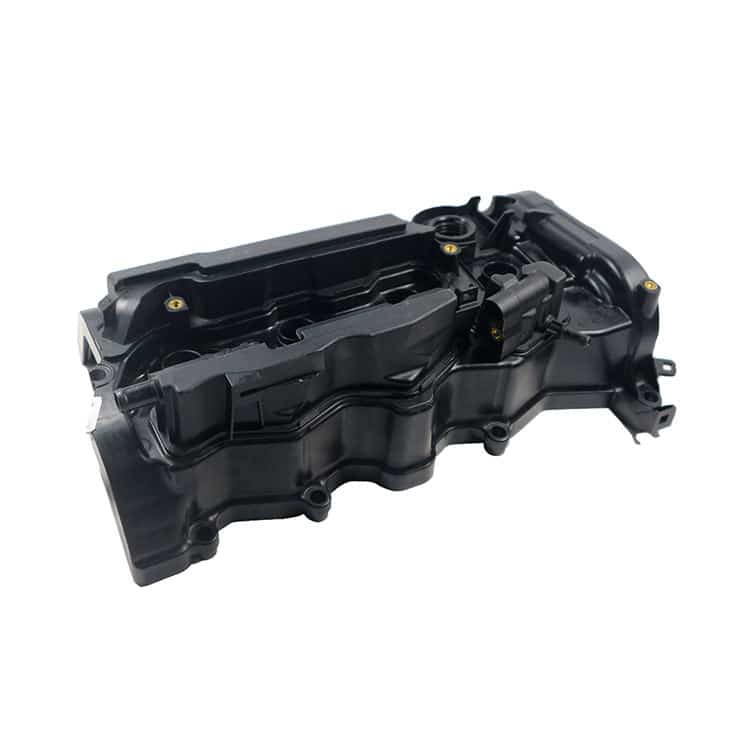
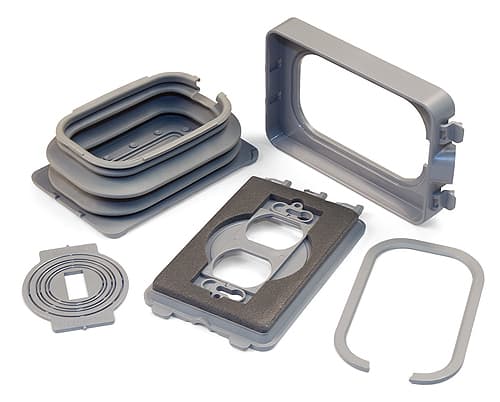
Overmolding is a specialized injection molding technique that combines two or more thermoplastic materials into a single, integrated component. The process begins with molding the first material, known as the substrate, which forms the base structure. A secondary material, called the overmold, is then injected over or around the substrate, creating a strong mechanical and chemical bond as the materials cool.

This advanced method not only improves durability and functionality but also enhances the appearance and ergonomics of products. We specialize in delivering custom overmolding solutions that elevate both product performance and aesthetics. Reach out to TUOWEI Precision today for a custom quote and discover how our overmolding expertise can bring your designs to life.

TUOWEI Precision’s Custom Overmolding

Looking for durable, custom overmolded parts? TUOWEI Precision is your trusted partner for high-quality overmolding solutions, supporting both prototype and mass production needs.

Overmolding allows multiple materials to be seamlessly combined into one functional part. Typically, a thermoplastic elastomer (TPE/TPV) is bonded onto a rigid plastic substrate, creating a component that is strong, ergonomic, and visually appealing. Everyday examples include toothbrush handles or electronic housings with both rigid and soft-touch elements.

Overmolding Process

Plastic Over Plastic

Plastic over plastic overmolding creates strong, precise parts by bonding two thermoplastics into a single structure. This technique is widely used for mass production where consistency, durability, and design flexibility are essential for reliable performance.

Rubber Over Plastic

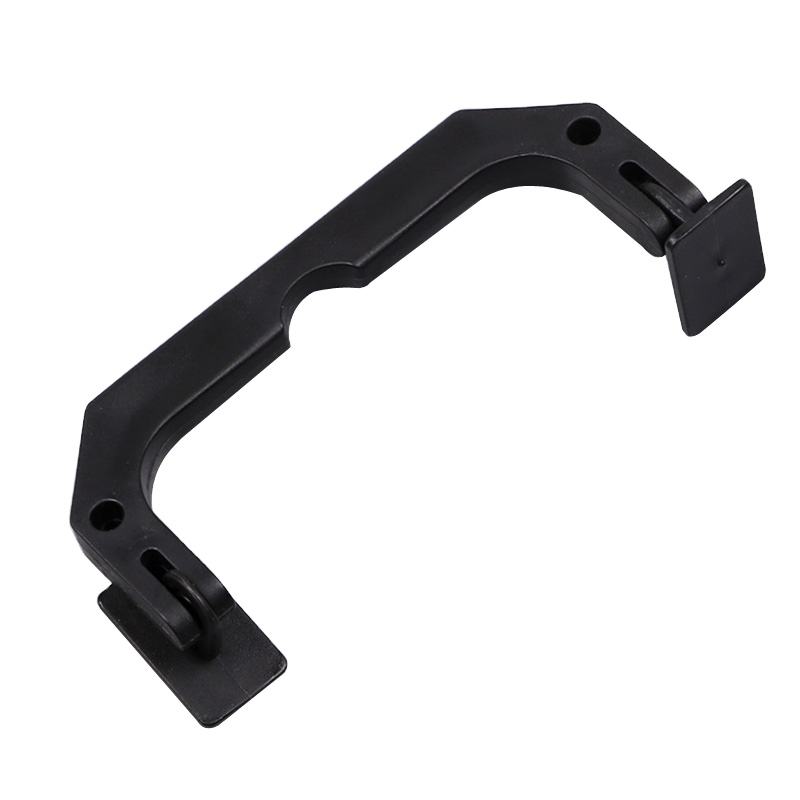
Rubber over plastic overmolding improves both comfort and functionality by adding soft, flexible layers to rigid substrates. It enhances grip, aesthetics, and overall usability, making it ideal for consumer goods and ergonomic designs.

Plastic Over Metal

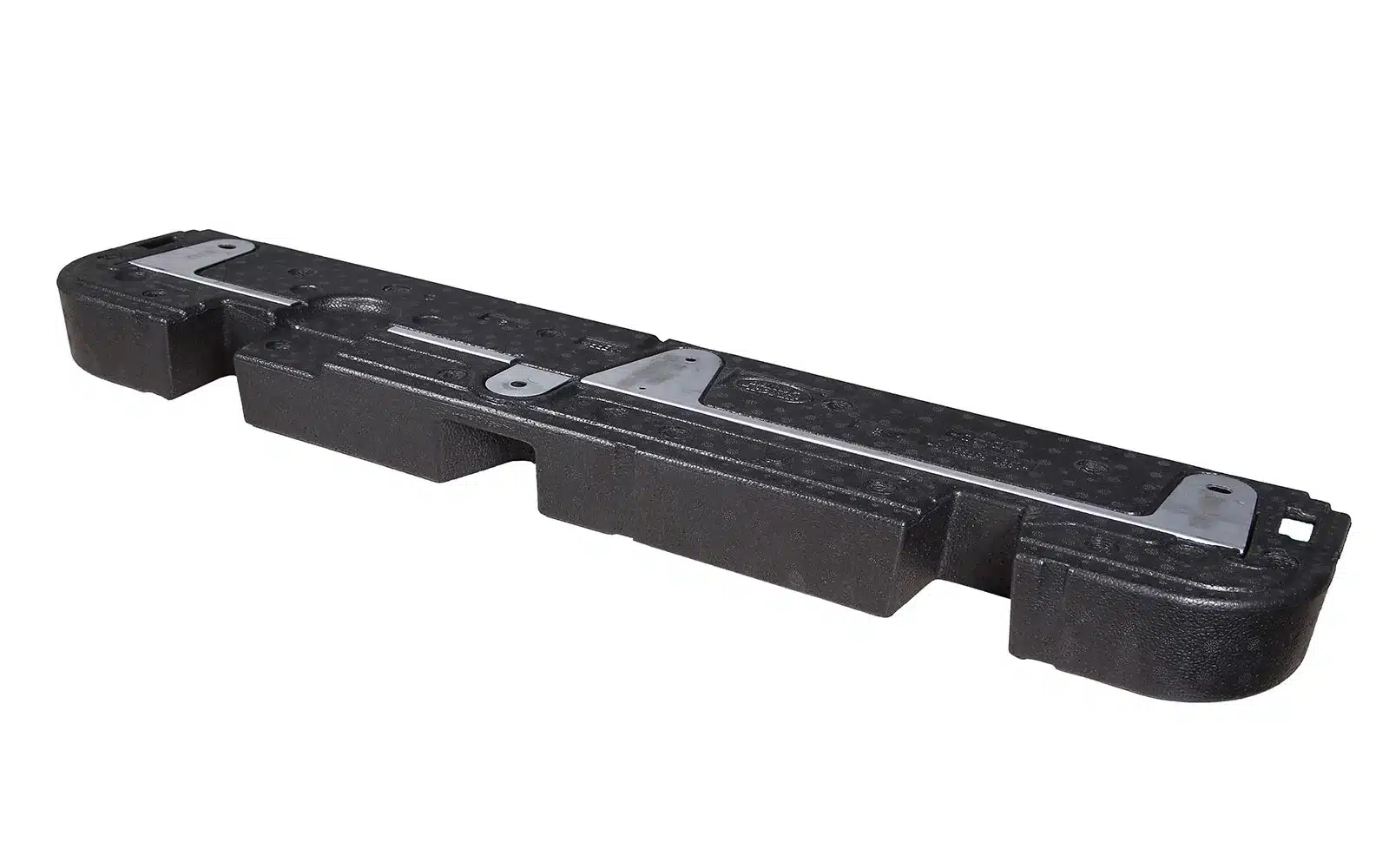
Plastic over metal, also called insert molding, integrates metal inserts into plastic during the molding cycle. This process eliminates secondary assembly while providing parts with enhanced durability and embedded functional features.

Rubber Over Metal

Rubber over metal molding creates durable, vibration-resistant parts by permanently bonding elastomers to rigid metal substrates. This process ensures strong adhesion, improved shock absorption, and long-lasting performance.

Our Overmolding Capabilities

TUOWEI Precision provides advanced custom overmolding solutions that merge multiple materials into one seamless part. Our process enhances both appearance and performance, ensuring durable, high-quality plastic components.

Overmolding Service Tolerance
Standard Overmolding ±0.005" (±0.127 mm)
Precision Overmolding ±0.002" (±0.051 mm)
Overmolding with Metal Inserts ±0.005" (±0.127 mm)
Overmolding for Complex Parts ±0.003" (±0.076 mm)

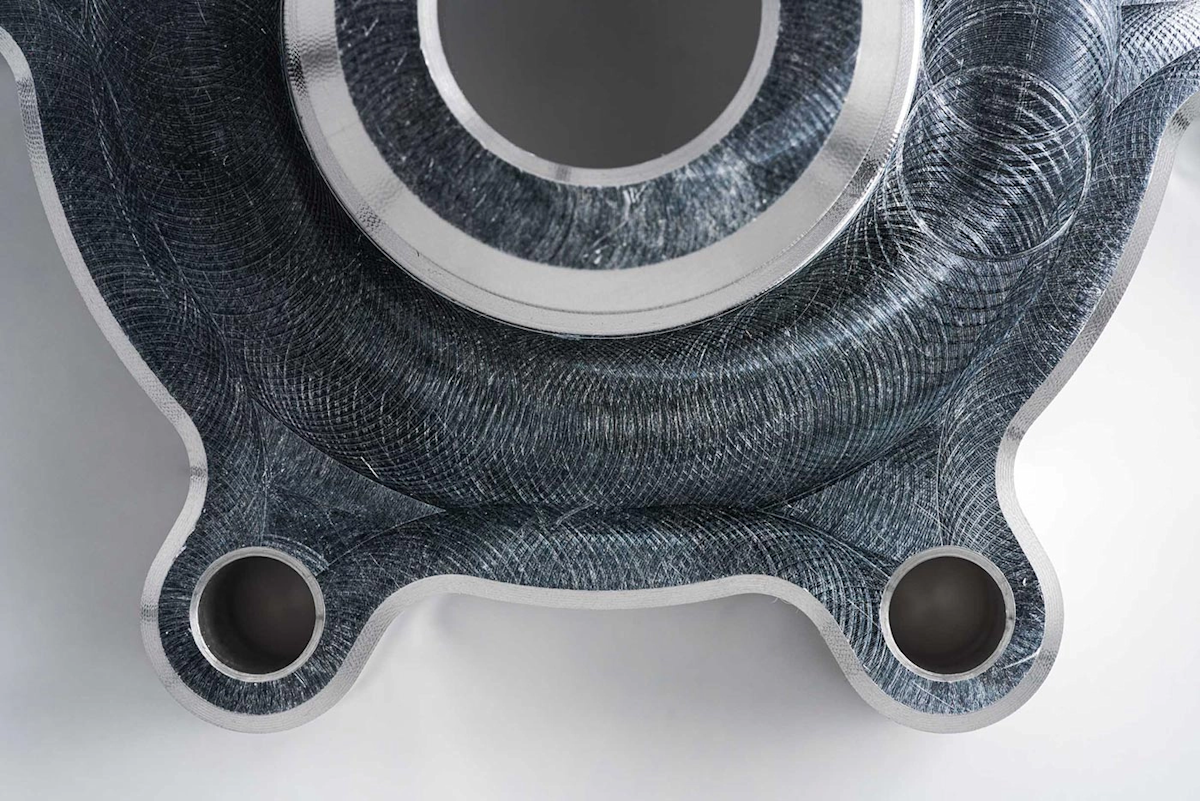
Surface Finishes for Overmolding

Overmolding surface finishing techniques used to improve the performance and appearance of overmolded components:

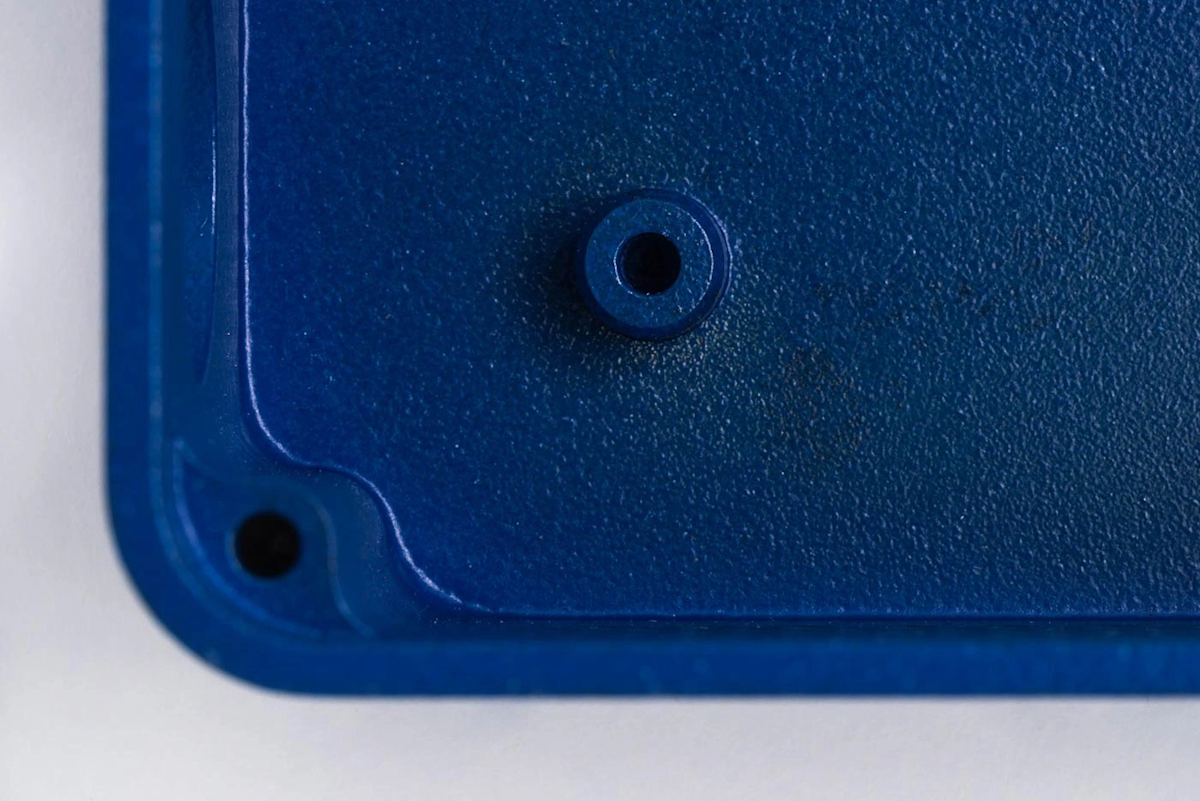
Texturing

Texturing is commonly applied to the outer surface of overmolded parts to improve grip, aesthetics, and overall functionality.

Polissage

Polishing provides a smooth finish on the outer surface of overmolded parts, ideal for high-end consumer products where aesthetics matter.

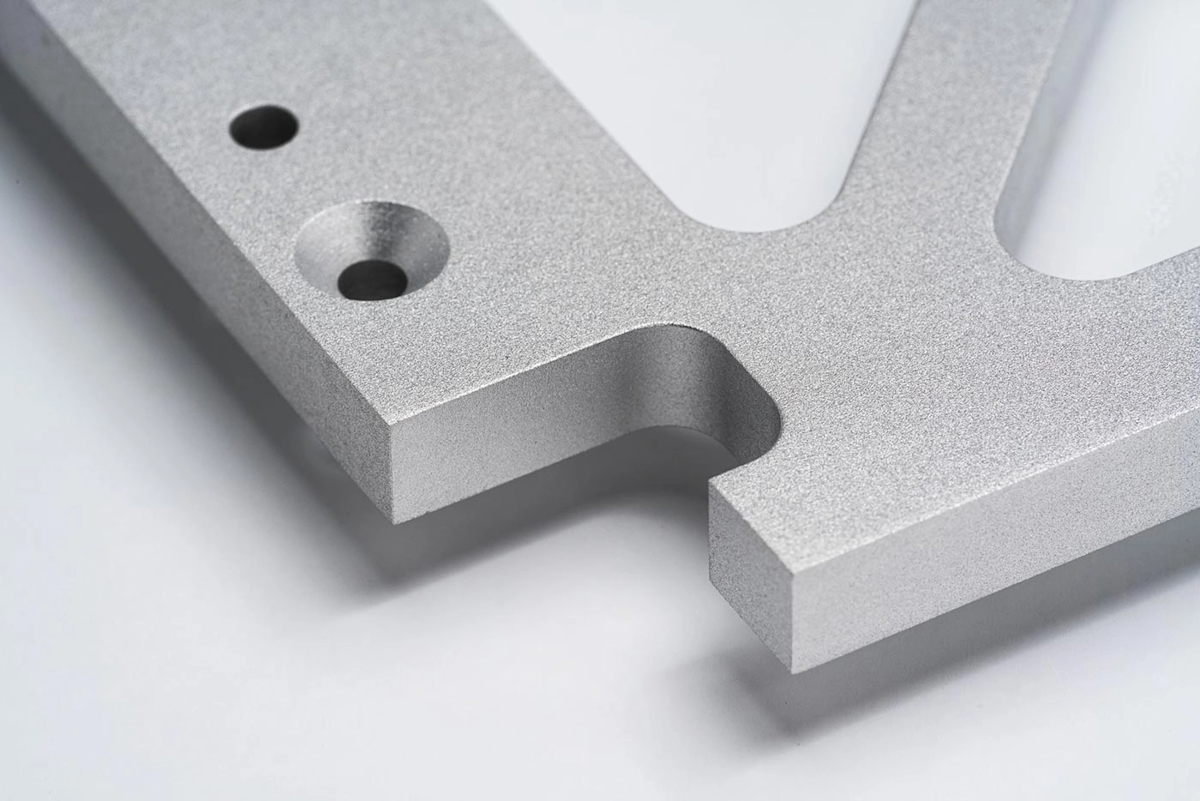
Sablage de perles

Bead blasting is effective for achieving a uniform matte finish that hides imperfections and gives overmolded parts a premium feel.

Laser Engraving

Laser engraving allows for precise detailing or branding on the surface of overmolded parts, ensuring durability and high-quality designs.

Plasma Treatment

Plasma treatment is used to enhance the adhesion of the overmold material to the substrate, ensuring a strong bond and a smooth surface.

Placage électrolytique

Electroplating adds an additional layer of protection to the surface, improving both the aesthetic appearance and the resistance to corrosion.

Materials for OverMolding

Les ingénieurs et les principaux fabricants font confiance à TUOWEI pour des itérations rapides et des pièces durables et performantes. Qu'il s'agisse de prototypage ou de production à grande échelle, notre vaste sélection de matériaux garantit la précision, la solidité et la fiabilité de tout projet d'usinage CNC.

ABS

Polycarbonate

Nylon, Acrylic, PVC

Polypropylène

PETG

POM (Acetal)

Polyamide (Nylon)

TPE

Silicone

EPDM

Buna-N

Neoprene

TPE

Urethane

Epoxy


TPE (Thermoplastic Elastomer)

SiliconeRubber

TPE (Thermoplastic Elastomer)

EPDM

Nitrile

Avec le service de fraisage CNC de Tuowei Precision, vous n'investissez pas seulement dans des machines de pointe. Vous avez l'assurance d'une précision sans faille, d'un engagement à respecter des délais stricts et de l'expertise de professionnels compétents qui se consacrent à vos besoins.

Choisissez-nous

Pourquoi
/01

Pièces de haute qualité

L'usinage CNC de Tuowei Precision, certifié ISO, garantit une précision et une qualité exceptionnelles. Chaque pièce est conçue pour un ajustement parfait et des performances sans faille, avec un contrôle qualité rigoureux à chaque étape.

/02
Délai d'exécution rapide

Respectez les délais avec Tuowei Precision. Nos équipements de pointe et nos ateliers locaux permettent une production rapide pour respecter vos délais serrés.

/03
Soutien technique d'experts

Faites confiance à notre équipe pour une assistance complète en matière d'usinage CNC. Nos experts sont à votre disposition pour optimiser l'efficacité de la conception et garantir des résultats de qualité supérieure à chaque étape.

Avantages

Advantages of Overmolding

Overmolding is a powerful manufacturing method that combines multiple materials into a single part, boosting strength, performance, and design flexibility. By eliminating secondary assembly, it not only reduces costs but also enhances aesthetics, comfort, and product lifespan.

Applications

Applications of Overmolding

Overmolding’s versatility makes it ideal for industries that demand precision, durability, and advanced product functionality. From medical devices to household goods, it delivers custom solutions that merge performance with usability.

Construisons ensemble l'avenir

Partenaire de TUOWEI pour donner forme à votre vision

Des prototypes détaillés aux grandes séries, TUOWEI est votre partenaire de confiance pour l'usinage CNC de précision. Contactez-nous dès aujourd'hui et faites le premier pas vers des solutions de fabrication rationalisées et de haute qualité.

Prenez contact avec nous !
Réponse rapide garantie dans les 12 heures
🔐 Tous les téléchargements sont sécurisés et confidentiels

The Overmolding Process at TUOWEI Precision

TUOWEI PRECISION follows a refined overmolding workflow that ensures every part meets the highest standards of precision, durability, and aesthetics. Our process is a combination of technical expertise, material science, and advanced tooling.

Substrate Design & Engineering

We begin by designing and engineering the core substrate with exacting specifications. Our engineering team considers dimensional accuracy, bonding requirements, and mechanical performance to ensure the substrate is an ideal foundation for the overmold layer.

Precision Substrate Molding

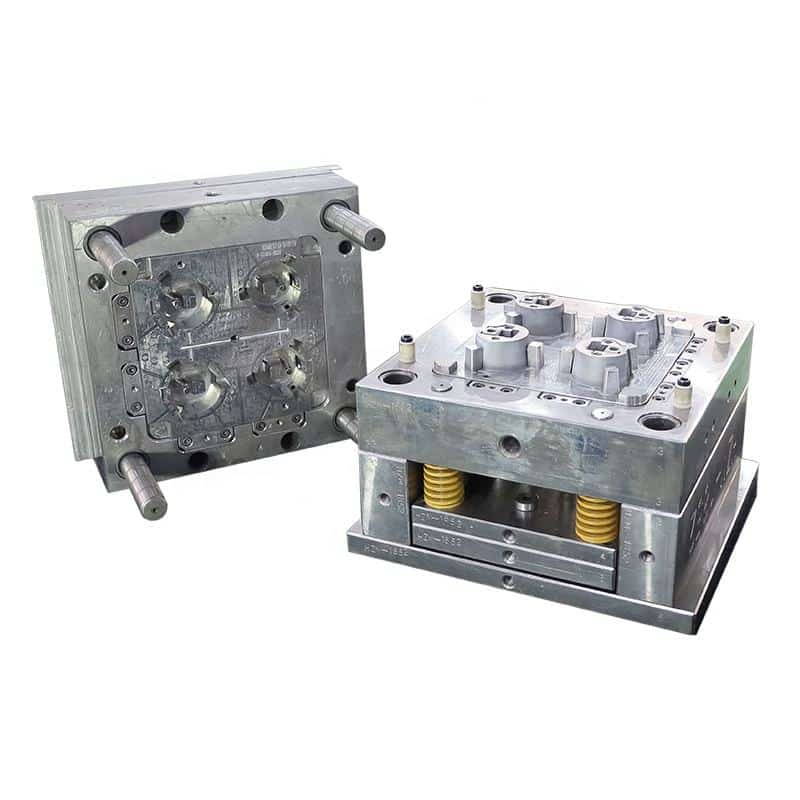
Using advanced injection molding machines, we produce the rigid substrate often from materials such as ABS, PC, or metal inserts. Every piece is checked against tolerance benchmarks to guarantee a perfect fit for the overmolding stage.

Surface Preparation & Treatment

Before applying the overmold, we prepare the substrate’s surface to maximize adhesion. This may involve cleaning, texturing, or plasma treatment, ensuring the secondary material bonds securely and resists peeling or cracking over time.

Secondary Material Injection

The prepared substrate is placed into a specialized mold where a softer material such as TPE, TPU, or silicone is precisely injected over or around it. Our temperature and pressure controls ensure consistent bonding, dimensional stability, and defect-free finishes.

Quality Inspection & Finishing

Once molded, each part undergoes a rigorous inspection process. We check for bonding strength, dimensional accuracy, and visual quality. Any necessary finishing, such as trimming or polishing, is completed before parts are packaged for delivery.

What Challenges Occur in Overmolding And How to Overcome Them?

While overmolding offers significant advantages, it comes with unique manufacturing challenges. Addressing these issues early can reduce waste, improve cycle times, and ensure consistent product quality.

Material Compatibility

Challenge: Not all materials bond well. If the substrate and overmold material are incompatible, the layers may peel, crack, or fail under stress.
Solution: Select materials with proven adhesion properties. For example, pairing polycarbonate (PC) substrates with TPE overmolds has a high success rate. Conduct adhesion tests before mass production investing in compatibility testing can save up to 20% in rework costs.

Dimensional Accuracy and Shrinkage

Challenge: Differences in thermal expansion between materials can cause warping or dimensional inconsistencies.
Solution: Adjust mold design to compensate for material shrinkage rates. Using precise temperature control during the second molding stage can reduce deformation by up to 30%.

Flash and Parting Line Defects

Challenge: Overmolding sometimes causes excess material (flash) at parting lines, leading to poor aesthetics and additional finishing costs.
Solution: Ensure high-precision tooling and optimal clamping force. Regular mold maintenance and inspection can cut defect rates by half.

Cycle Time and Production Efficiency

Challenge: Overmolding is naturally more time-intensive than single-material molding.
Solution: Use automated part handling between molding stages and optimize cooling times. Some manufacturers see a 15–25% cycle time improvement with robotics integration.

Bonding Failures Under Stress

Challenge: In applications like automotive seals or medical grips, repeated stress may cause delamination.
Solution: Incorporate mechanical interlocks into the substrate design. Even if chemical bonding weakens over time, the physical interlock maintains structural integrity.
Solutions de Tuowei Proto

Qu'il s'agisse de créer un petit lot de pièces personnalisées ou de passer à une production en grande série, les services Proto de Tuowei offrent la flexibilité dont vous avez besoin.

Prototypage rapide

L'usinage rapide de prototypes CNC est idéal pour créer des prototypes d'ingénierie ou de production dont l'apparence et les fonctionnalités sont très proches du produit final. Chez Tuowei, nous proposons des devis instantanés et des livraisons rapides, afin de vous fournir des prototypes CNC précis et de grande qualité, adaptés à vos besoins.

Fabrication à faible volume

L'usinage CNC en petite série sert souvent de pont entre le prototypage et la production de masse pour les productions nouvelles et émergentes. Avec Tuowei, ce processus devient plus facile, plus efficace et plus rentable, ce qui vous permet d'augmenter rapidement votre production tout en maintenant des normes de haute qualité.

Utilisation finale Production

L'usinage de production à commande numérique est la meilleure solution pour produire efficacement un millier de pièces ou plus. En s'appuyant sur une sélection variée de matériaux et sur des capacités d'automatisation et d'usinage multi-axes, Tuowei assure une production en grande série avec des tolérances serrées, une précision dimensionnelle supérieure, une grande fiabilité et des délais d'exécution rapides.

Explorer les idées et l'innovation

Gardez une longueur d'avance grâce aux conseils d'experts, aux tendances de l'industrie et aux informations sur la fabrication de précision fournies par l'équipe de Tuowei. Lisez nos derniers blogs pour acquérir des connaissances précieuses et découvrir comment nous façonnons l'avenir de la production CNC.

Questions fréquemment posées

Over Molding

  • What is the Overmolding Process?

    Overmolding is an advanced injection molding technique where two or more materials are combined to create a single, integrated product. The process begins with molding a rigid substrate, such as plastic or metal, which forms the product’s core. A second material—commonly a flexible thermoplastic elastomer (TPE)—is then molded over the substrate. This outer layer improves grip, comfort, and aesthetics while adding functional properties like durability, softness, or color variation. Widely used in industries such as automotive, medical, and consumer electronics, overmolding enhances performance, simplifies assembly, and allows for innovative product designs. 

  • What is the Difference Between Overmolding and Insert Molding?

    Overmolding and insert molding are both specialized techniques, but they serve different purposes. Overmolding involves adding a second material layer over an existing molded part, often to improve grip, appearance, or durability. Insert molding, on the other hand, integrates a pre-formed component—such as a metal insert—into the mold before plastic is injected, creating a strong bond between materials. Overmolding is best suited for ergonomic products like handles and grips, while insert molding is commonly used in structural applications, such as automotive parts, where strength and functionality are critical.

  • What are the Design Considerations for Overmolding?

    Design plays a crucial role in the success of overmolding. The primary and secondary materials must be compatible in terms of adhesion, flexibility, and thermal properties to ensure a durable bond. Product geometry should include features such as undercuts, ribs, or grooves to enhance mechanical interlocking and reduce the risk of peeling. Mold design must be optimized for proper material flow, with careful attention to gating and venting. Finally, tolerances should account for shrinkage and thermal expansion during cooling to maintain dimensional accuracy and meet specifications. 

  • Can EPDM Be Used for Overmolding?

    Yes, EPDM is well-suited for overmolding with thermoplastics. Its flexibility, excellent weather resistance, and ability to withstand extreme temperatures make it ideal for outdoor and automotive applications. To ensure strong adhesion, the EPDM surface may require cleaning or surface treatment before molding. Proper control of temperature and pressure during processing is also essential. When done correctly, EPDM overmolding produces durable, reliable parts capable of performing in demanding environments. 

Prenez contact avec nous !
Réponse rapide garantie dans les 12 heures
🔐 Tous les téléchargements sont sécurisés et confidentiels