Sobremoldeado

High-quality custom overmolding solutions for prototypes and on-demand production parts. From multi-material components to enhanced product functionality, TOUWEI delivers precise overmolding services with rapid tooling.

best overmolding services-Tuowei Precision
What is Overmolding?

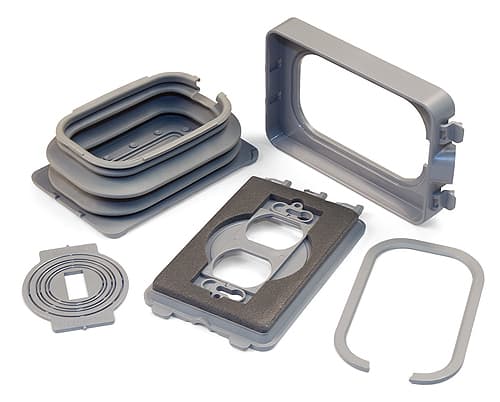
Overmolding is a specialized injection molding technique that combines two or more thermoplastic materials into a single, integrated component. The process begins with molding the first material, known as the substrate, which forms the base structure. A secondary material, called the overmold, is then injected over or around the substrate, creating a strong mechanical and chemical bond as the materials cool.

This advanced method not only improves durability and functionality but also enhances the appearance and ergonomics of products. We specialize in delivering custom overmolding solutions that elevate both product performance and aesthetics. Reach out to TUOWEI Precision today for a custom quote and discover how our overmolding expertise can bring your designs to life.

TUOWEI Precision’s Custom Overmolding

Looking for durable, custom overmolded parts? TUOWEI Precision is your trusted partner for high-quality overmolding solutions, supporting both prototype and mass production needs.

Overmolding allows multiple materials to be seamlessly combined into one functional part. Typically, a thermoplastic elastomer (TPE/TPV) is bonded onto a rigid plastic substrate, creating a component that is strong, ergonomic, and visually appealing. Everyday examples include toothbrush handles or electronic housings with both rigid and soft-touch elements.

Overmolding Process

Plastic Over Plastic

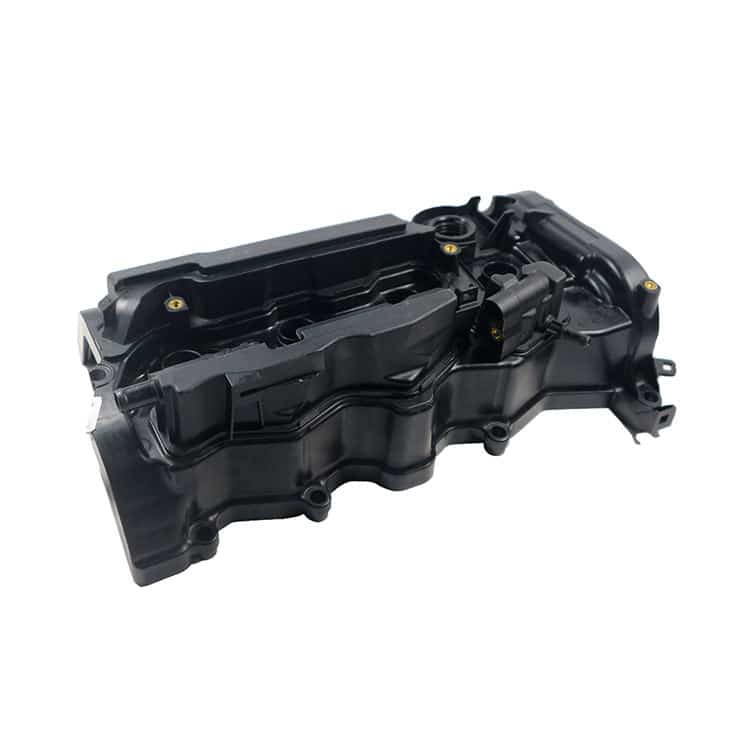
Plastic over plastic overmolding creates strong, precise parts by bonding two thermoplastics into a single structure. This technique is widely used for mass production where consistency, durability, and design flexibility are essential for reliable performance.

Rubber Over Plastic

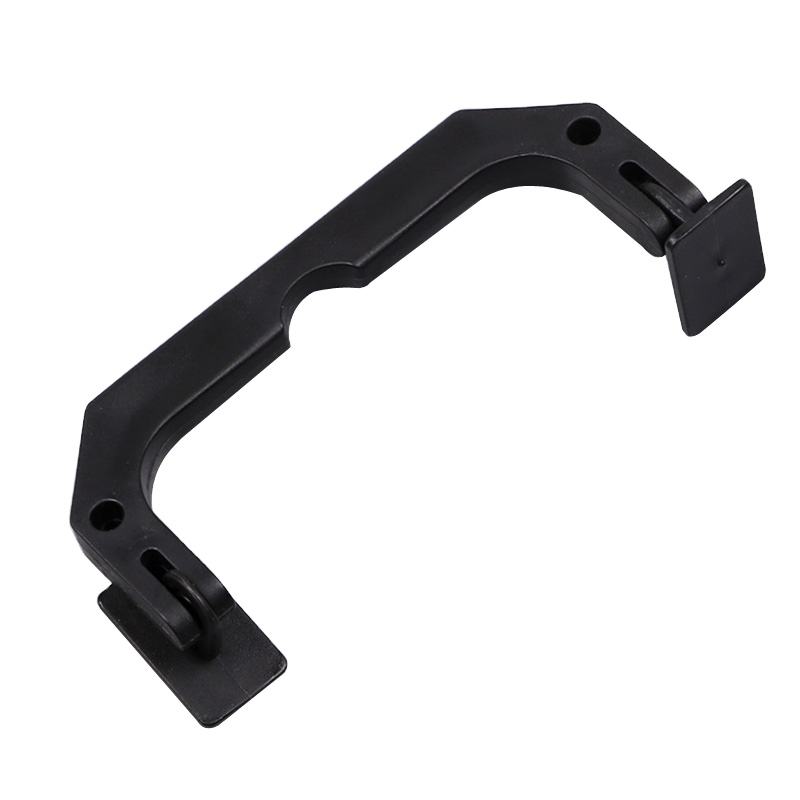
Rubber over plastic overmolding improves both comfort and functionality by adding soft, flexible layers to rigid substrates. It enhances grip, aesthetics, and overall usability, making it ideal for consumer goods and ergonomic designs.

Plastic Over Metal

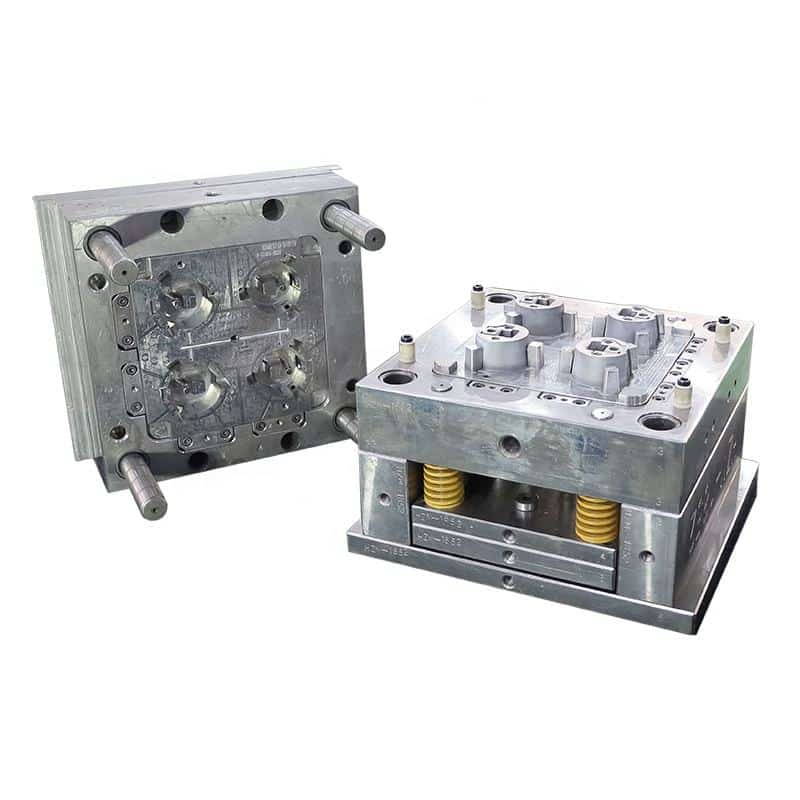
Plastic over metal, also called insert molding, integrates metal inserts into plastic during the molding cycle. This process eliminates secondary assembly while providing parts with enhanced durability and embedded functional features.

Rubber Over Metal

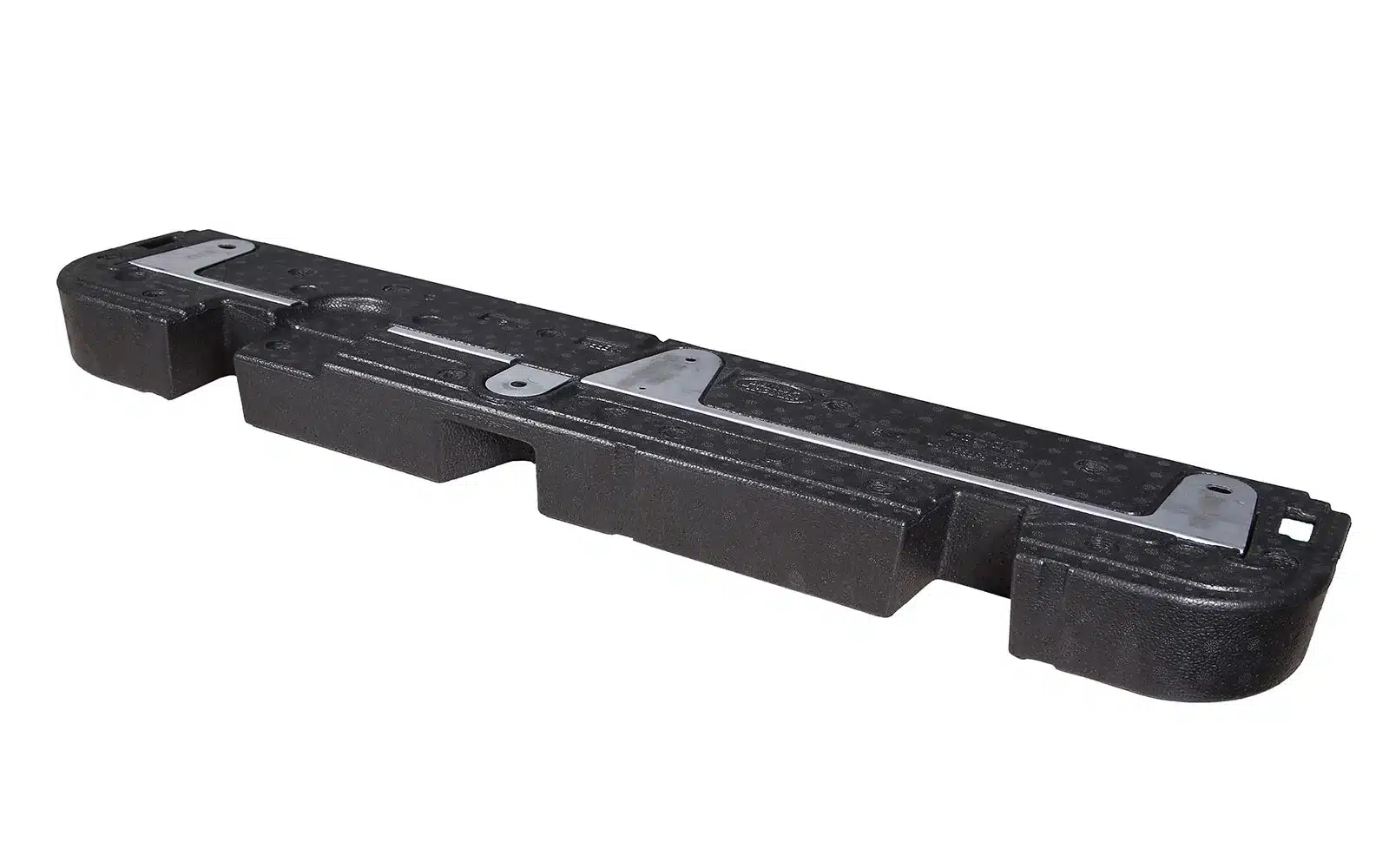
Rubber over metal molding creates durable, vibration-resistant parts by permanently bonding elastomers to rigid metal substrates. This process ensures strong adhesion, improved shock absorption, and long-lasting performance.

Our Overmolding Capabilities

TUOWEI Precision provides advanced custom overmolding solutions that merge multiple materials into one seamless part. Our process enhances both appearance and performance, ensuring durable, high-quality plastic components.

Overmolding Service Tolerancia
Standard Overmolding ±0,005" (±0,127 mm)
Precision Overmolding ±0.002" (±0.051 mm)
Overmolding with Metal Inserts ±0,005" (±0,127 mm)
Overmolding for Complex Parts ±0,003" (±0,076 mm)

Surface Finishes for Overmolding

Overmolding surface finishing techniques used to improve the performance and appearance of overmolded components:

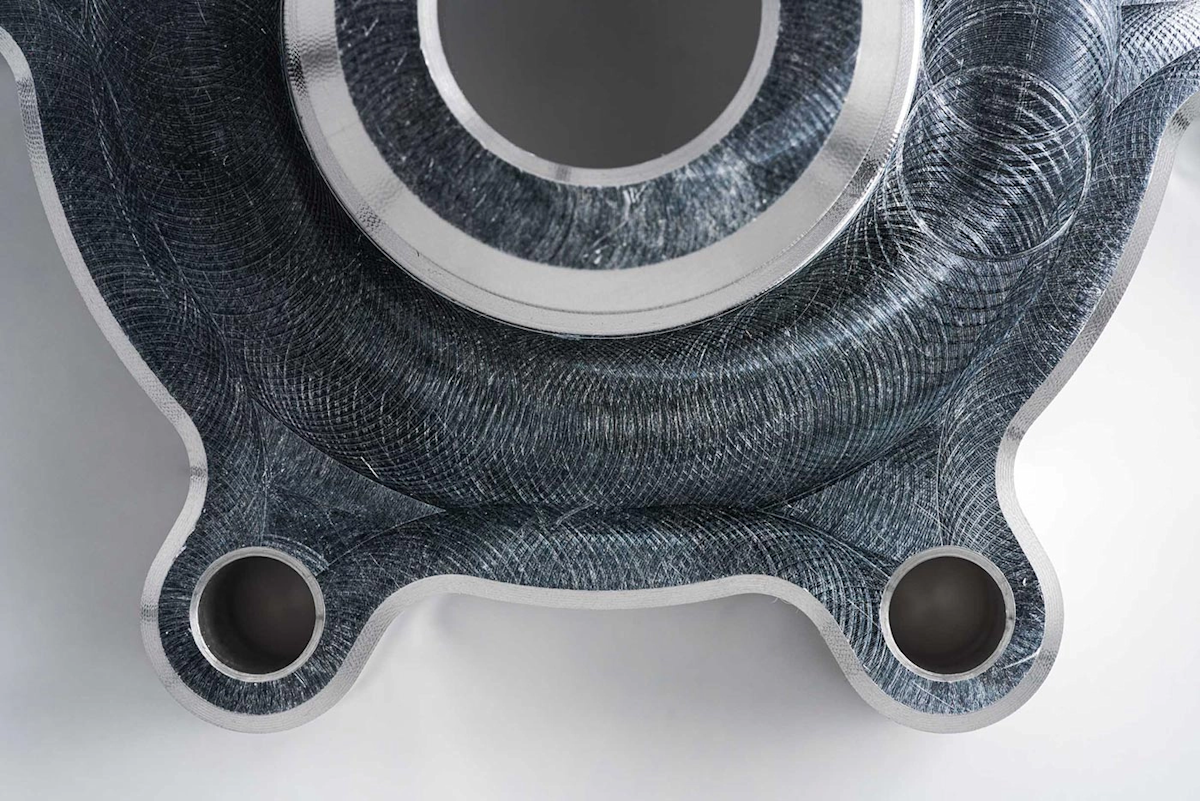
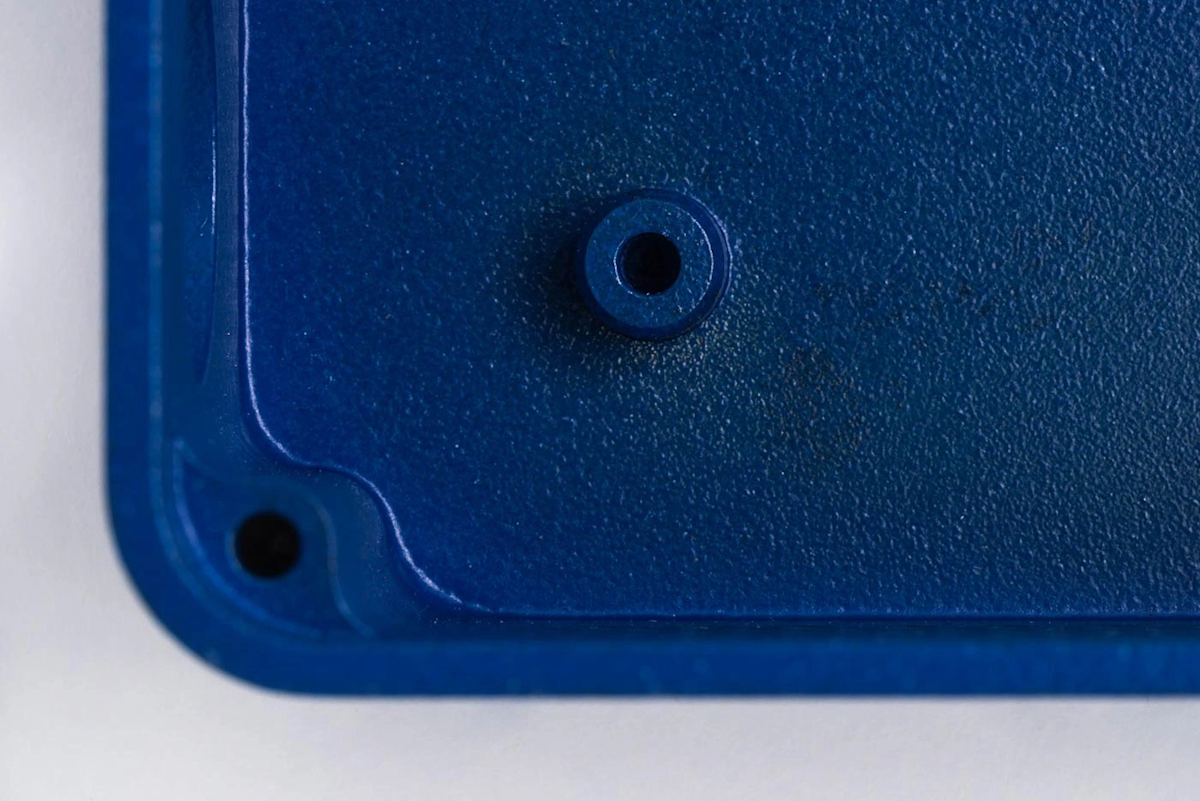
Texturización

Texturing is commonly applied to the outer surface of overmolded parts to improve grip, aesthetics, and overall functionality.

Pulido

Polishing provides a smooth finish on the outer surface of overmolded parts, ideal for high-end consumer products where aesthetics matter.

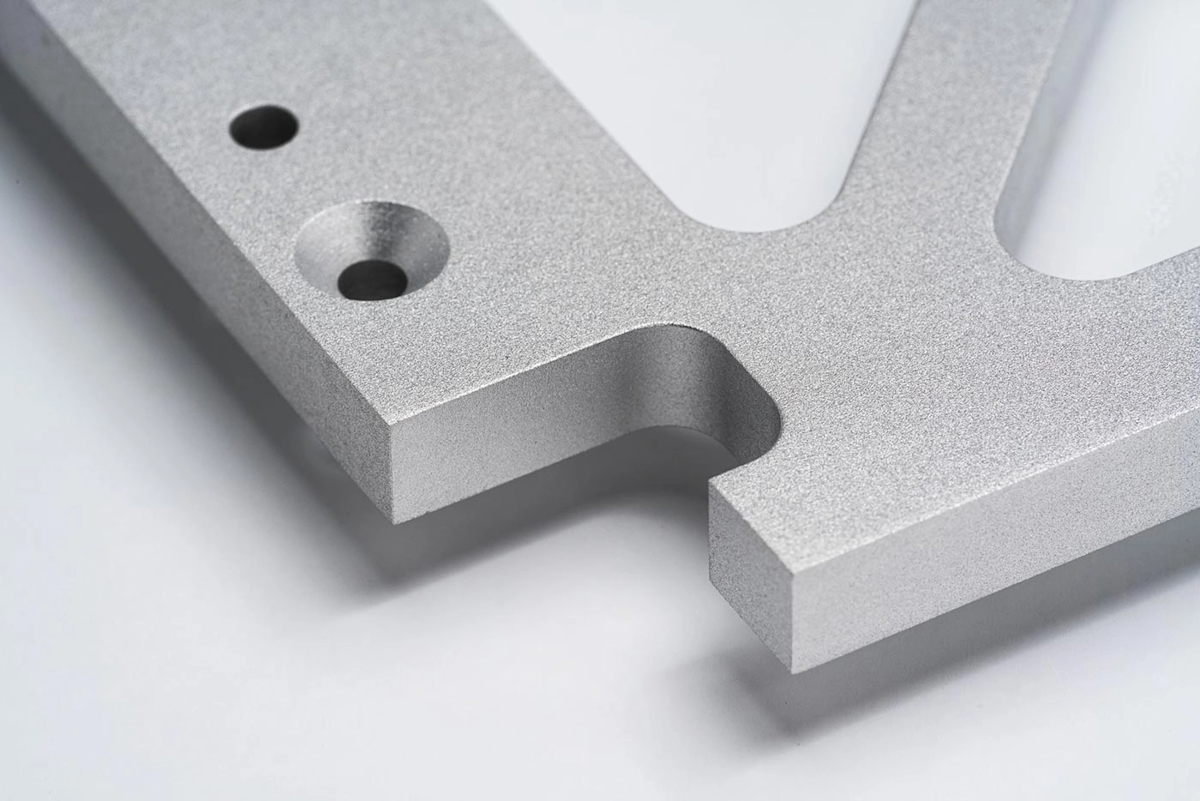
Granallado

Bead blasting is effective for achieving a uniform matte finish that hides imperfections and gives overmolded parts a premium feel.

Grabado por láser

Laser engraving allows for precise detailing or branding on the surface of overmolded parts, ensuring durability and high-quality designs.

Tratamiento con plasma

Plasma treatment is used to enhance the adhesion of the overmold material to the substrate, ensuring a strong bond and a smooth surface.

Galvanoplastia

Electroplating adds an additional layer of protection to the surface, improving both the aesthetic appearance and the resistance to corrosion.

Materials for OverMolding

Los ingenieros y los principales fabricantes confían en TUOWEI para obtener iteraciones rápidas y piezas duraderas de alto rendimiento. Tanto si se trata de prototipos como de producción a gran escala, nuestra amplia selección de materiales garantiza precisión, resistencia y fiabilidad para cualquier proyecto de mecanizado CNC.

ABS

Policarbonato

Nylon, Acrylic, PVC

Polypropylene

PETG

POM (Acetal)

Polyamide (Nylon)

TPE

Silicona

EPDM

Buna-N

Neoprene

TPE

Urethane

Epoxy


TPE (Thermoplastic Elastomer)

SiliconeRubber

TPE (Thermoplastic Elastomer)

EPDM

Nitrile

Con el servicio de fresado CNC de Tuowei Precision, no sólo está invirtiendo en maquinaria avanzada. Usted está ganando la garantía de una precisión impecable, el compromiso con los plazos estrictos, y la experiencia de profesionales cualificados dedicados a satisfacer sus necesidades.

Elíjanos

Por qué
/01

Piezas de alta calidad

El mecanizado CNC con certificación ISO de Tuowei Precision garantiza una precisión y calidad excepcionales. Cada pieza se elabora para un ajuste perfecto y un rendimiento impecable, con un riguroso control de calidad en cada etapa.

/02
Entrega rápida

Cumpla los plazos con Tuowei Precision. Nuestros equipos de última generación y talleres locales ofrecen una producción rápida para cumplir sus ajustados plazos.

/03
Asistencia técnica experta

Confíe en nuestro equipo para recibir asistencia integral en mecanizado CNC. Nuestros expertos están a su disposición para optimizar la eficiencia del diseño y garantizar resultados de máxima calidad en cada paso.

Ventajas

Advantages of Overmolding

Overmolding is a powerful manufacturing method that combines multiple materials into a single part, boosting strength, performance, and design flexibility. By eliminating secondary assembly, it not only reduces costs but also enhances aesthetics, comfort, and product lifespan.

Aplicaciones

Applications of Overmolding

Overmolding’s versatility makes it ideal for industries that demand precision, durability, and advanced product functionality. From medical devices to household goods, it delivers custom solutions that merge performance with usability.

Construyamos juntos el futuro

Asóciese con TUOWEI para dar forma a su visión

Desde la era de la creación rápida de prototipos hasta la producción escalable, Tuowei Precision le ayuda con su proyecto gracias a sus fiables servicios de mecanizado CNC y fabricación. Nuestro equipo colabora con usted para asegurarse de que haya precisión, consistencia y una ejecución sin problemas en todos los niveles.

Comience su proyecto ahora y dé el primer paso hacia una fabricación eficiente y de alta calidad con Tuowei.

Póngase en contacto con nosotros
Respuesta rápida garantizada en 12 horas
🔐 Todas las cargas son seguras y confidenciales

The Overmolding Process at TUOWEI Precision

TUOWEI PRECISION follows a refined overmolding workflow that ensures every part meets the highest standards of precision, durability, and aesthetics. Our process is a combination of technical expertise, material science, and advanced tooling.

Substrate Design & Engineering

We begin by designing and engineering the core substrate with exacting specifications. Our engineering team considers dimensional accuracy, bonding requirements, and mechanical performance to ensure the substrate is an ideal foundation for the overmold layer.

Precision Substrate Molding

Using advanced injection molding machines, we produce the rigid substrate often from materials such as ABS, PC, or metal inserts. Every piece is checked against tolerance benchmarks to guarantee a perfect fit for the overmolding stage.

Surface Preparation & Treatment

Before applying the overmold, we prepare the substrate’s surface to maximize adhesion. This may involve cleaning, texturing, or plasma treatment, ensuring the secondary material bonds securely and resists peeling or cracking over time.

Secondary Material Injection

The prepared substrate is placed into a specialized mold where a softer material such as TPE, TPU, or silicone is precisely injected over or around it. Our temperature and pressure controls ensure consistent bonding, dimensional stability, and defect-free finishes.

Quality Inspection & Finishing

Once molded, each part undergoes a rigorous inspection process. We check for bonding strength, dimensional accuracy, and visual quality. Any necessary finishing, such as trimming or polishing, is completed before parts are packaged for delivery.

What Challenges Occur in Overmolding And How to Overcome Them?

While overmolding offers significant advantages, it comes with unique manufacturing challenges. Addressing these issues early can reduce waste, improve cycle times, and ensure consistent product quality.

Material Compatibility

Challenge: Not all materials bond well. If the substrate and overmold material are incompatible, the layers may peel, crack, or fail under stress.
Solución: Select materials with proven adhesion properties. For example, pairing polycarbonate (PC) substrates with TPE overmolds has a high success rate. Conduct adhesion tests before mass production investing in compatibility testing can save up to 20% in rework costs.

Dimensional Accuracy and Shrinkage

Challenge: Differences in thermal expansion between materials can cause warping or dimensional inconsistencies.
Solución: Adjust mold design to compensate for material shrinkage rates. Using precise temperature control during the second molding stage can reduce deformation by up to 30%.

Flash and Parting Line Defects

Challenge: Overmolding sometimes causes excess material (flash) at parting lines, leading to poor aesthetics and additional finishing costs.
Solución: Ensure high-precision tooling and optimal clamping force. Regular mold maintenance and inspection can cut defect rates by half.

Cycle Time and Production Efficiency

Challenge: Overmolding is naturally more time-intensive than single-material molding.
Solución: Use automated part handling between molding stages and optimize cooling times. Some manufacturers see a 15–25% cycle time improvement with robotics integration.

Bonding Failures Under Stress

Challenge: In applications like automotive seals or medical grips, repeated stress may cause delamination.
Solución: Incorporate mechanical interlocks into the substrate design. Even if chemical bonding weakens over time, the physical interlock maintains structural integrity.
Soluciones de Tuowei Proto

Tanto si está creando un pequeño lote de piezas personalizadas como si está escalando para una producción de gran volumen, los servicios Tuowei Proto le ofrecen la flexibilidad que necesita.

Creación rápida de prototipos

El mecanizado rápido de prototipos CNC es perfecto para crear prototipos de ingeniería o producción que se asemejan mucho al producto final tanto en apariencia como en funcionalidad. En Tuowei, ofrecemos presupuestos instantáneos y entregas rápidas, proporcionándole prototipos mecanizados CNC precisos y de alta calidad para sus necesidades.

Fabricación de bajo volumen

El mecanizado CNC de bajo volumen a menudo actúa como puente entre la creación de prototipos y la producción en serie para la producción nueva y emergente. Con Tuowei, este proceso se vuelve más fácil, eficiente y rentable, lo que le permite escalar la producción rápidamente manteniendo los estándares de alta calidad.

Uso final Producción

El mecanizado de producción CNC es la mejor solución para producir mil piezas o más de forma eficiente. Aprovechando una variada selección de materiales y capacidades de automatización y multieje, Tuowei ofrece una producción de gran volumen con tolerancias ajustadas, precisión dimensional superior, alta fiabilidad y plazos de entrega rápidos.

Explore Insights & Innovation

Manténgase al día sobre el mecanizado CNC real, las tendencias del sector y las perspectivas de producción en Tuowei Precision, pero se instala para permitirle tomar mejores decisiones de producción.

Preguntas frecuentes

Sobremoldeado

  • ¿Qué es el proceso de sobremoldeo?

    El sobremoldeo es una técnica avanzada de moldeo por inyección en la que se combinan dos o más materiales para crear un único producto integrado. El proceso comienza con el moldeo de un sustrato rígido, como plástico o metal, que forma el núcleo del producto. A continuación, se moldea sobre el sustrato un segundo material, normalmente un elastómero termoplástico (TPE) flexible. Esta capa exterior mejora el agarre, la comodidad y la estética, al tiempo que añade propiedades funcionales como la durabilidad, la suavidad o la variación de color. Ampliamente utilizado en sectores como la automoción, la medicina y la electrónica de consumo, el sobremoldeo mejora el rendimiento, simplifica el montaje y permite diseñar productos innovadores. 

  • ¿Cuál es la diferencia entre sobremoldeo y moldeo por inserción?

    Tanto el sobremoldeo como el moldeo por inserción son técnicas especializadas, pero tienen fines distintos. El sobremoldeo consiste en añadir una segunda capa de material sobre una pieza moldeada ya existente, a menudo para mejorar el agarre, el aspecto o la durabilidad. El moldeo por inserción, en cambio, integra un componente preformado -como un inserto metálico- en el molde antes de inyectar el plástico, lo que crea una fuerte unión entre los materiales. El sobremoldeo es el más adecuado para productos ergonómicos como asas y empuñaduras, mientras que el moldeo por inserción se utiliza habitualmente en aplicaciones estructurales, como piezas de automoción, donde la resistencia y la funcionalidad son fundamentales.

  • ¿Cuáles son las consideraciones de diseño para el sobremoldeo?

    El diseño desempeña un papel crucial en el éxito del sobremoldeo. Los materiales primario y secundario deben ser compatibles en términos de adhesión, flexibilidad y propiedades térmicas para garantizar una unión duradera. La geometría del producto debe incluir características como rebajes, nervaduras o ranuras para mejorar el enclavamiento mecánico y reducir el riesgo de pelado. El diseño del molde debe optimizarse para que el material fluya correctamente, prestando especial atención a las compuertas y la ventilación. Por último, las tolerancias deben tener en cuenta la contracción y la expansión térmica durante el enfriamiento para mantener la precisión dimensional y cumplir las especificaciones. 

  • ¿Se puede utilizar EPDM para sobremoldeo?

    Sí, el EPDM es muy adecuado para el sobremoldeo con termoplásticos. Su flexibilidad, excelente resistencia a la intemperie y capacidad para soportar temperaturas extremas lo hacen ideal para aplicaciones de exterior y automoción. Para asegurar una fuerte adhesión, la superficie de EPDM puede requerir limpieza o tratamiento superficial antes del moldeo. También es esencial un control adecuado de la temperatura y la presión durante el proceso. Cuando se hace correctamente, el sobremoldeo de EPDM produce piezas duraderas y fiables, capaces de funcionar en entornos exigentes. 

Póngase en contacto con nosotros
Respuesta rápida garantizada en 12 horas
🔐 Todas las cargas son seguras y confidenciales