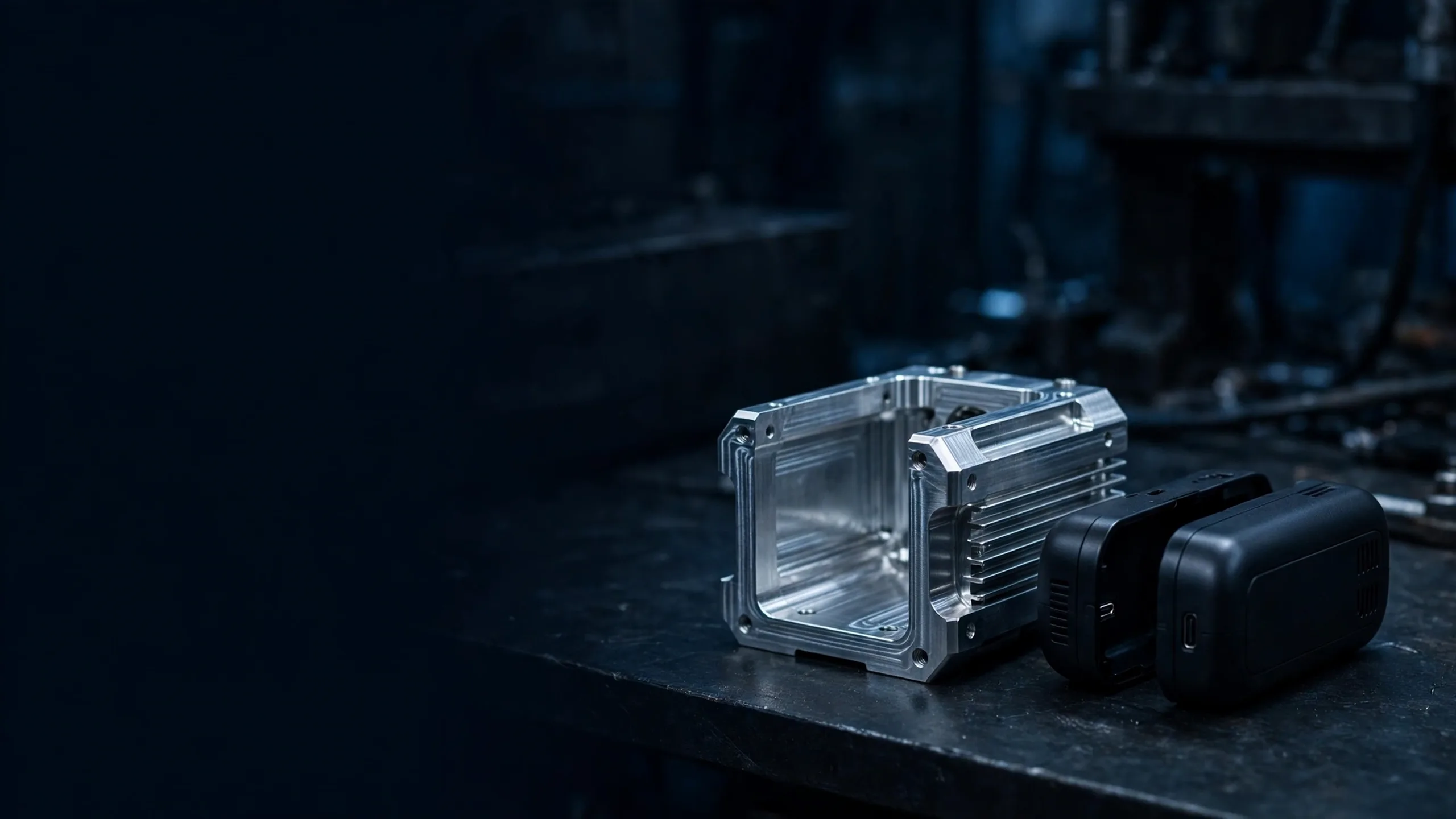
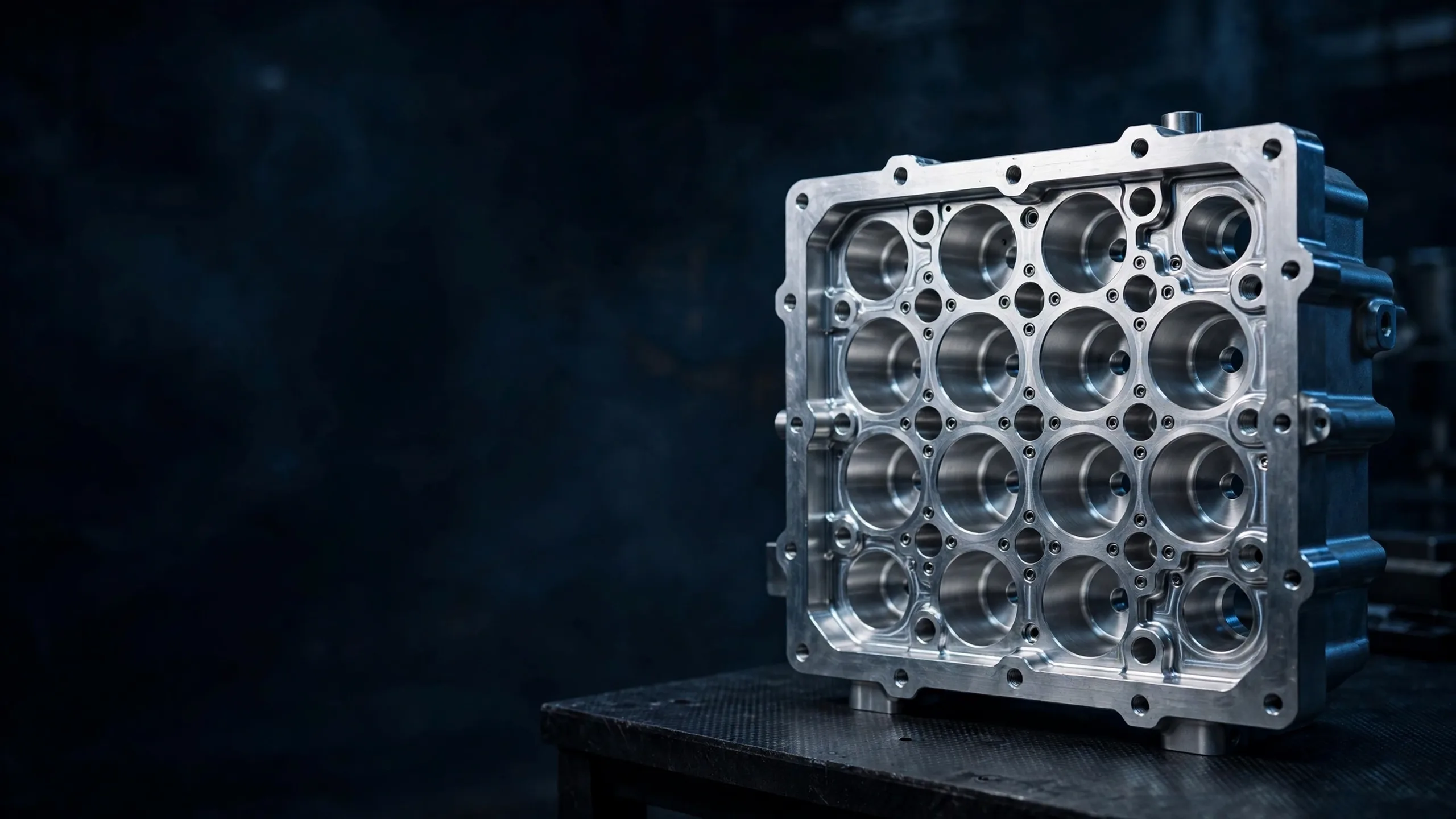
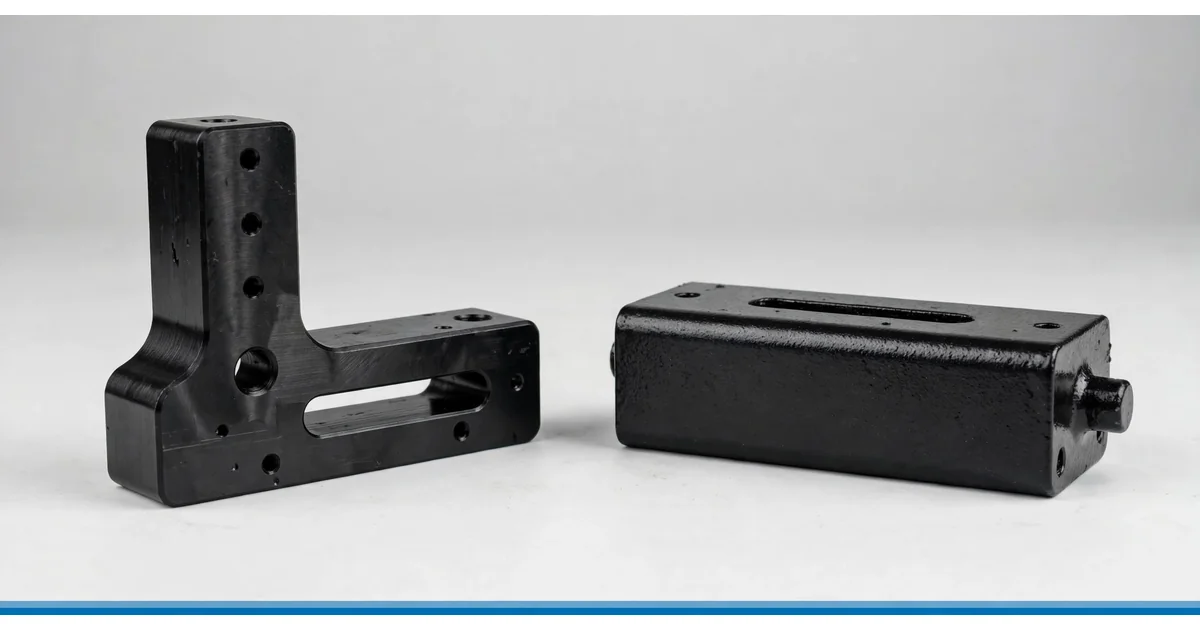
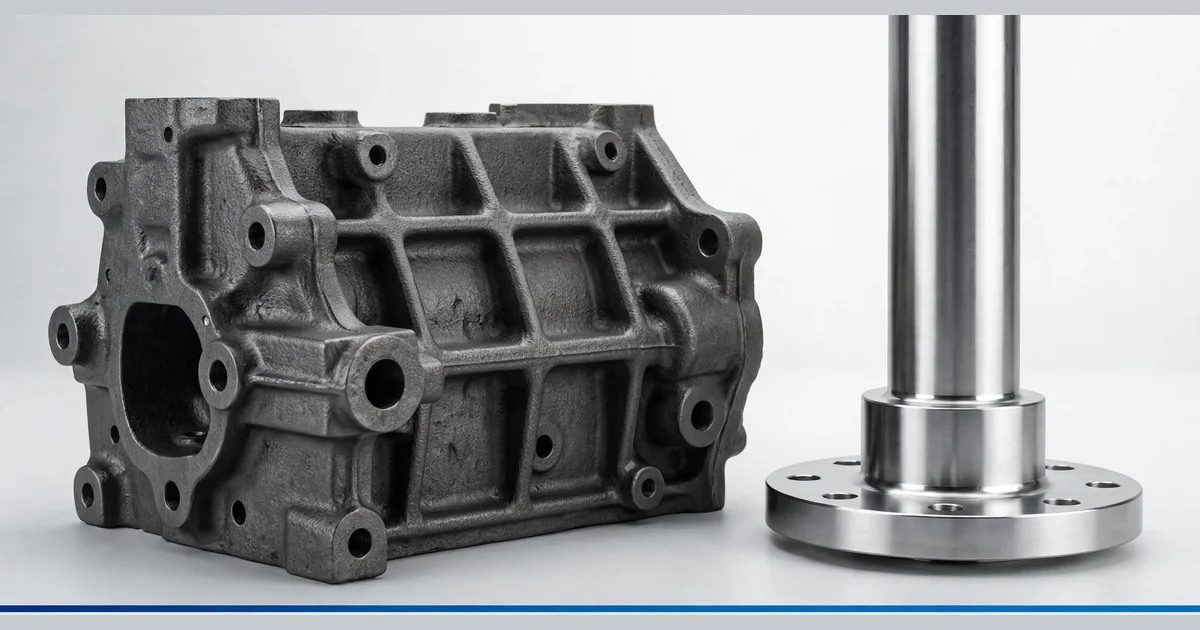
Tuowei Precision is a robotics manufacturing partner for companies that build industrial robots, collaborative robots, mobile robots and humanoids. We CNC machine, fabricate, mold and 3D print the parts inside the robot: arm links, joint housings, gearbox housings, end effector frames, sensor brackets and chassis. Prototypes start at a single piece, and production scales on the same processes.
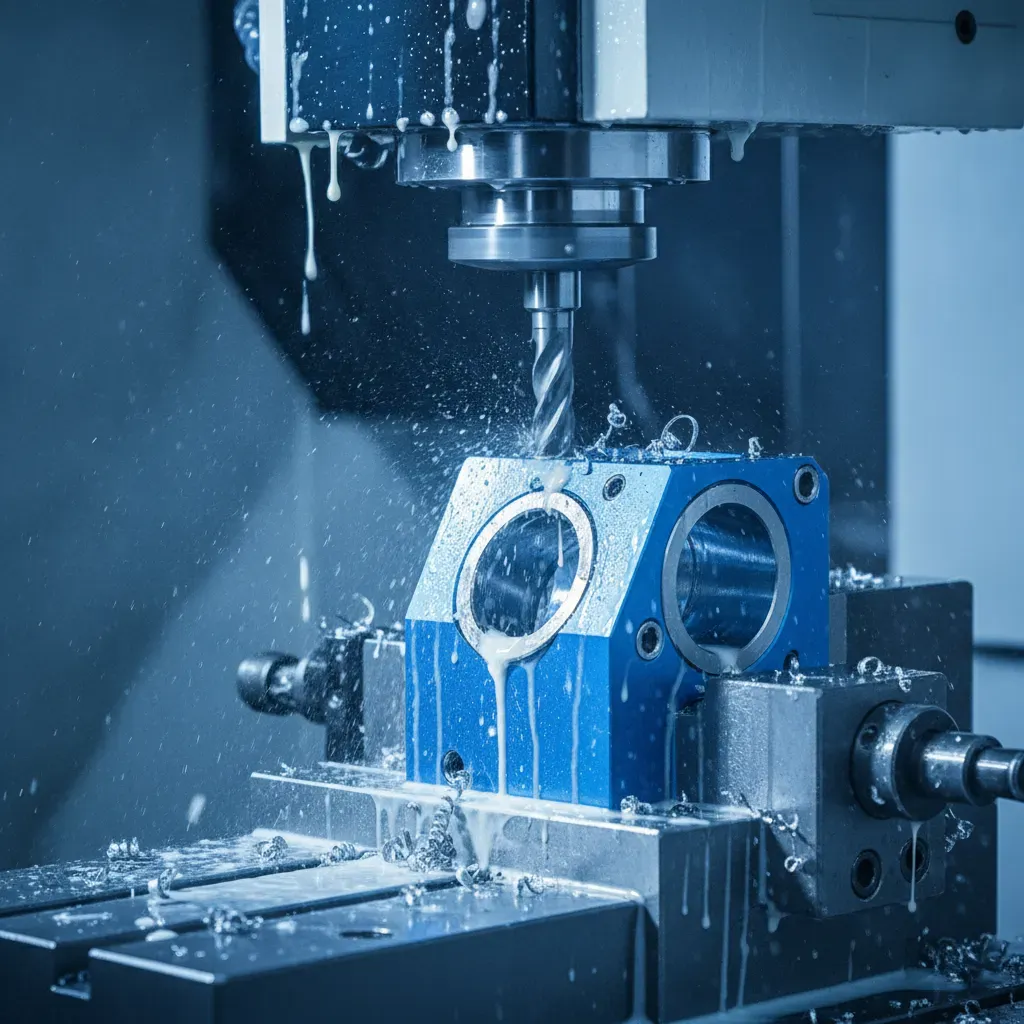
A robot is only as accurate as its parts. If a joint housing bore is slightly out of position, the bearing preloads unevenly, the gearbox runs hot and the arm loses repeatability at the tool tip. That is why every robot manufacturer needs a supplier that treats every bore, shoulder and mounting face as a critical feature, not just a dimension on a drawing.
We make mechanical parts and housings for every industrial robot, consumer robot and AI-driven robotic system, from industrial automation and robotics on the factory floor to service robots in homes. Our engineers review drawings for manufacturability, our CNC machines hold ±0.01 mm on robotic components (down to ±0.005 mm on critical features), and CMM inspection verifies tight-tolerance work before parts ship. The result is fewer assembly problems, less downtime and a faster path to market.
The history of manufacturing robotics began in 1961, when General Motors installed Unimate, the first industrial robot, to handle hot die castings. Today the application of robotics has moved far beyond the weld cells of the automotive industry. According to the International Federation of Robotics World Robotics report, more than four million industrial robots now work in factories worldwide, and investment in robotics keeps rising in electronics manufacturing, logistics and food. Robots in manufacturing handle welding, painting, assembly, machine tending, palletizing and inspection, while AI, vision systems and sensors let robots work beside people on the factory floor.
Each type of robot puts different demands on its parts:
For the manufacturer of any of them the challenge is the same: build small batches fast during development, then scale to repeatable production without changing supplier. That is what Tuowei is set up to do.
Manufacturers automate for clear reasons, and the use of robotics keeps growing across manufacturing industries and the wider manufacturing sector. Industrial robots work around the clock, repeat the same motion with high repeatability, and take over dirty, dangerous or tiring jobs such as welding, painting and heavy material handling. That raises productivity, improves quality and frees people for programming, maintenance and inspection.
Robotics and automation also bring challenges: high upfront investment, integration with existing manufacturing systems, and the need for skilled people to programme and maintain robots. Starting with one well-chosen robot cell, such as machine tending or palletizing, is usually the lowest-risk first step toward manufacturing automation.
Industrial automation is no longer only for car plants. Modern manufacturing processes use industrial robotics for welding, gluing, screwdriving, packaging, lab work and logistics, and each robot type brings new manufacturing technology into the production process. AI vision, force sensors and smart grippers let a robot handle varied parts, while digital twins help engineers test a robot cell before it is built. Integration of robotics like this needs parts that fit first time, because a robot cell cannot run if a bracket is off by a millimetre.
The future of robotics in manufacturing is smarter, more connected and more collaborative. AI and machine learning help each robot pick unsorted parts, adjust welds in real time and predict their own maintenance. Industry 4.0, the fourth industrial revolution, links robots, machines and data across the factory, so a smart manufacturing environment can change products faster with flexible manufacturing cells. Cobots let humans and robots share space safely, autonomous mobile robots move material between stations, and humanoid robots are being tested for tasks designed around people.
All of these advanced robotics systems still rely on precise mechanical parts, from robotics research labs to lights-out manufacturing plants. As robot manufacturers move from pilot to volume, they need manufacturing partners who can scale production of housings, links and actuators while keeping tolerances under control. That is where a precision manufacturer like Tuowei fits in. As the robotics market grows, AI models, simulation tools and better sensors make each robot more capable, but design and manufacturing of the hardware still decide cost and reliability. AI may plan the motion; the robot still needs a stiff link and an accurate bearing seat to follow it.
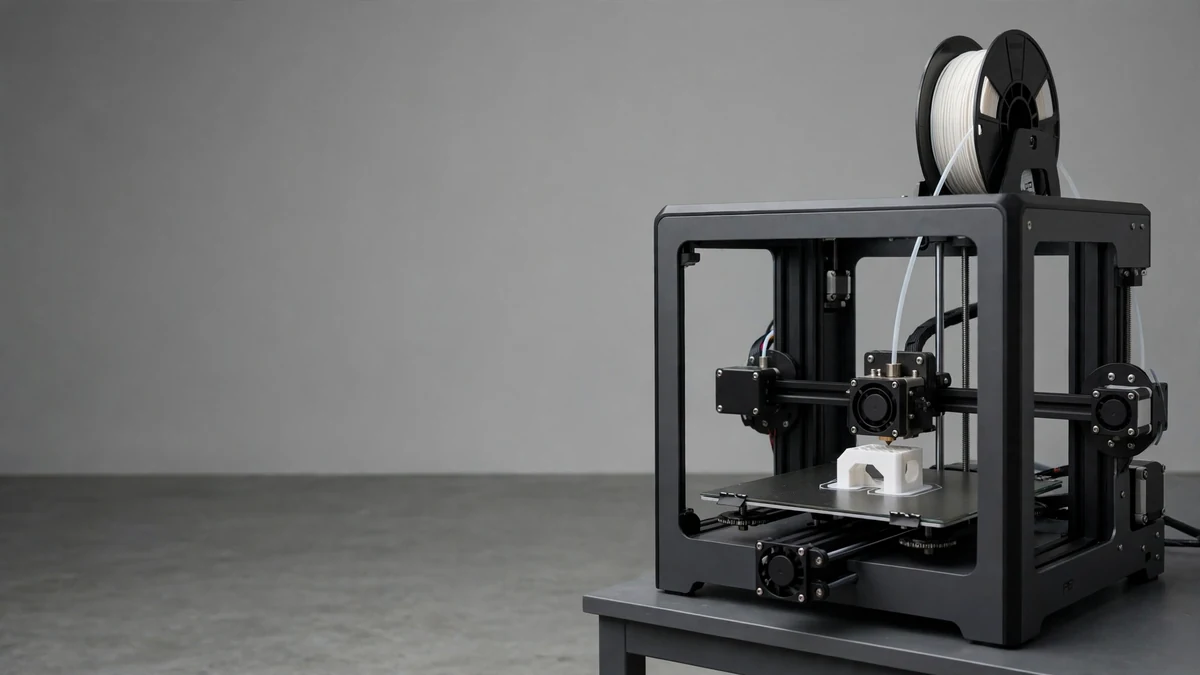
لدينا robotics prototyping service combines CNC machining, 3D printing and vacuum casting so you can test a new joint, gripper or housing in days. Prototyping lead times start at 3–7 days depending on complexity.
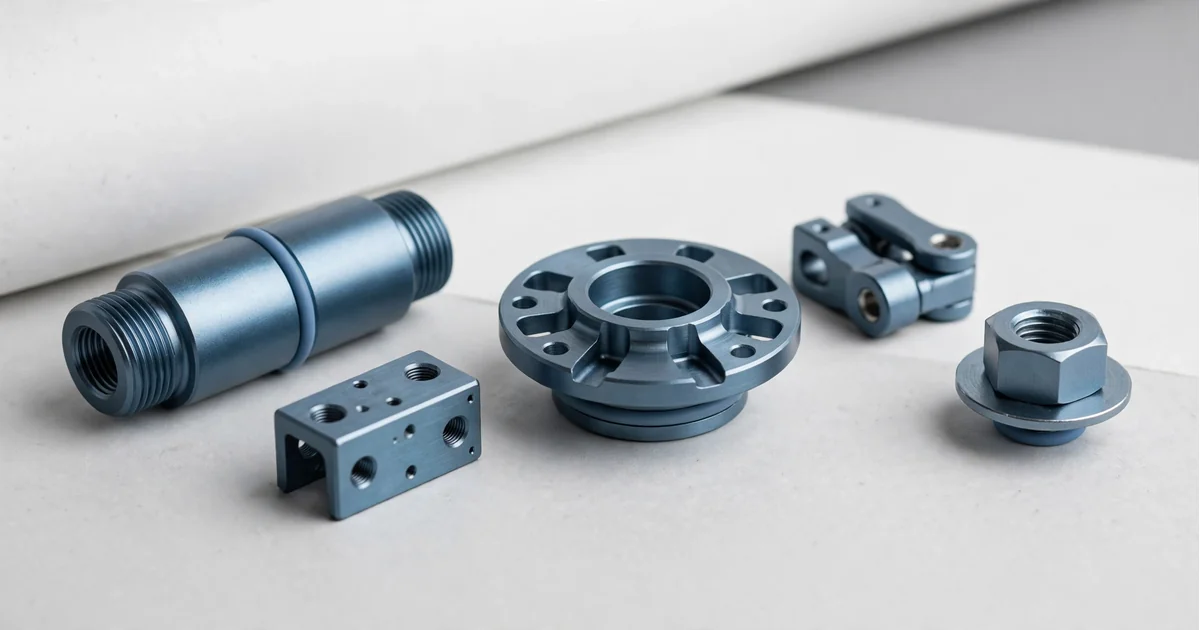
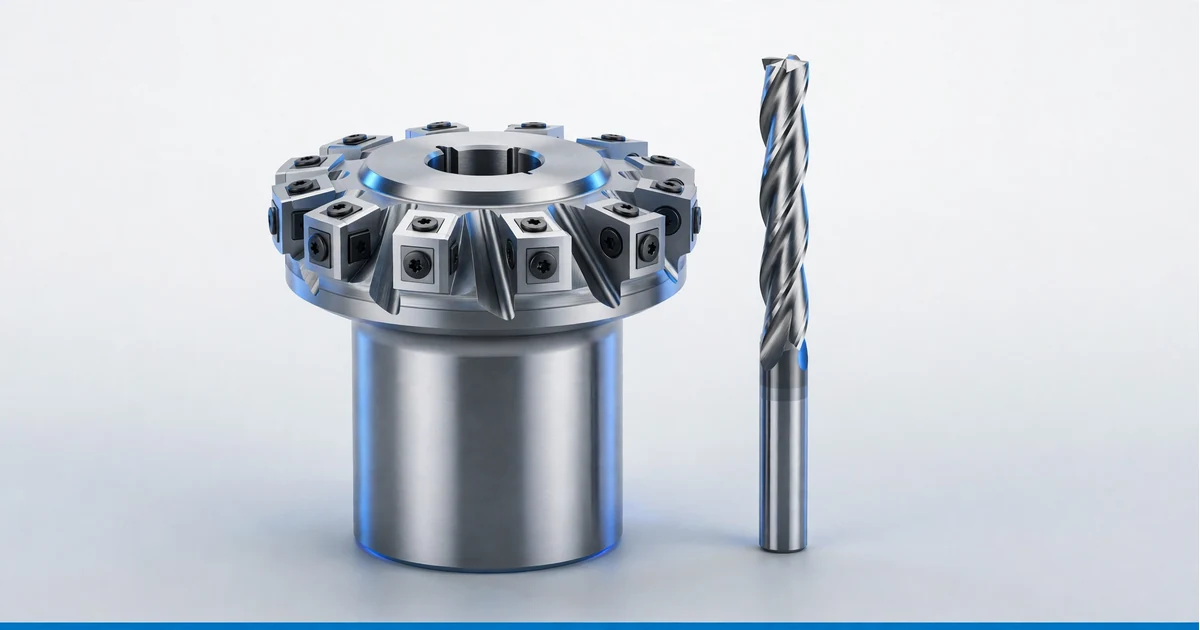
CNC machining for robotics covers 3-, 4- and 5-axis milling, turning and Swiss-type turning for links, housings, shafts, flanges and actuator parts.
لدينا تصنيع أذرع الروبوتات page explains how we make arm links, joint and gearbox housings, wrist parts and end effector frames for robot arm builders.
Sheet metal fabrication for robotics produces control cabinets, mobile robot chassis, guards, brackets and cell frames by laser cutting, bending and welding.
For higher volumes, plastic covers, cable clips and sensor housings can be injection molded, and aluminum housings die cast and then machined on critical faces.
DFM review on every quote, from wall thickness and bearing fits to material and finish choice, so parts fit first time.
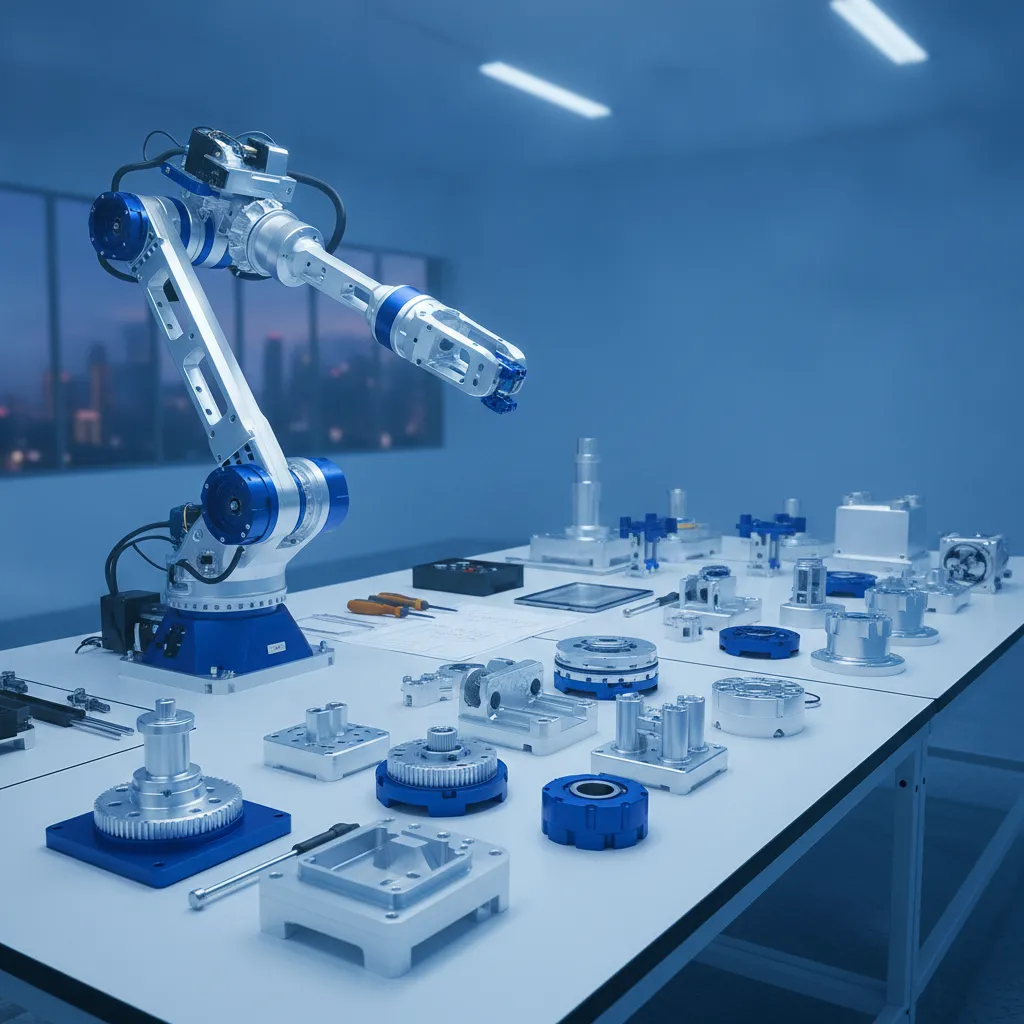
Humanoid robots, along with soft robotics, are moving from research labs into pilot deployments, and they are hard on suppliers. One humanoid can contain dozens of joints, each with its own actuator housing, output flange, bearing seats and cable paths, all packed into a small, light body.
We machine aluminum and titanium motor housings, joint shells and limb structures, with thin walls and tight bearing fits, and we can switch between prototype quantities and repeat batches as designs change. If your team is working on a humanoid or legged robot, the DFM review often saves more weight than a material change.
Our Shenzhen facilities bring CNC machining, sheet metal, molding, finishing and inspection under one roof, giving robotics and manufacturing teams one source of manufacturing equipment and expertise, with more than 130 three-, four- and five-axis CNC machines and a 230-person technical team.
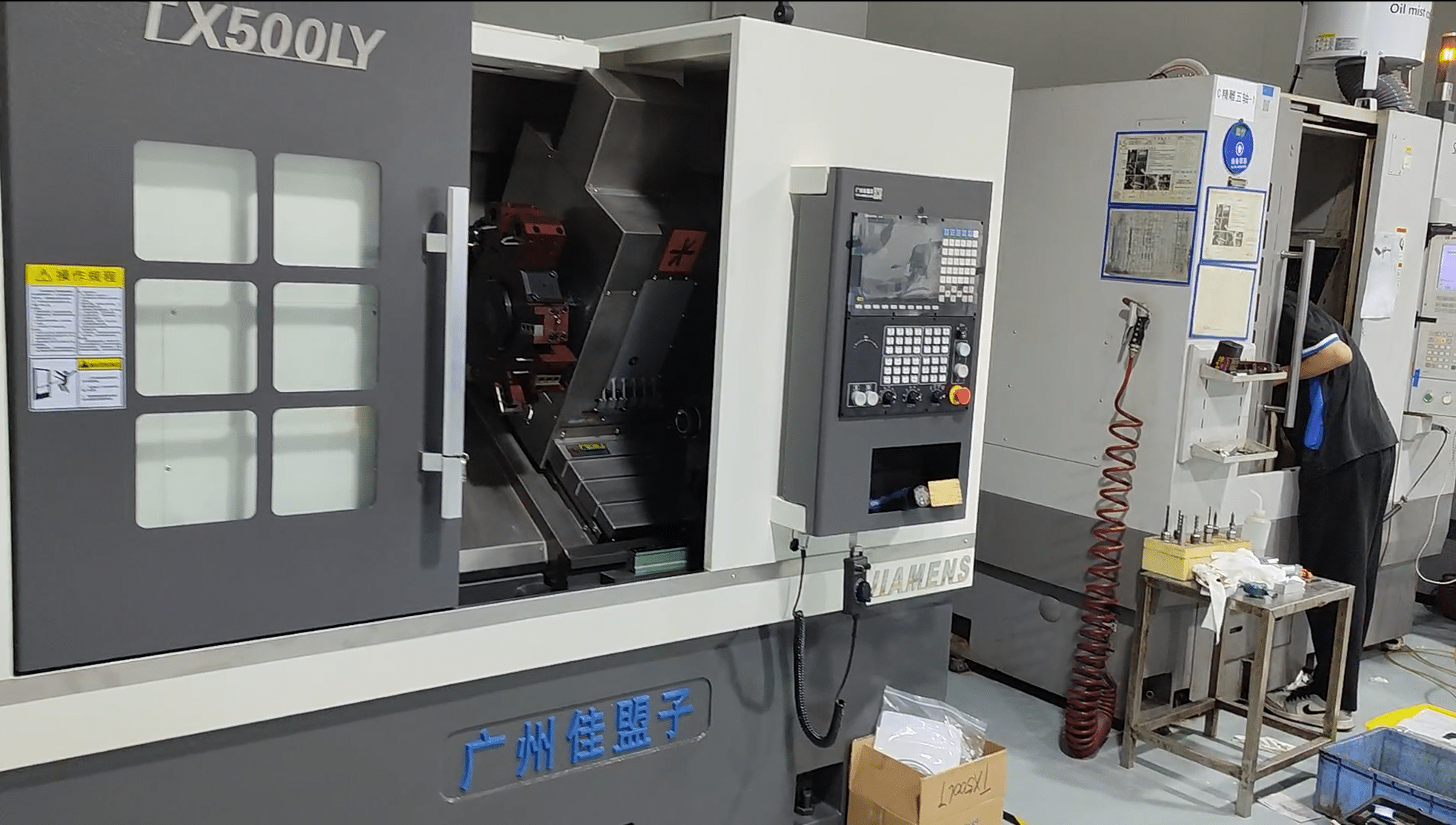
منشأة عالية التقنية للتصنيع الدقيق باستخدام الحاسب الآلي بأقصى درجات الدقة والكفاءة.

مساحة مخصصة للإنتاج المبسّط باستخدام أحدث تقنيات التحكم الرقمي باستخدام الحاسب الآلي.
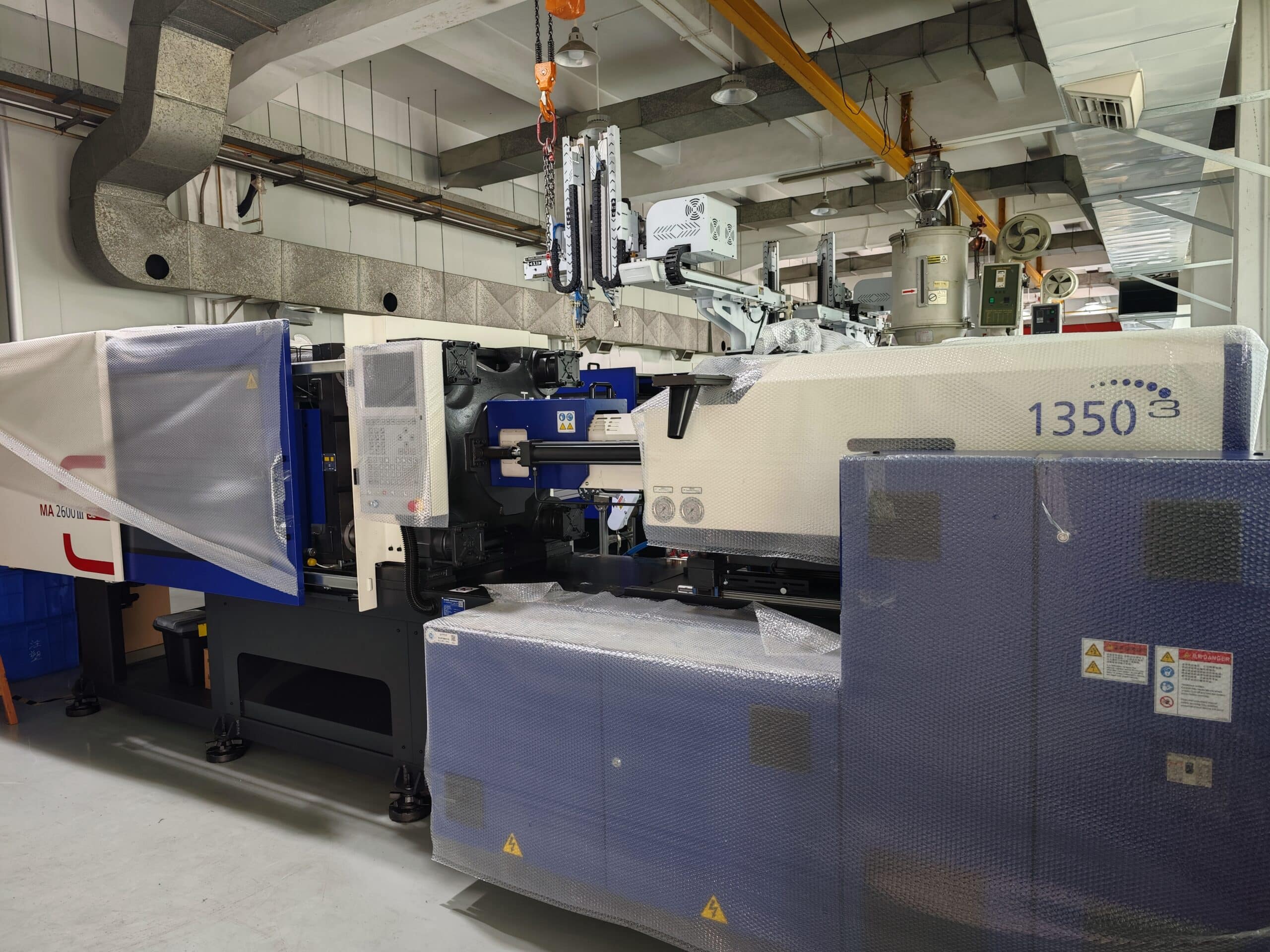
منشأة مركزية مجهزة لتصنيع وتجميع المكونات المعقدة باستخدام الحاسب الآلي.

ورشة مؤتمتة بالكامل لعمليات التصنيع الآلي الدقيقة والسريعة باستخدام الحاسب الآلي.

مساحة ديناميكية مُحسَّنة لتقديم أداء تصنيع آلي باستخدام الحاسب الآلي من الدرجة الأولى.
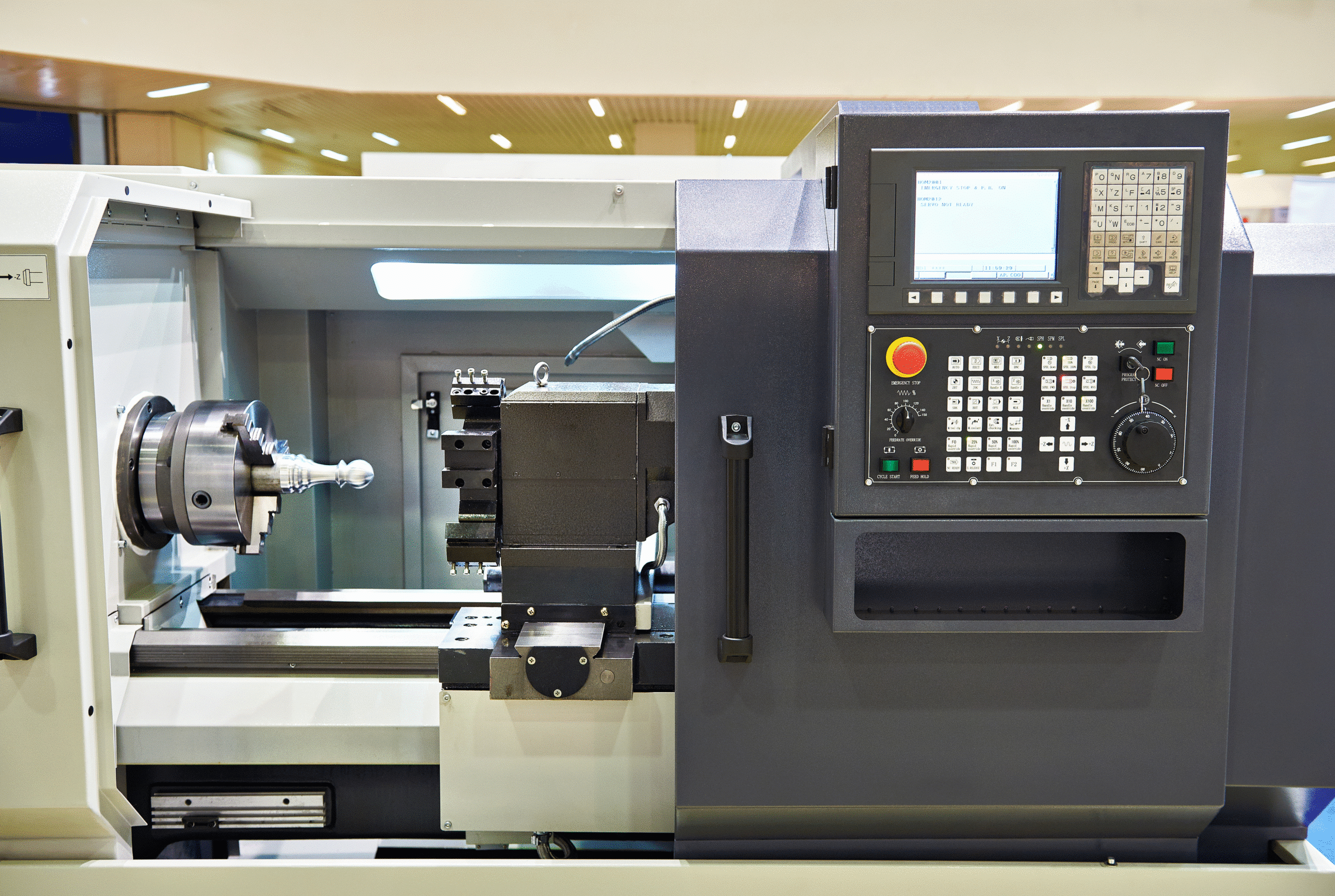
منشأة شاملة تدمج عمليات التصنيع باستخدام الحاسب الآلي (CNC) لسير عمل التصنيع بسلاسة.
ألقِ نظرة عن قرب على التسهيلات.
Turn early robot designs into functional prototypes in production-grade materials, so you can test fit, motion and load before you commit to production.
Functional prototypes for motion, stiffness and thermal tests, with DFM feedback on bearing fits, wall thickness and cable routing.
Parts with final finishes for durability, life-cycle and appearance tests before you scale.
Pilot batches on production fixtures with first article inspection, so the process is proven before volume orders.
Repeatable production with CMM verification, consistent finishes and on-time delivery.
We manufacture high-precision components for robot applications, including:
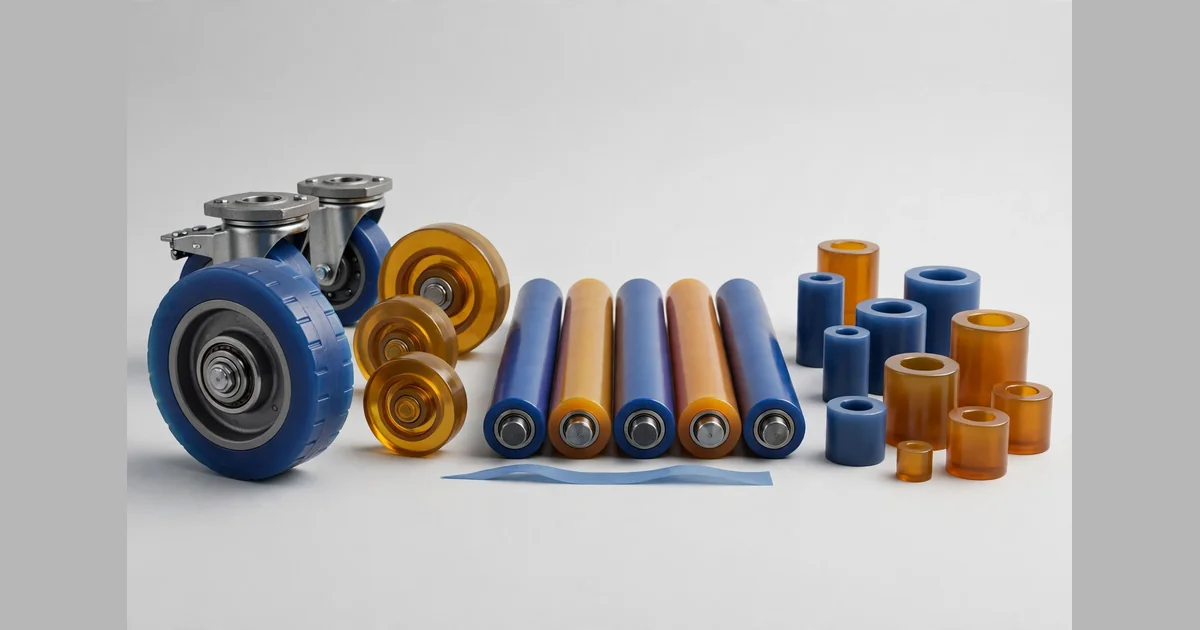
Robot parts need a balance of stiffness, weight and cost. Aluminum 6061-T6 and 7075-T6 are the standard for arm links and housings; titanium saves weight in humanoid and high-performance joints; stainless steel and alloy steel handle shafts and high-load pins; engineering plastics reduce weight and friction in covers, gears and grippers.
Anodizing protects aluminum links and adds colour; black oxide and electroless nickel protect steel parts; powder coating suits frames and cabinets. See our تشطيبات الأسطح الصفحة.
Our quality system is certified to ISO 9001:2015, IATF 16949, AS9100D and ISO 13485, so medical and automotive robot programmes get the same controlled processes. CMM verification is standard on tight-tolerance work, and full inspection reports are provided when needed. See our ضمان الجودة الصفحة.