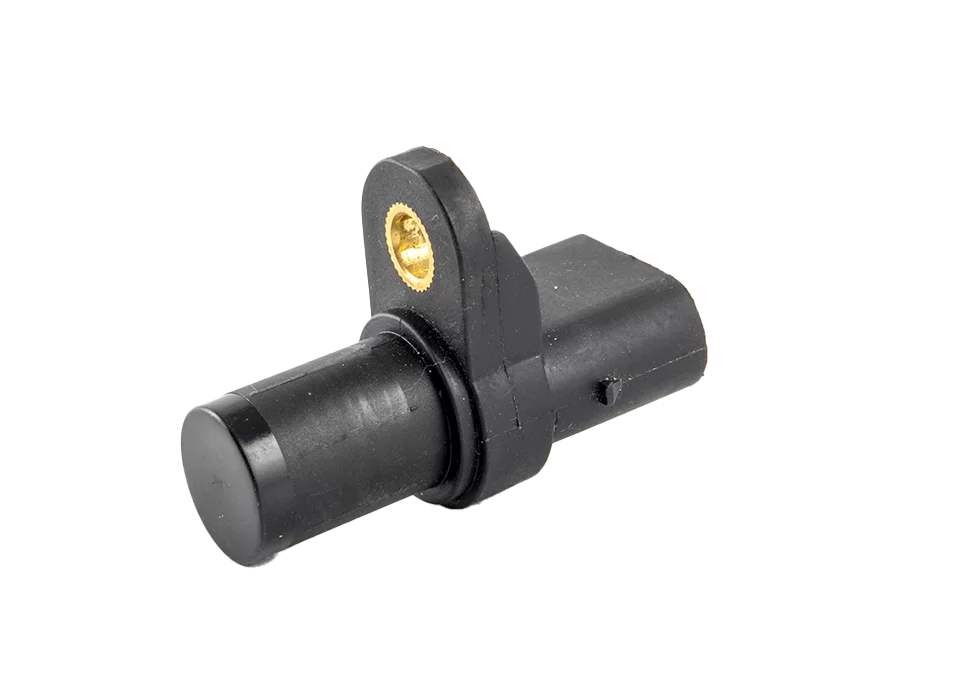
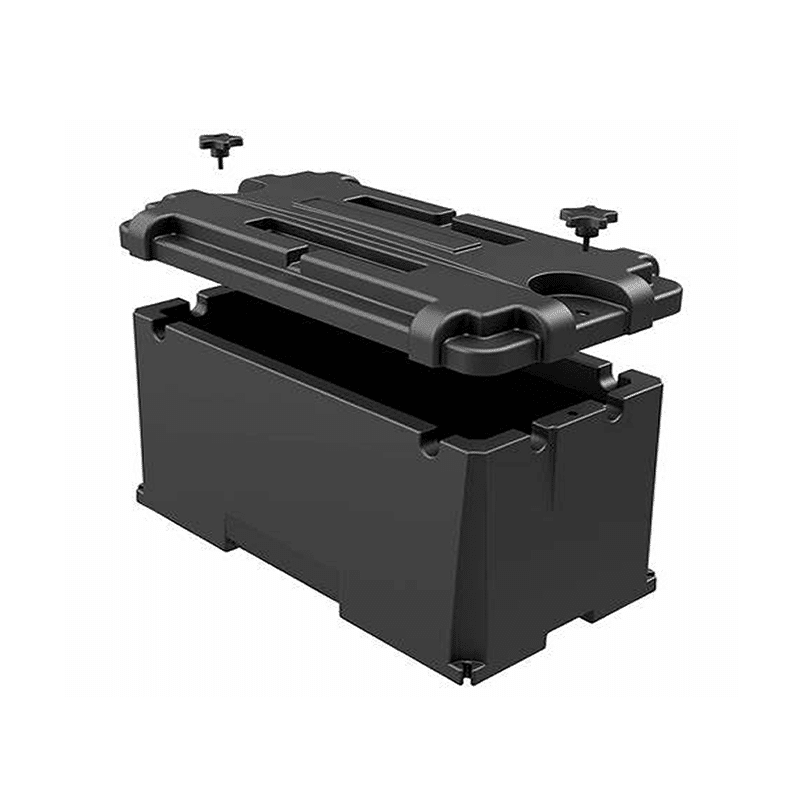
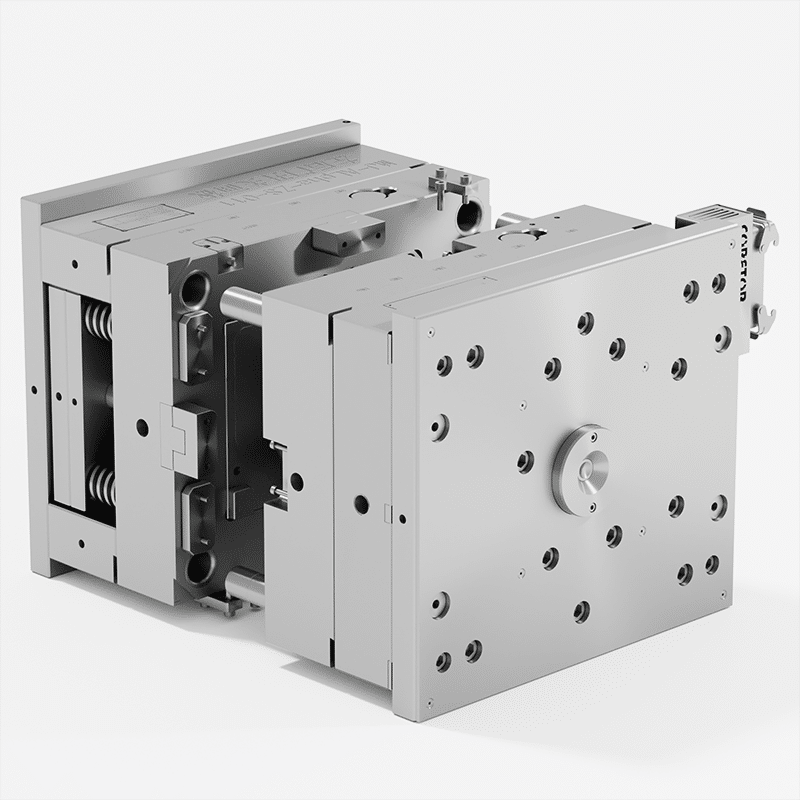
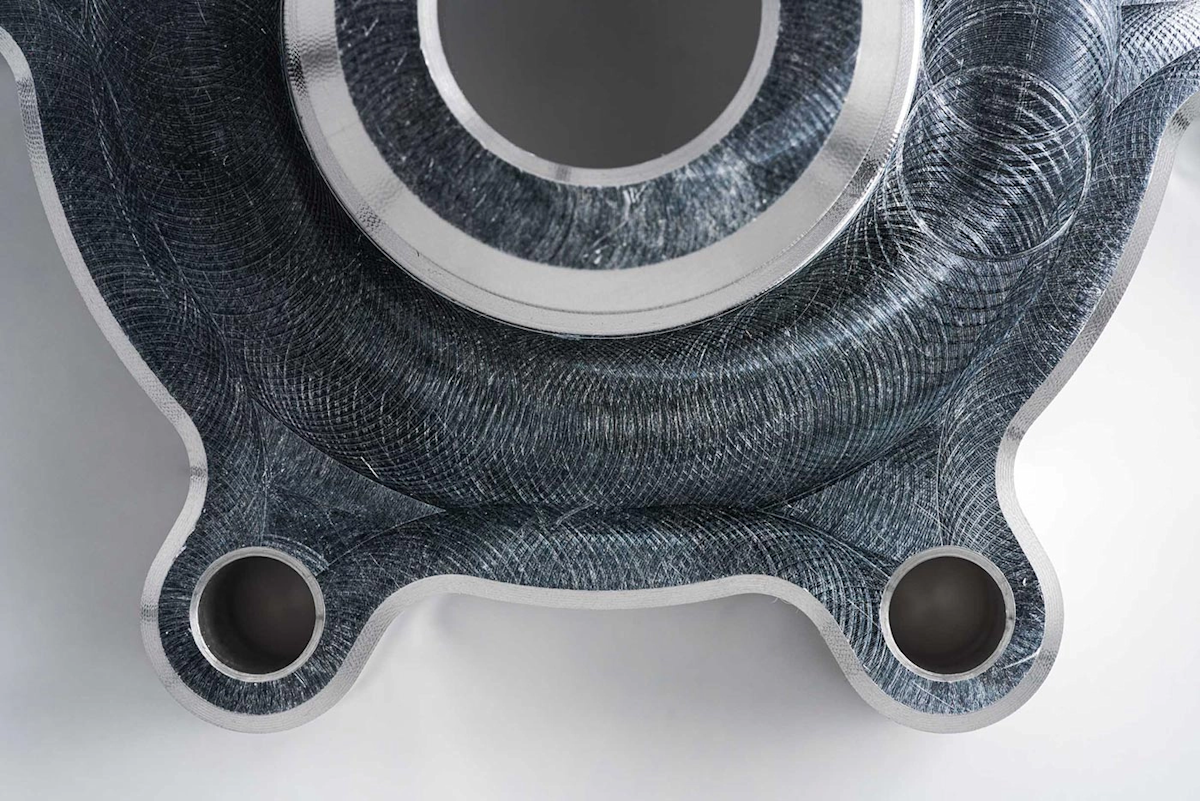
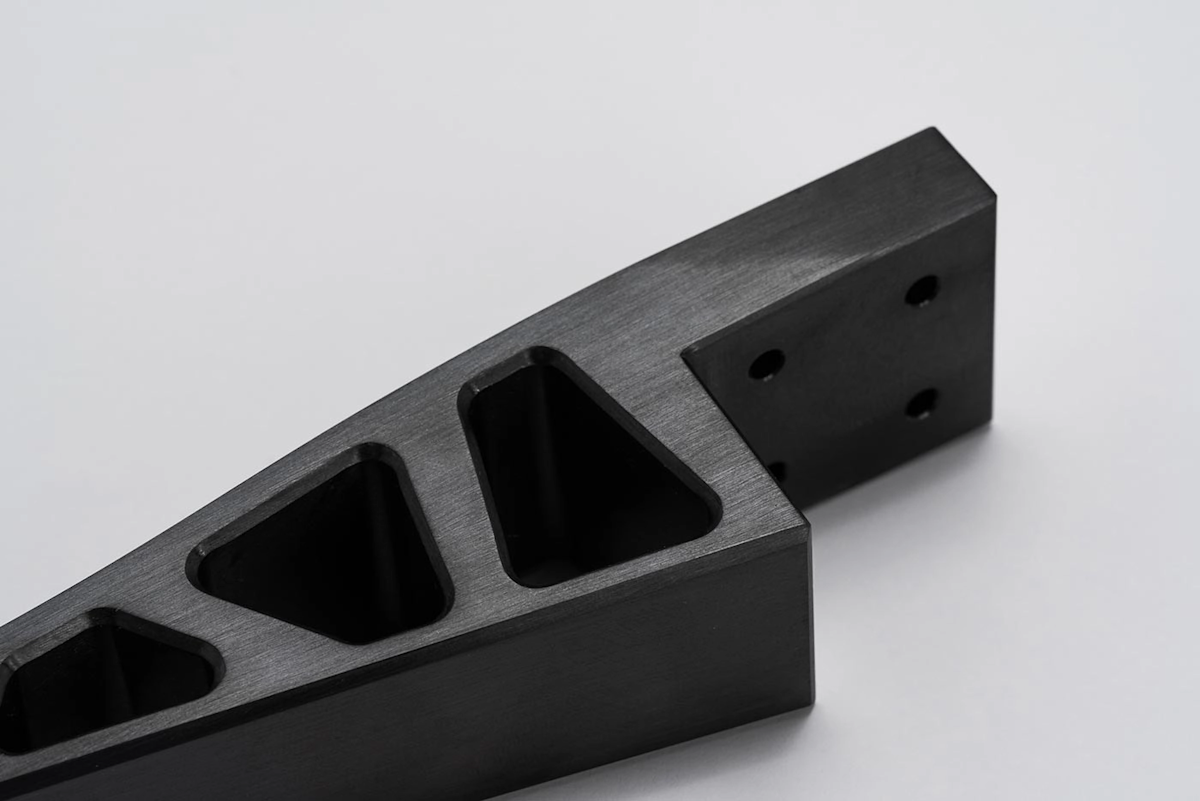
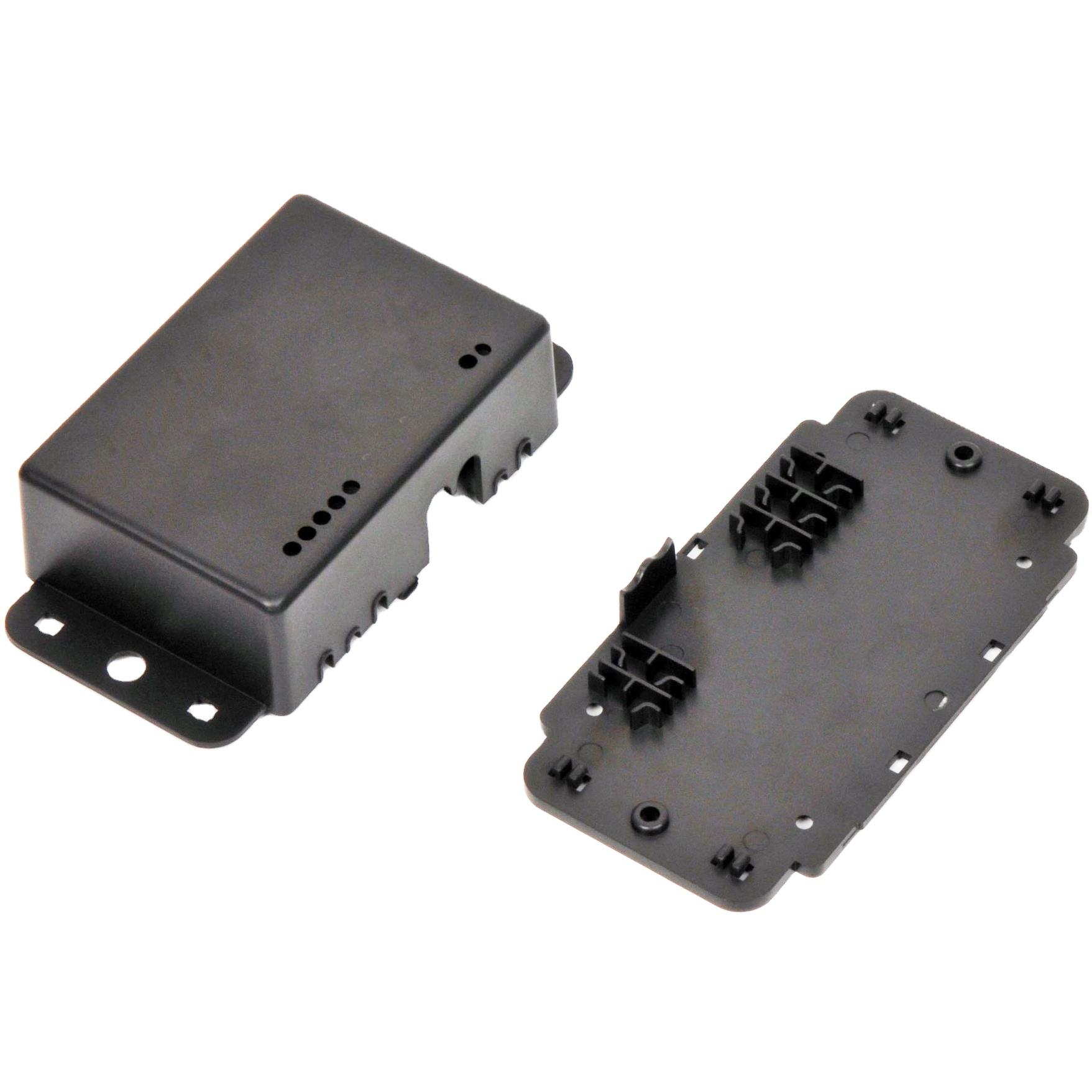
嵌入成型将金属或其他嵌入件直接粘合到塑料中,从而形成更坚固、更可靠的结构。这一工艺降低了使用过程中出现松动或故障的风险。通过将材料组合成一个统一的部件,可确保长期耐用性。它还能增强抗磨损、抗压力和抗冲击的能力。.
Expert insert molding solutions for high-quality prototypes and on-demand production parts. From metal inserts to complex multi-material components, TOUWEI delivers precise insert molding services with competitive pricing and rapid turnaround times.
TUOWEI Precision specializes in precision insert molding solutions tailored to your project needs. Our insert molding eliminates the need for additional assembly by producing components in a single process, saving both time and reducing overall complexity. It also offers cost efficiency, as the removal of post-assembly steps lowers total production expenses. Parts manufactured through this method are lighter yet stronger than all-metal alternatives, delivering the ideal balance of weight reduction and durability. By integrating inserts directly, the process ensures reliable performance with improved strength, wear resistance, and long-lasting functionality throughout the product’s life.
Whether you need prototypes or high-volume production, TUOWEI delivers consistent quality with fast lead times. Upload your CAD files today for a free design review and custom quote.

Insert molding is an advanced injection molding process where plastic is molded directly around a pre-placed insert, such as metal, plastic, or even ceramic. These inserts—like threaded fasteners, pins, or electrical components—are positioned inside the mold cavity before molten plastic is injected. Once cooled, the result is a single, durable part with enhanced mechanical strength and functionality. For example, stainless steel or aluminum inserts improve tensile strength, conductivity, and wear resistance, making insert molding ideal for demanding applications in automotive, electronics, and medical industries.

We deliver rapid prototype tooling with fast turnaround to help validate designs, perform functional testing, and assess market potential. Using cost-effective aluminum tooling, TUOWEI produces small batches of plastic molded parts within days, reducing financial risks before scaling into full production.
For high-volume requirements, TUOWEI creates durable production molds built from premium tool steel capable of producing hundreds of thousands of consistent, high-quality parts. Each mold is tailored to your project specifications, ensuring strength, repeatability, and long-term reliability in demanding applications.
TUOWEI’s insert molding services are designed to produce parts that meet both functional and aesthetic requirements. By following standard design considerations, we guarantee superior results that enhance part performance and appearance.
| Insert Molding Service | Tolerance |
|---|---|
| Standard Insert Molding | ±0.005" (±0.127 mm) |
| High-Precision Insert Molding | ±0.002" (±0.051 mm) |
| Insert Molding with Metal Inserts | ±0.003" (±0.076 mm) |
| Mass Production Insert Molding | ±0.005" (±0.127 mm) |
For Insert Molding, these are the common surface finishing techniques used to enhance the quality and function of insert-molded components:
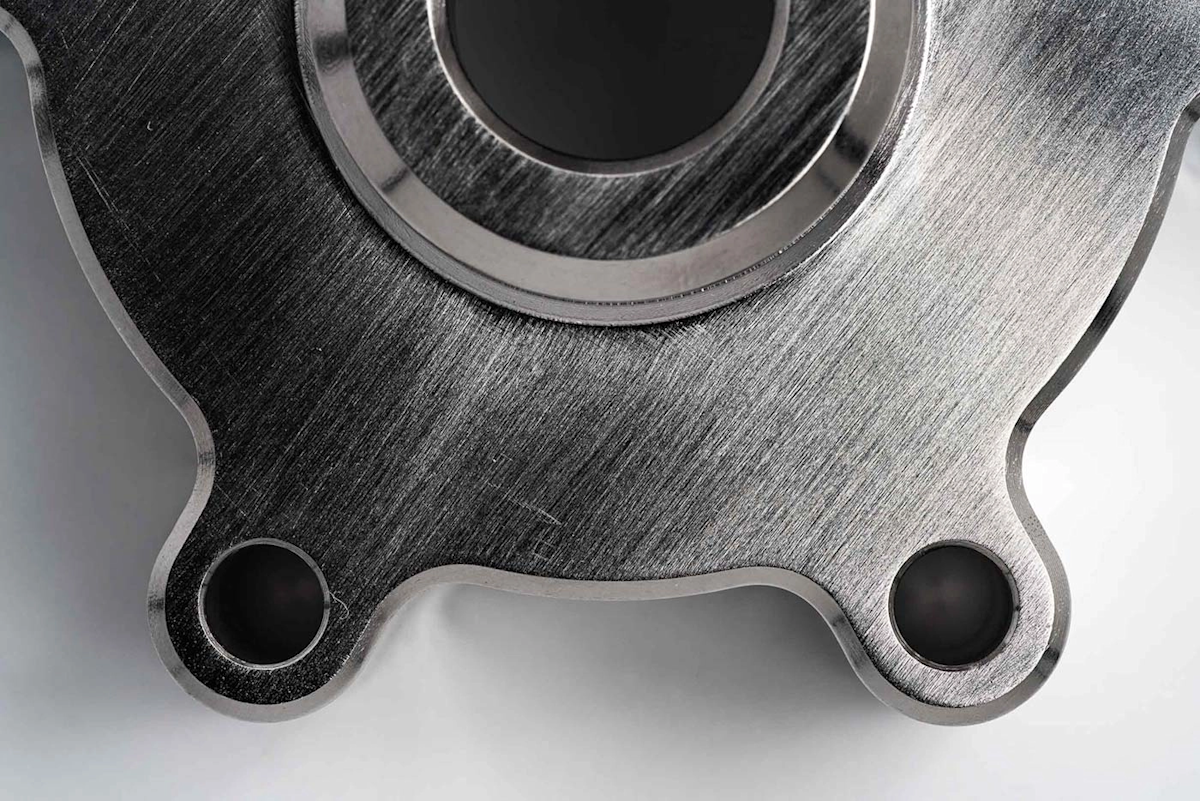
Polishing removes imperfections and burrs from the surface, providing a smooth, glossy finish on the molded parts.
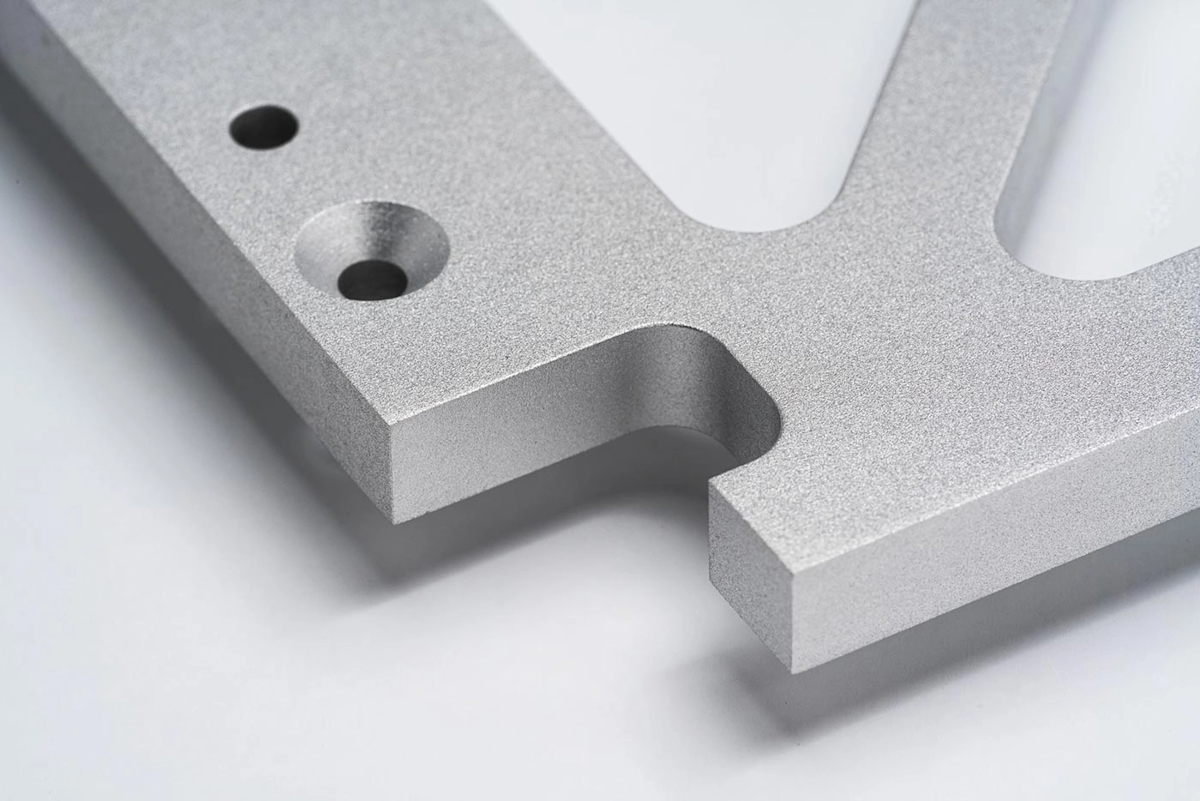
Bead blasting creates a consistent matte surface finish that helps mask any mold lines or imperfections on quick-turn parts.
Texturing adds visual appeal and grip to the surface of the part, commonly used for quick-turn consumer goods with tactile requirements.
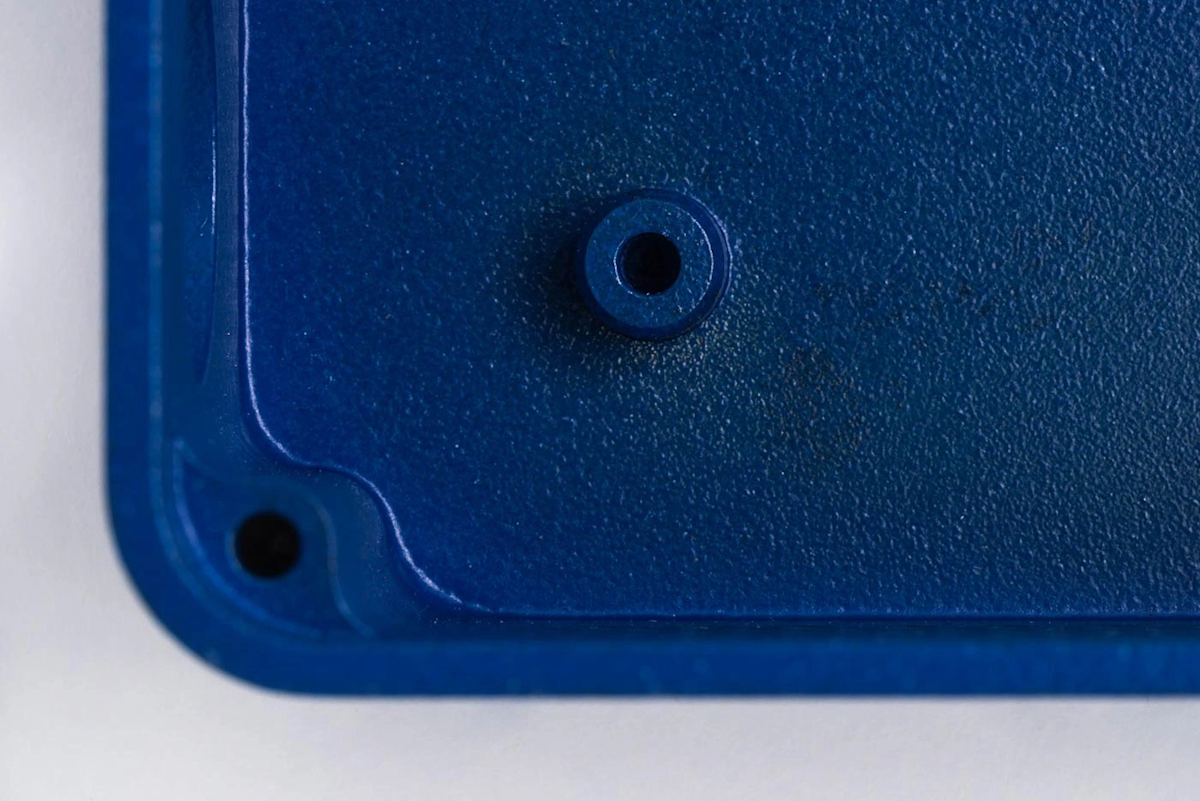
Spray coating applies a protective finish, ensuring the insert-molded part has enhanced durability and resistance to environmental factors.
Vibratory finishing is used to smooth rough edges and surfaces, ensuring quick-turn molded parts meet both aesthetic and functional standards.
Electroplating applies a thin metal coating, enhancing the part’s appearance, wear resistance, and corrosion protection.
Engineers and leading manufacturers trust TUOWEI for fast iterations and durable, high-performance parts. Whether for prototyping or full-scale production, our extensive material selection ensures precision, strength, and reliability for any CNC machining project.
ABS
Polycarbonate
Nylon, Acrylic, PVC
Polypropylene
PETG
POM (Acetal)
Polyamide (Nylon)
TPE
Silicone
EPDM
Buna-N
Neoprene
TPE
Urethane
Epoxy
Phenolic
Polyester Resin
Vinyl Ester
Aluminum
Steel
Stainless Steel
Zinc
Brass
Carbon Fiber
Glass Fiber Reinforced
SMC (Sheet Molding Compound)
BMC (Bulk Molding Compound)
Polyurethane
TPE (Thermoplastic Elastomer)
EPDM
Nitrile
Insert molding is a single-step process that integrates pre-formed inserts, often metal, into a plastic part, resulting in enhanced strength, durability, and reduced assembly requirements. Overmolding, on the other hand, is a two-step process where one material, commonly a thermoplastic elastomer (TPE)—is molded over a rigid substrate to create improved grip, comfort, and multi-texture functionality. While insert molding is best for structural integrity and cost efficiency, overmolding is ideal for improving aesthetics, usability, and product performance.
Advantages
Insert molding minimizes assembly steps, lowers production costs, improves structural strength, and supports complex multi-material integration.
Applications
Insert molding is widely used for prototypes and production parts across multiple industries, offering both functional and aesthetic benefits.
With Tuowei Precision’s CNC milling service, you’re not just investing in advanced machinery. You’re gaining the assurance of flawless precision, commitment to strict timelines, and the expertise of skilled professionals dedicated to meeting your needs.
Tuowei Precision’s ISO-certified CNC machining guarantees exceptional accuracy and quality. Every part is crafted for perfect fit and flawless performance, with rigorous quality control at each stage.
Stay on schedule with Tuowei Precision. Our state-of-the-art equipment and local workshops deliver rapid production to meet your tight deadlines.
Rely on our team for comprehensive CNC machining support. Our experts are available to optimize design efficiency and ensure top-quality results at every step.
从详细的原型到大批量生产,TUOWEI 是您值得信赖的精密 CNC 加工合作伙伴。今天就联系我们,迈出简化、高质量制造解决方案的第一步。.
Insert molding joins pre-made inserts with plastic in a mold, forming one strong part in a single, efficient process.
The inserts, often made of brass, stainless steel, or aluminum, are thoroughly cleaned to remove oils, dirt, or oxidation that could weaken the bond. Some may be knurled, threaded, or coated to improve adhesion with the plastic.
The mold is designed with precise seating features to hold inserts securely. Accurate positioning often within ±0.05 mm is essential to ensure uniform plastic flow and avoid misalignment defects.
Molten thermoplastic is injected at high temperature and pressure, flowing around the insert to form a single part. Careful control of injection speed and temperature ensures complete filling without voids.
The mold’s cooling channels quickly bring the part to a stable temperature, preventing warping. Once solid, the part is carefully ejected to avoid stressing or dislodging the insert.
Each molded part is inspected for correct insert placement, strong bonding, and dimensional accuracy. In critical industries, pull-out strength tests or X-ray inspections confirm internal quality.
Traditional assembly involves producing separate parts and then joining them with screws, adhesives, or soldering. While effective, these methods can increase labor time, add to material costs, and create potential weak points in the final product. Insert molding addresses these issues by integrating inserts directly into the plastic during the molding process, creating a seamless, single-component part.
Here’re some key reasons why insert molding is a smart choice for manufacturing high-quality, durable components:
By combining molding and assembly into one process, insert molding can cut production steps by up to 30%, reducing the need for manual labor and lowering manufacturing overhead.
Since the insert is embedded during molding, the bond between plastic and insert is mechanically stronger than post-assembly connections. Manufacturers report up to a 40% improvement in part durability compared to glued or screwed assemblies.
Insert molding consolidates multiple components into one part, which means fewer SKUs to manage and reduced supply chain complexity.
Inserts are precisely positioned in the mold and fully encapsulated in plastic, there is less risk of loosening, corrosion at connection points, or misalignment over time.
As tooling costs may be higher upfront, high-volume production runs can lower the per-unit cost significantly sometimes by 20–25% compared to traditional assembly.
Insert molding supports complex part geometries that would be challenging or impossible to achieve with separate assemblies, giving engineers more flexibility in designing compact and high-performance components.
无论您是创建小批量定制零件,还是扩大规模进行大批量生产,拓威 Proto 服务都能为您提供所需的灵活性。.
数控快速原型加工是创建工程或生产原型的完美选择,这些原型在外观和功能上都与最终产品非常相似。在拓维,我们提供即时报价和快速交付,为您提供精确、高质量的 CNC 加工原型,以满足您的需求。.
小批量数控加工通常是新兴产品从原型设计到批量生产之间的桥梁。有了拓威,这一过程变得更加简单、高效和经济,使您能够在保持高质量标准的同时迅速扩大生产规模。.
数控生产加工是高效生产千件或更多零件的最佳解决方案。拓威利用多样化的材料选择、自动化和多轴加工能力,实现了大批量生产,具有公差小、尺寸精度高、可靠性高和周转时间短等特点。.
了解拓威团队的专业技巧、行业趋势和精密制造见解,保持领先地位。阅读我们的最新博客,获取有价值的知识,了解我们如何塑造数控生产的未来。.
嵌入式成型如何提高零件的耐用性?
嵌入成型将金属或其他嵌入件直接粘合到塑料中,从而形成更坚固、更可靠的结构。这一工艺降低了使用过程中出现松动或故障的风险。通过将材料组合成一个统一的部件,可确保长期耐用性。它还能增强抗磨损、抗压力和抗冲击的能力。.
嵌件成型需要考虑哪些设计因素?
正确的镶件位置、壁厚和材料兼容性是镶件成型成功的关键。工程师要精心设计模具,以便在加工过程中将镶件牢牢固定。冷却系统也必须优化,以防止缺陷或收缩。这些考虑因素可确保高精度和一致的结果。.
嵌件成型可用于原型和批量生产吗?
是的,嵌件成型既适用于生产原型,也适用于大规模生产,使其成为测试设计和生产大批量零件的多功能工具。.
哪些行业最常使用嵌件成型?
嵌件成型因其强度、精度和设计灵活性,被广泛应用于汽车、医疗器械、航空航天、消费电子和家居用品等领域。.